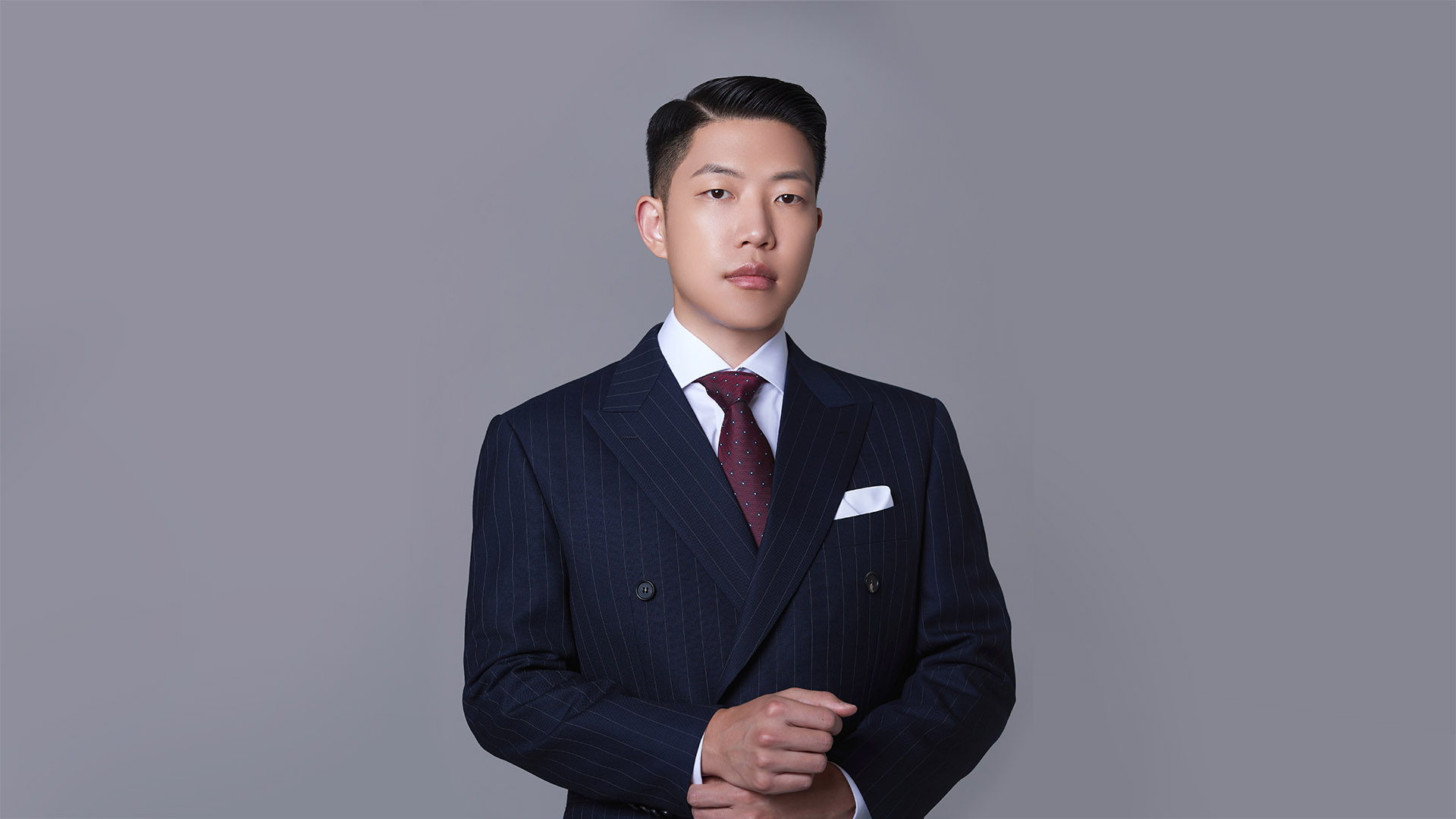
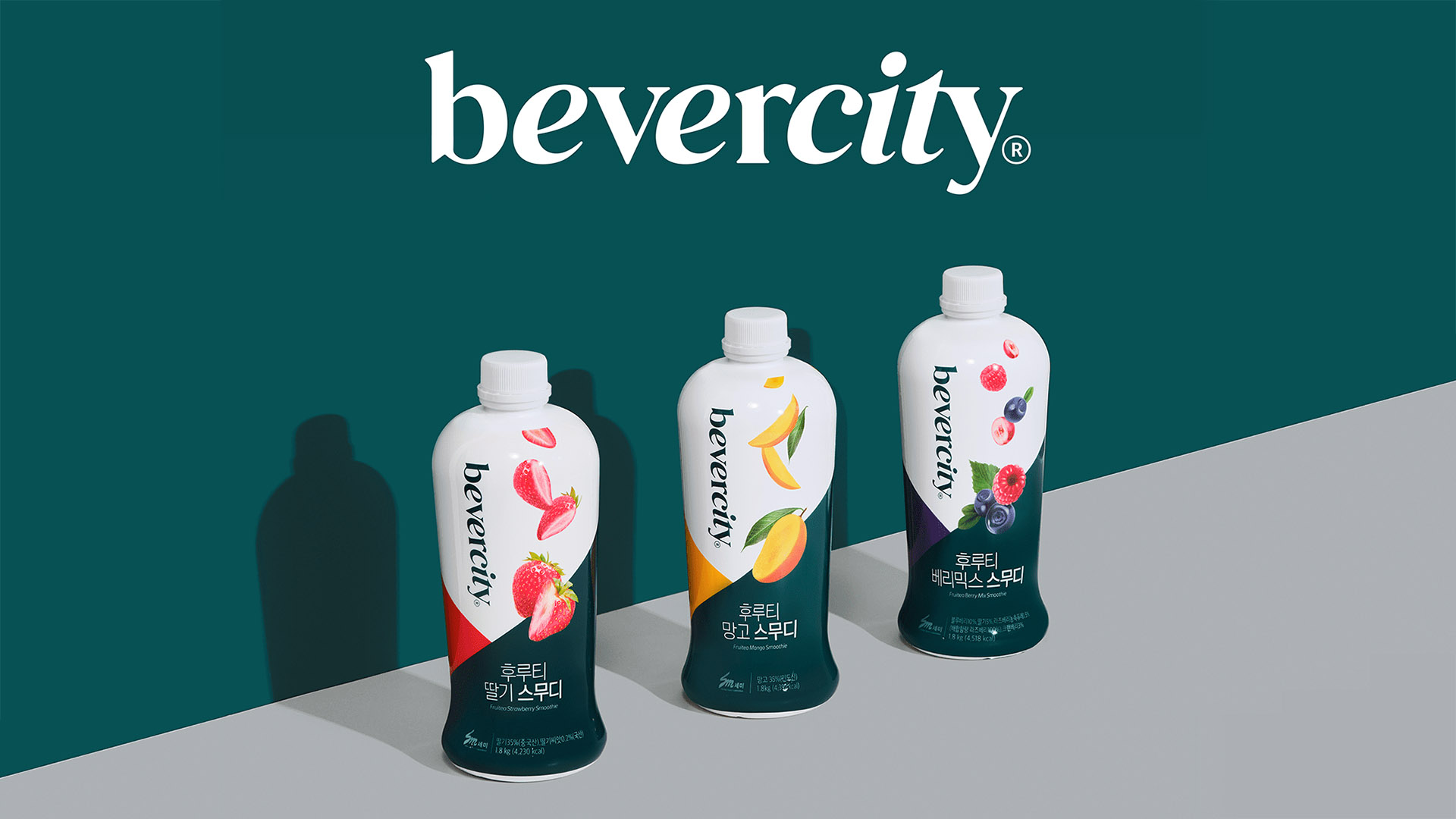
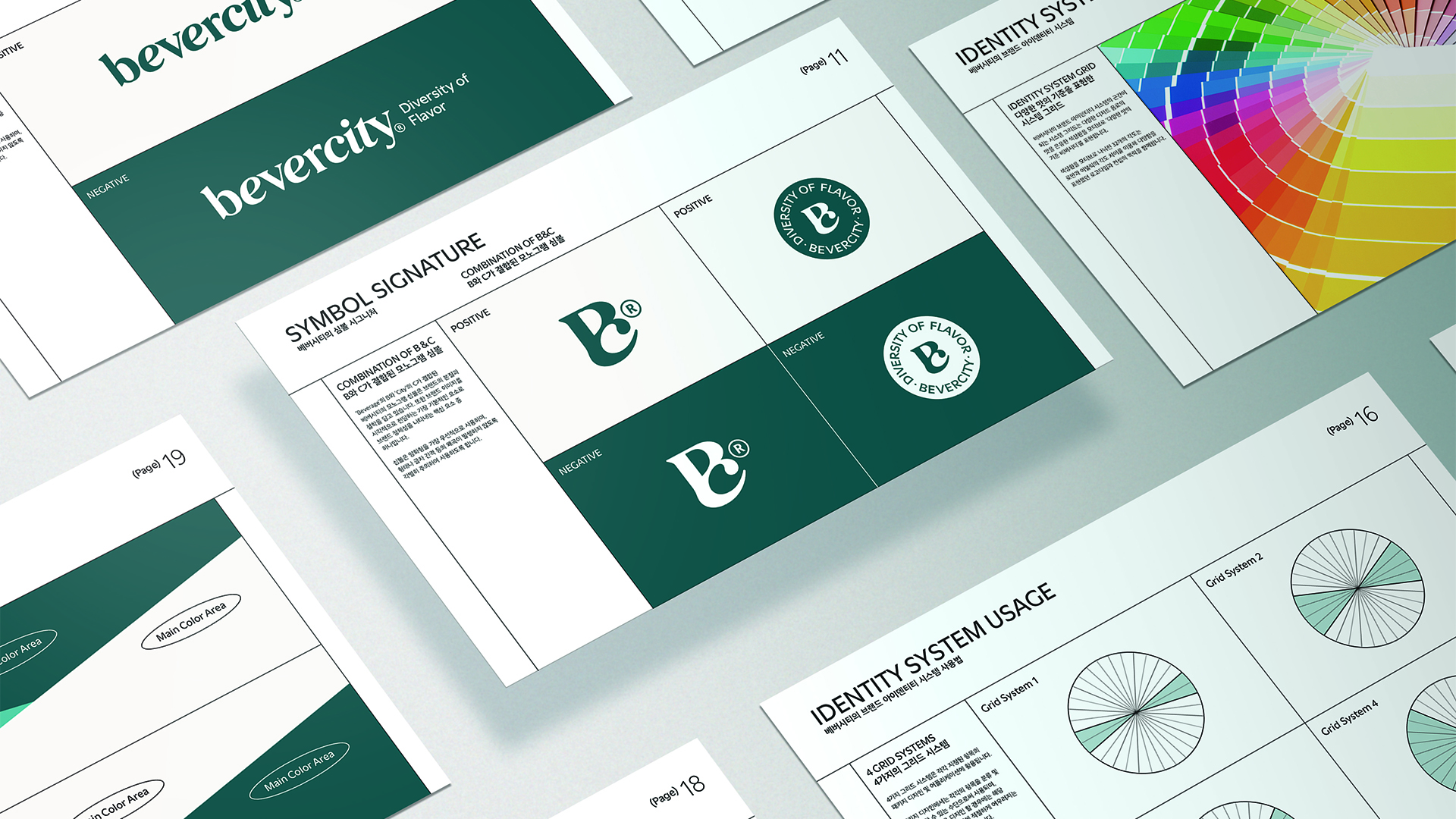
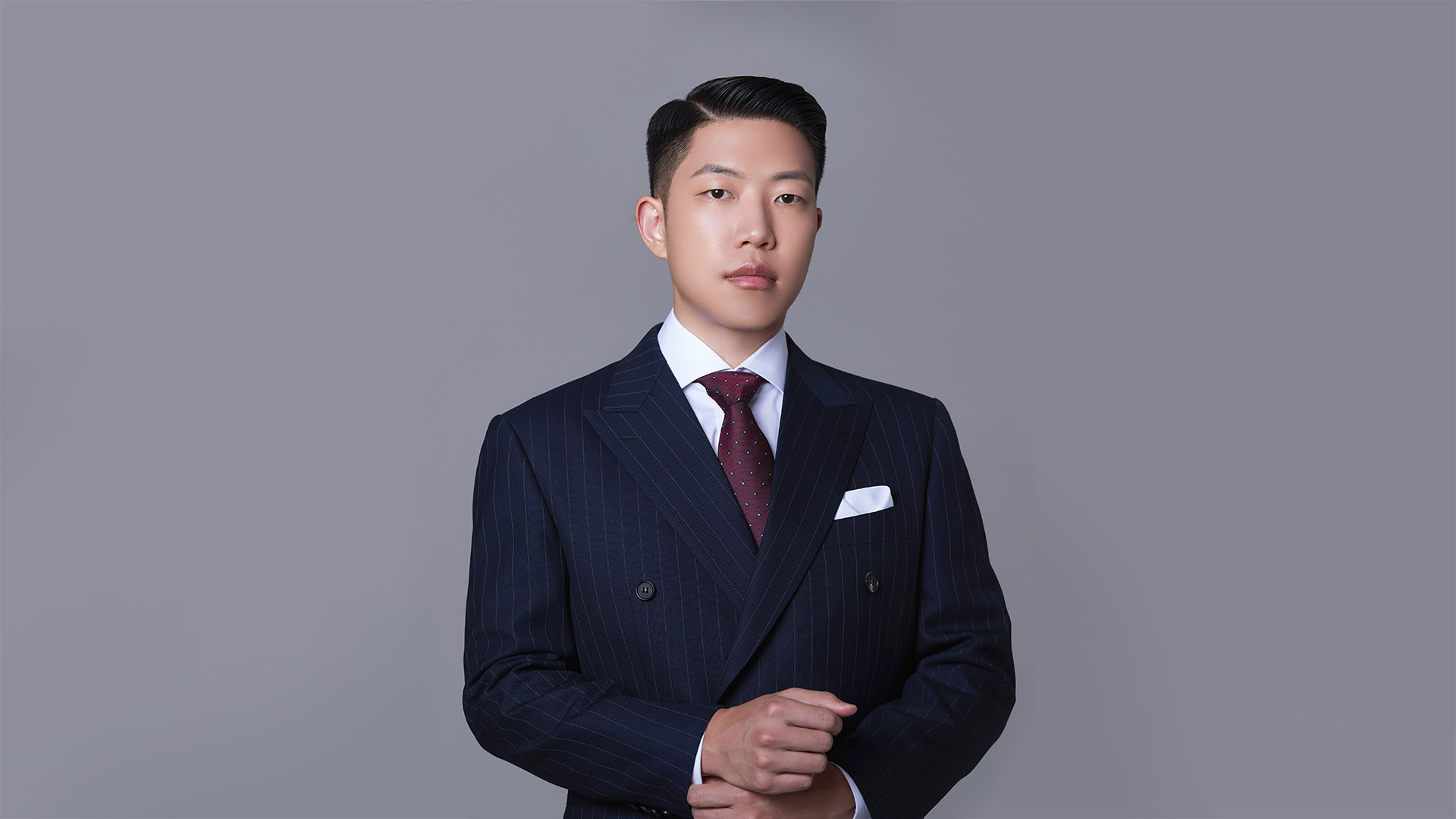
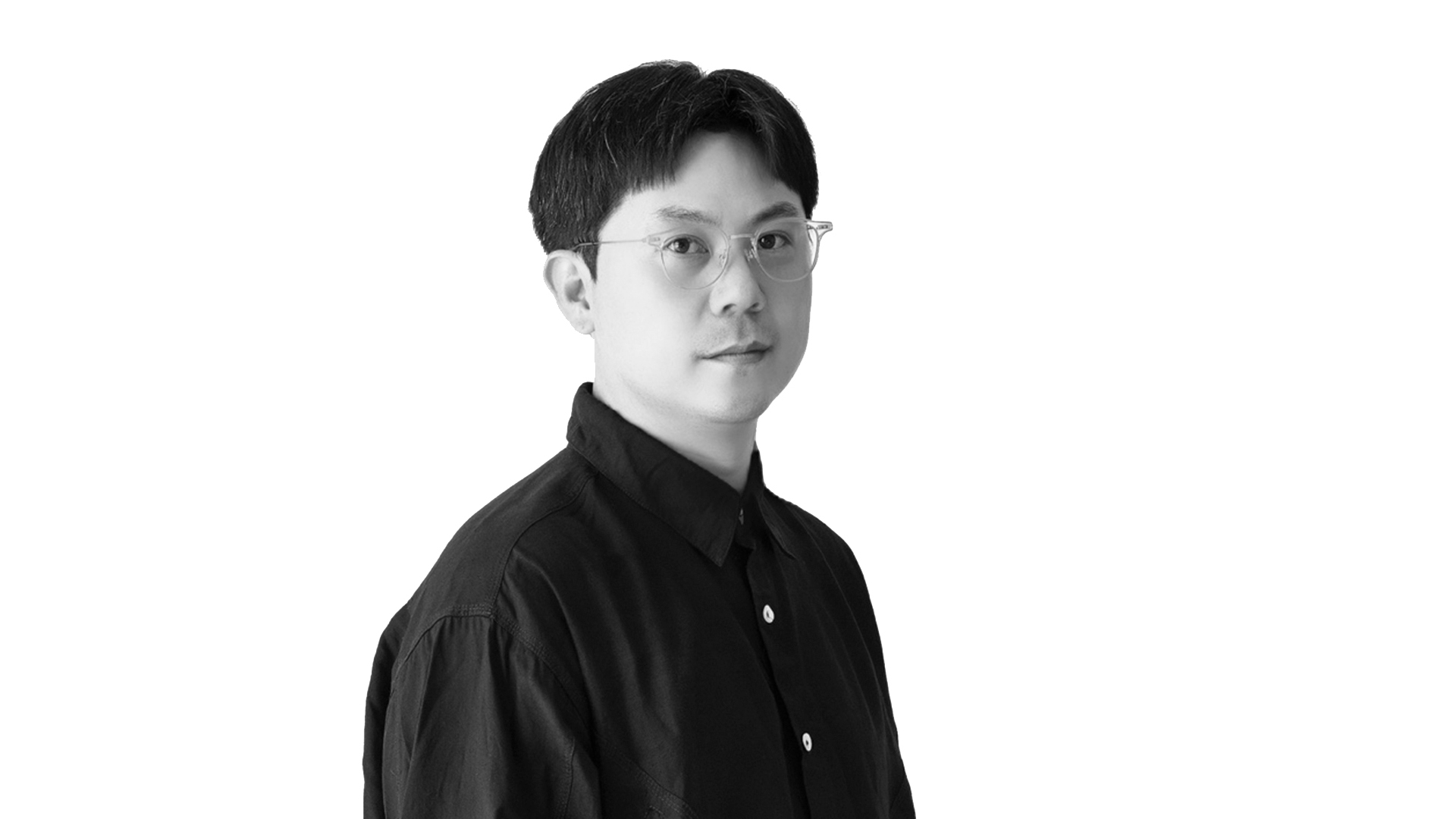
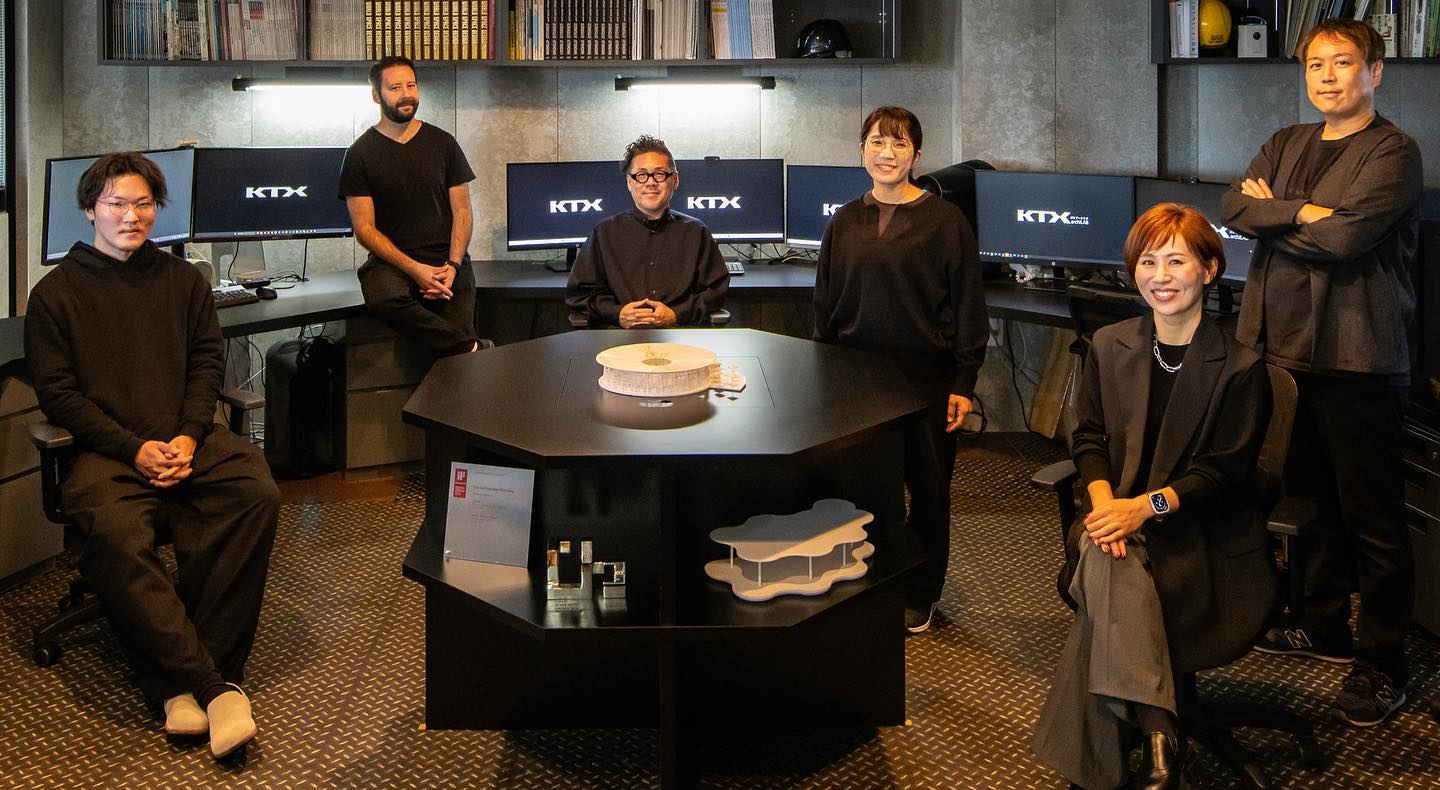
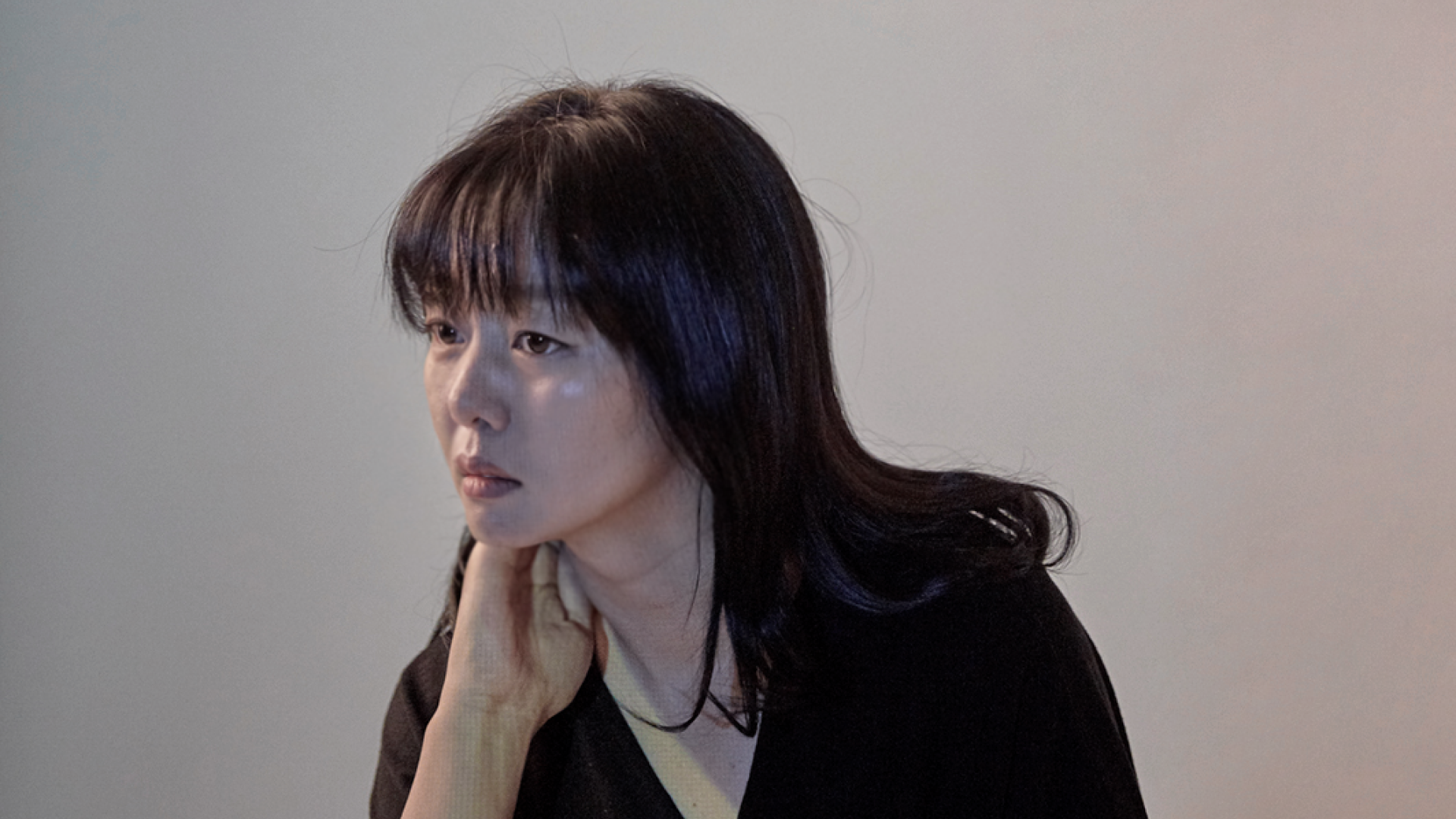
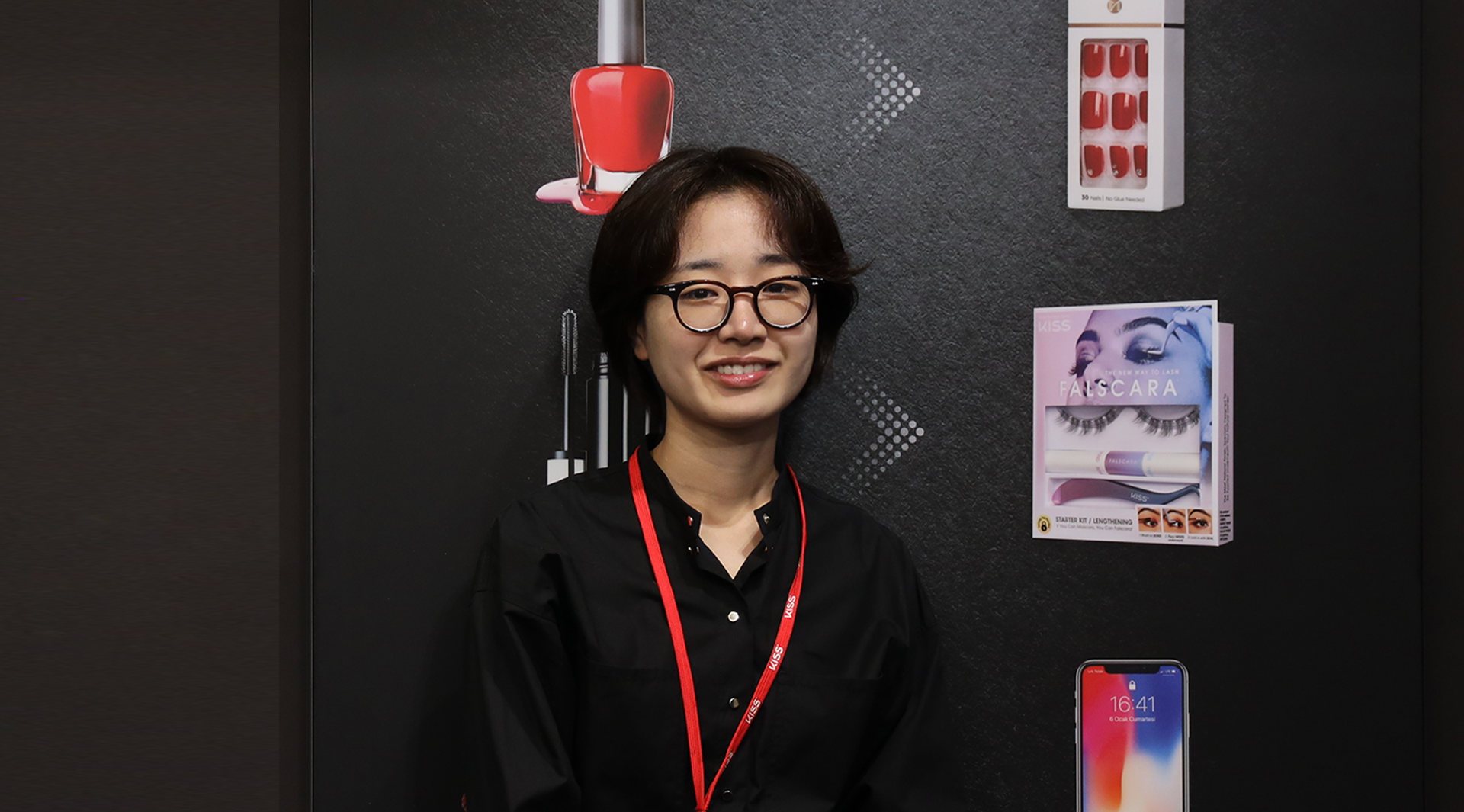
I’m Sugyu Bae, CEO of ohSeven. ohSeven is a BX (Brand Experience) design consultancy that provides strategic design solutions to help clients grow their brands. We specialize in developing unique visual languages that clearly convey brand messages to consumers and ensure consistent brand experiences across various touchpoints. We work with a wide range of clients—from startups to large corporations, both in Korea and internationally—across different industries, scales, and regions. Thanks to this diversity and our continued efforts, we’ve been able to grow steadily, and in 2023, we were honored to be selected as a Promising Enterprise in the Excellent Design Specialized Company program.
What has been your most memorable achievement or experience?
Our biggest achievement this year was being selected as an Excellent Design Specialized Company. Since founding ohSeven, we had been fully focused on incoming projects and didn’t pay much attention to external exposure, awards, or interviews. But over time, I realized that it was becoming harder to introduce and explain our company to new clients and partners. That prompted me to take on external activities for the first time. Being selected in this national program felt like recognition of ohSeven’s competitiveness, and I was truly happy with the result. The program divides selected firms into two categories: Leading Companies and Promising Companies. Only 10 firms were chosen in each category this year, and we were selected as a Promising Company.
Some of the Leading Companies were firms I had long admired, so this recognition felt like a meaningful step closer to that level. Externally, this helped raise ohSeven’s profile, and internally, it boosted the team’s pride and morale. It reminded me of the importance of external outreach and branding for our own company as well. In two years, we will be eligible to apply as a Leading Company. We plan to continue growing steadily and showing strong results—not just to reach that milestone, but to become a truly impactful design partner across the industry.
Is there a principle you never compromise on as a designer?
I always remind myself that design is not art. Of course, depending on one’s perspective, design can be considered a form of art—but when I say “design is not art,” I mean that design is not something you do alone. The key difference between art and design lies in communication. An artist sends a message unilaterally. A designer, on the other hand, must first listen—gathering input from collaborators before communicating through design. What may be considered a “perfect” outcome from a designer’s perspective might not be ideal from a business or marketing standpoint. That’s why it’s essential to listen and incorporate those viewpoints into the work.
At the same time, a designer shouldn’t simply follow the business side’s opinions blindly. It’s our responsibility to navigate those different needs and voices, engage in open discussions, and shape a design that best aligns with the brand’s purpose and goals. In the end, design is born from dialogue. Even after more than nine years of running my own studio, I still find communication challenging. And honestly, I don’t think it gets much easier—even after 20 years. But it's a principle I’ll always hold onto.
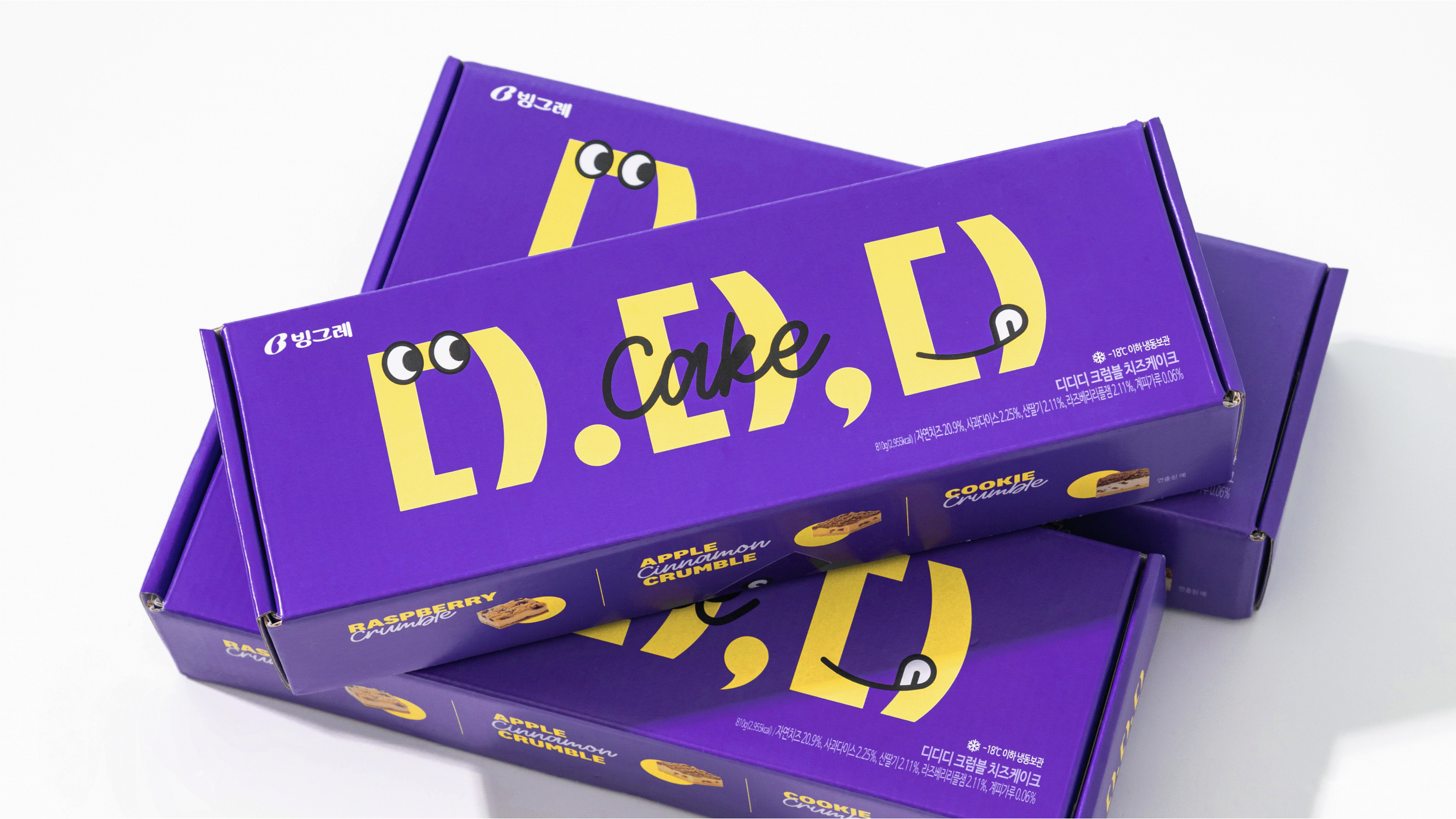
Can you share an episode about communication at ohSeven?
There was a time we worked with a client who had a very specific idea of the design style they wanted. Now, you might think—Isn’t it a good thing when the client has a clear direction? And yes, it can be, but only when that style actually aligns with the brand’s strategy and concept. In this case, the client’s preferred aesthetic had nothing to do with the brand’s positioning—and to be honest, it wasn’t even visually appealing. If we were just an agency, we might have simply executed what they asked for. But as a consulting firm, our role is to recommend what kind of experience the brand should offer consumers. So we pushed back—and the conversations with the client turned into a fairly intense back-and-forth.
In the end, we reached a compromise, but neither side was fully satisfied. It was one of those projects that left a lingering sense of “what if”—a reminder that successful communication isn’t just about reaching an agreement, but about finding a direction both sides can truly believe in. In contrast, clients tend to respond positively when we highlight strengths of their brand that even they weren’t aware of. It’s rare for a product or service to be developed with brand design already in mind. That’s precisely why they reach out to consulting firms like us—to help uncover and communicate the unique value of their brand through research and strategic thinking. When that happens, we often hear things like, “I didn’t know our brand had this side,” or “This is exactly it!” Moments like those are incredibly rewarding for us.
In order to generate such positive reactions, it’s not about speaking well—it’s about listening well first. Ultimately, every brand starts with the client, and that means the answers already lie with them. By listening closely, thinking deeply, and blending their words with our own experience, we can express the brand clearly and visually. When that happens, communication works—and the project succeeds.
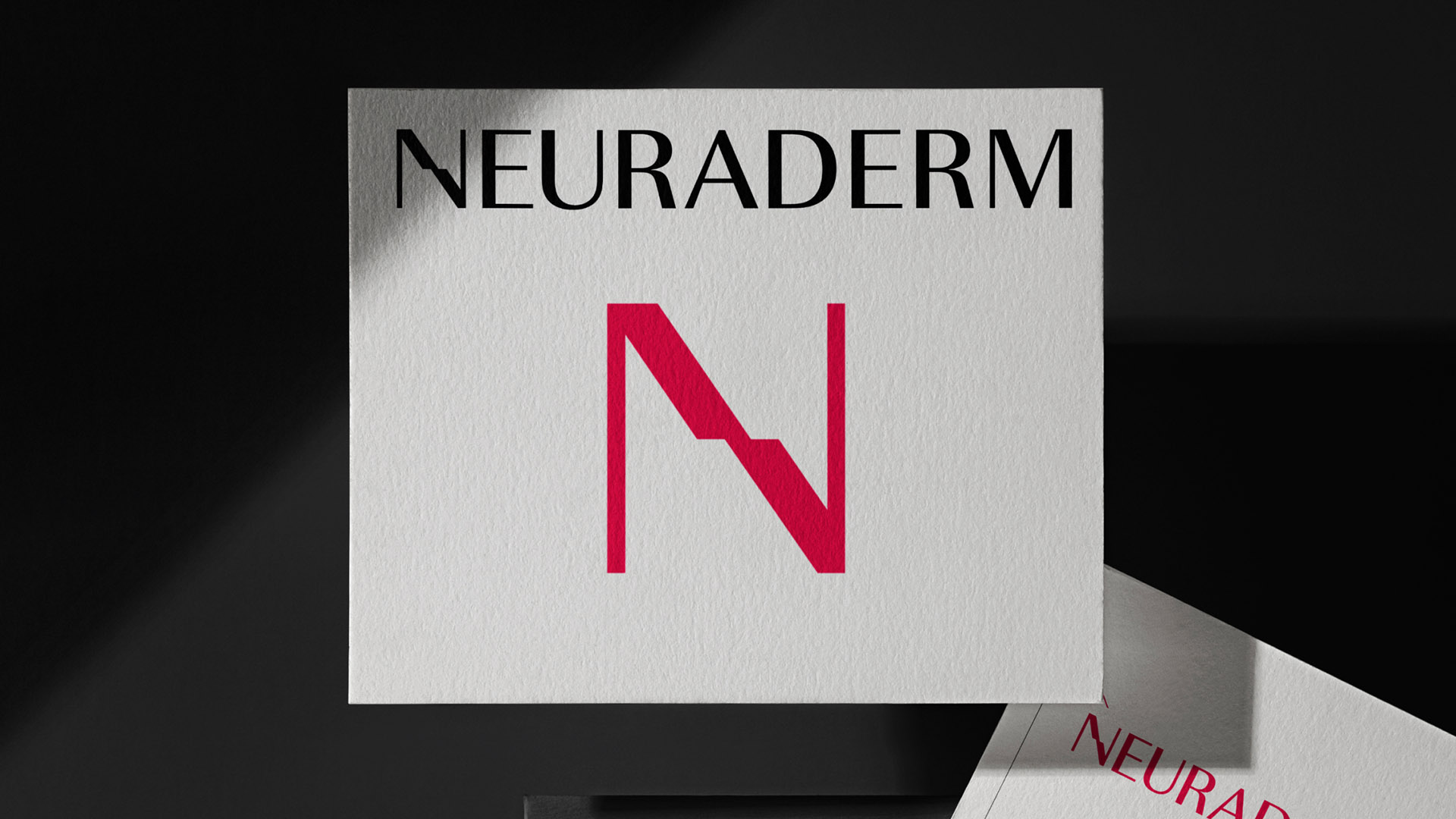
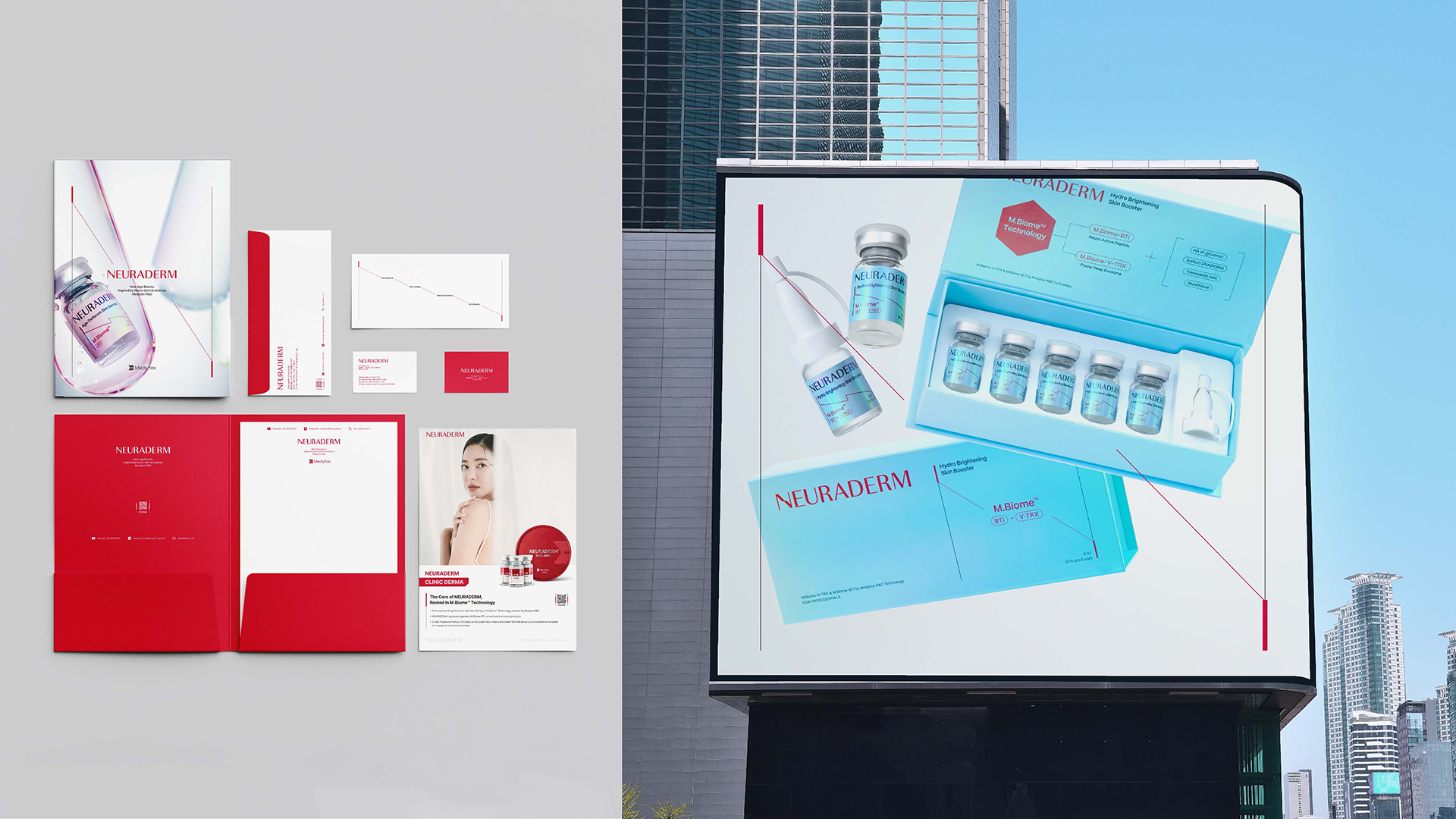
Is there a field you’d like to challenge yourself in or a type of project you’re eager to take on?
I would love to take on an airline branding project. Redesigning or building the identity of a major airline requires a significant amount of funding, which means every decision must be made with extreme care. Airline branding demands proven capability, the scale to handle complex projects, and the trust that the work can be carried through to the end. That’s why I find it so appealing—doing airline branding is, in itself, proof of a design studio’s experience, skill, credibility, and capacity. This is especially true when it comes to national carriers.
The most memorable airline brand for me is Emirates. It was the first international airline I flew with during a backpacking trip, and its outstanding service stood in stark contrast to the negative associations many people have with the Middle East due to war. The logo, beautifully balancing Arabic and English typography, projected a strong national image, while the restrained aircraft graphics inspired trust and dignity. Just imagining a day when I might see a logo I’ve designed emblazoned on the side of a massive aircraft—it gives me chills and fills me with excitement. Of course, to earn that kind of opportunity, I’ll need to continue growing through diverse and ambitious projects.
How have design or marketing approaches changed from the pandemic to the endemic era?
While brand design isn’t confined to any specific industry, clients naturally prefer agencies with experience in their own field. This means brand design studios are constantly tasked with exploring and adapting to new domains. In that sense, the pandemic actually opened up new opportunities for us. Many of our cosmetics and food clients began expanding into the health supplement market during COVID-19.
Cosmetics brands began launching inner beauty and skin immunity products—mainly collagen-based supplements—while food companies introduced entirely new health-related product lines. And naturally, we were asked to design for them. Through this, we learned not only about the preferences and behaviors of health supplement consumers—who are different from general food consumers—but also about the stricter regulations in the supplement industry. As our experience grew, other companies in similar industries began reaching out to us as well. In the end, the pandemic allowed us to build a new portfolio in a completely different category—an unexpected but welcome expansion of our expertise.
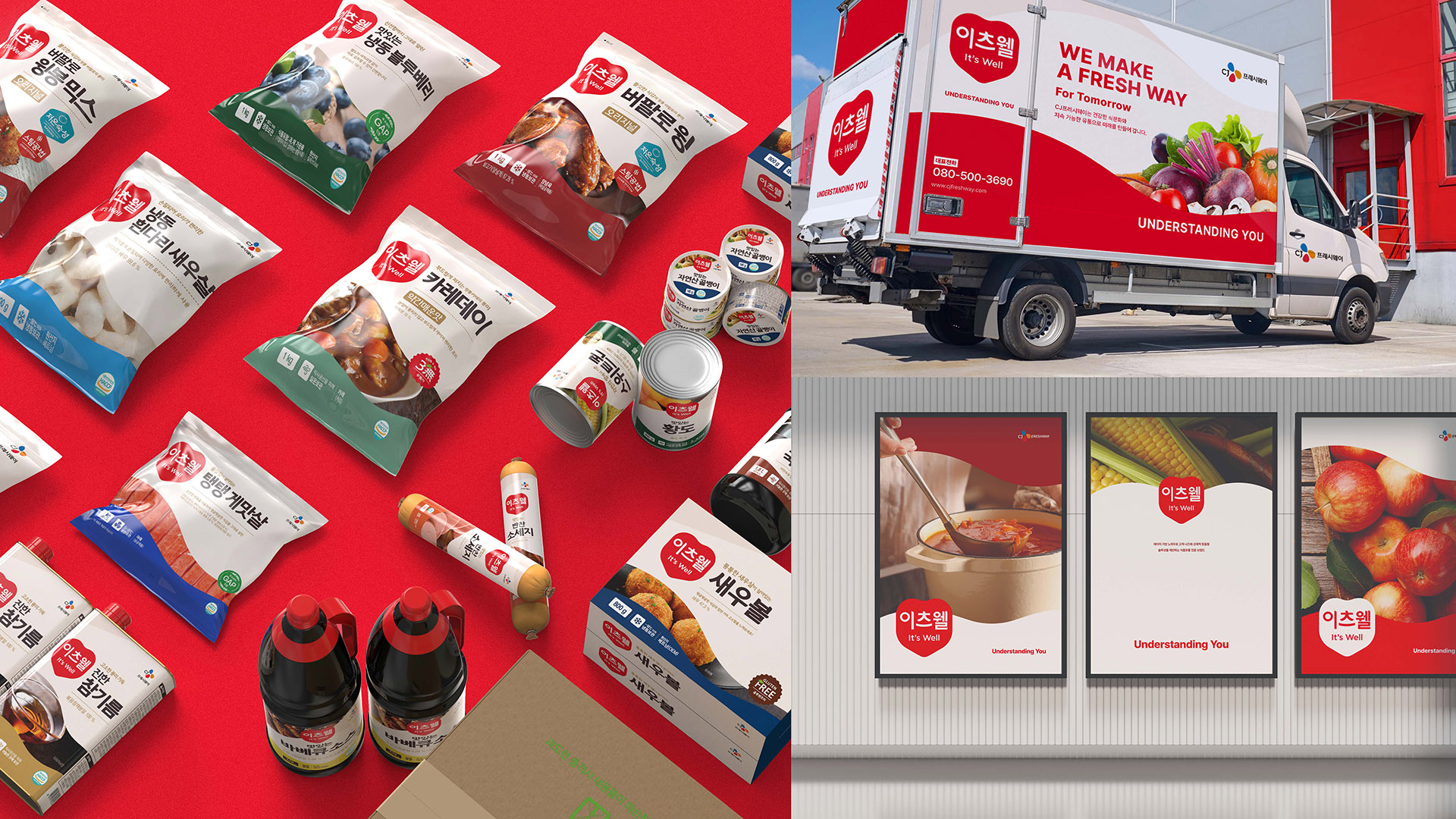
Do you have a personal philosophy or belief as a designer? And what is your vision for the future?
It may sound repetitive, but brand design isn’t limited by industry—or by medium. That’s why brand designers must always stay open to new things and maintain a mindset of continuous learning. The output of brand design varies depending on the client’s business. Depending on the situation, a project might require a website, motion graphics, packaging, or a catalog. If a designer specializes only in web and has no desire to learn beyond that, they’ll eventually remain confined to what they already know. In that case, they’re not really a brand designer—they’re a web designer. Recently, especially in the IT industry, there’s been a growing trend of incorporating 3D and motion into brand design. I believe this shift will soon spread throughout the entire branding field.
Traditionally, brand designers have relied heavily on illustration and Photoshop, but now it’s time to prepare for a world where motion and 3D are essential. At ohSeven, our goal is to become one of Korea’s top design companies. To achieve that, we have to stay adaptable and resilient. I encourage this attitude of change within our team as well—because the deeper and broader each team member’s skill set becomes, the more ohSeven as a whole can grow.












#14057, 905 49, Beolmal-ro 102beon-gil,
Dongan-gu, Anyang-si, Gyeonggi-do, Korea
Business Registration Number: 454-86-01044
Online Sales License No.: 2021-Anyang Dongan-1081
Copyright © DESIGNSORI Co., Ltd.