In August 2025, the operator of London Bagel Museum (LBM) was acquired for a price in the low to mid 200-billion-won range. For a domestic food and beverage franchise, this valuation stands out in the history of Korean M&A. Private equity firm JKL Partners is reportedly pursuing the global expansion of K-food through the deal. Debate has followed over whether the price was high or low. Korean F&B companies are typically valued at three to five times EBITDA, yet LBM drew a multiple comparable to premium, high-growth global brands at above ten times. Why was that level of value recognized? Two decisive reasons help explain it.
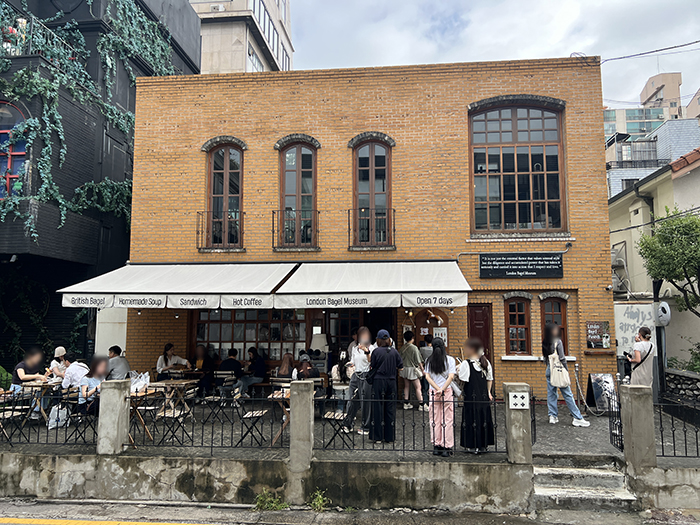
First, overwhelming profitability. In the last fiscal year LBM posted 79.6 billion won in revenue and 24.3 billion won in operating profit, which translates into an operating margin above thirty percent. For an F&B company that prepares and sells physical products, that is rare. Consider, too, that the brand runs only six stores nationwide. The numbers strongly suggest a combination of rigorous cost control and exceptional pricing power that persuades customers to pay without forcing the brand to sacrifice margin.
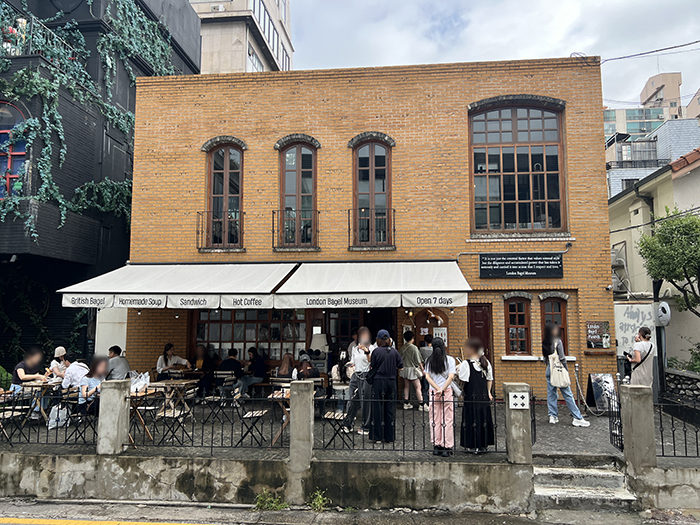
Second, a model built on selling experience through managed scarcity. LBM offers more than food and drink. It sells a cultural moment anchored in limited access. Even the act of queuing, the so-called “open run,” has become a badge of participation in a wider trend. That intangible cultural cachet underwrites the higher valuation on a non-financial level. On a weekday morning visit in September 2025, the wait was still long. More than fifty parties were ahead for in-store seating, though takeout was easy enough to secure and taste. With that premium recognized, the sale closed at a price few peers have reached.
“How did this brand begin?”
Before opening LBM, founder Ryo spent about twenty years successfully running an online retail business. Her early edge was empathy. Through the shop she read subtle customer needs and responded in ways that built emotional bonds, not just sales. Yet at the peak of that success, she felt a surprising emptiness: few around her seemed to understand her own inner needs. Seeking a new path, she traveled to London and found the seed of an F&B vision there.
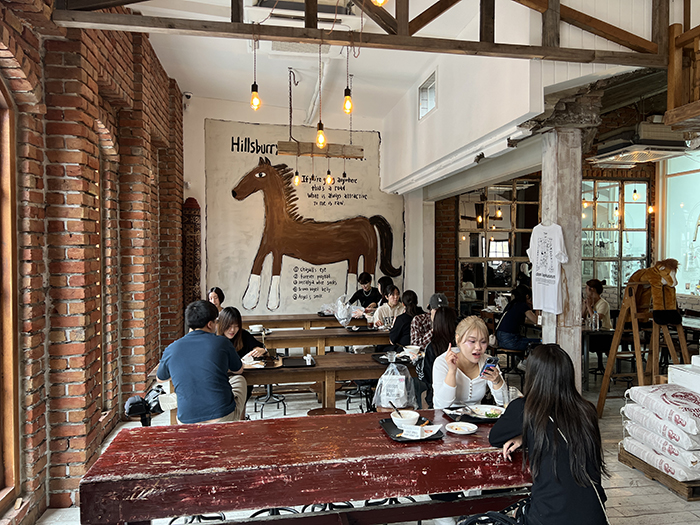
London’s classic, analog atmosphere became a new personal north star. The idea evolved beyond finding a new item, into a self-authored goal to create spaces and products she truly loved and could stand behind. It still took five years to wind down the long-running shop. In 2017 she entered the café business, opening Café Highwest, then Layered Café in 2019, and finally London Bagel Museum in September 2021. She was forty-nine when she launched LBM, a fact that makes the fresh start even more striking.
Despite the refrain “Koreans do not really like bagels,” she immersed herself in the solitary trial and error of crafting a “Korean” bagel. She devoted thirteen months of R&D to achieving a tteok-like chew that would resonate with local palates, adjusting dough formulas, fermentation temperatures, and times again and again. After debuting in Anguk in September 2021, LBM expanded to six carefully selected flagship locations in Dosan, Jamsil, Jeju, and Yeouido. Rather than scaling store count quickly, the brand preserved a small fleet to maximize premium perception and scarcity. Ryo and her team designed every element, from interior to product display, and that attention to detail encouraged customers to share images on social platforms of their own accord. Call it a viral effect, achieved by design rather than by heavy media spend.
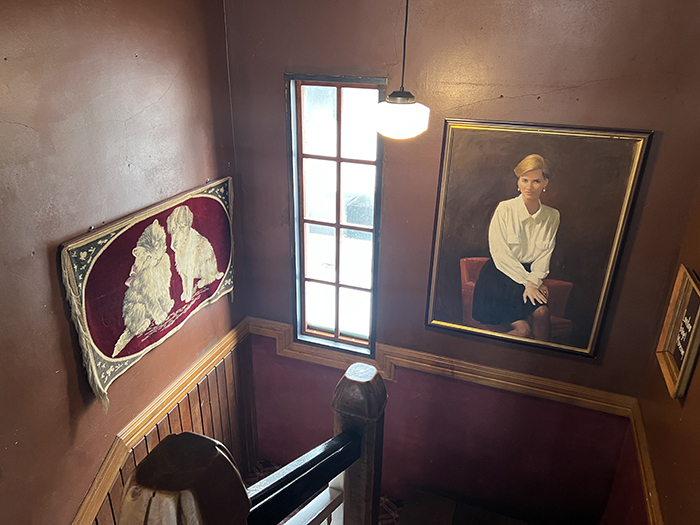
Who, then, is Ryo? She studied visual design and did not receive formal culinary training. Across the brands she has created, she has used business as a medium of self-expression. She designed not only taste, but also style and atmosphere. She framed F&B not as food service alone, but as integrated space and experience design. Her success stems from translating personal experience into a distinctive founder’s language. Relentless curiosity and sustained self-inquiry are the habits that produced a brand like LBM.
She resists reducing her brand to a single neat sentence. That stance reflects a desire to build layered experiences that hold depth and direction at once, and that cannot be copied easily. Anyone who aims to create a singular brand must become a specialist in self-inquiry. Rather than leaning on market trends, trust your own taste and sensibility, and build a business from that ground. Ryo has shown that a unique point of view can become the most powerful weapon a brand possesses.













#14057, 905 49, Beolmal-ro 102beon-gil,
Dongan-gu, Anyang-si, Gyeonggi-do, Korea
Business Registration Number: 454-86-01044
Online Sales License No.: 2021-Anyang Dongan-1081
Copyright © DESIGNSORI Co., Ltd.