
The Power of Structure Proven by Faber-Castell and HiPP
When we think of the word craftsmanship, we often imagine an individual. Someone who has repeated the same work over many years, embedding refined skills into their body and creating results through the sensitivity of their hands. Craftsmanship has long been understood as a concept tied to personal ability and attitude. But this definition is only half correct. Why is it that some brands can maintain the same level of quality not just for decades, but for centuries? Why do certain products retain the same trust even as generations change? If craftsmanship depended solely on individual skill, such continuity would be impossible to explain. People change, environments shift, and conditions fluctuate.
So the question must be reframed.
Is craftsmanship the result of individual skill, or the outcome of a system?
There are two brands that answer this question most clearly, Faber Castell and HiPP. Both originated in Germany. And in Germany, quality is not understood as a result in itself, but as the outcome of a well designed structure.

Pencils were once tools of pure sensation. What felt softer or harder was never clearly defined. Users could only understand the difference through experience. There were no standards, and every choice carried uncertainty. At this point, Faber Castell did not simply improve the product. They began to redefine how the product is understood. Instead of making a better pencil, they chose to create a system that could explain what a good pencil is. It was an attempt to translate a tool once dependent on subjective feeling into a language that anyone could understand.
The result was the hardness grading system represented by H and B. By further subdividing these into quantified levels, the pencil was transformed into an explainable tool. No longer chosen by vague sensation, pencils could now be selected based on purpose. This shift went beyond convenience. It restructured the market itself. When standards exist, comparison becomes possible. When comparison becomes possible, choice becomes simpler. And when choice becomes simple, the market begins to operate through a shared language. This was not merely an improvement in function, but the creation of a grammar that defines the category itself. Faber Castell is not just a brand that makes pencils. It is a brand that defined how we understand them.
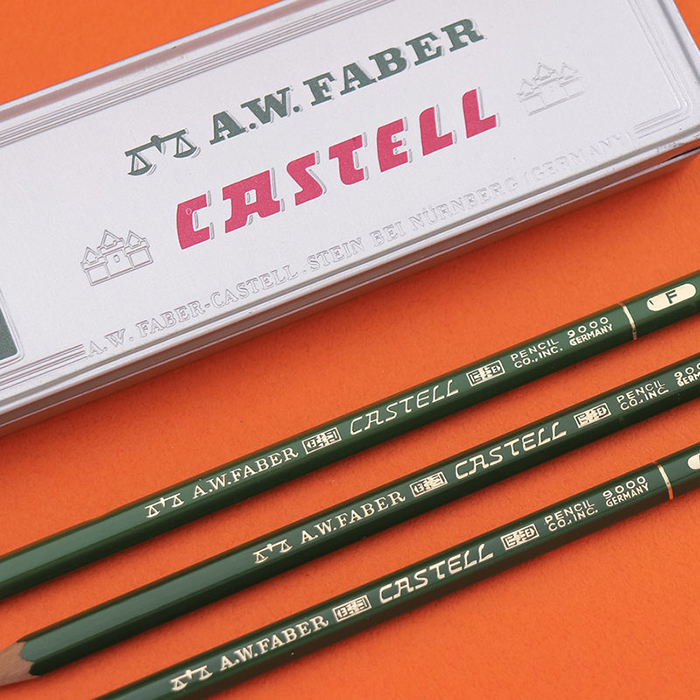
< Image source: Faber-Castell >
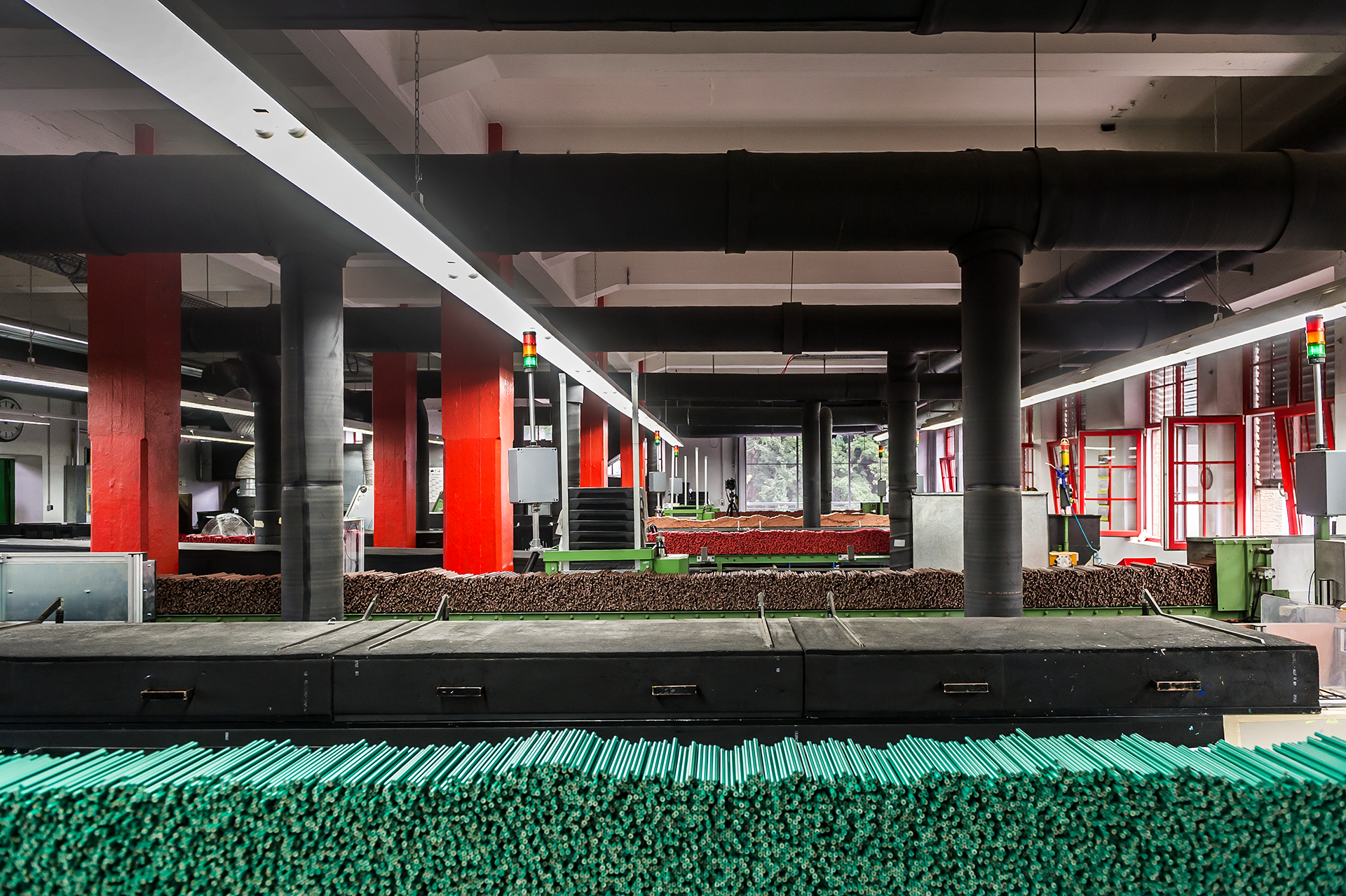
This standard does not remain limited to pencils. It extends across colored pencils, writing instruments, and art tools, becoming a core principle that runs through the entire Faber Castell brand. The phrase “Creativity in your hands for 265 years.” is not merely a slogan. It reflects a system that has been consistently sustained over time. This structure goes beyond the product itself. The company’s own forests in Brazil are not simply sources of raw materials, but a system designed to control quality. The focus is not just on what kind of wood is used, but on the conditions in which it is grown. That standard is applied consistently throughout the entire production process. As a result, the quality of the brand is not finalized in the factory. It is determined long before that stage. A pencil is not simply made. It is the outcome of a carefully designed structure.
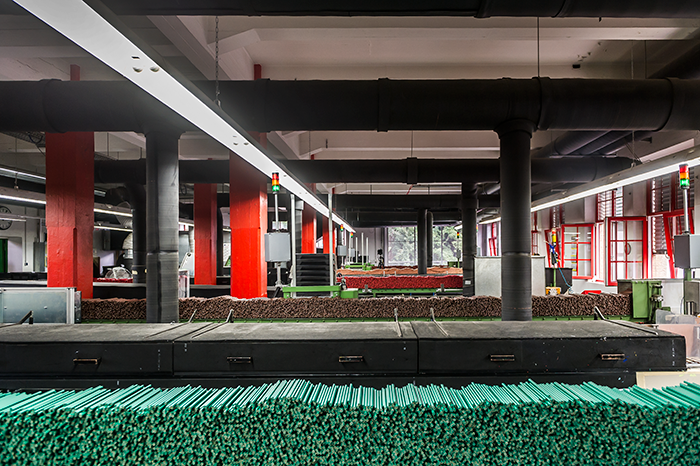
< Image source: Faber-Castell >
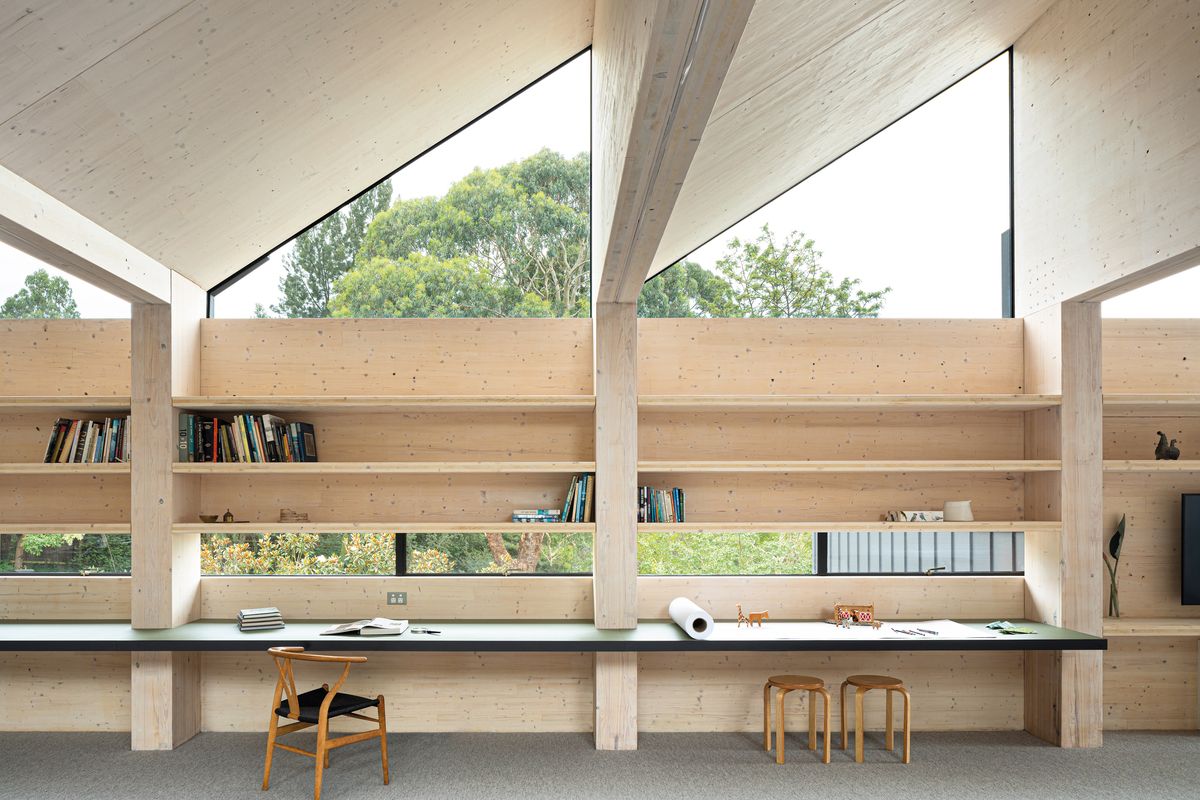
HiPP follows a similar logic. On the surface, it appears to be a brand that produces organic baby formula, but its essence lies not in the product, but in the system. What HiPP chose was not the outcome of being organic, but the conditions that ensure that outcome remains consistent. The recent global baby formula recalls revealed that the root of the problem often lay in the raw material supply chain. A structure that depends on specific regions or limited suppliers may be efficient, but it also carries inherent risk. HiPP made a different choice. By building a Europe based supply network, maintaining long term partnerships, and establishing a system that controls quality from the earliest stages, the brand aligned every decision toward a single direction, eliminating uncertainty. The phrase “The best from nature. The best for nature.” is not merely a message. It reflects a system that begins with nature and returns to it.
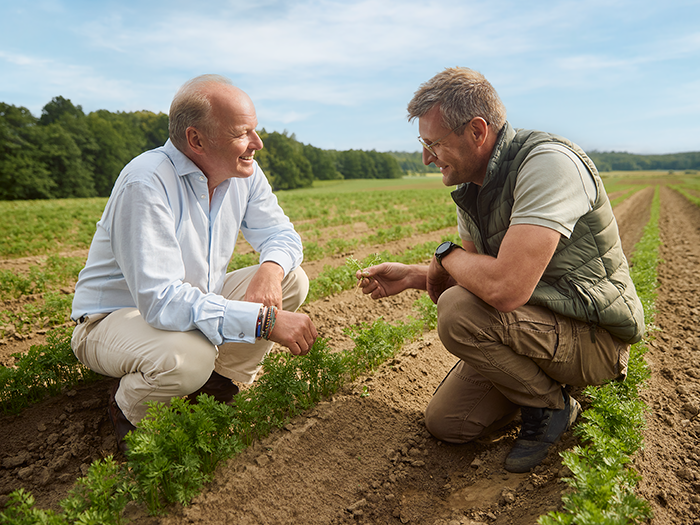
< Image source: HiPP >




















#14057, 905 49, Beolmal-ro 102beon-gil,
Dongan-gu, Anyang-si, Gyeonggi-do, Korea
Business Registration Number: 454-86-01044
Online Sales License No.: 2021-Anyang Dongan-1081
Copyright © DESIGNSORI Co., Ltd.