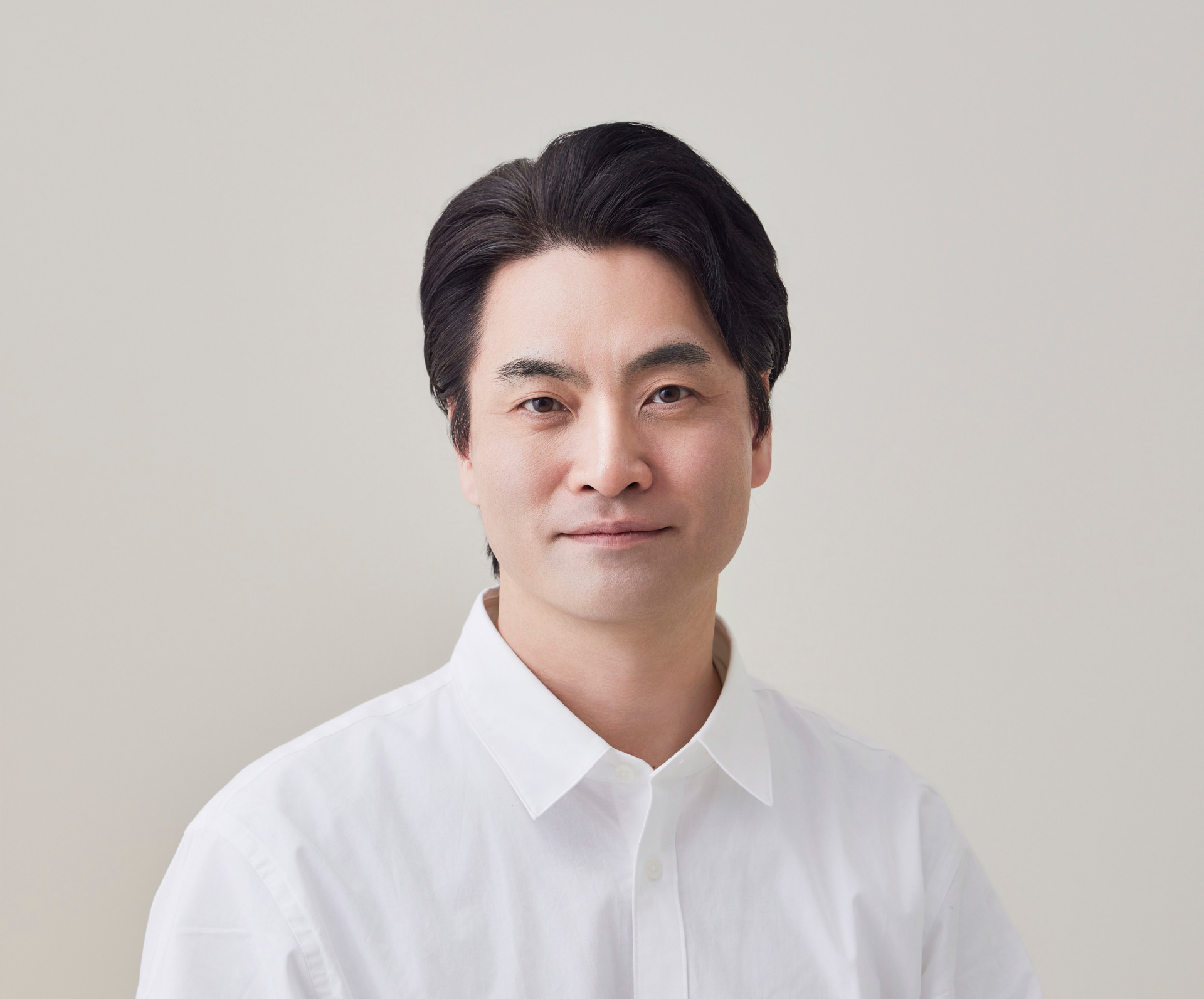
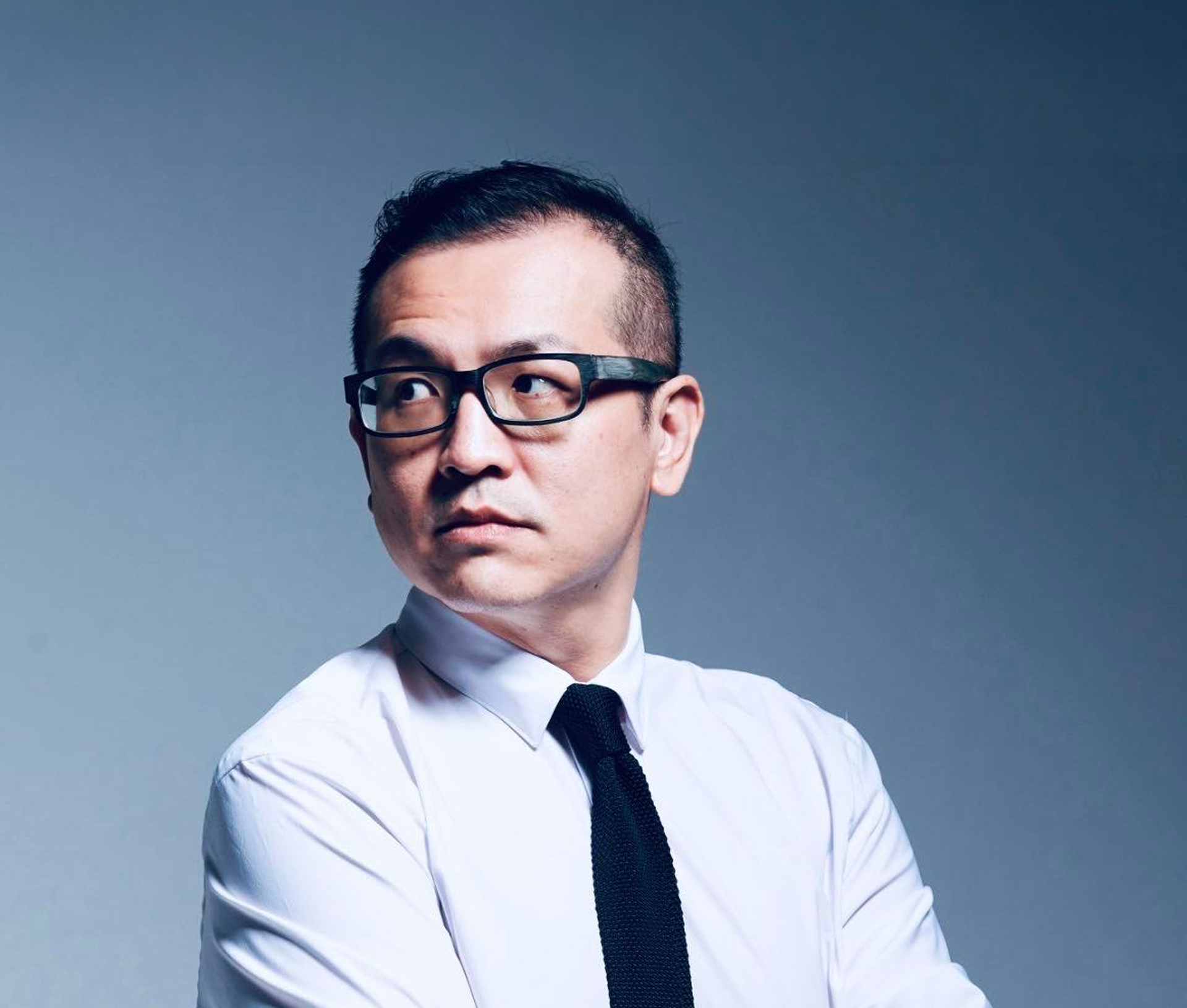
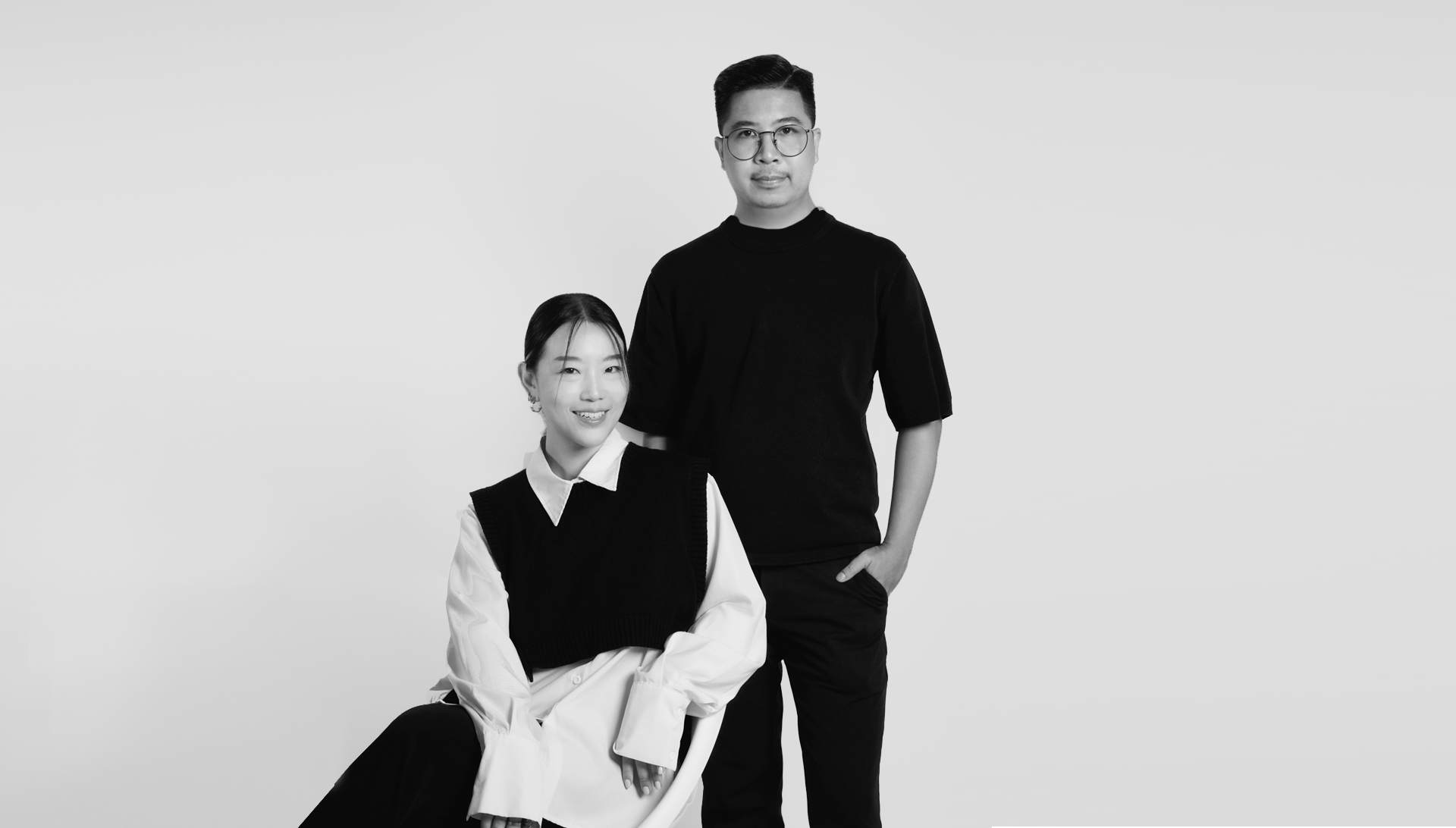
Dongyup Lee Founder, CROSS2 Inc.
“CROSS2 Inc.approaches product design not as the creation of form, but as the process of designing structures that solve problems between products and users. Rather than relying on aesthetics or trends, the studio focuses on defining why certain forms and functions are necessary, building logical solutions grounded in patents and technology. The concept of ‘cross’ operates as a method of connecting different industries and technologies to derive new answers. Through this approach, the studio creates integrated design that moves across the boundaries of product, user experience, and industry. Recently, CROSS2 Inc.has been expanding its scope through its own brand and AI driven research, further advancing a methodology centered on problem solving. In this interview, we explore how CROSS2 Inc. defines the role of design and the direction it envisions for the future.”
Could you introduce CROSS2 Inc.? What is the core philosophy and direction that your studio pursues today?
At CROSS2 Inc., we see design not as the process of creating form, but as the process of designing structures that solve problems between products and users. Rather than focusing on the outcome itself, we place greater importance on the reasons and processes behind how that outcome is created. In particular, we aim to begin every project by asking why certain forms and functions are necessary. While many design approaches are often driven by aesthetics or trends, we believe that defining the essence of the problem is far more important. We first seek to understand the environment in which users operate, the discomforts they experience, and the constraints they face. Based on this understanding, we establish the structures and principles required to solve those problems, and build design upon that foundation.
In this process, patents and technology play a critical role. Rather than simply proposing new forms, we analyze existing, proven technologies and mechanisms, and apply them in different contexts to derive more logical solutions. Through this approach, we aim to move beyond sensory outcomes and develop design as a solution that genuinely works in practice. Ultimately, we strive to evolve this approach into a methodology. Instead of leaving product design as a result confined to individual projects, we aim to expand it into a structure of problem solving that can be repeatedly applied across various industries and domains.
CROSS2 Inc. works across a wide range of industries and fields. What does “cross” mean for your studio, and how is it implemented in your projects?
The concept of “cross” goes beyond simply working across different fields. We see it as a process of connecting technologies and problem solving methods from different domains to derive new solutions. While each industry has its own accumulated knowledge and approaches, we believe that there are underlying principles that operate across them. We analyze patents and technologies from various fields to identify these shared principles, and then apply proven structures or mechanisms to entirely different products or contexts. Through this approach, we aim to solve problems more efficiently and logically, especially those that are difficult to address through conventional methods.
At the same time, “cross” is not limited to technical integration. We also consider how technology can be combined with user experience to create new value that is both functionally sound and naturally aligned with the user’s context. This often involves integrating product design with other design disciplines, allowing us to provide a more comprehensive and holistic design service. In this sense, “cross” is not about simply combining different areas, but about discovering and reconstructing new structures that emerge between them. Through this approach, we aim to expand design into a broader tool for problem solving.
When starting a product design project, what is the first thing you define? What criteria do you consider most important in the problem framing stage?
When starting a product design project, the first thing we define is not an individual function, but the problem within the environment and context in which that function operates. We do not view problems in products as simple functional defects, but rather seek to understand how they arise within the actual situations and conditions experienced by users. For this reason, the most important element in the problem framing stage is defining the structure of the problem. Instead of directly accepting functional requirements, we aim to reinterpret the problem based on the discomforts and constraints that users experience, as well as the flows and relationships in which those issues occur.
We also believe that even the same problem can be solved in entirely different ways depending on the industry or technology involved. Therefore, we analyze a wide range of cases, patents, and existing technologies to identify not just surface level solutions, but the fundamental principles behind them. This process allows us to derive more essential and transferable approaches to problem solving. By understanding problems in a structural way, we are able to go beyond designing a single product and develop solutions that can be applied to similar challenges across different contexts. Ultimately, through this approach to problem framing, we aim to evolve design into a more logical and scalable methodology.
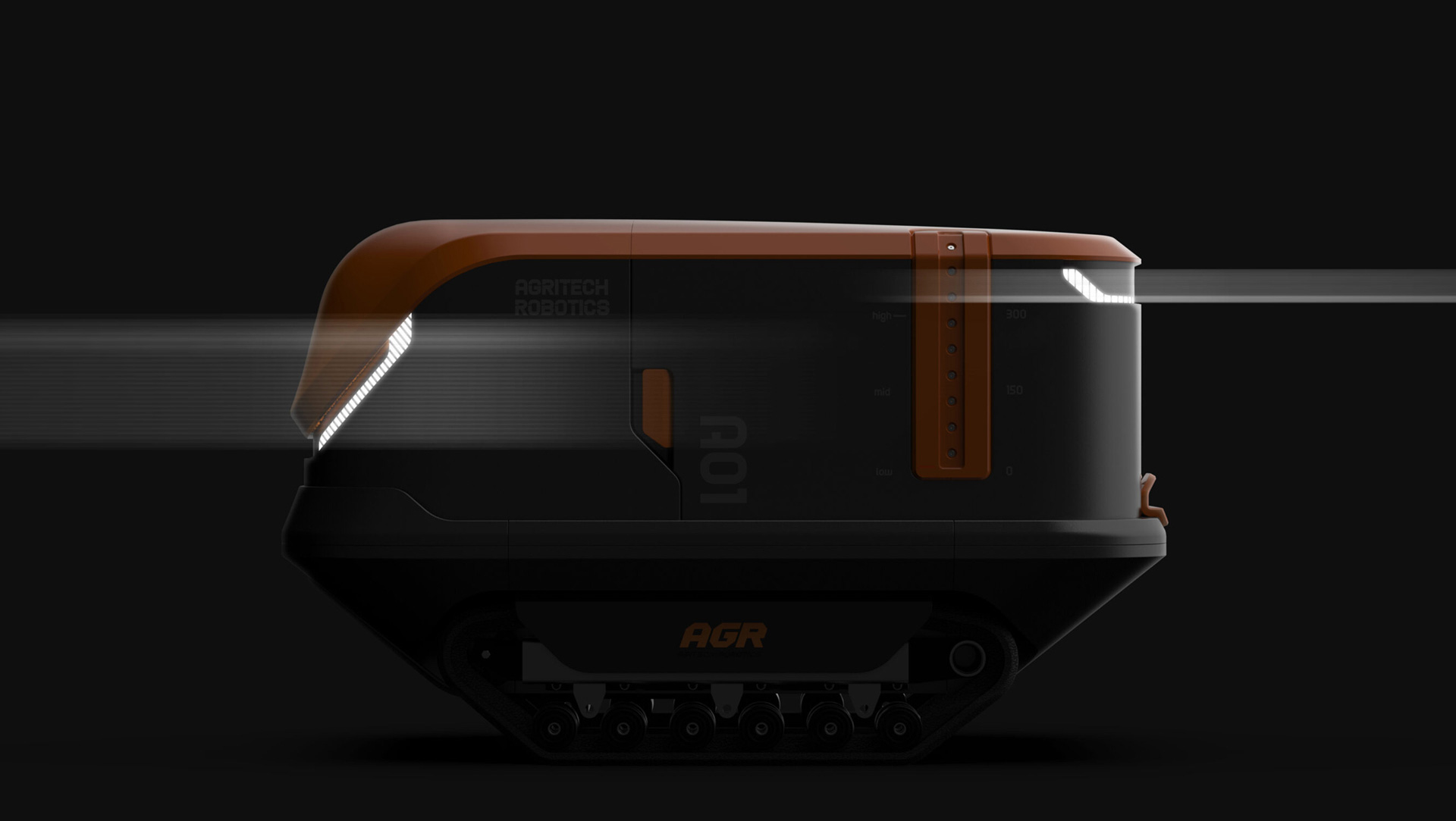
Could you walk us through your product design process step by step? What are the key points at each stage, from research to concept development, design, and production?
The product design process at Cross2 Design begins with a research phase focused on defining the problem. At this stage, we do not simply look at user needs, but examine the user environment, market conditions, and technical constraints together to build a more comprehensive understanding of the issue. Identifying what problems truly exist and how they emerge within a specific context is, in our view, the most critical starting point. In the next phase, we analyze relevant patents, existing technologies, and competing products. Through this, we identify current solutions and their limitations, while also extracting applicable principles and points of differentiation. Rather than being a stage for generating ideas alone, this process serves as the foundation for establishing directions that are both feasible and meaningful.
Based on these findings, we then define the concept direction and move into the design development phase. Here, we refine the design by simultaneously considering form, usability, structure, and manufacturability. It is important that the product is visually convincing, but it must also align with real user experience and technical feasibility. Balancing these elements is a key part of this stage. In the engineering phase, we further develop the design into a level that is ready for mass production. This includes defining component structures, operational mechanisms, molds, and manufacturing conditions. At this point, conceptual design is translated into a production system, and minimizing the gap between design and manufacturing becomes essential.
Finally, we validate the newly applied principles and technologies, and when necessary, connect them to patent registration. We believe that design should not remain as a visual outcome, but should hold value as a structural solution. For this reason, we approach the final stage from the perspective of both verification and protection. Overall, our process is less about creating form and more about defining problems, deriving underlying principles, and organizing them into structures that can be realized in practice.
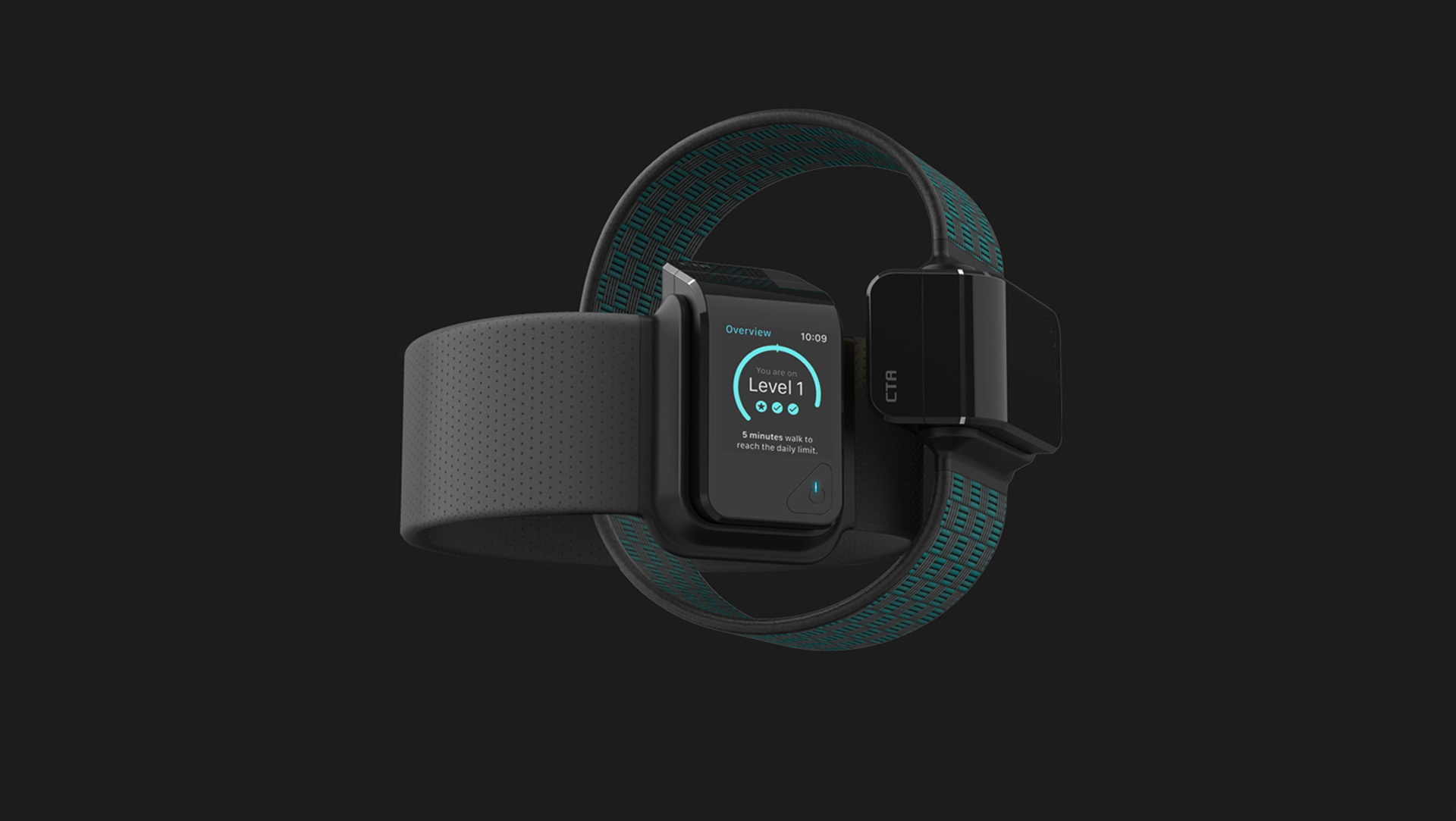
In product design, multiple factors such as function, form, user experience, and production must be considered simultaneously. How do you coordinate and balance these complex elements?
In product design, we believe that balancing function, form, user experience, and production is not simply a matter of adjusting each element individually. Rather, it begins with minimizing the gap in experience between the client and the designer. When the level of understanding or the criteria for each element differ, even a well defined direction can lead to conflicts during the process, ultimately affecting the quality of the outcome. For this reason, we place strong emphasis on clearly defining and sharing the criteria for each element from the early stages of a project. We work together to clarify what needs to be solved functionally, what aspects are critical in terms of user experience, and how far production feasibility and cost structures should be considered. This allows everyone involved to approach the problem from a shared perspective.
Once these common criteria are established, the decision making process becomes much more structured. Even when certain elements need to be prioritized, decisions are made not based on subjective preference, but on previously agreed principles. This makes it easier to maintain overall balance throughout the project. Ultimately, the balance we pursue is not a compromise between elements, but a state in which all participants are aligned in the same direction. When this alignment is achieved, function, form, user experience, and production naturally come together within a unified flow, leading to a more complete and coherent design outcome.
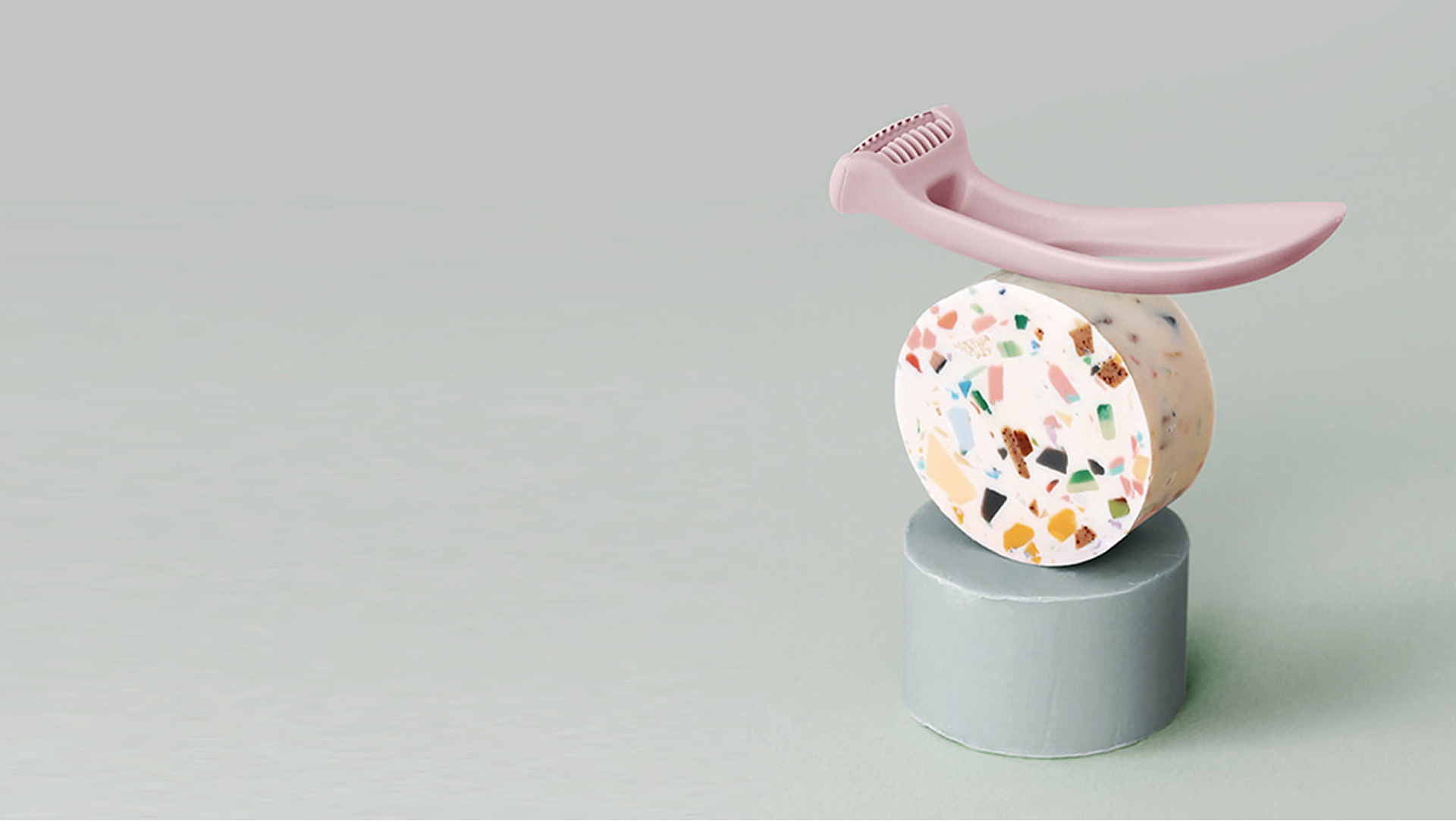
What do you consider most important when collaborating with clients? Could you share your approach to collaboration and communication in achieving strong outcomes?
In the process of collaborating with clients, we believe that the most important factor is minimizing the gap in experience between the designer and the client. Even when looking at the same problem, differences in accumulated knowledge and perspective can lead to misunderstandings or misalignment in decision making if that gap is not addressed. To bridge this gap, we invest significant time and energy in the design research phase. We make a conscious effort to understand, as quickly as possible, the industry knowledge, market insights, and internal context that clients have built over time. Rather than simply reviewing the information provided, we focus on understanding the criteria and decision making frameworks that guide their perspective.
We see this process itself as a key role of the product designer. Design is not only about proposing outcomes, but about connecting different viewpoints and organizing them into a shared direction. In this sense, effective communication does not begin with explanation, but with building a shared understanding of context. Once this common ground is established, collaboration becomes significantly more efficient. Unnecessary revisions and repetitions are reduced, and decisions can be made more quickly within a clearly defined framework. We believe that creating this structure is the most essential aspect of collaboration in achieving meaningful and well resolved design outcomes.
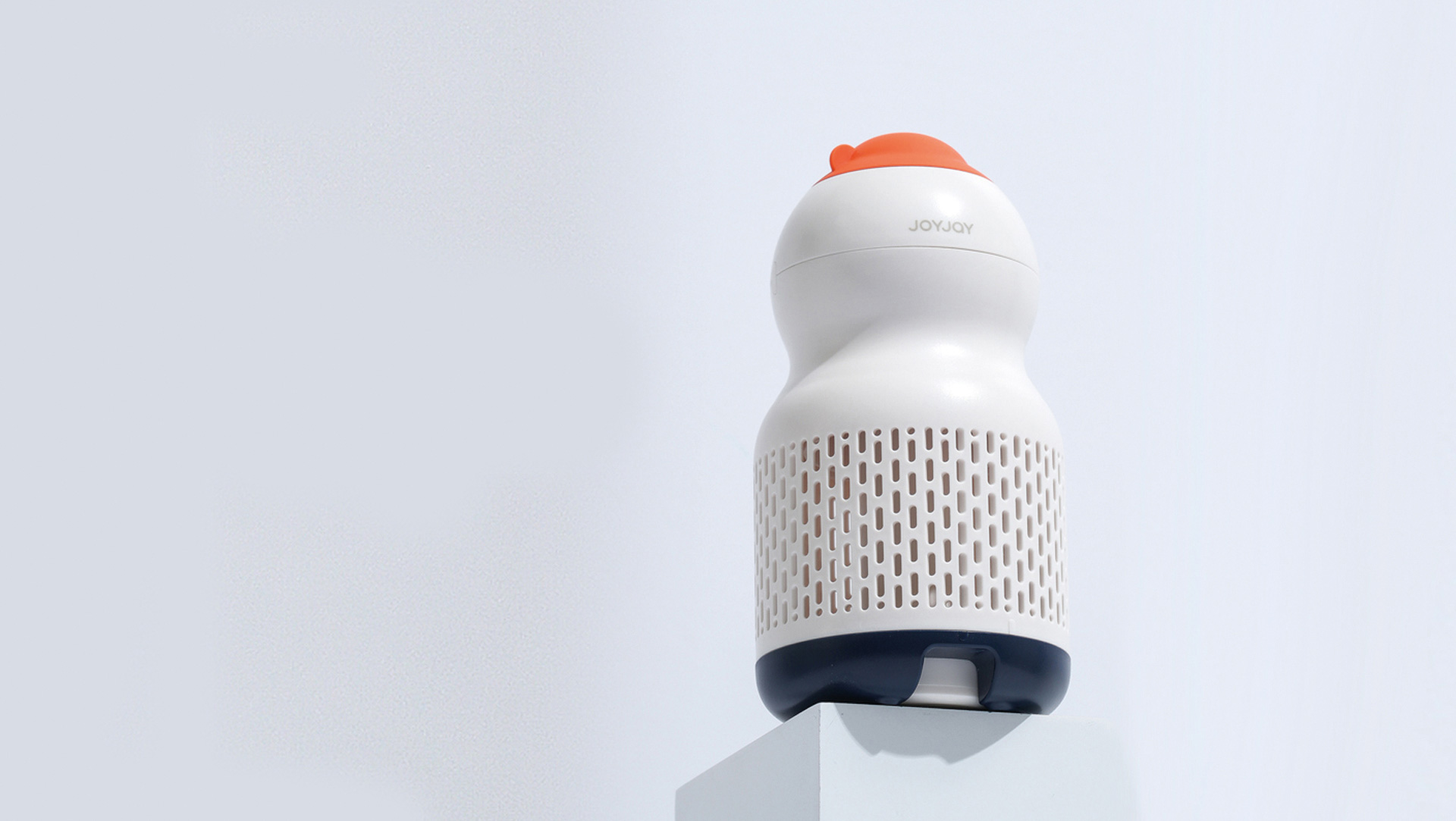
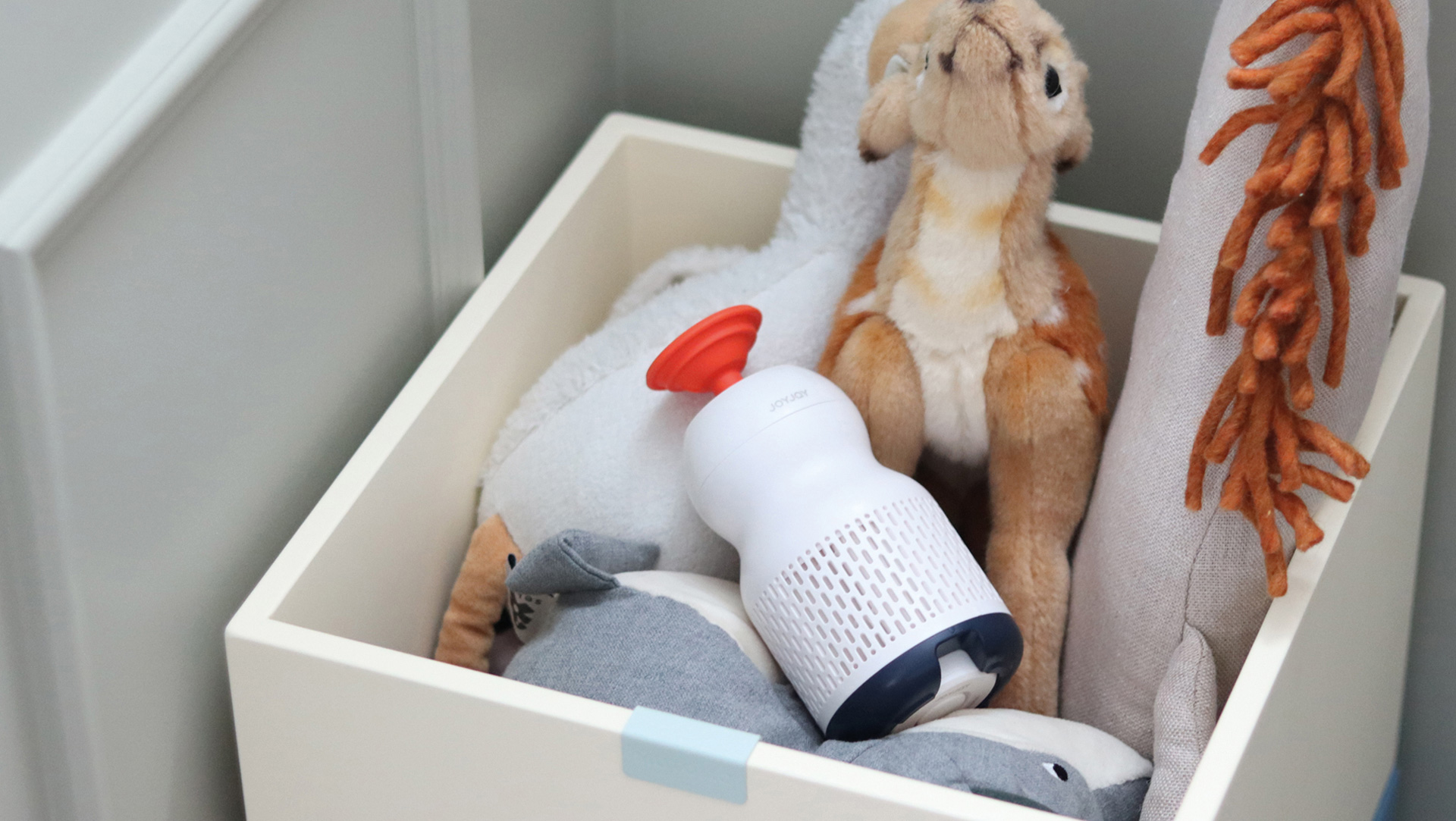
<JOYJAY, ASIA DESIGN PRIZE 2026 Gold Winner >
What areas is CROSS2 Inc. currently exploring or planning to expand into? Beyond product design, are there any new initiatives or strategies you would like to share?
CROSS2 Inc. began with a focus on product development and is now expanding into the infant and toddler lifestyle sector through its own brand, JOYJAY. In the early stages, the company focused on products that addressed specific functional needs, such as air management solutions for strollers. Over time, however, its perspective has expanded toward the broader context of users’ daily lives. Currently, CROSS2 Inc. is extending its range into everyday products such as silicone tableware for infants, moving beyond single product solutions toward designing the overall living environment of young children. Rather than solving isolated problems, the focus is on connecting the various moments where products and users interact, and shaping them into a continuous and coherent experience.
At the same time, operating its own brand has had a significant impact on the studio’s approach. By engaging directly in the full process, from business strategy and product development to mass production and marketing, CROSS2 Inc. has gained a deeper understanding of how products function within the market. This has allowed the studio to move beyond proposing design outcomes and instead consider how those designs can operate as part of a larger system. This experience also provides practical value when working on client projects. Design is no longer approached as a purely visual result, but as something that must be positioned, sustained, and expanded within the market. Moving forward, CROSS2 Inc. aims to continue building on product design while extending its scope into broader lifestyle domains, developing a more integrated approach to problem solving.
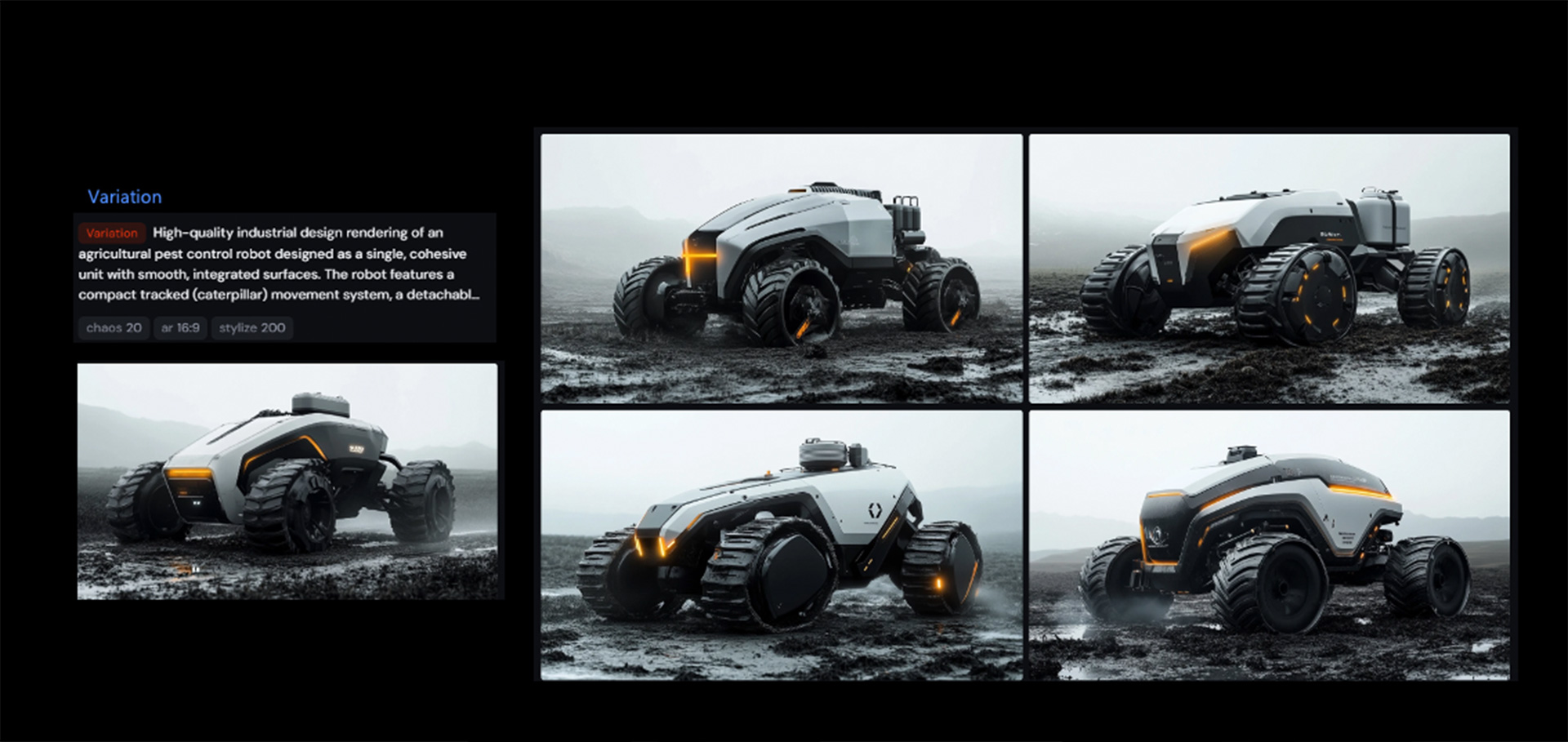
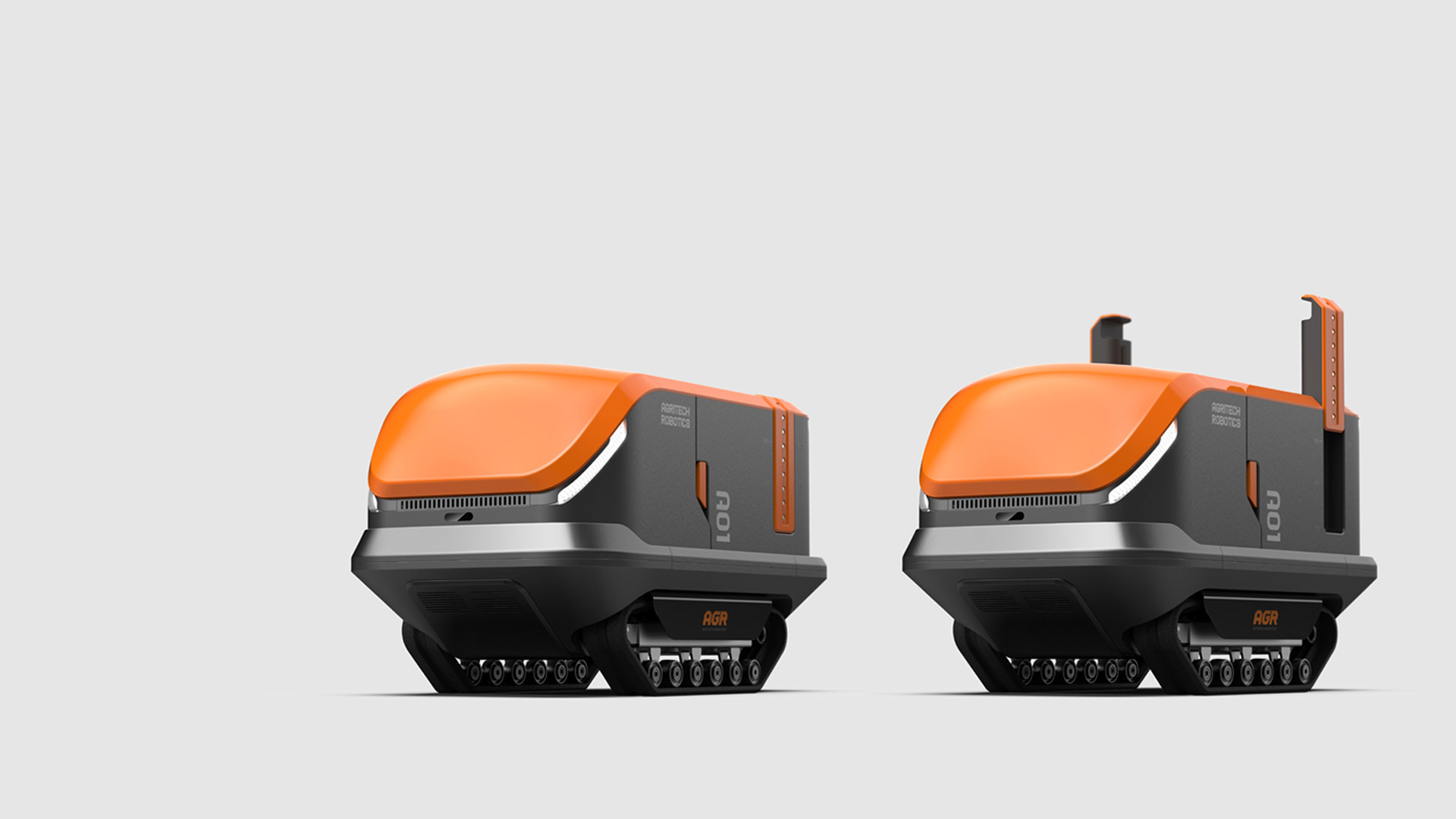
How does CROSS2 Inc. practically utilize AI within its design process? Could you share specific examples across idea generation, research, visualization, and prototyping?
AI has been rapidly integrated across the overall project workflow at CROSS2 Inc., with particularly high effectiveness in the research and validation stages. Tasks that previously required significant time and manpower, such as data collection and analysis, can now be carried out more efficiently through AI. This allows us to increase the depth and precision of the early stages of problem definition. In the research phase, we use AI to investigate and analyze a wide range of industry cases, patents, and technical references. This goes beyond simple information gathering, helping us quickly identify and structure underlying principles and patterns that exist across different fields. We also actively apply AI in the validation stage. It enables us to assess whether a proposed solution or structure is viable, identify similar precedents, and explore alternative directions. As a result, both the accuracy and speed of decision making are significantly improved.
While we do use generative AI tools for visualization in certain cases, our primary focus is not on using AI to directly produce design outcomes. Instead, we see AI as a supportive tool that helps us better understand problems and explore a wider range of possibilities, rather than replacing creativity itself. Moving forward, we aim to further refine this approach, allowing AI to take on a more structured and integral role throughout the entire design process.
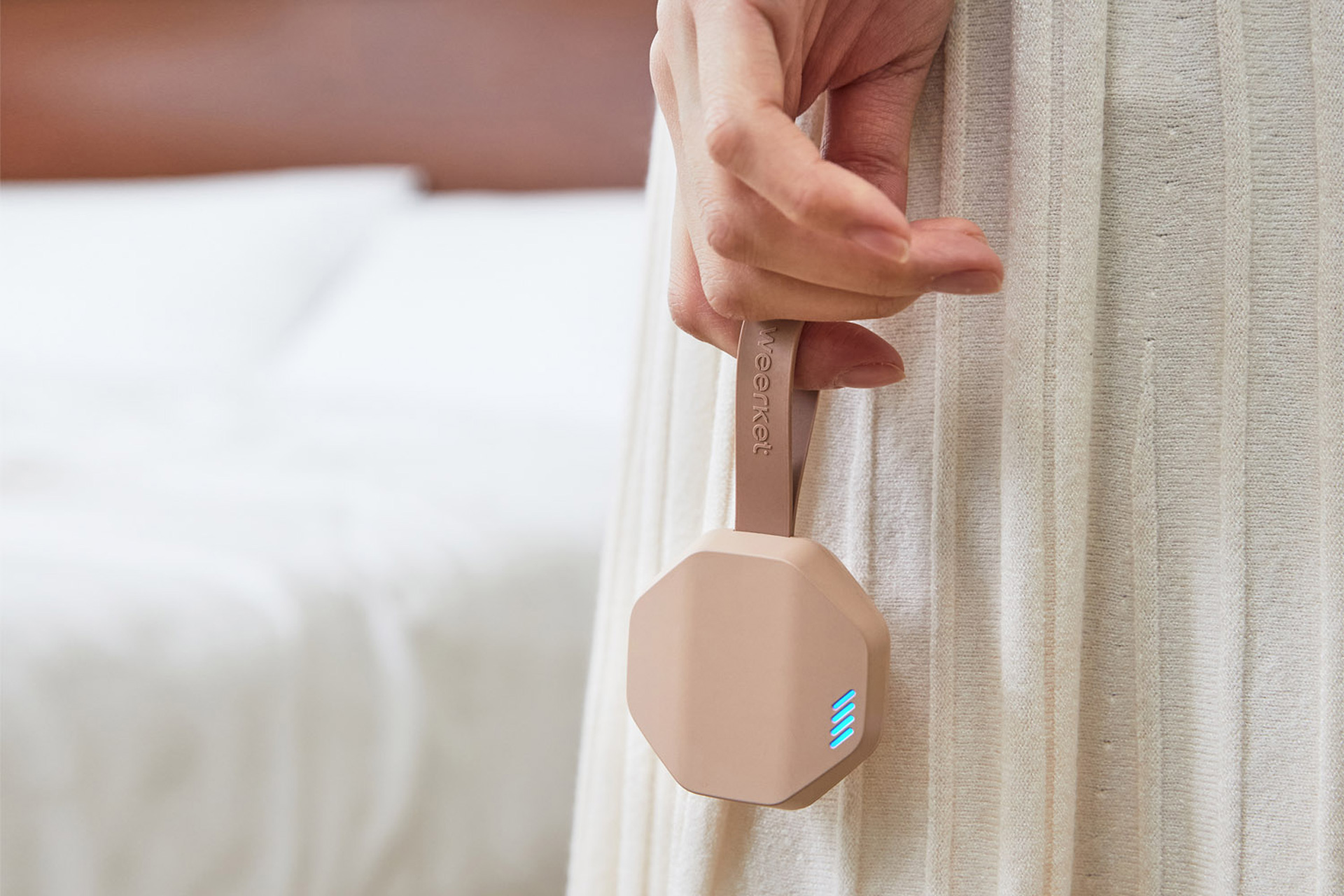
Finally, what direction does CROSS2 Inc. aim to pursue moving forward, and what kind of design value do you hope to leave in the long term?
At CROSS2 Inc., we believe that product design is no longer confined to form or CMF. In the past, the primary role of design was often centered on visual refinement and differentiation. Today, however, a more important question is how to structurally resolve the various problems that arise between products and users. With the advancement of AI, it has become possible to analyze vast amounts of data and knowledge at unprecedented speed. This has fundamentally changed the way we understand and approach problems. We are now able to define issues based on a much broader range of information and references, opening up new possibilities for identifying more essential directions for solutions.
Looking ahead, we believe it is critical to continuously refine both the processes of problem solving and the ways in which AI is integrated into them. Rather than simply using AI as a tool, we are focused on how to define problems more precisely, validate a wider range of possibilities, and construct optimal solution structures through a more systematic approach. In the long term, we see the core role of design as identifying and analyzing the fundamental problems that exist between products and users. As this approach accumulates, design will no longer remain a discipline limited to specific fields, but will evolve into a form of technology and methodology that can be applied across a wide range of industries.













#14057, 905 49, Beolmal-ro 102beon-gil,
Dongan-gu, Anyang-si, Gyeonggi-do, Korea
Business Registration Number: 454-86-01044
Online Sales License No.: 2021-Anyang Dongan-1081
Copyright © DESIGNSORI Co., Ltd.