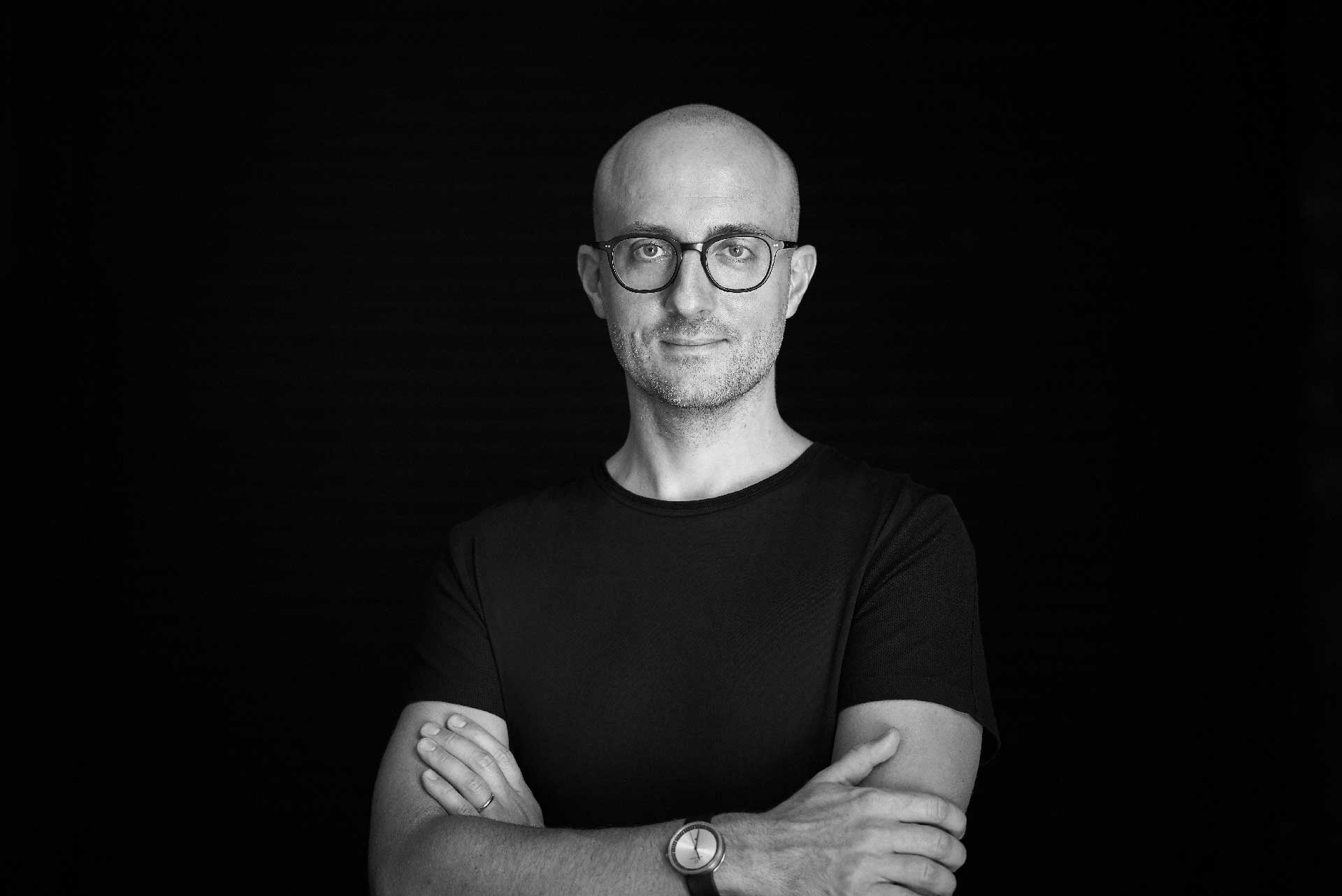
Antoine Besseyre des Horts Vice President of Design, Asia, LIXIL Global Design
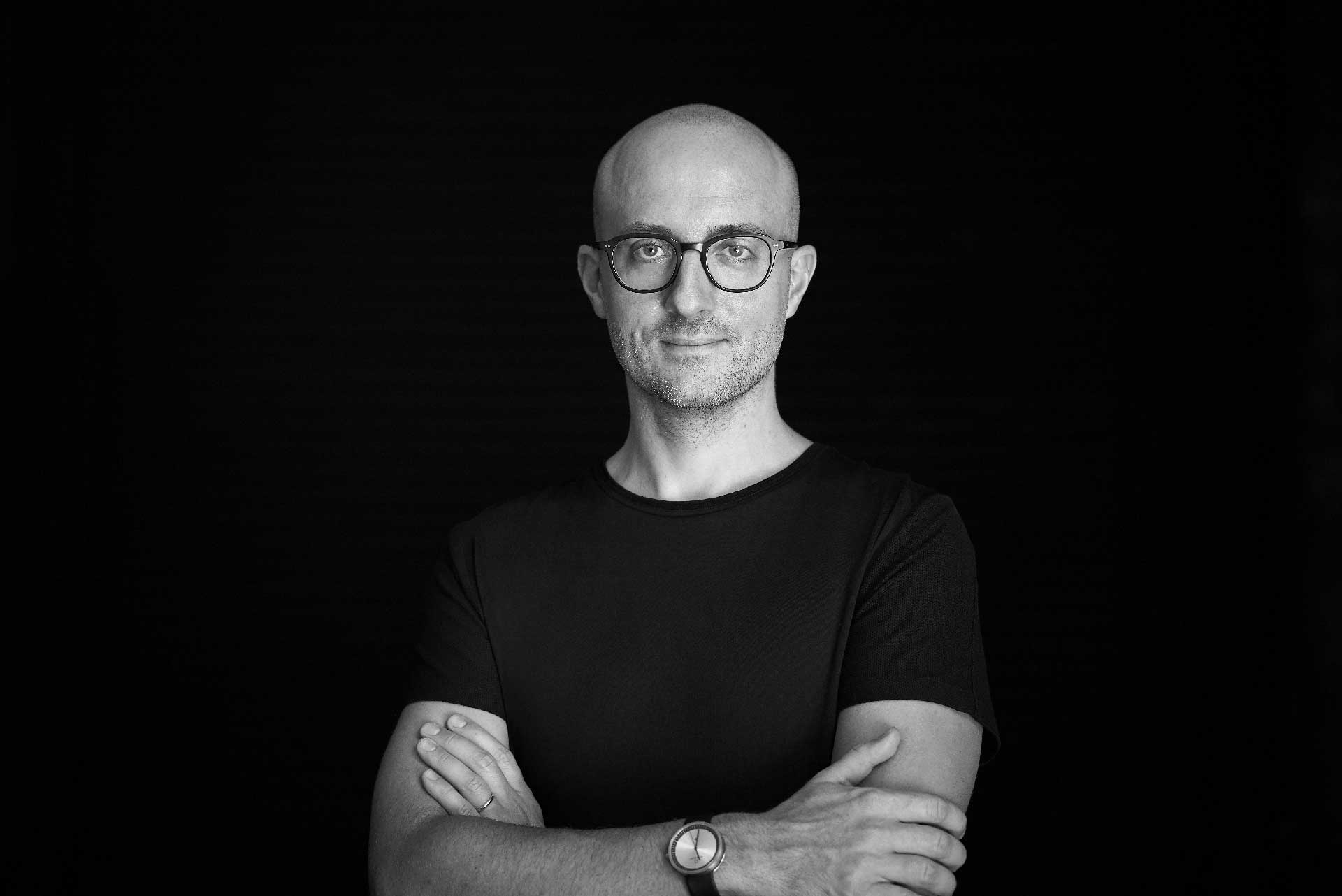
“As Vice President of Design at LIXIL Global Design, Antoine Besseyre des Horts leads multicultural and multidisciplinary teams across regions, especially in Asia. His primary focus covers Asia Pacific and Greater China, while his work also connects Asian markets with other regions through the stewardship of international brands. Drawing on experience in transportation, industrial, and brand experience design, he approaches design as a strategic capability that connects brand purpose with the realities of people and place. In this interview, he discusses cultural relevance across markets, the changing role of the home, the responsibilities created by artificial intelligence, and the four dimensions that meaningful design must balance: Purpose, People, Profit, and Planet. He also reflects on Korea’s growing influence and explains why cultural intelligence will be essential to the future of global design.”
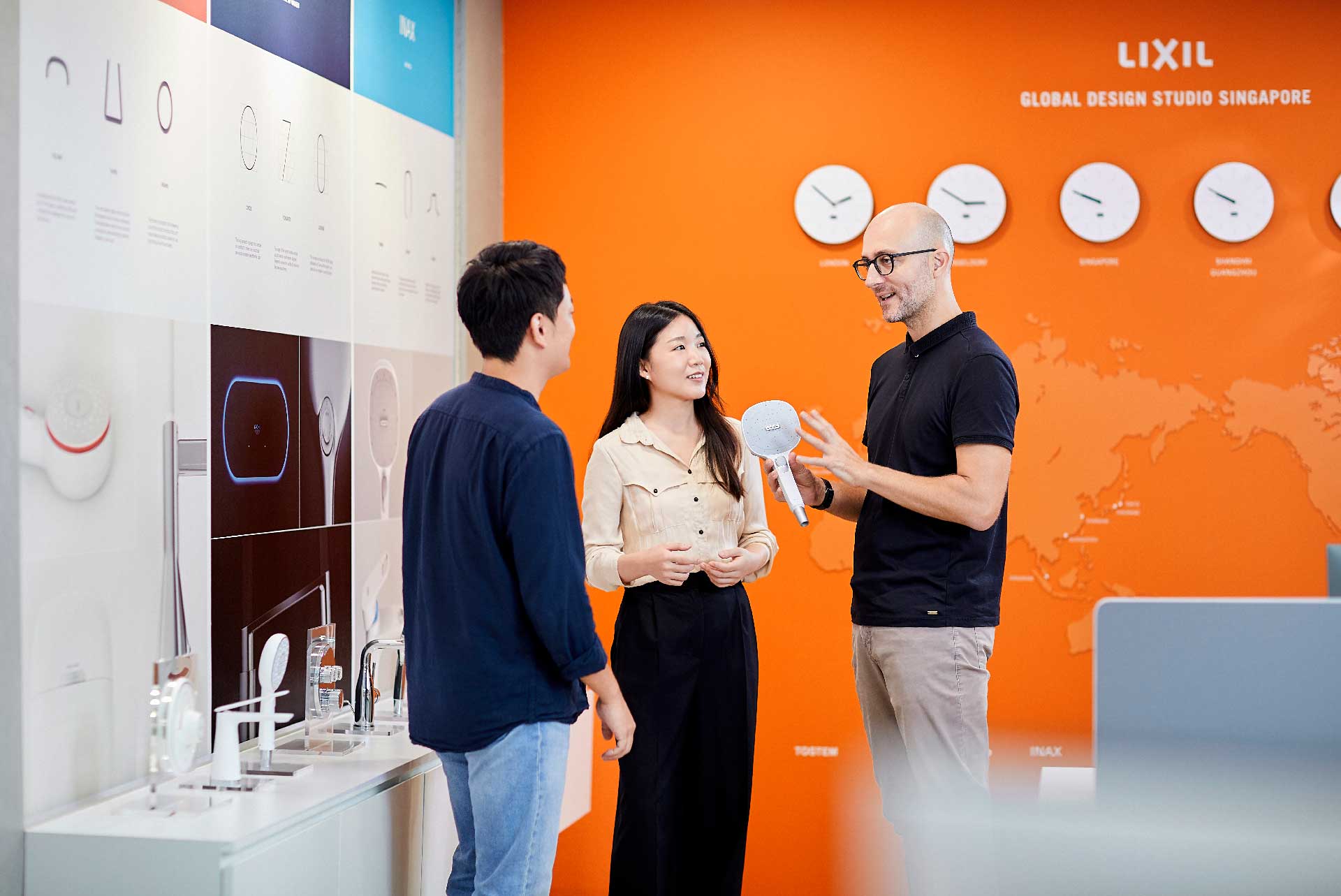
< Image Credit: LIXIL>
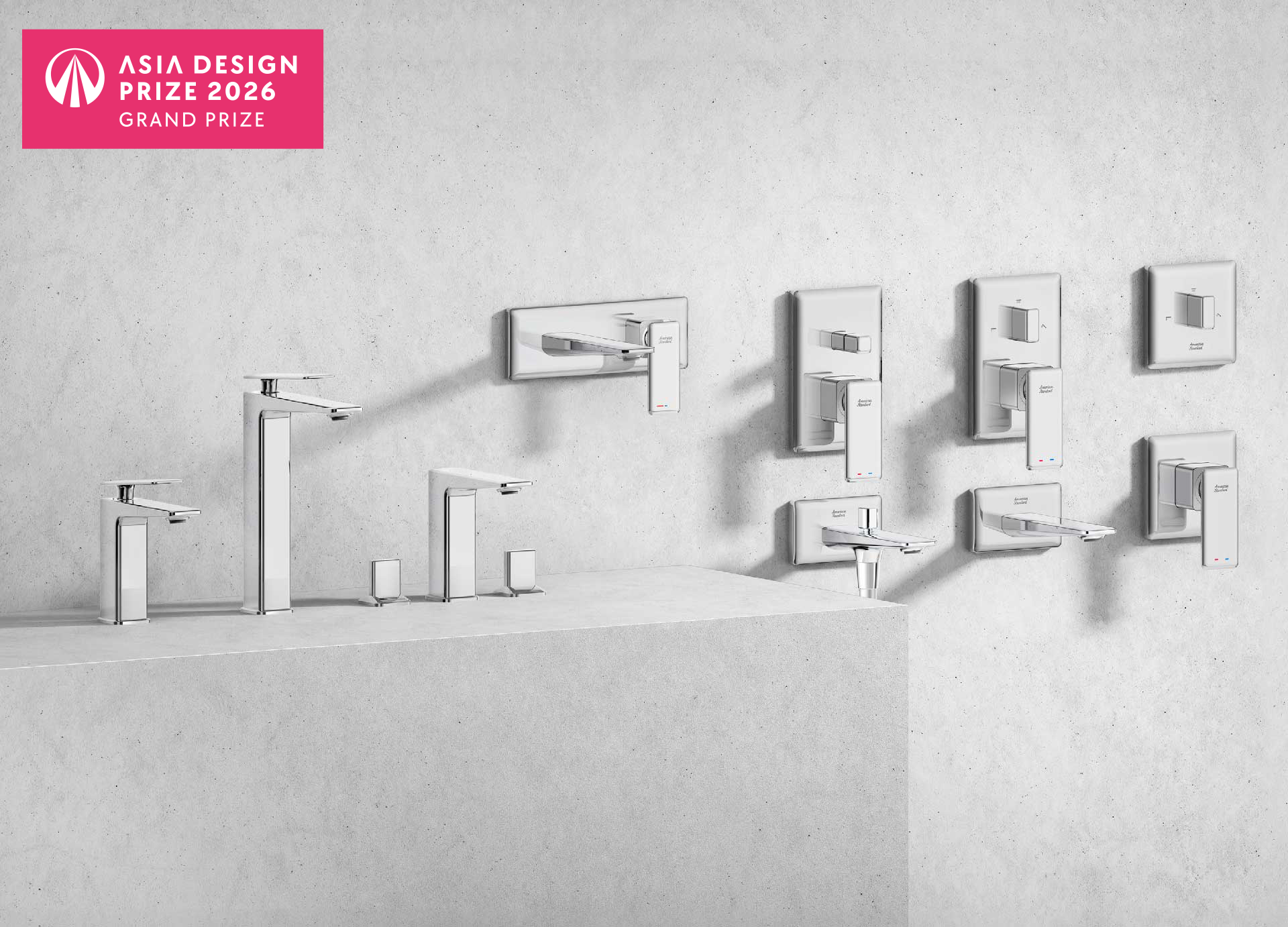
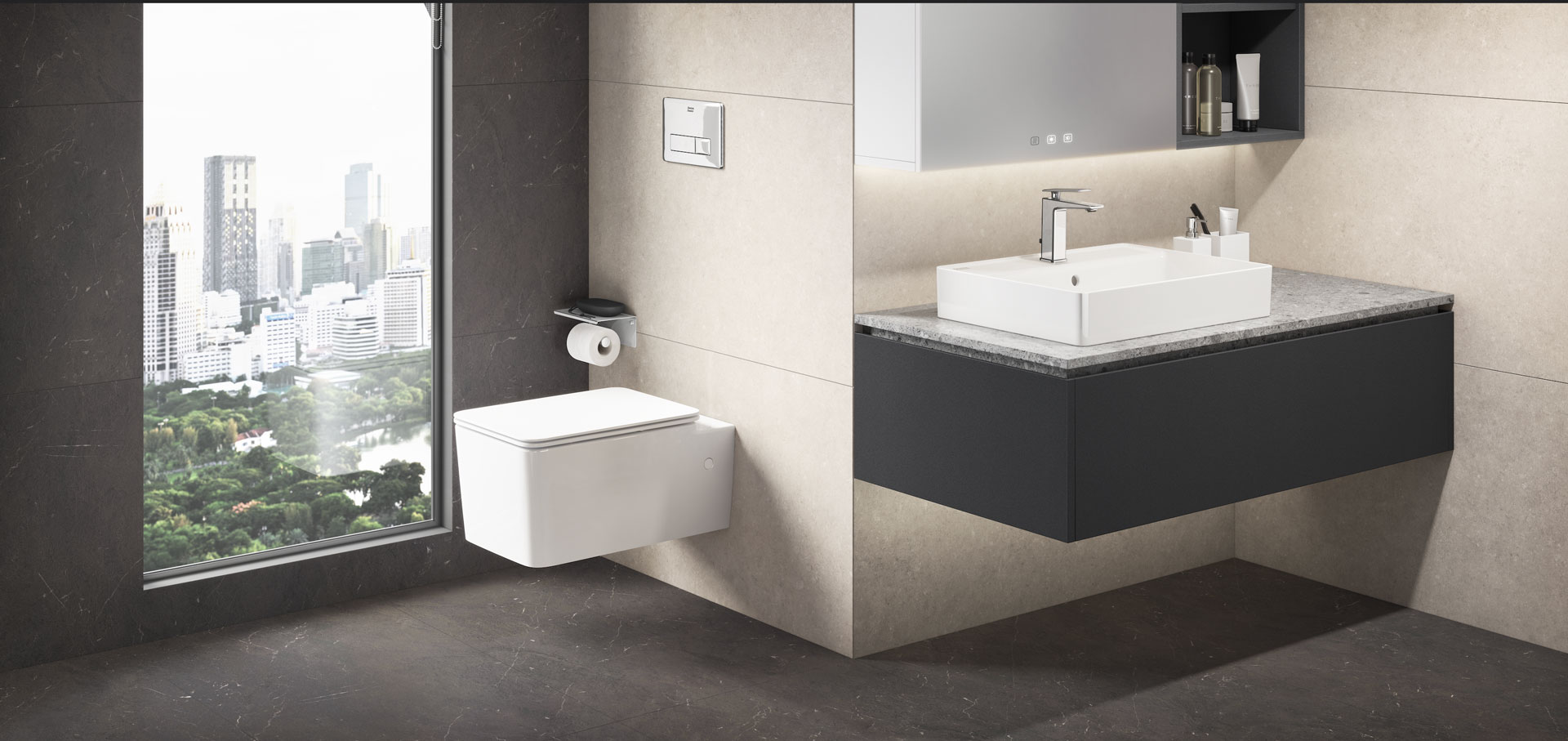
< Acacia SupaSleek Fittings Collection, ASIA DESIGN PRIZE 2026 GRAND PRIZE >
To begin, could you introduce your design journey and current role at LIXIL? We would also love to hear how your experiences at Landor, Electrolux, and Alstom shaped your perspective on design today.
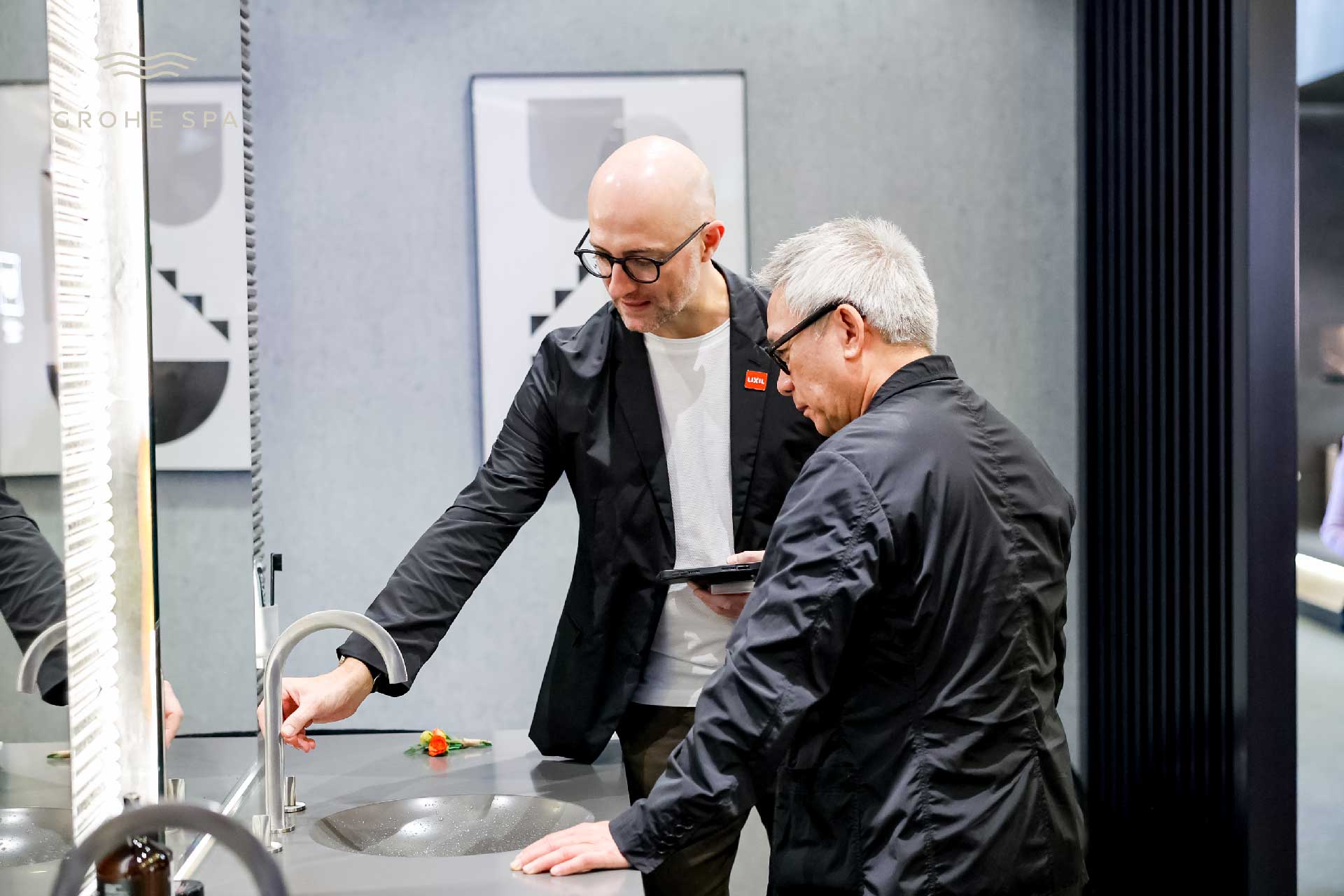
I lead the design function across Asia Pacific and Greater China while contributing to global initiatives that elevate brands, accelerate innovation, and strengthen the broader organization. Since relocating to Asia in 2016, I have built and expanded the regional design organization, leading multicultural and multidisciplinary teams in our Singapore and Shanghai studios. An important part of my role is ensuring that the identities and value propositions of GROHE, American Standard, and INAX are translated consistently into culturally relevant experiences across every touchpoint, including products, interfaces, packaging, interiors, branded environments, and communications.
Before joining LIXIL, I worked as a transportation designer at Alstom Design & Styling, a brand experience designer at Landor, and an industrial designer at Electrolux. Living across Europe, North America, and Asia, and working across industries on projects that varied widely in scale, scope, and complexity, taught me that design leadership is as much about helping organizations identify what should be designed and for whom as it is about designing it well. These experiences have also given me a multifaceted perspective on using design as a strategic capability to build brand equity, create differentiation, and drive innovation.
Design has the unique ability to make a company’s short and long term opportunities tangible. Through visualization and prototyping, it allows stakeholders to evaluate their desirability, feasibility, and viability, helping teams across functions align around shared goals and a clear development path before significant capital investments are made.
< Image Credit: LIXIL>
You are currently leading global design organizations across Asia, including Shanghai and Singapore. What have you learned about the relationship between culture and design through working across different Asian markets?
My most important learning is that value is not interpreted in the same way everywhere. What feels meaningful, progressive, intuitive, or premium in one market may feel excessive in another, or it may not go far enough. Innovation, and by extension design, must therefore be interpreted through local lifestyles, behaviors, aspirations, and cultural references. In Greater China, for example, I have seen how the rapid adoption of new offerings, intense comparison, and high digital expectations can increase demand for frictionless utility and technology-enabled experiences. Across Southeast Asia, the diversity of cultures, religions, living environments, and income levels requires a particularly nuanced balance between heritage, contemporary lifestyles, aspiration, and accessibility. Even within a single country, there is rarely one homogeneous consumer reality. The implication is that competitive advantage increasingly depends on a company’s ability to understand how value is perceived in each market and customer segment, then translate that understanding into culturally relevant products and experiences without losing the clarity of the brand behind them.
< Image Credit: LIXIL>

< DuoCare Hand Shower, ASIA DESIGN PRIZE 2026 WINNER >
LIXIL manages globally recognized brands such as GROHE, American Standard, and INAX. How do you balance global brand consistency with the cultural expectations and lifestyles unique to each region in Asia?
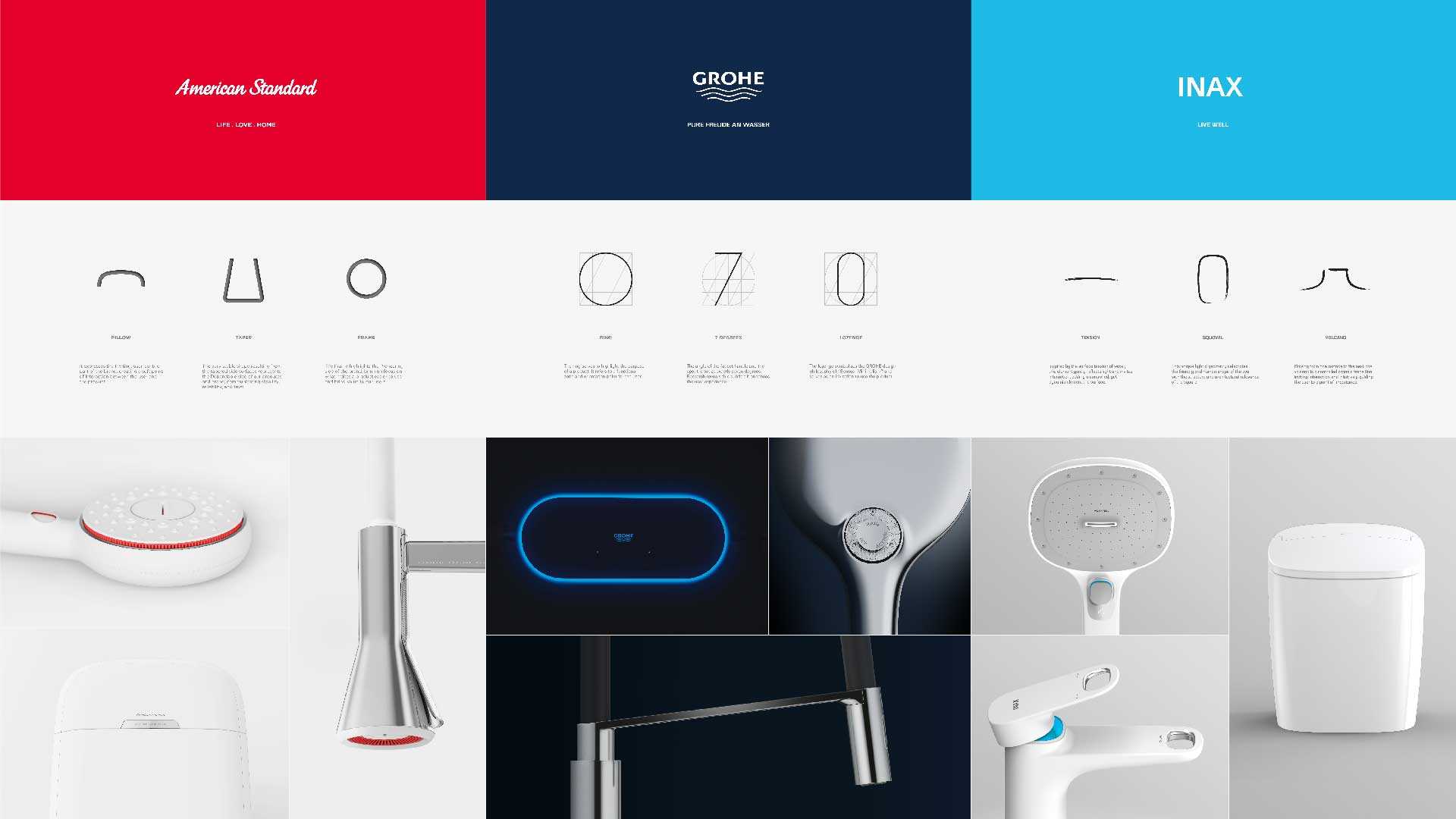
The balance begins by distinguishing between what must remain consistent and what should be adapted. A global brand needs a recognizable core: a clear purpose, value proposition, and identity. How that core is expressed, and sometimes which product benefits are emphasized, must respond to local behaviors and expectations. At LIXIL Global Design, our distributed studio network enables a “glocal” approach across a differentiated portfolio. GROHE creates aspirational experiences centered on the pure joy of water. American Standard is a purposeful brand that helps people create a home they will love every day. INAX draws on Japan’s rituals of water to help people live well. For each brand, we have established signature design elements that translate these propositions into recognizable emotional and practical benefits across products and experiences.
With studios in Tokyo, Düsseldorf, Shanghai, New York, Singapore, Tokoname, London, and Guangzhou, our designers operate close to the markets and communities they serve. This enables them to identify emerging lifestyle trends, understand local nuances, and engage directly with architecture and design communities. The objective is not to choose between global identity and regional relevance. It is to use local understanding to make the global brand more meaningful, protecting what makes it distinctive while adapting how that distinction comes to life.
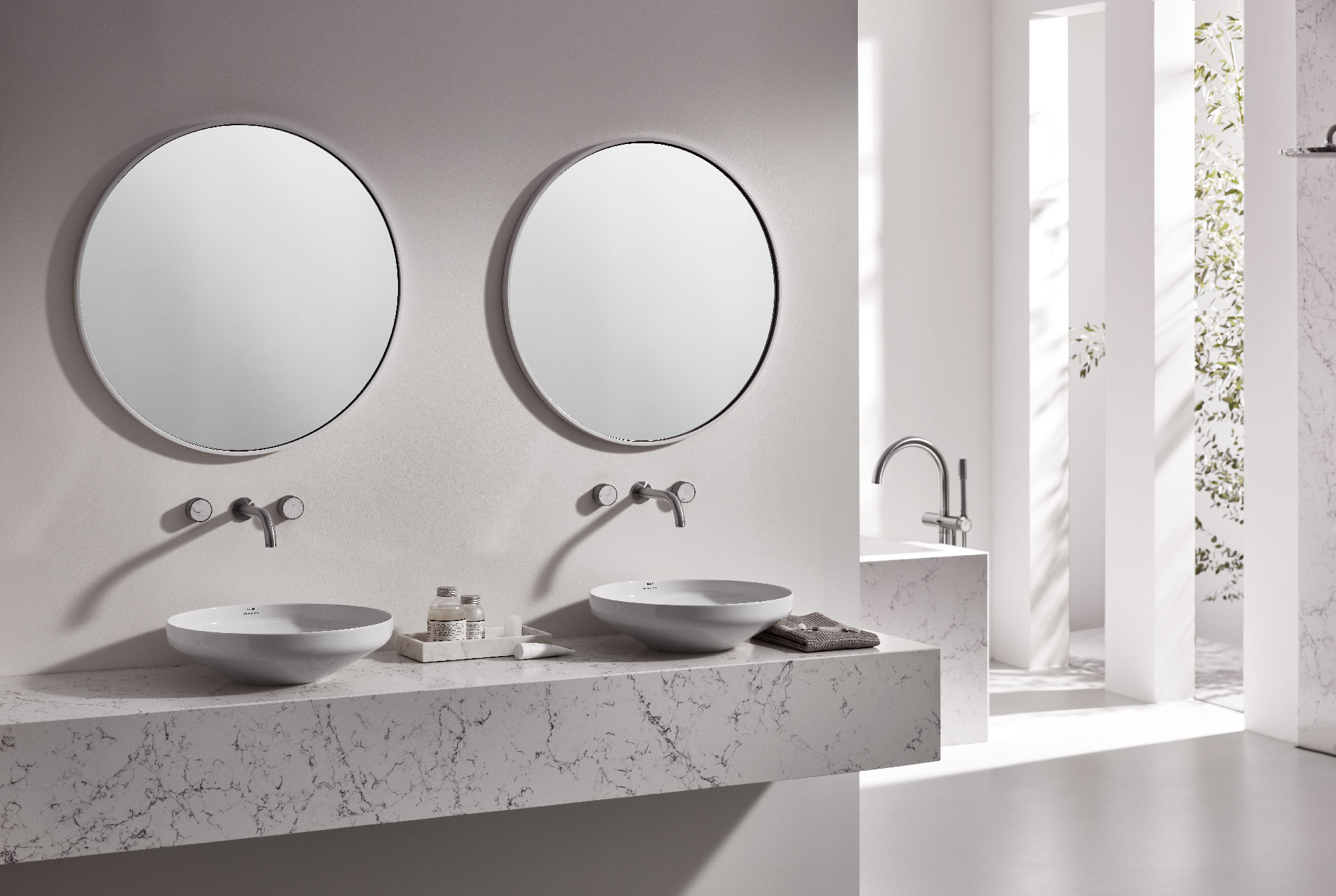
< GROHE SPA Airio basin and Atrio private collection, Image Credit: LIXIL >

< INAX S400 Collection and SARAS Shower Toilet, Image Credit: LIXIL >
Today, bathrooms and living spaces are no longer viewed only as functional environments. From your perspective, how is spatial and product design evolving in relation to wellness, emotion, and everyday experience?
Spatial and product design have been undergoing a fundamental transformation, moving beyond functional utility toward creating holistic environments centered on well-being and emotional connection. The traditional boundaries between utilitarian areas and primary living spaces have been dissolving. For instance, bathrooms have become increasingly integrated with bedrooms while kitchens have opened into living rooms, redefining the experiences people have in these new hybrid environments. As a result, products that were once concealed are now continuously visible and interacted with more frequently. They must therefore harmonize with the aesthetic language of interior decoration through rich textures, warm materiality, and curated color palettes. We see this across industries, from technology brands such as Google and Bang & Olufsen adopting materials and textiles traditionally associated with furniture and home accessories for their devices to bath and kitchen products being elevated into curated interior objects.
At the same time, as daily life becomes faster-paced and hyperconnected, people increasingly expect the home to serve as a sanctuary for rest, restoration, and well-being. This has fueled demand for products that can be personalized both aesthetically and functionally to better align living spaces with individual tastes, routines, and lifestyles. Technology has an important role to play, but consumers do not want their homes to feel dominated by intrusive screens or complex devices. Instead, they want technology to operate effortlessly in the background, enhancing well-being while respecting the visual harmony of the space. We see this in Samsung televisions and speakers designed more like architectural elements, with timeless, lifestyle-driven aesthetics rather than the appearance of cold technology hardware. The opportunity for designers is therefore to curate physical, digital, and sensory elements into coherent experiences that make everyday life feel more comfortable, personal, and enriching.
 < Electrolux Inspiration Range, Image Credits: Electrolux >
Your background spans transportation design, industrial design, and brand experience design. How have these different disciplines influenced the way you approach customer experience today?
Transportation design taught me to create solutions for highly constrained environments, where even the smallest detail can significantly affect the overall user experience. Brand experience design showed me how to translate abstract brand promises into tangible expressions, ensuring that every touchpoint, from visual communication to spatial environments, tells a unified and meaningful story. Industrial design sharpened my understanding of the physical and emotional relationships people develop with everyday objects. How a product looks, feels, functions, and ages over time influences not only the immediate experience but also the trust people place in it.
Together, these disciplines have broadened my understanding of experience as a journey across multiple interactions and moments. Each interaction contributes both to the practical and emotional value people derive from that journey and to a coherent perception of the brand behind the experience. When those moments reinforce one another, they create enduring value for both people and businesses.
< Image Credits: Korea Institute of Design Promotion >
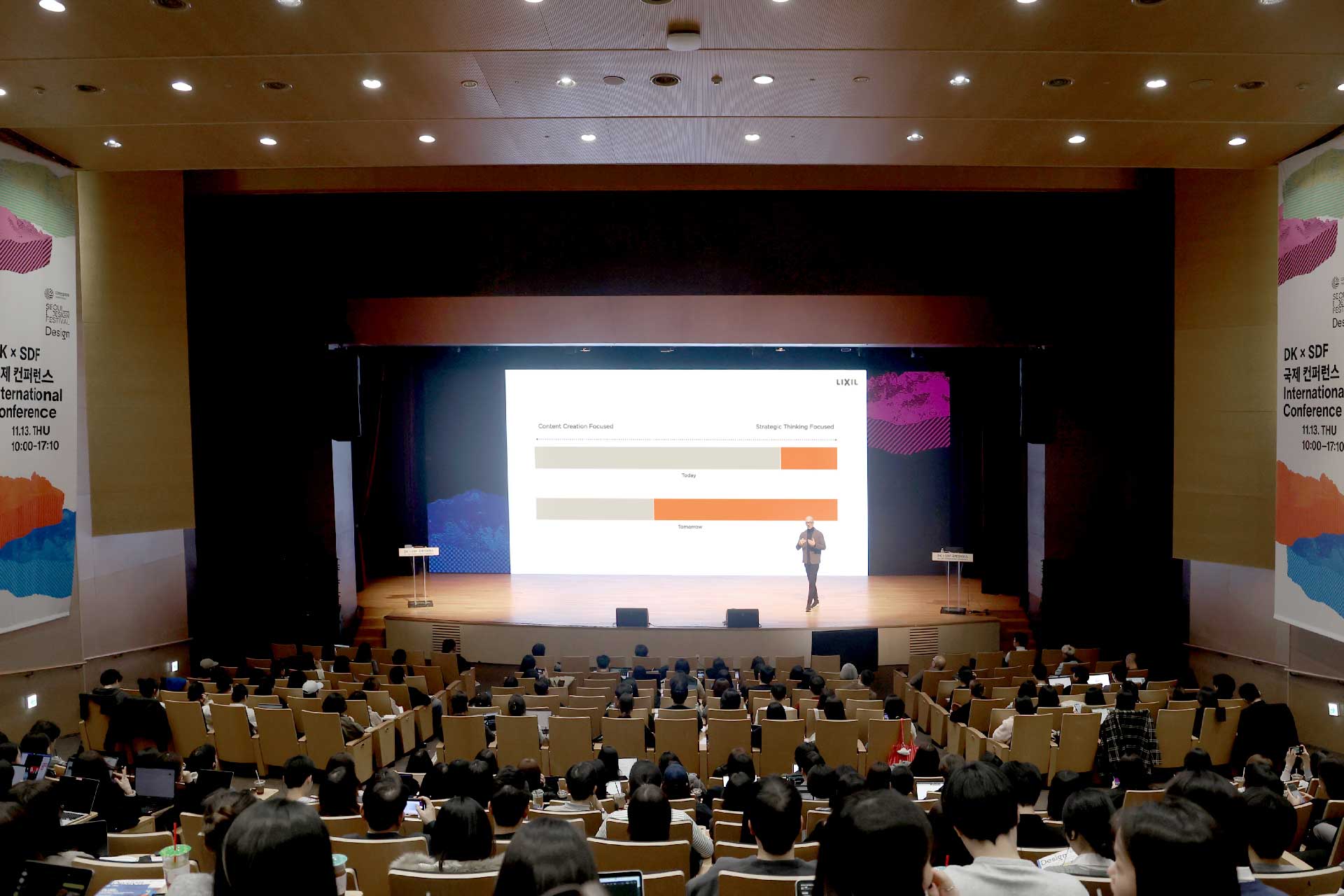
You participated as a speaker at the International Design Conference 2025 hosted by KIDP in Korea. What impressed you most about the Korean design industry and the broader evolution of Asian design culture?
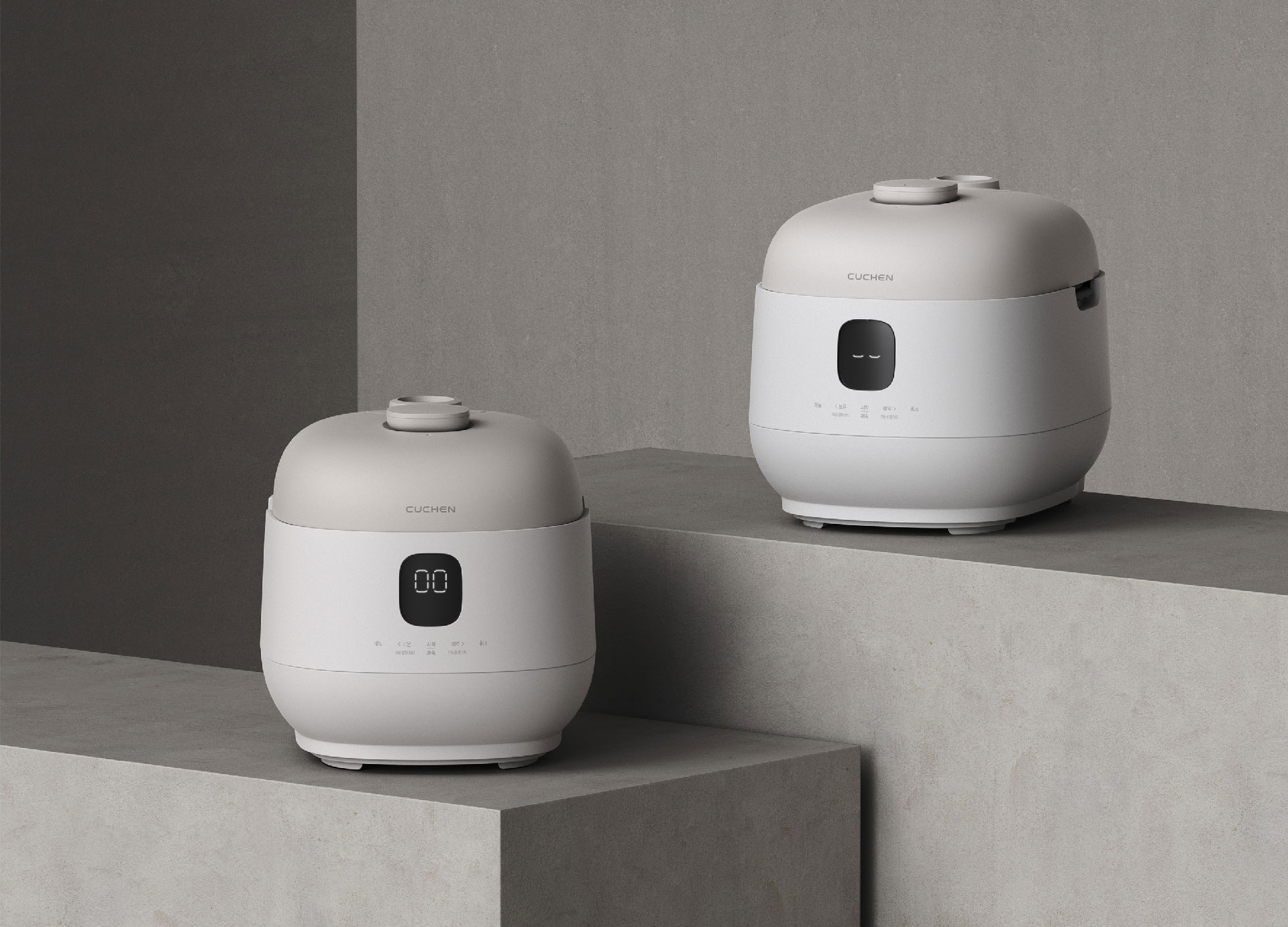
Beyond the conference itself, Design Korea offered a powerful window into the Korean design ecosystem. What impressed me most was how successfully Korean companies bridge the gap between advanced technological capabilities and human-centered, life-enhancing applications. From LG’s multifunctional home appliances, designed to integrate into living environments like furniture, to assistive robots that support independent daily living, these new archetypes offered tangible examples of how technology giants, midsized companies, and startups use design as a strategic differentiator. They transform technology into relevant, meaningful, and distinctive experiences.
Korean design is firmly established as a leading global force. Supported by the sustained work of institutions like the Korea Institute of Design Promotion (KIDP) and by exceptional talent working across leading global brands, Korea plays a pivotal role in advancing the visibility and influence of Asian design both within and beyond the region. Today, more Asian nations are promoting and investing in design as an engine for economic and social impact. Strengthening this regional creative ecosystem is becoming increasingly important as Asia’s economic influence, consumer expectations and cultural reference points play a greater role in shaping global markets.

< American Standard WizFlo hand shower, Image Credits: LIXIL >

< WizFLO Hand Shower Ranger, ASIA DESIGN PRIZE 2025 GOLD WINNER >
Many Asian consumers today seek products and brands that feel emotionally and culturally relevant. How do you define "cultural relevance" in design, and why is it becoming increasingly important for global brands?
Cultural relevance means shaping how a product or solution looks, feels, and functions around the context in which it will be used. Its aesthetics should resonate with local sensitivities, while its functionality should respond to people’s actual behaviors, customs, and living conditions. At its core, it means designing from the place, for the place. For decades, globalization rewarded scale and standardization, enabling companies to design a proposition once and deploy it broadly. These capabilities remain essential to building and sustaining global brands, but they are no longer sufficient on their own. As competition intensifies and local alternatives become stronger, sustained relevance and growth increasingly depend on complementing global consistency with meaningful innovation grounded in local context.
Also, as functional differences have narrowed across many categories, consumers increasingly evaluate products not only by what they do, but also by how they make them feel. This is particularly visible among younger generations, who often place greater emphasis on experiences, identity expression, community, and well-being.This shift matters because emotional value can provide a more durable source of differentiation than functional benefits alone. Features can be copied, prices can be matched, and technologies can converge. Emotional resonance, however, grows from a deeper understanding of consumers’ aspirations, identities, and lived experiences. When authentically translated into a brand’s products and experiences, that understanding can create a competitive advantage that is far more difficult to replicate.
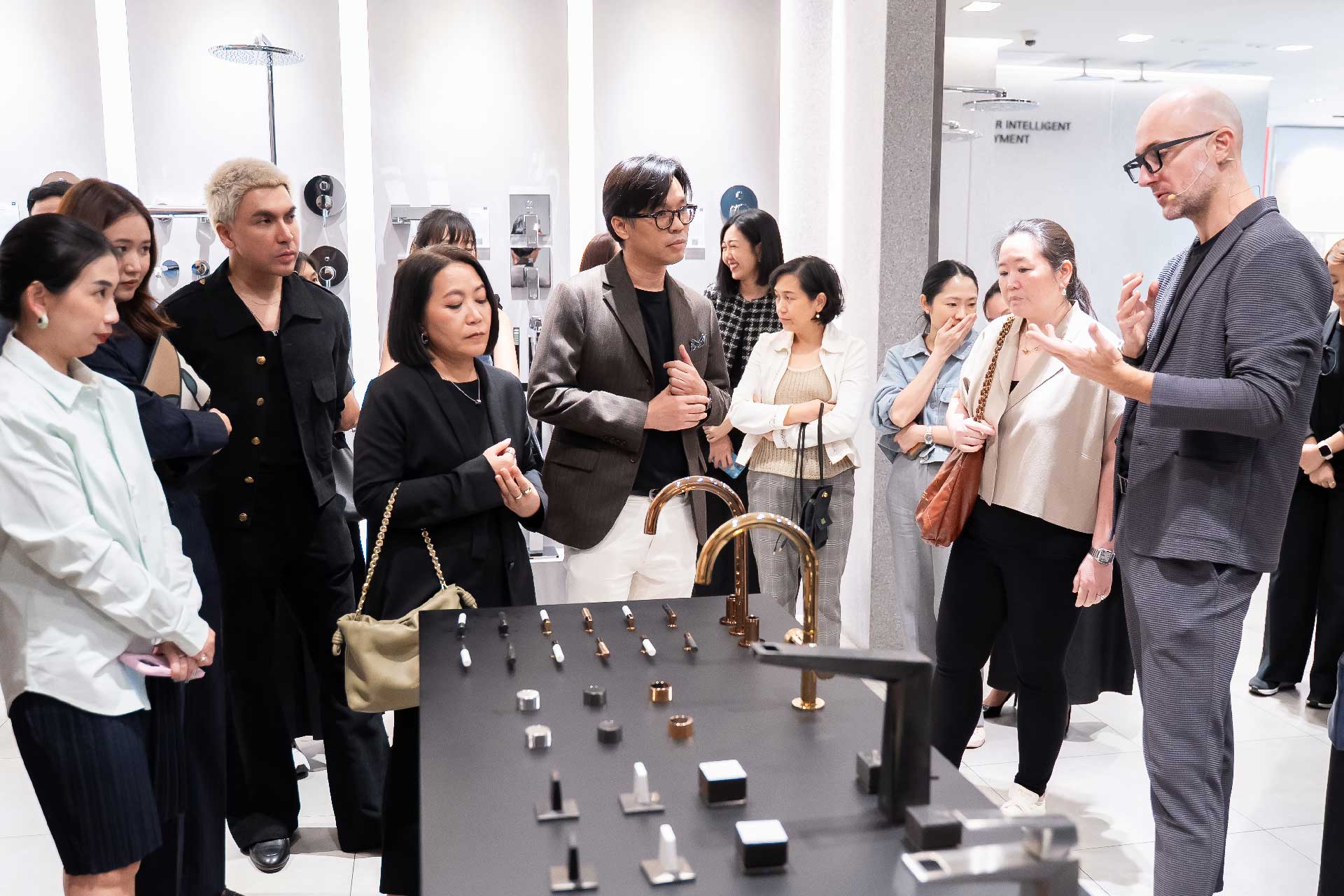
AI and digital technologies are rapidly changing design workflows and customer experiences. How do you think AI will influence product design, brand communication, and design leadership in the future?
As generative AI enables rapid and virtually unlimited creation, the primary challenge facing brands and leaders is no longer production but discernment. Without the ability to distinguish what is genuinely relevant and meaningful, companies risk drowning in noise, eroding brand trust, and mistaking volume and speed for value. Designers are well positioned to bridge the gap between the computational capabilities of generative AI and human intent. Their human centered approach to problem solving, expertise in defining product and brand attributes, and ability to navigate ambiguity can help ensure that AI generated outputs are not merely novel but purposeful and authentically aligned with business objectives, brand promises, and consumer expectations.
Generative AI is also transforming creative workflows. Creative teams traditionally dedicate significant time to producing content for ideation, stakeholder alignment, implementation, and go-to-market activities. By accelerating these production-heavy tasks, AI can create more space for higher-value strategic work: framing the right problems, challenging assumptions, interpreting context, and exercising judgment. This also changes the role of design leadership. Leaders will need to establish clear principles for quality, authorship, brand coherence, responsible use, and human oversight. They will have to create cultures in which AI expands creative capability without replacing accountability.
Ultimately, creative organizations that combine human judgment, domain expertise, and fluency with generative AI will play a pivotal role in helping companies build and sustain competitive advantage. The value they add will not come from generating the most possibilities, but from recognizing which possibilities deserve to become real.
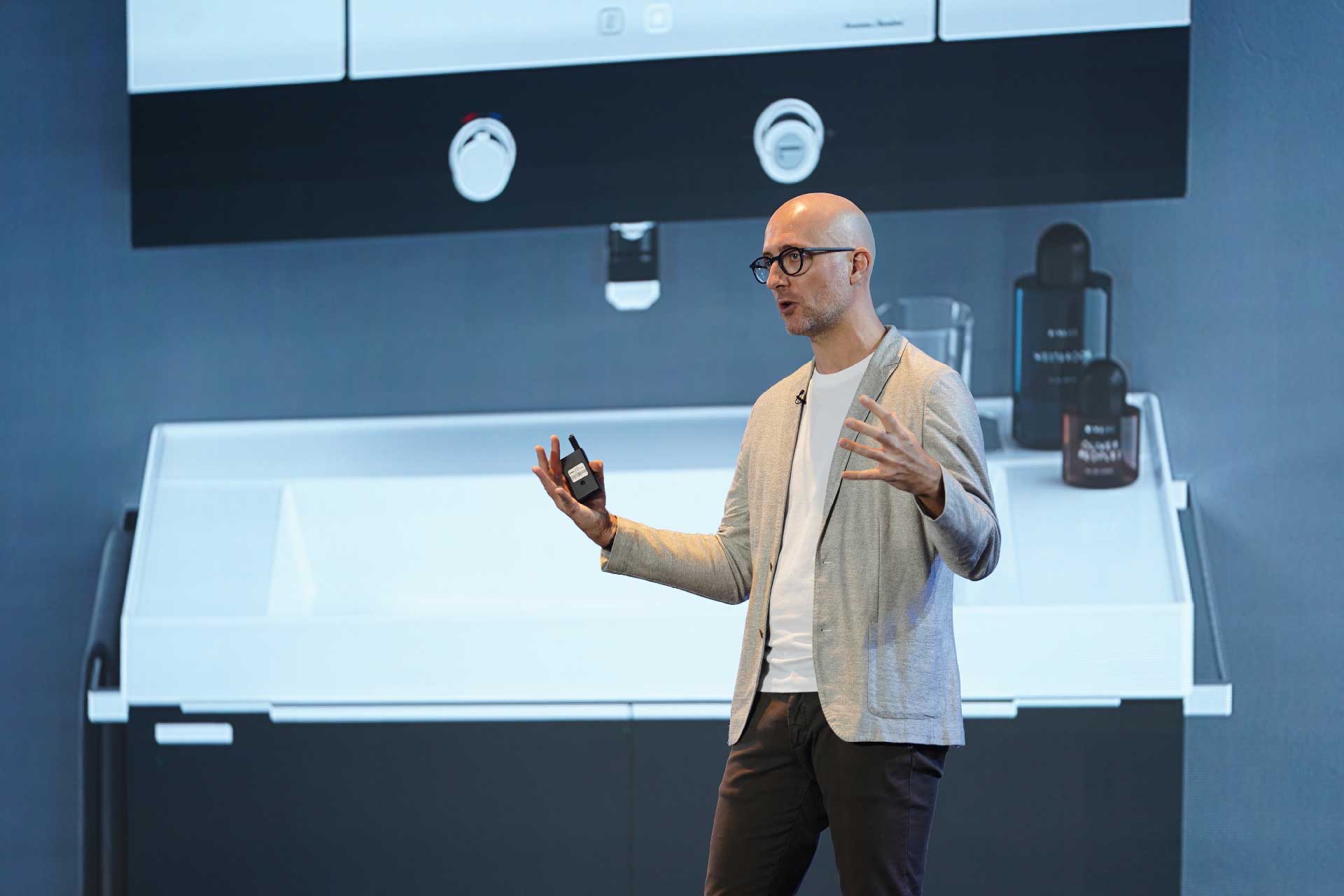
As a global design leader who has received numerous international awards, what do you believe defines meaningful design today beyond aesthetics and innovation?
Today, meaningful design must align four interconnected dimensions: Purpose, People, Profit, and Planet. First, Purpose. Design should be a tangible expression of a company’s core mission. It must bridge what the company promises and what it delivers, ensuring that every product or solution authentically reinforces its reason for being.
Second, People. Beyond surface-level novelty, design must truly add value to people's lives by addressing actual needs and aspirations. It should enhance everyday usage, support well-being, and create emotional value, transforming every interaction into an enriching experience regardless of the consumer's budget. While delivering meaningful value under tighter cost constraints is inherently more challenging, making great design accessible across all price tiers is a responsibility designers should welcome.
Third, Profit. Design must create sustainable economic value for the company behind it. Commercially successful products support a broader ecosystem of supply chains, development and manufacturing partners, employees, and local communities. By generating genuine market demand, design helps sustain this economic network and creates the capacity for continued investment and innovation.
Finally, Planet. Design carries a profound responsibility to limit environmental impact by minimizing resource consumption, designing for longevity and circularity, and actively reducing negative impacts across manufacturing, distribution, daily use, and end of life. The challenge for designers is to balance these dimensions and navigate the trade-offs between them responsibly.
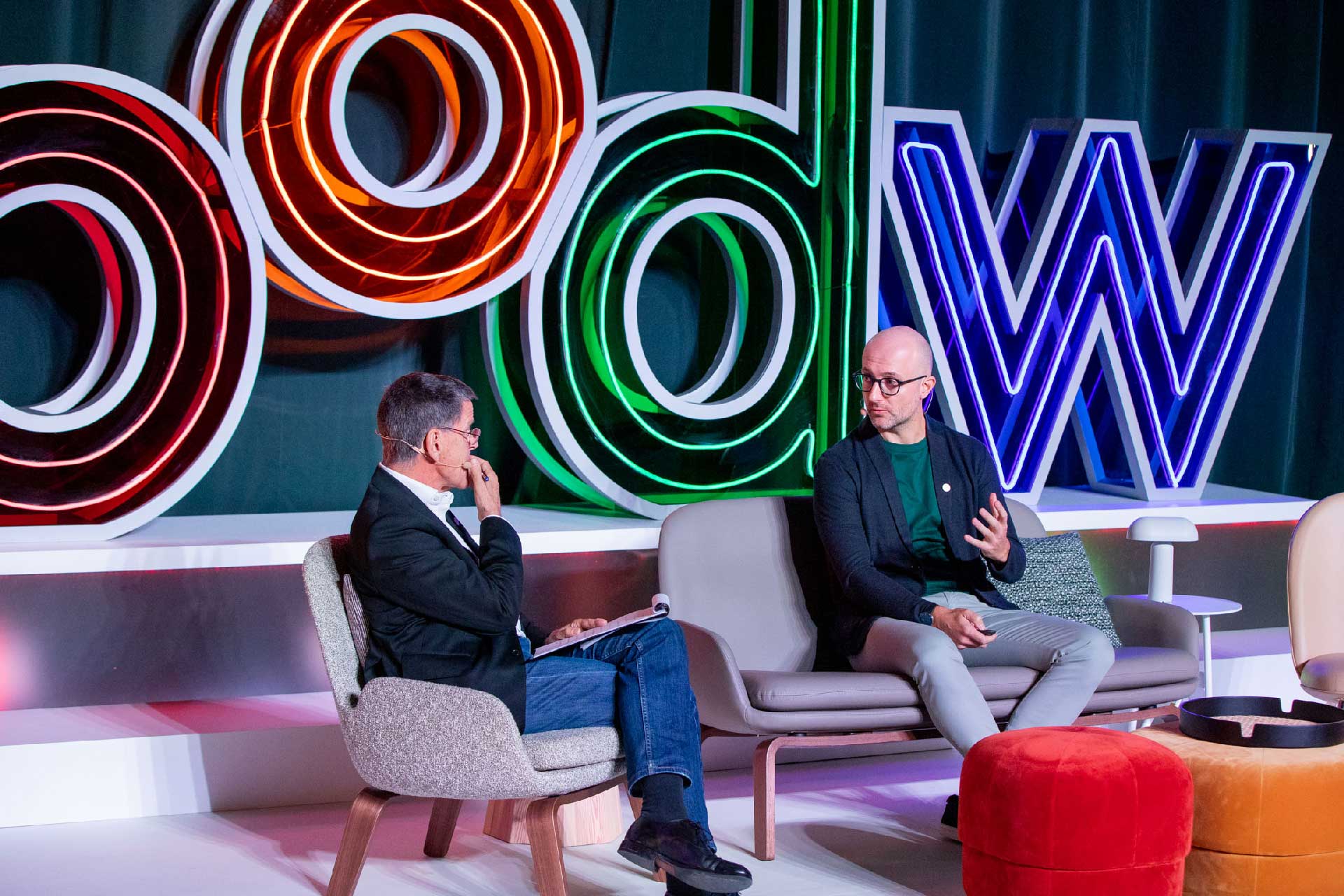
Finally, what role do you think Asia will play in shaping the future of global design? And what kind of legacy would you personally like to leave through your work and leadership?
Asia has long shaped global design and creativity, but what is changing today is the unprecedented scale and diversity of that influence. Japan and Korea have exerted a profound impact for decades, while China and India have become critical centers of innovation. At the same time, increasingly confident creative voices across Southeast Asia, including Singapore, Thailand, and Vietnam, are gaining greater global visibility. This shift is significant because the products, services, brands, and experiences created in Asia no longer just serve regional consumers. They are influencing what consumers around the world value, desire, and adopt into their daily lives. We see this in how Chinese EV brands like NIO and BYD are redefining automotive user experience, and how Southeast Asian luxury hospitality is setting new global benchmarks for experiential design.
Therefore, the future of global design will be genuinely multidirectional. Ideas will no longer flow primarily outward from a small number of established design capitals. Instead, we are entering an era of richer exchange among creative cultures, with Asia’s scale, diversity, and pace of execution making it one of the principal forces shaping this new landscape. Regarding my legacy, I want to foster a deeper commitment to cultural intelligence as a foundation for relevance and resilience in a multipolar world. My hope is that the leaders, teams, and organizations I help shape will carry this commitment forward by listening with humility, understanding local contexts, and adapting without diluting a brand’s core identity.

















#14057, 905 49, Beolmal-ro 102beon-gil,
Dongan-gu, Anyang-si, Gyeonggi-do, Korea
Business Registration Number: 454-86-01044
Online Sales License No.: 2021-Anyang Dongan-1081
Copyright © DESIGNSORI Co., Ltd.