
While working at a design studio in London or spending time with designers from global manufacturers, I often encountered questions about design. “What exactly is Korean design?” “Just as K-pop and K-dramas have distinct identities, is there a representative formal language or aesthetic that defines Korean industrial design?” Every time I was asked these questions, my thoughts became tangled and complicated. After all, I already had a fairly clear set of national symbols in mind when thinking about the history of global design. When we hear “Scandinavian design,” we immediately think of warm natural wood, restrained curves, and a sense of humanism and functionality. When we think of “German design,” we picture the minimalism represented by Dieter Rams, rigorous engineering principles, and a restrained formal beauty in which every element fits together with absolute precision. “Japanese design” leaves us with an impression of distinctive simplicity, the aesthetics of emptiness, and an organic sensibility that meticulously preserves the natural character and tactile qualities of materials.
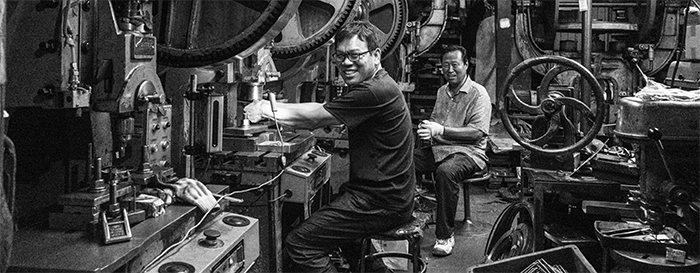
The craftsmen who have carried on their traditions in Euljiro, Seoul, a historic hub of Korean manufacturing
< Image source: Cheonggyecheon Euljiro Preservation Alliance >
Then what defines Korea? Throughout my years working as a designer overseas, this question remained a weighty, unresolved challenge in the back of my mind. At the time, the best answers I could offer were textbook references: the gentle curves of traditional hanok eaves, the understated simplicity and empty space of Joseon white porcelain, or the vibrant colors of traditional obangsaek and dancheong. Yet even as I gave those answers, I was always left with a lingering sense of unease. After all, it was difficult to find designs that directly incorporated such classical motifs in the skyscrapers and streets of contemporary Korea, or in the cutting-edge products and services we use every day. To explain modern Korean industrial design, which competes fiercely in global markets where every second counts, simply reproducing the past or recreating abstract notions of tradition felt far too detached from reality.
As time passed, I returned to Korea's industrial sites and university design studios, observing the development of countless products and leading projects myself. Through these experiences, I came to realize that the "identity of Korean design" we had searched for so persistently might not lie in any particular visible form, style, or traditional pattern. The essence and roots of industrial design ultimately lie in manufacturing and production systems. Korea is one of the few countries in the world to have built an exceptionally dense, world-class hardware manufacturing ecosystem within a relatively small urban area, spanning semiconductors, displays, home appliances, automobiles, mobility, and IT devices. Western societies gradually developed design philosophies such as modernism, minimalism, and Art Deco over centuries, through the Industrial Revolution and the Bauhaus movement. Korea, by contrast, embraced and absorbed these ideas at an explosive pace within just a few decades. Amid this extraordinarily compressed growth and relentless speed, a distinctive survival strategy and unique DNA of Korean design emerged. It was the "power of flexible reinterpretation": the ability to avoid being rigidly confined to a particular style or notion of purity, boldly combine seemingly incompatible elements, and rapidly transform them into something distinctly its own.
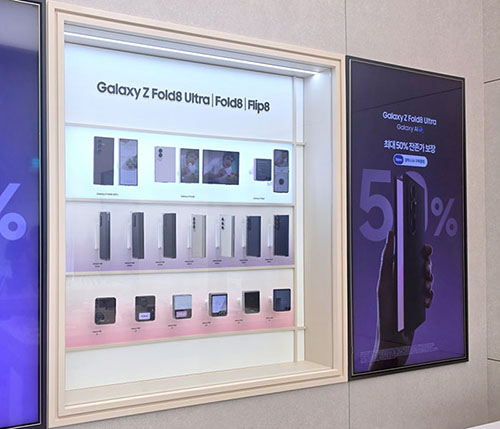
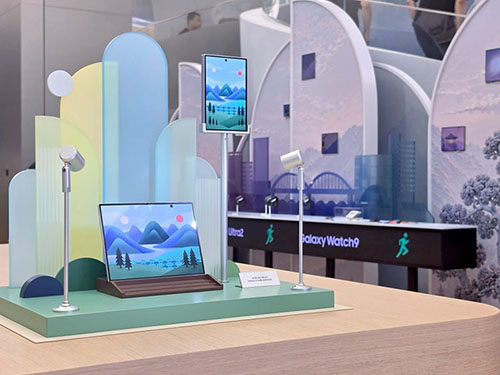
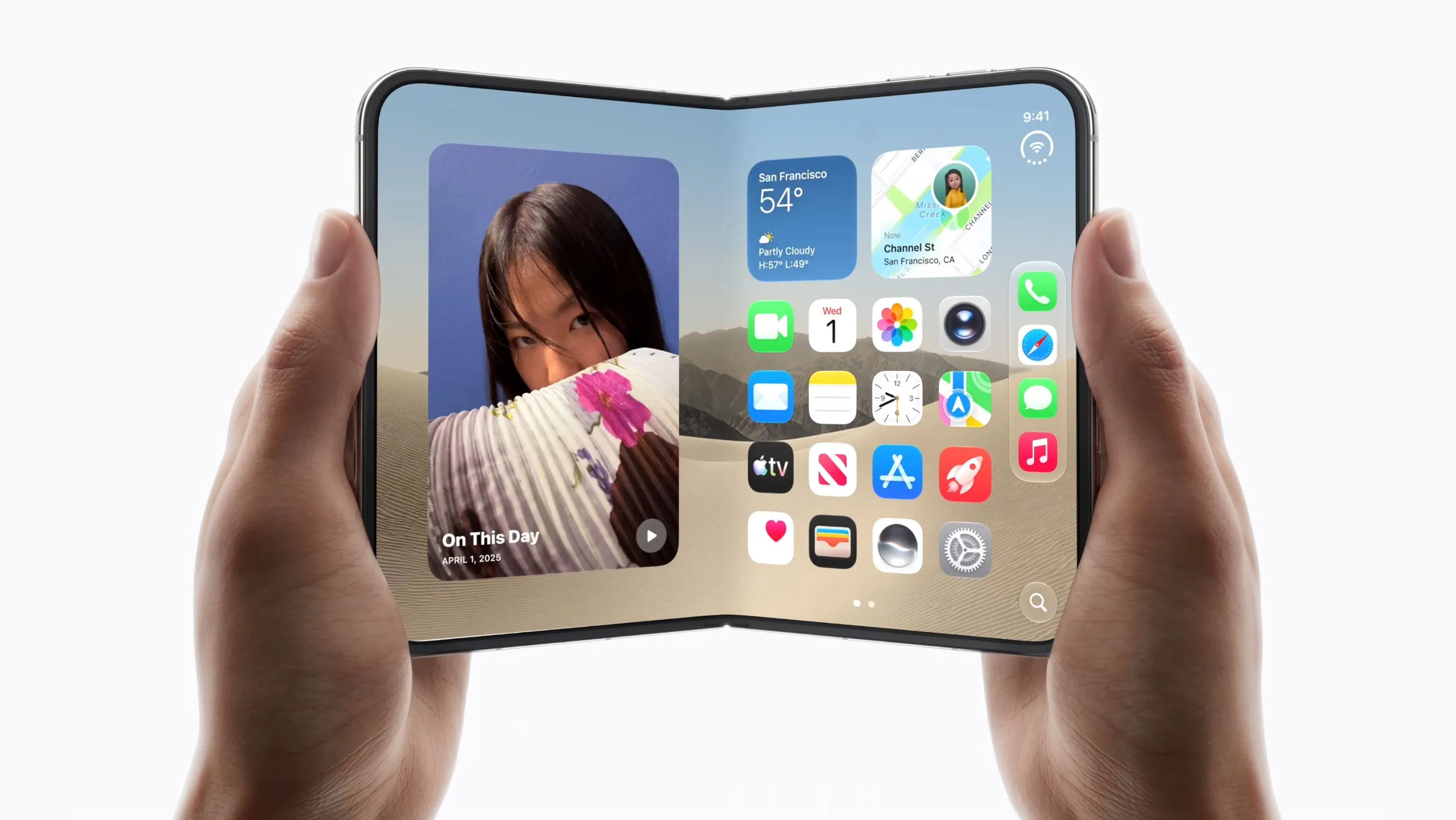
The “History Wall” showcasing the evolution of Samsung Electronics’ foldable smartphones offers an overview of the development of the technology and products.
< Image source: Samsung Newsroom >
We have mastered a distinctive approach to high-density design, packing the rigorous, cool forms of Western minimalism with the intricate, meticulous functionality characteristic of the East and cutting-edge digital technology. This flexibility, unconstrained by any particular style, has become a powerful advantage unique to Korean designers. We boldly combine the warmth and texture of wood or fabric, traditionally associated with furniture, with cold, rigid, high-tech electronic products. In automotive interiors, we naturally bring together advanced digital displays and the subtle tactile qualities of traditional craftsmanship. Our ability to embrace the latest global trends and unfamiliar technologies faster than almost anyone else, reinterpret them through our distinctive sensibilities and densely layered contexts, and transform them into entirely new forms and experiences is precisely what gives Korean industrial design its irreplaceable dynamism in the global market. This flexibility is also deeply connected to Korea’s distinctive consumer culture.
Korean consumers are among the most demanding in the world and respond almost instantly to changing trends. They readily embrace new technologies and devices while delivering exceptionally critical feedback on anything that is inconvenient to use. As a result, Korean products undergo a more rigorous process of validation than those in almost any other country. Consequently, Korean industrial design has developed a distinctive level of refinement that goes beyond visual beauty, rapidly and precisely integrating usability, where digital services and physical hardware work seamlessly together, into the very form of the product.
If someone were to ask me again, “What exactly is the identity of Korean design?” I would answer this way: “The identity of Korean design does not lie in a single fixed ‘form’ or ‘style.’ It lies in an attitude that is flexible, fast, and honest: an ability to absorb trends, technologies, and unfamiliar cultural elements from around the world like a sponge, fearlessly combine seemingly opposing elements, and reconfigure them into a design language that is both exceptionally intuitive to use and aesthetically compelling.”
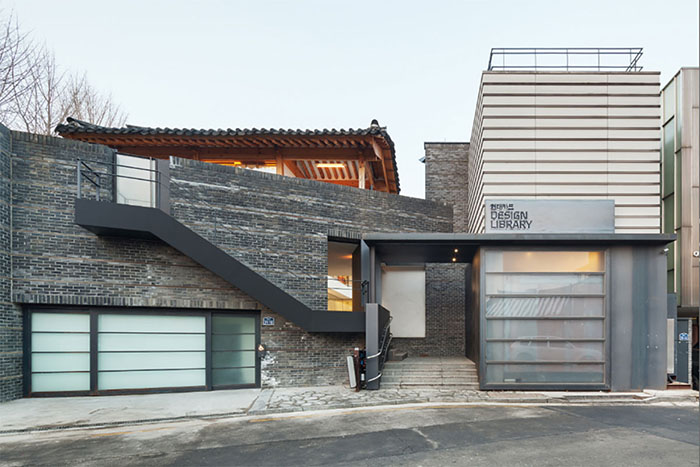
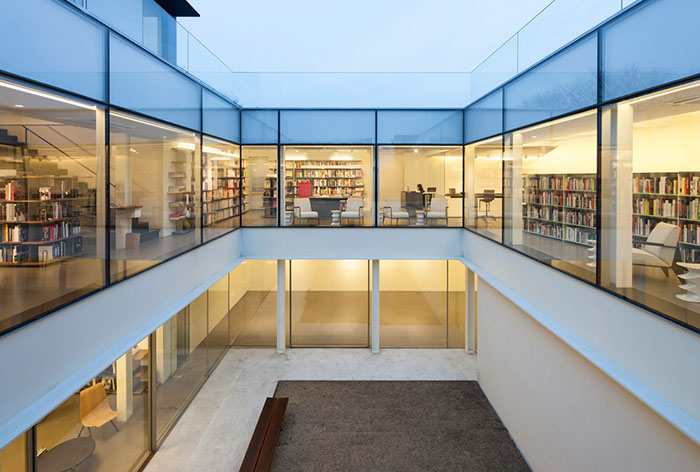
Hyundai Card Design Library, a space where traditional hanok architecture harmonizes with contemporary design
< Image source: Hyundai Card DIVE >
From the subtle details of an object's form and structure to the physical friction and tactile sensations felt beneath our fingertips, and even the direction design should take in an era of rapidly advancing technology, the scope of design continues to expand. As everything becomes connected through the internet and AI generates images pixel by pixel, a flexible, hybrid sensibility unconstrained by any fixed style will, paradoxically, become even more valuable. Today, as AI drives rapid change and overturns long-established assumptions, Korea is responding to and leading the design and AI markets at an unprecedented pace.
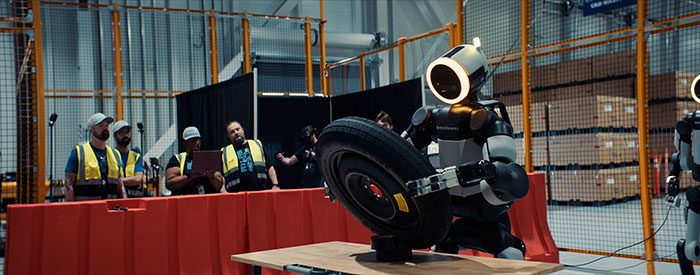
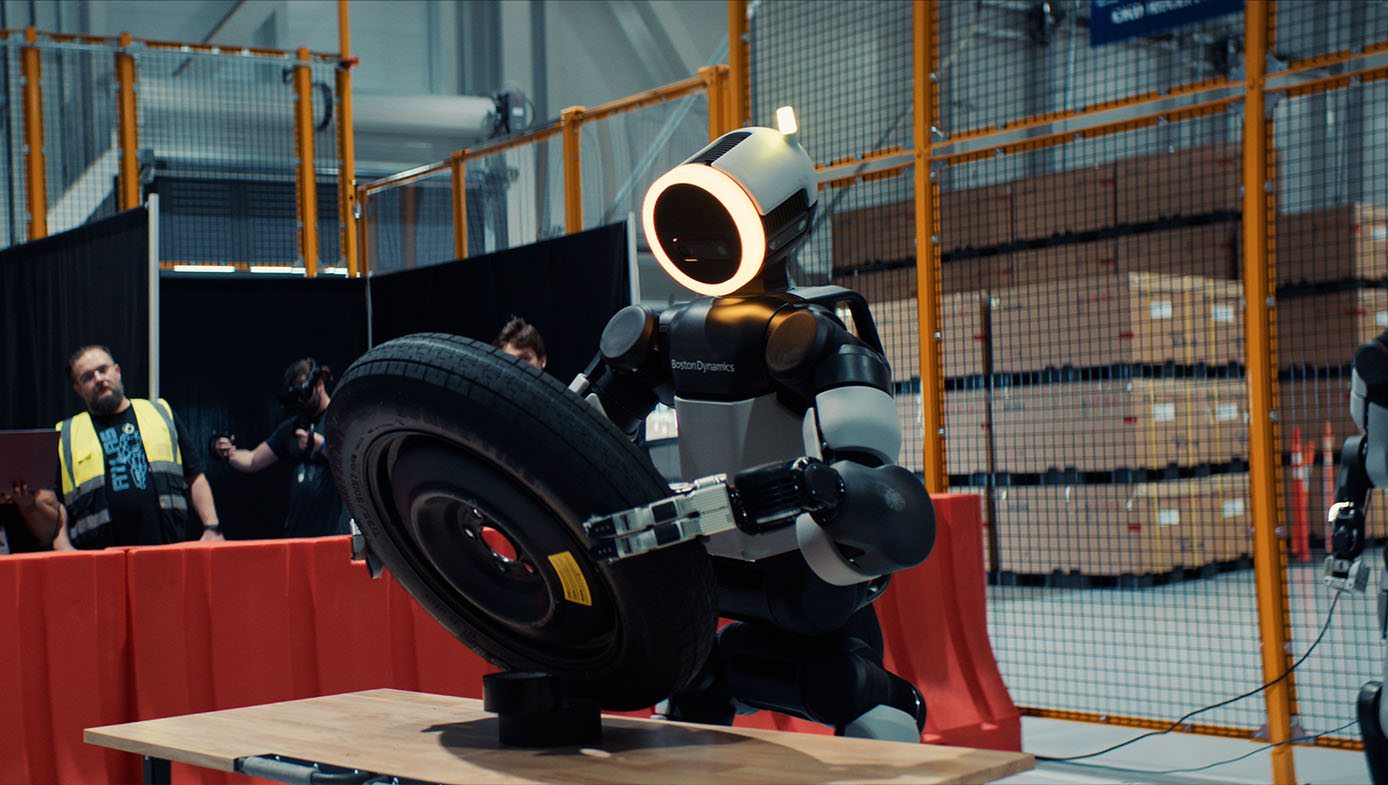
Hyundai Motor Group’s Atlas, representing Korea’s response to changes in the AI and robotics industries through its manufacturing expertise
< Image source: Hyundai Motor Group >
I personally dislike the phrase “What is Korean is global,” as it feels somewhat outdated and clichéd. Yet I can now genuinely sense that Korean design is becoming increasingly global. It has become difficult to find a major company anywhere in the world that does not employ Korean designers. Is it because these companies are attracted to Korean design itself? I do not think so. Perhaps it is not because they want the design of Korea as a country, but because Korean designers have developed an instinctive ability to quickly understand what a particular company and country need and to naturally integrate different elements. Amid the immense uncertainty of a future without predetermined answers, the flexible attitude of Korean industrial design, which combines different ideas and rapidly reinterprets them in ways that engage all five human senses, may become a powerful force connecting technology and people with genuine warmth.













#14057, 905 49, Beolmal-ro 102beon-gil,
Dongan-gu, Anyang-si, Gyeonggi-do, Korea
Business Registration Number: 454-86-01044
Online Sales License No.: 2021-Anyang Dongan-1081
Copyright © DESIGNSORI Co., Ltd.