
4 Min Read
At the 2023 RHS Chelsea Flower Show in the UK, a Korean garden drew worldwide attention: A Letter from a Million Years Past, by Jihae Hwang. Inspired by the medicinal herb colonies of Jirisan, it recreated the primeval landscape of a Korean mountain using a wide range of native plants and stones. The garden won a gold medal in the Show Garden category, and King Charles III visited and showed his interest. Hwang had already won awards for Hae-woo-so in 2011 and DMZ: Forbidden Garden in 2012, and Korean designers have continued to win at British flower shows since. It is significant that gardens rooted in Korean nature keep earning recognition in the UK, the home of garden culture.
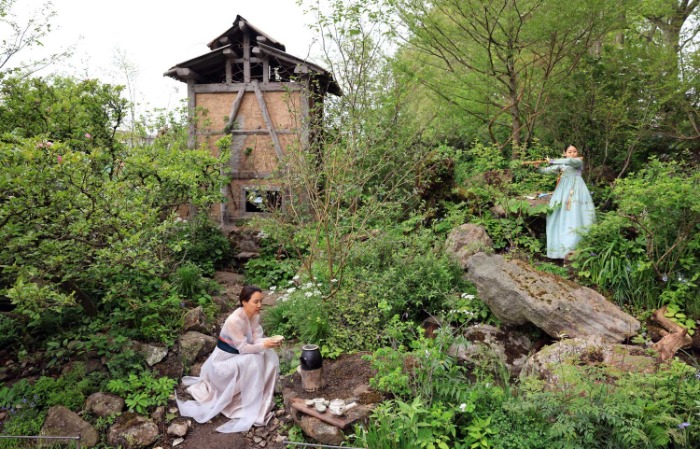
< A Letter from a Million Years Past by Jihae Hwang, RHS Chelsea Flower Show 2023 >
The UK is a nation of gardens. As early as the 17th century, Francis Bacon called the garden the purest of human pleasures, and wrote that without it buildings and palaces are incomplete. His words show that British gardens have long been more than an annexe to the house; they are an essential part of life and culture. The gardens of the great houses of the time were places to receive guests and take tea, and places to show off special plants such as orange and olive trees inside an orangery even in midwinter. In ordinary homes, too, small, natural-looking gardens gathered beneath the walls were indispensable, and they live on today in the cottage garden, the style that best represents British gardens.
This love of gardens is tied to the standing of the Chelsea Flower Show, the most famous in the world today. The exhibition tradition of the Royal Horticultural Society (RHS), which began in Chiswick, London, in 1827, has developed since moving to its present home at the Royal Hospital Chelsea in 1913. Held every May, the show lasts just five days, during which the world’s leading garden designers and horticultural experts present their finest gardens along with new lifestyles and design trends. Joined by the Royal Family and global companies, the festival goes beyond proposing garden designs: through collaboration with the clients who sponsor each garden, it serves as a bridge that meets and develops cultural demand across many fields. LG Electronics of Korea worked with designer Hay Joung Hwang to present a smart garden set against everyday home appliances, and this year the renowned landscape designer Tom Stuart-Smith proposed a garden design to complete a new cultural space at Tate Britain.
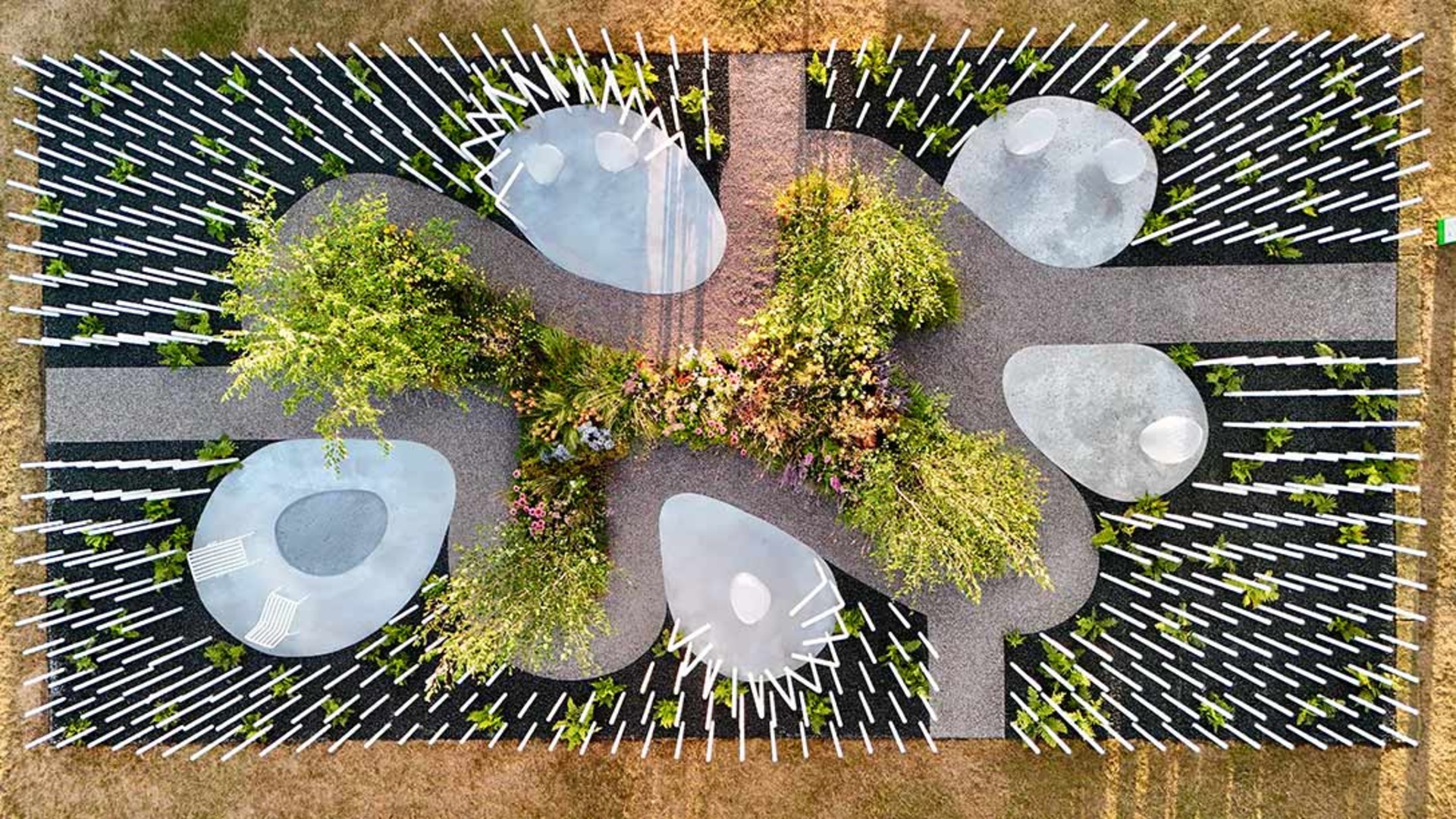
The RHS flower shows, with Chelsea at their head, are relocating the concentrated artistic experience of a short exhibition into the cultural experience of everyday life. Gardens are rebuilt in a variety of places according to the needs of the clients who planned them. A leading example is Garden Whispers, which won an award at the 2025 RHS Flower Show Wentworth Woodhouse and was relocated this year to a housing complex in Seoul. At Wentworth Woodhouse, once the largest private house in the UK, the garden was well received for its 500 or so white columns, its shimmering planting and new possibilities such as 3D printing. It has now moved to the heart of Seoul, where it extends the everyday cultural experience of residents. During the show, British visitors asked detailed questions about the garden’s concept and materials; that same curiosity now gives the garden a role as a place of exchange between neighbors, just as their old gardens once were.
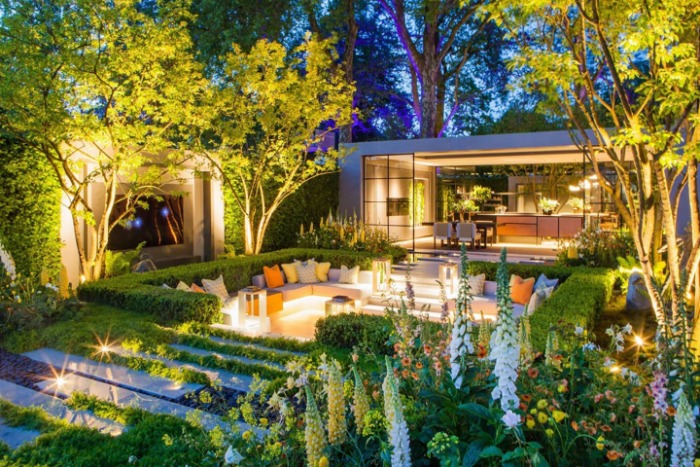
< LG Eco-City Garden, RHS Chelsea Flower Show >
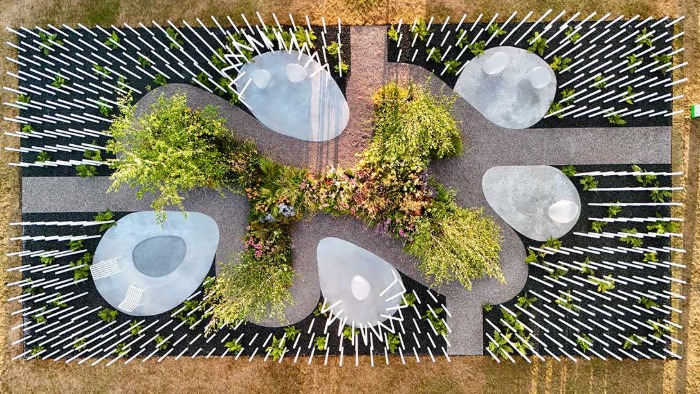
< Garden Whispers, RHS Flower Show Wentworth Woodhouse 2025 >
Another way in which gardens meet culture and art is the International Garden Festival of Chaumont-sur-Loire in France. Launched in 1992, it takes place at the Château de Chaumont on the banks of the Loire in central France, where designers from around the world welcome visitors to new gardens for half a year. While Chelsea, short and intense, concentrates on highly finished show gardens, Chaumont lets visitors experience gardens and art over a long period, through the changing seasons. Beyond the designers’ gardens, paintings, sculptures and installations are exhibited throughout the château, its gardens, stables and galleries. Artists from many fields, including El Anatsui, Andy Goldsworthy and Lee Ufan, take part, creating an environment in which nature, art and historic architecture influence one another. As a result, the gardens entered in the competition tend to be more experimental and artistic. The garden becomes a space that holds art, and art in turn expands how the garden is sensed and interpreted.
Turning a garden into culture is not accomplished by installing special plants or sculptures. When a garden responds to what everyday culture needs, it can hold art, and art can extend through the garden into everyday experience. The domestic culture of gardens that once filled small corners of the home is distilled into world-class garden shows, and the artistic gardens of those shows expand again into the everyday culture of museums, housing complexes and urban public spaces. Gardens become culture, and culture in turn creates new gardens. I hope this virtuous cycle will take firm root in Korea, too, as it aspires to become a nation of garden cities.

















#14057, 905 49, Beolmal-ro 102beon-gil,
Dongan-gu, Anyang-si, Gyeonggi-do, Korea
Business Registration Number: 454-86-01044
Online Sales License No.: 2021-Anyang Dongan-1081
Copyright © DESIGNSORI Co., Ltd.