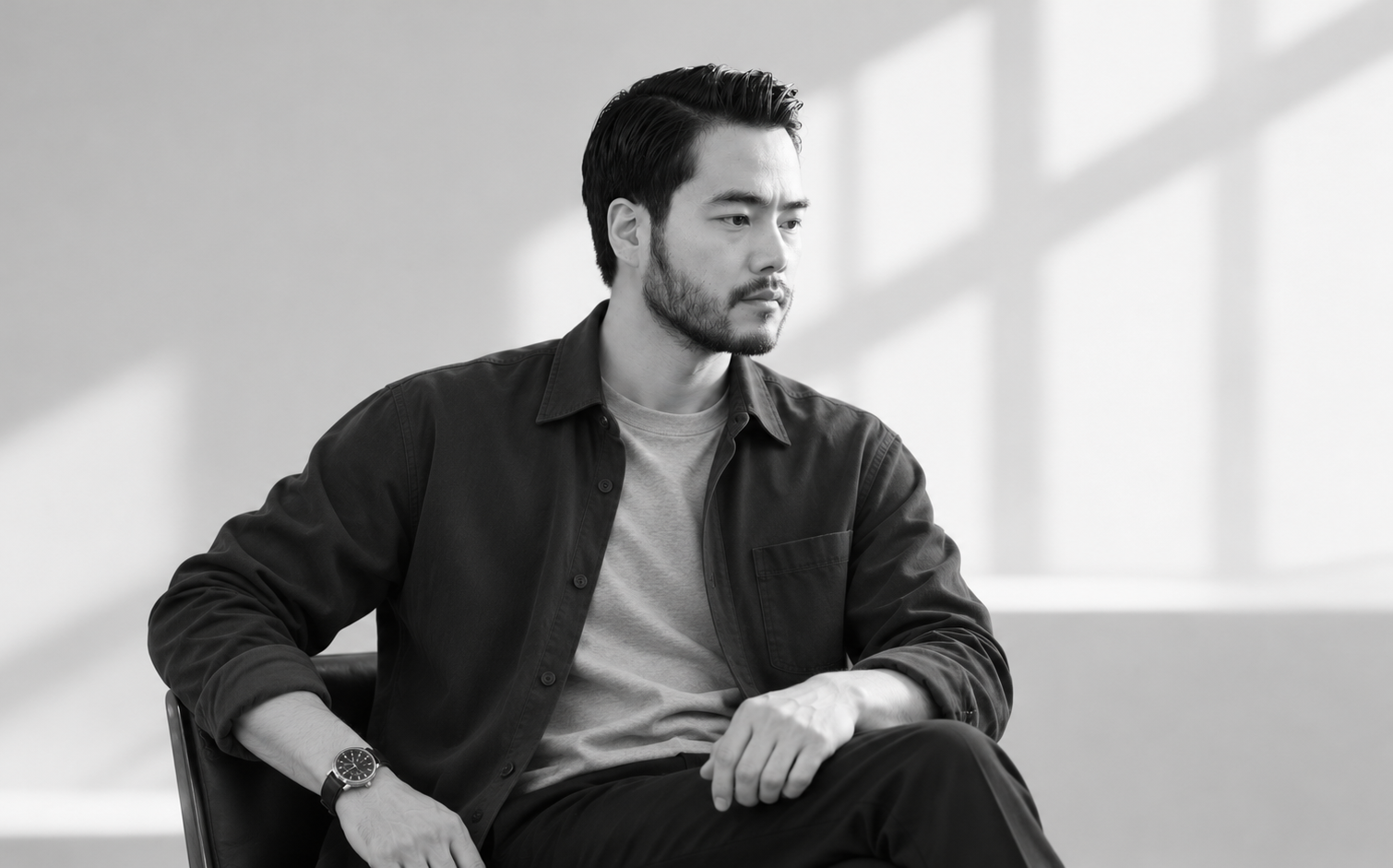
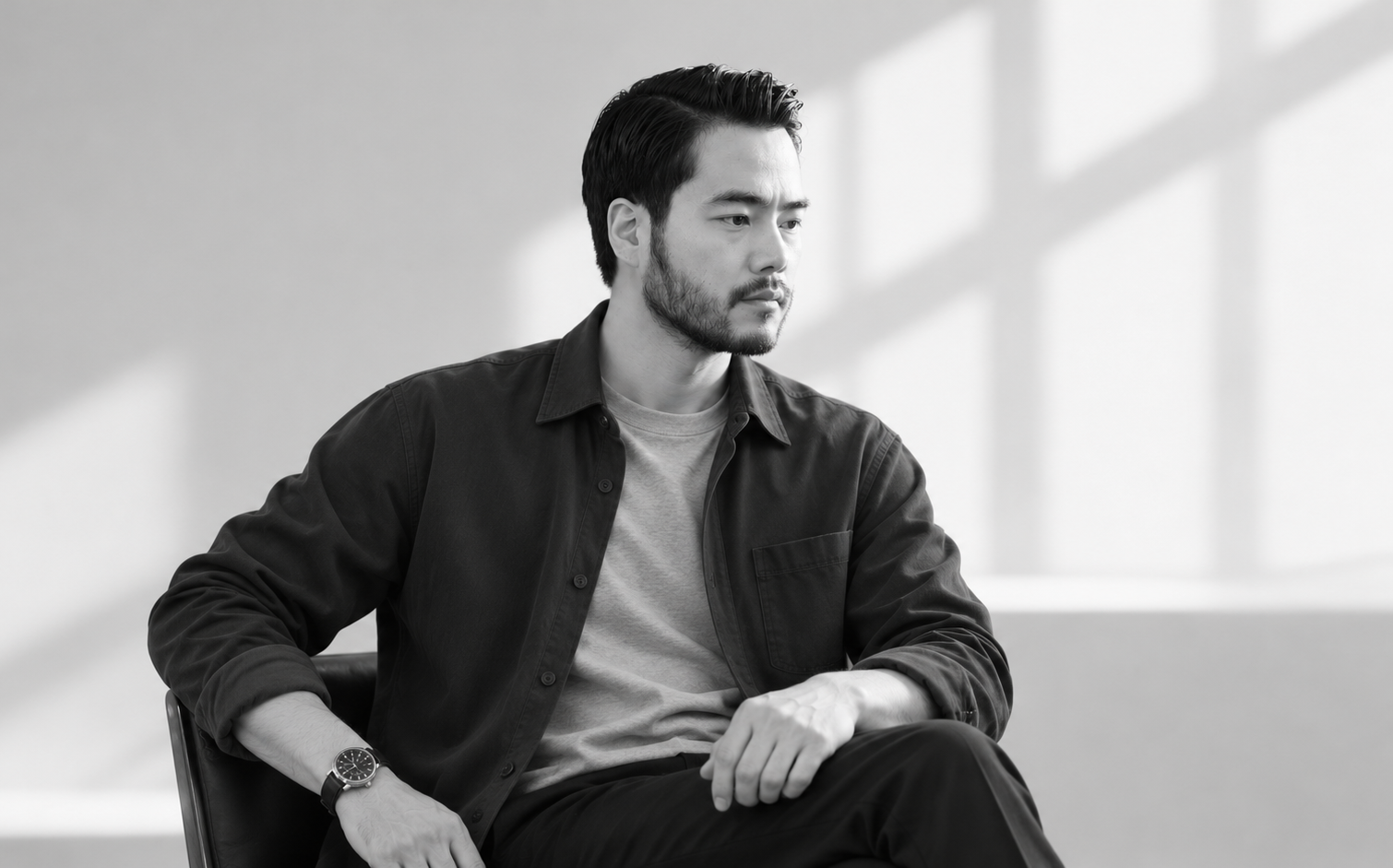
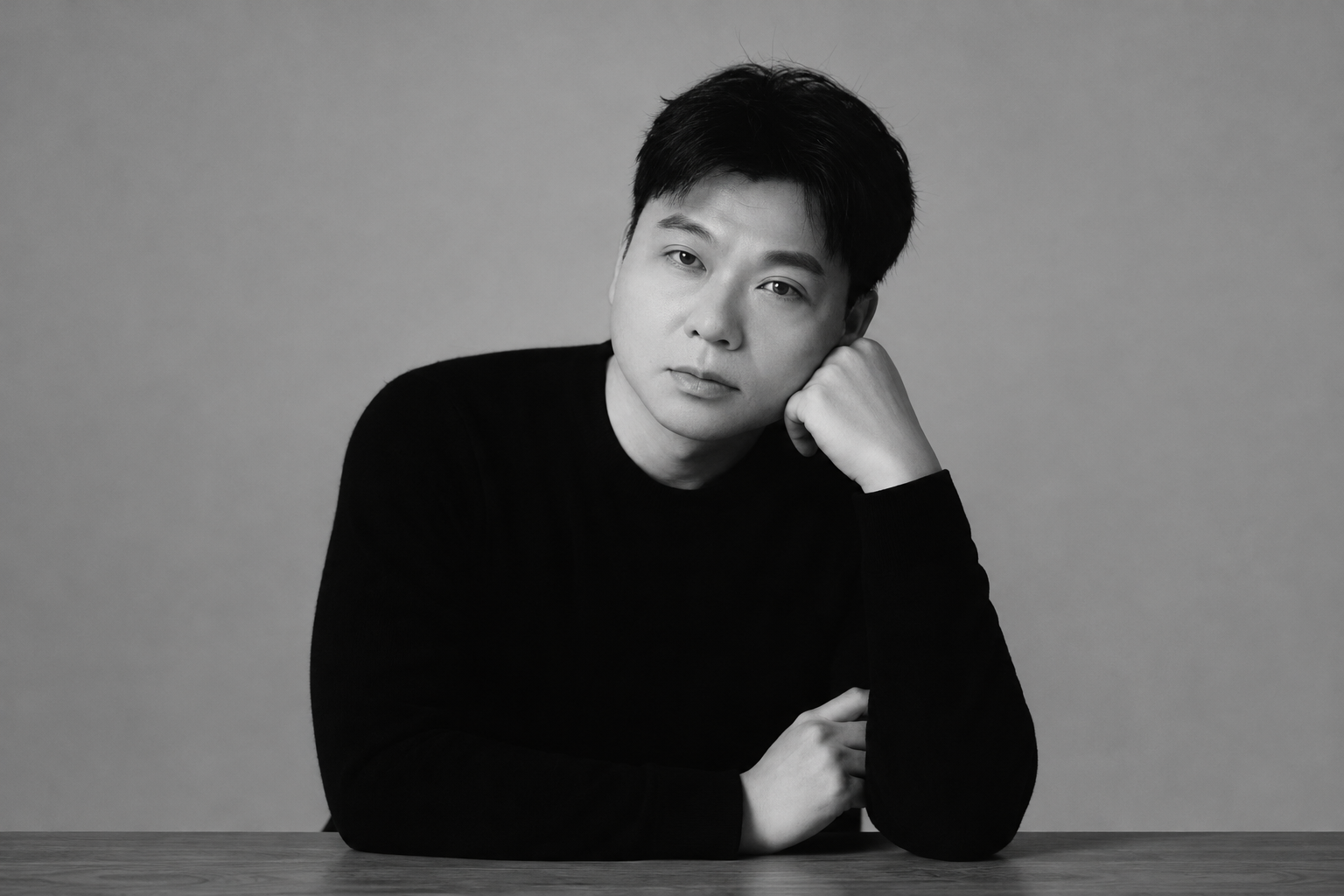
Yonghyuck Lee Professor at Yonsei University, Editor-in-Chief of ADP Media
“The heart-shaped furniture of Turkish designer Sami Savatli bears the marks of the hands that worked its aluminium. The graphics of Karl Adrian Aguro, who works in Mindanao in the southern Philippines, are steeped in the many cultures and everyday scenes he grew up with. Yonghyuck Lee, Editor-in-Chief of Asia Design Prize Media, studies finished work closely and, through conversations with designers, traces the choices that lie behind form and colour. The records he builds through interviews and the Studio Index serve another purpose as well: to discover designers who are not yet widely known, and to help people working in different regions start their next project together. DESIGNSORI asked him how he reads a work and shapes his questions, and what it takes for the records of a design media outlet to turn into real collaboration.”
Which designers does ADP Media hope to discover, and what values of theirs do you want to introduce to the world?
I believe Asia is developing into a single design ecosystem in which national design markets influence one another. Running Asia Design Prize Media and meeting studios from many countries, I realised that my understanding of the design industry had been narrower than I thought. Many designers with original perspectives and outstanding skills are still not well known internationally, simply because of where they work or how few opportunities they have to promote themselves. I see narrowing this information gap as the role of design media. When we introduce a work, we try to convey what problem the designer is solving and where their expertise lies. A client in Korea might discover a studio in Thailand or India, and an overseas company might commission a Korean designer for a new project. When a record becomes the starting point for that kind of meeting, design media can contribute to the industry as well.
When your interpretation of a work differs from the designer’s own explanation, how do you find a new story in that gap?
Before an interview, I study the work thoroughly and form my own reading of its meaning. During the interview, I share that reading with the designer. If our thinking aligns, I ask more specifically about the experiences and judgements that led to those choices. If it differs, I get to hear the background I could not have noticed from the work alone. Choices that a designer takes for granted after years of practice can become valuable clues for readers trying to understand the work.
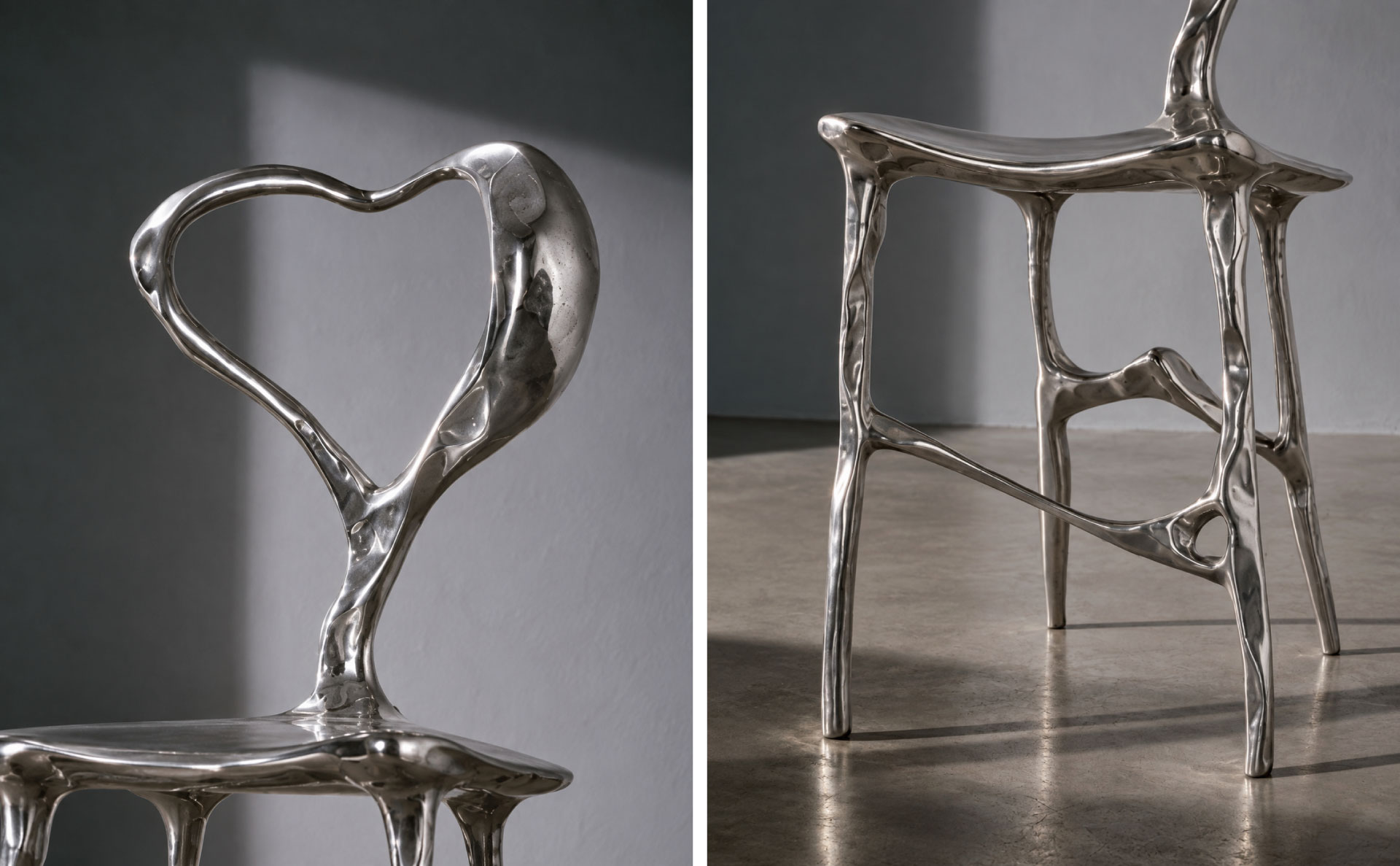
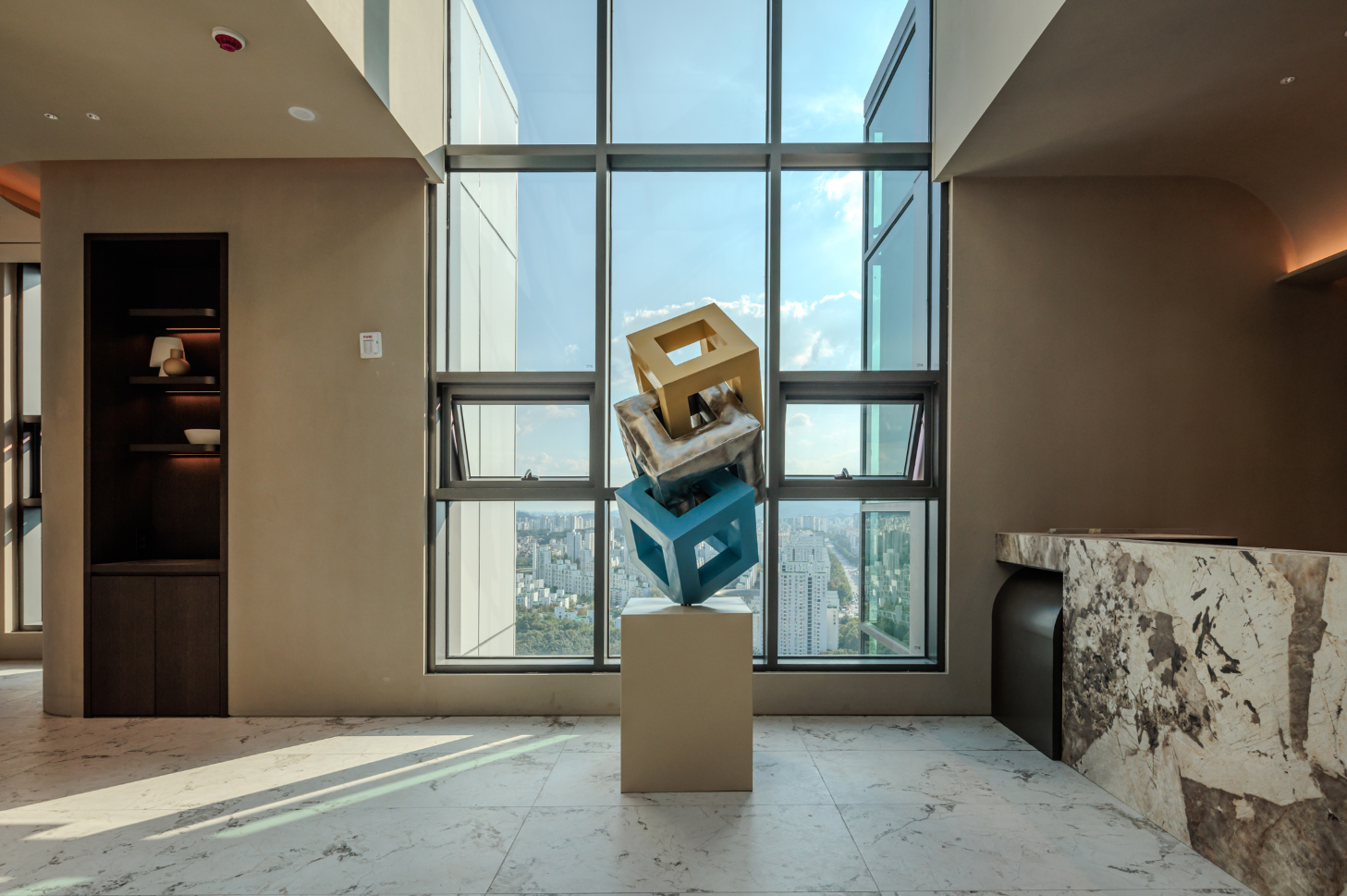
< LOVE Chair designed by Sami Savatli >
My interview with Sami Savatli, who leads SAVATLI Architects in Türkiye, is a good example. When I first saw his LOVE Collection, I was struck by how he expressed the emotion of love through heart-shaped furniture made from aluminium, an industrial material. I read it as a combination of traditional craftsmanship and contemporary form. In conversation, however, I learned that for him, tradition is the knowledge accumulated in the process of handling materials and making objects. He said tradition lives in the way metal is cast or wood is worked, and in the details finished by a craftsman’s hands. After hearing that, the subtle irregularities and traces of handwork on the aluminium surface looked different to me. His attitude of embracing the making process itself as part of the work was right there on the surface.
Since then, I have asked more specific questions about what a craftsman’s accumulated knowledge means for design today, and how function, emotion and artistic expression can coexist in a single object. I think it is important to set what the editor saw first against what the designer was thinking while making, to find new questions in that contrast, and to put the conversation into language readers can understand.
What do you look at first when preparing an interview, and how do you find the questions you most want to ask?
I believe good design reveals a great deal about the problem it addresses through the result alone. Whether it is a product that resolves a user’s frustration or visual design that makes complex information easy to grasp, the way it solves the problem shows in the outcome. When I prepare for an interview, I first read the ‘About’ page on the studio’s website. I look at how the studio defines design and what it values, then turn to the portfolio. If a studio emphasises user experience, I look at how user convenience led to specific decisions in real projects. If it champions social value, I check how that value is realised in the work. When a studio’s stated philosophy is clearly visible in its work, I ask how that philosophy actually shaped its decisions. When I encounter an unexpected result, I become curious about the conditions or experiences that led to that choice. Starting from what was made and moving on to why the designer cared about that problem and by what criteria they chose a solution, a person’s way of seeing the world gradually comes into view.
What questions do you ask to understand the designer’s choices behind a finished image? Is there a case that stays with you?
Every project has a different starting point. Some studios publish their research and sketches in detail in their portfolios, while others focus on the finished work. If only the finished work is shown, I ask whether the designer defined the problem and concept first and then developed the form, or discovered the concept through a series of experiments. If the work began with a particular experience or a moment of inspiration, I ask what that trigger was and how it remains in the final result.
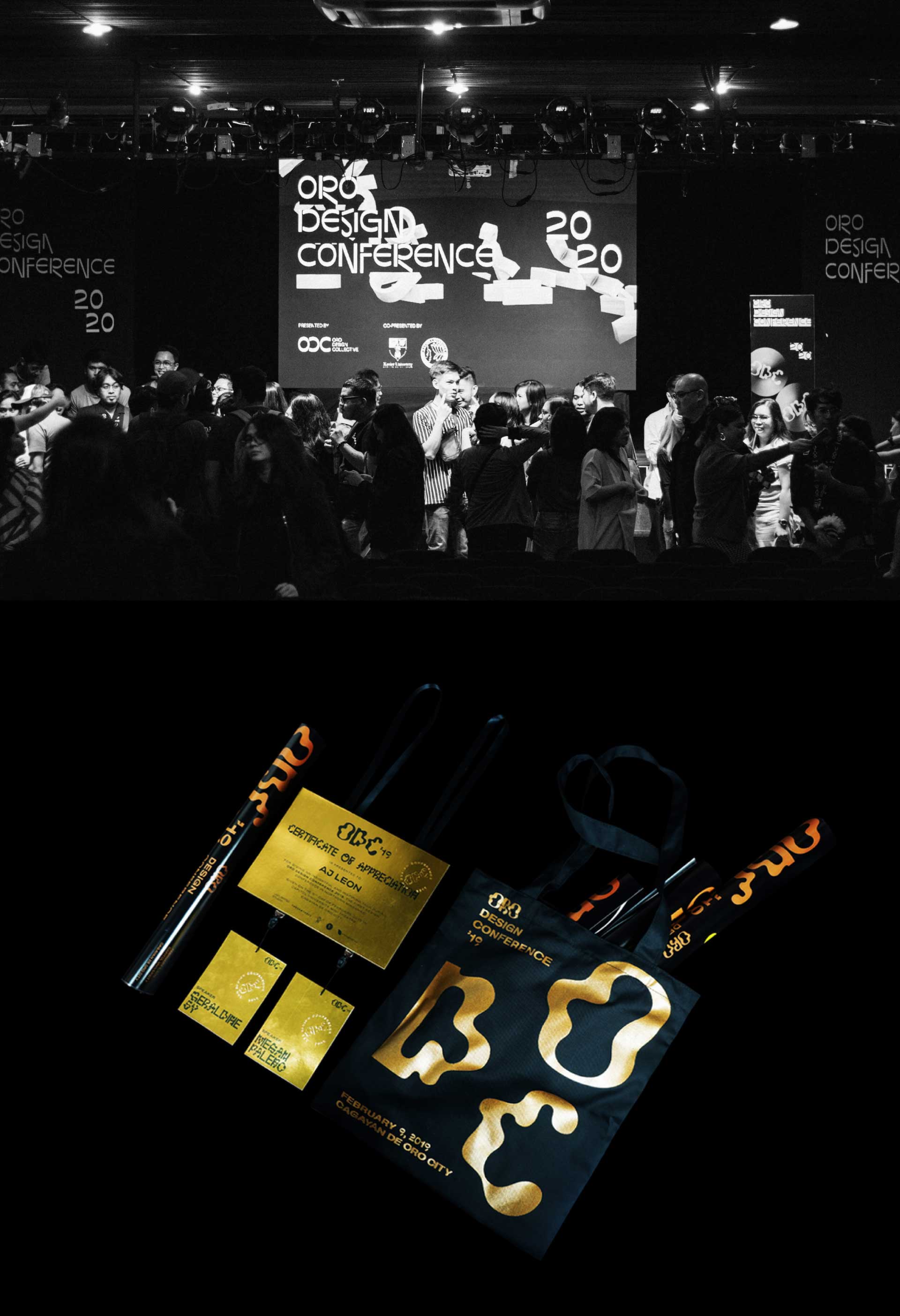
< Oro Design Conference designed by Karl Adrian Aguro >
Karl Adrian Aguro, a graphic designer who runs Uncurated Studio in Cagayan de Oro in the southern Philippines, stays with me. At first, what caught my eye were his free compositions, experimental graphics and distinctive colours. Aguro explained that the many cultures and traditions of Mindanao, where he grew up, and the visual elements he encountered in everyday life had shaped his work. He was building his own form of expression by combining those experiences with international design currents. He also said the character of Philippine design can be found in an attitude of finding creative solutions with limited resources and naturally blending the influences of many cultures. Alongside commercial projects that weigh clients’ needs and business goals, he consistently pursued personal work that let him experiment freely. Those experiments flowed into his commercial projects, and sometimes clients approached him after seeing his personal work.
After hearing his story, I could see not only his colours and forms but also his judgements about how to express his regional identity and how far to embrace international trends. It is easy to explain a region’s design through one or two visual traits, but when you actually meet designers, you realise that the experiences and choices behind their expression are far more varied.
When introducing work to international readers, how much of the local culture and way of life should be explained?
The test is whether knowing that background helps people understand the work more accurately. If a region’s traditional patterns, architectural styles or way of life are the starting point of a design, a brief note of context is needed for readers unfamiliar with that culture. Knowing what a certain colour or form means locally helps explain why the designer chose that expression. At the same time, digital platforms, international design education and the influence of global brands mean we often find similar approaches to problem-solving and similar design languages across many countries. For work that can be fully understood through its form, function and user experience, we focus on its own solution and level of finish. I think deciding what information readers need to understand each work is the editor’s job.
When looking at award-winning work, at what moment do you become curious about a designer’s next project?
Two situations come to mind. The first is when an emerging designer shows both a clear sense of the problem and a high level of finish. When I see work by someone with limited project experience that nonetheless has a sharp perspective on the problem, or that resolves function and expression with real rigour, I wonder what they will do when they face more complex problems or different industries. The second is when an experienced designer changes a familiar way of working. When I see a willingness to re-examine judgements refined over many years and to respond to new environments or demands, I look forward to what comes next. At an award, you can discover the growth potential of emerging designers and the capacity for change in experienced ones, all in one place.
What signs of growth do you see in designers or small studios that are not yet widely known?
I look at which problems they care about and who they collaborate with to solve them. In projects that address social inequality or community issues, for example, what matters is how concretely the designer understands the problem and whether they have connected it to a real outcome or service. The way a studio works with experts from other fields or with local communities also shows the range of problems it may take on in the future. I also pay attention to projects studios initiate themselves, without a client’s brief, when they find a subject they care about and develop it into an exhibition with other creators, a publication or a workshop.
Even when it does not lead directly to revenue, the process of producing work, explaining it to people and bringing participants together to keep a project going reveals planning ability, collaborative skills and the capacity to execute. I would call this the energy of a creator. As personal projects accumulate, a studio’s direction becomes clearer, and it can meet clients and collaborators who share that direction. An attitude of creating its own stage for its work is the signal that makes me look forward to a small studio’s next step.
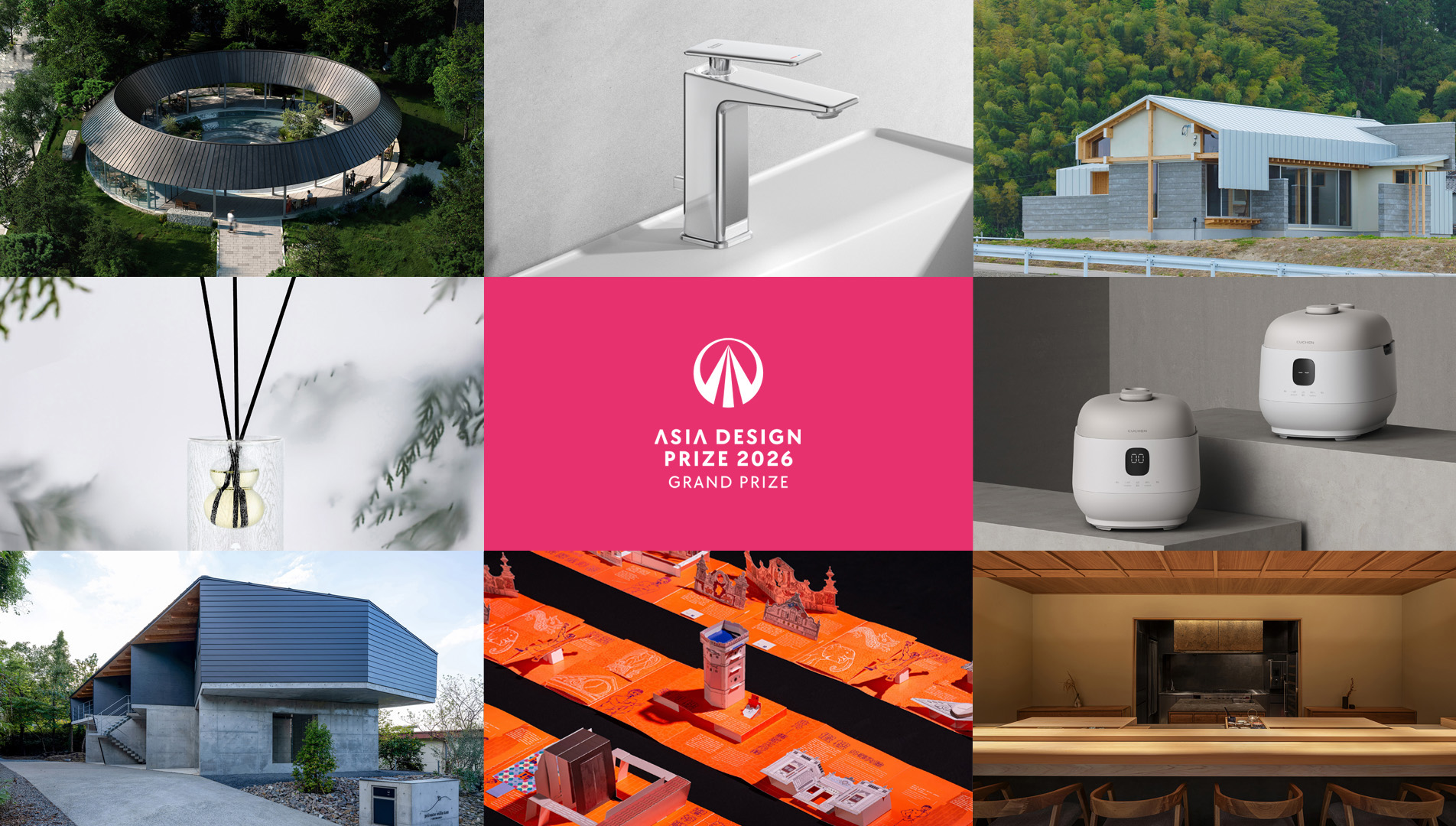
< Asia Design Prize 2026 Winners >
What is needed for the Studio Index, interviews and reviews of winning work to build trust and lead to new commissions?
We need to keep discovering studios from many regions while making it possible to see where each studio’s expertise lies and what projects it has delivered. If clients can find candidates in their field through the Studio Index, examine real work through portfolios and reviews of winning projects, and read a studio’s attitude and decision-making criteria in interviews, they can judge potential partners in concrete terms. As these records accumulate, it also becomes possible to follow the new fields a studio enters and the ways its practice changes. When an overseas company looks for a studio in Asia with specific expertise, these records become a resource for surveying work across regions and considering real commissions. For designers, they are an opportunity to present their capabilities to a wider market.
How do your experience of teaching students at university and your experience of meeting designers as an editor influence each other?
I am still a new professor and still learning myself (laughs), but since I started teaching, I have thought much more about how to explain design. Concepts that have become second nature after years in practice may be entirely new to students. In research, it is important to define concepts and test the validity of methodologies, while in teaching, it is important to show through familiar examples how that knowledge is used in real design. The stories of designers I meet through ADP Media and the award-winning works make excellent teaching material, because they let us discuss, through real work, what problems the industry is tackling today and what technologies and approaches it is using. When I look at student work, too, I consider not only its level of finish but also what problem it started from, what it tried to solve, and where those judgements show in the result.
Generative AI makes it possible to produce a wide range of options in a short time. That is exactly why the ability to judge what to make, which user problem to solve and whether a result is appropriate has become more important. The fundamentals of design, defining the problem, understanding users, exploring solutions and evaluating outcomes, are still needed when working with AI. These concerns also shape my editing. In interviews, I now ask more often how designers defined their problem and what criteria guided their decisions. I want to help students build the ability to find problems and ask questions on their own, and I want to show readers the questions designers asked in their work and the judgements that followed.
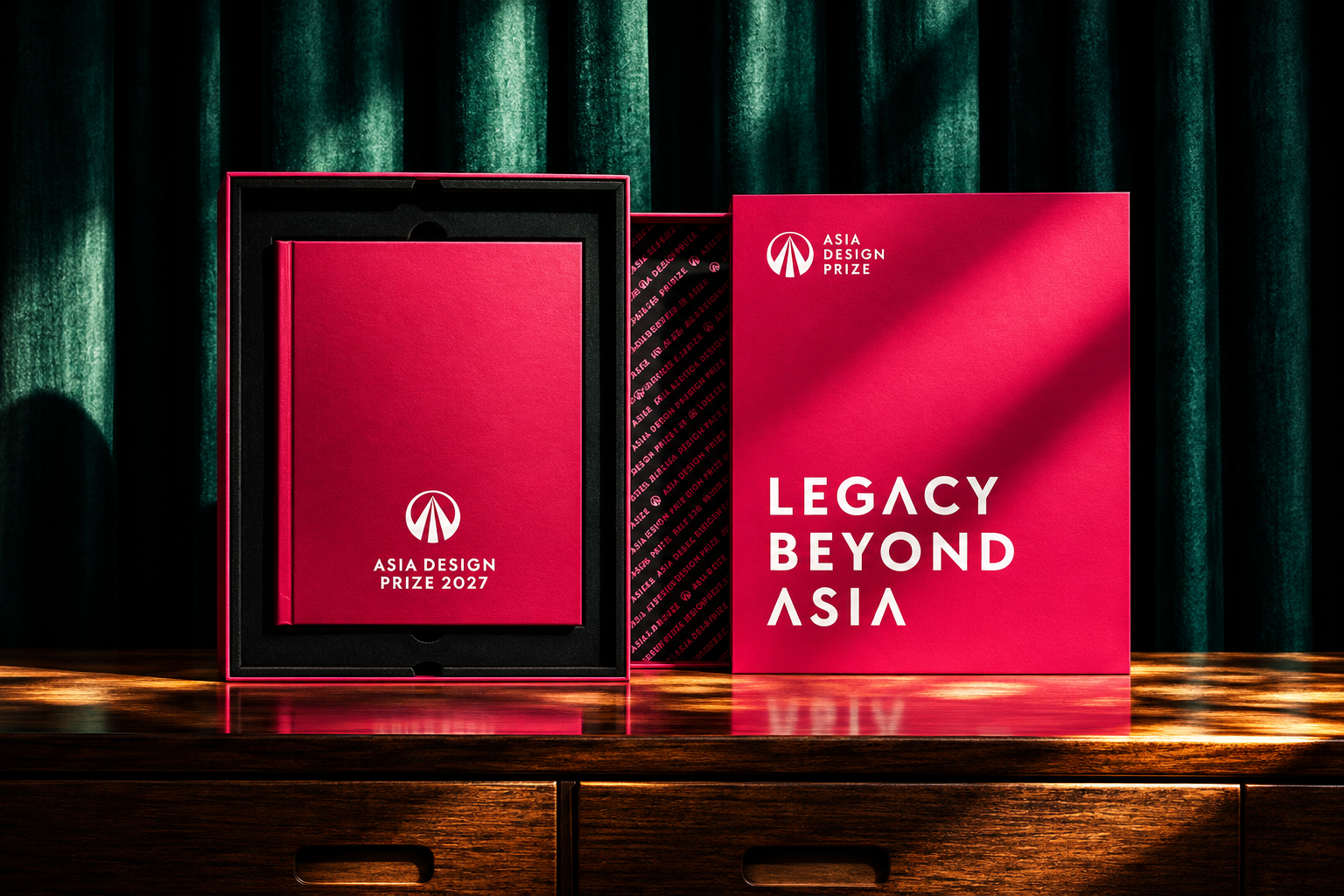
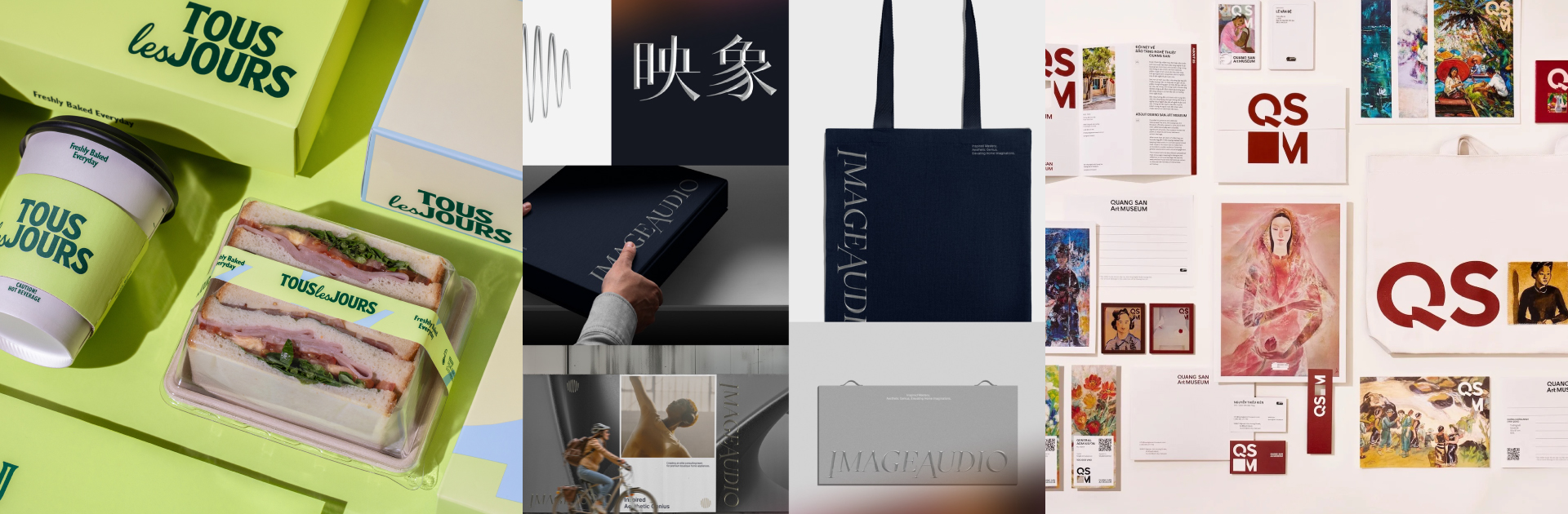
< Asia Design Prize Winner Package >
Building on ADP Media’s records and network, what kind of exchange would you most like to create first?
I would like to start regional exchange projects that connect the designers and studios we have met through Asia Design Prize. Meeting designers from places such as Thailand, the Philippines and India, which people in Korea have had few chances to encounter, I felt how much work varies depending on the city, local culture and industrial conditions in which designers operate. I believe that diversity can be the starting point for collaboration. For example, a studio working in one region of Korea and a regional studio in Thailand or the Philippines could hold a small exchange exhibition introducing each other’s work. A few teams interested in each other’s work would meet, try an exhibition or workshop together, and turn that experience into co-production or real commissions. If regional design organisations or local governments take part, the scope of cooperation could expand to draw on local industry and culture.
ADP Media holds a growing record built through award-winning work, interviews and the Studio Index. Drawing on that record, I want to find and introduce studios with complementary expertise and connect them so they can begin new work together. When exchange between countries leads to real work, exhibitions and joint projects, designers gain new opportunities and regions gain a chance to grow their design industries. Starting from recording design, then connecting designers, and making sure those connections lead to real projects: that is the goal I want to achieve through ADP Media as its Editor-in-Chief.













#14057, 905 49, Beolmal-ro 102beon-gil,
Dongan-gu, Anyang-si, Gyeonggi-do, Korea
Business Registration Number: 454-86-01044
Online Sales License No.: 2021-Anyang Dongan-1081
Copyright © DESIGNSORI Co., Ltd.