
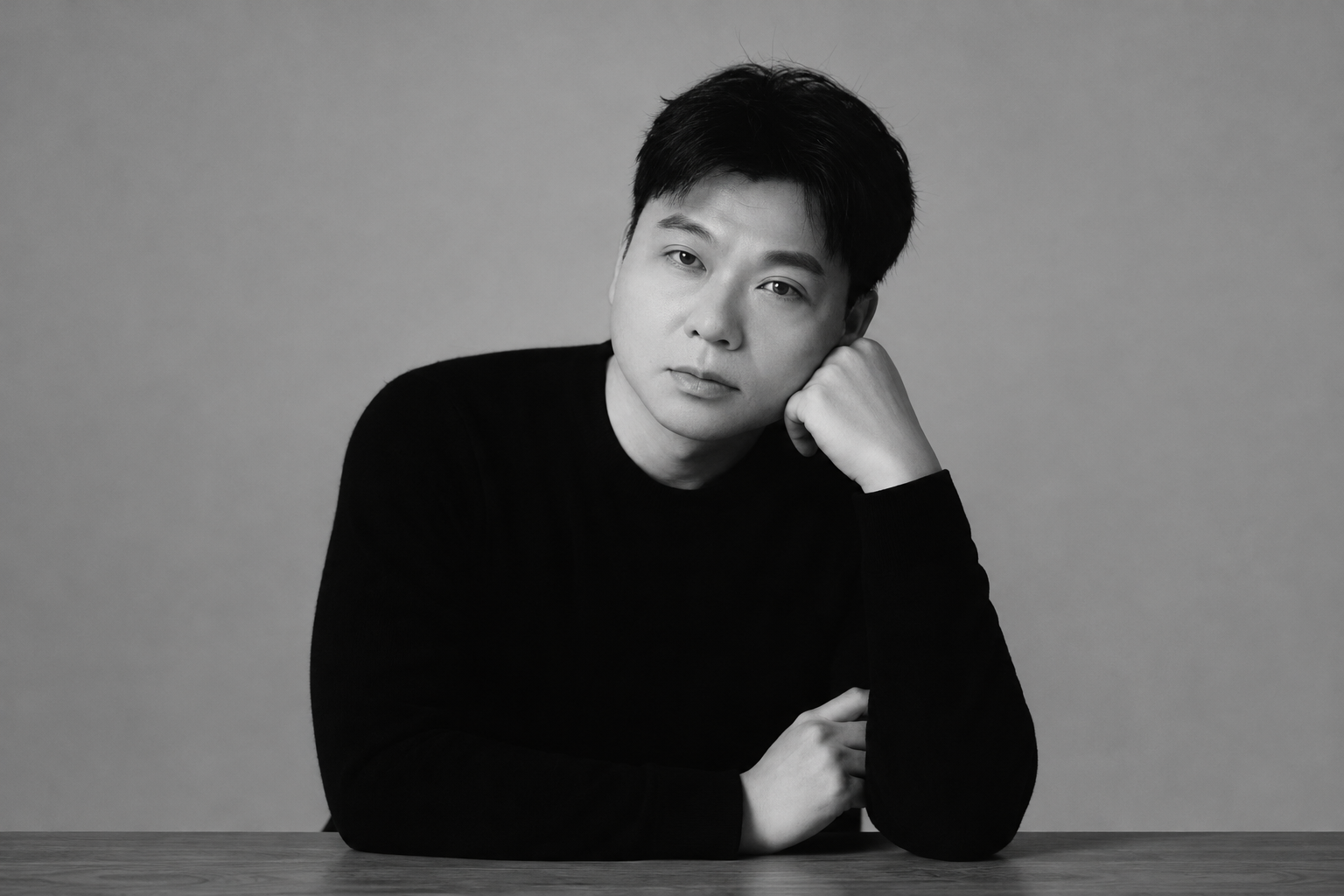
Co-Founder of lllayer
When designers submit their work to an award, the judging has already begun on both sides. The jury evaluates the entries, but designers are also assessing the award. They look at which projects it has recognised, who sits on the jury and how it presents its winners. Judgements are formed even through the typefaces and images on its website and the experience of finding information there. How an organisation that evaluates design treats its own design says more than one might expect.
How creative is the proposal of a company that talks about creativity? How convenient is the sign-up process of a service that champions user experience? The closer a brand’s actions are to the values it claims, the more people trust what it says. From this perspective, Asia Design Prize (ADP), which celebrated its 11th anniversary in 2026, is an interesting brand. Launched in Korea in 2016 with the design media outlet DESIGNSORI behind it, the award has brought together designers and companies from many countries. In 2026, 39 international jurors selected 329 winners from 1,515 entries. Building on that accumulated record, ADP has redesigned the direction and experience of its brand.
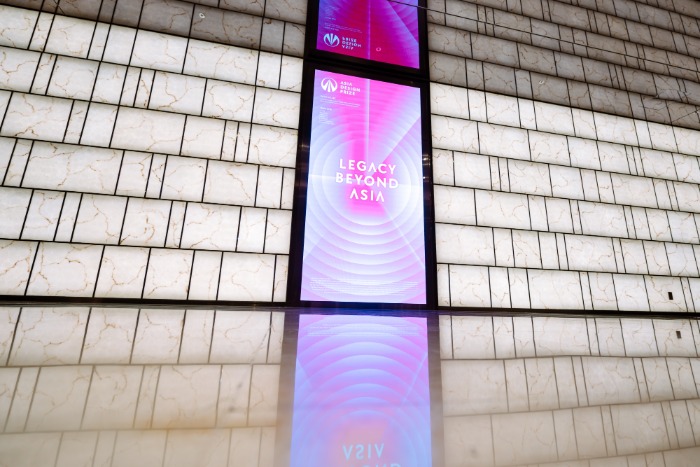
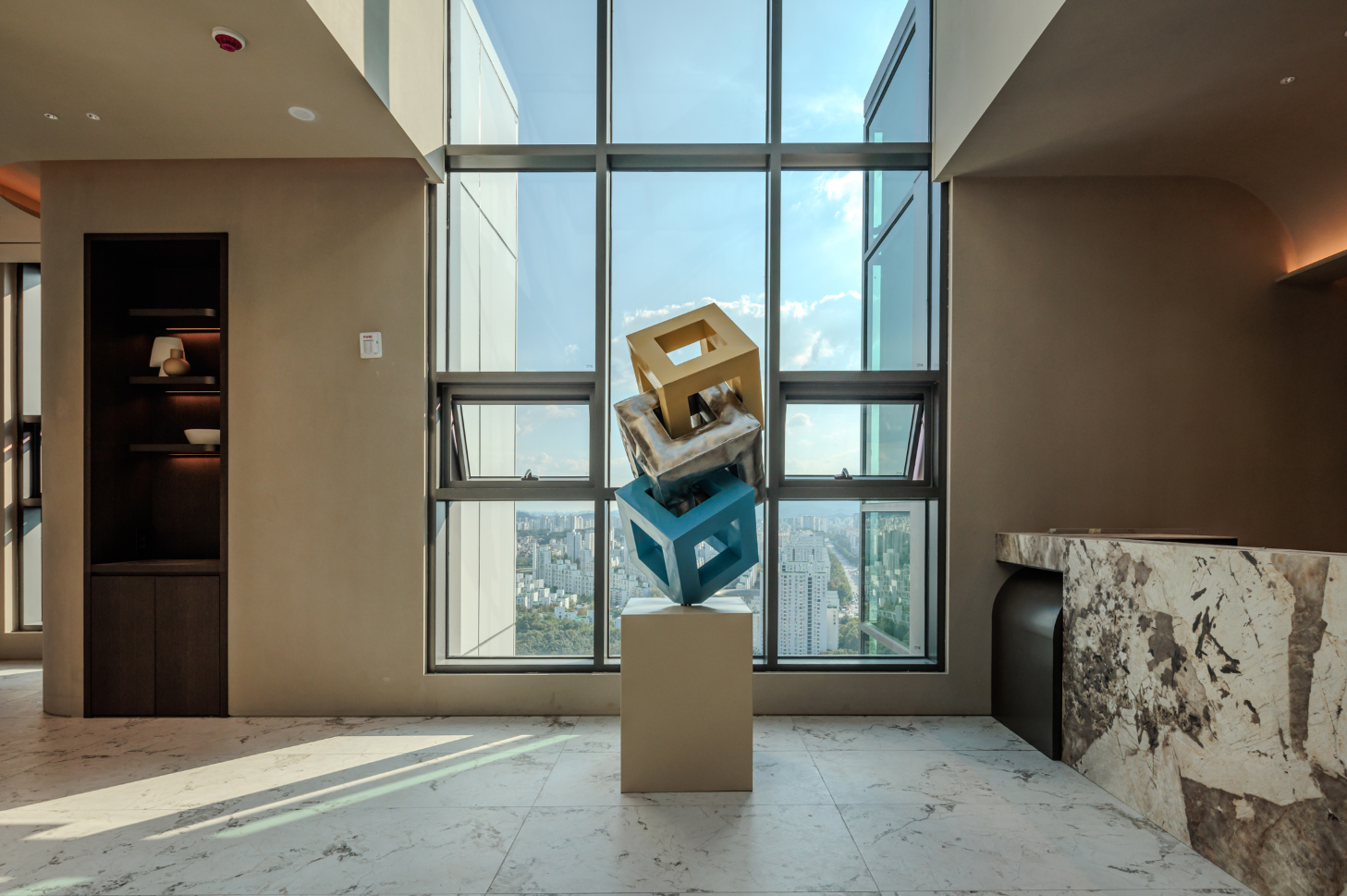
< The ADP 2026 Key Visual in the Lobby of Josun Palace | Image source: Asia Design Prize >
So what does this brand’s new beginning look like?
This time, the focus is less on the moment the brand first opened its doors and more on the new beginning it is preparing on the strength of ten years of accumulated work. Through the rebranding unveiled ahead of its tenth anniversary, what kind of experience did ADP set out to offer? Wooseong Jeon, CEO of Seaside City, who led the project, began with the question: “Why do we need to rebrand now?” Having accumulated years worth celebrating does not, on its own, decide what should come next. The direction is captured in the slogan ‘LEGACY BEYOND ASIA’. Jeon interpreted legacy as a record of accumulated creation and as inspiration passed on to the next generation. From this perspective, an award’s timeline extends beyond the announcement of results. How selected designs are recorded, how they are read by others and what they leave for future work all become matters the brand must care about.
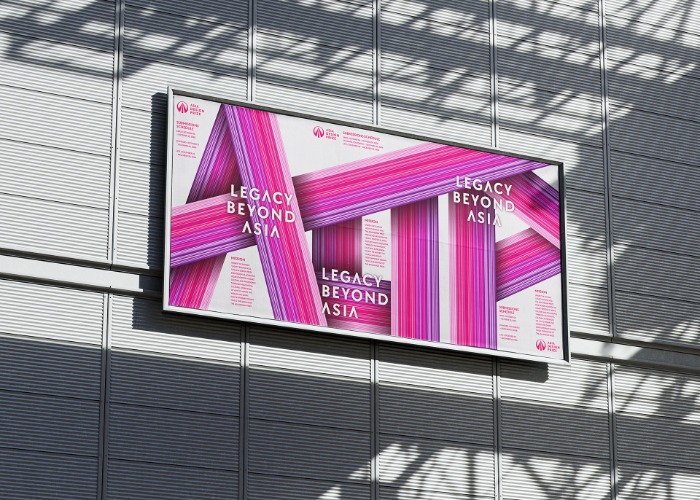
< The ADP 2027 Official Poster, LEGACY BEYOND ASIA | Image source: Asia Design Prize >
< Asia Design Prize 2027 Official Promo Film | Video: Asia Design Prize >
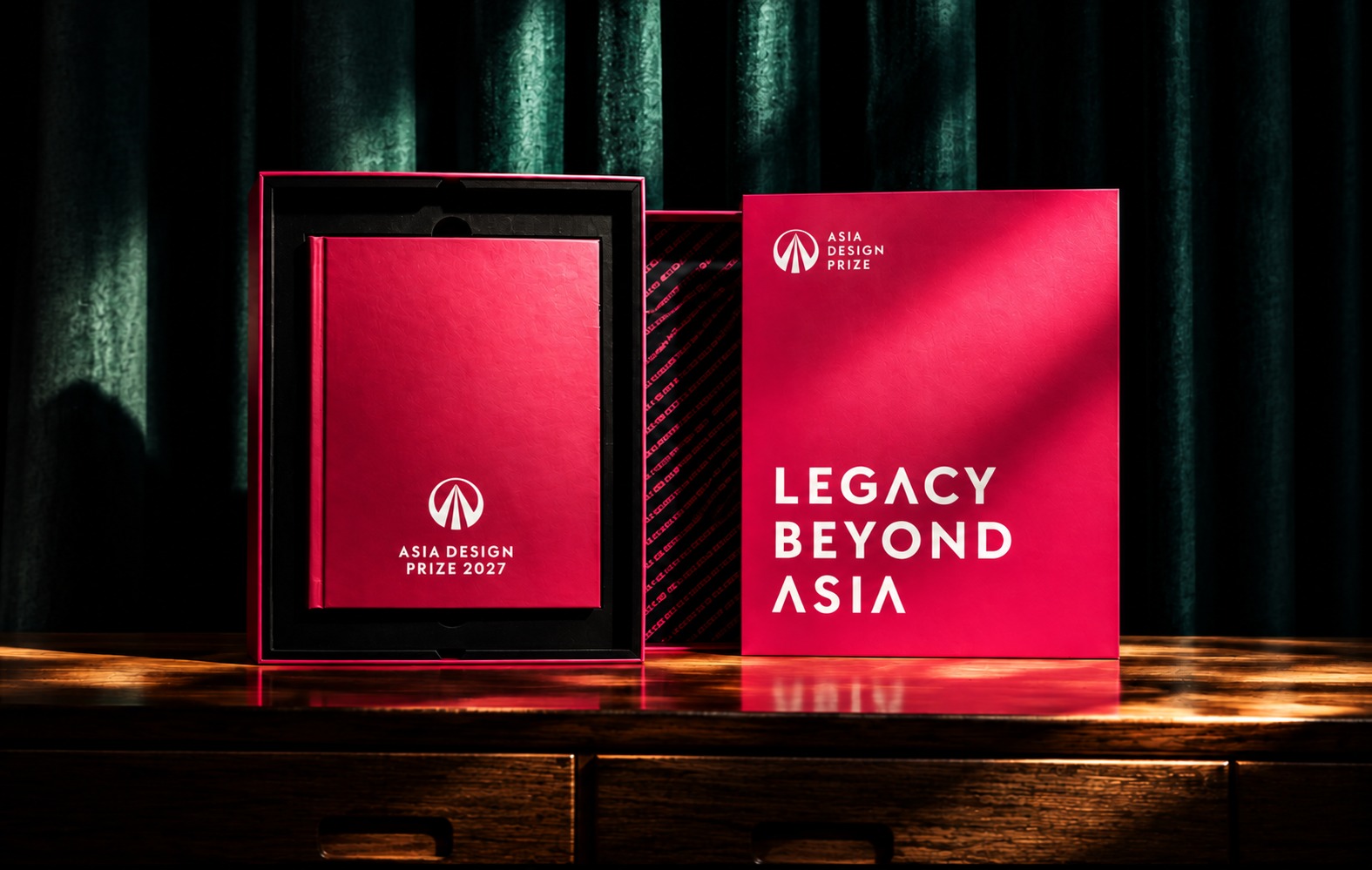
A brand’s philosophy gains strength when it shapes practical decisions. How large should winning images be shown? At what point should project descriptions be read? What impression should certificates and trophies leave? All of these are questions about how to treat the work and achievements of the winners. lllayer, which designed ADP’s website and yearbook, structured the winner detail pages so that visitors can take in the images fully before reading the descriptions. Rather than stopping at the name or level of the award, visitors are guided to look at the work first and then read its background. UX and UI make information easy to find, but they also direct people’s attention to what a brand considers important. The yearbook remains as a record that can be opened long after the ceremony.
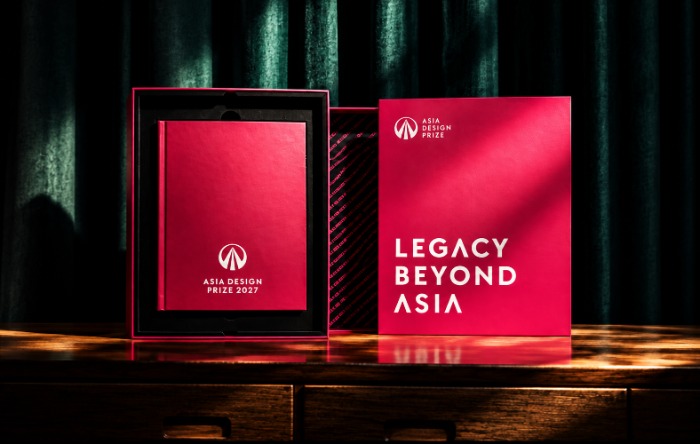
< ADP 2027 Winner Package | Image source: Asia Design Prize >
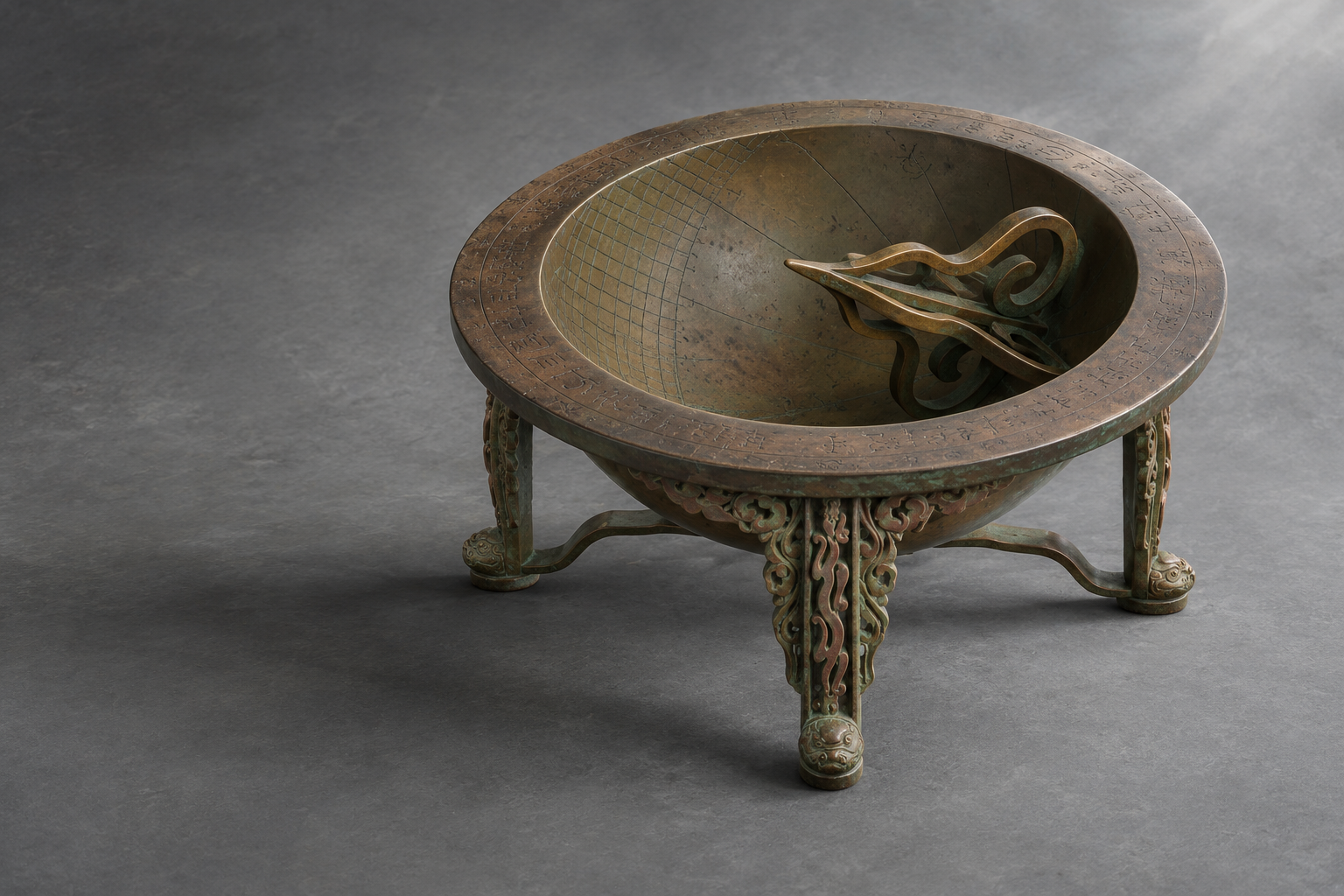
Certificates and trophies find their way into winners’ spaces and careers. They sit in offices, appear in portfolios and are shown to clients and colleagues. At that point, the award’s design is placed right beside the winner’s name. Can users willingly embrace a brand’s output as part of their own story? For designers who are sensitive to typography, white space and proportion, that is a demanding question. ADP’s work refining its identity, key visual, website and yearbook together can be read in that light. Of course, visual polish alone does not build trust. It must be supported by which works are selected and how those results are accumulated year after year. Each year’s choices remain as examples of what the award considers good design. The role of rebranding is to communicate those accumulated judgements and records more clearly, and to give people reasons to come back and look again.
Some values are hard to convey through screens and objects alone. One of them is the question of who gathers under this name. The ADP Awards Ceremony, held on 20 March 2026 at Josun Palace in Seoul, was a place to feel those relationships first-hand. I was there too. The elegance of the venue and the polish of the event were impressive, but what stayed with me longest was seeing designers of many nationalities receive awards for their work. Watching designs created in so many different contexts being recognised in one room was deeply moving. Around 180 designers and industry professionals gathered that day, and according to the organisers, about 65% of the winners in attendance came from outside Korea. Although the event was held in Seoul, the atmosphere was unmistakably global. The fact that more than half of them had travelled to an awards ceremony in another country makes one consider the value of experiences shared in person.
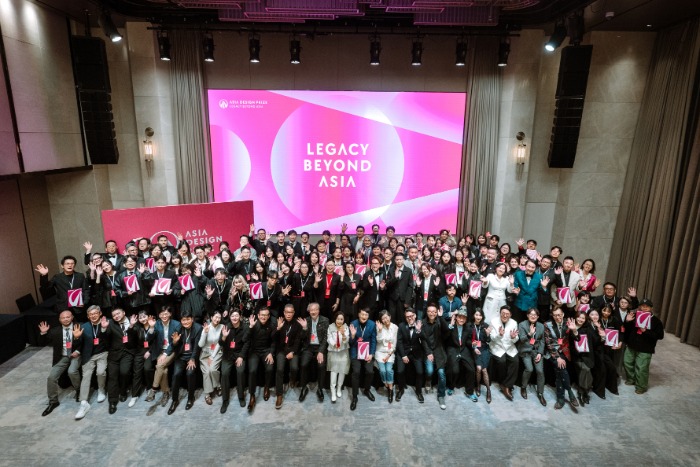
When we see design from abroad on a screen, we appreciate the outcome, but when we meet the people who made it, we can ask about the reasons behind their choices. We can talk about the constraints they faced, why they chose particular materials and methods, and how their working environment differs from our own. Celebrating achievements on the same stage can make an award remembered as a set of relationships between people. Of course, attending the same event does not immediately create a community. The next point of contact comes from meeting people you want to talk with again and whose future work you are curious about. What a brand can do is provide common ground for such encounters and make the work and its stories easy to find after the event. When the records on a website connect with meetings in person, a single moment of winning an award can become the starting point of a longer-lasting relationship.
The new beginning ADP’s rebranding is preparing can be read through this connection. Building on its role of selecting and promoting design, it aims to widen an experience in which work continues to be read and creators discover one another. That direction will have to be proven through the experiences still to come. Whether there are works people want to revisit, and whether they become curious about the later work of those they met at the ceremony, will be the measures by which it is judged. In the end, a brand that evaluates design is also evaluated by the experiences it creates. A well-designed website invites people to read the work, a trophy helps them treasure an achievement, and a ceremony introduces them to people with whom that achievement can be shared. The new beginning of a rebrand lies in designing the user’s next action: helping people imagine how their work will be read here and whom they will meet in conversation. It is about giving people a new reason to return to a name built over the past ten years.













#14057, 905 49, Beolmal-ro 102beon-gil,
Dongan-gu, Anyang-si, Gyeonggi-do, Korea
Business Registration Number: 454-86-01044
Online Sales License No.: 2021-Anyang Dongan-1081
Copyright © DESIGNSORI Co., Ltd.