Alumni Hall of NCUE
Space
Regions
Chinese Taipei
Year
2026
Award
WINNER
Affiliation
MUSA International Design Interior Decoration
Designer
Chen Kai Jung, Chou Tzu Hsin
English
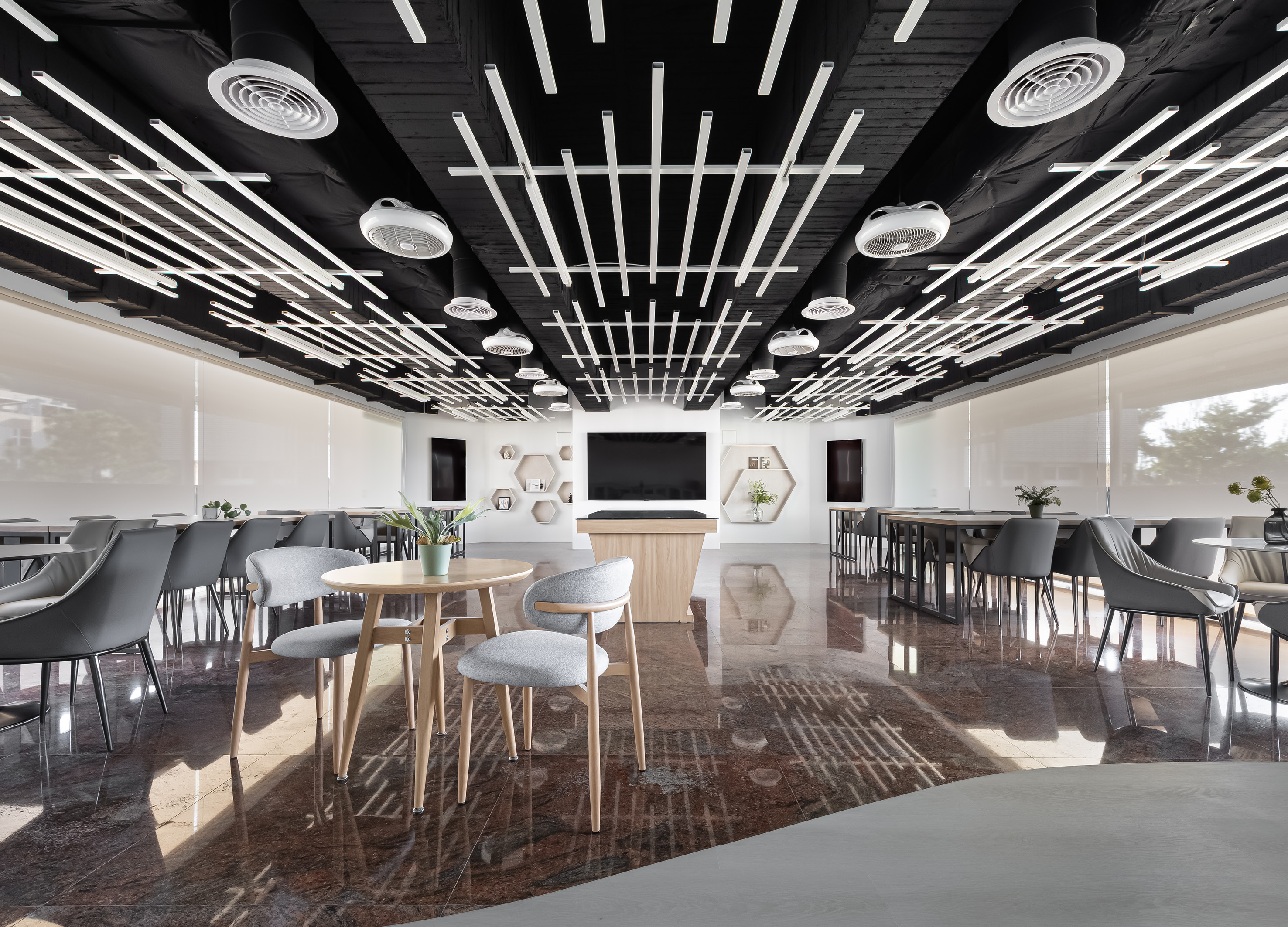
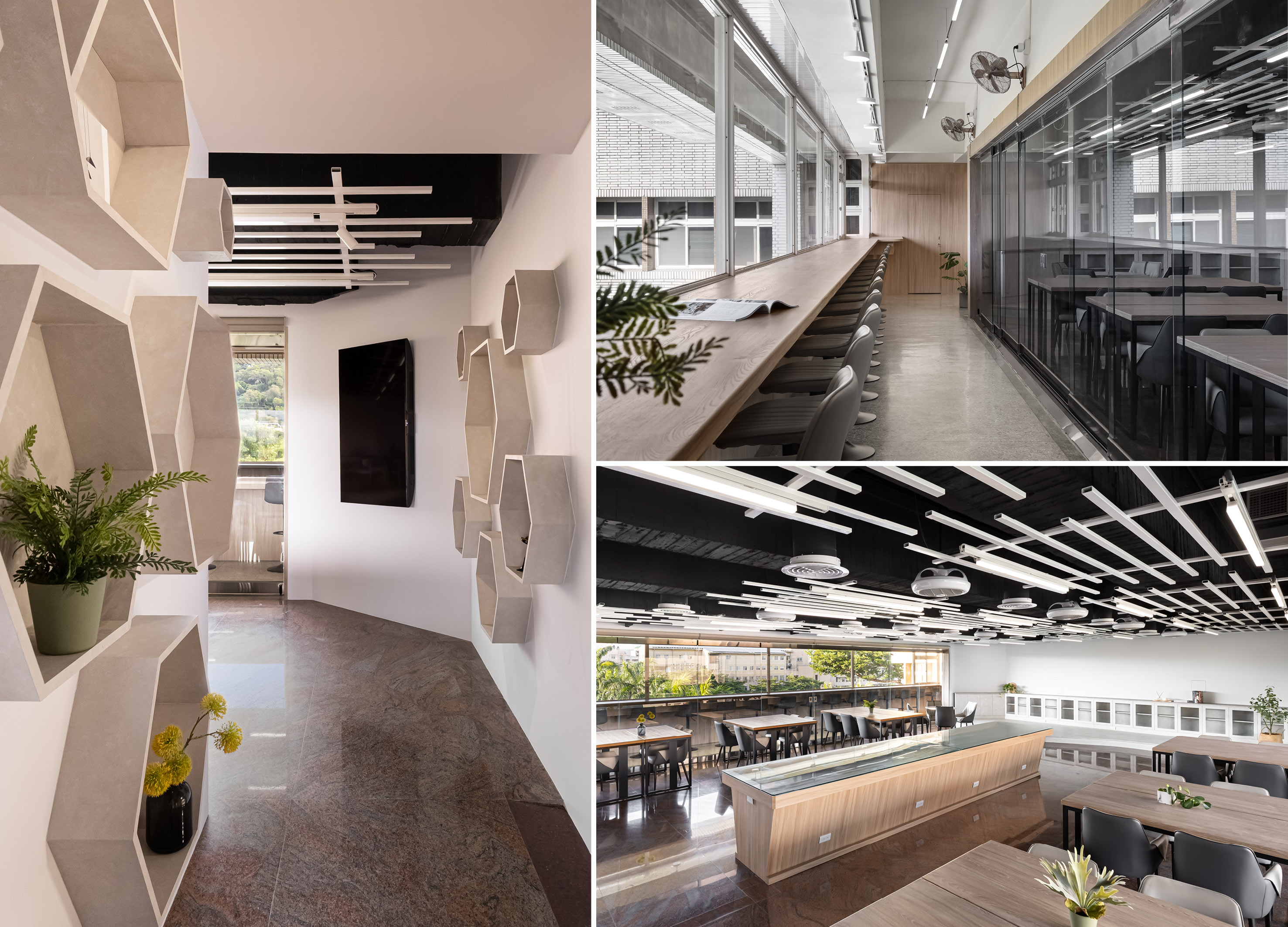
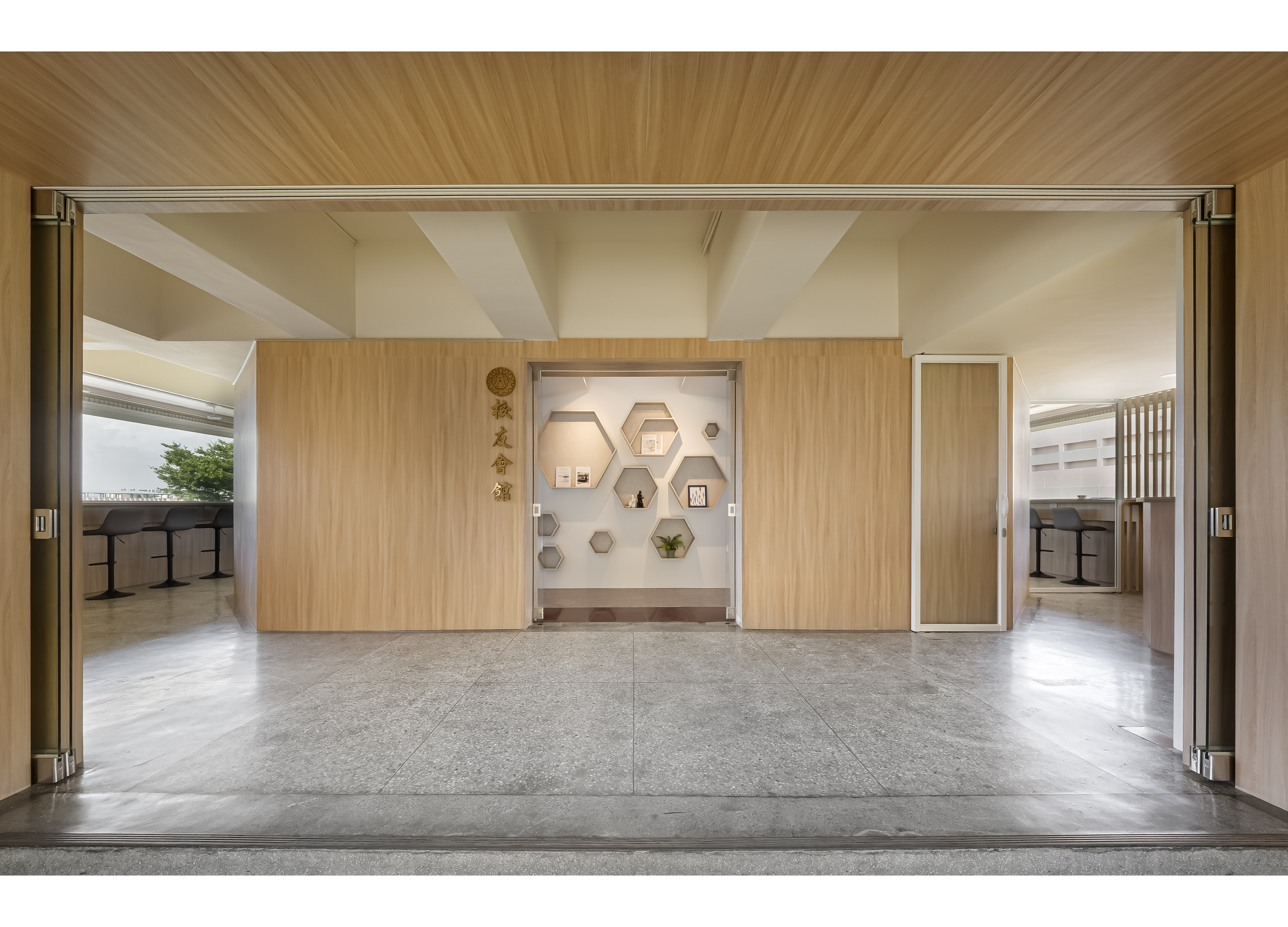
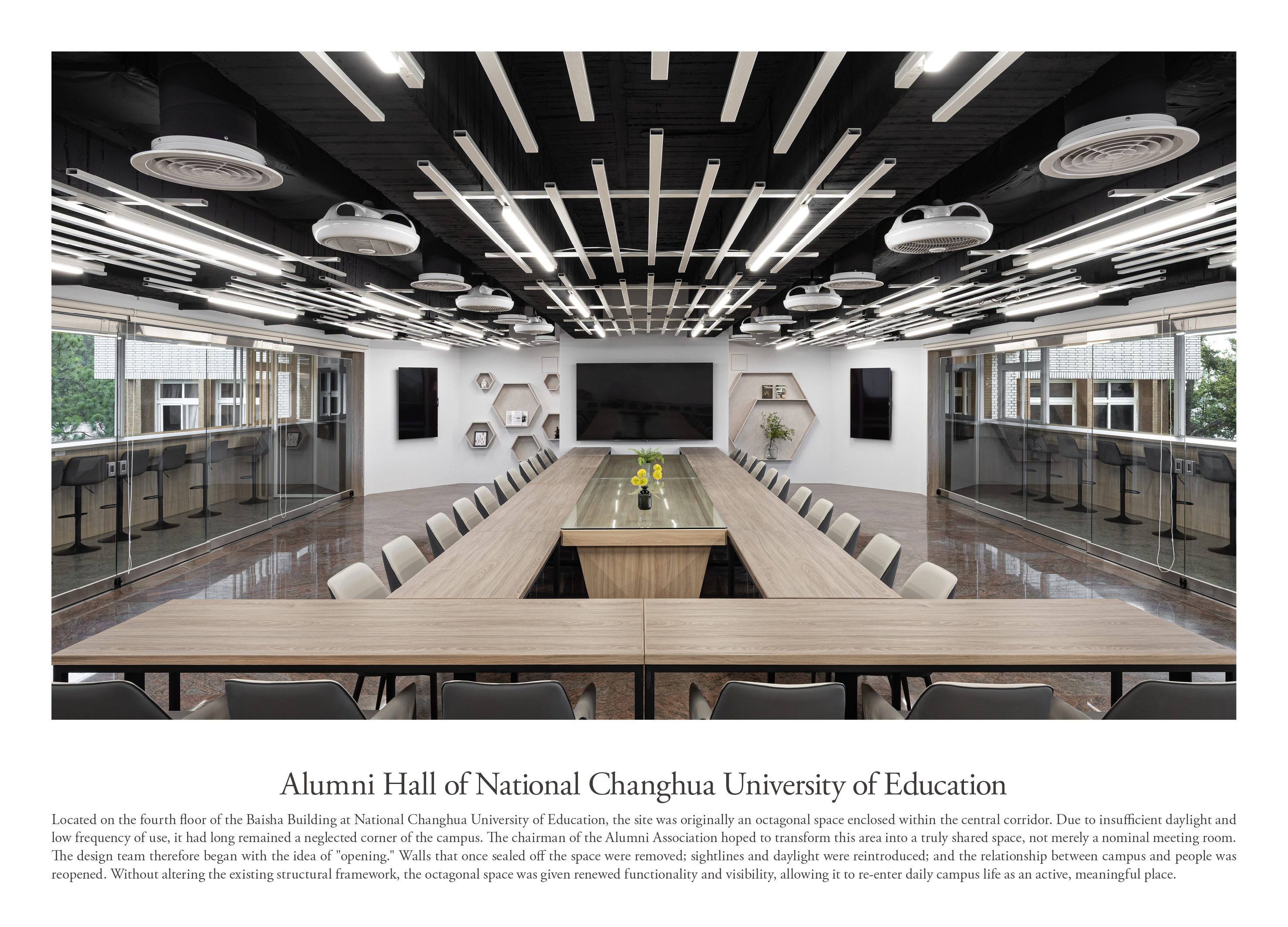
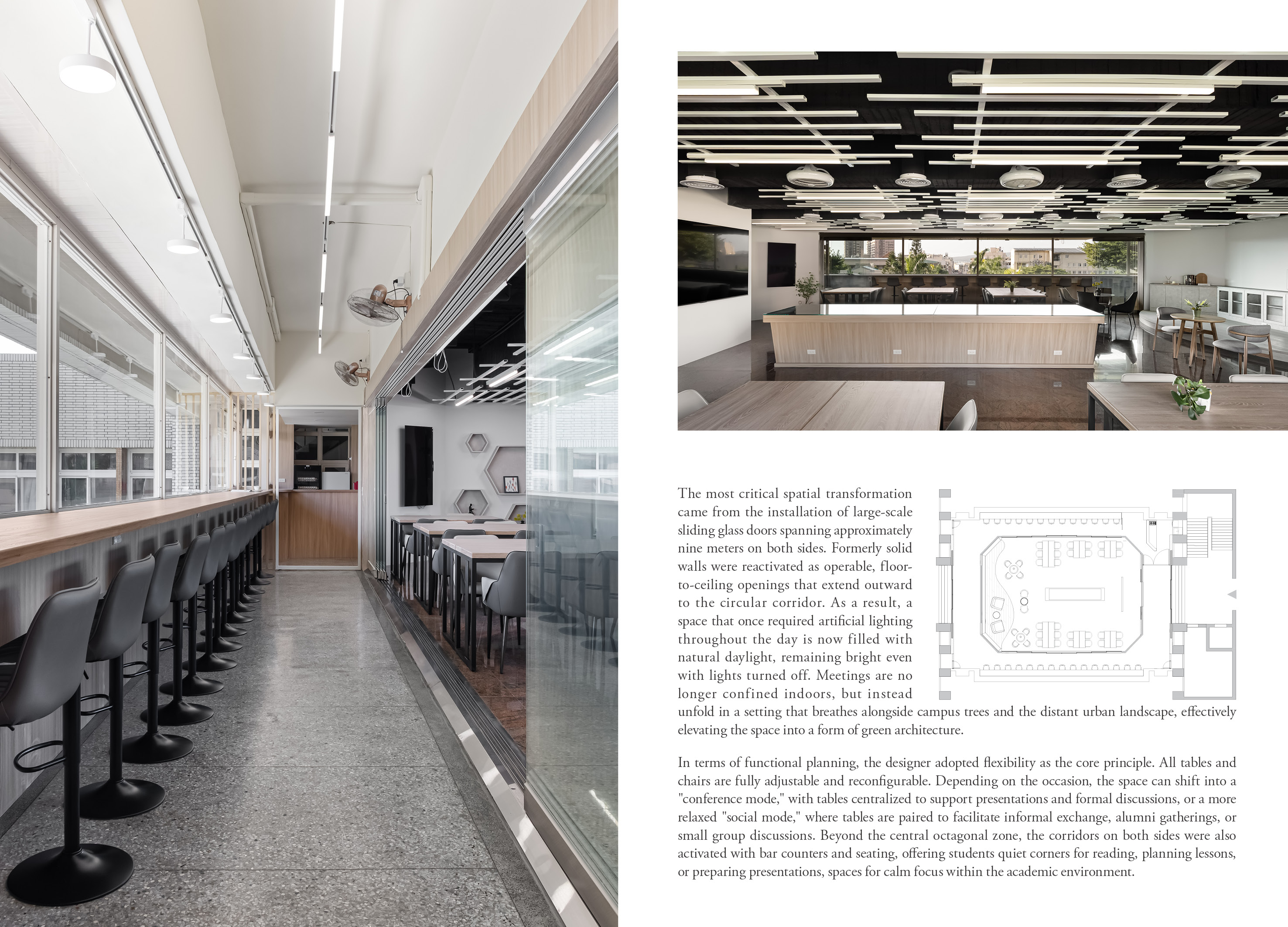
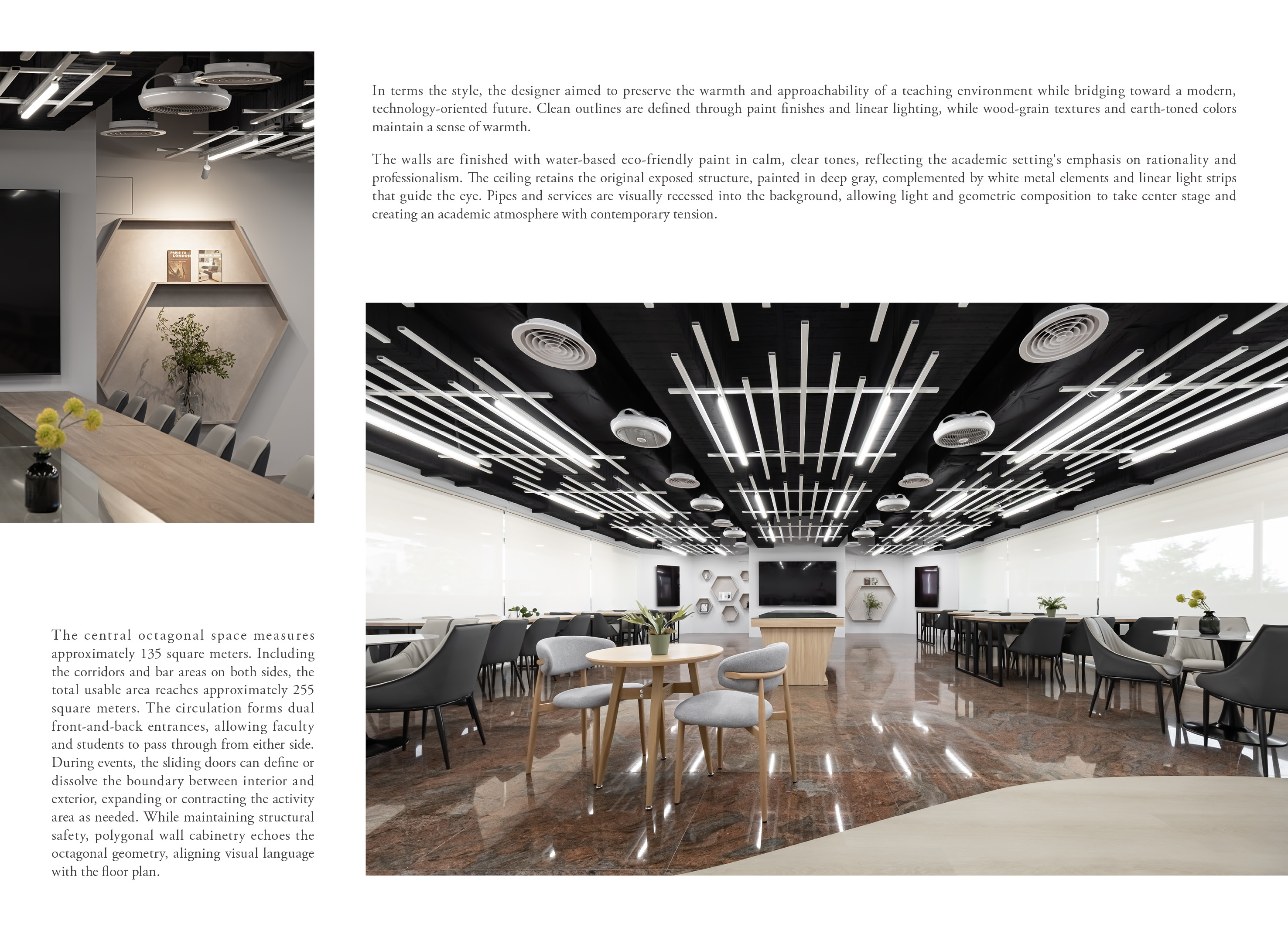
The most significant transformation was achieved through the installation of nine-meter-wide sliding glass doors on both sides, replacing solid walls with floor-to-ceiling openings that connect to the circular corridor. Once reliant on artificial lighting, the space is now filled with natural daylight and opens visually to campus greenery and the distant city, embodying principles of green architecture. Flexibility guides the functional design: movable tables and chairs allow the space to shift between formal conference use and casual social gatherings.
Native
空間最關鍵的轉折,來自兩側長達約九米的大面積推拉玻璃門。原本封閉的牆面被重新定義為可開啟的落地開口,向外銜接環形走廊,使視線、動線與自然光重新流動。過去需整日依賴人工照明的場域,如今在白天關燈的情況下依然明亮通透,室內活動不再被侷限於封閉空間,而是與校園樹梢及遠方街景共同呼吸,實踐綠建築所強調的自然共生。
在功能配置上,設計師以「多變形態」作為核心策略,所有桌椅皆採可移動、可調整的彈性設計。空間可依需求轉換為「會議模式」,將桌面集中於中央,支援簡報與正式討論;亦可切換為較為放鬆的「交流模式」,透過兩兩併桌,促進聯誼、小組討論與非正式互動。除八角形中央區域外,左右兩側走道亦被活化,配置吧檯與座椅,成為學生閱讀、備課、規劃學習進度或準備簡報的靜心角落,讓公共空間真正融入日常校園生活。
Positive Comments



Whispered Luxury
YUAN SHUO DESIGN
Taiwan
JUE Restaurant
Seee Design Studio
Malaysia
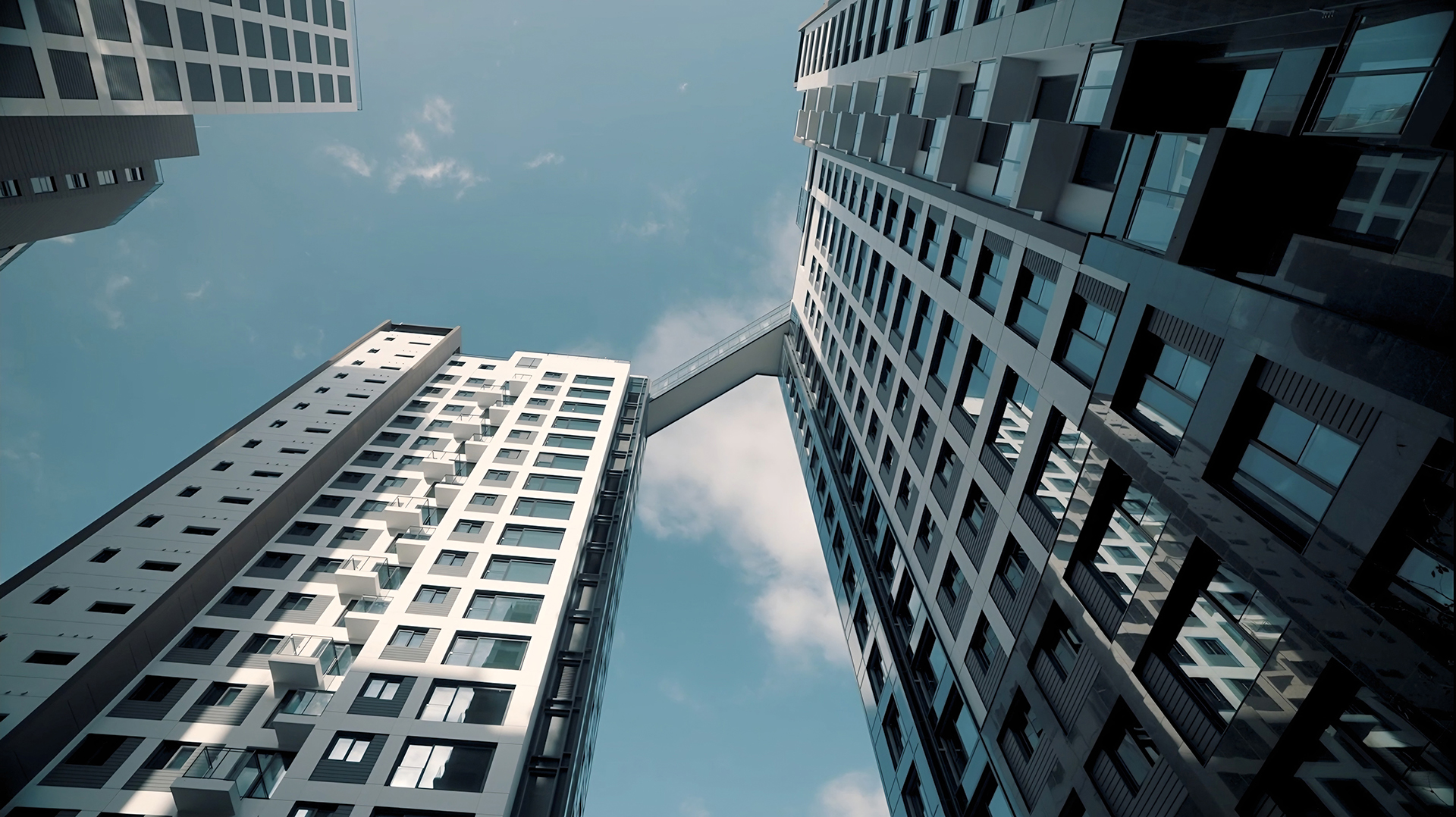
RAEMIAN ONE PERLA EXTERIOR
SAMSUNG C&T CORPORATION
Korea
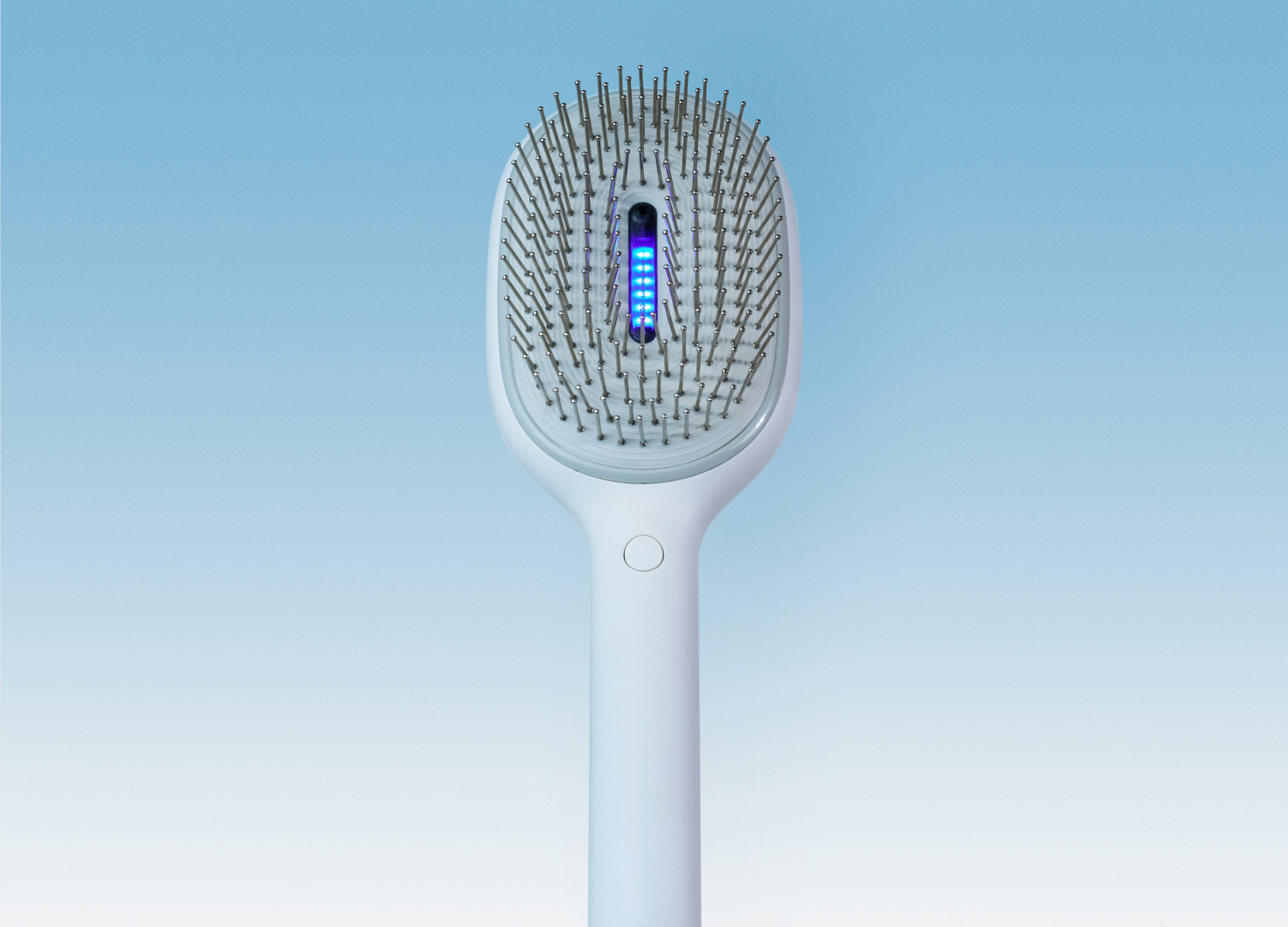
Lumion Brush
MINISO
China
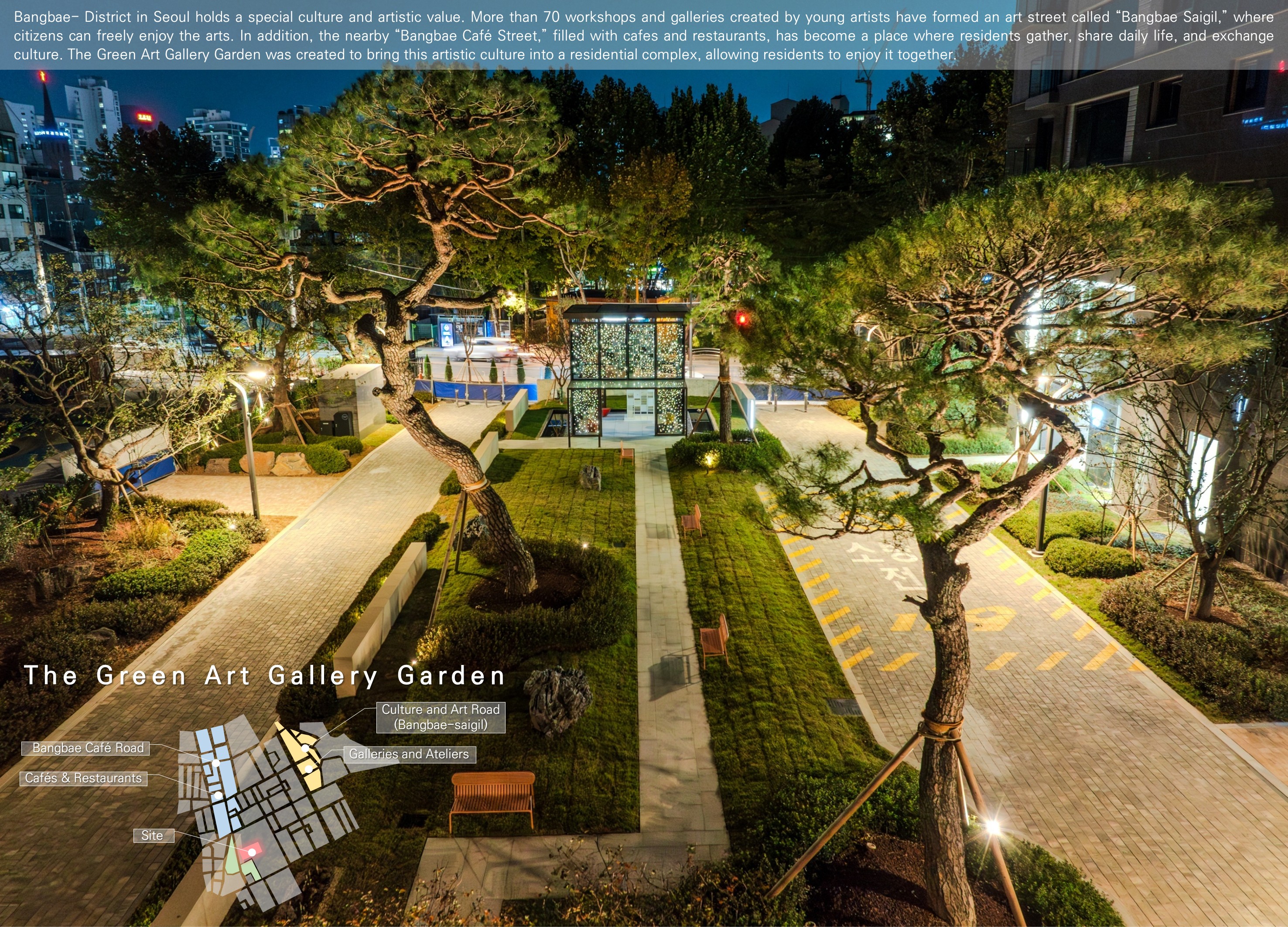
The Green Art Gallery
Samsung C&T Co., Ltd.
Korea
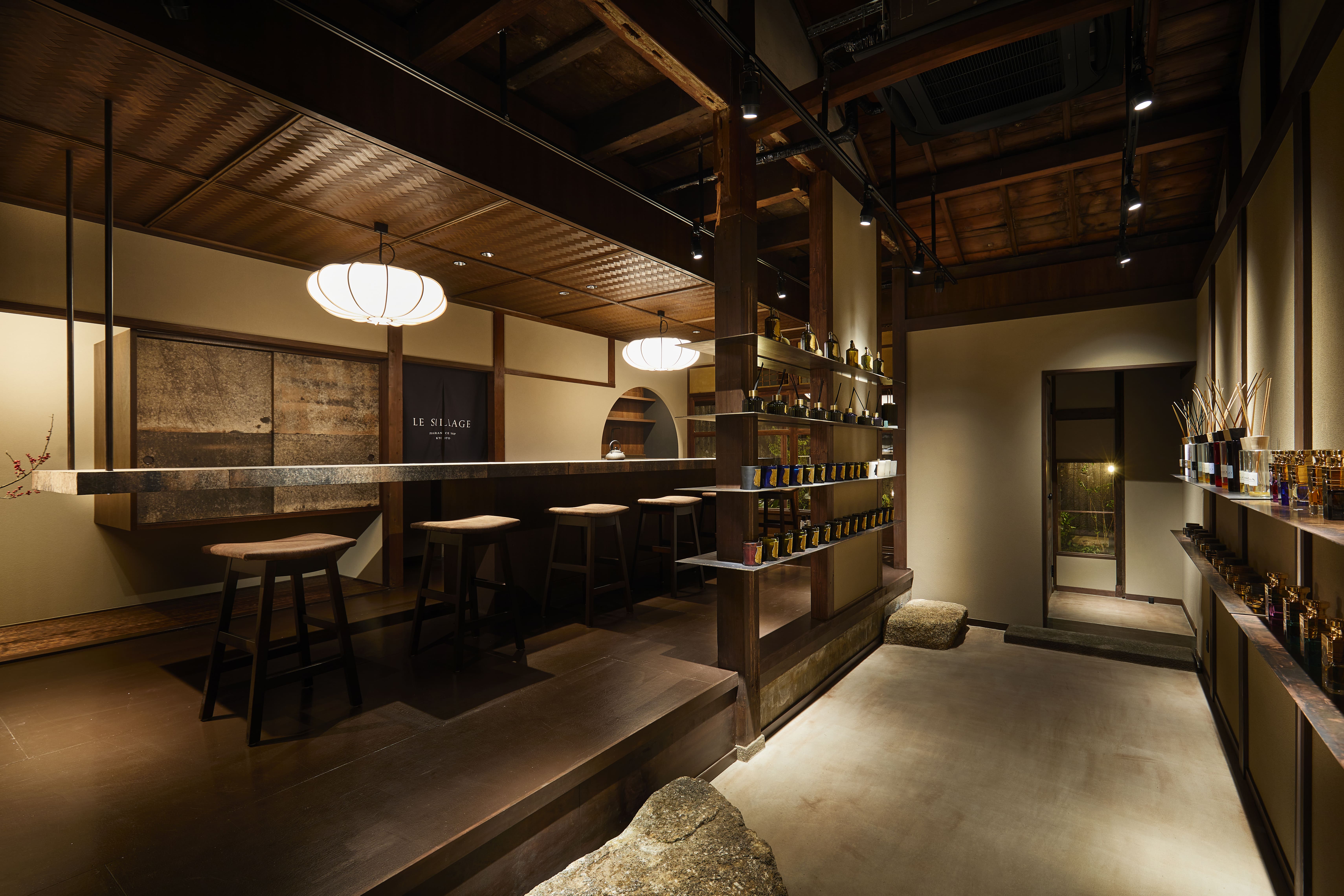
LE SILLAGE FRAGRANCE SHOP KYOTO
Reco Inc.
Japan
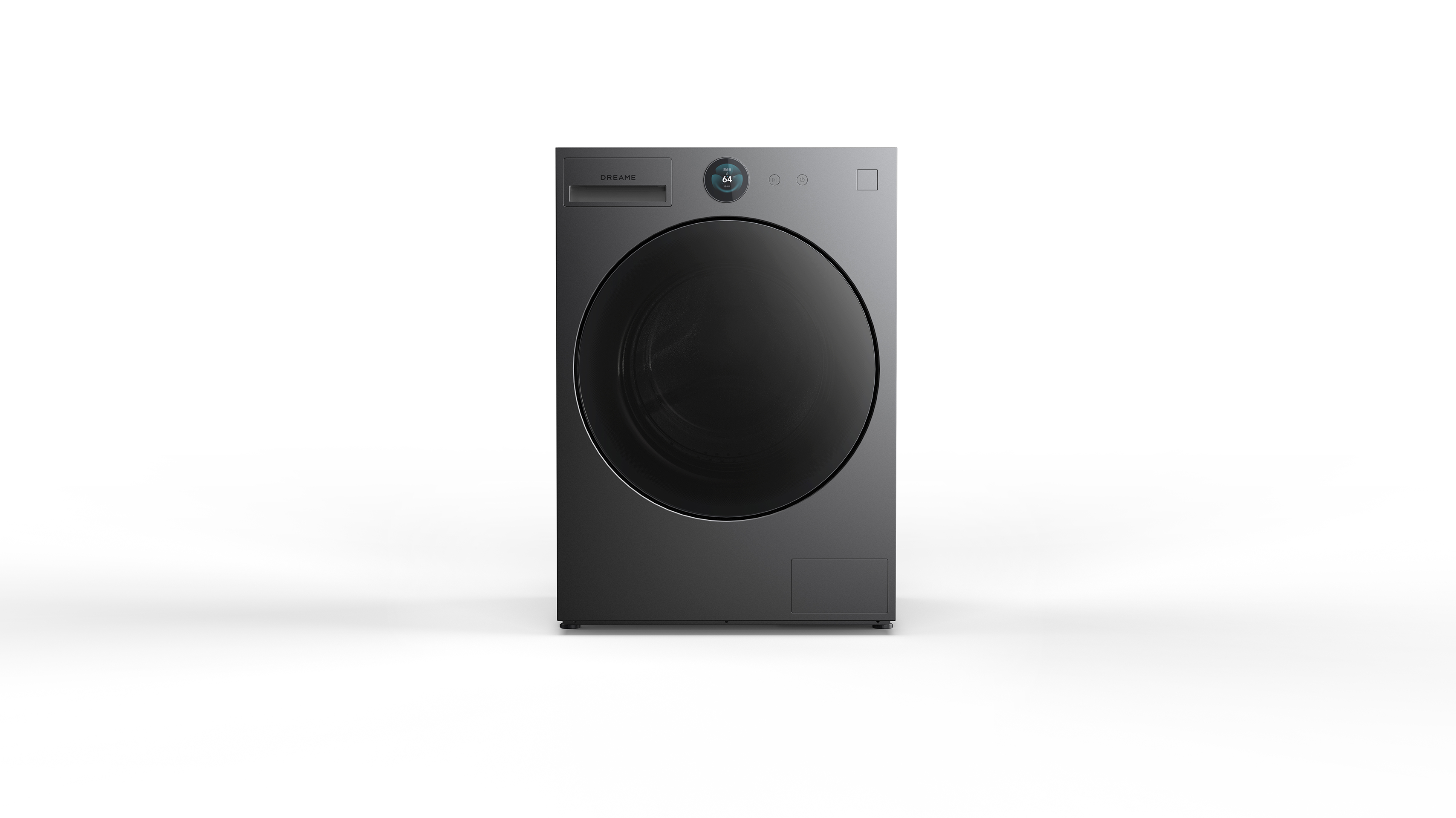
L9 Laundry Series
Nanjing NexChip PureTech Co., Ltd.
China
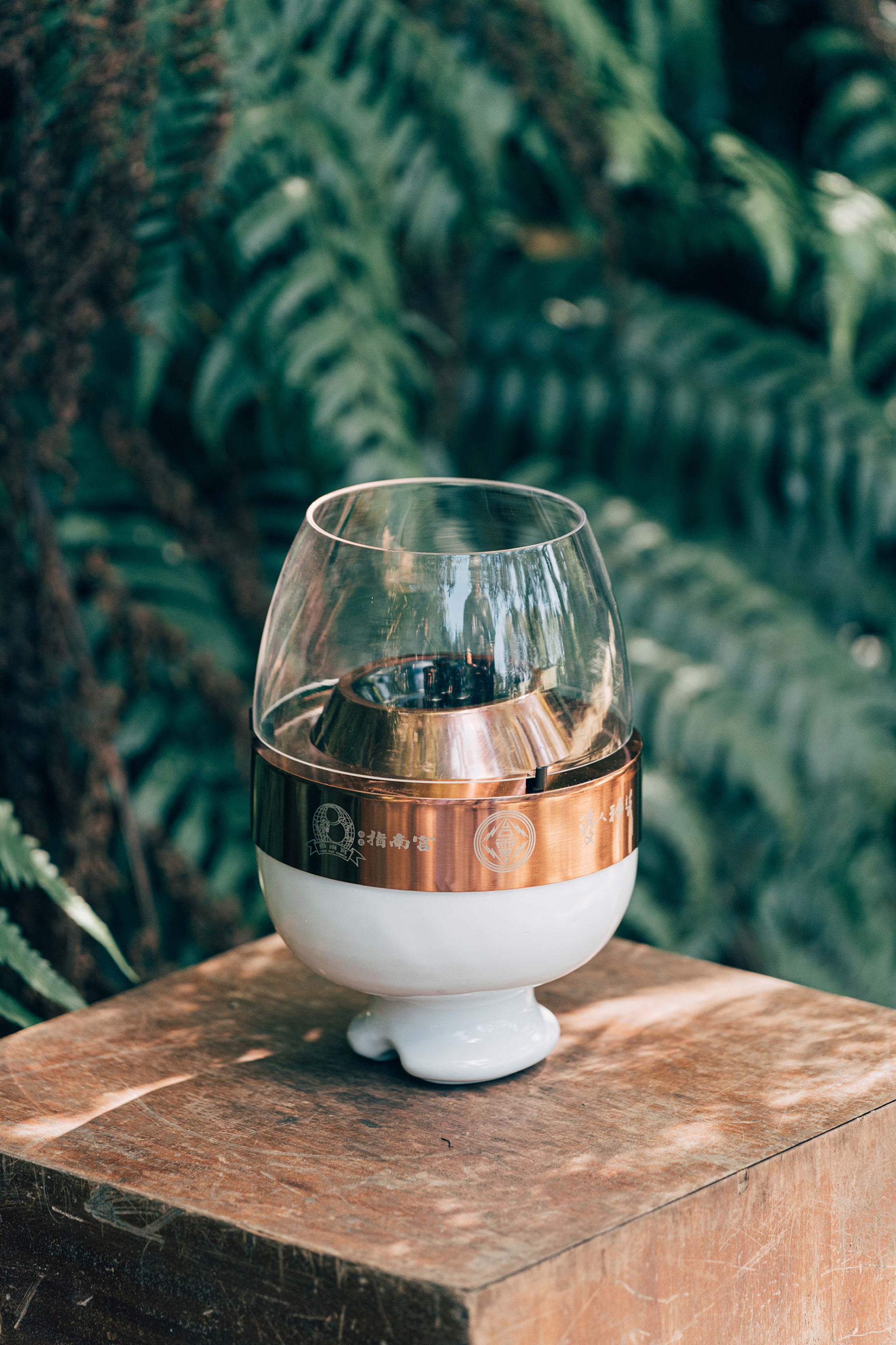
Eternal Heart Lantern
Taiwan Power Company
Taiwan
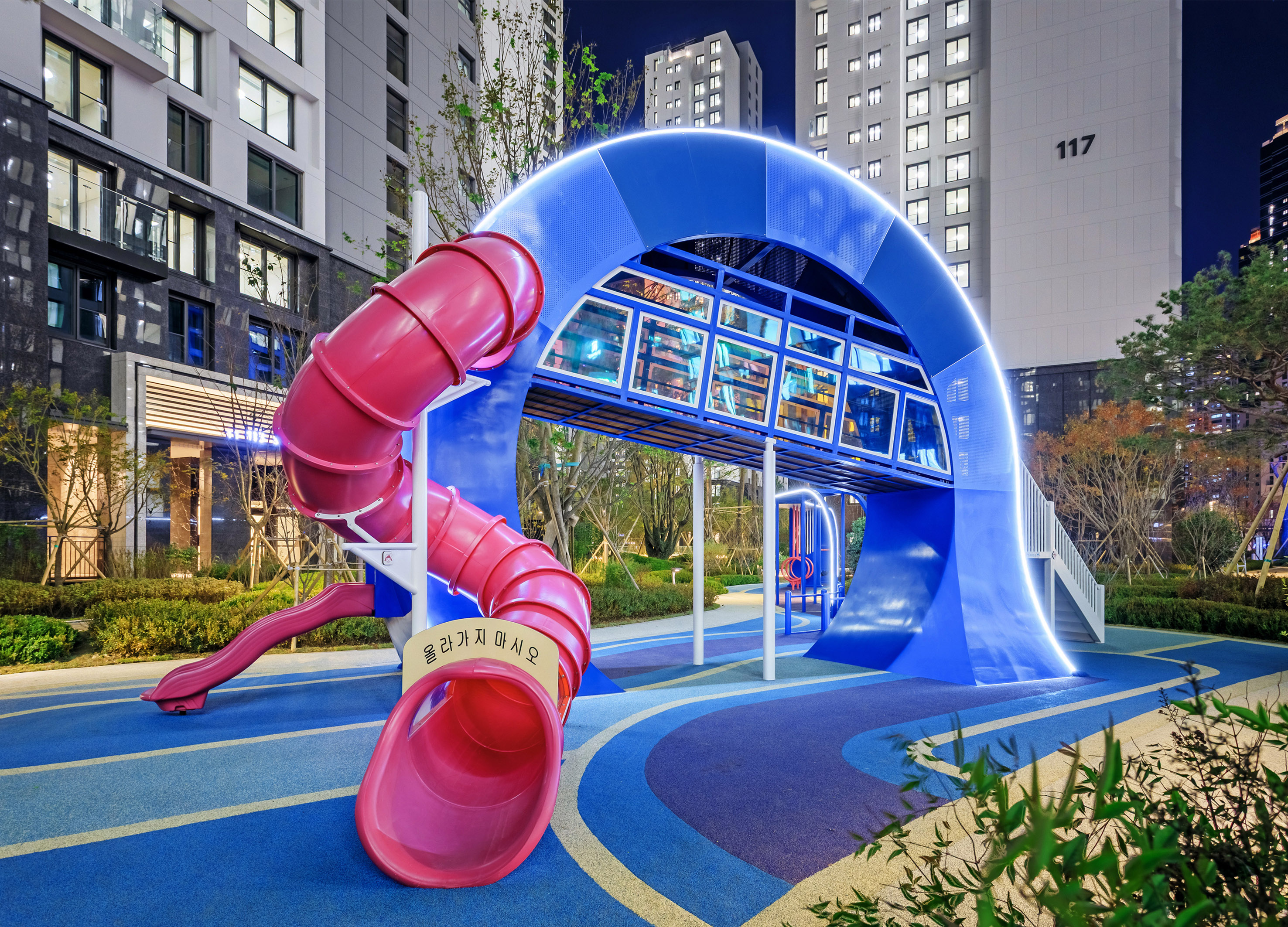
THE WAVE
Samsung C&T E&C Group Corp.
Korea
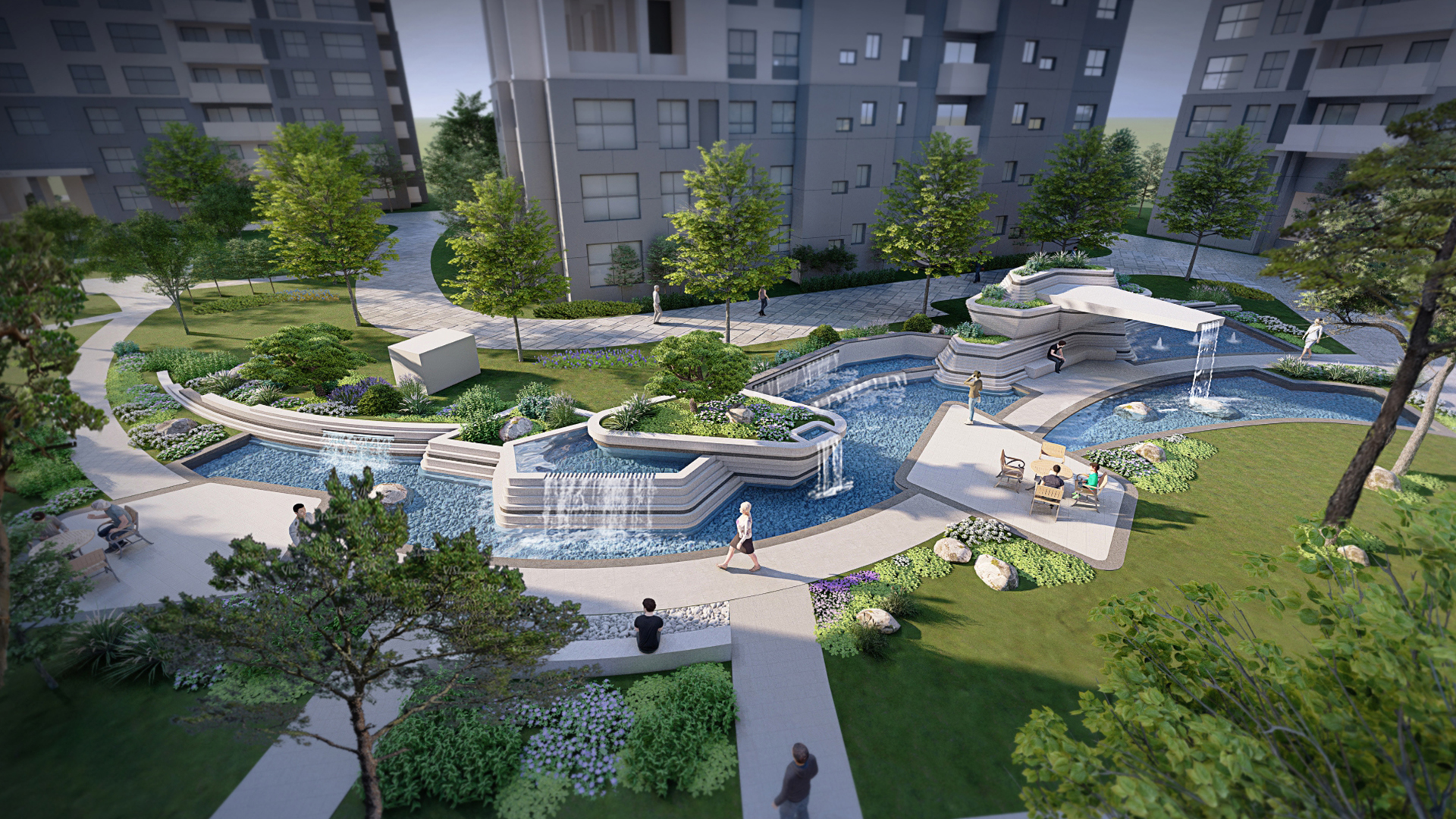
IPARK WATER OBJET
HDC Hyundai Development Company Co., Ltd.
Korea
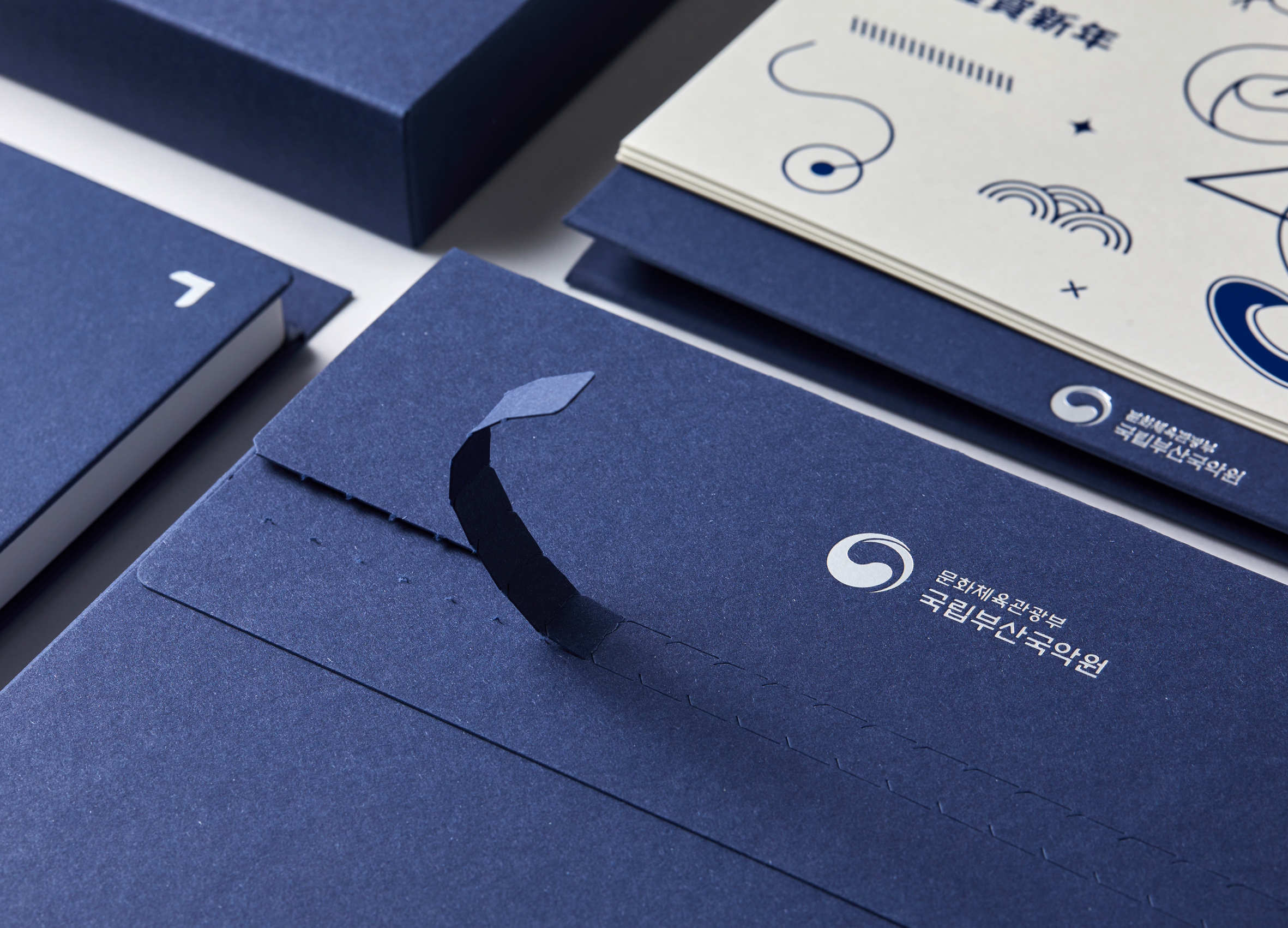
2025 Calendar Package
BREEZE PARTNERS
Korea
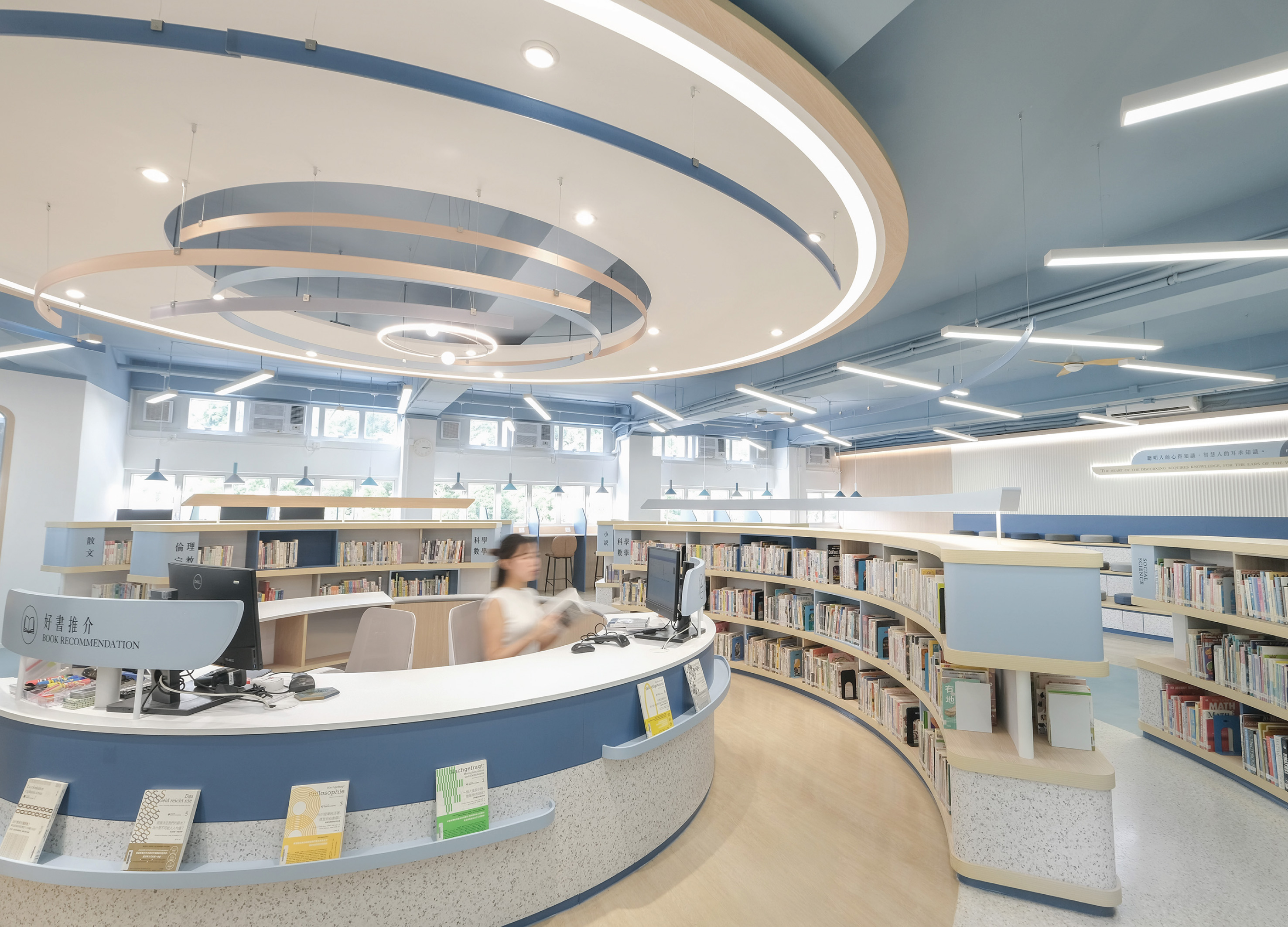
Luminous Library
Design Action
China Hong Kong
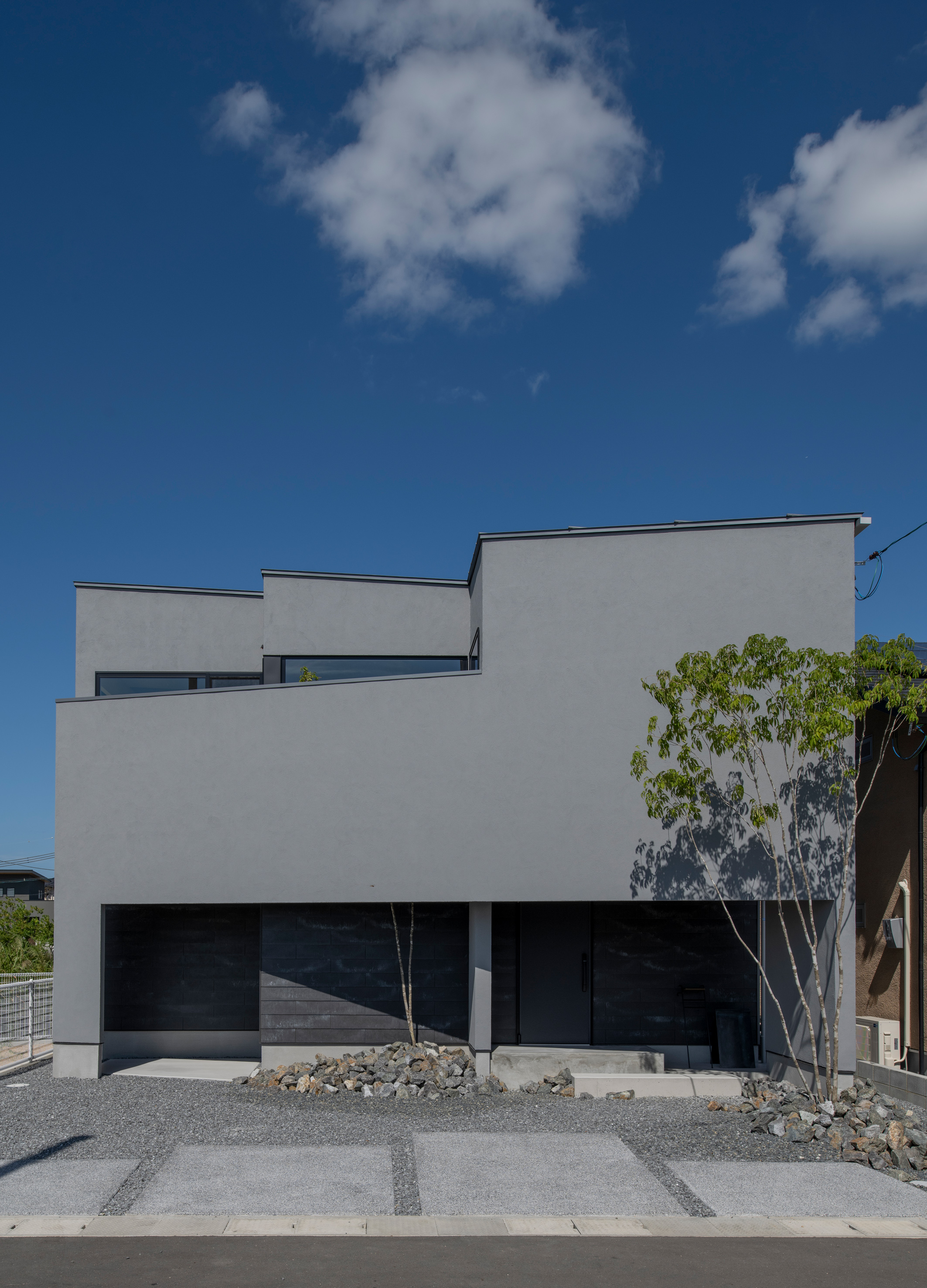
Kenbo House
KENBO Co., Ltd.
Japan
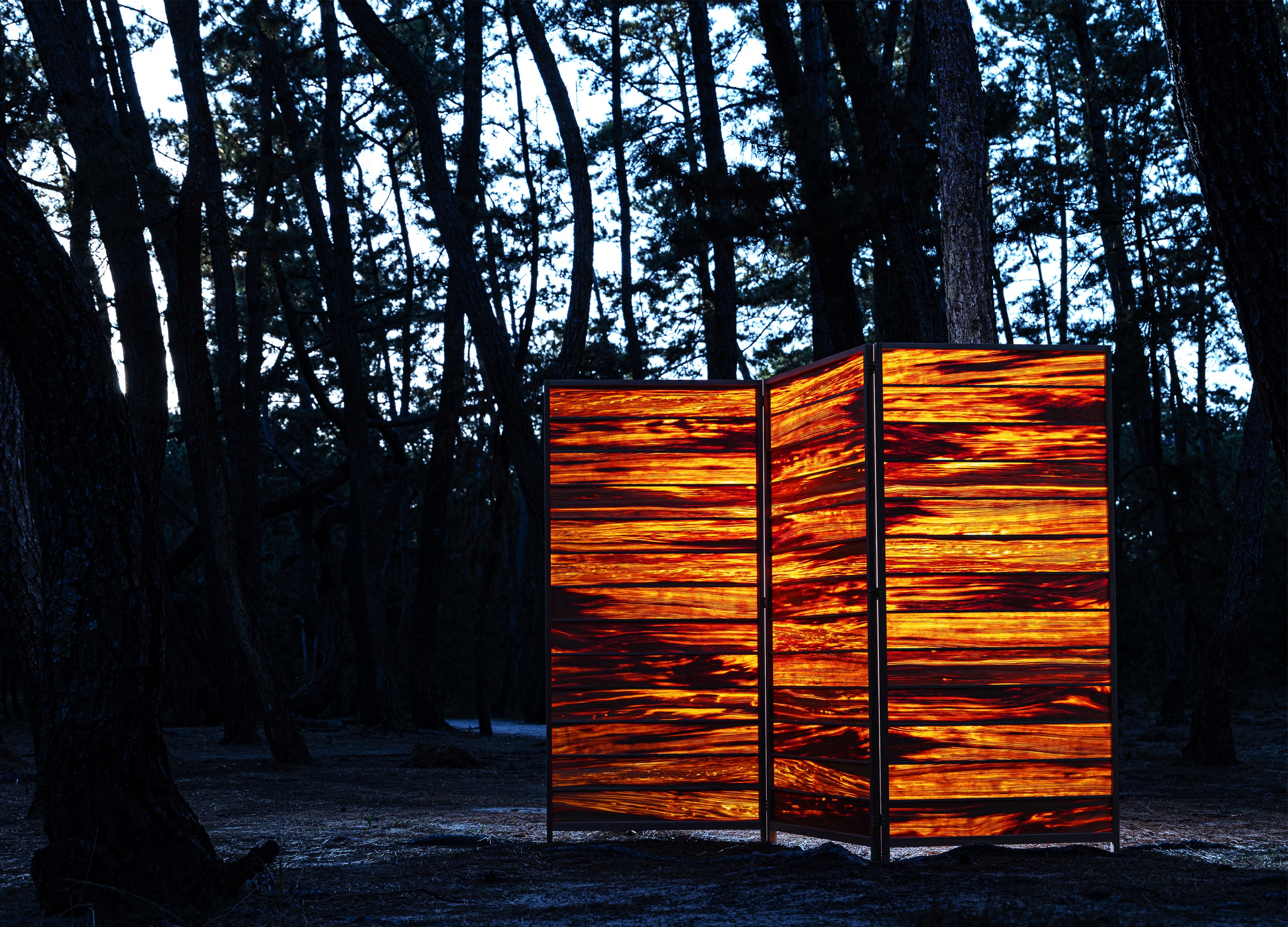
Fat Wood Byobu
Muneji Toh Architects Co., Ltd.
Japan
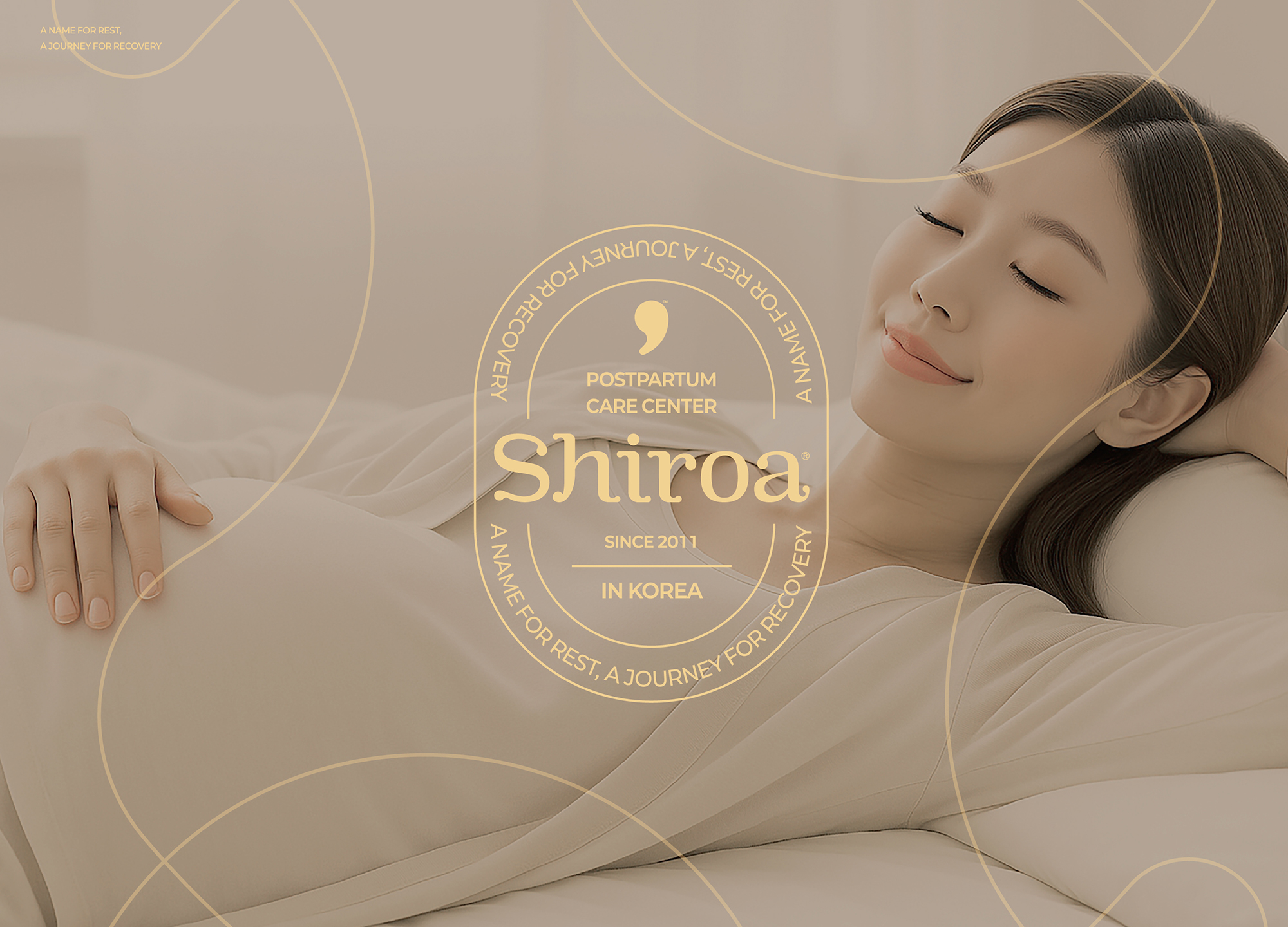
Shiroa Brand Identity Renewal
Design Astrein & Shiroa Postpartum Care Center
Korea
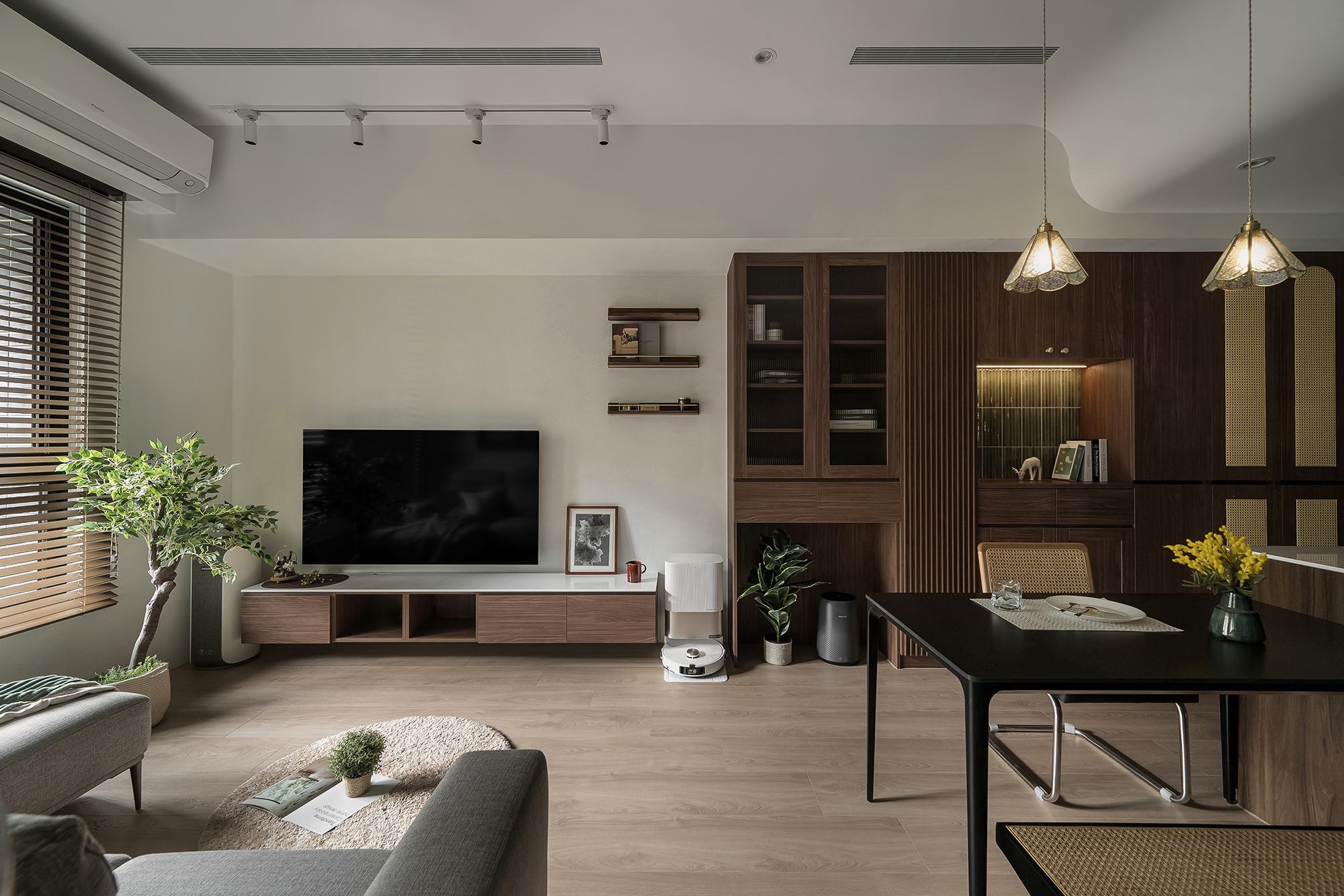
Lingering Warmth
Cozy Nest Interior Design
Taiwan
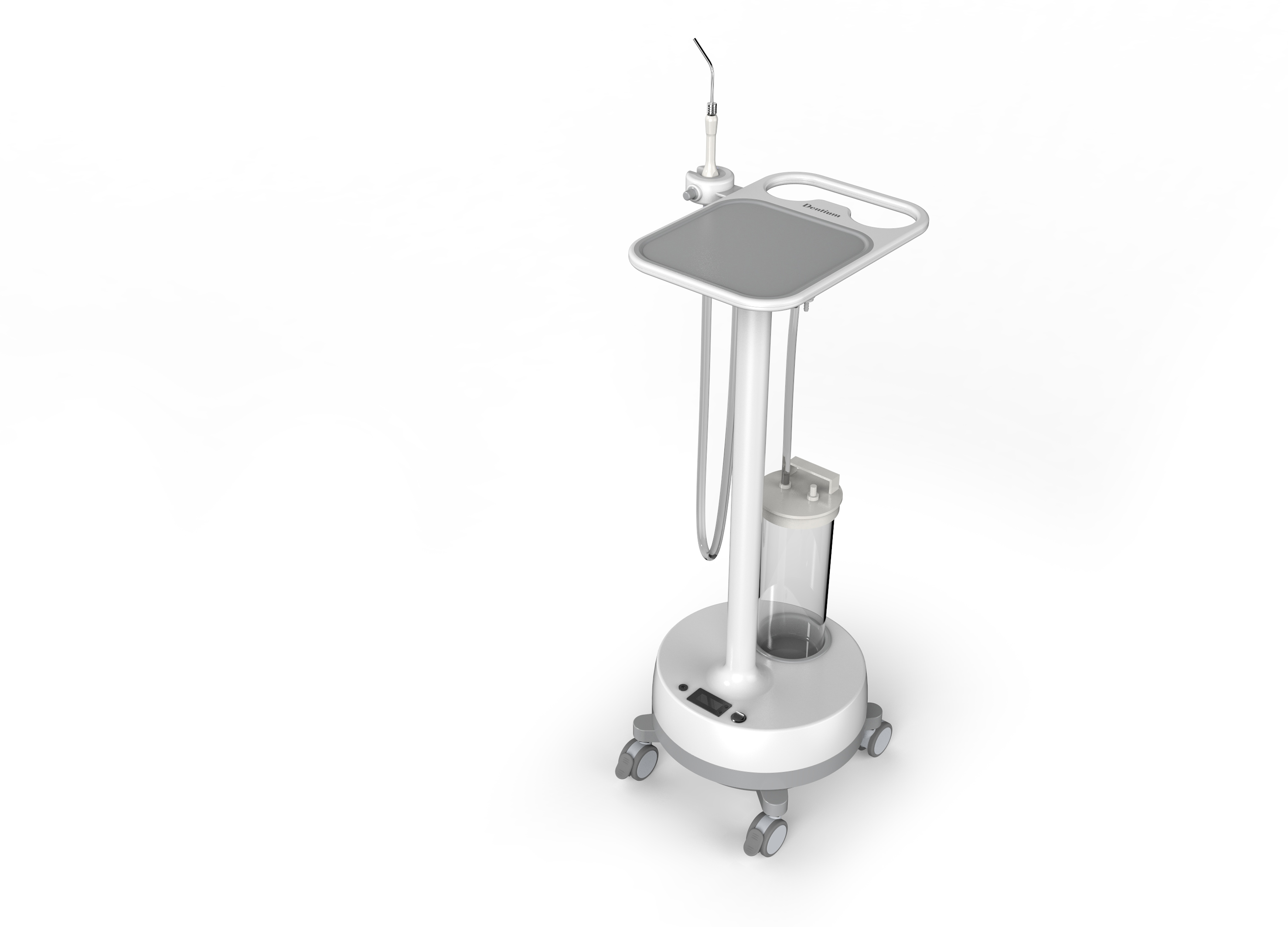
Dental mobile suction Device
PINO Co., Ltd.
Korea
Alumni Hall of NCUE
MUSA International Design Interior Decoration
Chinese Taipei


Partner & Sponsor
More








info@asiadesignprize.com
#14057, 905 49, Beolmal-ro 102beon-gil,
Dongan-gu, Anyang-si, Gyeonggi-do, Korea
#14057, 905 49, Beolmal-ro 102beon-gil,
Dongan-gu, Anyang-si, Gyeonggi-do, Korea
Founder: Doyoung Kim
Business Registration Number: 454-86-01044
Online Sales License No.: 2021-Anyang Dongan-1081
Copyright © DESIGNSORI Co., Ltd.
Business Registration Number: 454-86-01044
Online Sales License No.: 2021-Anyang Dongan-1081
Copyright © DESIGNSORI Co., Ltd.