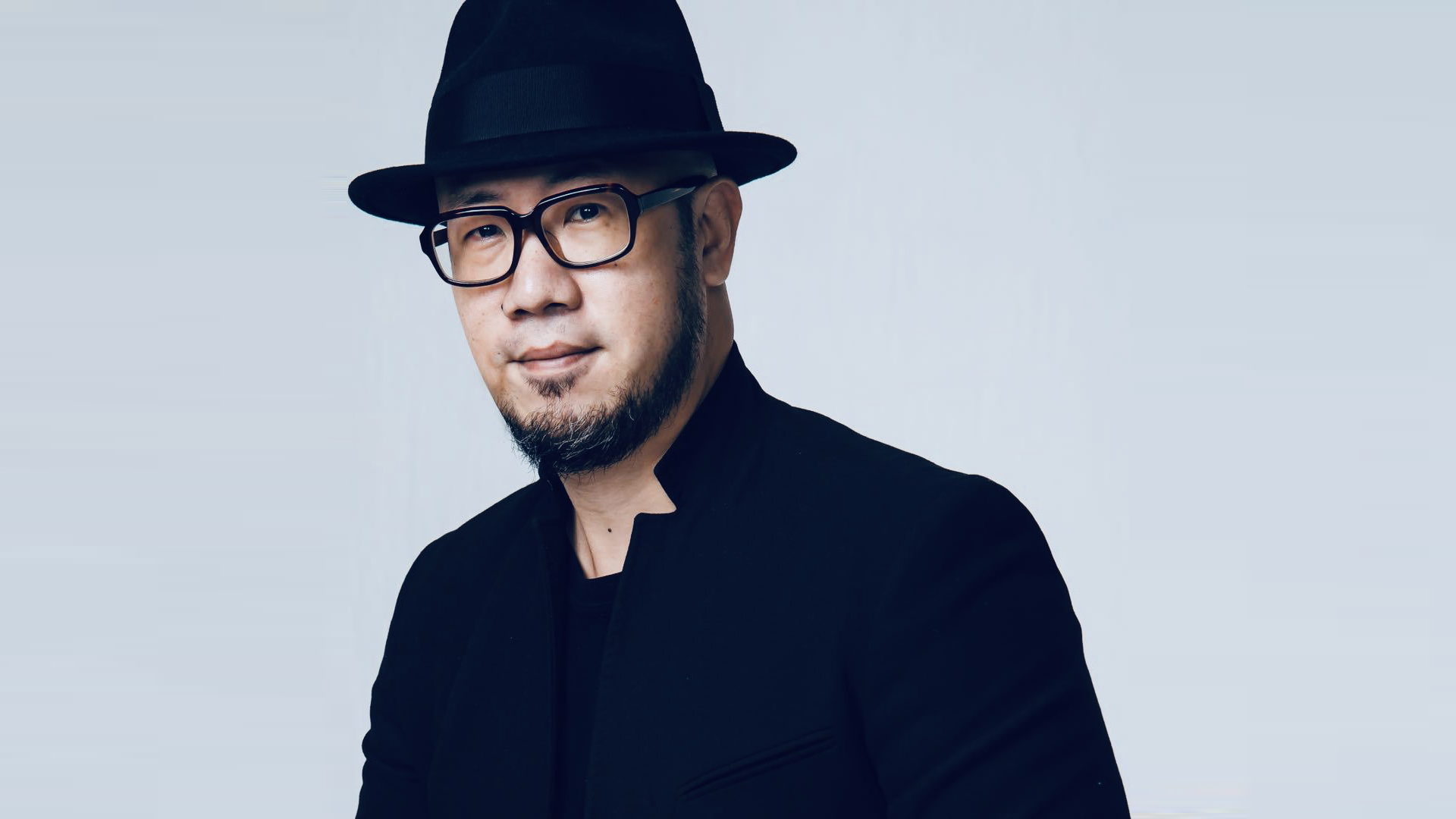
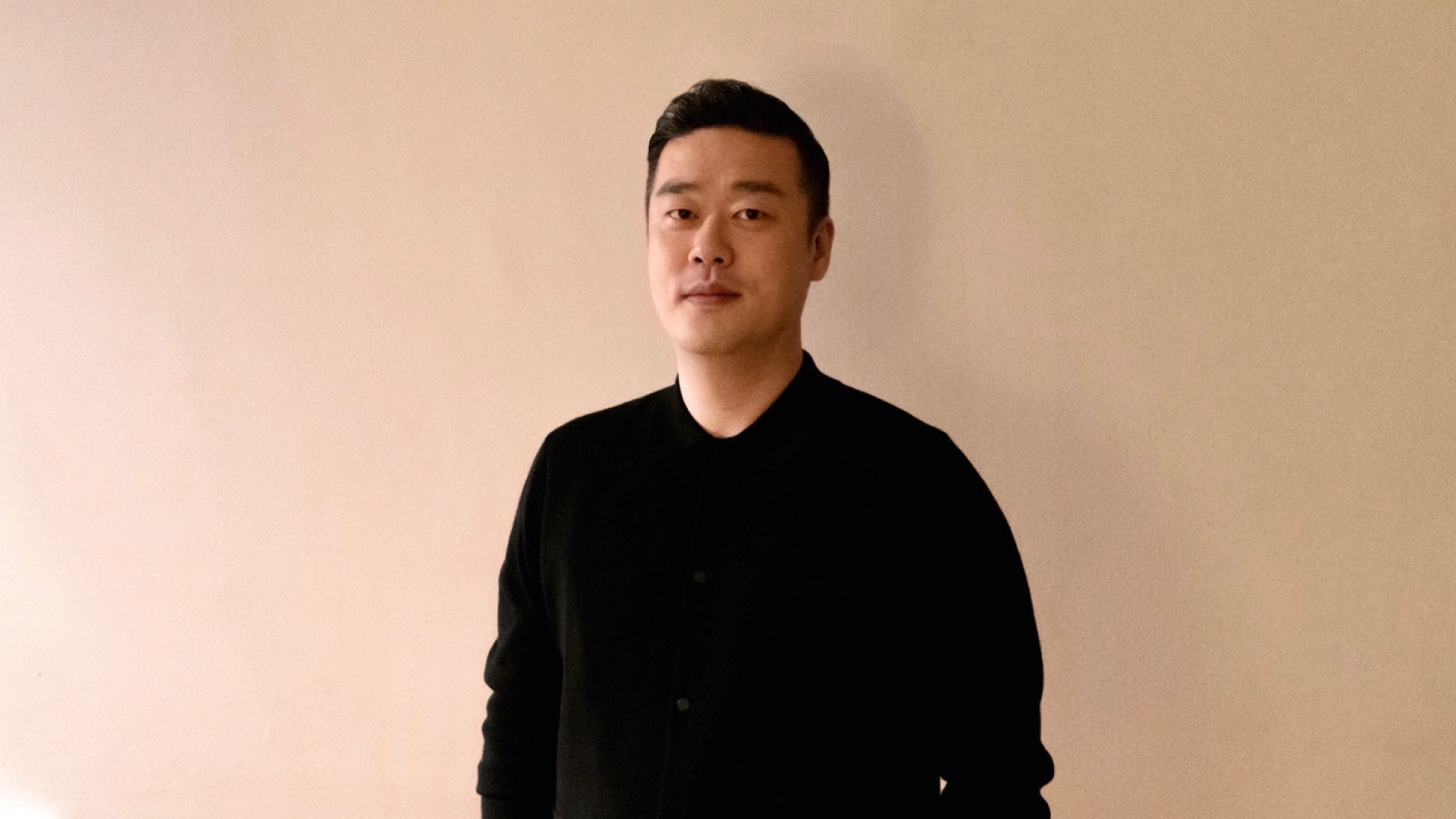
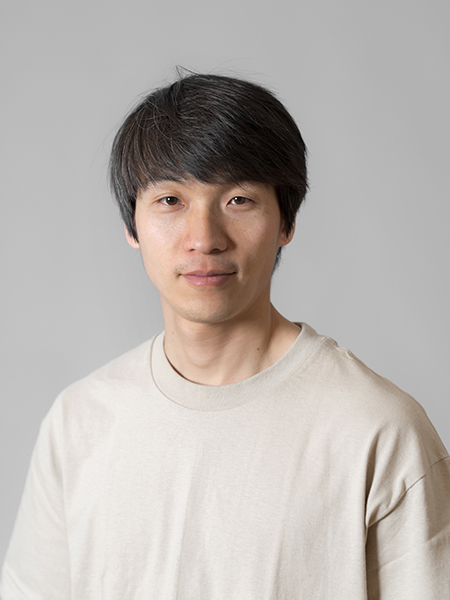
Tenniel Liu is a design-driven innovator and a net-zero entrepreneur. He received training in graphic design, design studies, and psychology in the United States. Tenniel has worked across a range of institutions both domestically and internationally—including design consultancies in the U.S., Switzerland, France, and Taiwan, as well as the Industrial Technology Research Institute (ITRI) in Taiwan—where he applied design methodologies to drive business innovation and help clients solve complex challenges. Throughout his career, Tenniel has continually integrated cross-disciplinary tools and methods to better meet the diverse needs and challenges of his clients. His expertise spans business design, carbon footprint accounting, design thinking, and agile management, allowing him to expand his service offerings and redefine the conventional public perception of design and its scope.
Tenniel is a designer, lecturer, and advocate for innovation culture. His clients include government agencies, multinational corporations and brands, startups, and SMEs. He excels at breaking out of traditional design frameworks, structuring project processes through interdisciplinary tools, and deriving insights through evidence-based approaches to formulate design strategies. With this, he assembles optimized teams to create the most effective and impactful solutions for his clients.
Could you share your most memorable achievement or experience?
As a pioneer in combining design with net-zero emission technologies, Tenniel continues to pursue his vision of helping SMEs transition to net-zero. With the growing urgency of global climate change and the firsthand observation of its effects, he has been driven to further immerse himself in this field. This has led him to begin R&D on a new mechanism for zero-emission energy generation. For someone trained in design rather than engineering or economics, the process has been full of challenges and demanded immense information intake. Still, Tenniel believes that design offers a unique form of creativity and systems thinking that sets it apart—enabling bold solutions others may not imagine. Although the project is still in development, he hopes it will lead to innovations that are environmentally friendly, market-competitive, and able to improve quality of life—demonstrating design’s potential impact on the evolution of civilization.
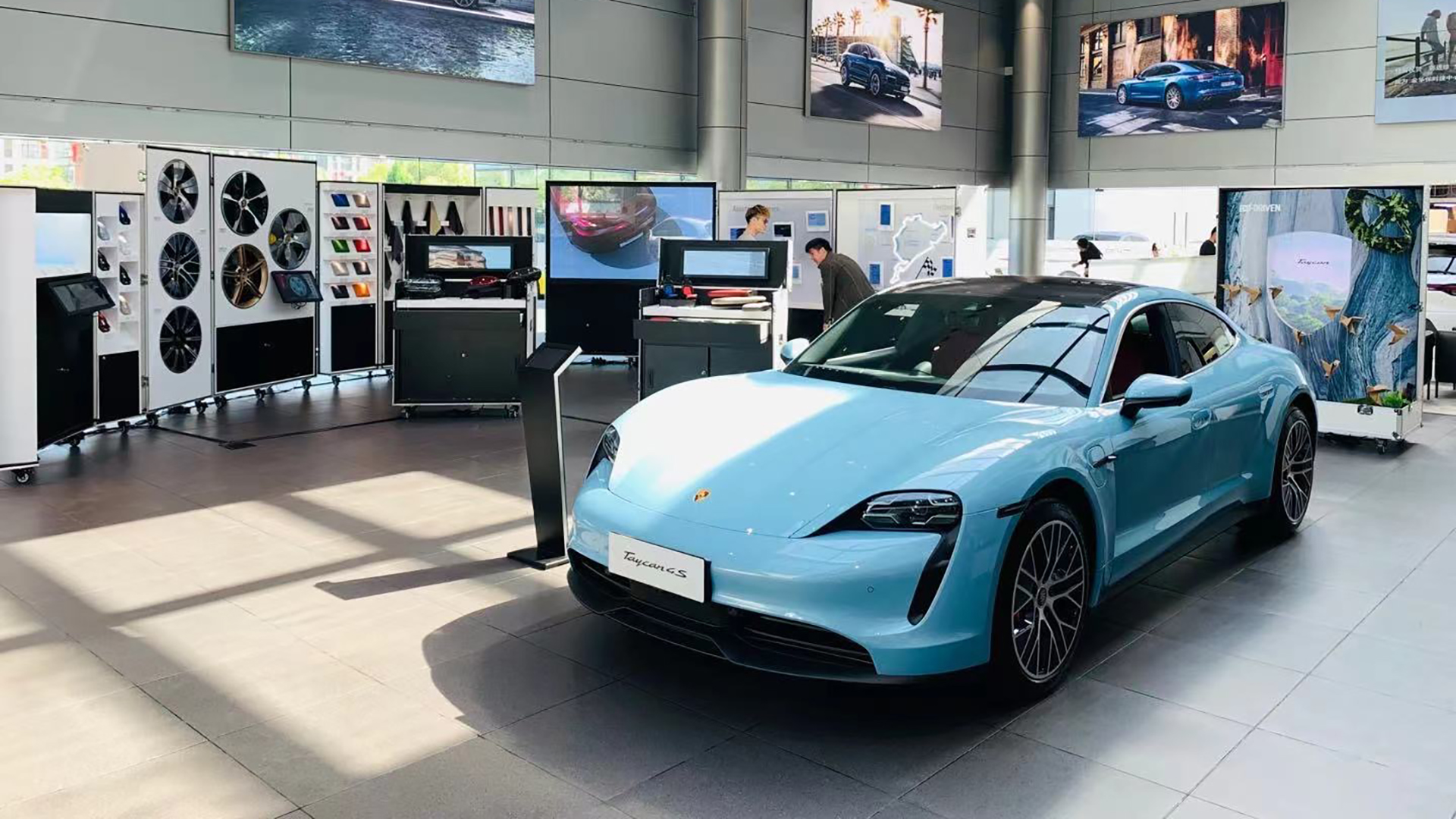
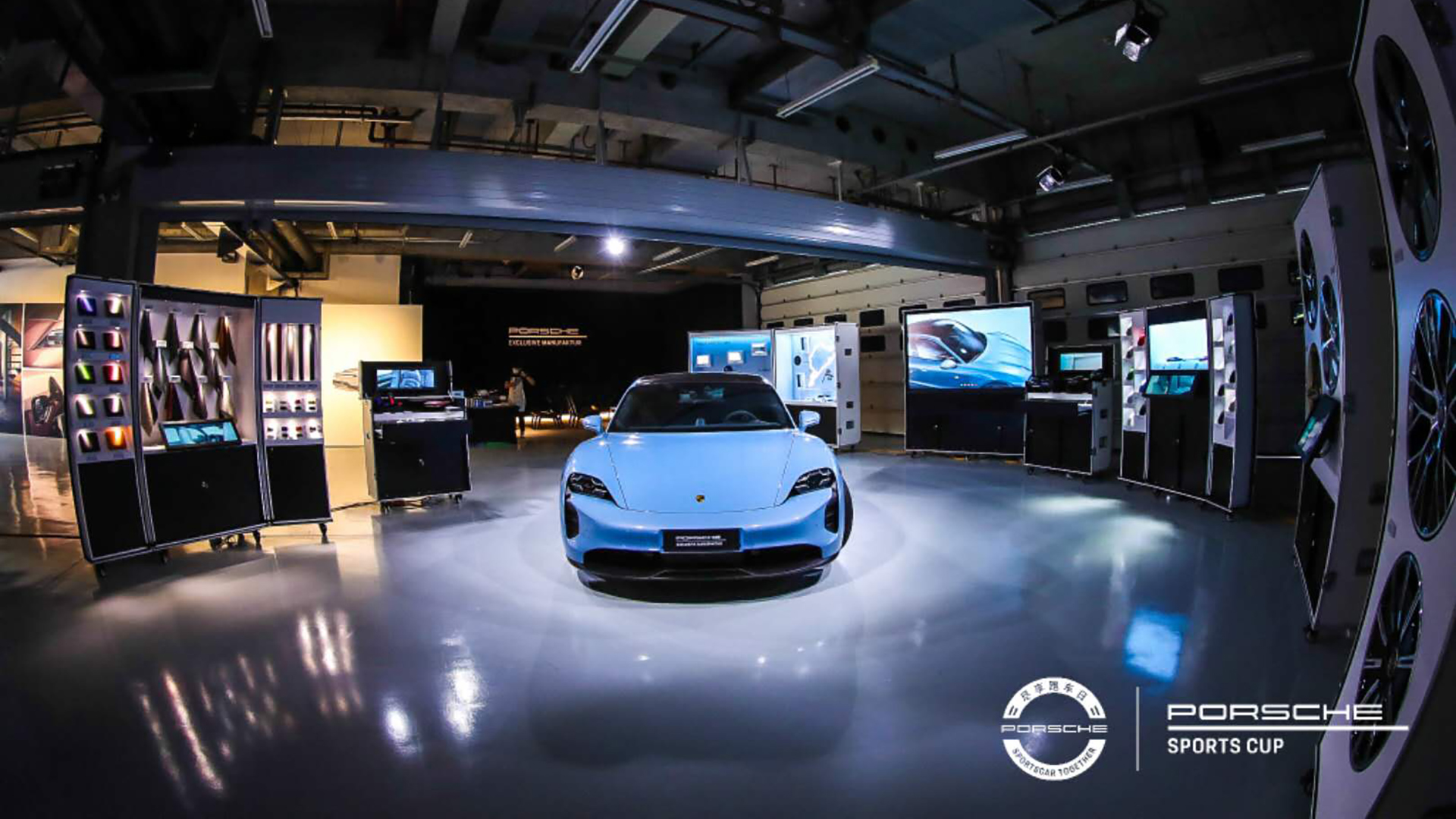
This mindset traces back to insights Tenniel gained while studying in the U.S., and continues to shape the structure and tools he develops across his many projects. These include enhancing Porsche’s EV sales experience while increasing public brand perception and cross-departmental collaboration; helping Volkswagen design in-car digital products and implement agile culture within 20 days; and supporting Shiseido in launching a new skincare brand in China through agile collaboration between Japanese and Chinese teams. These experiences were not only unforgettable milestones for Tenniel but also opportunities to expand the scope of design application. In every project, he did more than meet the client’s needs—he refined his tools and methodologies, feeding them into future initiatives for continuous evolution.
Do you have a unique design process?
Tenniel is adept at both waterfall and agile creative processes, tailoring his approach to each client’s profile. Aware that design often risks becoming a matter of subjective aesthetics, he prefers to structure most projects around a fusion of design thinking and agile management. This leads to an evidence-based creative process that minimizes time wasted on subjective disagreements and maximizes executional efficiency. It allows Tenniel to back up his proposals with data and market feedback, offering clients and teams real user responses to help guide precise refinement of their solutions.
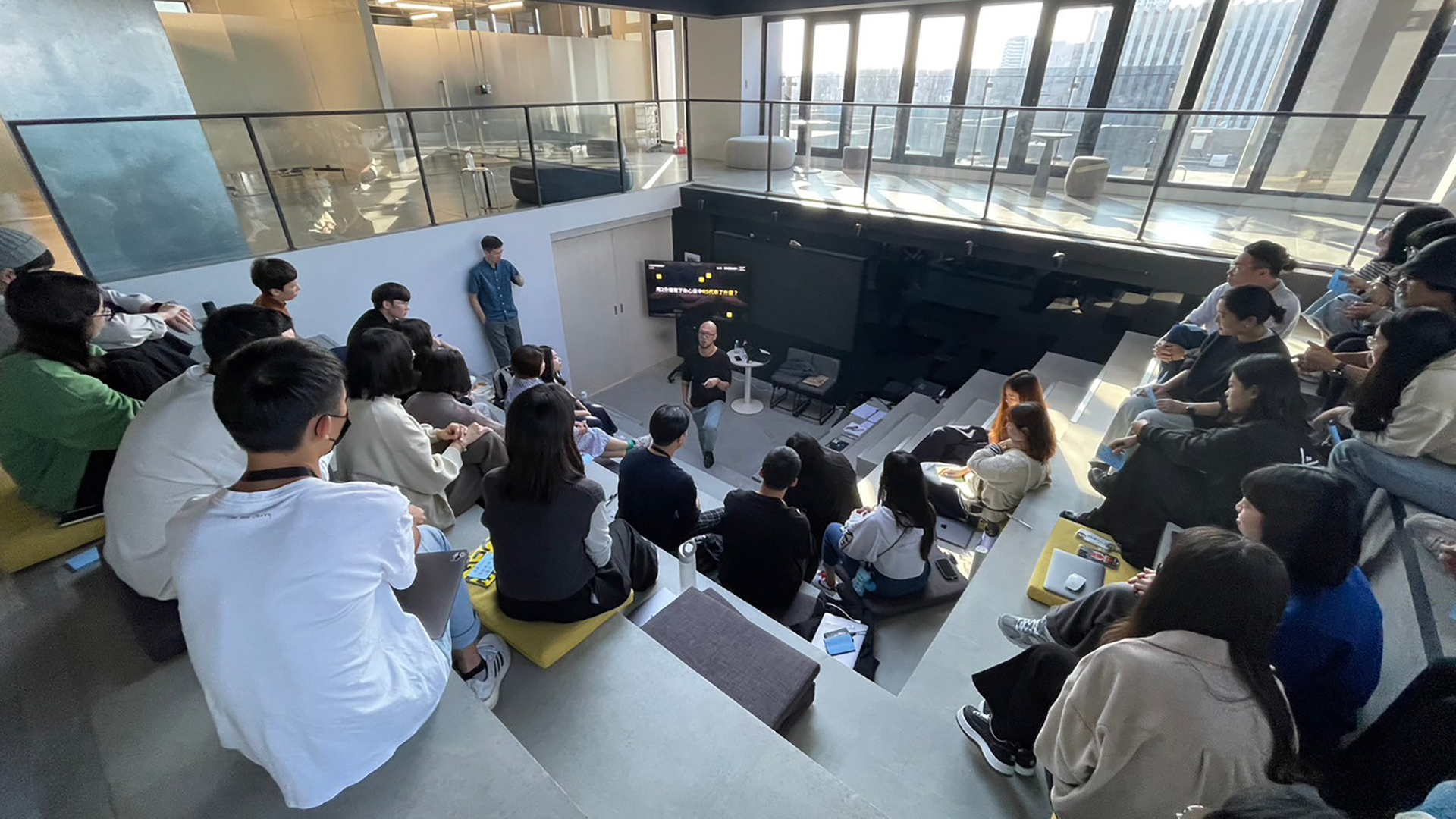
His approach enables faster iteration, sharper alignment with stakeholders, and smoother communication across departments when needed—helping different teams find a common language while staying aligned to their own objectives. At the start of each project, Tenniel conducts guided deep-dive interviews with decision-makers and stakeholders to clearly define success criteria. He also educates both the internal team and client on the process and objectives of each project milestone to ensure alignment and expectation management.
Depending on the project, he may use methods like focus groups, design thinking workshops, mystery shopping, or desk research akin to social listening to extract insights and develop targeted strategies. Crucially, Tenniel works with client teams as collaborators, not as a traditional one-way service provider. He believes that real value and trust are built through mutual understanding and co-creation. For Tenniel, the priority is to ensure the team is doing the right thing—and only then to execute it in the right way with the right tools.
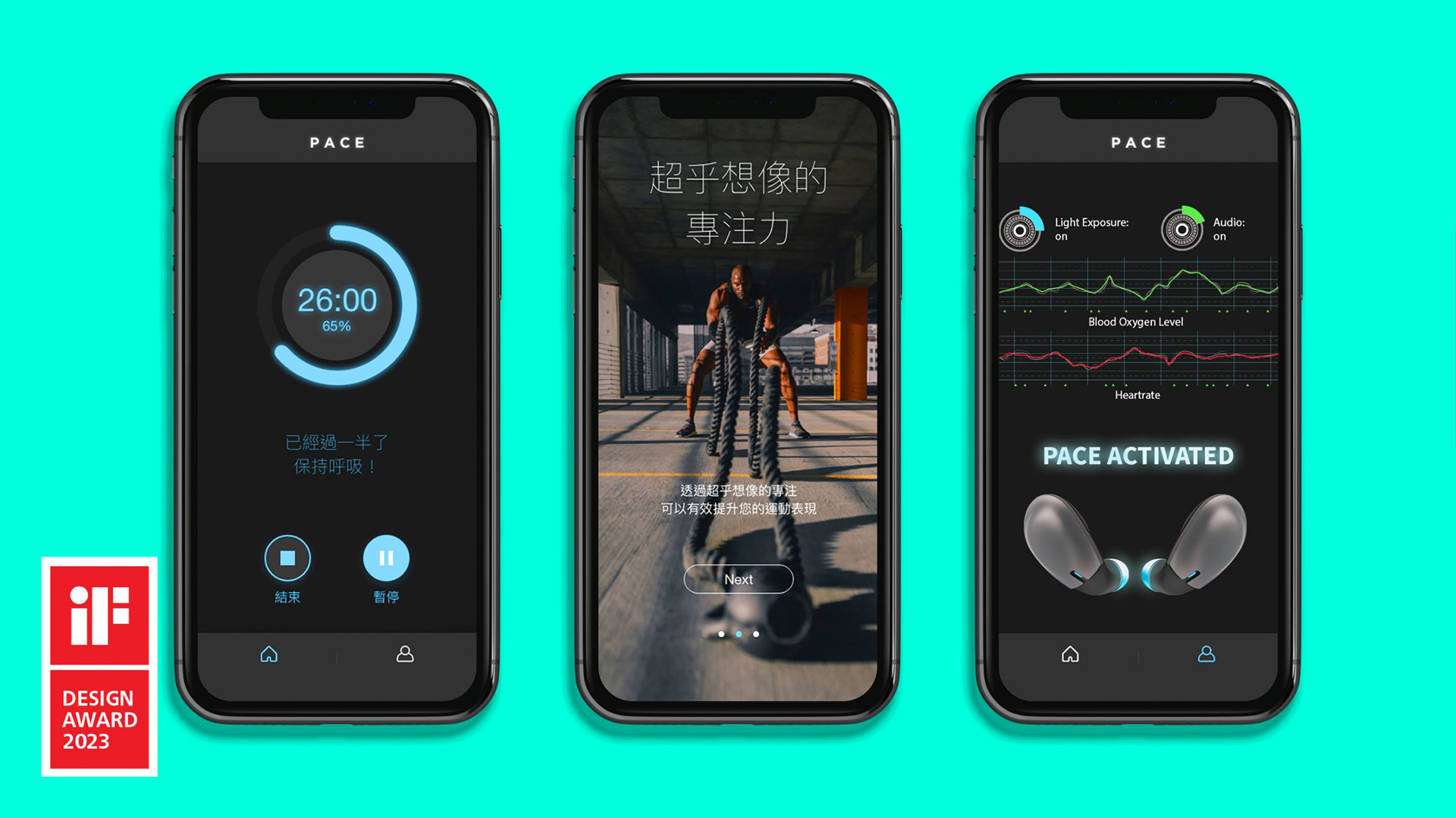
What is the design direction you pursue, and how is it different from other designers?
Tenniel envisions the continued evolution of design into what he calls Applied Design—a form of design redefined to participate in solving complex global issues, much like economics does today. Rather than being limited to conventional perceptions of design as a tool for “communication” or “beautification” applied at the final stages, he sees design as an active force in the early stages of strategy and organization. He believes designers should proactively collaborate with experts from other fields to co-create comprehensive, innovative solutions that break boundaries and contribute meaningfully to critical global challenges such as aging societies and climate change. To realize this vision, Tenniel’s team at Exodus has consciously moved beyond the comfort zone of traditional design services. They immerse themselves in the language, logic, and systems of other disciplines—refining and developing unique methodologies and toolkits along the way. Today, Exodus has already positioned itself beyond the realm of typical design and innovation services, becoming the first creative consultancy in Taiwan qualified to conduct carbon accounting.
Tenniel sees carbon audits as a strategic starting point—an entry to help client partners identify emission hotspots. From there, the team applies design-led thinking to explore alternative technologies and reduce the burden of sustainability transitions, especially for small and medium-sized enterprises. This, in turn, enhances motivation and accelerates transformation. For Tenniel, this is only the beginning—an ongoing experiment that defines what sets Exodus apart. He believes that by refusing to accept the status quo and diving deeper into fields beyond traditional design, they open up new possibilities for redefining the role of design and crafting bold solutions that reshape the world.
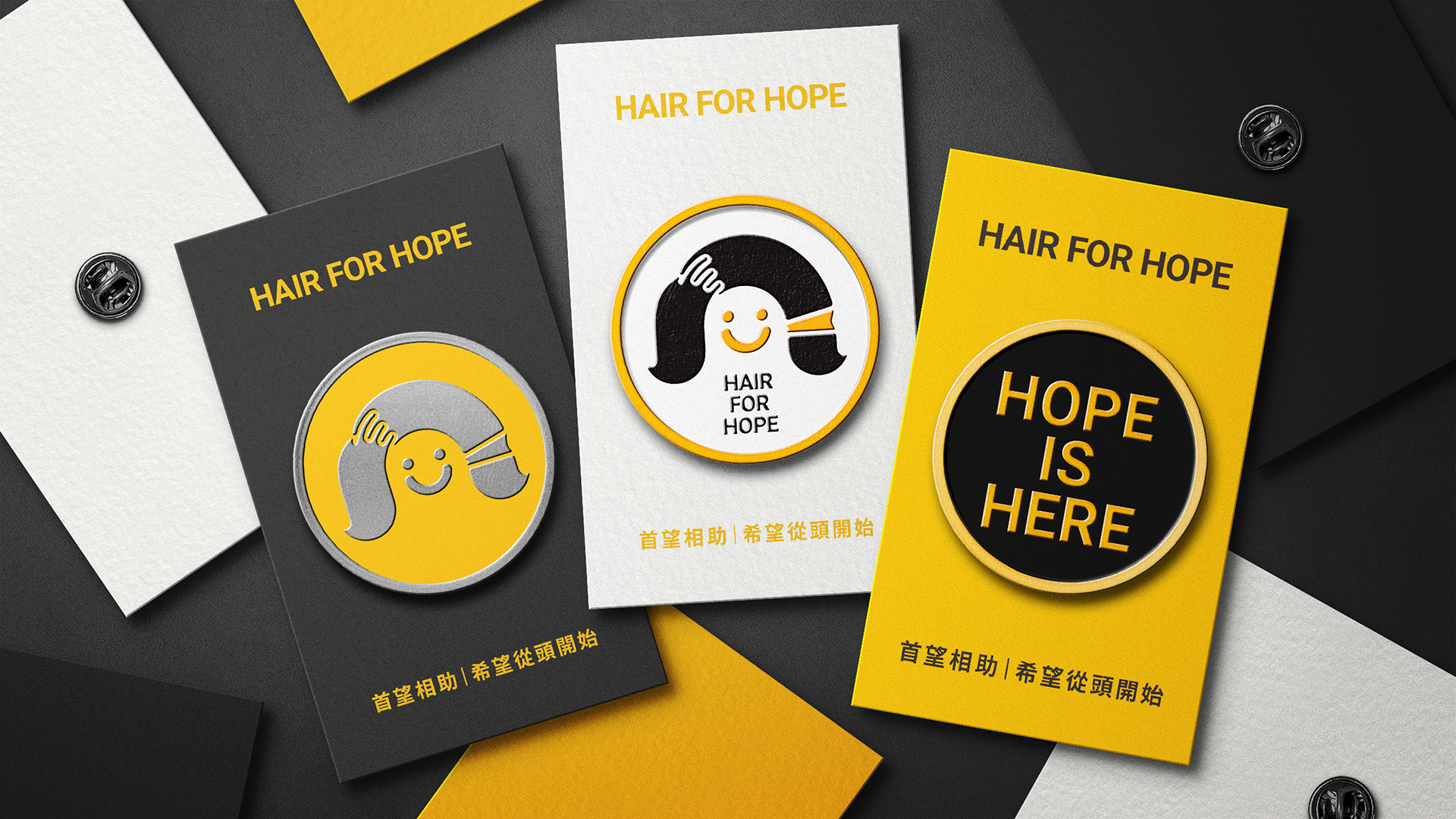

Where do you get your design inspiration?
Tenniel is a data- and insight-driven designer who focuses on delivering effective solutions. His sources of inspiration often come from in-depth exchanges with key stakeholders involved in a given task. These interactions help him form hypotheses that are tested and validated to identify the most compelling strategies and implementation approaches. In his view, a design solution can only succeed when it is grounded in clear, ambitious policy or business objectives—rather than relying on intuition or imitation—because design is, at its core, a process of informed decision-making. Every decision point must be supported by rational evidence and aligned with expected outcomes. This, he believes, is the true essence of commercial design.
In terms of aesthetics, Tenniel compares modern design trends to a rainstorm—they constantly evolve with time and culture. Therefore, the only way to stay inspired is to continuously absorb, observe, reflect, and refine perspectives. His sources of inspiration are wide-ranging, including crowd psychology, everyday people, habits, the COVID-19 pandemic, client teams, trend reports, articles, and books. He believes the best designs often emerge from synthesizing diverse information, making bold hypotheses, and testing iteratively to create innovative results that reflect the spirit of the times. Everyone has their own way of finding inspiration, but no matter the source, it must ultimately serve the mission’s objectives and generate measurable value. A design that wins global awards but fails to create value for clients or stakeholders cannot be considered a successful one.
Have you noticed any changes in the design market throughout your projects—from the past to the present?
Over the years, design has undergone significant transformation. It has evolved from rigid, discipline-specific, and technique-oriented practices to encompass branding, integrated services, and experience design—and now even includes management and facilitation theories. These advances have allowed design to move beyond being just a tool for packaging products or companies, establishing its position as a key component in solving complex problems. By applying methods from various fields, design has become a universal language capable of defining clear goals, structuring research and strategic execution, and driving cultural transformation—whether in business or in response to global challenges.
Designers are increasingly acting as bridges between stakeholders, enabling alignment through visualization and communication. This has made them crucial enablers of shared goals. Additionally, design has absorbed methodologies from other disciplines, such as business research and agile management, making it more versatile than ever. Designers now leverage their flexibility and practicality during the creative process to meet diverse client needs and achieve business objectives. This adaptability allows emerging designers to seamlessly integrate into multidisciplinary teams and take on various roles—often becoming the most multifunctional contributors within a team. In contrast, traditional engineers or analysts may struggle to switch mindsets or methodologies as effortlessly as designers can—especially with the rise of new tools like generative AI. This evolution is one of the most striking changes Tenniel has observed and focused on throughout his projects and professional journey.
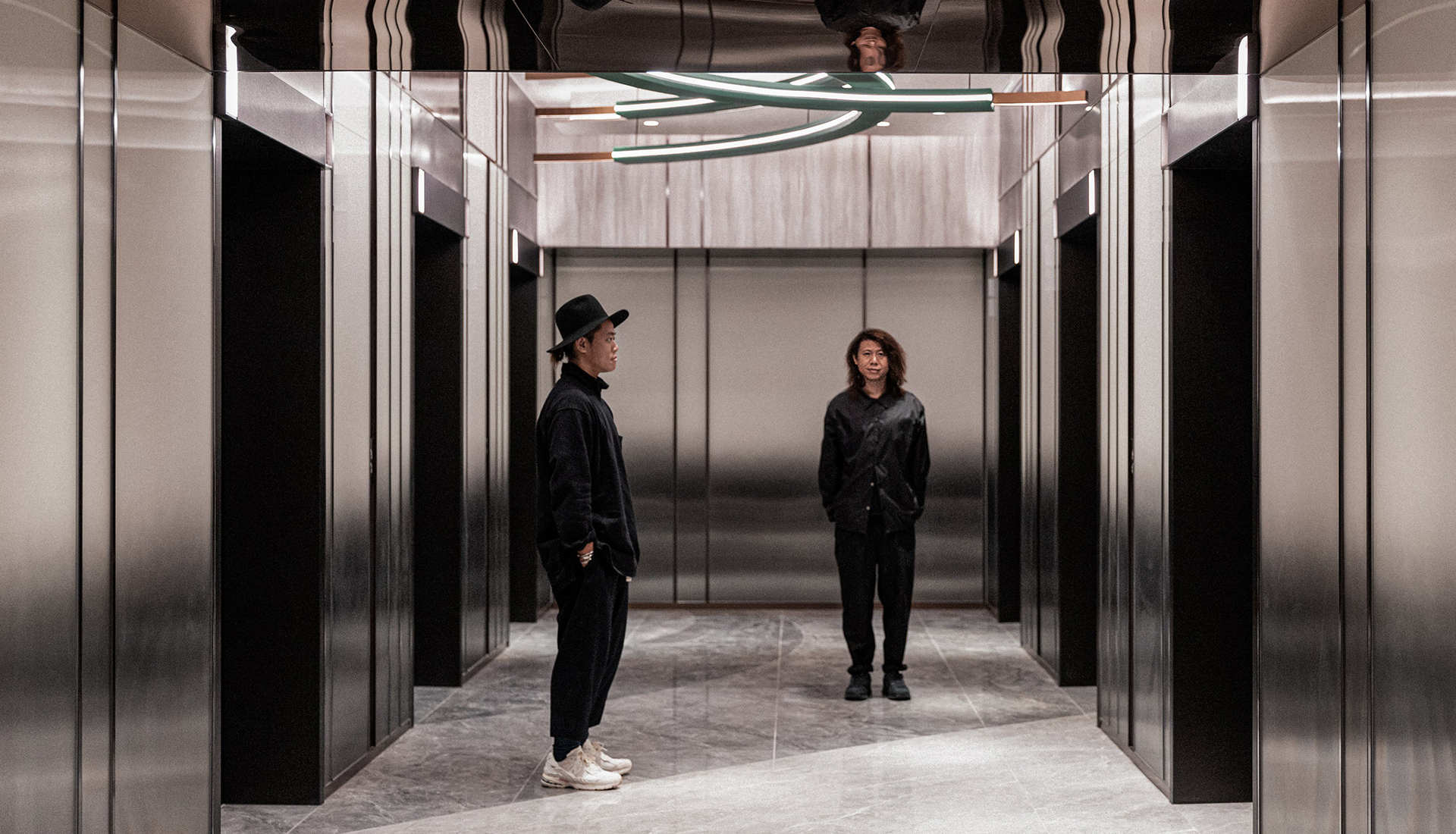
What changes do you anticipate in the design market over the next 10 years, and how are you preparing for them?
Tenniel believes that the designers of the next decade will not only be visual communicators but influential facilitators capable of conveying deep values, addressing diverse issues, and fostering cross-disciplinary consensus. Designers will increasingly engage in complex challenges traditionally handled by analysts, engineers, or economists—such as policy-making, cultural transformation, risk forecasting, and innovation management—playing a central role in strategy development and implementation. To prepare for this shift, Tenniel’s firm, Exodus Solutions, has already undergone a forward-looking transformation. Exodus is the first creative consultancy in Taiwan certified in both ISO 14064 (Organizational Carbon Inventory) and ISO 14067 (Product Carbon Footprint). This means they can help businesses identify emissions hotspots while leveraging design to propose technically and economically viable solutions, empowering companies to pursue sustainability goals more effectively.
Looking ahead, Exodus will continue to place innovation and interdisciplinary integration at its core, expanding the scope of design application and partnering with clients to navigate societal changes and challenges. Tenniel also emphasizes the importance of adapting design education—beyond just cultivating technical skills, nurturing systems thinking and a global perspective will be essential for future designers.
As a designer, what is your core belief or philosophy, and what is your vision going forward?
Tenniel’s vision is to expand the role of design beyond aesthetics, positioning it as a transformative force for innovation, governance, and global challenges. He believes that design should stand alongside engineering and economics as a third pillar in tackling complex problems. In the era of climate change and environmental crisis, businesses—especially SMEs—often struggle with the cost and complexity of compliance. Tenniel sees that these companies lack not just funding but alternative pathways and innovative transformation strategies. Therefore, he focuses on applying design as a powerful tool to propose economically sustainable and creative solutions, shifting transformation from a burden into a strategic choice.
This belief fuels his ongoing efforts to position Exodus as a “third force” for net-zero transformation, redefining the potential of design. To him, design is not just about solving problems—it's about driving systemic innovation and delivering meaningful change on a global scale.
















#14057, 905 49, Beolmal-ro 102beon-gil,
Dongan-gu, Anyang-si, Gyeonggi-do, Korea
Business Registration Number: 454-86-01044
Online Sales License No.: 2021-Anyang Dongan-1081
Copyright © DESIGNSORI Co., Ltd.