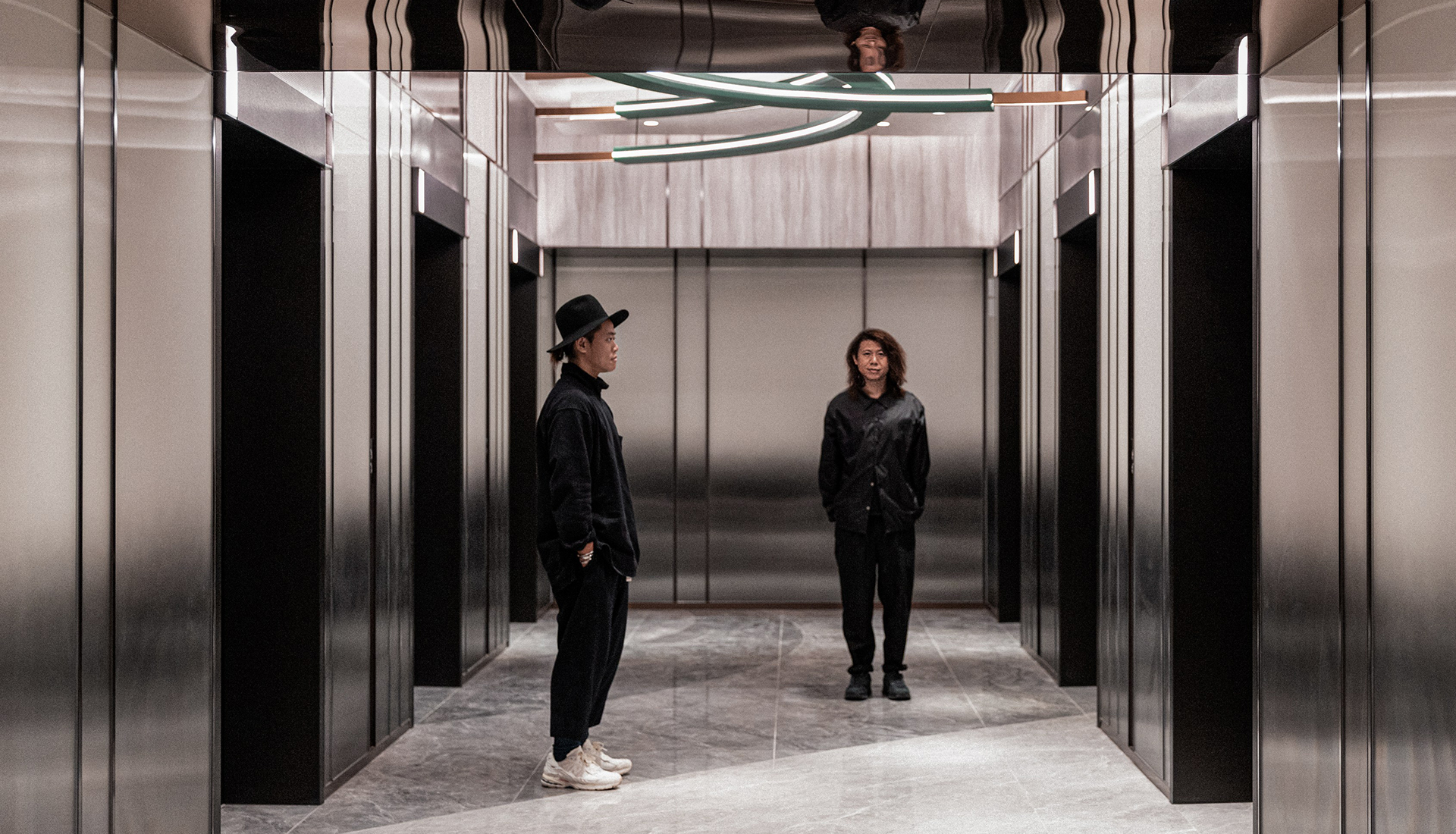
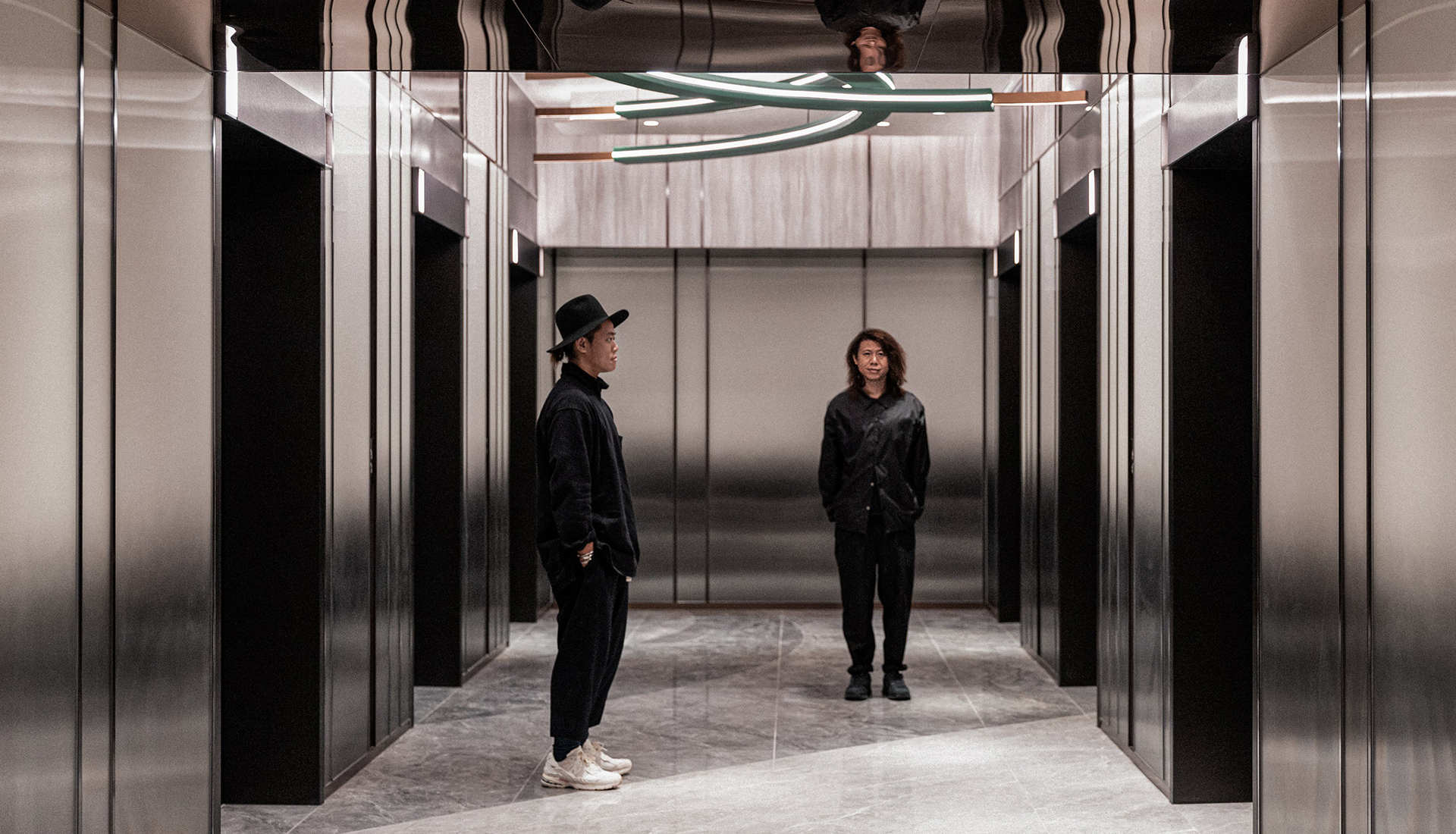
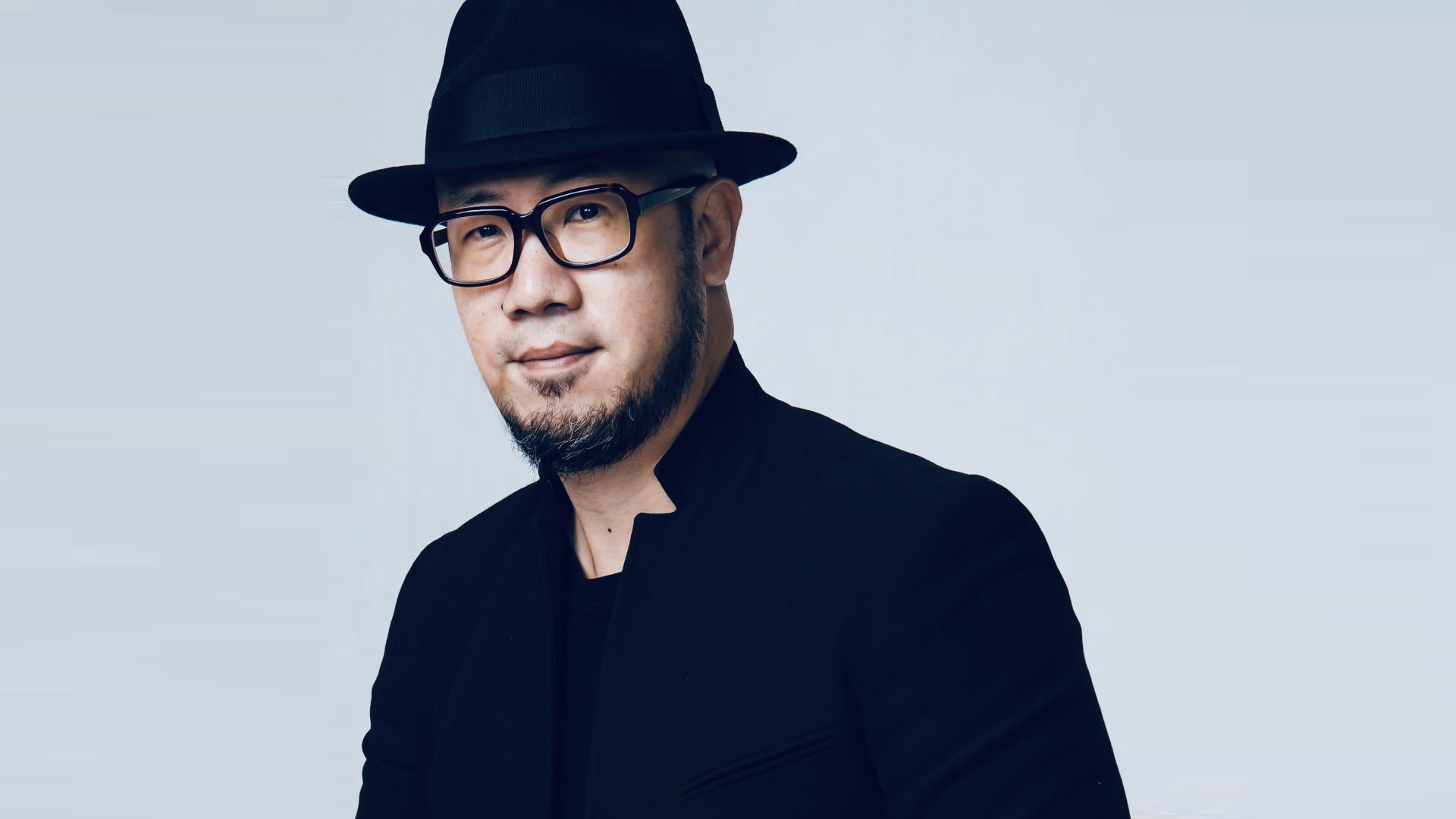
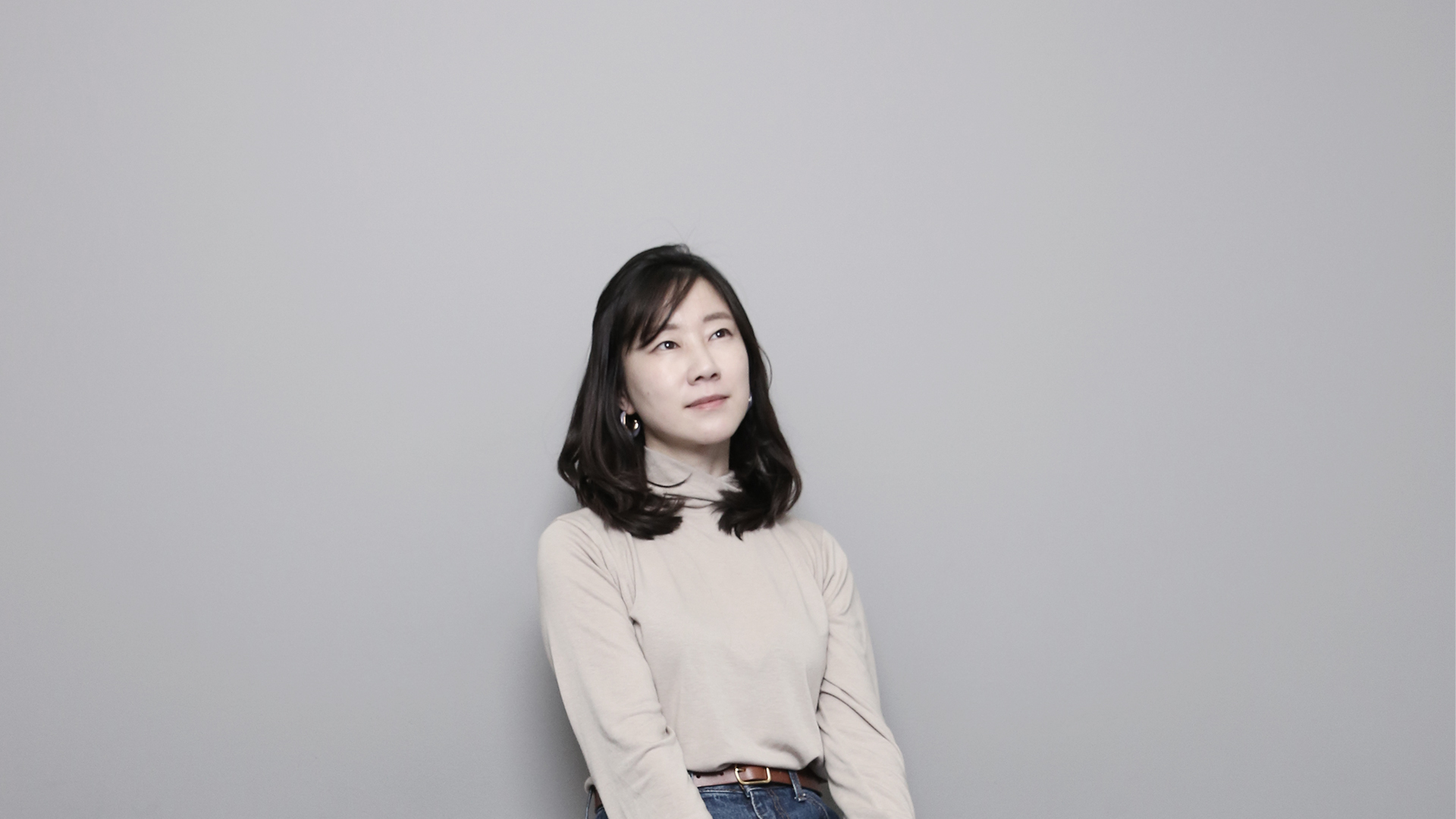
Hello. I’m CM Jao from Oft Interiors Limited. I graduated from the School of Design at The Hong Kong Polytechnic University and have been working in the design field for over 15 years. Currently, I focus on commercial space branding, where I begin with business logic, consumer psychology, and experiential design to reinterpret the core spirit and culture of a brand, helping to redefine its identity. Beyond design work, I’m actively involved in the design community. I serve as Vice President of the Hong Kong Interior Design Association and strive to promote exchange and development across China, Hong Kong, Macau, Taiwan, and the wider Asia region. I have also worked as an exhibition curator for major events and media platforms such as Hong Kong Interior Design Week, Guangzhou Design Week, China Building Decoration Fair, China International Furniture Fair, NetEase, and Xinhua. In 2021, I was honored as one of the “40 UNDER 40 Outstanding Young Designers in the Asia-Pacific” by PERSPECTIVE. In 2025, I will serve as an annual juror for the internationally renowned K-Design Award.
Could you share the most memorable achievement or experience in your design career?
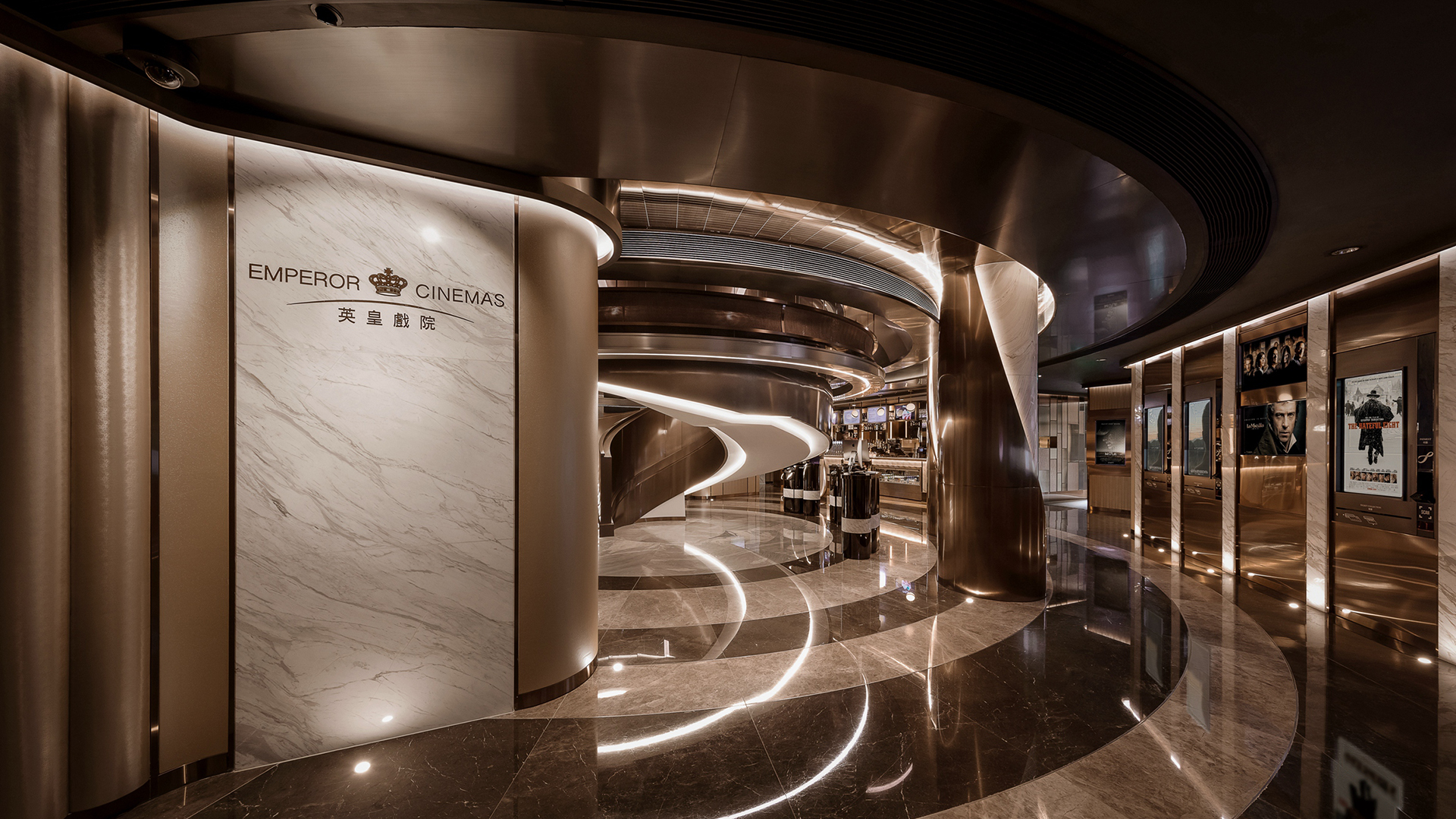
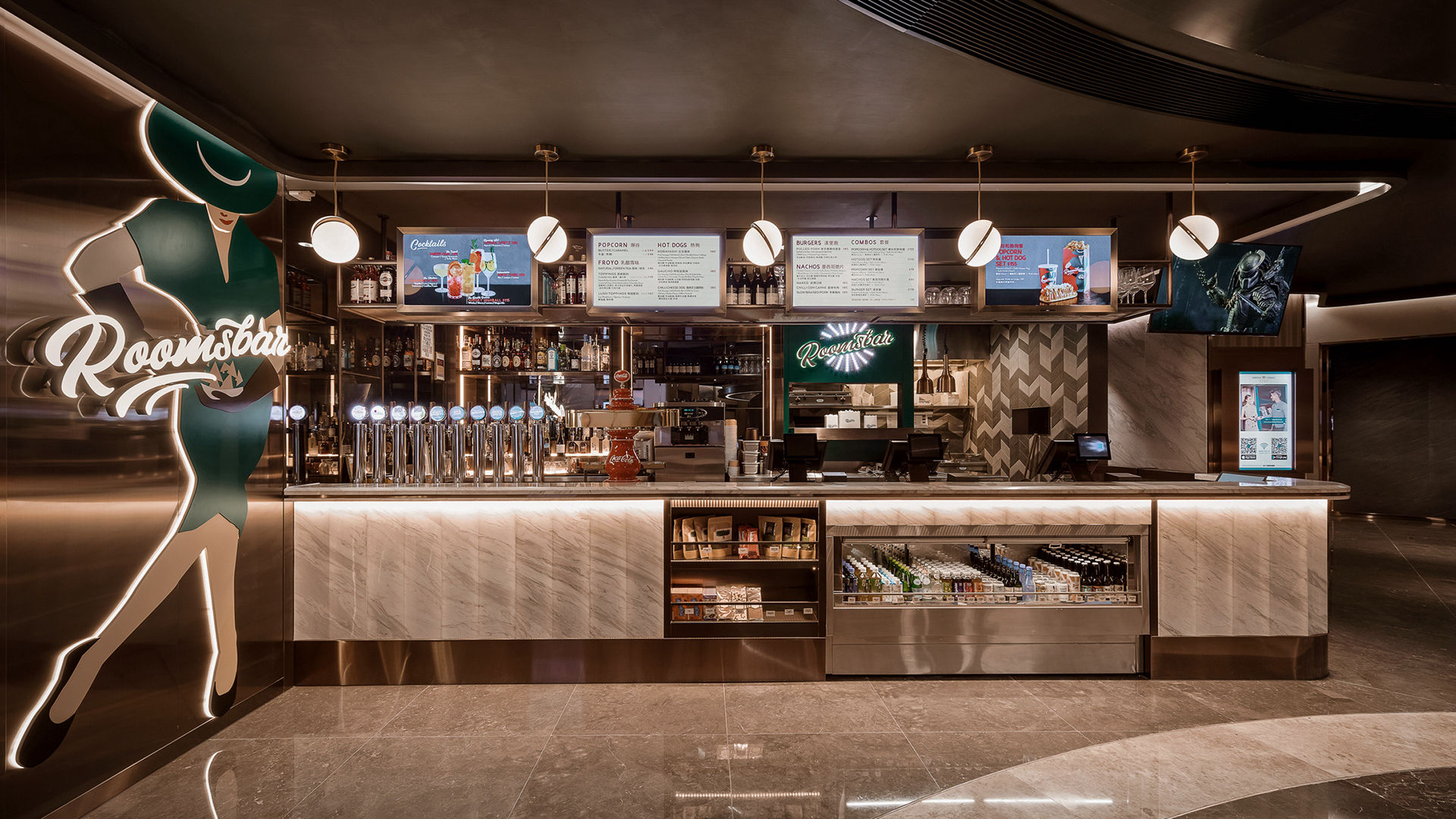
One of the most unforgettable experiences in my career was collaborating with a Emperor Group to complete our first high-end cinema project in Hong Kong. This project held deep personal significance for me and marked a major breakthrough for our team in the field of commercial design. It was a historical renovation project, and our team worked closely with the Emperor Group to breathe new life into an old building, balancing respect for its history with modern vitality. We invested a great deal of time and energy researching historical elements and integrated modern design techniques to ensure that the cinema retained its historical exterior while expressing a unique contemporary atmosphere. This design philosophy—fusing the ancient and the modern—not only earned high praise from the client but also laid a solid foundation for our continued growth in cinema and commercial design.
Following that success, we led the design for the Emperor Group’s first flagship stores in major cities across the country and overseas. Collaborating with them was both a challenge and a journey of exploration. It was a privilege to work on projects with such historical and cultural significance, and the experience strengthened my professional convictions, enriched my career, and built lasting trust and friendships.
Could you share your unique design process with us?
Absolutely! From the perspective of commercial design, I always adhere to and practice the design philosophy of “creating new scenes of content.” As a creative design firm, we deeply understand that each brand has its own unique positioning and stage of development. During the design process, we focus on thoroughly researching the brand’s core values and market positioning. To better meet the brand’s distinct needs, we not only explore the brand’s history, culture, and marketing strategies in depth, but also closely monitor evolving trends in commercial formats.
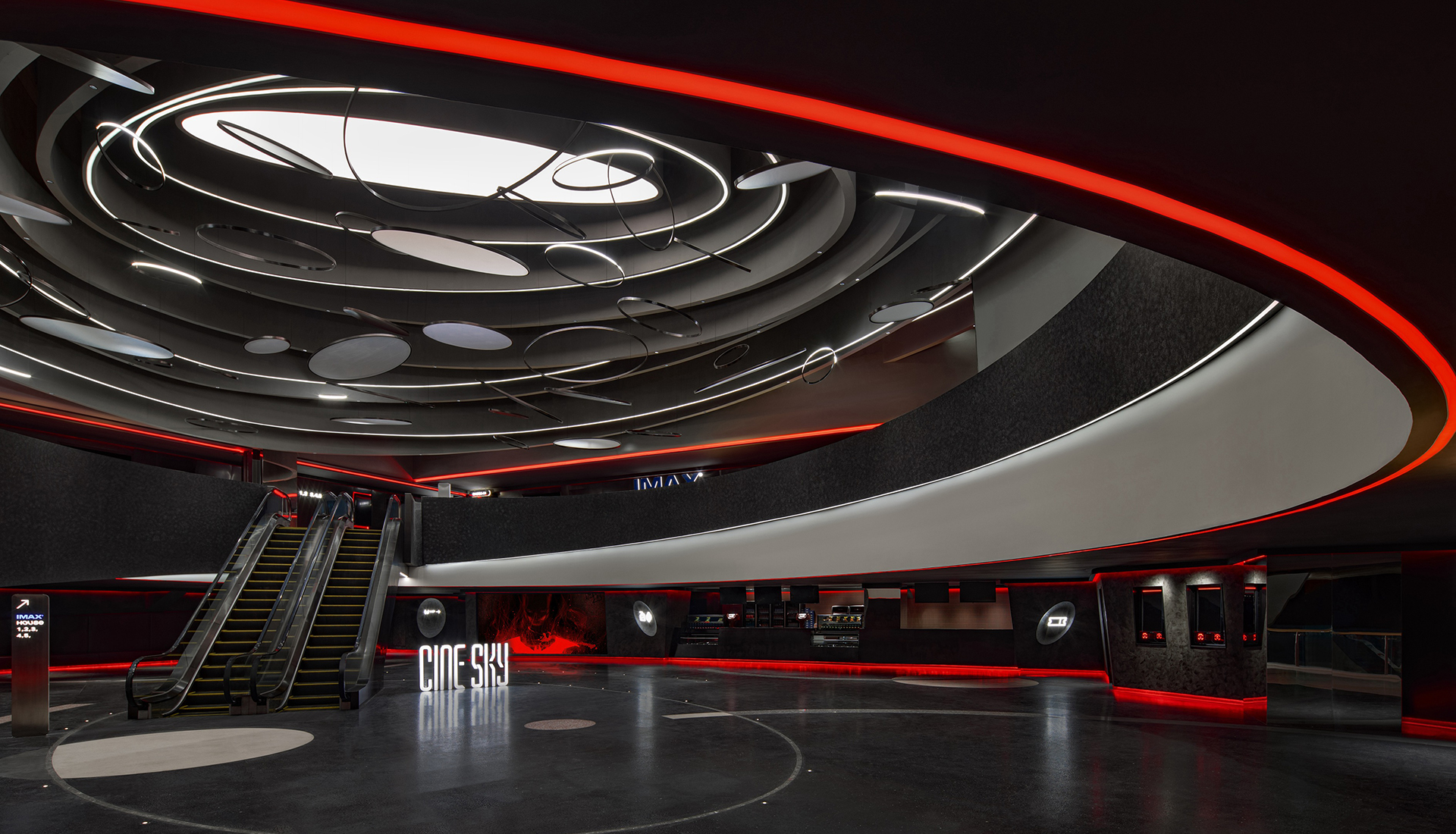
In the planning phase, we integrate our unique commercial insights to craft distinctive and captivating spaces tailored to each brand. For example, in a cinema project, we proposed incorporating various business formats to transform the theater into a complex commercial space combining viewing, leisure, and entertainment. In another project for a luxury car garage, we introduced an innovative concept that blended museum-style car exhibitions with social interaction, turning the garage into a dynamic and creative hub.
No matter how commercial formats evolve, I believe the ultimate goal of design is to use unique philosophies and approaches to generate distinctive commercial value for brands. With the consumer at the center and the brand as our anchor, our design process is one of ongoing exploration, experimentation, and innovation. We strive to offer enjoyable shopping experiences through smart spatial layouts, visual storytelling, and intuitive wayfinding — all aimed at enhancing the consumer journey in a thoughtful and creative way.
Where do you find your design inspiration?
My design inspiration comes from many different sources. It can arise from the smallest details of everyday life — a snack I saw in a convenience store or a dismantled neon sign in the city. These familiar scenes often make me stop and think. At the same time, distant cultures or ancient civilizations spark my imagination endlessly. Artistic works like films and books, whimsical ideas, spontaneous conversations, or even an impulsive trip — all of these fuel my creativity. However, inspiration doesn’t simply appear out of nowhere. It’s based on deep observation and long-term accumulation. It’s a process of encountering, deconstructing, and reassembling ideas. That’s why I believe inspiration is the culmination of a designer’s perception. Through design techniques, I aim to defamiliarize the familiar and create more functional and experiential commercial or lifestyle scenes.
Have you noticed changes in the design market through your projects? What changes have you seen from the past to now?
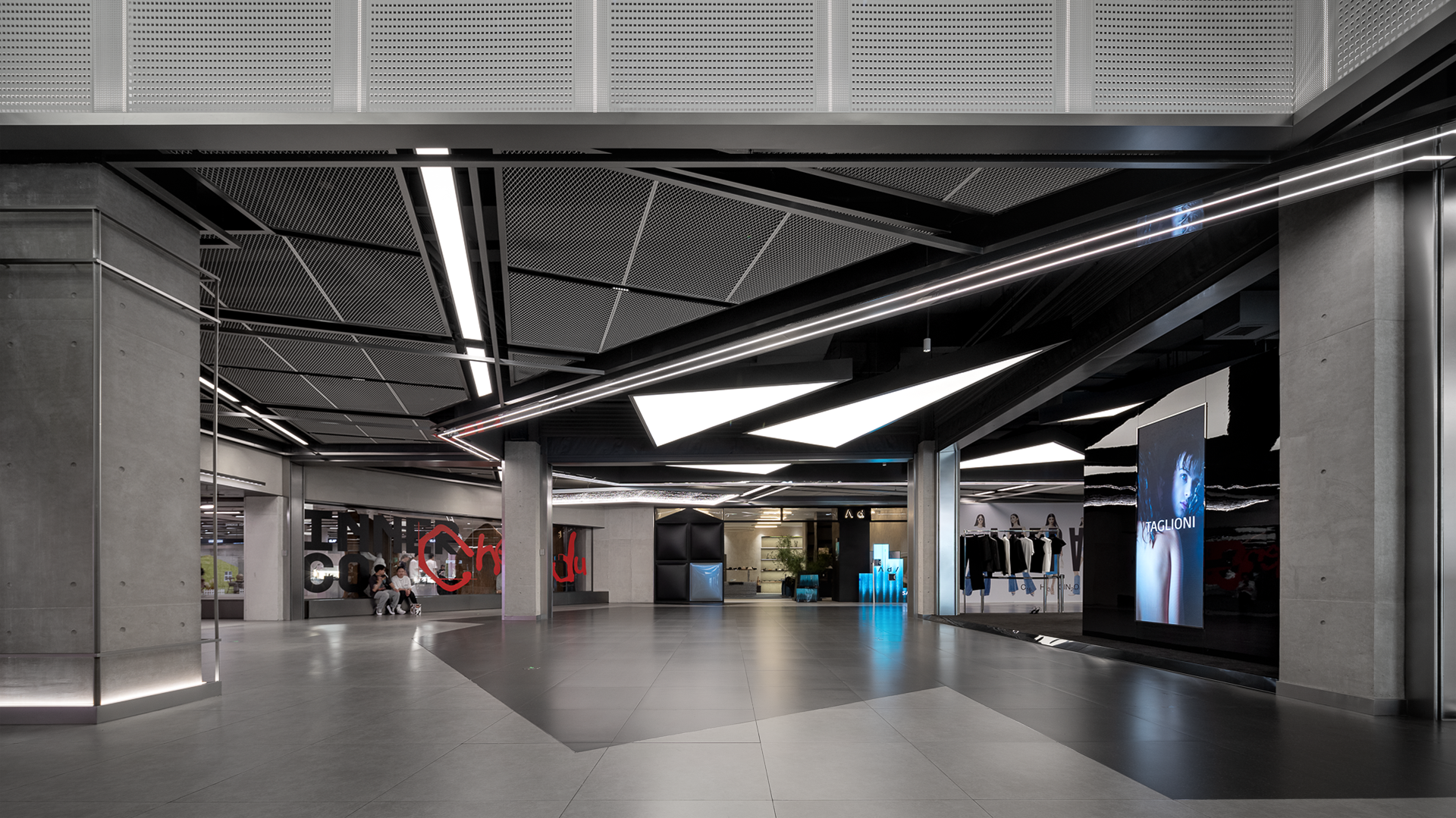
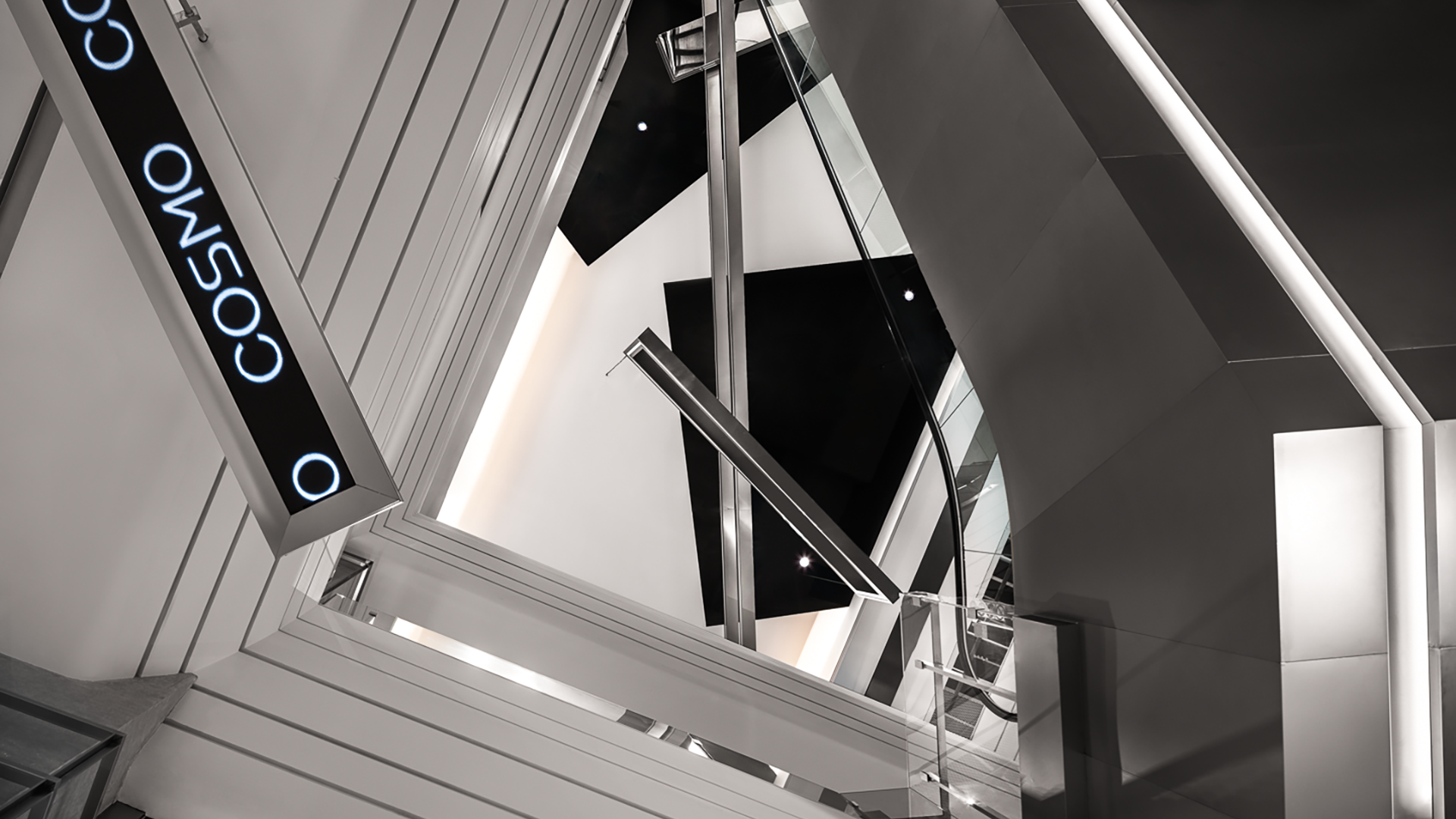
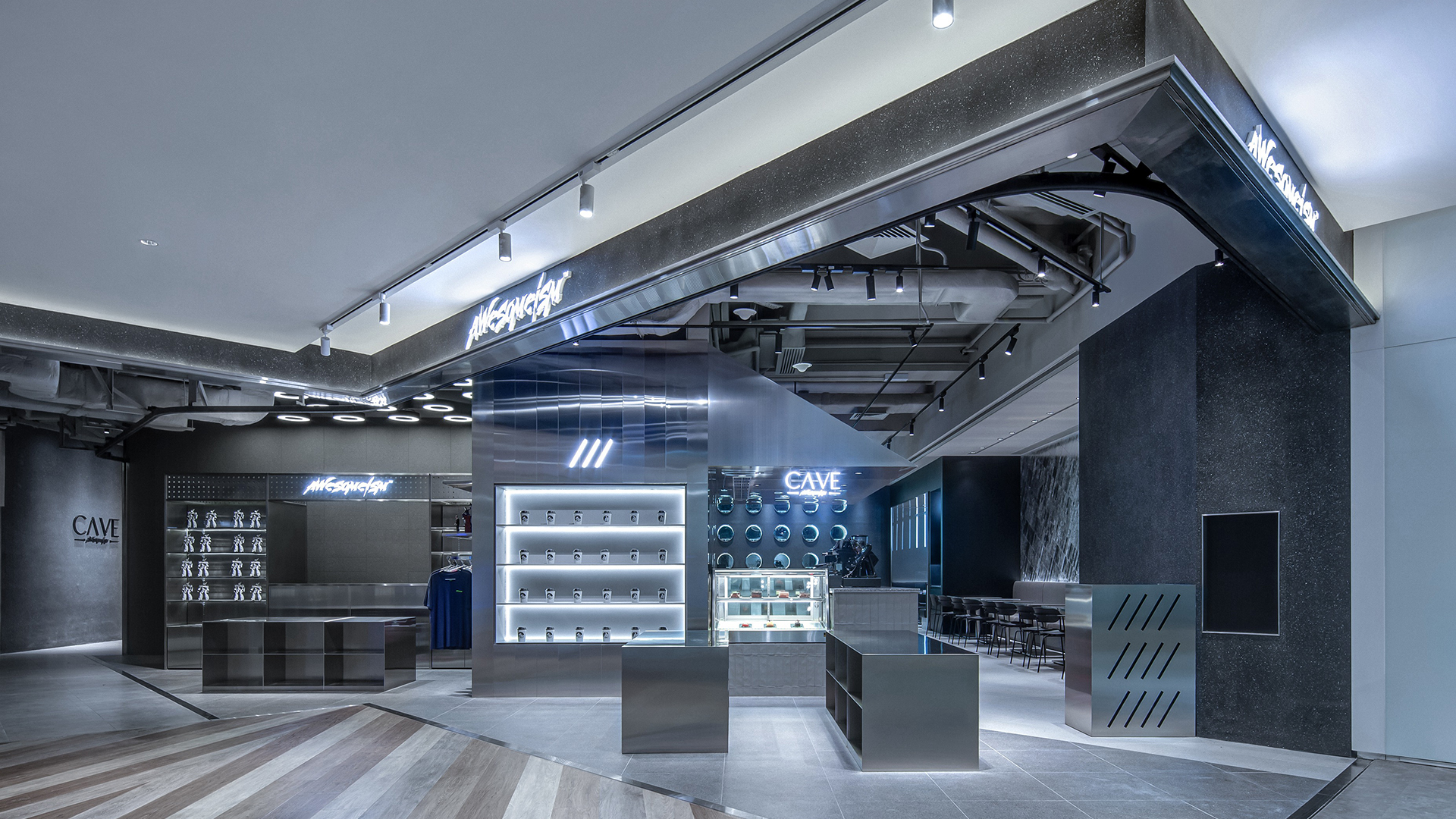
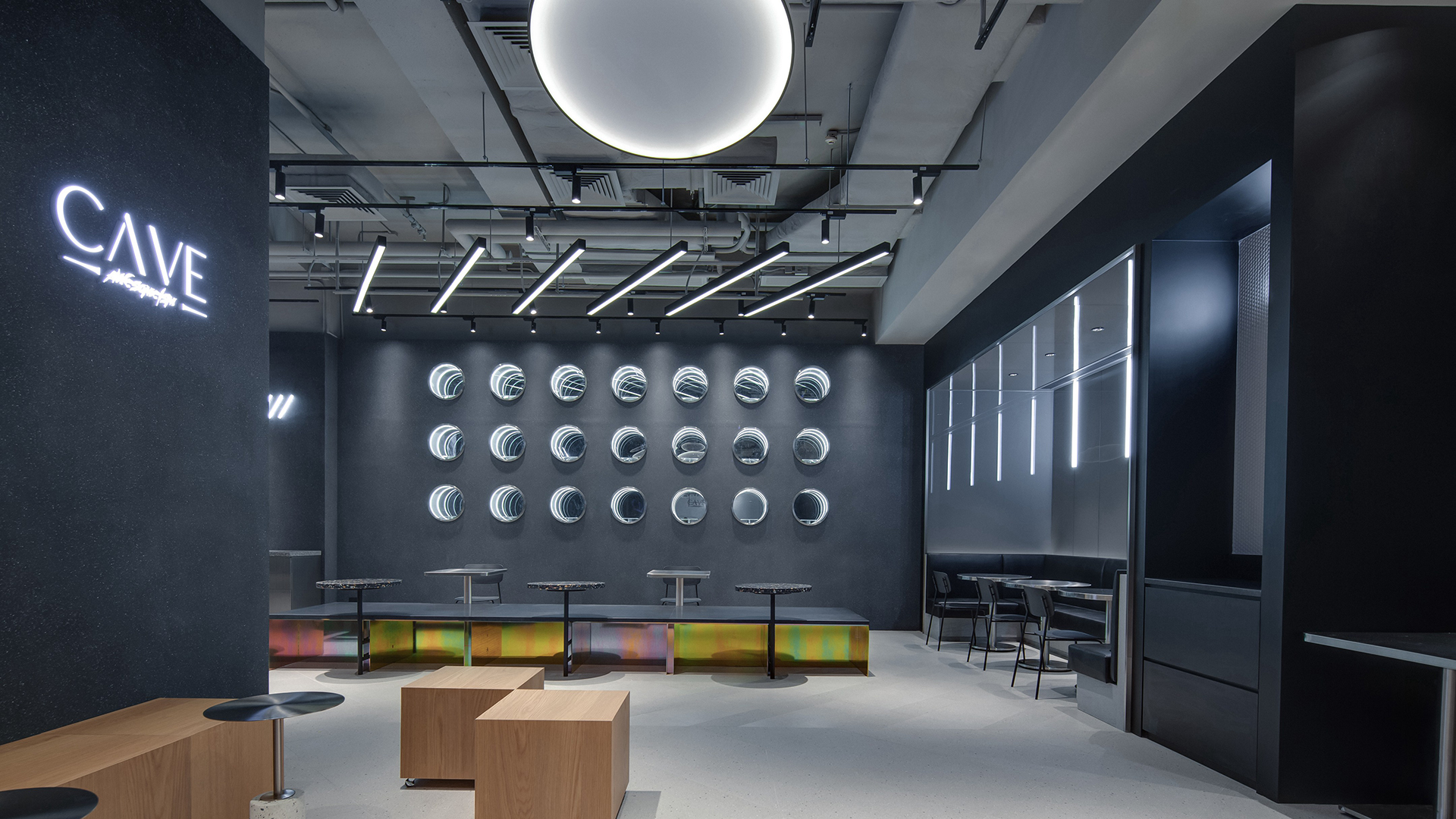
The market is evolving rapidly, like crashing waves — and design plays a crucial role in this transformation. When I first worked on the Emperor Cinema project, we introduced the idea of an "experiential consumer scene," emphasizing emotional experiences within the space. More recently, in the “COSMO Chengdu” project, we developed the concept further into a “new scene of content.” This shift — from experiential consumption to content-driven scenarios — isn’t just about deepening emotional engagement. It reflects a sharper insight into market dynamics and consumer needs. Today’s market is increasingly segmenting consumer groups, paying more attention to their diverse, personalized expectations. Brands now seek to influence consumer choices through cultural resonance and emotional connection.
This trend places greater demands on designers. We must now dig deeper into consumer needs, define target groups more precisely, and create unique spatial and narrative experiences that build meaningful emotional connections between brands and people. In this process, I’ve come to realize that design is no longer just about visual or formal innovation — it’s about exploring and expressing human nature and emotion. Designers must be keen observers of market shifts, able to understand the inner world of consumers, and ultimately create work that truly moves people. This is the direction I continue to pursue in my design journey.
What do you think the design market will look like in 10 years? And how are you preparing for it?
I believe that in 10 years, the design market will become even more mature and diverse. In the field of commercial design especially, small creative studios will gradually rise to prominence and hold increasingly important positions. This trend will be driven by the vitality of the commercial world — with the constant emergence of new business models and the transformation and expansion of existing ones, creative commercial design will enjoy greater opportunities for growth. In the design market of the future, we can expect diversity, flexibility, curiosity, intelligence, sustainability, and non-stylized, content-driven experiences to dominate. To meet these demands, we as a creative design company are actively observing and studying the evolution of the commercial landscape.
We strive to stay attuned to business dynamics, deeply understand consumer needs and preferences, and take the essence of commerce as the starting point of design — creating works that align more closely with market expectations. At the same time, we aim to use design as a means of supporting brand development. I believe design is not just a tool for visual expression, but a strategic asset that drives commercial value. Excellent design can help shape a brand’s unique image and style, enhancing its recognition and competitiveness.
Moreover, design can be used to solve challenges in commercial operations — from product packaging and exhibition design to brand image development. We work to maximize the value of design in every area, bringing tangible benefit and profit to business operations. In short, I believe creativity and innovation will become the core competitive strengths in the design market of the future. We will continue to explore new ways of thinking and designing, collaborate across industries with an open and inclusive mindset, and contribute to the advancement of the design field. By taking the essence of commerce as the foundation of our design approach, we hope to create more commercial value and deliver beautiful, meaningful experiences through design.













#14057, 905 49, Beolmal-ro 102beon-gil,
Dongan-gu, Anyang-si, Gyeonggi-do, Korea
Business Registration Number: 454-86-01044
Online Sales License No.: 2021-Anyang Dongan-1081
Copyright © DESIGNSORI Co., Ltd.