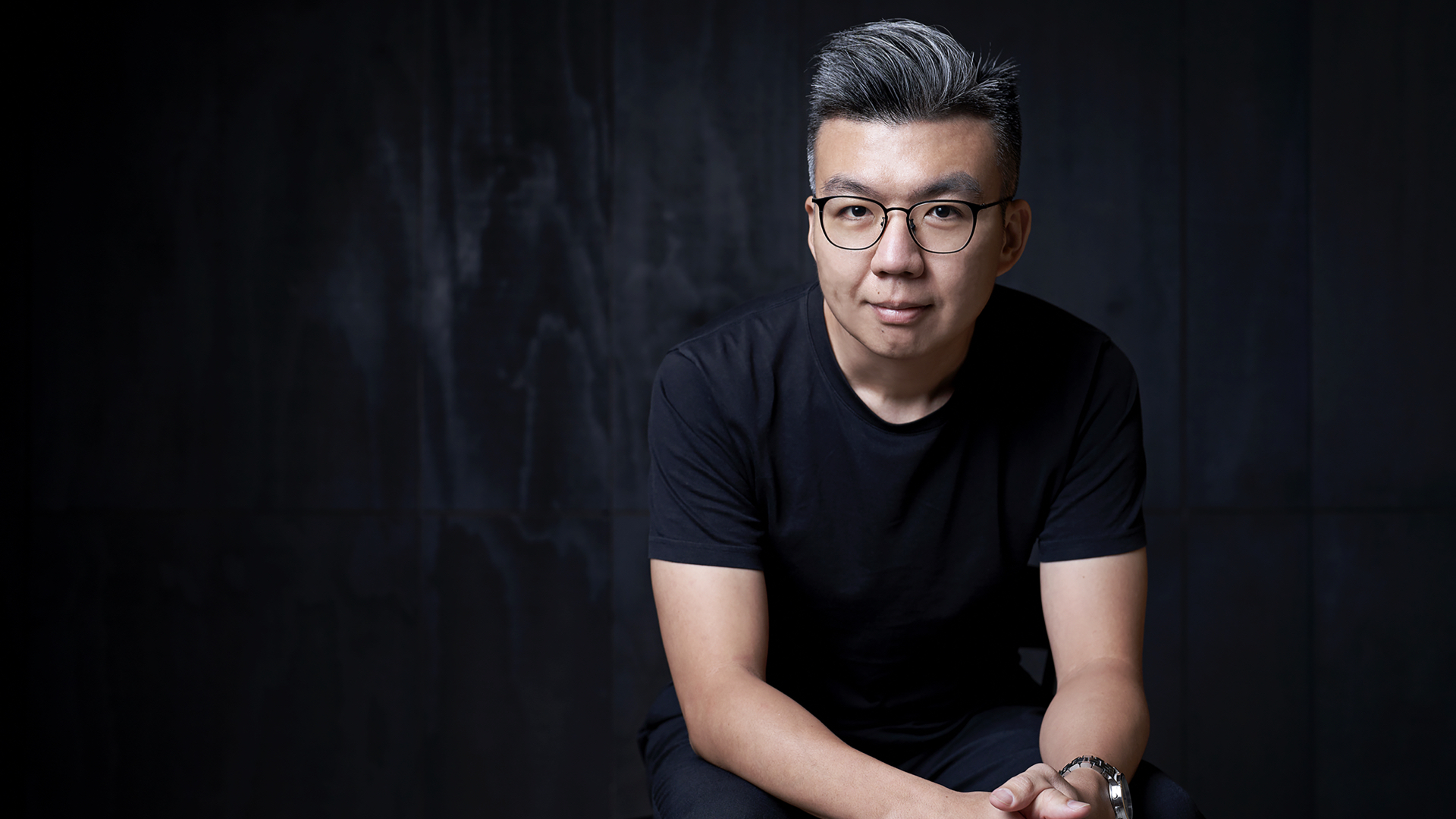
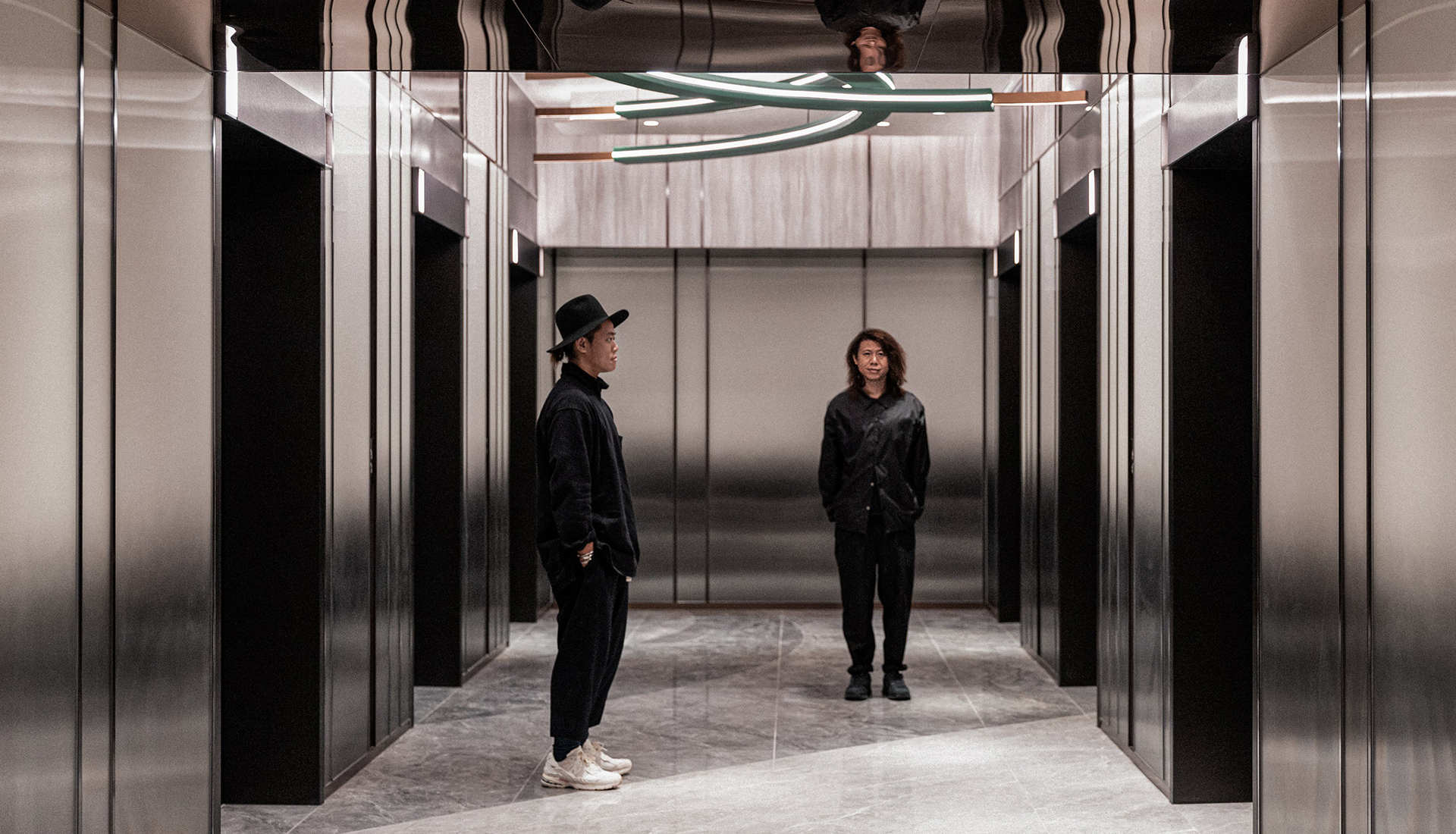
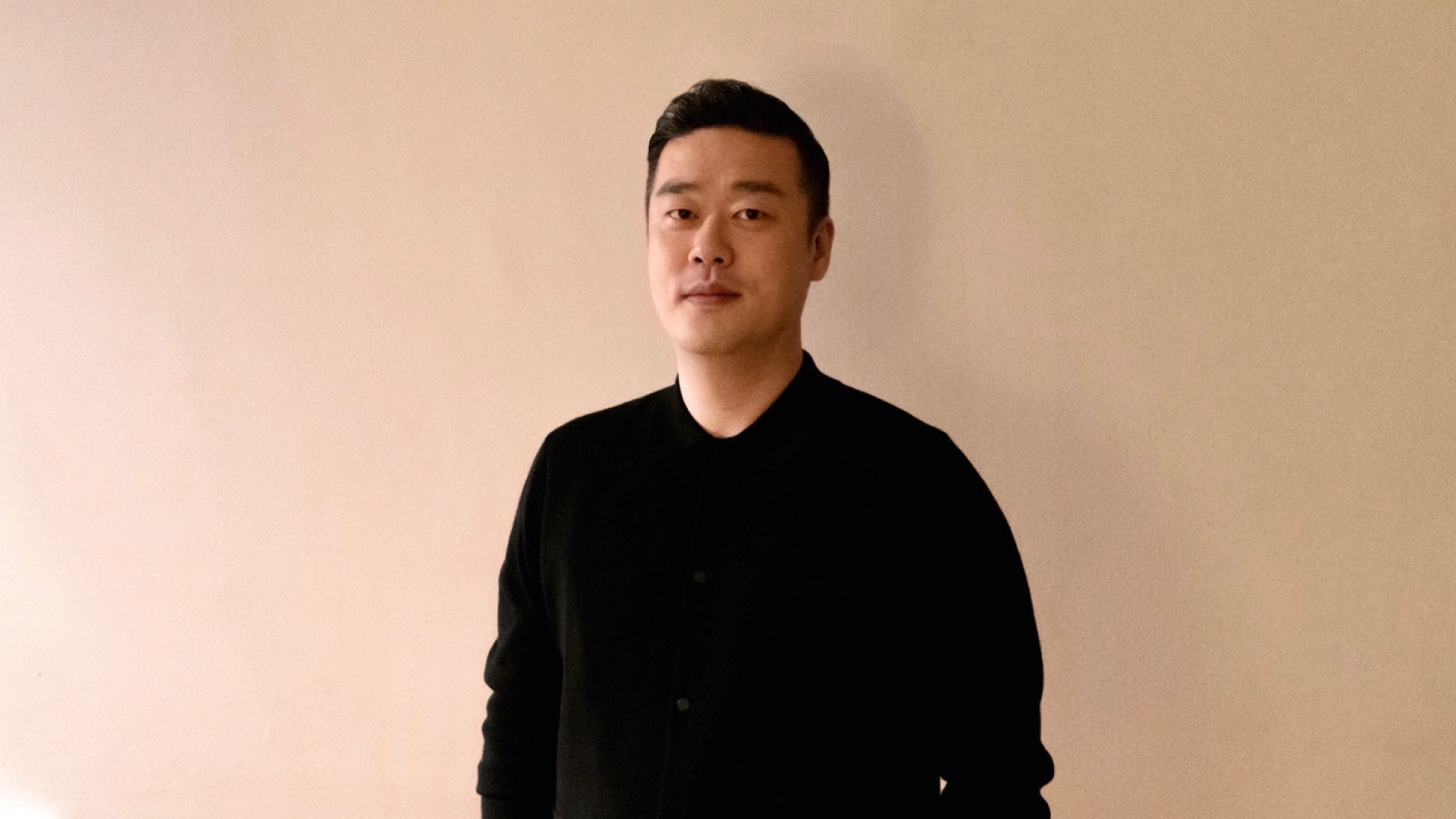
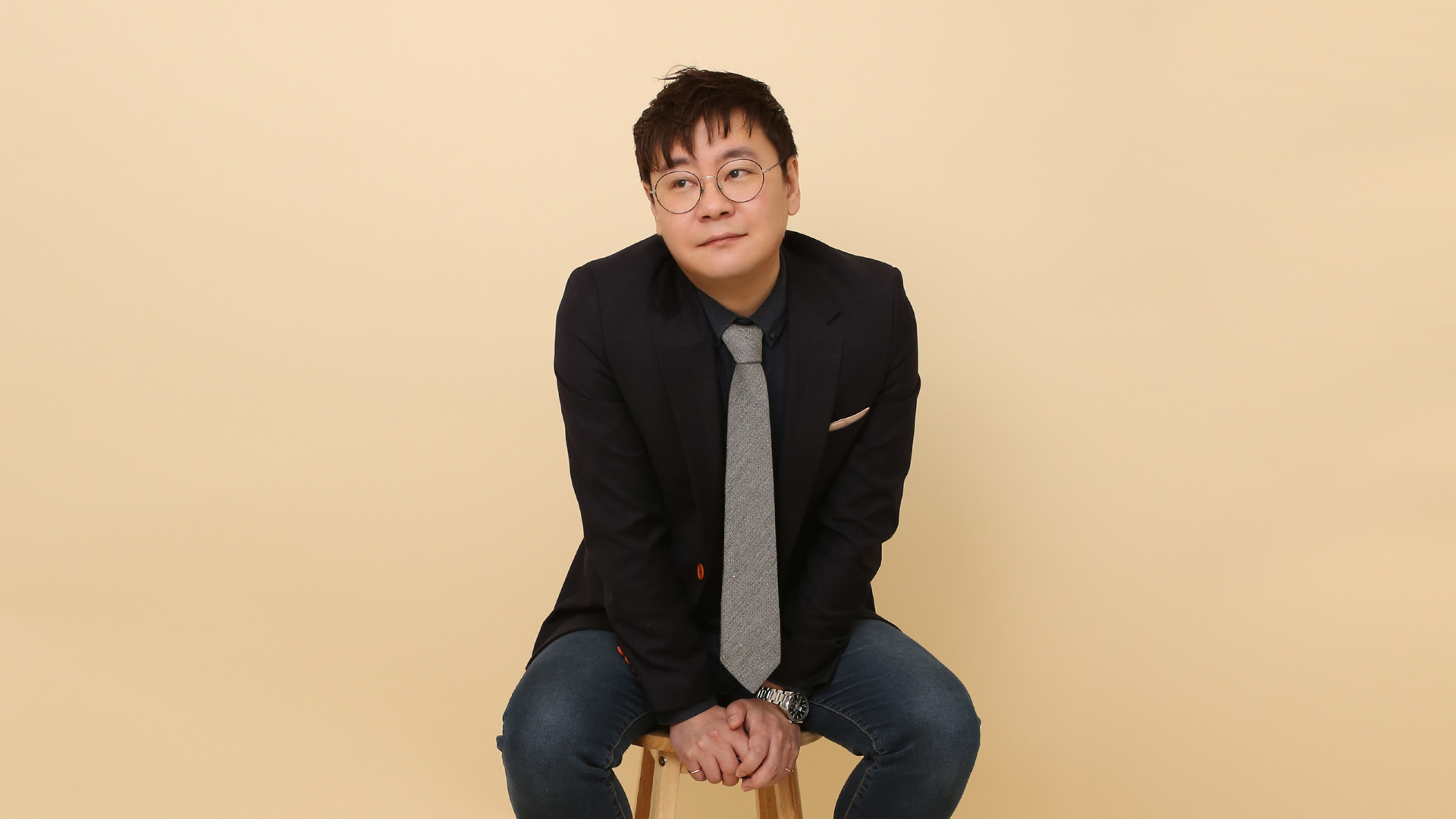
I’m Kris Tsao, Executive Creative Director at DDG. I’ve been working in the branding and design industry for nearly 20 years. Earlier in my career, I worked at advertising agencies in both the U.S. and Taiwan, where I was involved in creative development and design for numerous international brands. At DDG, I focus on creative direction, identity systems, spatial design, and brand strategy, leading our team through large-scale rebranding projects. DDG is a leading branding consultancy based in Taiwan. We provide comprehensive services that integrate brand strategy, design, communications, and marketing to help clients undergo transformative growth and achieve breakthrough business results. Our clients span across a wide range of industries including technology, healthcare, engineering, manufacturing, chemical, F&B, and service sectors—featuring industry leaders such as Delta, Pinkoi, Louisa Coffee, Chailease, Fubon, Cathay, AUO, Wowprime, and more.
Tell us about your most memorable achievement or experience.
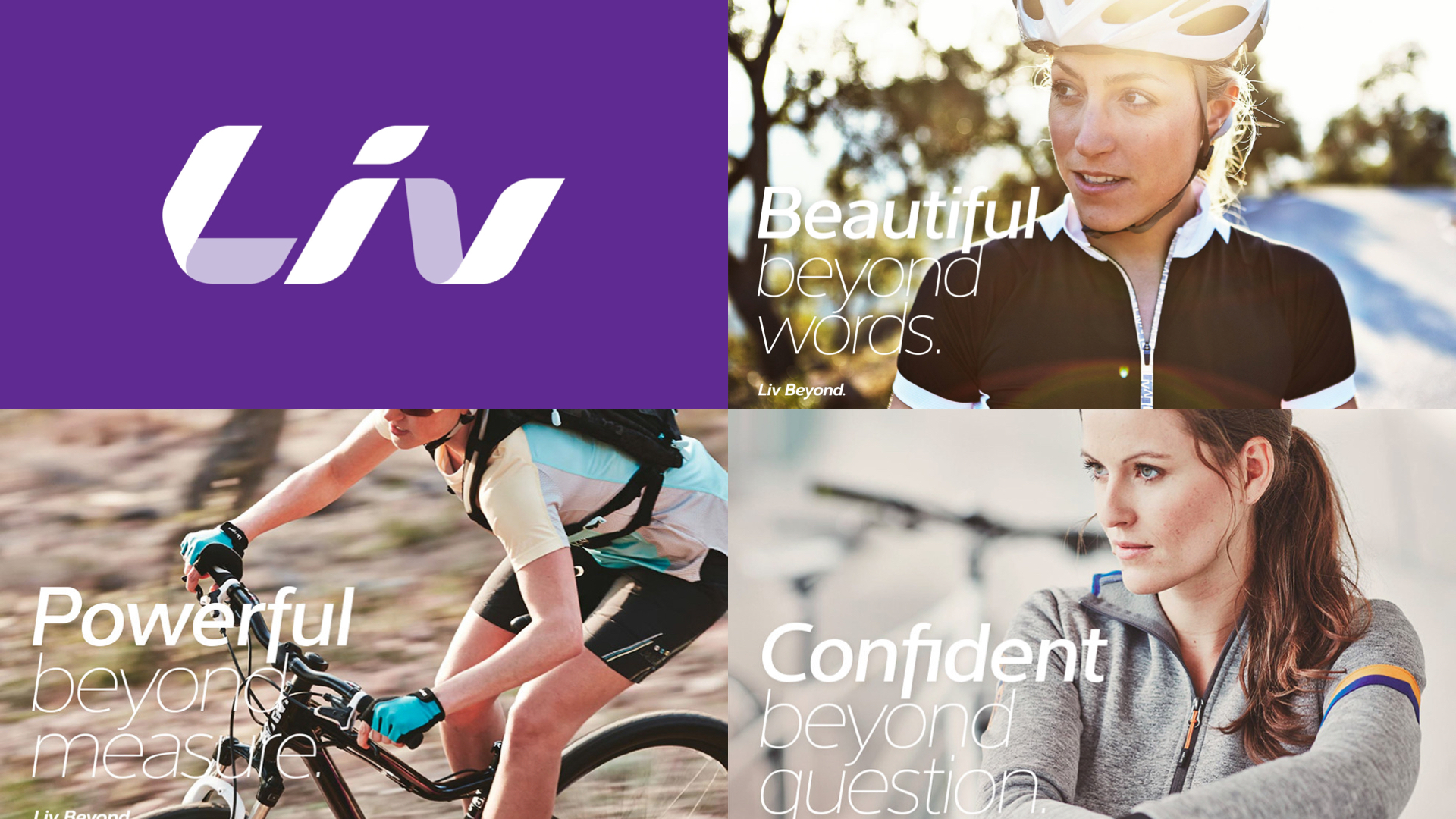
One of my most memorable projects was leading the rebranding of Liv, the world’s first female-specific bicycle brand under the Giant Group. Before our collaboration, the brand was marketed as Liv/giant for a year or two, but its performance fell short of expectations. The challenge was to create a global sports brand that would resonate with women from different cultural backgrounds—particularly in both Western and Asian markets. We needed to build a brand system that would inspire women everywhere to fall in love with cycling.
To achieve this, we conducted in-depth research across various markets to understand how women perceive the sport of cycling. Based on these insights, we developed a brand strategy centered around the idea of “empowering women through the joy of cycling.” Another key challenge was the visual development: we needed to create a brand image that balanced athleticism with femininity. To bring this to life, I partnered with a photography team in Germany and traveled to Europe to shoot a series of brand images that focused on the expressions and emotions of women while riding—rather than on the bike itself. This strategic and visual shift not only revitalized Liv’s presence in the global market but also gave the brand team a clear direction forward. Today, Liv is not just the world’s first female-specific bicycle brand—it is also the most successful.
Do you have a unique design process?
People are the foundation of design. Our clients—and their customers—are the real users and audience of our work. Understanding them deeply is the only way to develop meaningful creative solutions. I believe every individual and every company that has survived in the market has intrinsic value and uniqueness. The most important role of a designer is to uncover that value and express it effectively. While the internet and AI can now easily provide visual references, what truly matters is the designer’s taste and ability to transform ideas into compelling visuals. From the beginning, I strive to have close interactions with clients to understand the challenges their brand faces and to uncover that “unpolished diamond” within the organization. The goal is to turn this insight into a powerful design solution. That’s when design can genuinely add creative and business value. This process naturally involves a lot of thinking and discussion, but as long as the problem is defined correctly, we ensure the conversation stays focused on what truly matters.
Where do you get your design inspiration from?
Since I work in brand design, many of our clients are in the B2B sector—an area that is often less familiar to the general public. That’s why research during the early stages of a project becomes a crucial source of inspiration. At the beginning of each project, we invest significant time in interviews and fieldwork to understand the industry characteristics, market challenges, and even benchmark cases from related fields. Each project feels like a case study in business management, and only by building this contextual understanding can we deliver meaningful design.
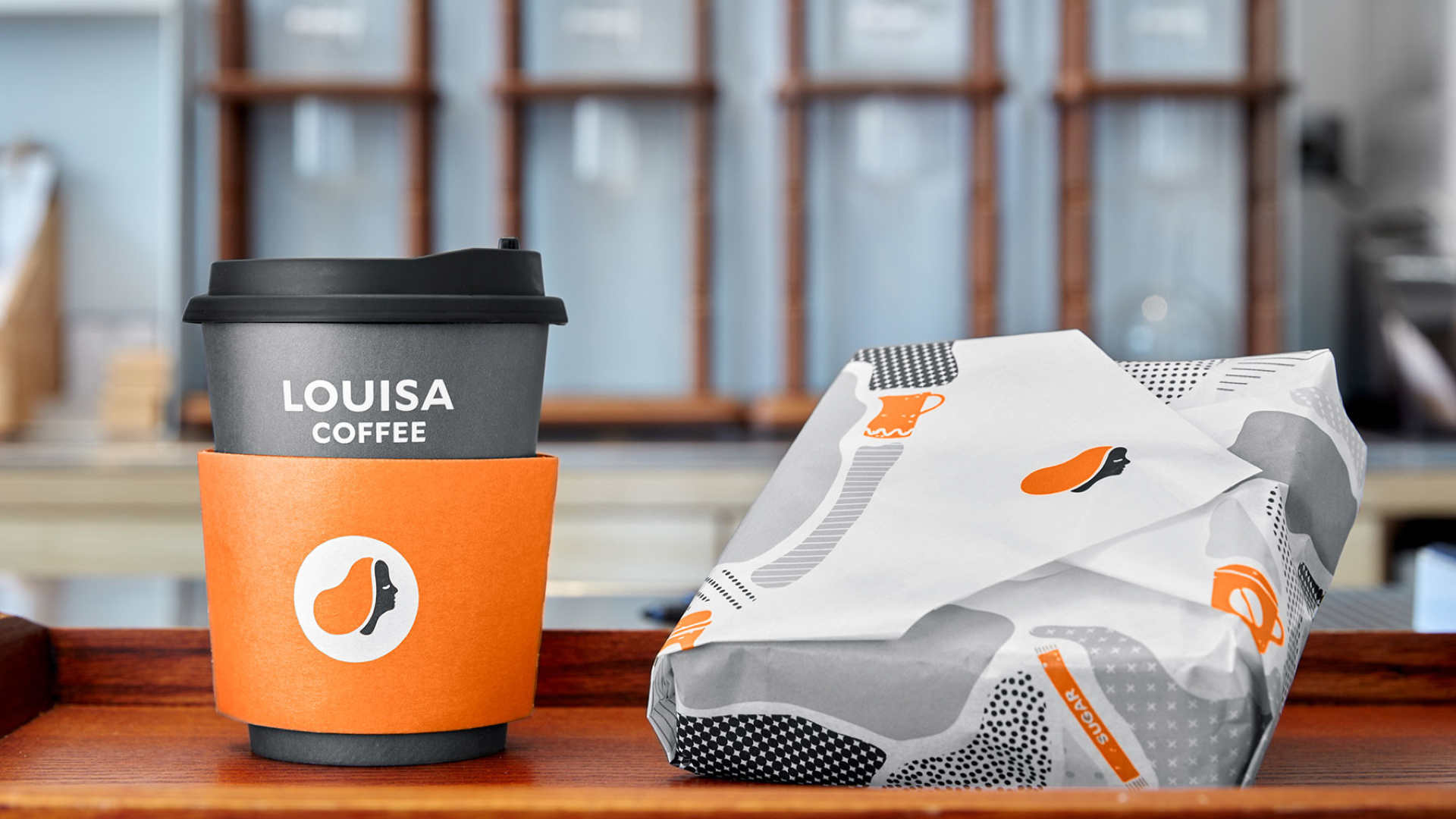
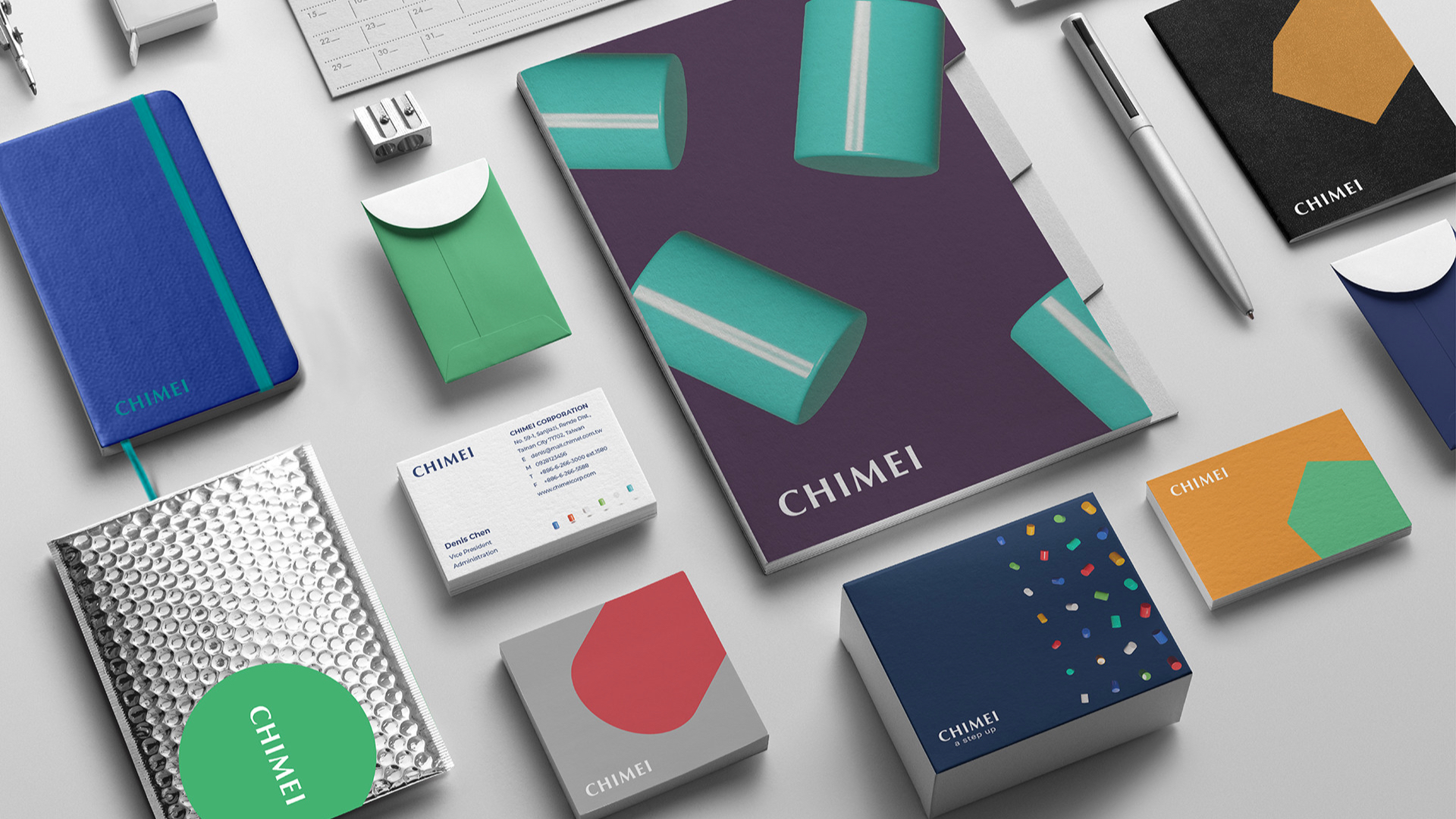
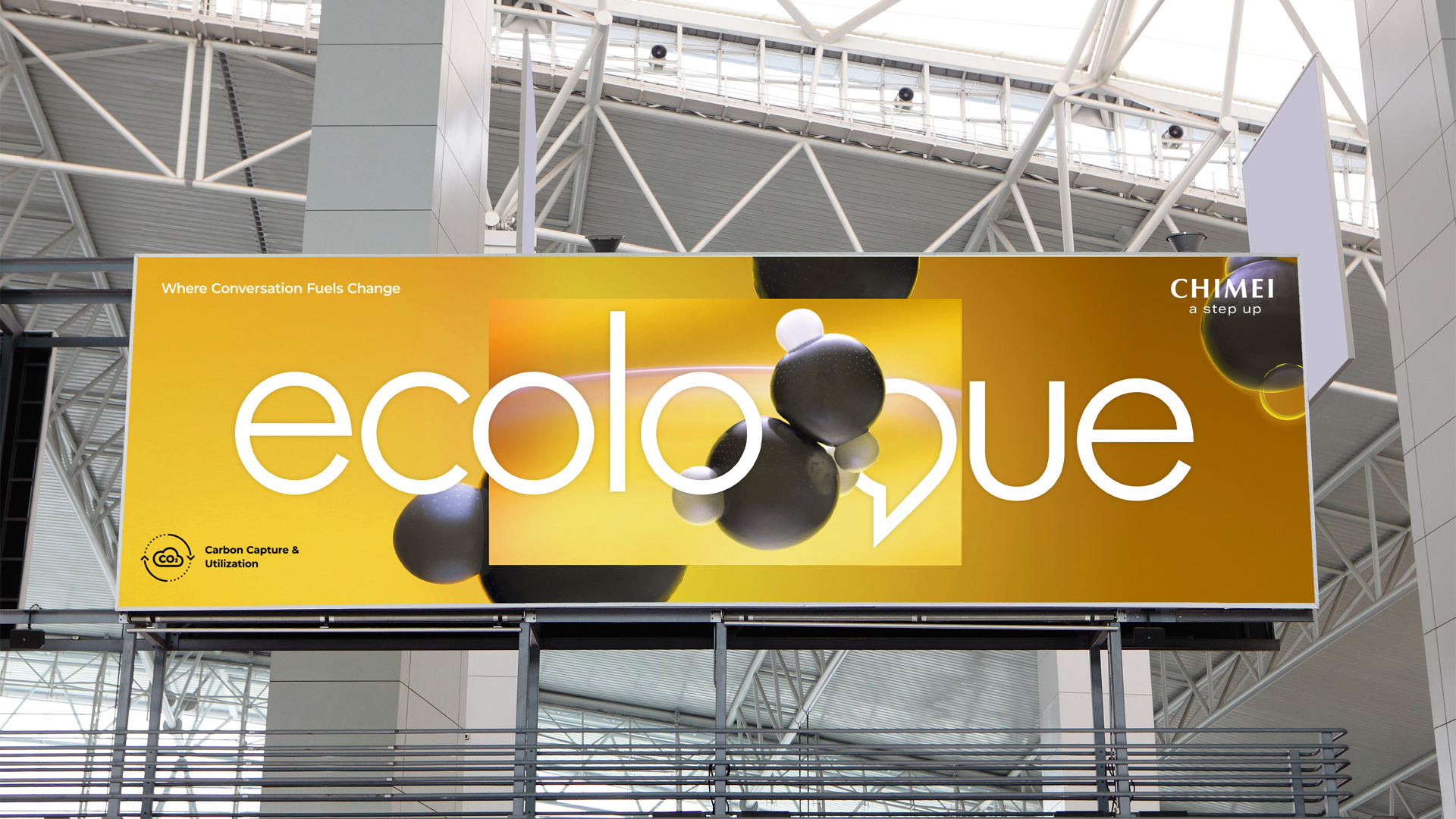
For example, when we worked on the rebranding of Louisa Coffee, we conducted extensive research on the third-wave coffee movement, breaking down its design language and cultural context. We then translated those insights into a brand system tailored to Louisa's goals in the premium coffee market in Taiwan. This process allowed us to develop a design solution that was both accurate and effective. Another case is our work for Chimei Corporation. The visual inspiration for the rebrand came from the product itself. Chimei emphasizes the features of its ABS materials—such as vibrant color, UV resistance, and environmental safety. This led us to the concept of "Performance Material = Material that Performs"—essentially, "let the material perform." This idea became the foundation for a dynamic and innovative visual identity system.
Have you noticed any changes in the design market during the course of your projects? If so, how has it evolved over time?
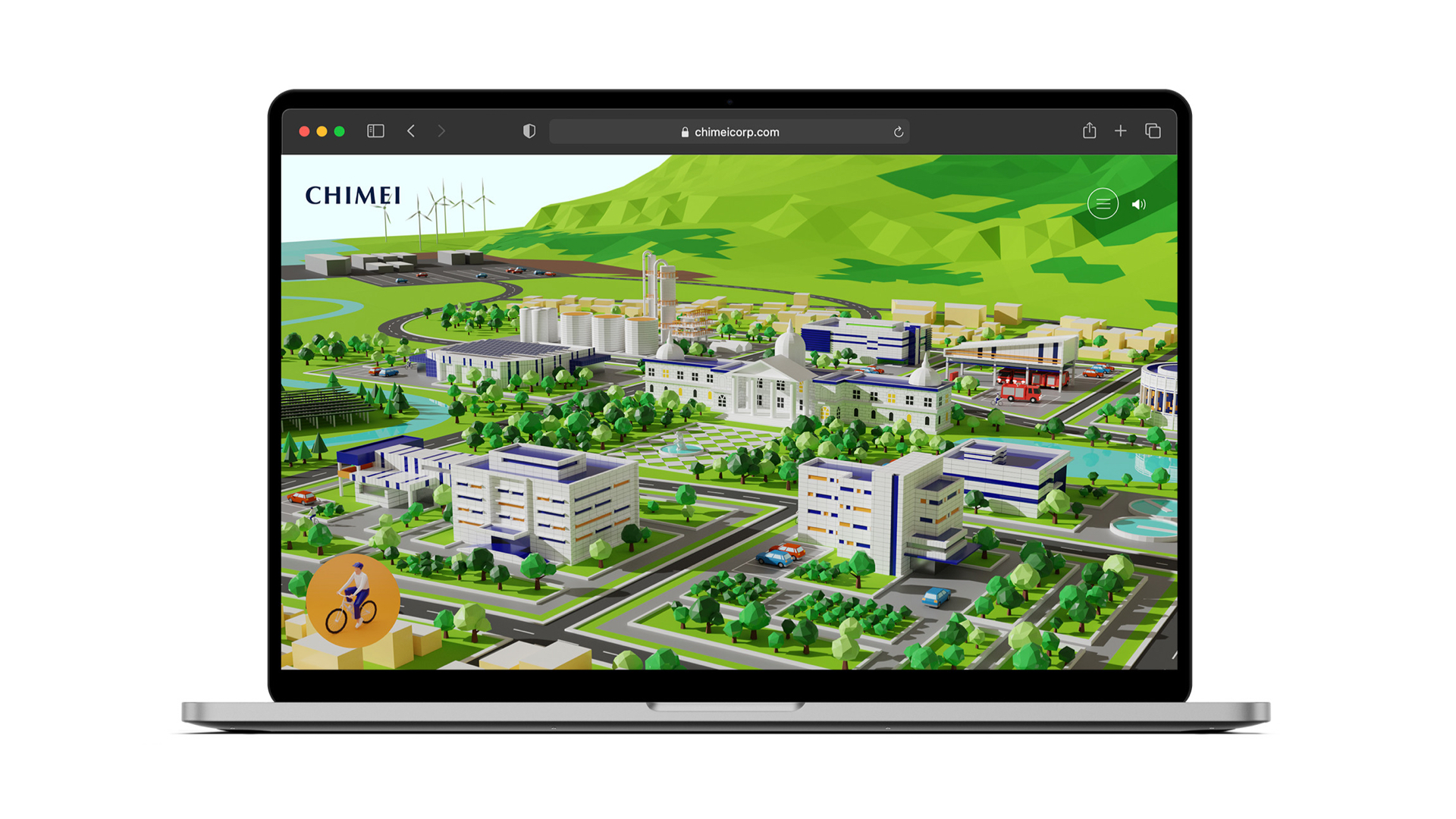
In recent years, there has been a clear shift in how much clients value branding and design. Thanks to the widespread use of social media, brand owners have come to realize that strong product specs and functionality alone are no longer enough. Enhancements in visual aesthetics, brand identity, and spatial experiences can significantly increase opportunities for brand exposure and social sharing. The COVID-19 pandemic further accelerated this shift. Many B2B companies began to understand that relying solely on traditional marketing channels—such as trade shows—was no longer sufficient. There was a growing need to leverage digital platforms more intelligently for brand communication. This gave DDG the opportunity to explore and take on new types of projects. For instance, in 2022, when our client Chimei Corporation was unable to attend international trade shows due to the pandemic, we developed an online exhibition for them.
Through an interactive 3D virtual campus, clients could explore Chimei’s concrete actions in innovation, sustainability, R&D, and corporate social responsibility. This initiative helped reshape Chimei’s image in the eyes of both customers and employees—as a forward-thinking, innovative company. It also boosted their confidence in pursuing international brand recognition. After pandemic restrictions were lifted in 2022, DDG supported Chimei in organizing a forum and roadshow at the K Fair in Germany, successfully attracting numerous potential customers and generating strong brand awareness and market opportunities in Europe.
As a designer, what is your core belief or ideal—and what is your vision for the future?
At DDG, we stand by a clear mission: “Unveil Greatness.”
In an era where everything is expected to "look good," the real challenge—and opportunity—is helping brands become something more: brands with ideals. I believe the role and value of a brand designer go far beyond creating attractive visuals. It’s about uncovering the deeper value within a company and inspiring clients to build brands that carry meaning, purpose, and ambition.














#14057, 905 49, Beolmal-ro 102beon-gil,
Dongan-gu, Anyang-si, Gyeonggi-do, Korea
Business Registration Number: 454-86-01044
Online Sales License No.: 2021-Anyang Dongan-1081
Copyright © DESIGNSORI Co., Ltd.