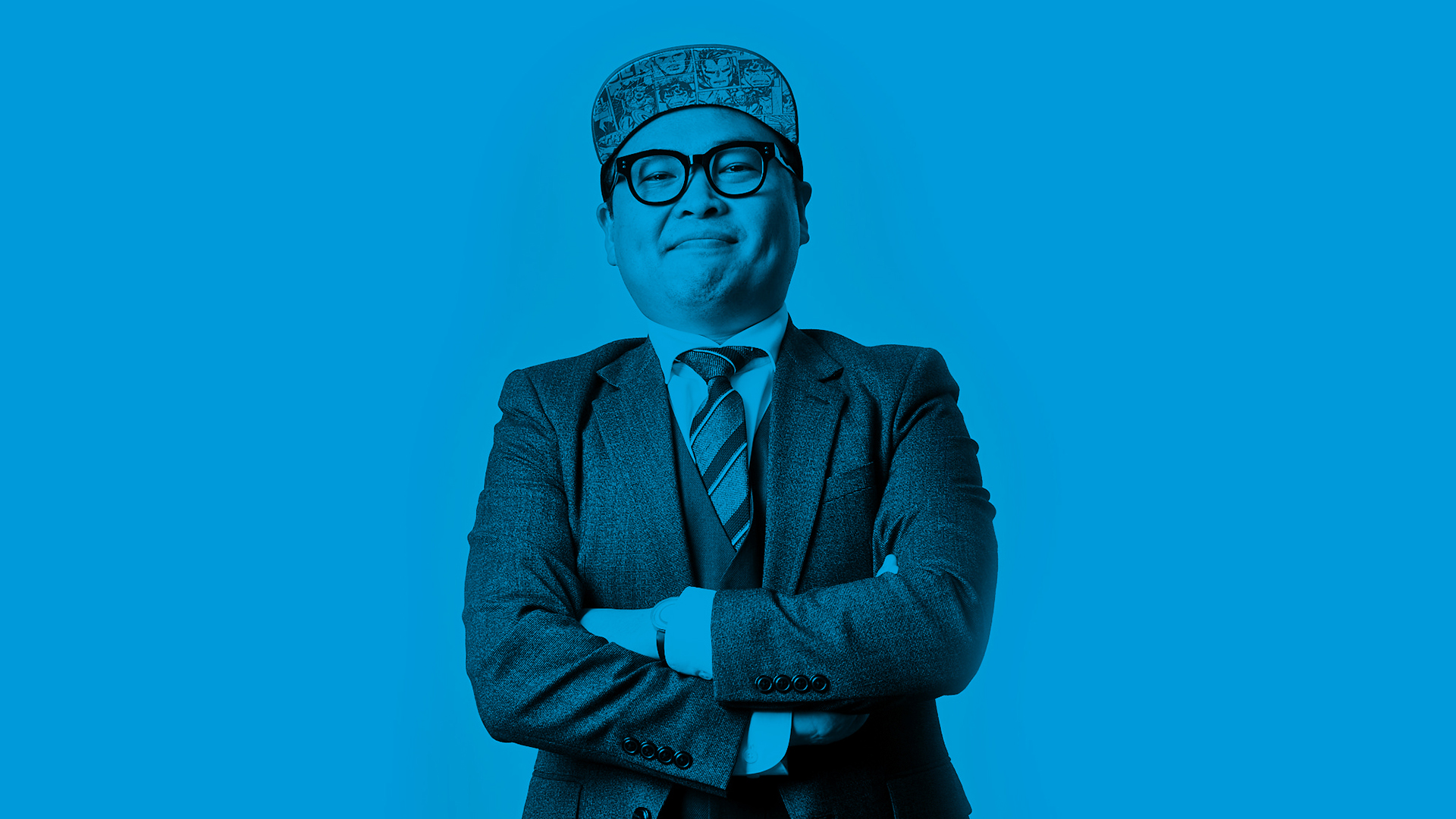
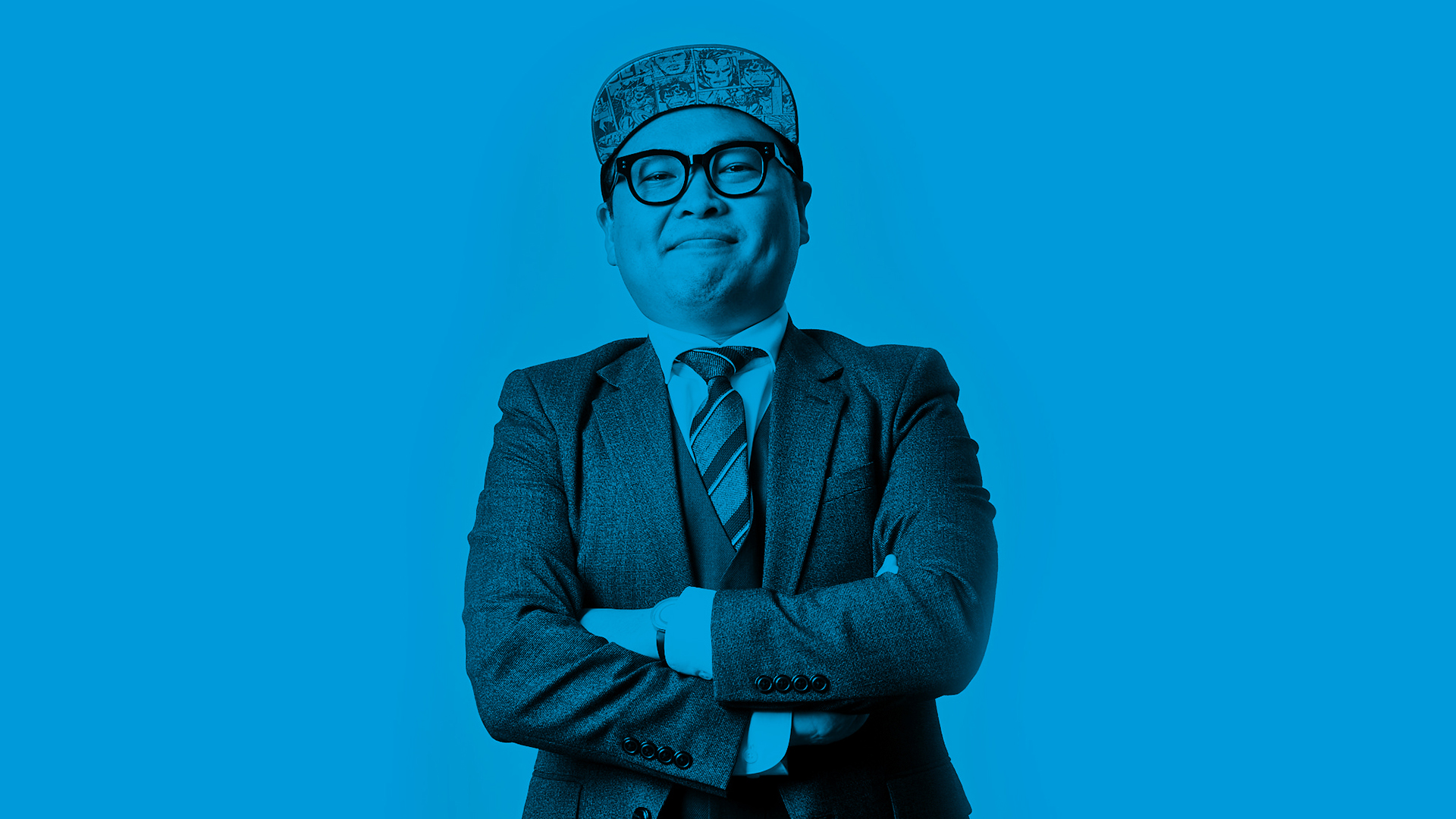
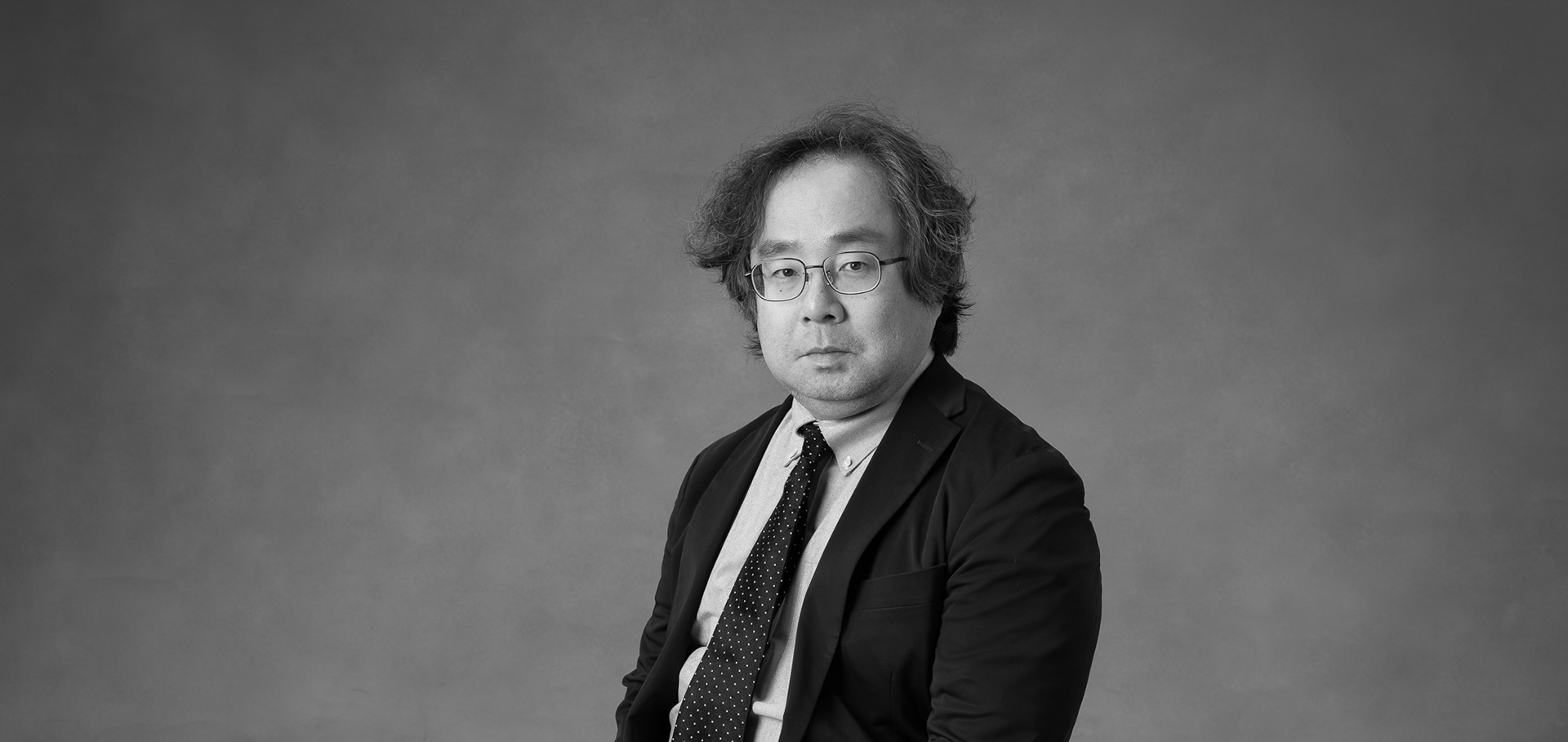
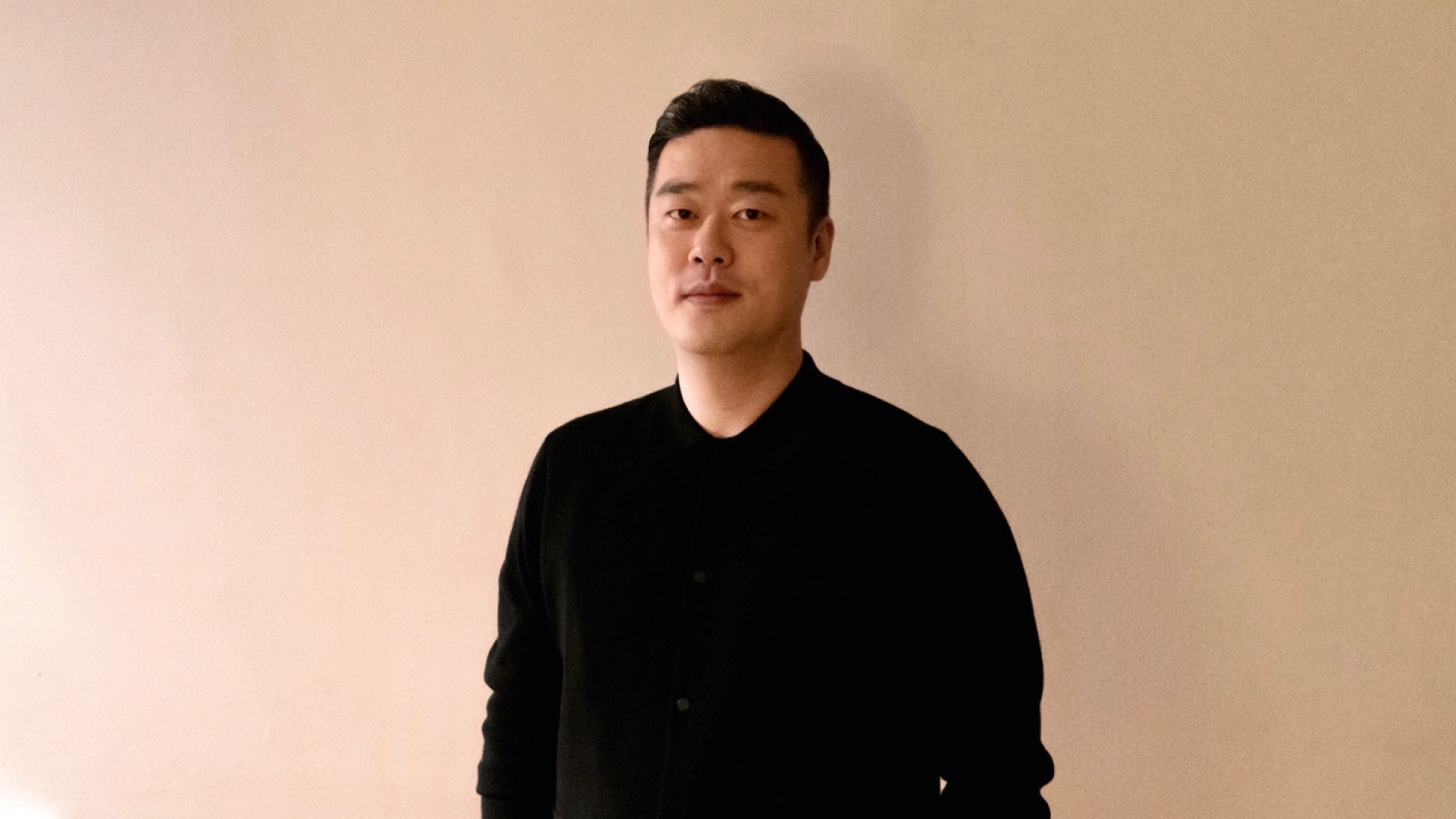
I'm Yoonsang Choi, CEO of Channel A B&C. I come from a practical background, having majored in Visual Design and Video Design. I began my career in 2004 as a designer at SBS Artec (now SBS A&T), where I gained hands-on experience in designing a wide range of content including entertainment, cultural programs, sports, and various events at SBS. In 2011, I transitioned to Channel A, a general programming TV channel under the Dong-A Media Group, in preparation for its launch. I worked across departments such as Program Planning, Production Planning, and Brand Strategy, serving as the lead designer and brand producer overseeing the channel’s network branding and content design. Since 2017, I’ve been working alongside our team as CEO of Channel A B&C. This company is responsible for planning, producing, and managing the visuals and post-production for all of Channel A’s media and platforms. We are a key creative partner not only for Channel A but also for major branding projects within the Dong-A Media Group, including those for the Dong-A Ilbo. More recently, we have been actively expanding and taking on new challenges in the broader public market.
Please introduce one of Channel A B&C’s signature projects.
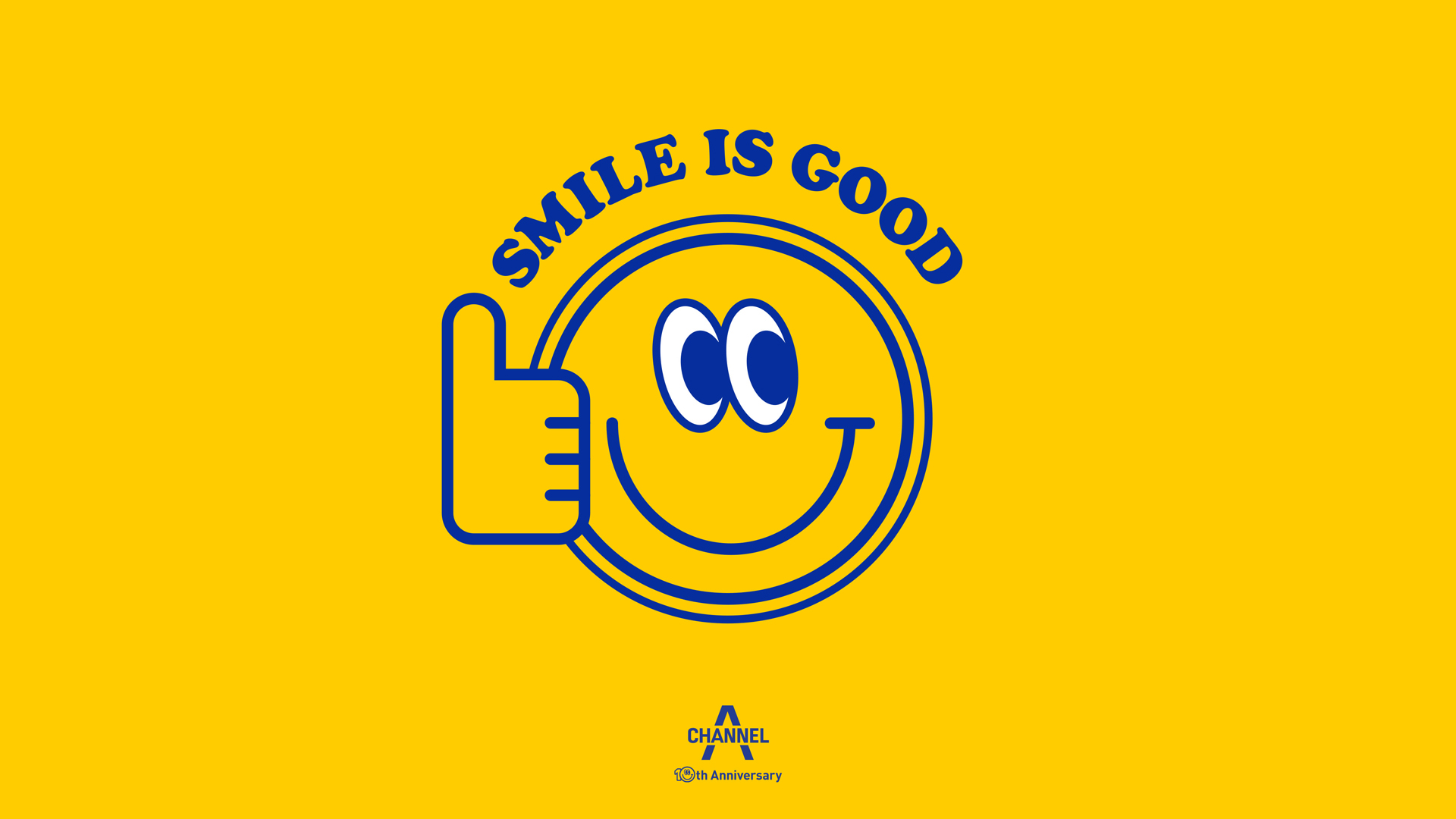
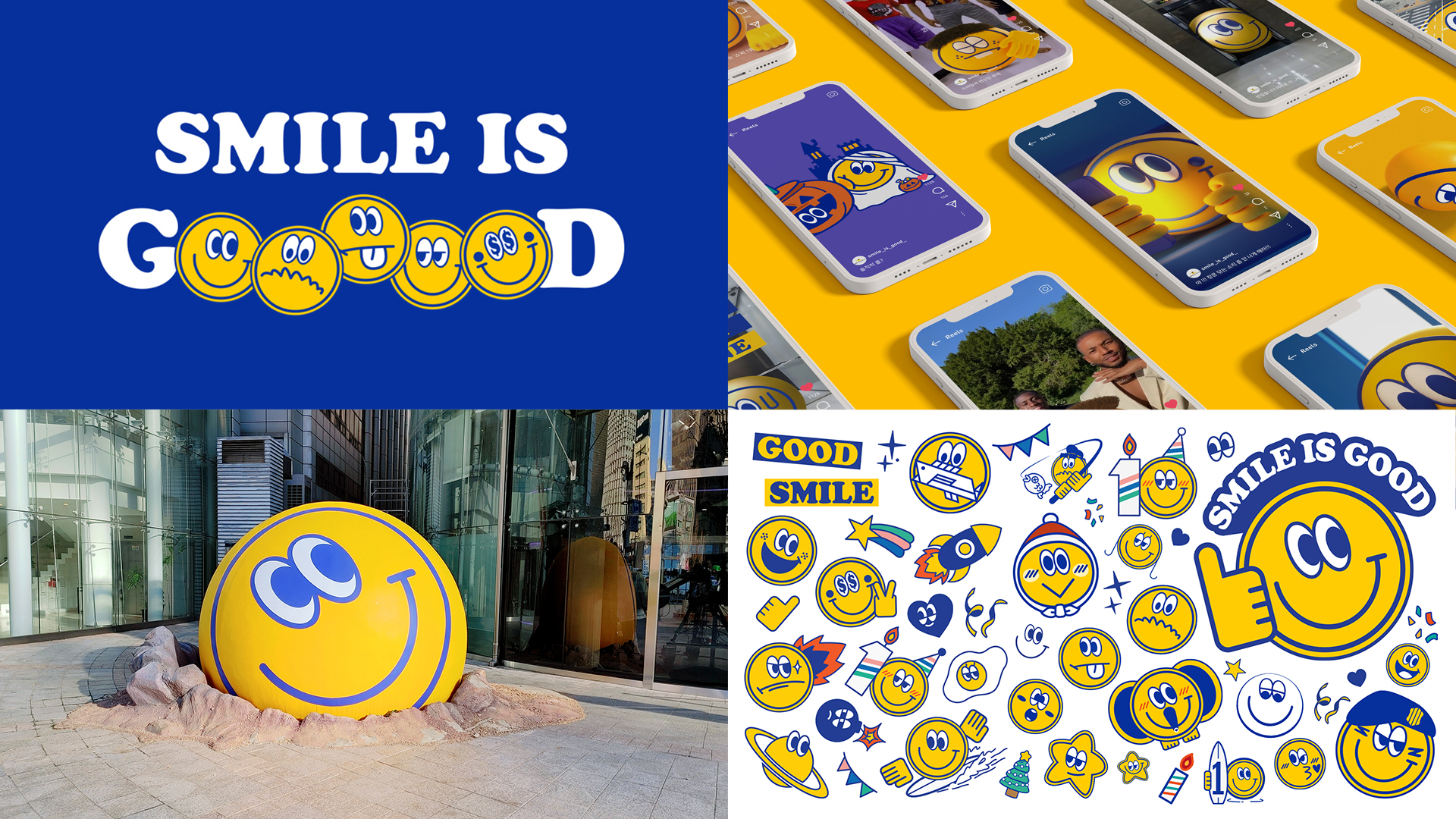
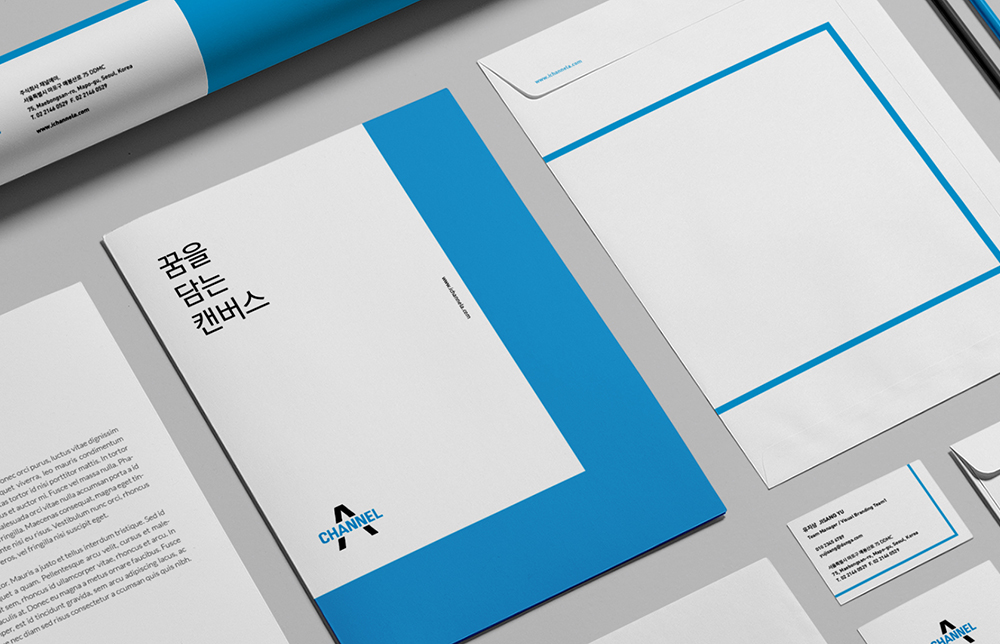
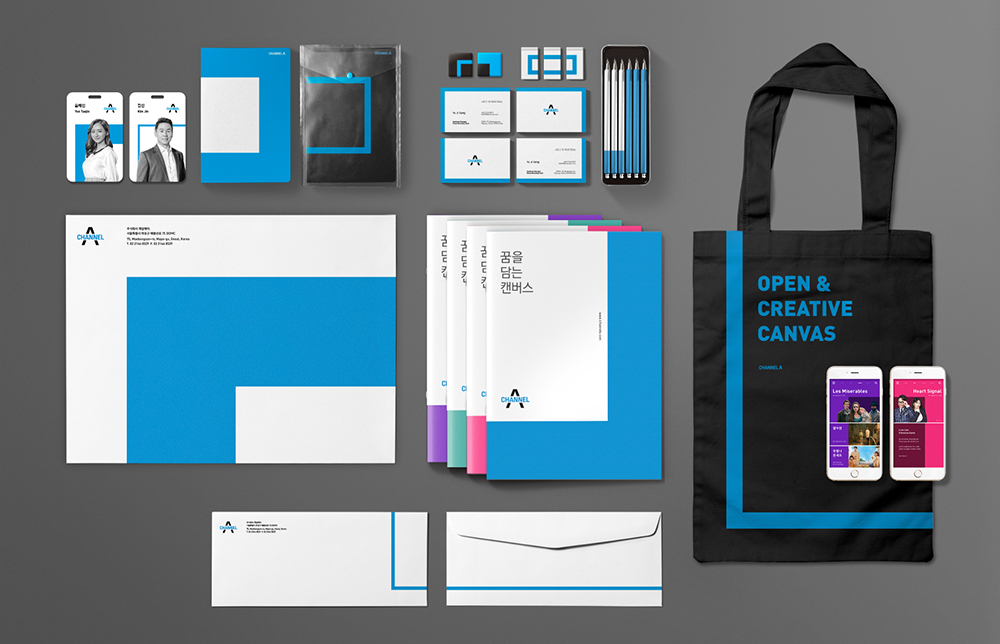
<Smile is Good>, the Gold Winner of the 2022 K-Design Award, was an integrated project commemorating the 10th anniversary of Channel A’s founding. In 2021, during the ongoing COVID-19 pandemic, we at Channel A deeply considered how to meaningfully connect with our viewers on this milestone. Rather than taking the typical approach of saying, “We’ve been with viewers for 10 years through various content and will continue doing our best,” we aimed to communicate our message in a more special way. With a sincere wish for our viewers to smile even behind their masks during these difficult times, we developed a “Smile Universe” and deployed it across various media and platforms—large-scale installations, television broadcasts, social media, a web drama, website, offline events, and branded goods. It was a fun yet meaningful branding project.
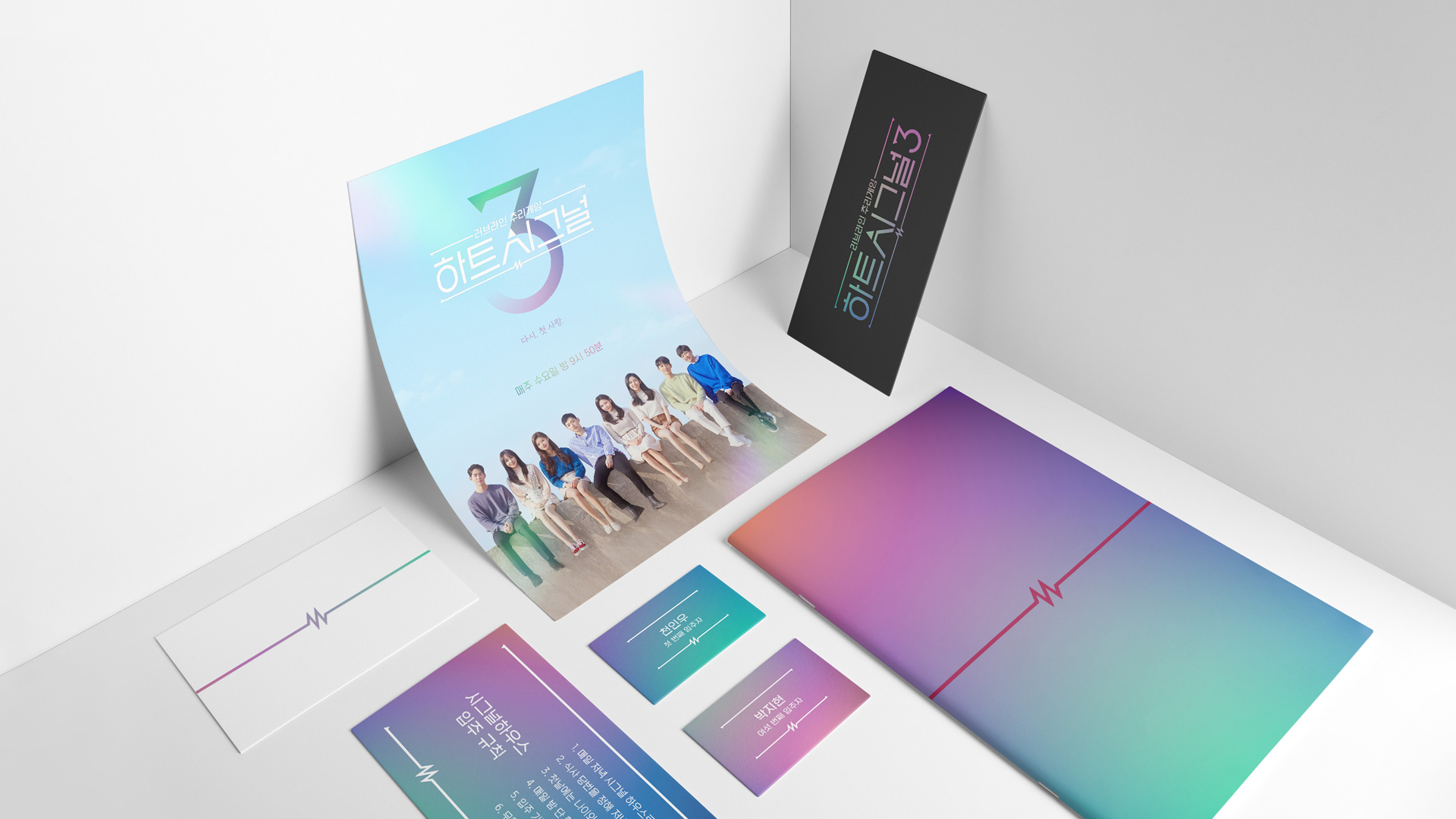
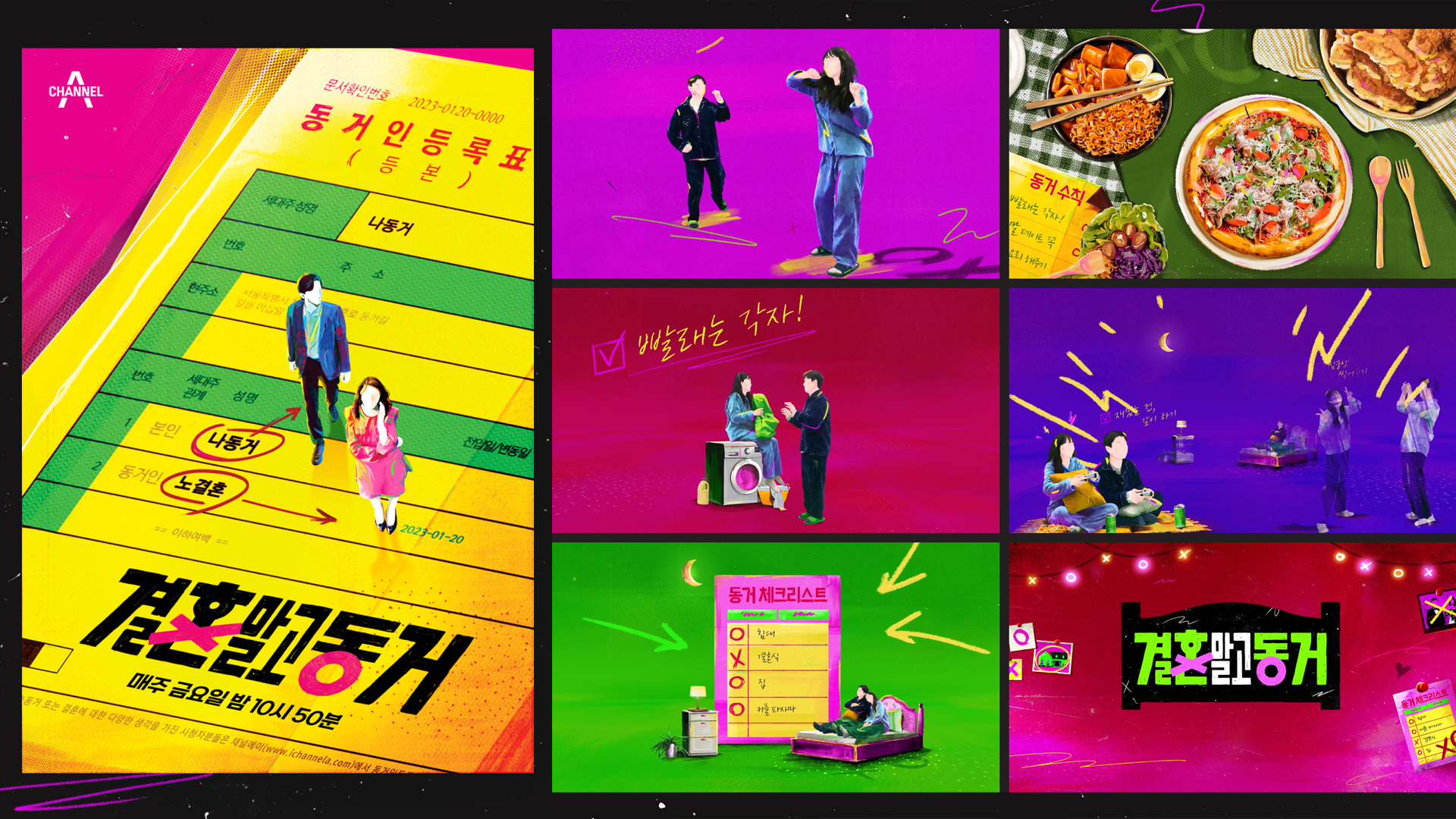
In addition, our Channel A content such as Heart Signal and Not Marriage, But Cohabitation also achieved strong recognition at the K-Design Award. We conducted in-depth analyses of each show's genre characteristics and collaborated closely with the production teams to design clear and distinctive visual systems. In particular, Heart Signal has become a major reference for many dating reality shows, and we are proud that Channel A B&C helped set a new standard in the industry.

What is “Design Management”?
There are many definitions of “design management,” but in my view, design is ultimately a matter of trust. This is because design, by nature, is a field that involves clients. When a client repeatedly believes and becomes certain that “this designer” or “this design team” produces great work—that is what makes a good designer or a good design organization. Design management is also an activity rooted in trust, where we offer our products and services and generate revenue. Trust is built through relationships formed over a long period of time. It requires both physical time and consistent communication. At Channel A B&C, we communicate with many producers and teams while developing our design work. For instance, the “sparkly” aesthetic that Producer A refers to might be completely different from what Producer B imagines. A designer who already understands each stakeholder’s personality, style, and language is far more efficient and likely to produce higher-quality results. This is, I believe, why companies should have in-house design teams.
Creating a design that pleases everyone and is universally acclaimed is difficult and rare. Design should strive for broadly agreeable outcomes, but beyond quality and skill, trust with the client is paramount. Most clients don’t have the same level of expertise as designers and may struggle to make the right choices based only on feelings or preferences. That’s when trust becomes critical. There are countless cases where we’ve achieved great results by guiding clients to make the right decisions through careful persuasion. Whenever we win awards like the K-Design Award, I always thank our clients:
“Thanks to your decision to choose good design, we were able to achieve this great result. We’re truly grateful.”
Great design is ultimately born from good decisions. I believe that if every member of an organization consistently builds trust with clients, the organization will gain unmatched competitive strength. The stronger the trust, the more likely we’ll see growth in measurable business performance, such as sales and profits. Channel A B&C is a company that “sells trust” through design and post-production. Design, branding, and business management are more interconnected than people realize. Like management, design requires good planning, arrangement, and execution. It's about building a system where all processes are well-managed, efficient, and result in high performance. Through this approach, we continue to strengthen our capabilities by sharing and connecting the knowledge and insights gained through diverse project experiences. This is the essence of design management as I define and pursue it.
What is the most challenging part of being a manager?
Like many other managers, the most difficult part for me is people. I feel every day that “people are everything” when it comes to running an organization. In particular, designers and those in technical fields often possess strong individual personalities due to their functional expertise. This means that emotional management within the team is directly linked to the quality of a project. I believe that managing team members’ emotions is an incredibly important yet challenging mission for leaders—including myself. Fortunately, I’m proud to say that Channel A B&C is home to many excellent leaders. But great leaders can only exist when they are surrounded by team members who demonstrate great followership. Personally, I believe that three people with a capability level of 3 can create not just 9, but 10, 11, or even more—surpassing what a single star player with a skill level of 10 could do alone. This is because growth happens through the process of working together.
One of the most important elements of design—creativity—is something that emerges when diverse thoughts and abilities come together, reshaped and recombined to break the mold. At Channel A B&C, we believe that the synergy between our work quality and individual growth is the true source of innovation. When producing the main title for a piece of content, outsourcing the work to a top-tier motion graphics studio can certainly yield a high-quality result. However, what in-house designers uniquely possess is a powerful sense of “ours.” Because it’s our content, they care more deeply, think more intensely, communicate more thoroughly, and give their absolute best.
It’s not just about the budget or the value of a portfolio piece—what gets infused into the work is the mindset of “this is ours.” That’s one of the key reasons for having a dedicated design team within the company. And it’s okay if the result isn’t perfect right now. As long as the effort and intensity were truly there during the process, that alone guarantees growth for the next project. For a designer, the anticipation of what comes next is a powerful source of energy and excitement.
Is there a recent design or management trend that has caught your attention?
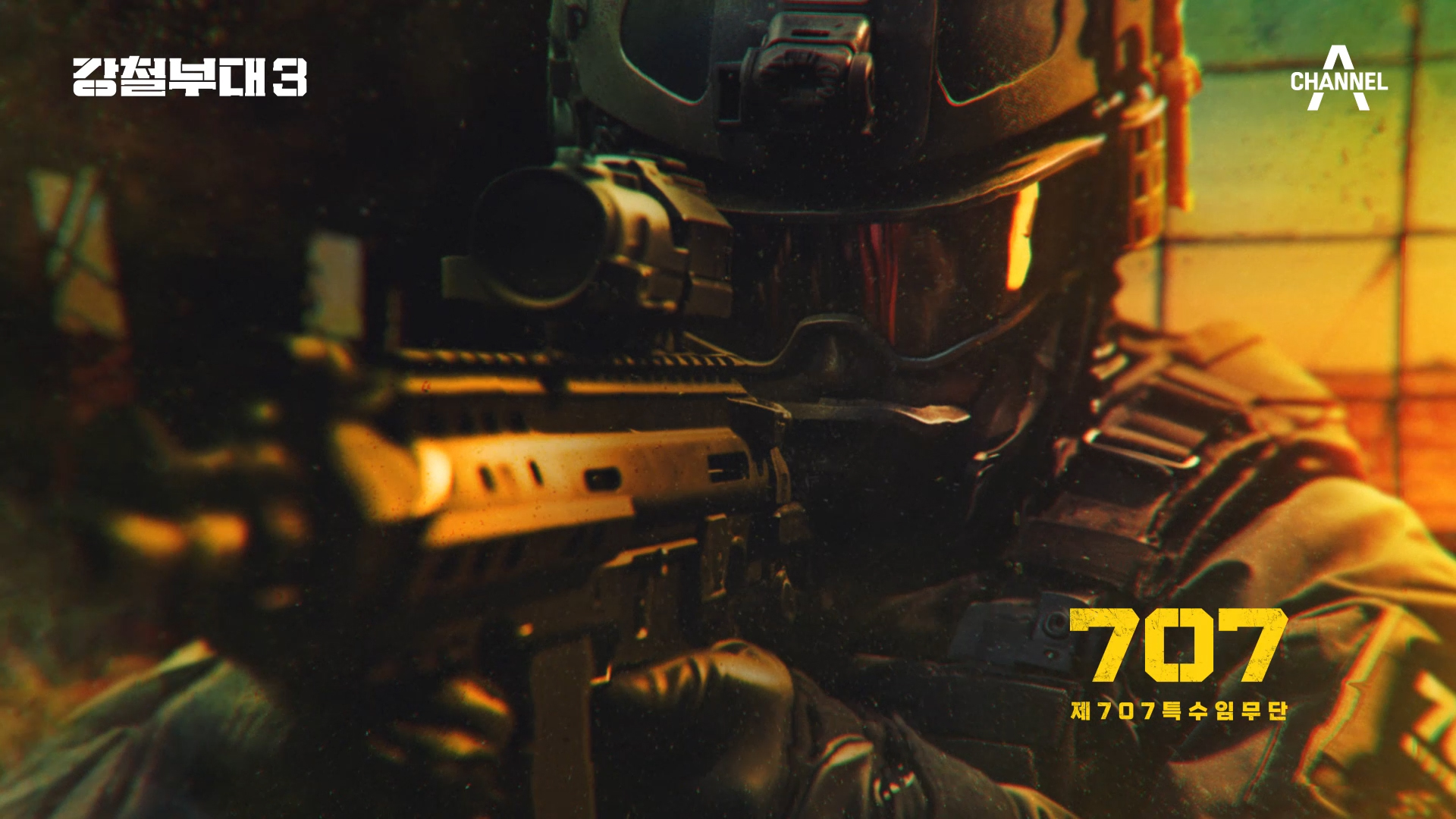
I believe the most notable trend in design today is that “design trends” themselves are disappearing. As thought and taste become increasingly segmented, hyper-personalized, and average preferences fade, design is naturally adapting to this reality. This is actually a welcome development—because rather than blindly following fads, we can now focus more on purpose, which is the essence of design. Content design is also evolving to match individual preferences. In a world of countless pieces of content on OTT platforms and social media screaming “please watch me,” the thumbnail has become a critical design element for attracting attention. For short-form content recommended via algorithms, the ability to be visually recognized within seconds is crucial. Whether on Netflix, YouTube Shorts, TV, or a bus stop screen, if the viewer can quickly say, “Ah! That’s ‘Steel Troops,’” then the content has won the first battle. That’s why clear, differentiated design that suits the nature of the content—and communicates consistently across platforms—is now more important than ever.
In terms of management, I believe the key trend is “organizational culture.” This will continue to be a vital core of effective leadership. More than the intensity of work or the size of compensation, what increasingly determines whether someone stays at a company is: who they work with and whether the company’s values and ways of operating align with their own. When the “basic assumptions” about expected behavior and attitudes are shared—not because they’re in a manual, but because they’re simply seen as the right thing to do—organizational culture can truly grow. These assumptions are built through process: through internal and external challenges, how problems are solved, the joy of achievements, and examples of teamwork leading to results. As these shared experiences accumulate, so do shared values, which eventually form a strong organizational culture.
A good culture allows companies to retain and attract great talent. And the more great people you have, the more a company can grow. Ultimately, culture doesn’t just create a positive atmosphere and psychological safety—it directly impacts performance. That’s why it’s at the heart of successful management.

How will AI impact content production in broadcasting?
AI—particularly generative AI—has already begun making its mark on broadcast content production. At Channel A B&C, we are actively learning about and testing generative AI tools. A good example of this is our use of Midjourney to produce teaser visuals for “Steel Troops 3” last year. While it's still difficult to use AI-generated designs as-is, they have proven to be extremely effective as foundational sources. These tools significantly reduce the physical time required from designers and provide clearer visual blueprints for final outputs. As such, we expect to use them more broadly across our content design workflows.
There’s no need to worry about AI replacing jobs in the content industry. When video production shifted from tape to digital formats in the past, many people feared job loss. But the reality was quite the opposite—digitalization actually increased the demand for talent. Why? Because productions that previously used 5 cameras began using 60 to 100. Editing became more sophisticated, requiring precise pacing and emotional resonance. Post-production requests multiplied, and higher-quality outputs were expected.
The shift to digital required more skilled professionals, not fewer. In other words, valuable roles became more advanced. Since content is an industry of tremendous value, it will continue to become more sophisticated. AI is expected to follow a similar trajectory—not replacing people, but transforming and elevating workflows. It’s clear that AI will have a huge impact on broadcasting and content creation. It will revolutionize many stages of the production process. As technology continues to advance, so too will the complexity and professionalism of content production.
Channel A B&C: Future Business Direction and Vision
Since 2017, Channel A B&C has grown steadily and honorably, earning strong recognition within the Dong-A Media Group for our work in broadcast content design and post-production. I firmly believe that this achievement is the result of the collective efforts of every current and former team member. I define “work” as a journey to discover oneself—where passion and creativity generate value, and one is fairly recognized and genuinely happy. That’s why my management philosophy is centered around ensuring this journey is joyful and fulfilling for every team member. Of course, achieving this also requires financial success—so revenue and operating profit remain important goals.
Looking ahead, Channel A B&C will continue to grow as a trusted organization with a strong creative portfolio and a healthy internal culture. In particular, beginning this year, we are actively expanding our services into the open market, building on the trust and capabilities we’ve cultivated so far. Our goal is to become a more comprehensive and multidimensional company. We are eager to take on any challenge where branding and creativity are needed. After all, “Branding & Creative” is not only our mission—it’s also embedded in our company name and vision.













#14057, 905 49, Beolmal-ro 102beon-gil,
Dongan-gu, Anyang-si, Gyeonggi-do, Korea
Business Registration Number: 454-86-01044
Online Sales License No.: 2021-Anyang Dongan-1081
Copyright © DESIGNSORI Co., Ltd.