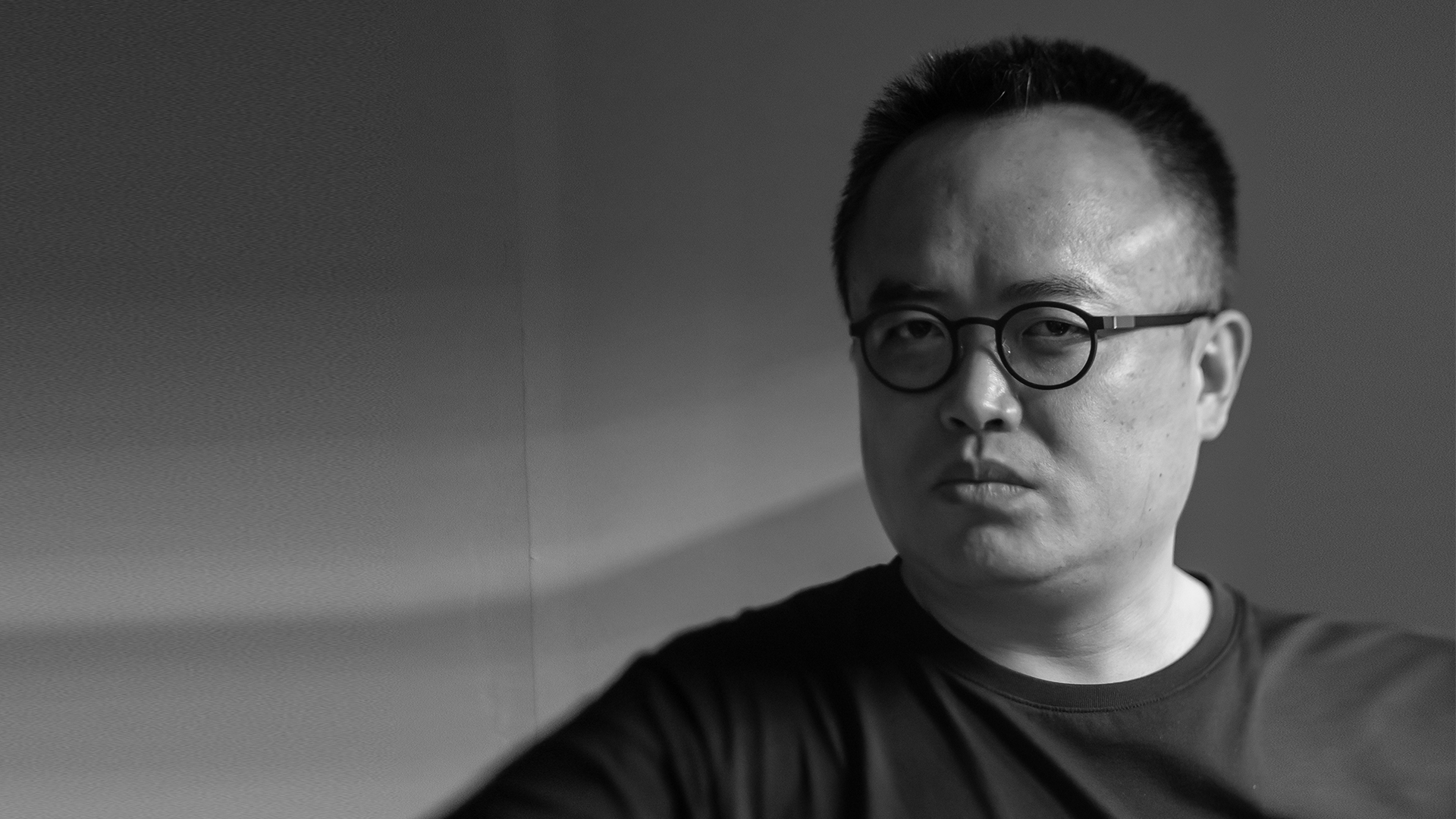
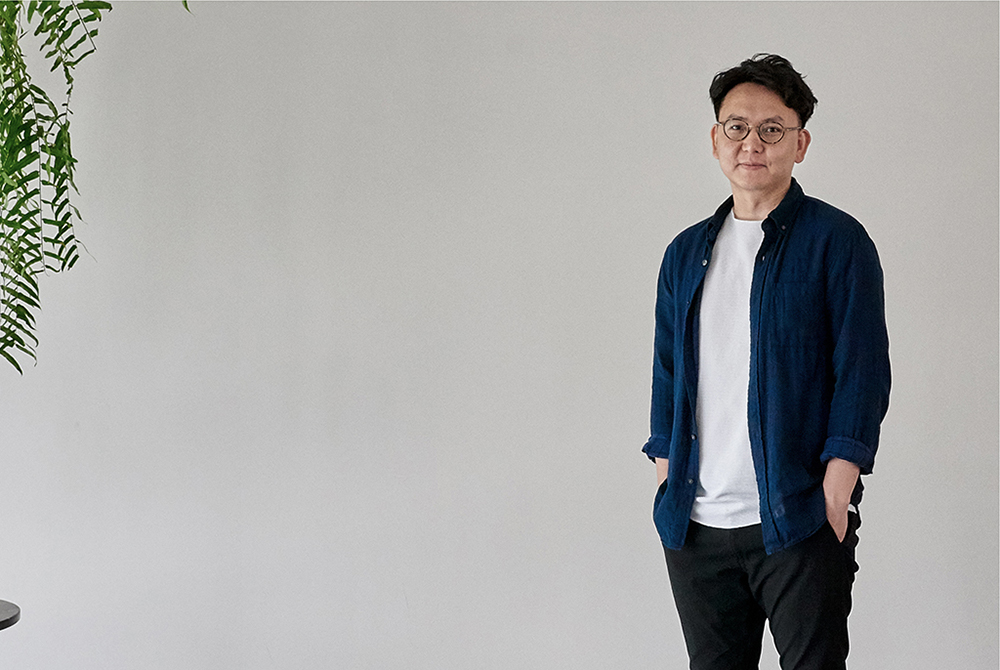
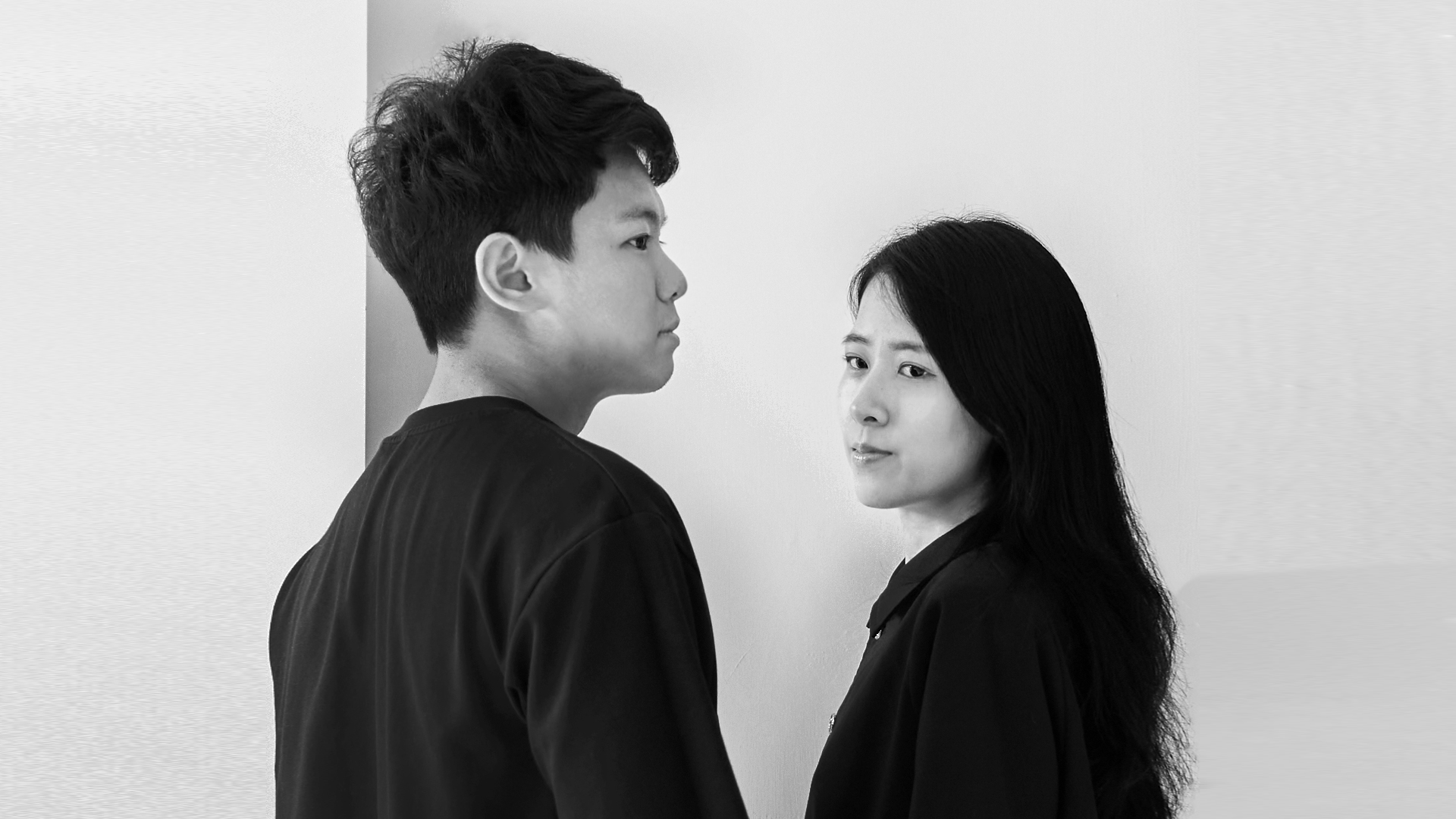
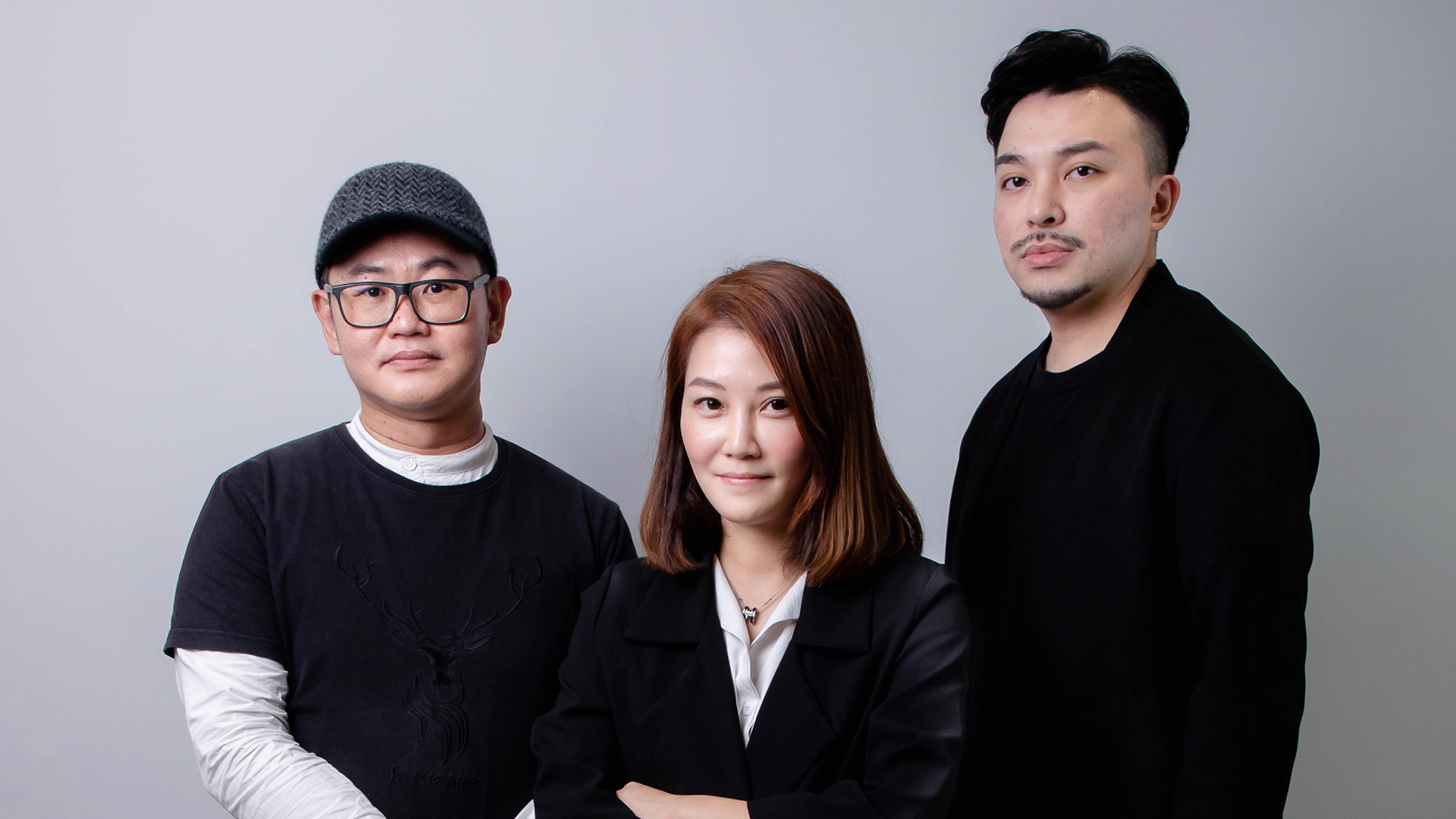
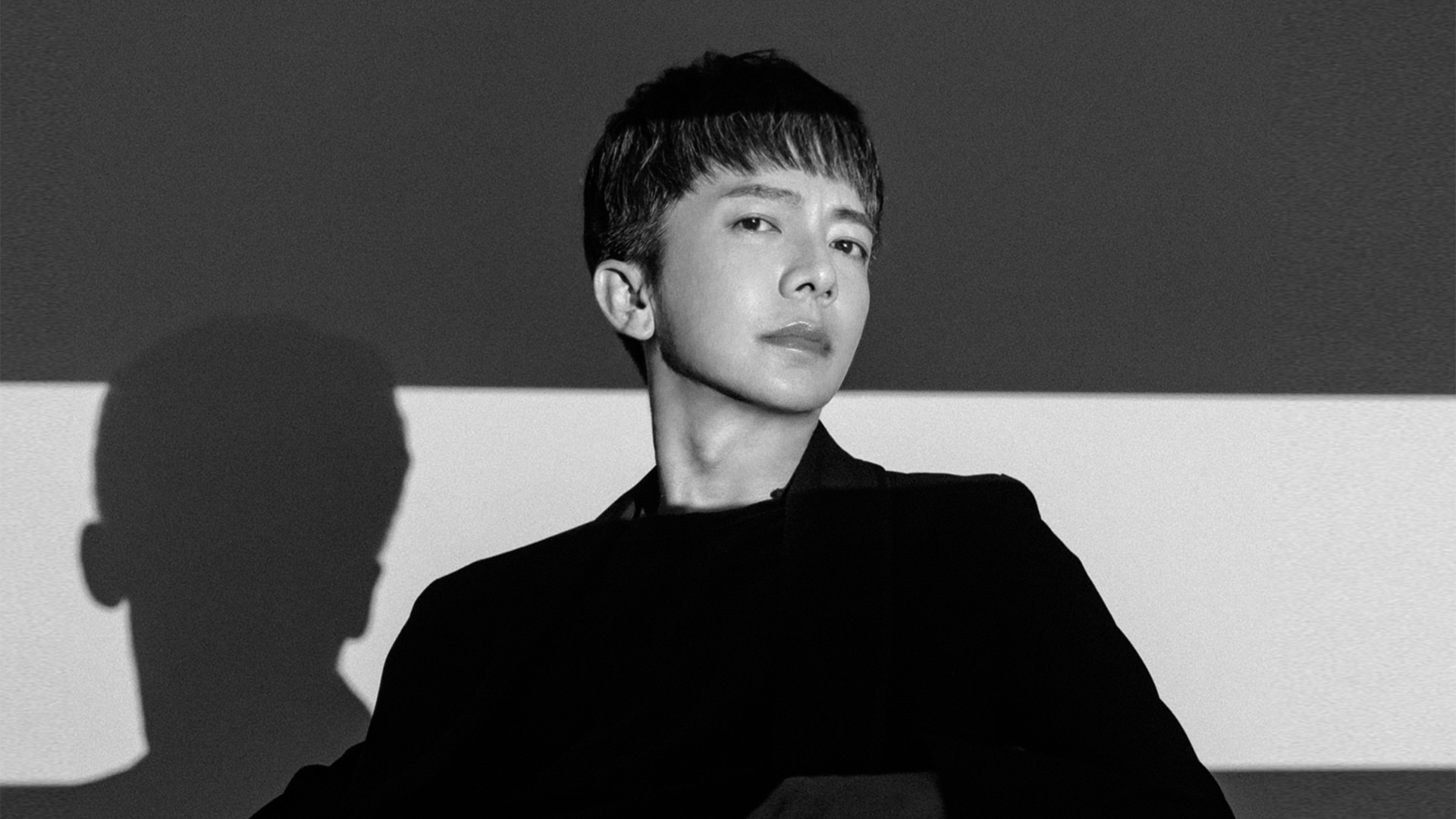
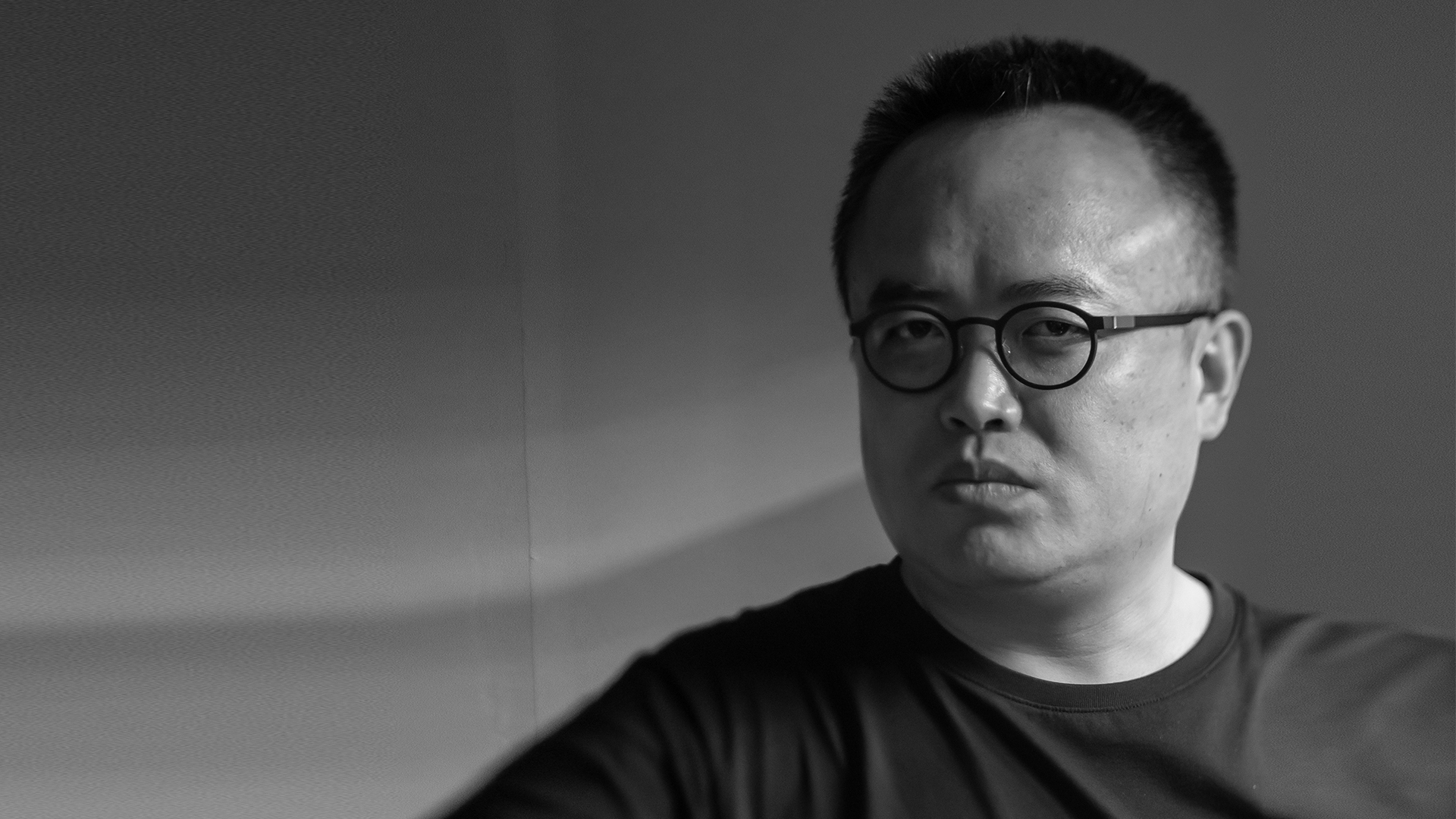
I'm Ma Xianfeng, founder and design director of Studio Langhe, located in Wuhan, China. Our studio focuses on architecture and interior space design, approaching each project not through trends or technologies, but by centering on the human body and mind. Every piece of work expresses our commitment to quality, detail, and durability, as well as a deep respect for nature and an understanding of life. We consistently emphasize human comfort, the potential for spatial growth, and the use of local materials and traditional craftsmanship in all of our projects.
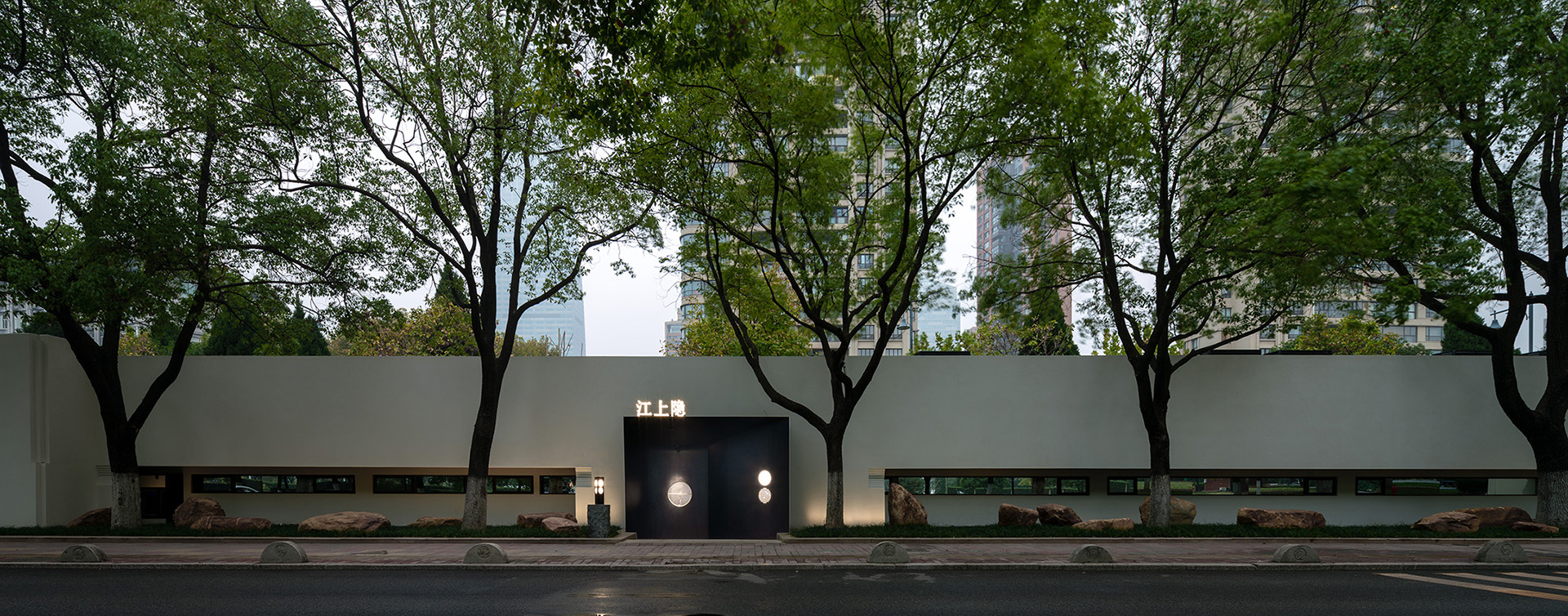
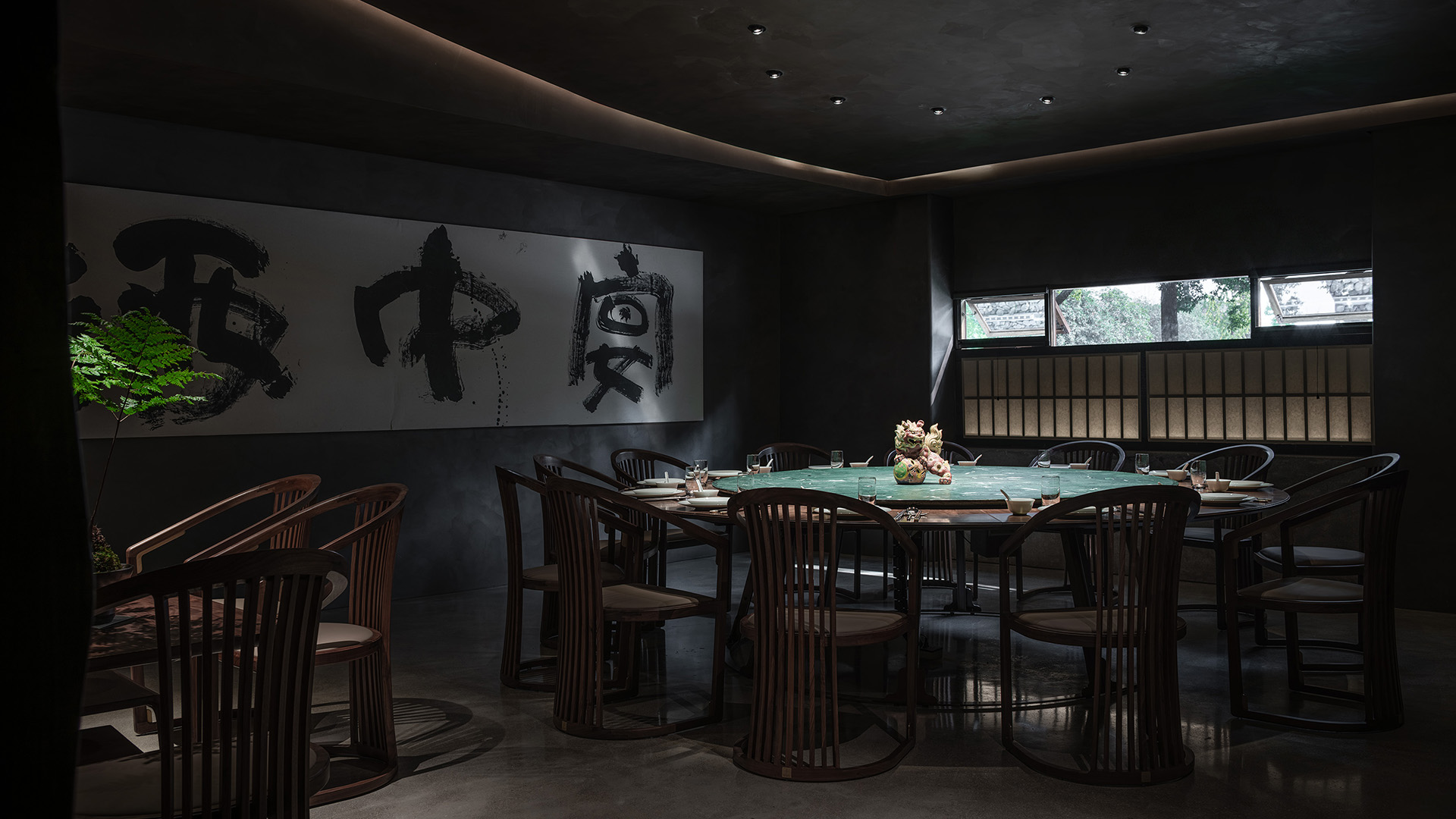
Please let me introduce one of our signature projects: Seclusion on the River.
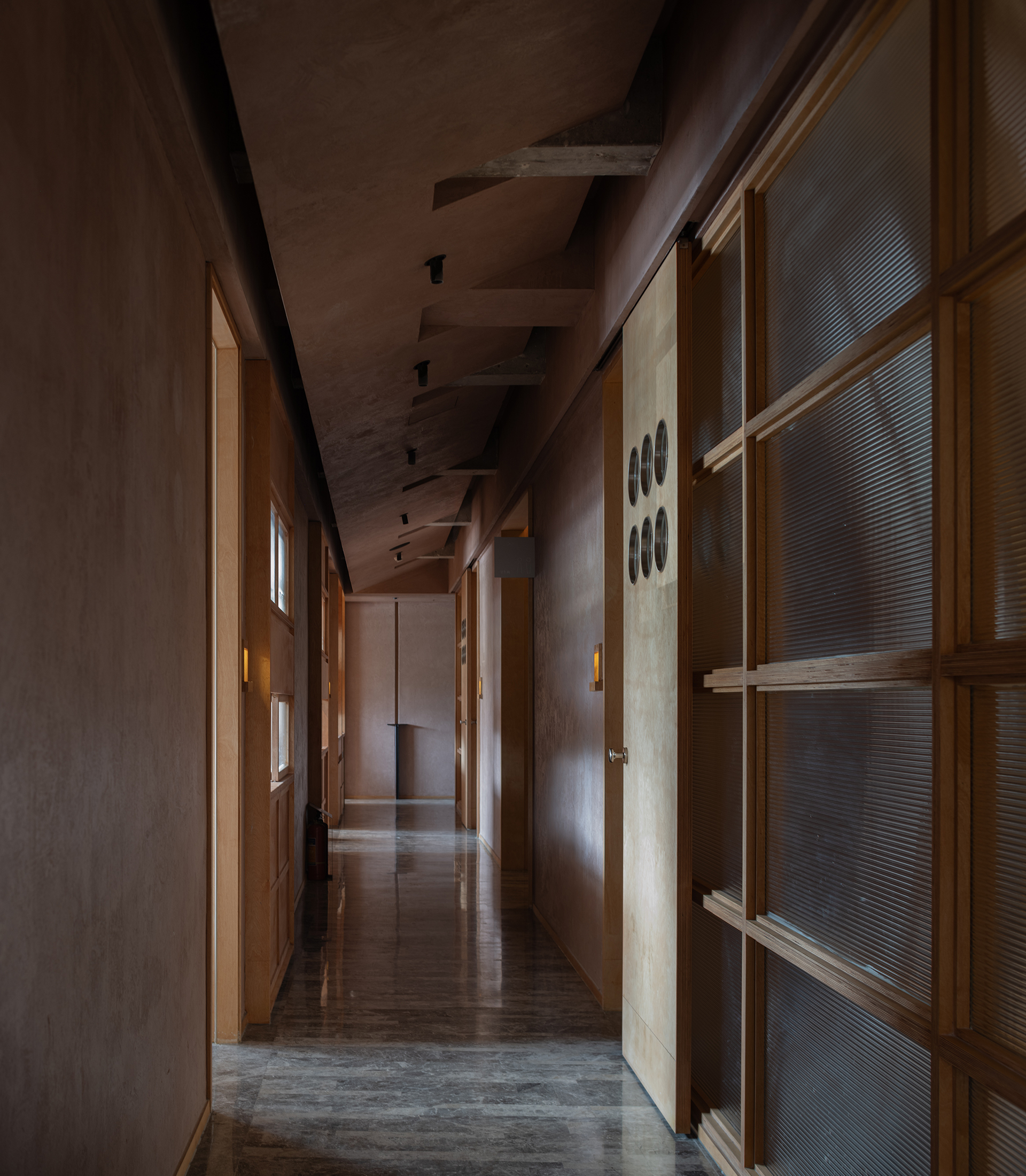
This space is inspired by the aesthetic philosophy of the Chinese literati hermits, specifically the principles of Ning Gu Wu Shi, Ning Pu Wu Qiao, and Ning Jian Wu Su. These ideas were thoughtfully applied across the entire project — from spatial layout and visual identity to background music, costume design, lighting, and the curation of art pieces.
Ning Gu Wu Shi:
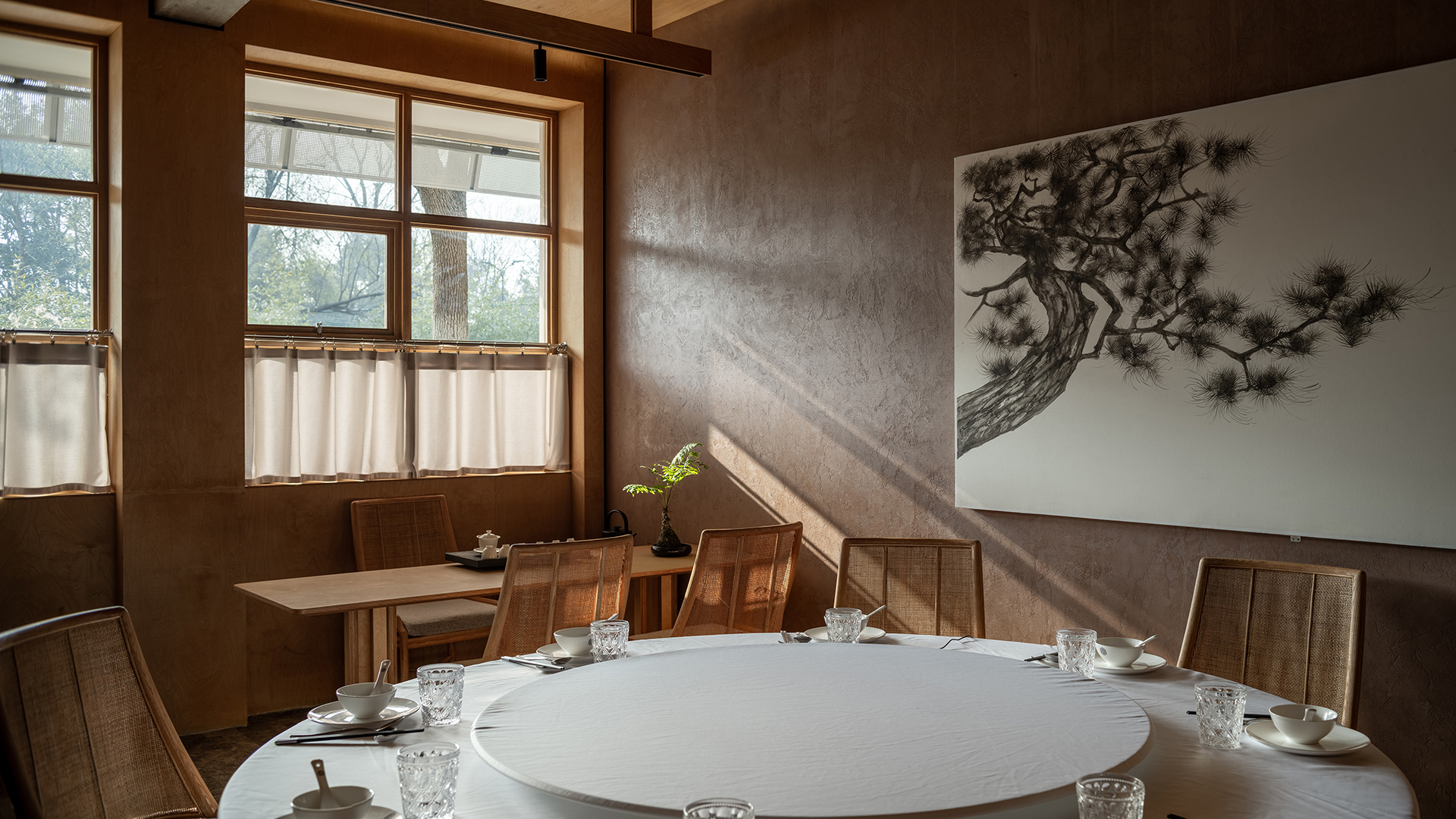
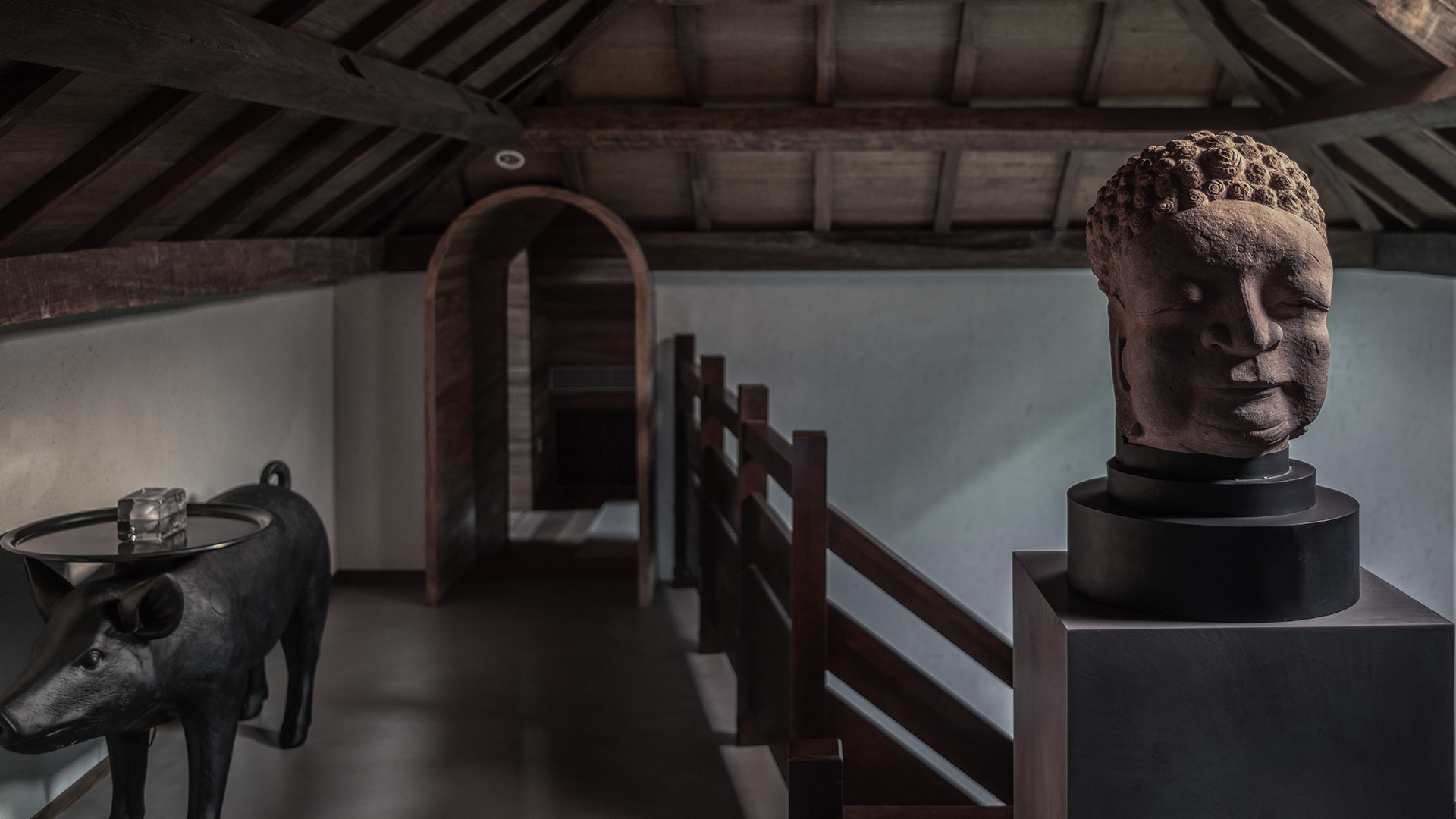
This principle evokes the depth of time and a rich emotional texture by incorporating aged wood and rustic stone. While industrial materials often lack cultural depth, combining them with timeworn objects generates a unique sense of sentimentality and history.
Ning Pu Wu Qiao:
Beauty is not found in the object itself but in the interplay of shadows and light between objects. The lighting design in this space carefully adjusts contrast to create a soft, captivating dining atmosphere.
Ning Jian Wu Su:
Simplicity carries an emotional resonance. The design incorporates Daqi—a powerful symbol of Chu culture—into the furnishings, tying the space deeply to the local cultural identity of Jiangxiang (Gangshangen), where the project is located.
This project reflects our commitment to blending cultural depth with spatial storytelling, offering an experience rooted in both tradition and emotion.
What is Studio Langhe’s unique design approach?
At Studio Langhe, our design process begins with a deep focus on the geographic location and surrounding environment of each project. We explore the distinct local culture shaped by the specific setting and use that as the foundation of our research. Whether it’s the natural landscape or the cultural atmosphere, we believe that when the past and present are woven together, meaningful discoveries emerge. We then use our design language to ensure that the project harmonizes with its environment, allowing it to blend in organically over time. To support this, we carefully select materials that age gracefully—those that become even more beautiful and gentle as time passes. This philosophy allows our spaces to evolve naturally and retain their charm for years to come.
Are there specific requirements for materials used to express local culture?
Yes, we follow the concept of timelessness when selecting materials. I was pleased to discover that this aligns closely with the material philosophy of classical Chinese architecture. All materials are gifts from nature, and their beauty deepens over time. I believe that ancient craftsmen developed architectural techniques in much the same way—such as applying daiqi (a traditional lacquer technique) to wood to enhance its durability, or soaking earthen floor tiles in daiqi to make them more moisture-resistant and robust.
For every project, we choose different materials based on the local context, which naturally leads to variation. For instance, in a project located in Huangshan, we considered using the same stone found in local inkstones and traditional handmade paper. In Hancheng, we looked at using Maguyou ceramics and native plants. Our material choices are truly endless. Much like the Japanese-American artist Isamu Noguchi, who revived a century-old Japanese handmade paper, I hope that through our humble efforts, we too can help bring renewed attention to the elegance of traditional Chinese design and culture on a global stage.
What do you consider the most important element in spatial design?
I believe atmosphere is the most important element. Traditional Chinese culture is not just embodied in tangible artifacts like ancient architecture or ceramics—it also finds deep expression in classical poetry, music, painting, and other art forms. For example, a space might evoke the verse by Tang Dynasty poet Wang Wei: “The bright moon shines through the pines, and clear spring water flows over the stones.” I interpret such verses through a personal lens to shape the mood of a space.
In another case, the interplay of light and shadow in a space might recall Jun’ichirō Tanizaki’s In Praise of Shadows, which partially inspired our project Seclusion on the River. Practicing traditional culture in the modern era doesn't mean replicating ancient Chinese architecture. Rather, it's about feeling and understanding the distinct emotional and atmospheric essence of classicism. Our projects may appear modern and minimalist on the surface, but they carry uniquely Chinese sensibilities. Upon closer inspection, one can discover reimagined traditional crafts like daiqi lacquer, ink-dyed materials, and reclaimed wood. Even our background music is often a contemporary reinterpretation of traditional melodies. Ultimately, our focus is on creating spaces that are quiet, poetic, and soft in atmosphere.
Do you have a personal philosophy or belief as a designer? And what is your vision for the future?
As I reflect on the growing influence of Chinese culture on Western art and society, I’m constantly reminded of my identity as a Chinese person. This realization has become the foundation of my existence as a designer. To be recognized in the international community, we must understand our culture and feel pride in our traditions. Chinese culture emphasizes harmony between humans and nature, and I try to express this ideal through spatial design, tableware, furniture, teacups, and more—in my own unique way. Although I’ve just taken the first small steps in my design career, I believe there's still much more to be done. My vision is to share Chinese culture with more people and to continue creating designs that honor and embody the balance between humanity and the natural world.












#14057, 905 49, Beolmal-ro 102beon-gil,
Dongan-gu, Anyang-si, Gyeonggi-do, Korea
Business Registration Number: 454-86-01044
Online Sales License No.: 2021-Anyang Dongan-1081
Copyright © DESIGNSORI Co., Ltd.