
In the digital age, what makes a brand memorable at first glance? The answer is undoubtedly imagery. A brand’s first impression is shaped through visual language across websites, social media, product packaging, exhibition spaces, and even unboxing moments. Before any product is touched, imagery delivers the most immediate and powerful brand message. In a world flooded with information, consumers are conditioned to see before they listen. The impression formed in just a few seconds often defines how a brand is understood and remembered. If a brand fails to express its essence through visual cues, it risks disappearing from the consumer’s memory. Today, how a brand appears is directly tied to how it is perceived.
From Decoration to Strategy: The Evolution of Brand Imagery
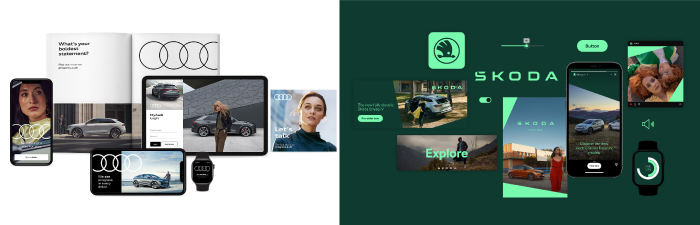
Imagery was once considered mere decoration. Today, it is a strategic force. Visual language not only defines brand identity but expands market presence and initiates transformation. The power of imagery lies not in aesthetic appeal, but in the strategic intent behind how a brand chooses to present itself. Take Audi, for instance. The brand communicates futuristic precision through metallic color palettes and engineered compositions. In contrast, Skoda emphasizes practicality and approachability using natural lighting and scenic backdrops. These choices are not incidental. They create an emotional bridge that connects with specific audiences, allowing each brand to be clearly distinguished through its imagery. In this way, visual language becomes intuitive storytelling that turns philosophy into perception.
The Customer Journey is Visual
Imagery accompanies the customer at every stage of the journey, from initial awareness to final usage. Whether through social media content, packaging, presentations, or exhibition displays, the first contact is almost always visual. Consistency is essential. In B2C contexts, imagery needs to create emotional resonance and aspiration. In B2B, clarity and professionalism become the priority. A well-aligned visual strategy across all touchpoints builds cumulative recognition and trust. More than a matter of taste, visual consistency becomes the backbone of brand credibility over time.
Consistency and Evolution as a Dual Strategy for Brand Imagery
Brand imagery is never just about a single impression. Rather, it plays a critical role across the entire customer journey, from awareness and consideration to purchase and usage, by delivering a consistent visual experience at every touchpoint. In business to consumer environments, emotional resonance and aspirational appeal are key, while business to business contexts prioritize professionalism and clarity. This makes contextual visual strategy essential, regardless of the target audience. When visual tone and messaging remain coherent across social media, sales materials, packaging, and websites, a brand goes beyond simply being seen to becoming remembered. Visual consistency is not merely aesthetic; it is foundational to building trust. It offers consumers a sense of stability and reinforces the brand’s identity and values over time. Ultimately, this consistency accumulates into brand equity, fueling recognition and loyalty.
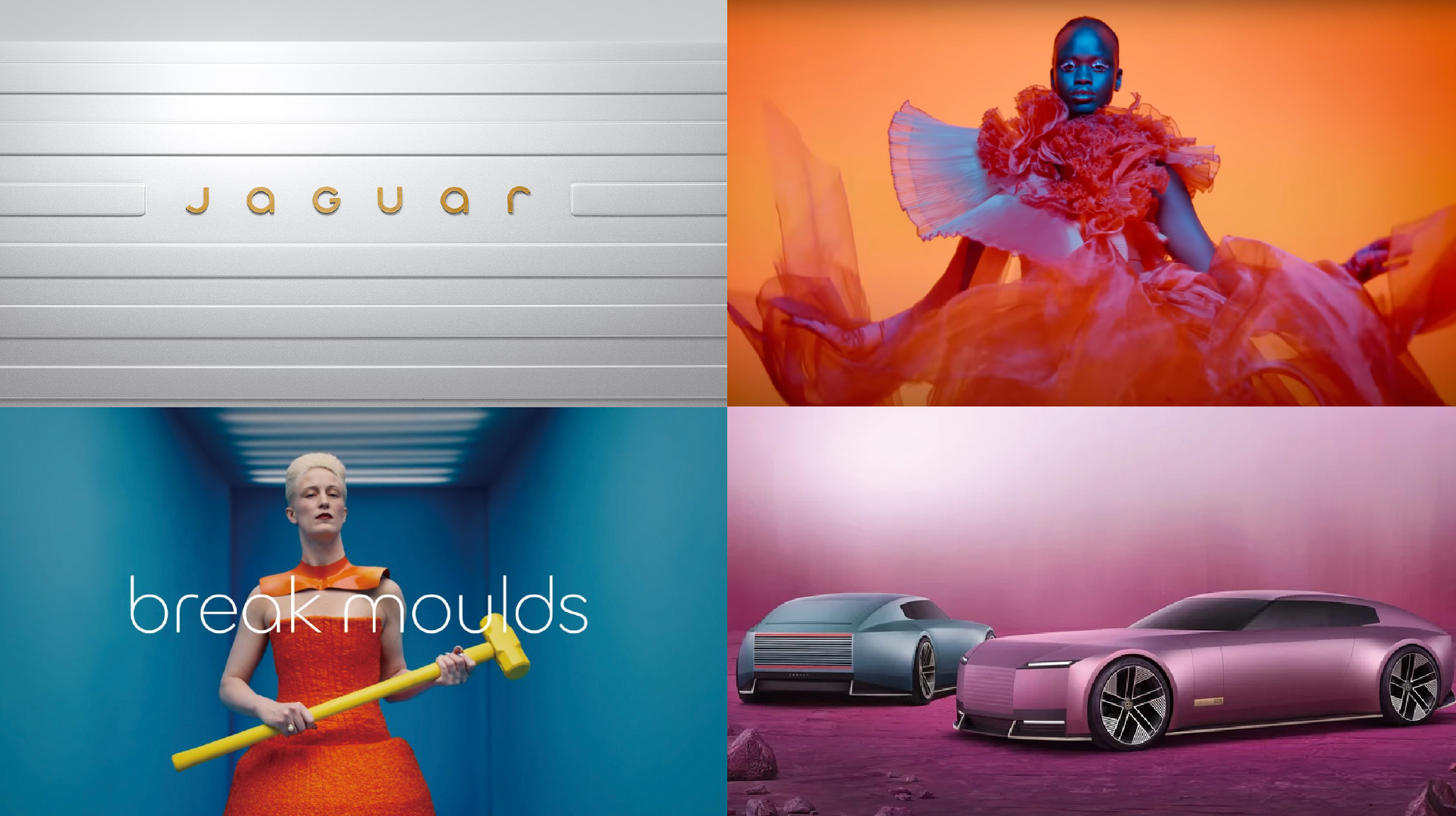
At the same time, imagery is also the most agile language a brand can use. In digital environments, it is the first to be noticed, the easiest to share, and the quickest to adjust. This allows brands to respond actively to changing market dynamics and evolve continuously. When imagery is treated not as isolated campaign content but as a strategic asset for adjusting brand identity, it enables the brand to engage the market like a living organism. This ongoing rhythm of visual communication makes it possible to gradually shift brand messaging without the disruption of major rebranding. In this way, imagery serves not only as a tool for visualizing identity but also as a catalyst for change — a medium through which the brand refines its voice, adapts its presence, and builds lasting connections in a constantly shifting landscape.
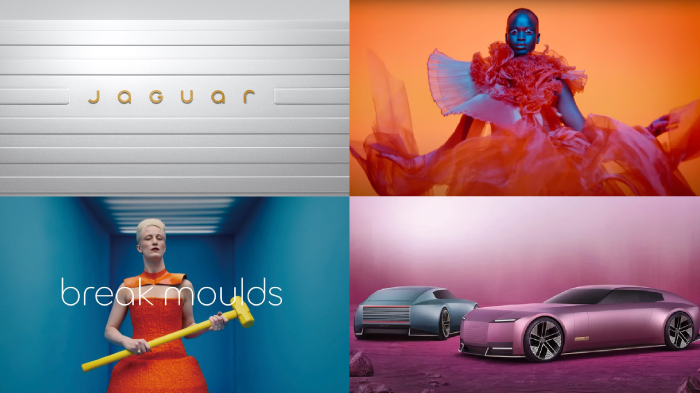
< Image source: Jaguar >
Trust Is Designed, Not Assumed
In today’s landscape, brand competition is no longer just about product quality. It is a battle of visual languages that communicate trust. Consumers today are not merely choosing between good products. They are choosing between the stories, values, and emotions that brands communicate through visual expression. In this context, imagery emerges as one of the most powerful tools in shaping perception. It compresses a brand’s philosophy and identity into an instant impression, creating an emotional connection long before words are read or features are explored. It is no longer enough for a product to function well. It must also feel right, and that feeling is delivered through image.
How a brand appears, its visual language of curves, colors, layouts, and spacing, is not superficial. It is a strategic system of signs that communicate the deeper intent behind a brand. If this system is not thoughtfully designed and consistently applied, the brand risks appearing fragmented, losing credibility in a market where coherence builds trust. Visual incoherence is not just a design flaw. It is a signal to consumers that something is misaligned beneath the surface. Design, then, is no longer a secondary element or decorative layer. It is the medium through which strategy becomes visible. In an era where digital interactions dominate, visuals are often the first and most persistent touchpoint between a brand and its audience. They are the means by which a brand is recognized, remembered, and trusted. When visuals are managed with strategic clarity and operational consistency, they transform into a living language that builds equity over time.
Ultimately, in today’s fast moving market, it is not just what a brand makes that matters. It is how that brand visually expresses its values, its reliability, and its place in the world. Imagery, when crafted and governed with intention, becomes the brand’s sharpest competitive edge. Not merely something to be seen, but something to be felt and remembered.


















#14057, 905 49, Beolmal-ro 102beon-gil,
Dongan-gu, Anyang-si, Gyeonggi-do, Korea
Business Registration Number: 454-86-01044
Online Sales License No.: 2021-Anyang Dongan-1081
Copyright © DESIGNSORI Co., Ltd.