
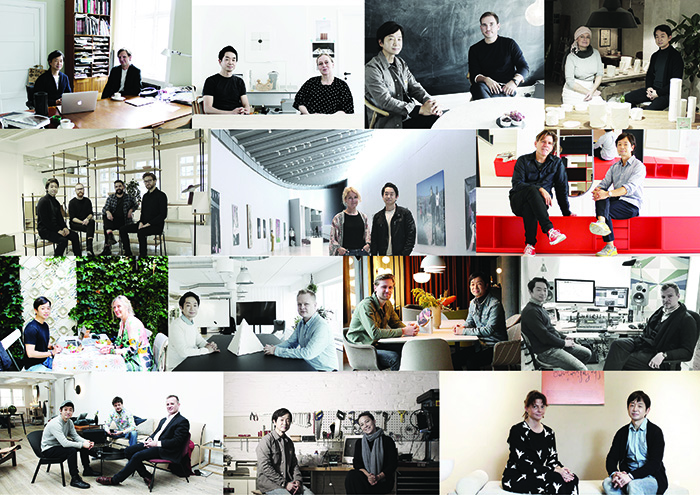
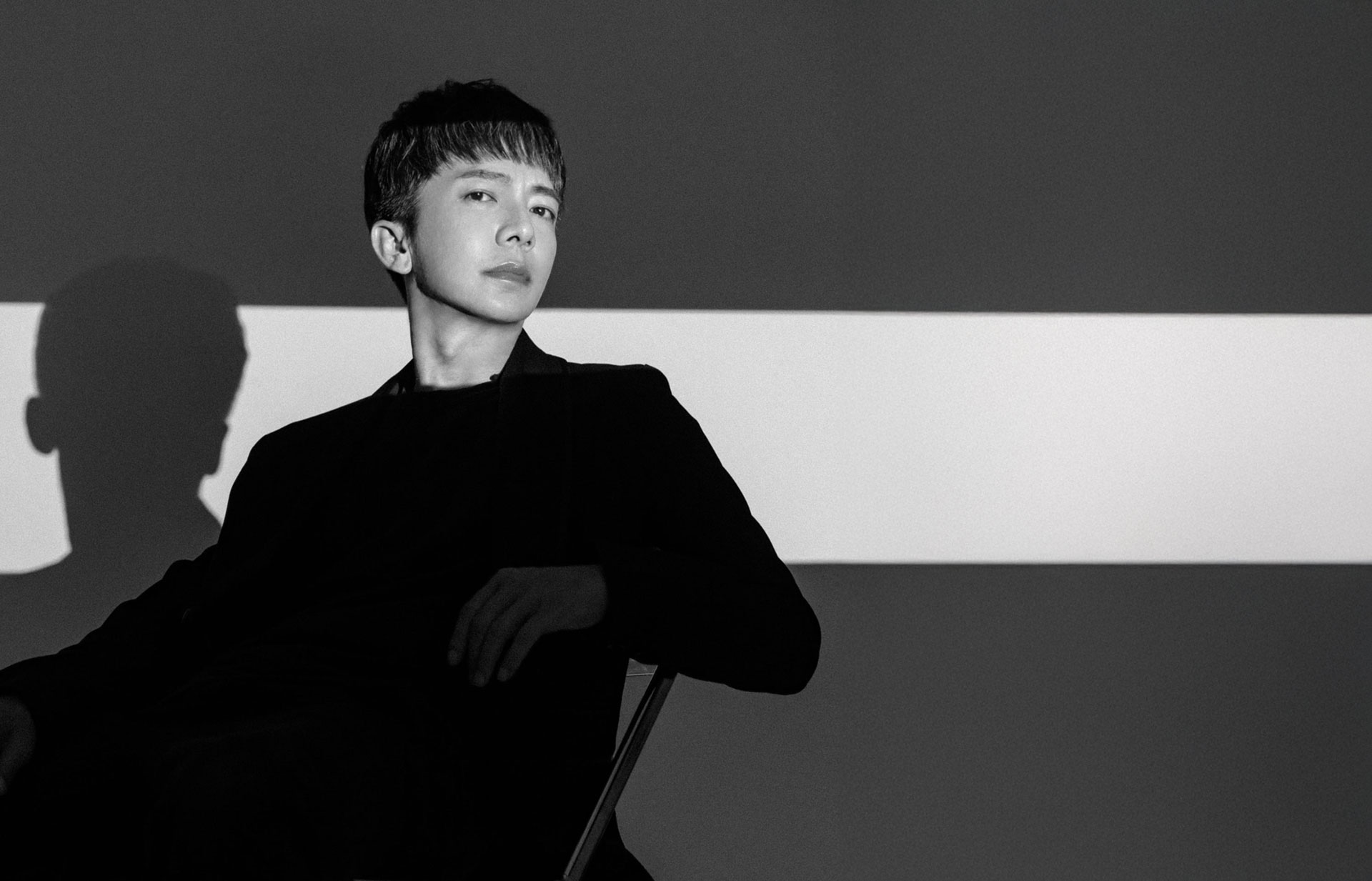
Sometimes our attitude toward a situation matters far more than the solution itself. The outcome can vary dramatically depending on the mindset and posture with which we move through a moment. If I were to list what I have learned and experienced as a designer over the past 15 years in Sweden and Denmark, the idea that would stand at the very top is undoubtedly “the power of attitude.” Scandinavian design has now become a global trend, but its underlying philosophy is anything but new: functionalism that avoids unnecessary ornamentation, eco-friendly design that considers the planet, and a subtractive approach that prioritizes user experience. These principles may not sound groundbreaking in a mature design field, yet within them lies the essence of how Scandinavians view design—with clarity, sincerity, and purpose. This theme also appears in my recently published book, A Designer Who Went to Design Heaven. Through design talks with various Scandinavian brands featured in the book, one message surfaced repeatedly: the power of attitude. It is the element that can make many things possible—or impossible. Let’s take a closer look.
< Image Source: www.sangwoocho.com >
There is something we must recognize first: Nordic designers are given a wide spectrum of choices. After graduating with a design degree, they enter a society where it is entirely possible—and culturally supported—to explore countless fields such as cabinet making, furniture, lighting, textiles, lifestyle products, automotive design, book design, and more. This stands in stark contrast to our reality in Korea, where most graduates set their sights on entering large corporations heavily focused on consumer electronics. While the practical reasons behind this are understandable, it has resulted in a highly imbalanced design industry. For example, if a young designer in Korea were to launch an independent furniture brand right after graduation, the financial risks and the weight of potential failure would be overwhelming, making the previously mentioned imbalance feel almost inevitable. In the Nordic region, however, designers are granted the freedom to pursue such challenges because the attitude of the nation, the government, and the consumers toward design provides a stable foundation—namely, the belief that design is an integral part of their culture.
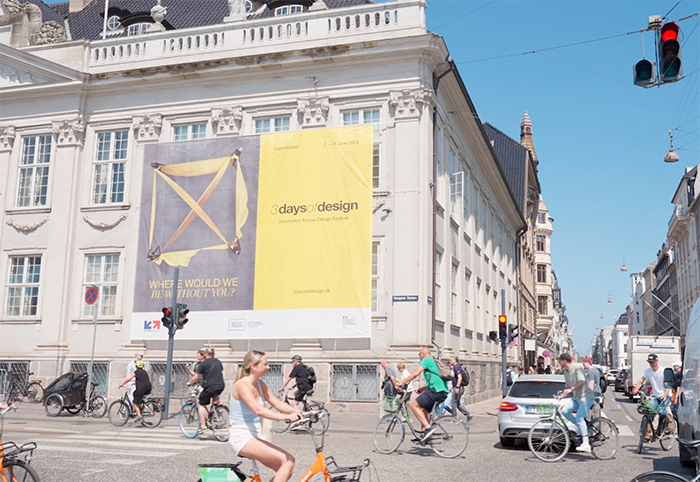
Scandinavian design traditions serve as a pillar sustaining the present and represent a cultural heritage that must be passed on to the next generation, which naturally makes design an important social agenda for everyone. It is also notable how they support young designers in various ways to ensure the fair development and continuation of all design fields. A good example is the annual “3 Days of Design” in Copenhagen, Denmark. As the largest design event in the Nordic region, the entire city of Copenhagen transforms into a stage for design. Leading Danish brands such as HAY, Muuto, and Georg Jensen participate alongside emerging designers to share their stories and philosophies. The full support of the city of Copenhagen further amplifies its impact. This synergy has fueled its rapid growth each year, turning it into a global design festival sought after by audiences from all over the world. Naturally, such an environment has a positive influence on designers. It helps prevent the design industry from leaning solely toward profit-driven commercial fields and instead encourages diverse practices where designers can fully express their capabilities. As a result, the Nordic design industry continues to grow today, maintaining both depth and breadth.
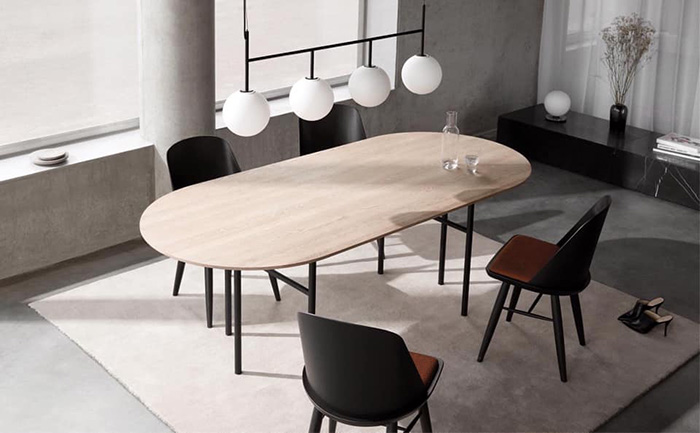
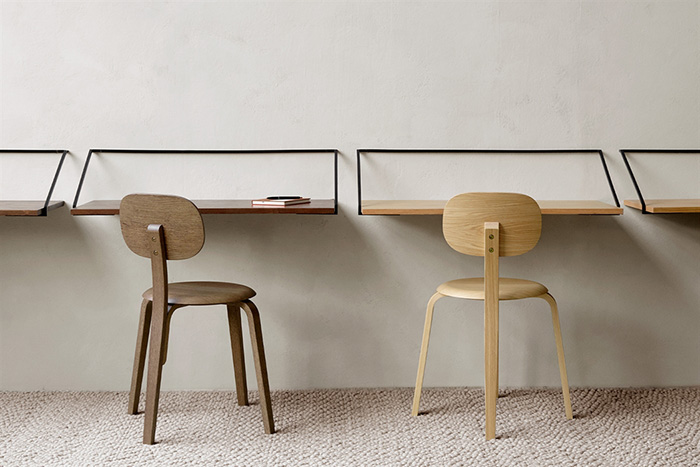
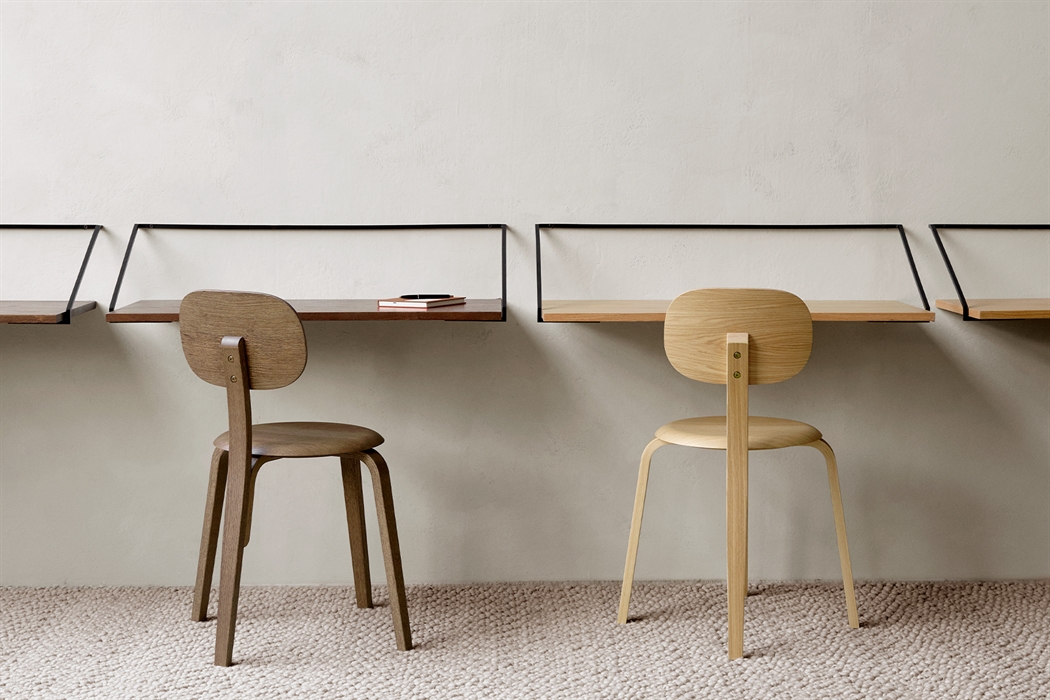
Another central pillar is the consumer, who possesses a remarkably refined eye for design. Nordic customers are individuals who have lived with design embedded in their daily lives. From a young age, they have used products by renowned designers such as Arne Jacobsen, Fritz Hansen, and Finn Juhl, and have grown up surrounded by well-designed museums, galleries, libraries, cafés, and other cultural spaces. Their sense for design has naturally seeped into them—“seeped in” is indeed the most fitting expression. Yet their eye for design is anything but lenient; it is sharp, intuitive, and uncompromising. As a result, they do not hesitate to invest in design they believe holds true value. Designers, in turn, devote great effort and craftsmanship to meet these high expectations. This creates an ideal virtuous cycle in which designers, consumers, and the government mutually reinforce one another, enabling continuous growth and evolution.
< Image Source: MENU Space >
Another intriguing aspect of their attitude is that they are not overly sensitive about how they appear to others.
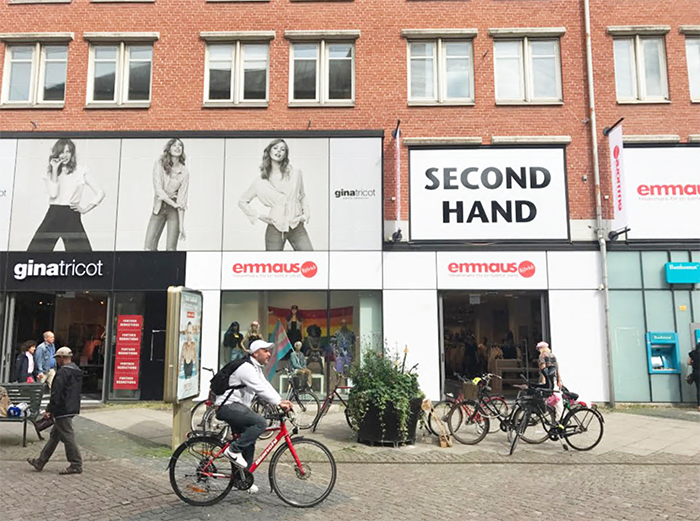
They are willing to spend money on designs that carry value and meaning rather than on luxury items marked with conspicuous logos. Logo-driven consumption meant to impress others simply lies outside their interests. Instead, they listen to meaningful brand stories, care about the use of sustainable materials, and actively embrace a simple and minimal lifestyle. Their consumption patterns focus on what genuinely enhances the quality of life—an insight worth reflecting on, especially in a society where too much energy is spent on the gaze of others. The growing popularity of second-hand shops opening among rows of flashy brand stores follows the same logic. If an item is practical and necessary, there is no reason to avoid it simply because it is used. Choosing to direct one’s limited energy toward oneself rather than toward external judgment is, in every sense, a healthy and grounded attitude.
Attitude Ultimately Shapes Culture
Creating meaningful and valuable design is a universal challenge shared by designers across all fields and regions. To overcome the limitations we currently face in the design industry, we must examine the outcomes produced by the Nordic attitude toward design. If our aspiration to become a “design powerhouse” is not to end as an empty echo, we must refine our cultural stance toward design and establish a realistic virtuous cycle. Of course, this is not a simple task; it is a complex challenge woven together by countless points and lines like tangled threads. Even so, we can hope for a society where design is not reserved for a select few but becomes a natural part of everyone’s lives—a culture that quietly permeates our daily experiences. In the end, attitude is what shapes culture.













#14057, 905 49, Beolmal-ro 102beon-gil,
Dongan-gu, Anyang-si, Gyeonggi-do, Korea
Business Registration Number: 454-86-01044
Online Sales License No.: 2021-Anyang Dongan-1081
Copyright © DESIGNSORI Co., Ltd.