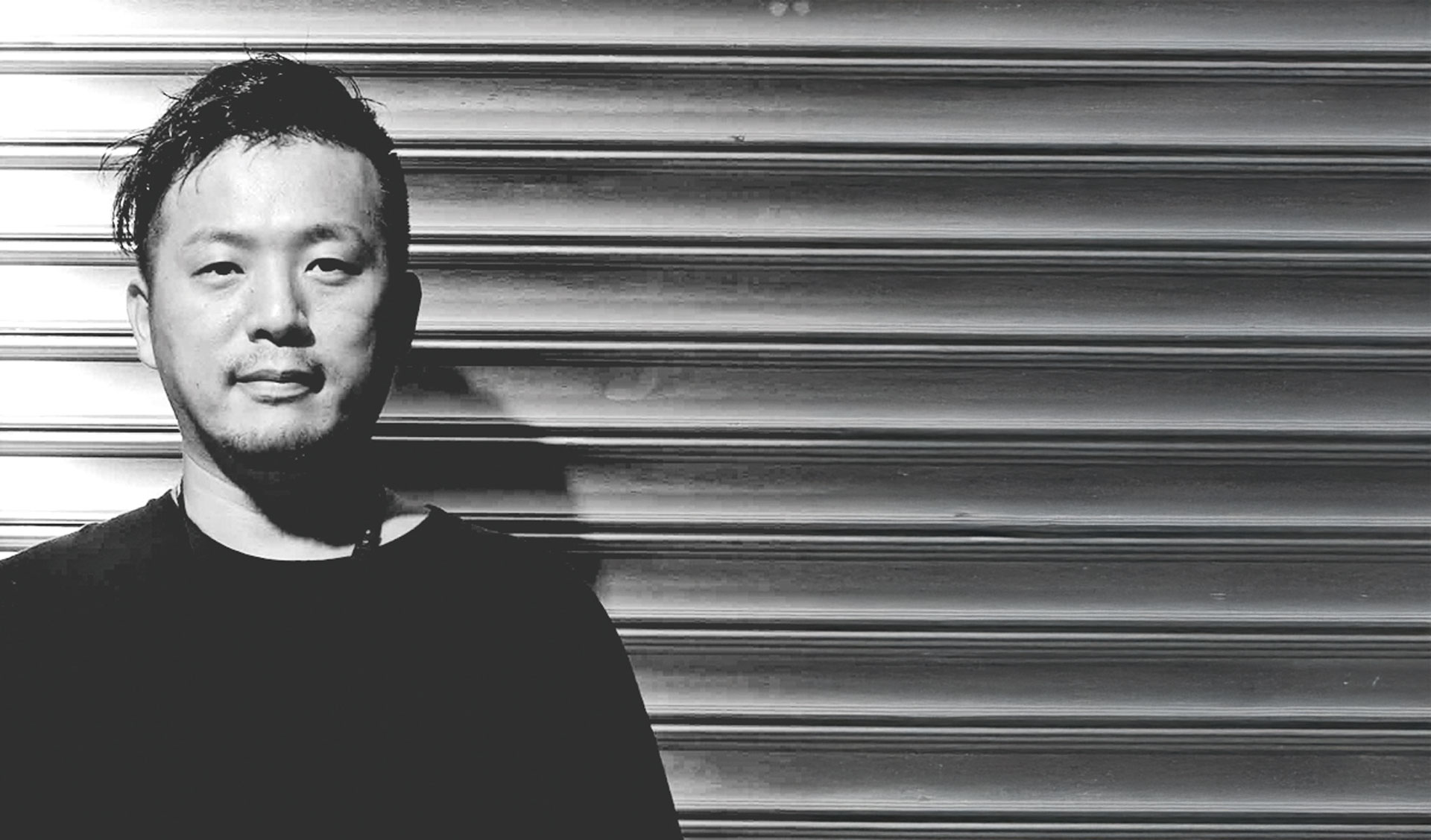
Doyoung Kim Founder of Asia Design Prize & K-Design Award
“Over the past seventeen years, DESIGNSORI has established itself as an archive medium that records the essence of designers, a place where thought, context, and time accumulate. Since its founding in 2008, it has focused on preserving the layered thinking behind design and not just the outcomes. CEO Doyoung Kim defines DESIGNSORI as a medium that preserves designers’ philosophies as memory rather than as a simple content platform. The recent rebranding began with the recognition that a larger, sturdier structure was needed to hold that depth. Four branding companies took part, building the archive, the discourse, the UI, and the brand structure as layered systems. The new logo visualizes strata of accumulated records and the identity of many voices converging into a single sound, represented by the letter S. The renewed brand system, with its orange and monotone palette and refined typography, reinforces the essence of DESIGNSORI as text in which thought becomes visible.”
7 Min Read
Since you founded DESIGNSORI in 2008, what philosophy has guided the way you run it, and what has the journey been like?
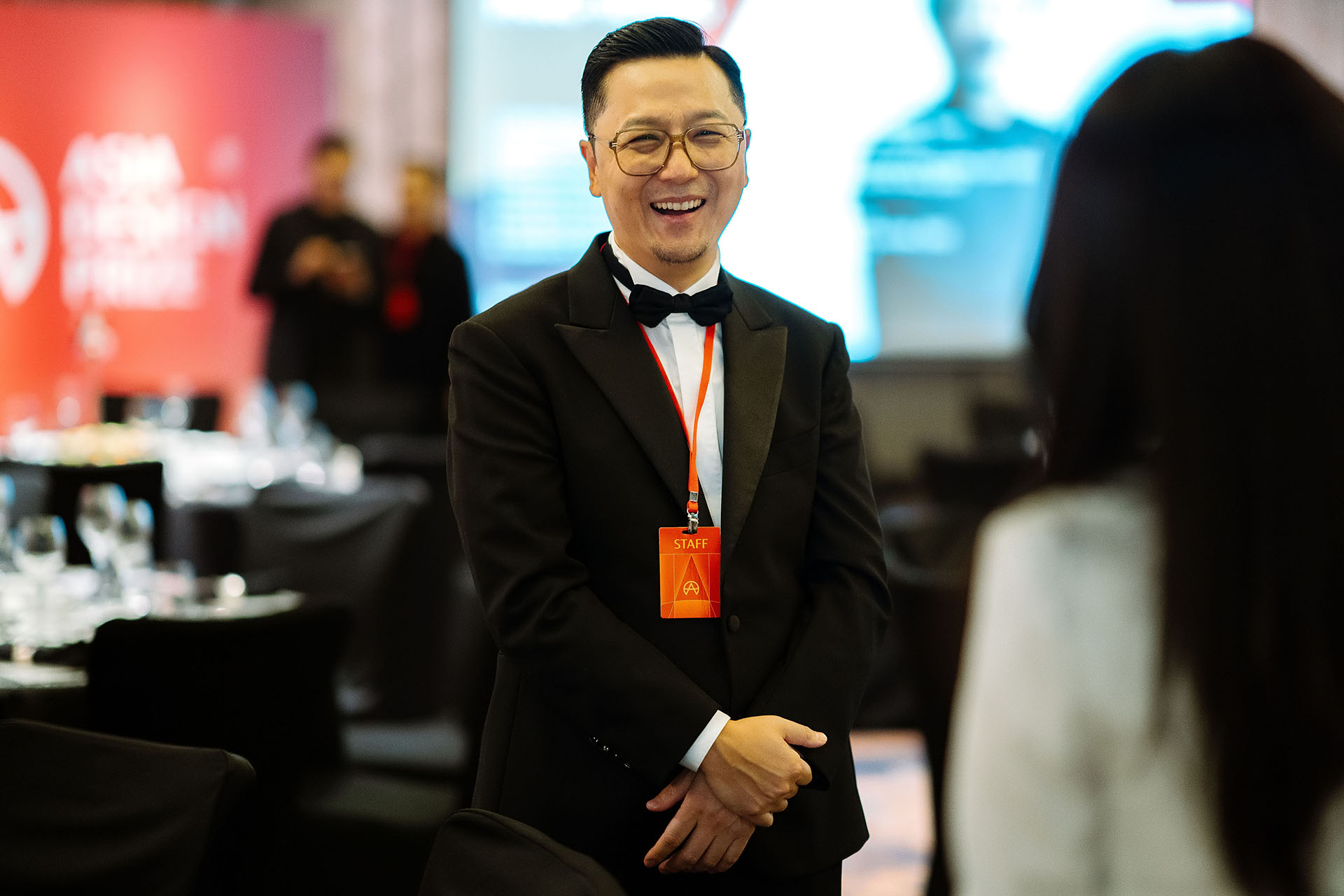
Hello, I am Doyoung Kim, CEO of DESIGNSORI. Over the past twenty years, through design awards and branding projects, I have kept asking one question: what does design leave behind? When I founded DESIGNSORI in 2008, I felt a strong responsibility to move beyond existing media structures that consumed design only as finished outcomes. I believed it was necessary to record the flow of context, time, and thought that creators go through. DESIGNSORI was born as a vessel in which the voice of a single designer could become a record passed down through generations. I see myself less as a media operator and more as an archive director who preserves designers’ time and philosophy as memory. Recording their voices so they do not disappear, and opening paths for them to become sparks for future creation, is the reason DESIGNSORI and I exist.

What concerns and needs led you to decide on a major rebranding after 17 years?
For 17 years, DESIGNSORI has remained consistent in recording designers’ voices. However, compared to the depth of its philosophy, the vessel itself needed to be capable of holding much more. As our scope expanded beyond Korea to global designers, and as our content grew from interviews into a broader archive, we recognized the need for a new brand identity with a stronger language and system. This rebranding was not a simple visual refresh. It was a process of rewriting the existential question, ‘What does DESIGNSORI leave behind?’ Our mission to record the essence of design and leave those stories in history became both the starting point and the standard for the rebranding.
How did DESIGNSORI’s long-held mission and philosophy shape the direction and structure of the rebranding?
DESIGNSORI’s philosophy is clear. Design is not an outcome but a process, not a message but a voice, not a moment but an essence. This philosophy became the central axis of the entire rebranding. We wanted to reveal more clearly the unique depth of text as a medium. Text is the most honest tool for recording the weight of time that images cannot convey. DESIGNSORI exists to record not just what designers make but the accumulated thoughts, the traces of failure and choice, and the human intensity embedded in the process. The rebranding carries this philosophy consistently through the visual structure, the web interface, and the overall tone and manner.


< Designed by lllayer >
Four branding companies took part in this rebranding as a consortium. What was the intention and strategic reasoning behind that structure?
We saw the rebranding of DESIGNSORI as designing strata of records, not as creating a beautiful brand. To encompass archives, discourse, media operations, and the global design ecosystem, we believed one perspective would not be enough. So partners with expertise in their own fields, including lllayer, SUNNY ISLAND, and Ockhams Branding, came together to form a layered structure. lllayer reimagined DESIGNSORI through new colors and the website. SUNNY ISLAND created a logo designed to carry the next ten years. Ockhams Branding strengthened the essence of DESIGNSORI’s content through in-depth interviews with designers around the world. This consortium was an essential combination for giving form to DESIGNSORI’s philosophy.
You mentioned the concept of strata of memory. What do slow records mean in the digital age?
In the digital age, records are consumed faster and more lightly. Precisely for that reason, I believe slow records are more necessary than ever. In environments dominated by speed, images remain rather than information, sensations rather than facts, and context easily disappears. Design, however, is inherently built through layers of time, and creators go through far more thought, failure, and moments of transition than the final outcome shows. What DESIGNSORI calls strata of memory is a structure that captures this disappearing time, and a way of making media that turns individual voices into generational records. We do not aim to be a media outlet that produces content, but one that builds a structure of accumulation that endures over time.
As the digital world moves toward instant consumption, slow records work as a mechanism for preserving the essence of designers without distortion. This is not merely an archive of the past but a foundation of knowledge that gives future creators reasons to think again. DESIGNSORI’s archive-centered structure is not resistance to the flow of time but a strategic choice to protect what is essential yet easily lost within it. Design that is not recorded is ultimately no different from something that never existed. That is why DESIGNSORI focuses on building records that endure, leaving evidence of existence and allowing that evidence to become the basis for thought in the next era.


< Designed by Sunny Island >
What symbolism and brand message does the new DESIGNSORI logo carry?
The DESIGNSORI logo is the clearest visualization of what we leave behind as an archive medium. It holds the image of design accumulating as layers overlap and records stack up to create the thickness of time. The structure, in which two letter Ds overlap to form an S, shows intuitively the identity of DESIGNSORI, where countless designers’ voices gather into a single sound. Its three-dimensional quality makes it more than a simple tag or logo; it symbolizes the brand’s direction as a continuously expanding archive. The logo is both a vessel for the records DESIGNSORI will build over the next decade and a compressed visual expression of why we exist.


What criteria and philosophy shaped brand identity elements such as color, typography, and the visual system?
The brand colors were built around orange and monotone. Orange symbolizes the temperature of creation, the energy of exploration, and the vitality of voices. Monotone represents the solidity of records, factuality, and the calm structure of an archive. For typography, we chose Noto Sans KR for Korean and KUDOS SANS for English to strengthen clarity as a text-based medium and ensure international consistency. For DESIGNSORI, typography is not decoration but a tool of record. The rhythm, spacing, and balance of the letters were all designed on the principle of text in which thought is clearly visible. The overall system aims not for fast consumption but for records that endure across generations.
The DESIGNSORI Manifesto, presented as the core statement of this rebranding, clearly reveals the brand’s fundamental attitude. How would you explain its meaning?
At the center of this rebranding is the DESIGNSORI Manifesto: We do not create content. We create memories that endure over time. DESIGNSORI is not a medium that consumes the surface of outcomes but one that sees the time hidden behind them. We record the thoughts, choices, contexts, and failures, and the stories of the people who endured them all until a design was born. Design that is not remembered is forgotten, and design that is not recorded ultimately disappears. So record becomes preservation, and preservation becomes legacy. Leaving this legacy is the reason DESIGNSORI exists. This is not a simple declaration but a standard we will never let go of, and the deepest root of our brand philosophy.

DESIGNSORI is building deep connections with designers across Asia, beyond Korea. What role should DESIGNSORI play in the Asian design community going forward?
Through working with designers across Asia, we realized that Asian design is not a single language but a vast spectrum layered with different histories, cultures, and sensibilities. I hope DESIGNSORI becomes an intellectual crossroads where different thoughts and contexts intersect and expand, not a platform that unifies this diversity into one norm. Each region in Asia has its own design philosophy and visual grammar, yet beneath them all lies a shared question: why does this design exist?
Our role is to record these questions and connect the voices of designers from different regions into an accumulated discourse. Beyond interviews, we aim to build an archive of Asian design’s temporality, sensibility, and social context and deliver it to the global design community. Ensuring that design is not defined solely by the speed of the market, preserving the deep thinking of contemporary Asian designers and placing it within international discourse, and letting that accumulation strengthen the presence of Asian design: that is the meaningful role I believe DESIGNSORI must fulfill.
Finally, what kind of medium do you hope DESIGNSORI becomes after the rebranding, and how do you picture the next ten years?
DESIGNSORI aims to grow beyond a medium that conducts interviews into an institution that preserves the essence of design. Rather than following the speed of trends, we will continue to protect that essence through slow and solid records. We hope to leave today’s voices as tomorrow’s history and create a virtuous cycle in which those records inspire future creators. This rebranding put the brand’s past seventeen years in order and became the opening sentence for the philosophical media structure DESIGNSORI will build out over the next decade. We will keep listening more deeply, recording more honestly, and working to ensure that design remains a cultural and creative legacy.















#14057, 905 49, Beolmal-ro 102beon-gil,
Dongan-gu, Anyang-si, Gyeonggi-do, Korea
Business Registration Number: 454-86-01044
Online Sales License No.: 2021-Anyang Dongan-1081
Copyright © DESIGNSORI Co., Ltd.