Experiment as a Commercial Strategy: How Korean Fashion Design Finds Its Place in the Global Market
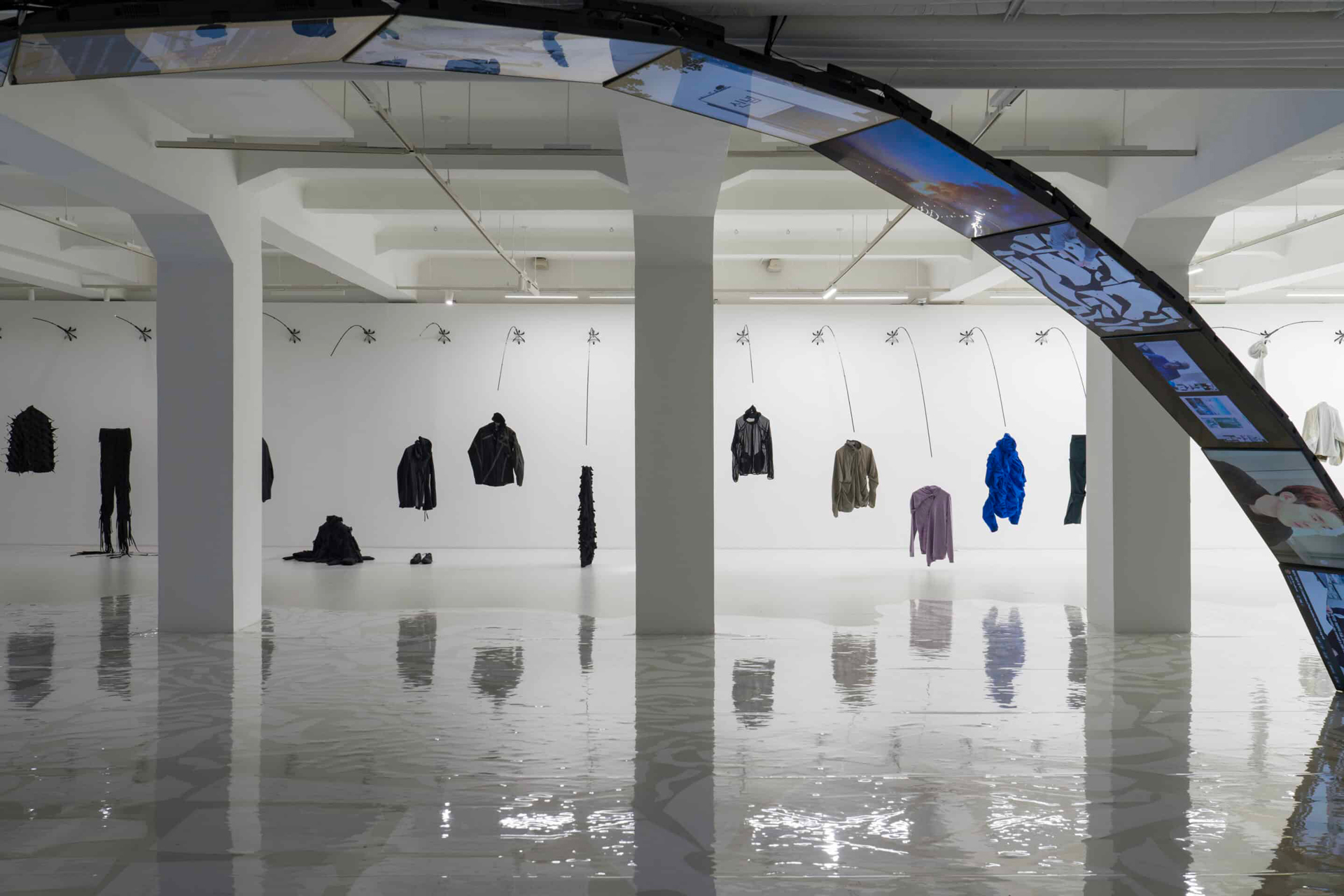
When Experimentation Meets the Market: Lessons from Korean Brands such as PA
“Fashion is not just about making clothes; it is a way of speaking to the world.”
For years, Korean designers were framed through the optics of speed: rapid cycles, rapid adoption, rapid bursts of global attention. That story is not wrong, but it is no longer complete. In recent seasons a quieter, steadier current has taken hold, with labels building patiently around conceptual experimentation and treating design as a language rather than a surface. The work begins with research and material trials, moves through small batch prototyping, and resolves as coherent systems (modular patterns, transformable structures, visible construction) so that function and idea remain legible to the wearer.
What once leaned on celebrity amplification and algorithmic virality now advances through philosophy led discipline: a consistent thesis, articulated across silhouettes, hardware, and fabrication, and refined through iterative making. Communities of editors, buyers, curators, and dedicated customers gather not around a single “it” piece but around a vocabulary: recurring seams and panels, a house proportion, a signature way of reconciling utility and drama. Exhibitions, micro drops, and collaborations serve as cultural punctuation marks that help audiences learn the grammar of the brand. Crucially, this shift is not anti commercial; it is commercially literate. Risk does not disappear; it is bounded. Modular design reduces dead inventory, pre orders and limited runs tighten feedback loops, and narrative clarity lowers the cost of explanation at retail. The result is fewer panic markdowns, stronger repeat purchase, and healthier LTV to CAC dynamics. In other words, experimentation stops being a gamble when its logic is visible and its operation is disciplined. What follows is not just better press; it is compounding brand equity, the kind that accrues season after season as a living archive, turning each collection into another chapter of a long, intelligible conversation with the world.
Why Experimentation Matters in a “Safe” Market
In the post pandemic reset, retailers and consumers alike pivoted toward risk averse product: dependable basics, familiar silhouettes, proven colorways. With supply chains jittery and capital more expensive, that conservatism made sense from a cash flow perspective. But a side effect has been homogenization. When every rack converges on the same knit polo, trench, and sneaker, differentiation collapses, margins compress, and brands end up competing on promotion calendars rather than point of view. Algorithms amplify the sameness; platforms reward already familiar shapes and nudge designers toward incrementalism. Against that narrowing bandwidth, a cohort of Korean labels has chosen the opposite posture, using experimentation not as theater but as a commercial hedge. The logic is simple: if your product can be easily swapped for a cheaper lookalike, you will always be negotiating on price. If instead your offer is a system, a way garments work, feel, and convey meaning, then you negotiate on value. Experimentation handled with discipline becomes an anti commoditization strategy.
Common experimental vectors and why they sell when executed well:
• Multi-functionality.
Convertible, docking, or resizable garments answer real, daily problems: smaller apartments, carry on travel, climate variability, hybrid work. A jacket that vents and reconfigures for cycling, a skirt panel that flips from office to after hours, a liner that docks into multiple shells — these features increase use cases per piece, push down cost per wear, and justify a premium without relying on hype. They also encourage collecting within the line; once a customer learns the system, they return to expand it.
• Material–tech fusion.
Industrial trims, thermal or reflective films, engineered knits, bio based coatings, upcycled composites. When their function is legible, these materials do double duty. They improve performance and communicate intent. The consumer can see why the shoulder seam is taped, why the panel is reflective, and why the knit zones differ, reducing the burden on sales staff and making the garment self explanatory online. As a bonus, visible engineering reads as longevity, supporting repair and circular programs that deepen loyalty.
• Narrative design.
Pieces that embed context such as ritual, place, memory, and craft lineage give wearers a story to carry. Examples include a sleeve shape derived from a regional work coat, hardware cast from found urban textures, and prints that map a subway transfer or a market itinerary. This is more than decoration; it is a readable thesis that turns product into culture. Narratives travel across channels (editorial, museum, social) and across time (collections), building a recognizable vocabulary that cannot be copied by price cutters without ringing false.
These bets do introduce short term uncertainty: new patterns take time to learn, new materials require testing, and new stories need articulation. When they are managed as bounded experiments through micro drops, preorder pilots, and capsule collaborations, they produce high contrast positioning, stronger earned media, and, crucially, a customer base that buys in for meaning rather than trend velocity. From a P&L standpoint, the upside is tangible: clearer narratives lower the cost of explanation, modular systems reduce dead inventory, limited runs tighten feedback loops, and community engagement (surveys, fittings, archive sales) improves forecast accuracy. Success metrics shift from raw sell in to first price sell through, repeat purchase rate, repair uptake, secondary market retention, and dwell time on product pages, which are signals of cultural durability rather than seasonal heat. The market is not allergic to risk; it is allergic to confusion. Experimentation that is legible, that is, you can see how it works, feel why it matters, and tell what it means, converts risk into recognition, and recognition into a defensible moat.
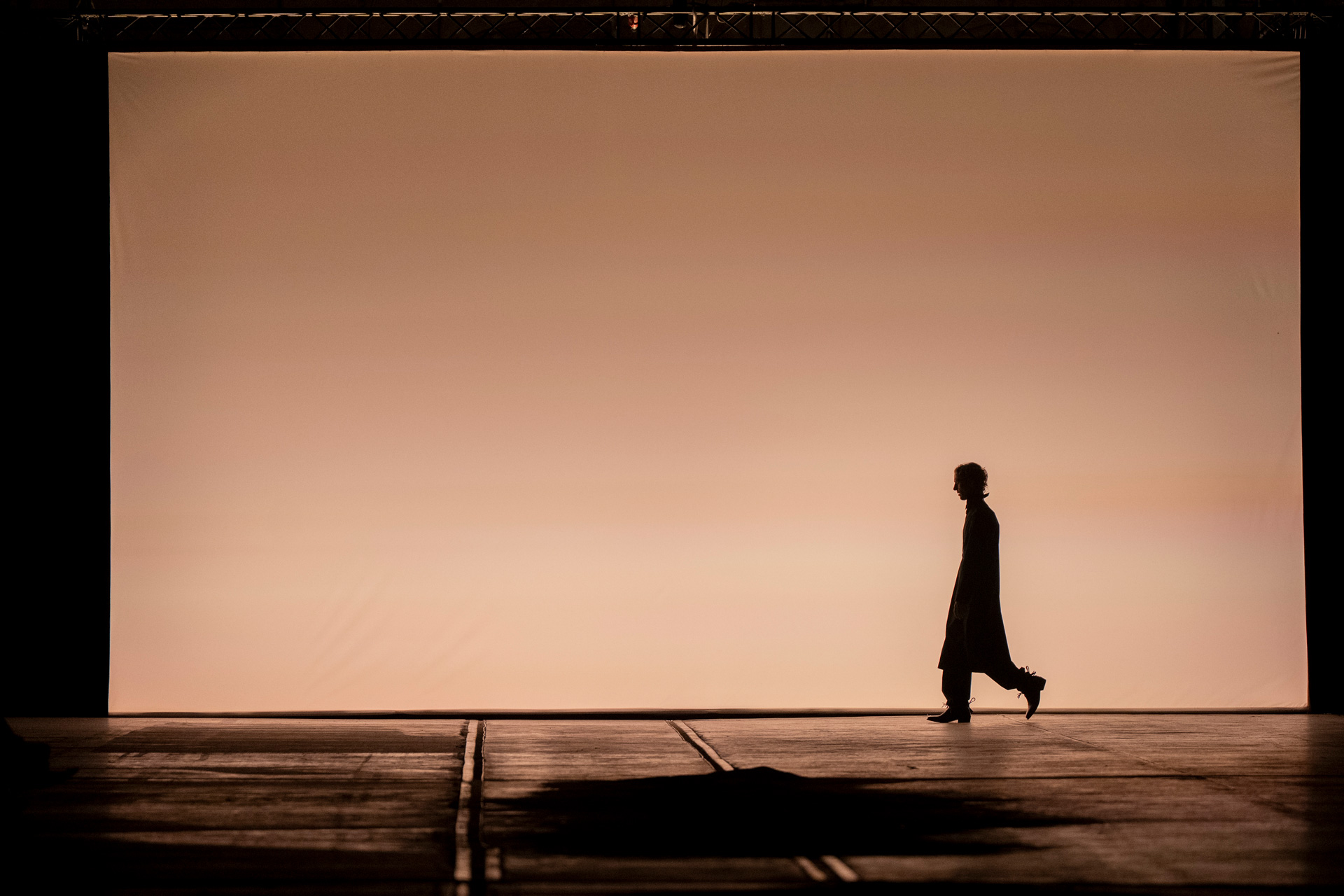
PAF in Pitti Uomo 2025: Proving the Power of Experimentation
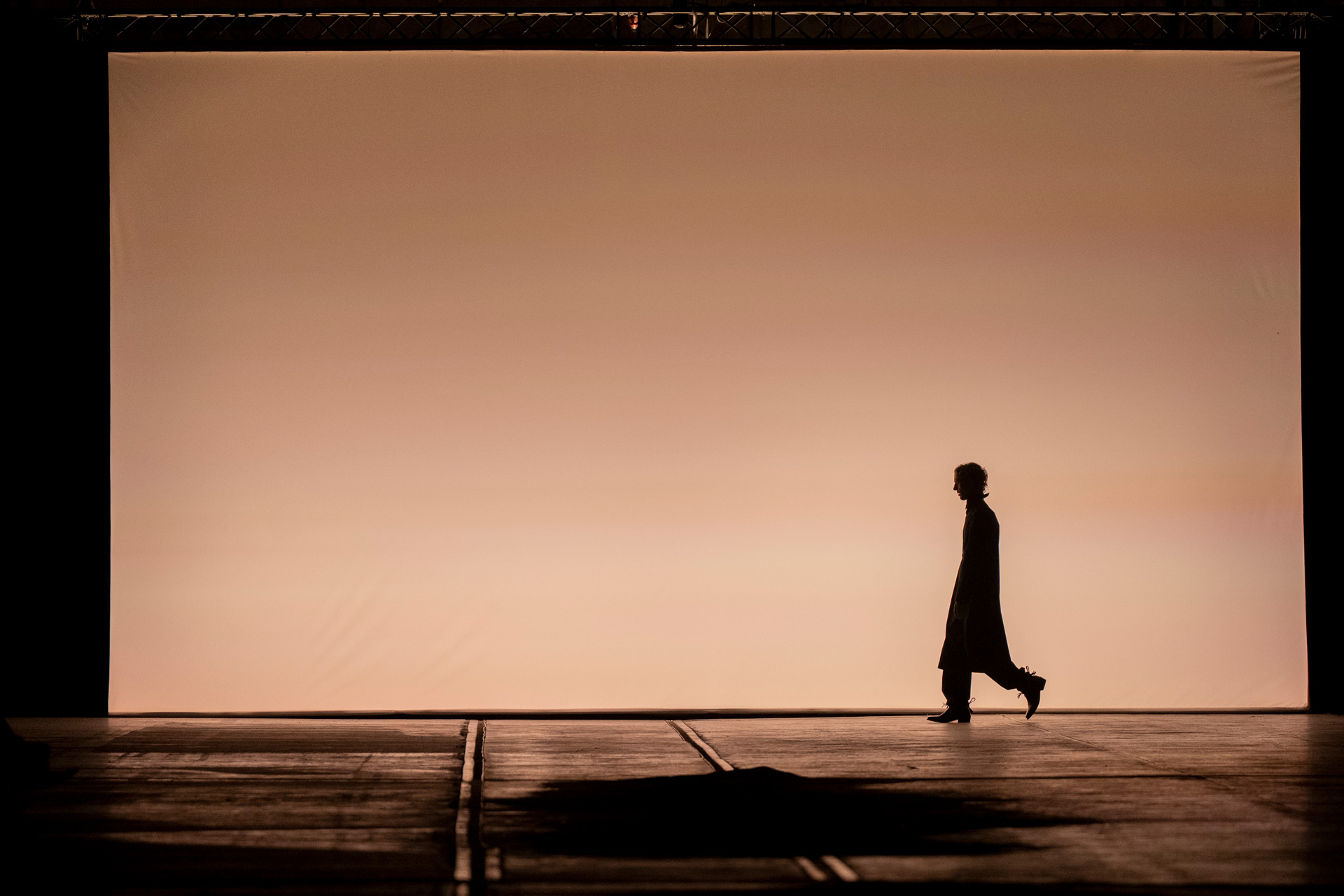
Seoul-based menswear label PAF (Archive Faction) is one of several Korean brands leading this experimental wave. Rejecting the rigid framework of traditional seasonal collections, PAF approaches garments as “wearable objects,” blending industrial detailing, transformable structures, and deconstructivist patterns to unite functionality with striking aesthetics. This commitment to a concept-driven approach culminated in an official invitation to Pitti Uomo 2025 in Italy, one of the most prestigious events in menswear. For PAF, the opportunity was more than a debut on the global stage; it became tangible proof that consistent experimentation, when grounded in vision and execution, can evolve into genuine commercial success and recognition.
Bridging the Gap Between Design and Market
For experimental design to succeed, uniqueness must be supported by strategies that connect creative vision to consumer understanding.
- Market Touchpoints: Exhibitions, collaborations, and limited-edition releases position design as a cultural experience rather than a purely transactional product.
- Storytelling: A clear visual and narrative language enables consumers to connect with the cultural and conceptual roots of the brand.
By deliberately building these bridges, designers move beyond simply responding to market demands. They begin to set new market expectations, shaping consumer definitions of value and influencing trends in ways that reach far beyond a single season or collection.
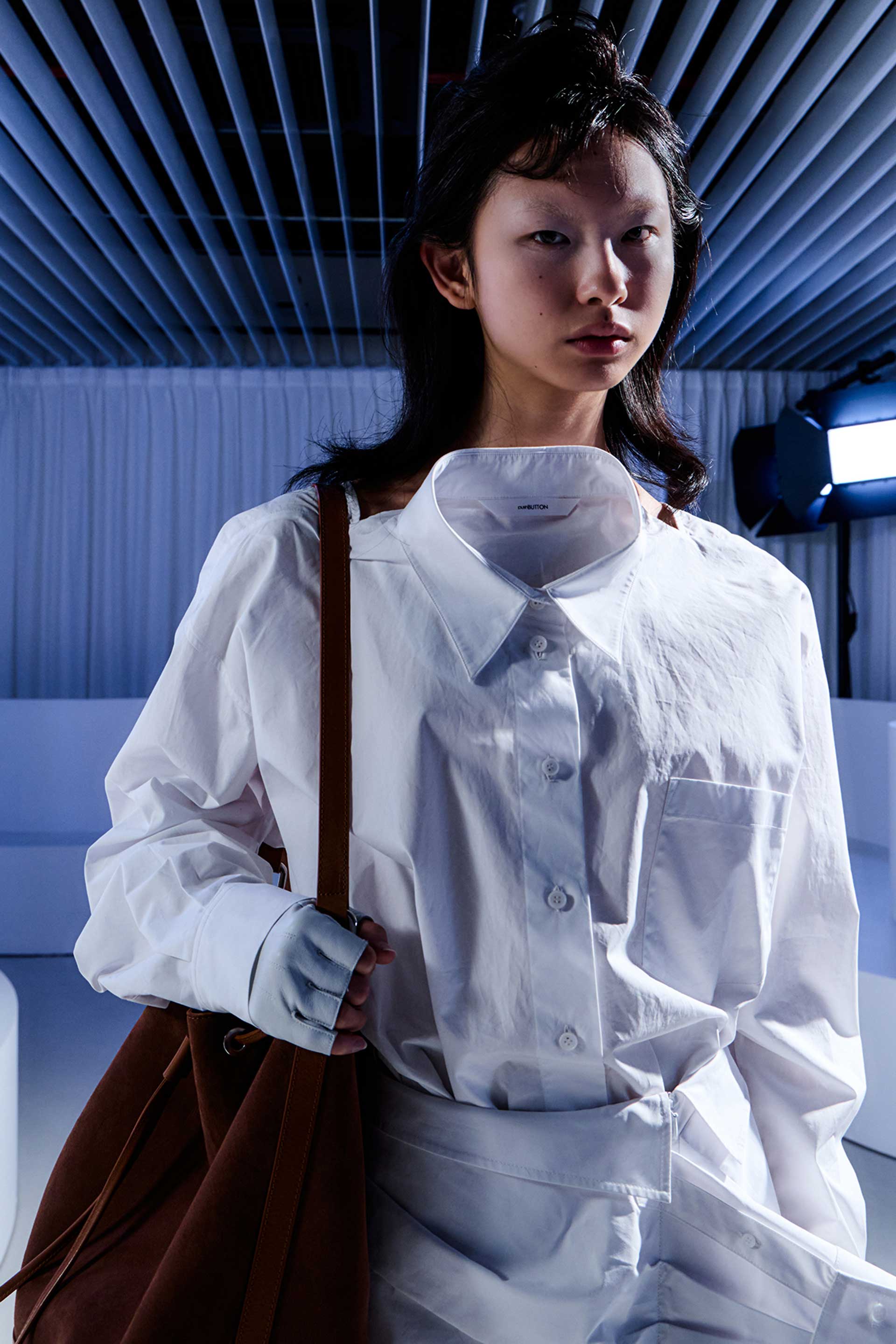
The Next Chapter for Korean Fashion Design
The arc traced by PAF, alongside innovators like pushBUTTON and Andersson Bell, signals a broader inflection: experimentation is not a gamble but the method by which a brand writes, tests, and continually refines its design language, and the path forward depends on replacing speed with stance, graduating from rapid trend arbitrage to a “slow design” posture grounded in philosophy, storytelling, and disciplined trial. This means fewer but clearer statements; modular systems that invite use and reuse; materials chosen for longevity and repairability; and narratives that are legible enough to travel across seasons, platforms, and geographies without dilution. It also means rethinking success metrics beyond sell in and seasonal heat toward first price sell through, repeat purchase, secondary market retention, and the growth of a living archive that customers actually consult. For Korean labels, the strategic work sits not only in the studio but in the ecosystem: cultivating factories that can iterate small batch without waste, building editorial and museum partnerships that teach audiences how to “read” a garment, and structuring collaborations as reciprocal learning rather than logo stacking. Done well, this shift protects creative integrity, deepens economic resilience, and, most importantly, positions Korean brands as long term cultural contributors whose work shapes the global vocabulary of dress, not for a single season but for the decade ahead.












#14057, 905 49, Beolmal-ro 102beon-gil,
Dongan-gu, Anyang-si, Gyeonggi-do, Korea
Business Registration Number: 454-86-01044
Online Sales License No.: 2021-Anyang Dongan-1081
Copyright © DESIGNSORI Co., Ltd.