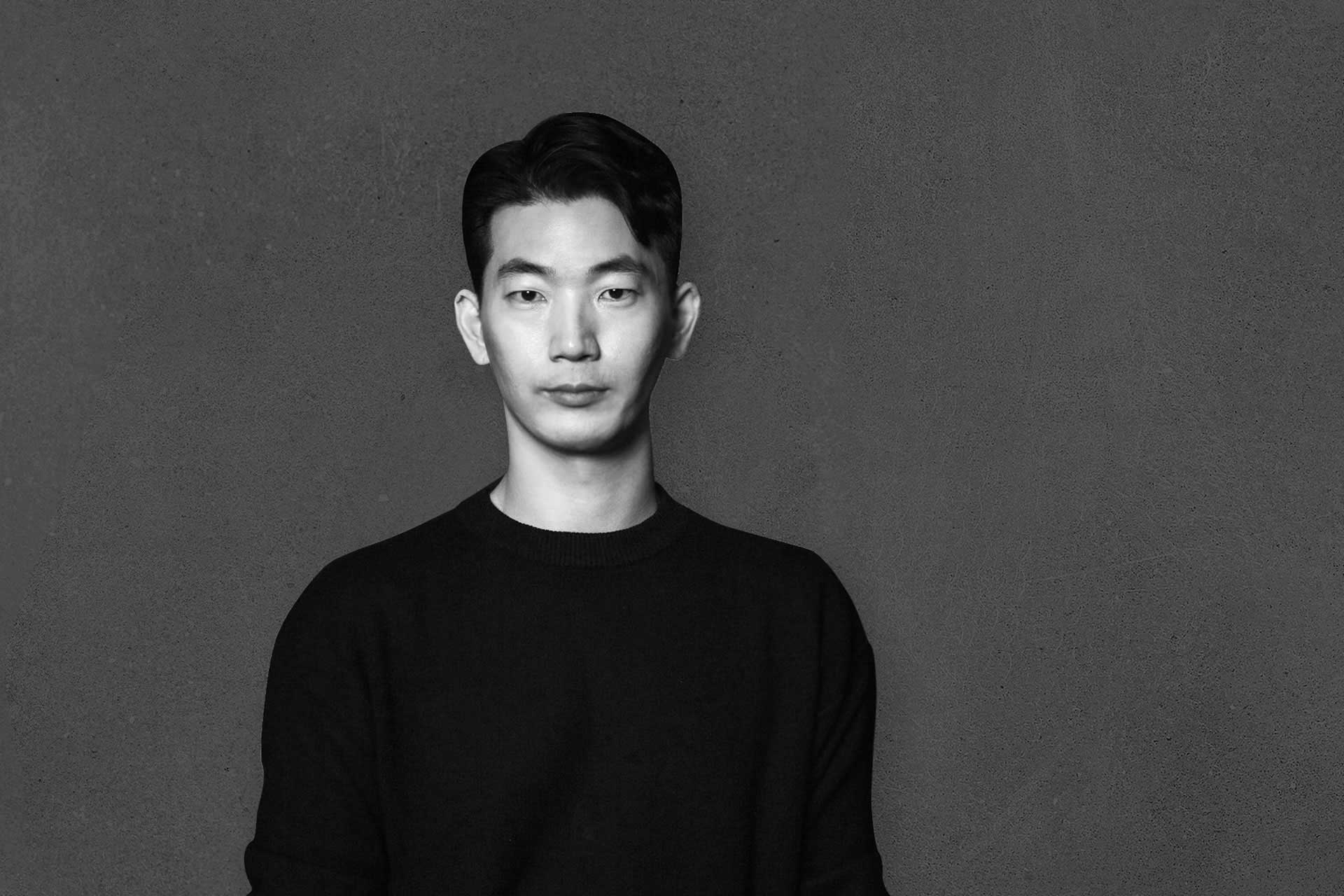
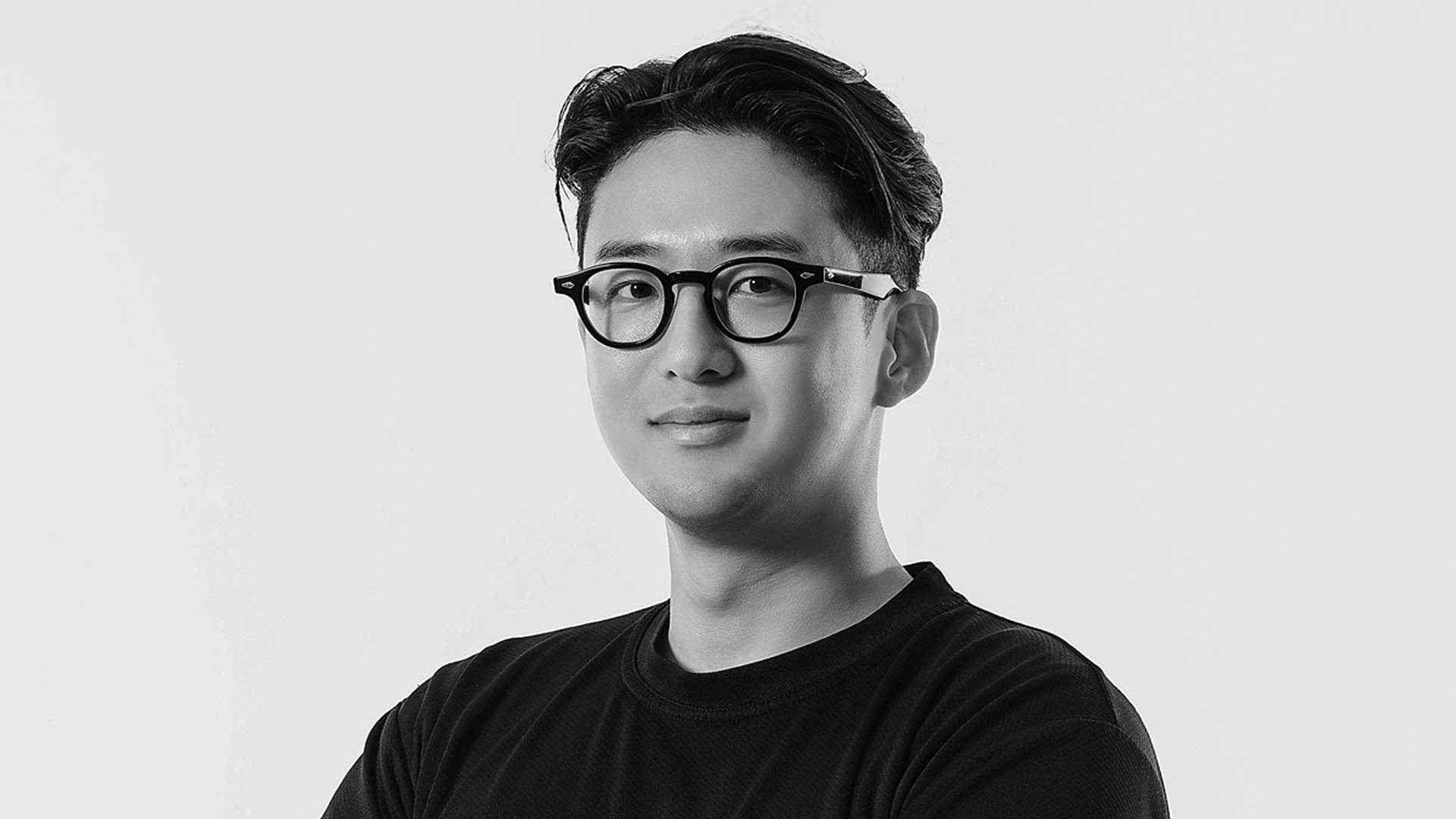
Director Joohwang Kim
Co-Founder of lllayer
To begin, could you briefly introduce yourself and share the design philosophy that ‘lllayer’ Studio pursues?
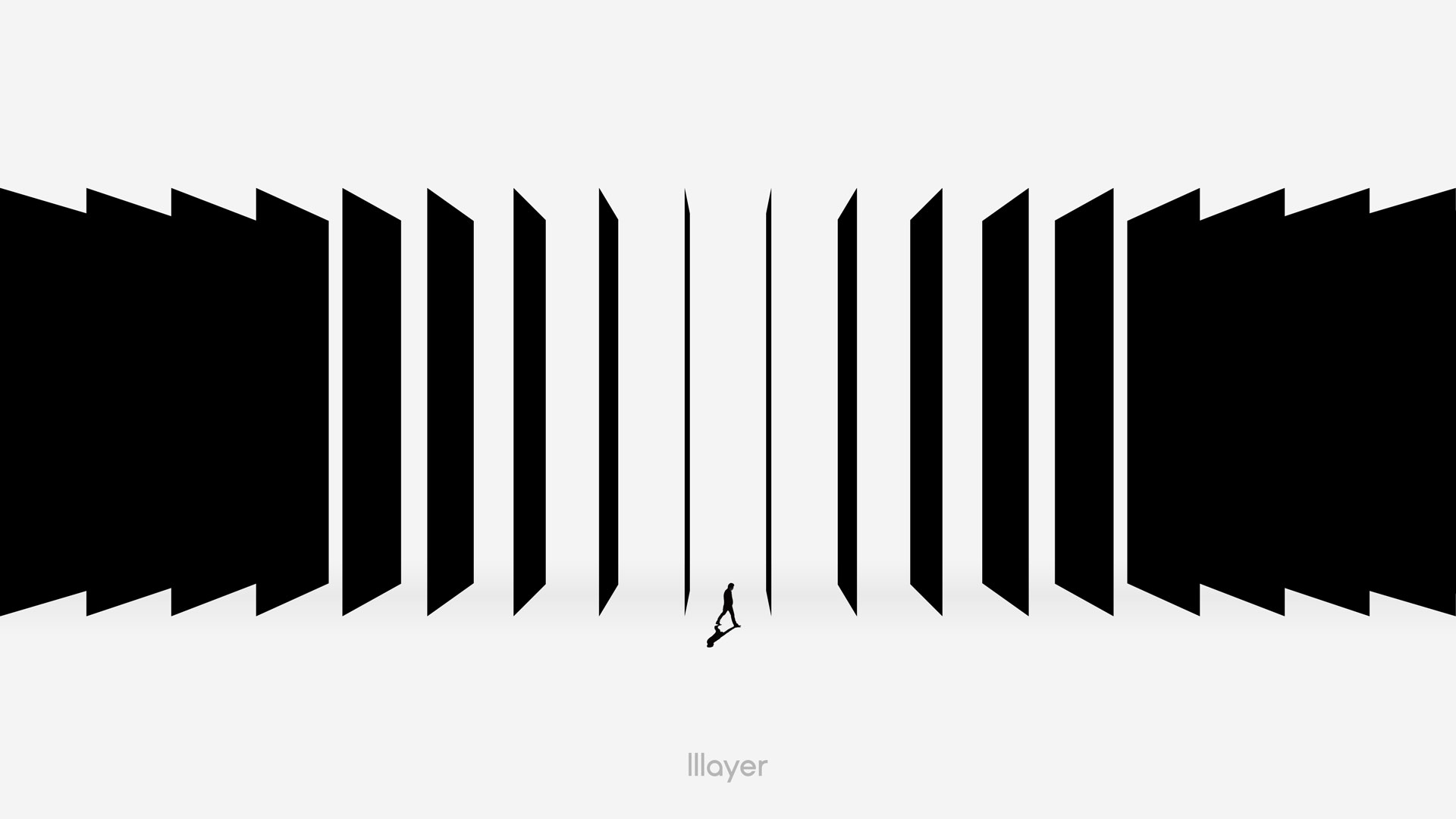
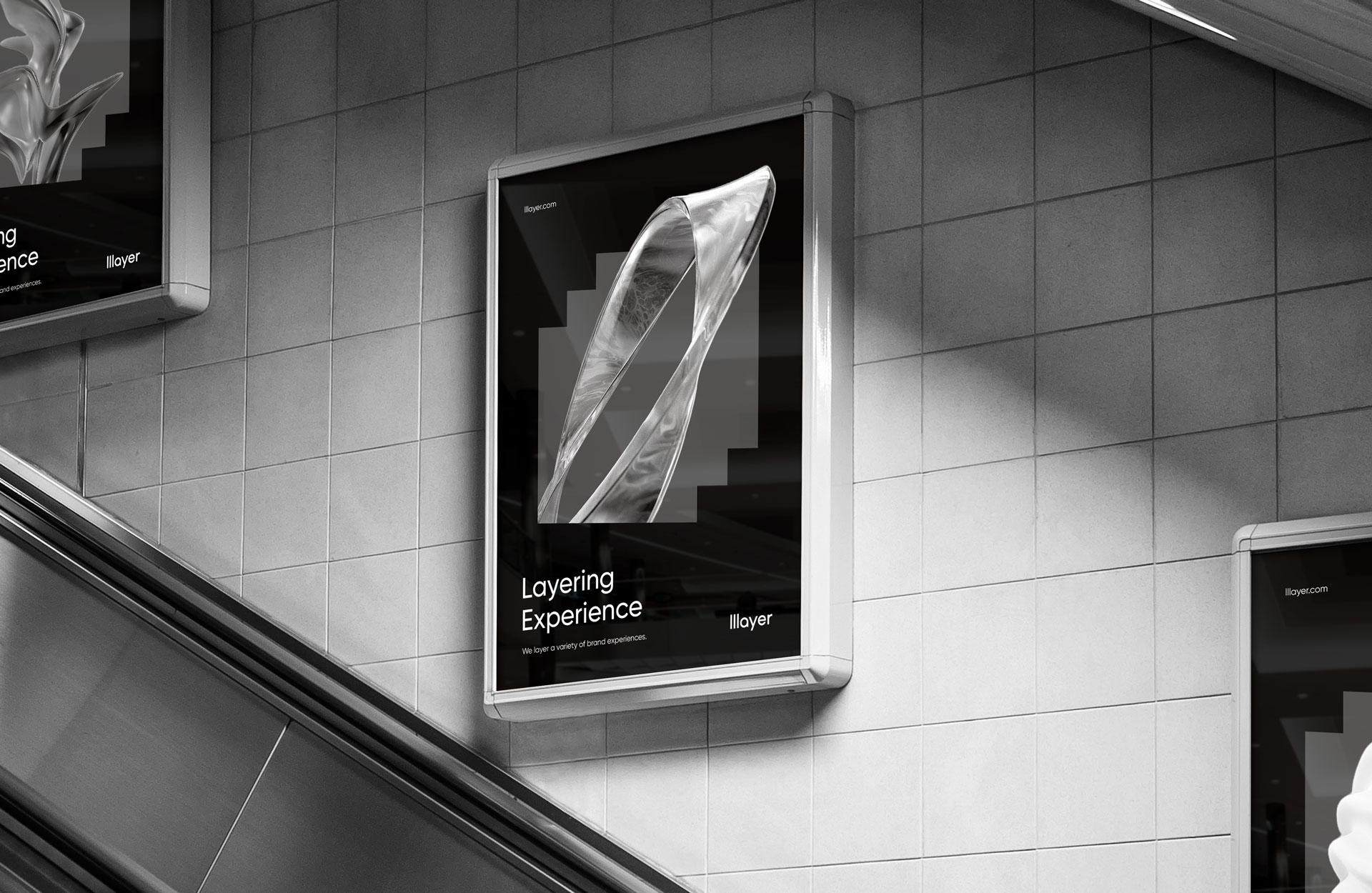
We define the purpose of branding as the act of creating memory. When people think of a brand, what kind of memory comes to mind? Or in what situations does this brand naturally surface in one’s thoughts? These are not accidental but deliberately designed and constructed. The name lllayer reflects this philosophy: “layer” signifies the different layers of experience a customer encounters with a brand, while the three overlapping “L”s at the front symbolize the accumulation of these experiences. For us, design must operate as a strategic tool that embodies the intentions of a brand. It is not simply a visual outcome but something that accompanies the brand from its inception to its growth, enabling it to recognize its identity and build meaningful relationships with its audience. We believe only through such intentional, layered experiences can a brand truly build the kind of memories we aim for.
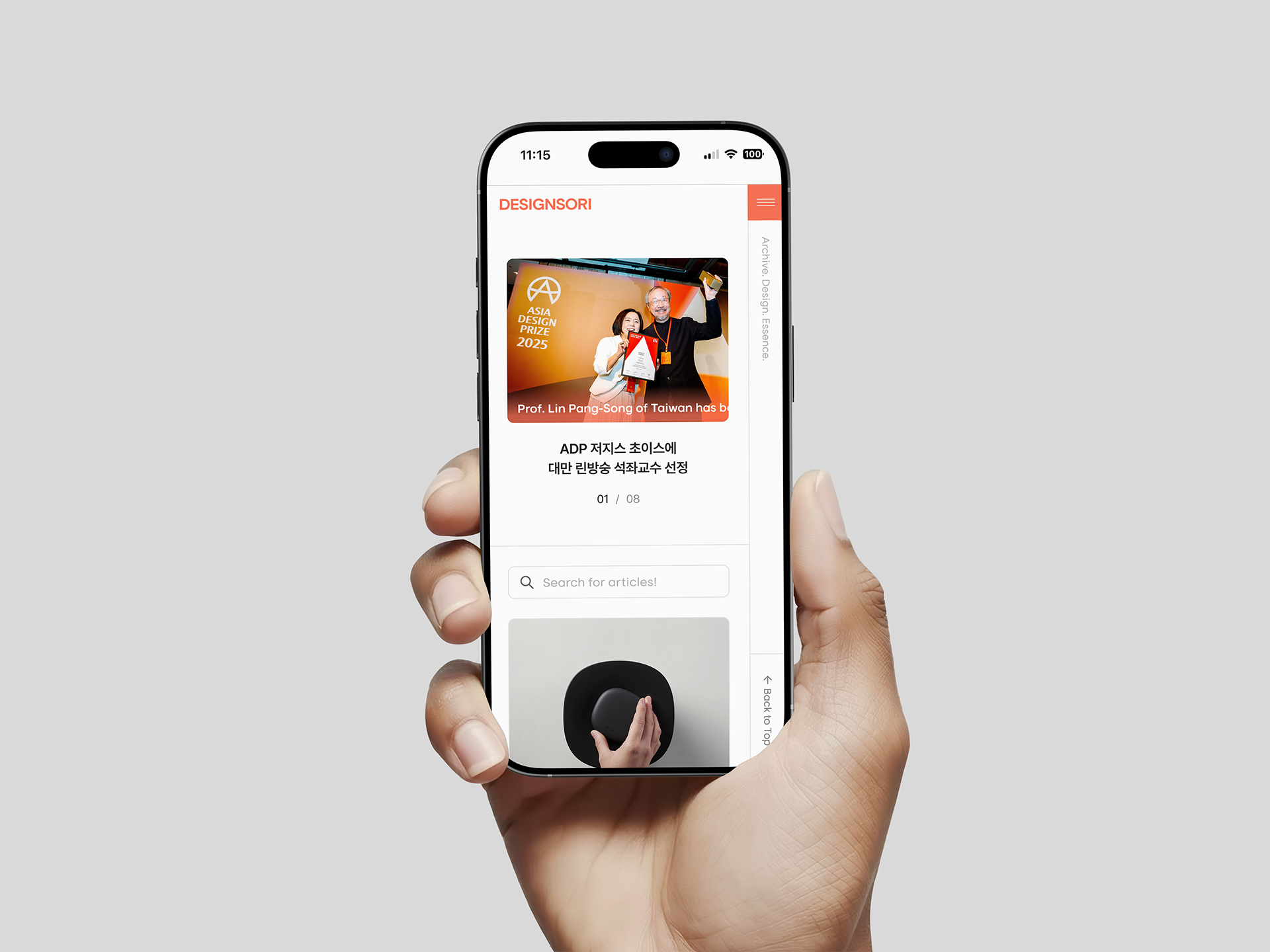
The recent renewal of Designsori was a project that proposed a new identity for a media platform with a long history. When you first took on this project, what were the most important issues you considered?
We began by studying Designsori in depth. At the outset I asked two fundamental questions. What is the essence that must be preserved for the next 20, 30, or even 100 years? What, on the other hand, must be changed with conviction? Without fixing these two pillars, any visual refresh would risk losing direction.
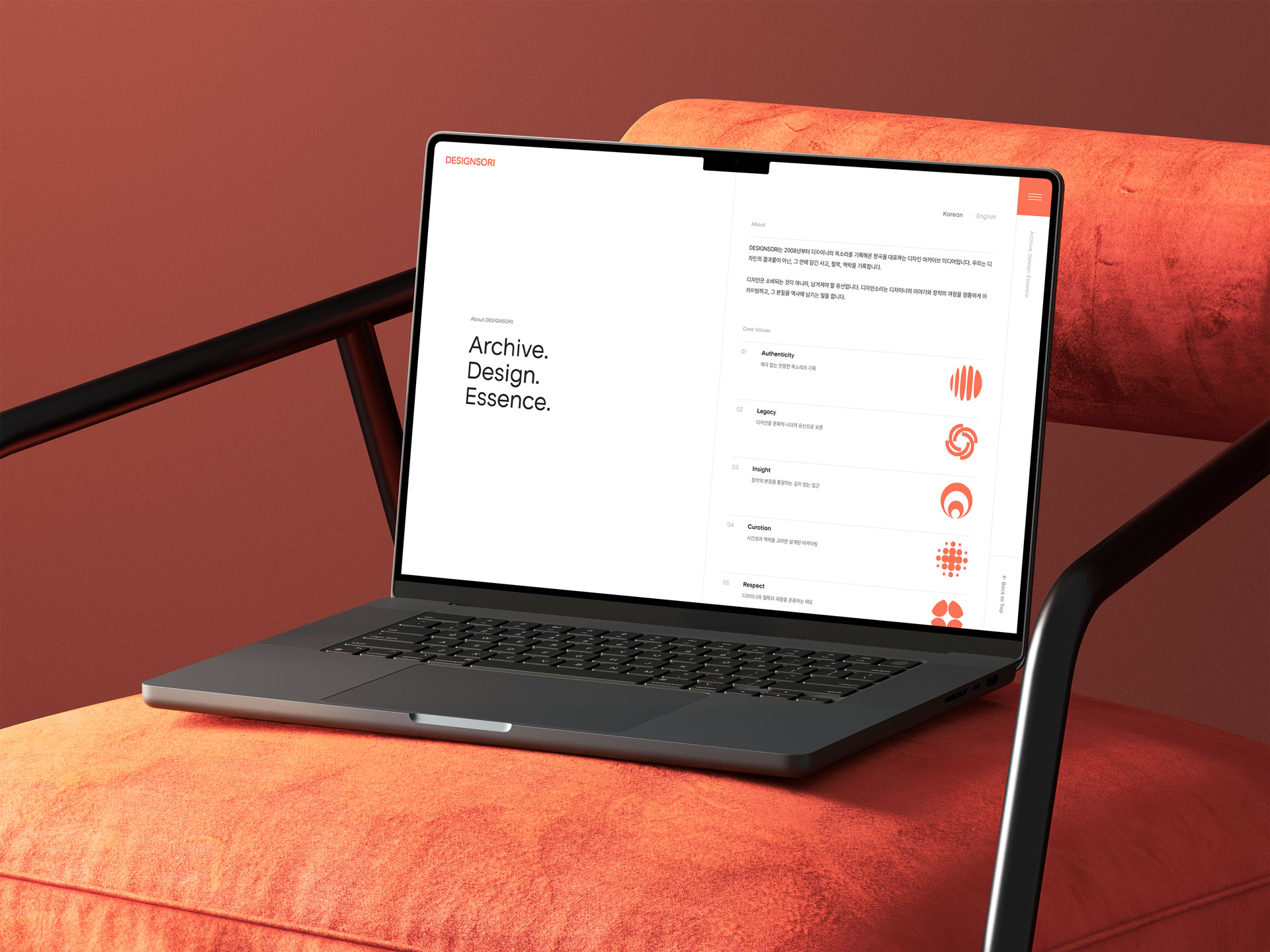
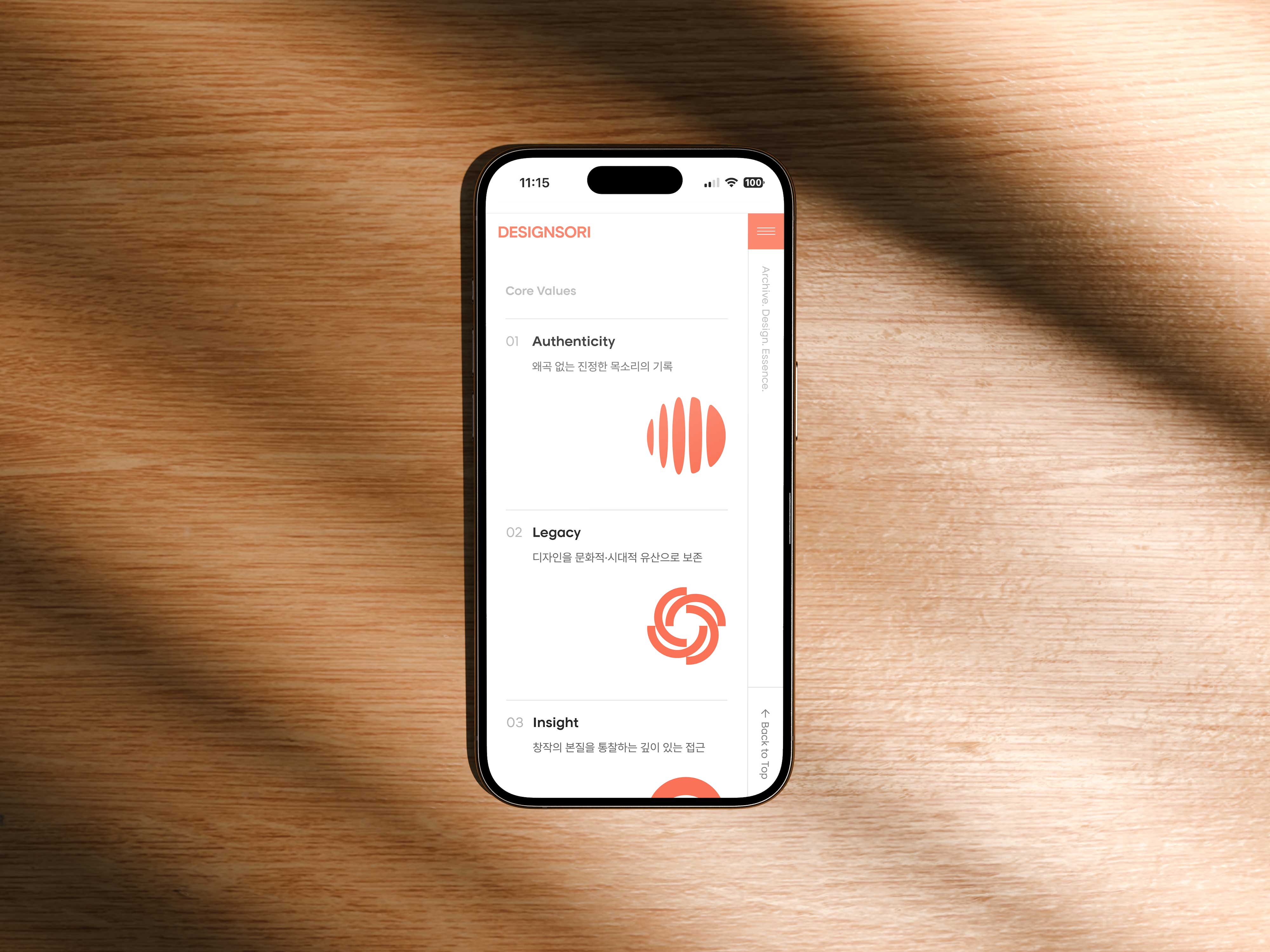
Designsori has archived design content for more than 15 years and carries a clear mission: Archive. Design. Essence. Recording the Essence of Design. It is supported by five core values: Authenticity (recording voices without distortion), Legacy (preserving design as cultural and historical heritage), Insight (probing the essence of creation), Curation (archiving with context and time in mind), and Respect (honoring the designer’s philosophy and process).
My first step was to analyze how these values have actually accumulated in operations and content. From that audit I identified where continuity was essential, where change was overdue, and how new proposals should be structured so that identity, function, and experience move forward together.
In renewing Designsori, how did you aim to redefine its functional and cultural role as a platform? Beyond UI/UX improvements, what kind of social role did you envision for a design platform?
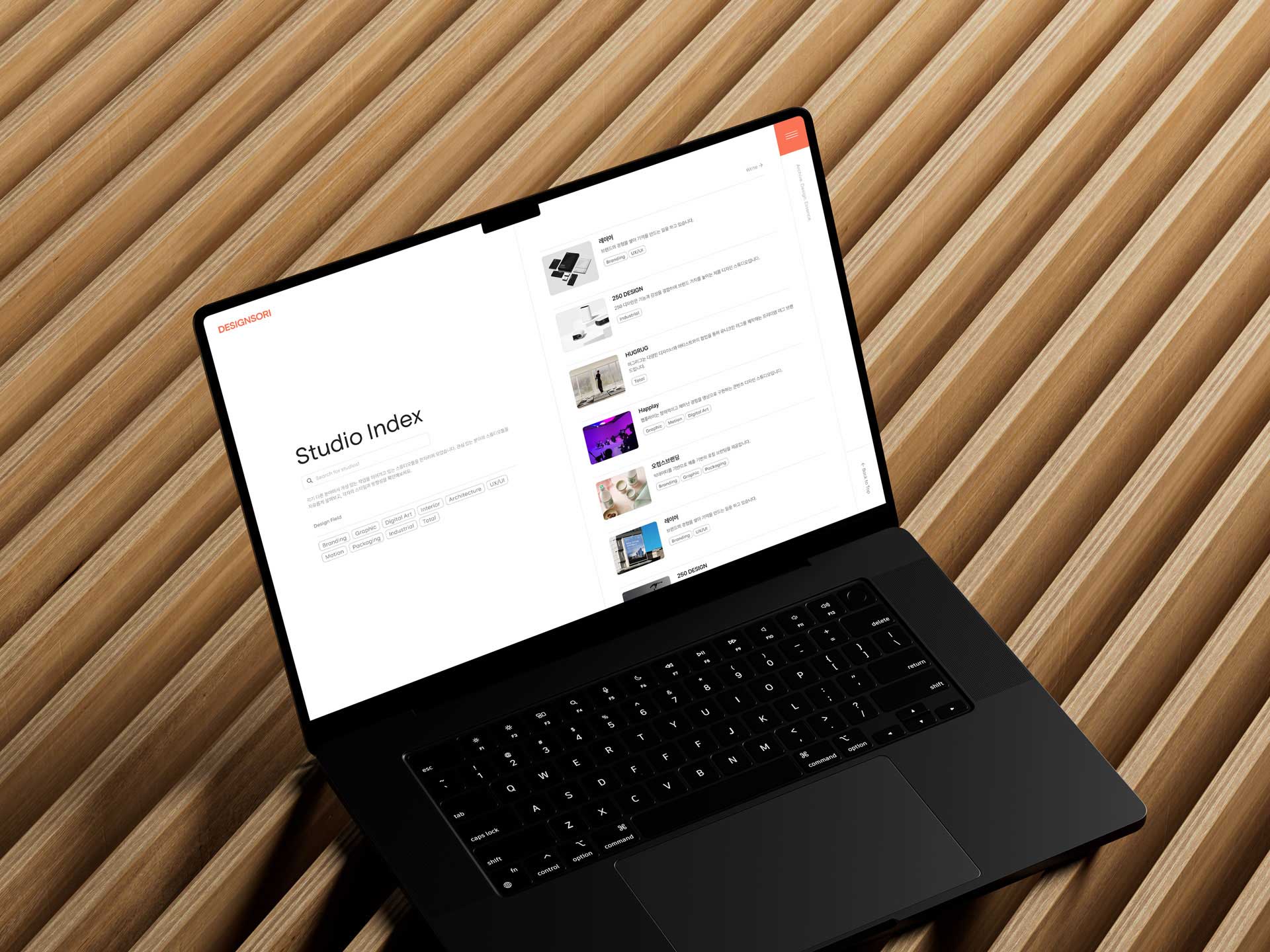
I set out to redefine Designsori not as a simple repository of information but as a forum and a connector. Archiving and curating valuable material for people with shared interests is only the first step. What matters most is creating structures where relationships form, interactions occur, and new value emerges among participants. That, to me, is the social responsibility of a platform. For this reason our goals went beyond UI and UX. We strengthened agenda setting functions so the site offers not only useful information for the moment but also a broader perspective that interprets the times and invites engagement. In parallel, we built mechanisms to discover, introduce, and connect talented domestic design firms so they can be contacted easily and collaborate when needed.
Two concrete implementations followed. First, we launched an expert column section to provide regular insights and foster debate, positioning the site as a space for discourse. Second, we created a Studio Index page that lets users explore leading design firms at a glance and reach out immediately for collaboration. In short, Designsori is moving from a place that stores information to a platform that builds relationships and enables collaboration. This renewal is the first step toward that vision.
The renewed Designsori emphasizes its role as a place to archive and share the voices of designers. What were the core intentions behind its visual identity (logo, color, layout) and structural redesign?
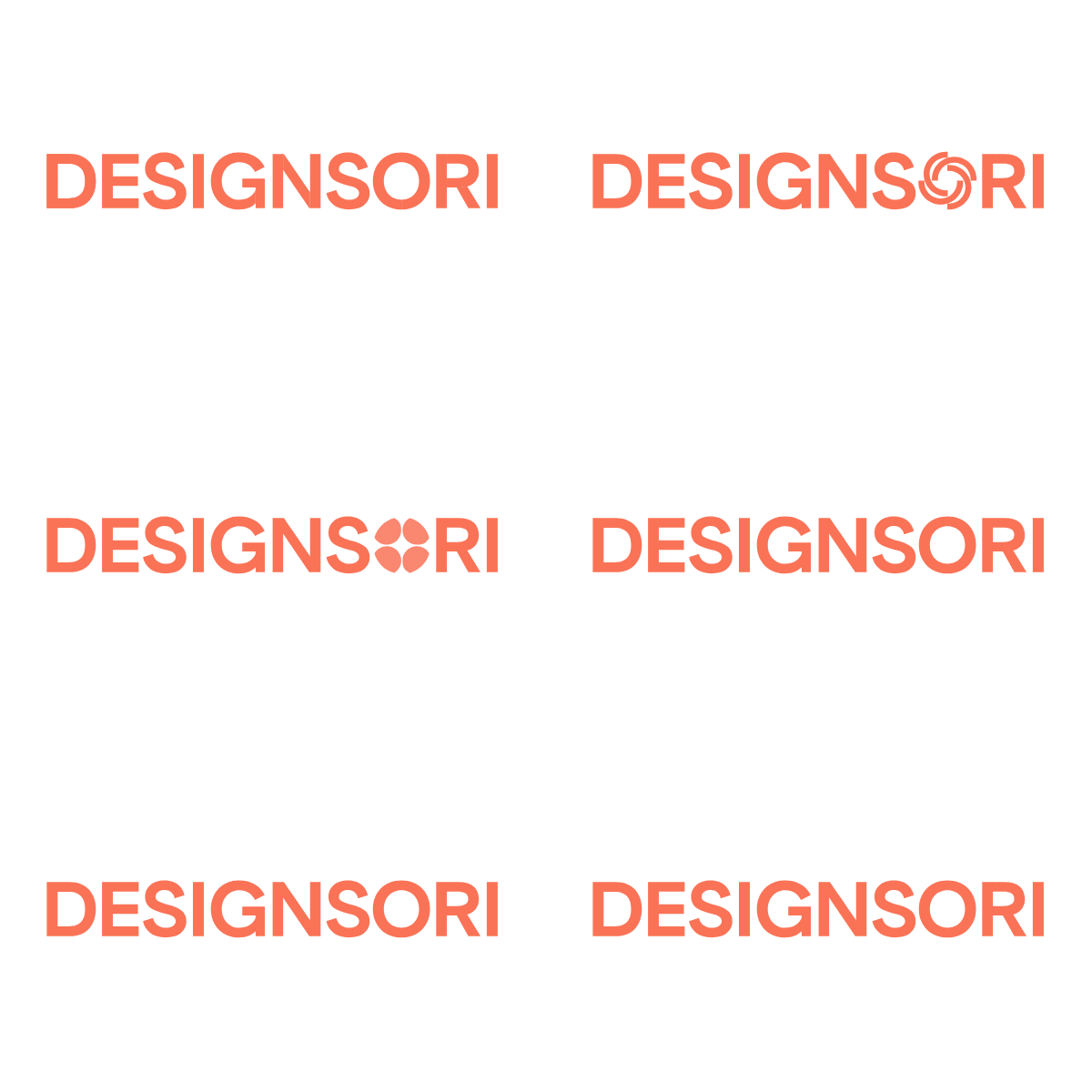
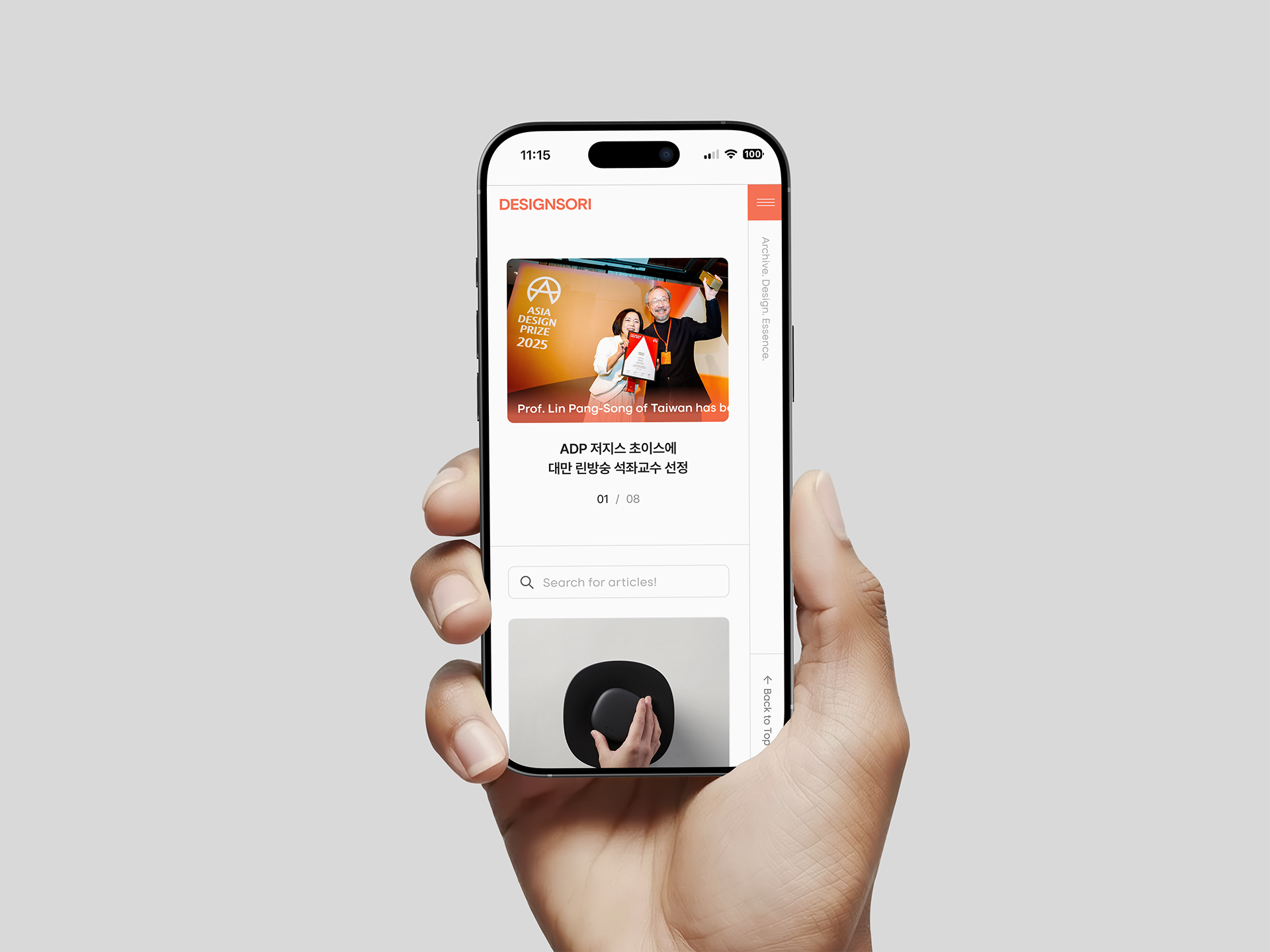
In this renewal, we replaced the brand’s long standing yellow with coral orange. The color carries the energetic qualities of orange—vibrancy and vitality—while also conveying emotion and creativity. We found it appropriate to symbolize the continuation and expansion of what Designsori has built so far. In addition, this coral orange symbolically combines the “Legacy Red” of ADP and the yellow of the K Design Award, embodying the identities and values of the two awards operated under Designsori. For the logo, when users hover over it on the website, an animation plays in which the “O” in DESIGNSORI transforms into various shapes, representing the five core values: Authenticity, Legacy, Insight, Curation, and Respect. In other words, the name itself visually encapsulates the brand’s values.
The layout adopts a split screen design for PC and tablet, inspired by the motif of a book to highlight Designsori’s identity as a text centered archive. The menu button on the right hand side functions like a bookmark, allowing quick navigation. On mobile, we simplified the layout to a single column for usability while retaining the bookmark concept, ensuring a consistent experience across devices.
lllayer’s philosophy emphasizes how invisible layers come together to transform user experience. How was this philosophy applied to the renewal of Designsori?
Within Designsori, users can already experience different layers: categories such as News, Interviews, and Columns, as well as the Studio Index that allows exploration of leading design firms. Yet the “layers” of experience extend beyond the website itself. They include the impressions formed before visiting, the interactions during use, and the relationships built afterward. We designed this website as a central axis to support and accumulate these layered experiences, ensuring that it becomes an asset for fostering ongoing engagement with the brand.
Platforms like Designsori play an important role in connecting individual designers’ voices to form a collective narrative. How do you see Korean or Asian design platforms evolving in the future?
In today’s AI era, individual power inevitably grows stronger. Designers are already using AI to reach new levels of productivity, accomplishing solo what once required coordinated teams. Yet the part AI cannot substitute is a designer’s point of view, including the lived experience, cultural memory, and ethical judgment that give work its meaning. That makes two things more urgent at once: first, for designers to articulate their own voices with greater clarity; second, for those distinct voices to meet, collide, and collaborate. The next generation of Korean and Asian design platforms should move beyond being archives or news feeds into trust infrastructures, places that do not just store work but supply context, credit, and critique.
Practically, that means multilingual discovery and translation layers that respect nuance rather than flatten it; provenance and attribution tools so ideas are traceable; editorial programs that frame Asian design on its own terms; and hybrid formats such as residencies, open calls, critique forums, and microgrants that help designers form project teams across cities and time zones. Platforms will also need to set ethical guardrails for AI use, teach how to read process and intent (not only results), and open up structured datasets for research while protecting IP. If they can convene museums, studios, schools, and industry around shared briefs and then publish the process, failures included, they will turn content into commons and commons into collaboration. In short, the platforms that endure will be the ones that broker trust, build relationships, and make collaboration legible, so that many singular voices can compose one evolving global narrative for Asian design.
What significance does this project hold within lllayer’s portfolio? In terms of branding, platform, and experience design, what new possibilities did the renewal of Designsori reveal?
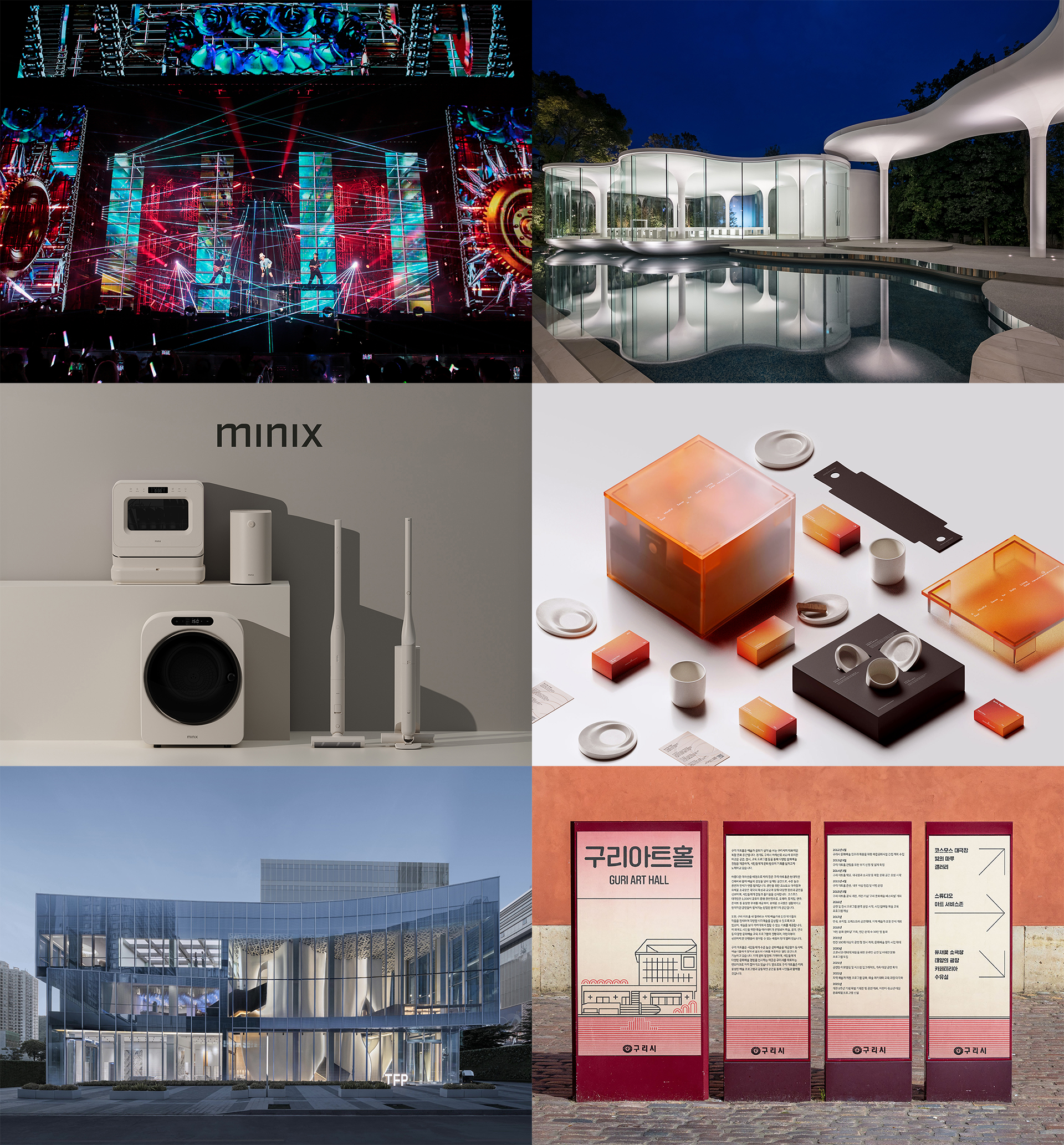
The renewal of Designsori was especially meaningful for lllayer because it integrated branding, platform, and experience design into a single flow. We are not just a team that produces visuals; we design how a brand is remembered and used in the digital environment. This project made that direction clear.
The main challenge was restructuring a massive archive of accumulated content while enhancing the quality of user experience. This required us to first design the hidden structures and operational principles behind the platform, then ensure these designs were implemented stably through development. In the end, we successfully connected the visible UI with the invisible structural and functional layers. This experience validated lllayer’s integrated perspective: strengthening platform functionality without compromising brand identity, while uniting both through user experience. In short, the Designsori renewal demonstrated that we can provide partnerships that link strategy–structure–implementation, rather than simply creating attractive visuals.
The slogan of Designsori is “Archive. Design. Essence.” How do you think this renewal contributes to sustaining and expanding the legacy of Asian design?
This slogan is not just a phrase; it is a declaration to treat Asian design legacy as a flow of archiving (preserve), designing (interpret), and essence (prove). Through this renewal, Designsori reorganized its archive into a connected ecosystem that goes beyond collecting works as images. It now includes intentions, process documentation, interviews, and even failed cases, all tagged and cross searchable by theme, region, year, or process. This transforms the archive into a living resource that future creators and researchers can reuse and reinterpret directly.
At the same time, we enhanced the platform’s social function. Multilingual accessibility in Korean, Chinese, and Japanese, expert columns and reviews that propose discourse, and a Studio Index with open calls that enable real collaborations were combined to foster discovery, dialogue, and co creation across Asia. For education and research, tools such as case studies, production notes, and timelines were structured for direct use in classes and projects. In short, the renewal turns Designsori into a platform that not only shares but actively expands the legacy of Asian design. It preserves records, interprets their meaning, and keeps them open for the next generation to use and build upon.
Finally, what was the biggest lesson or reflection you gained from this project? And what vision does lllayer pursue moving forward?
This project reaffirmed the importance of rigorous advance planning. A content platform may look simple at first glance—write articles and display them—but in practice, reorganizing a large body of accumulated information proved to be a complex and demanding task.
Looking ahead, we will continue to focus on building memories for brands. For us, this goes beyond visual design. Just as memories of a person are formed through interactions, memories of a brand are shaped across many layers of experience: logos, colors, and typefaces, but also real encounters online and offline, advertising, and content. How these experiences are designed and executed ultimately determines what remains in memory. Our goal is to evolve into a company that constructs comprehensive brand experiences, ensuring that every layer of interaction contributes to clear, lasting recall and meaningful affinity.
















#14057, 905 49, Beolmal-ro 102beon-gil,
Dongan-gu, Anyang-si, Gyeonggi-do, Korea
Business Registration Number: 454-86-01044
Online Sales License No.: 2021-Anyang Dongan-1081
Copyright © DESIGNSORI Co., Ltd.