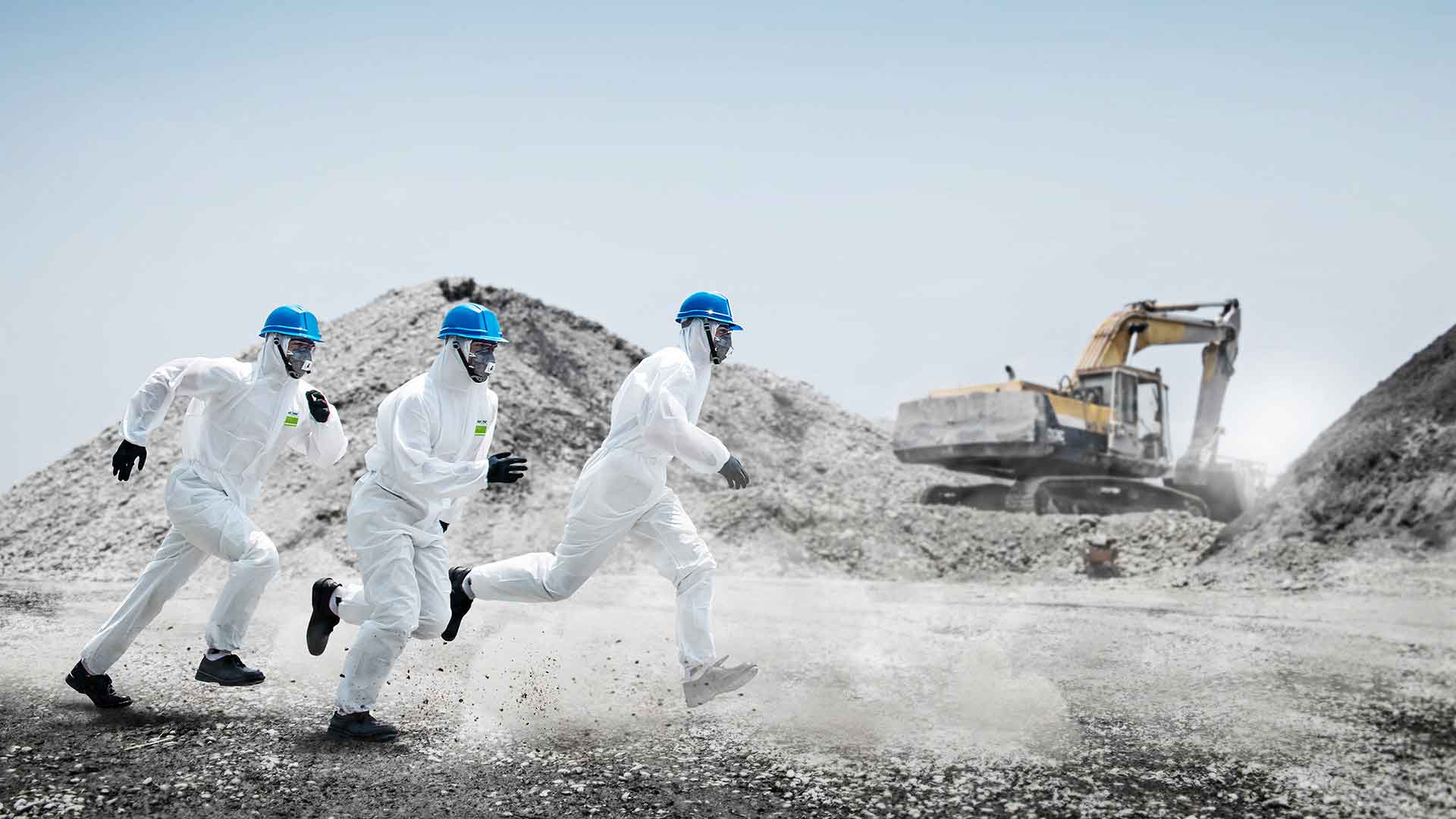
Branding isn’t just for B2C—B2B brands need clarity too
A frequent question in industrial and technical sectors is whether branding is truly necessary. Many companies possess strong product and engineering capabilities yet lack a coherent brand strategy and visual system. The result is fragmented communication and missed chances to convey real value, which can slow growth. In B2B, branding begins not with surface aesthetics but with a close reading of the business model, technical strengths, and market goals. It aligns internal logic, clarifies purpose, and builds a foundation of trust.
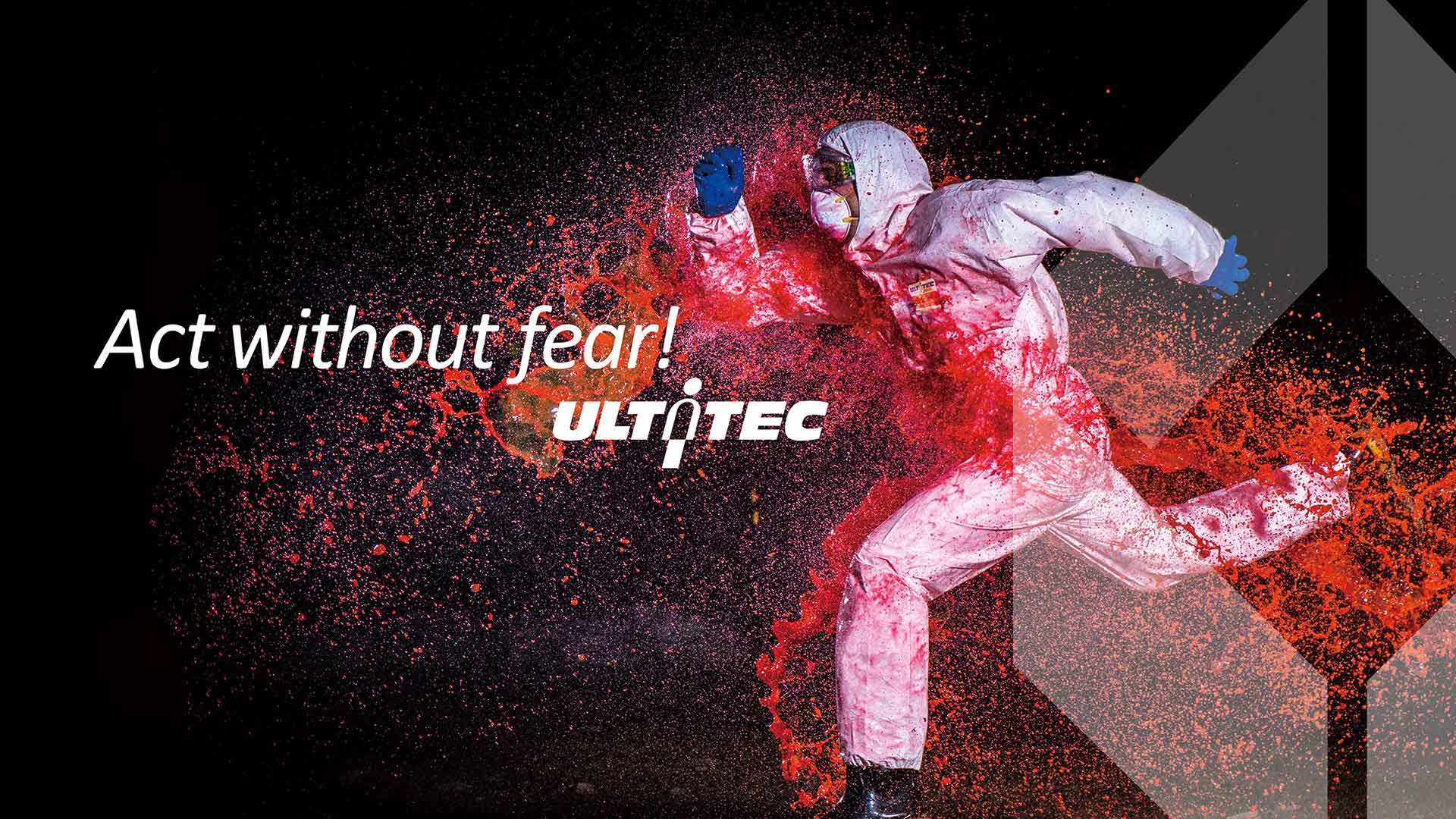
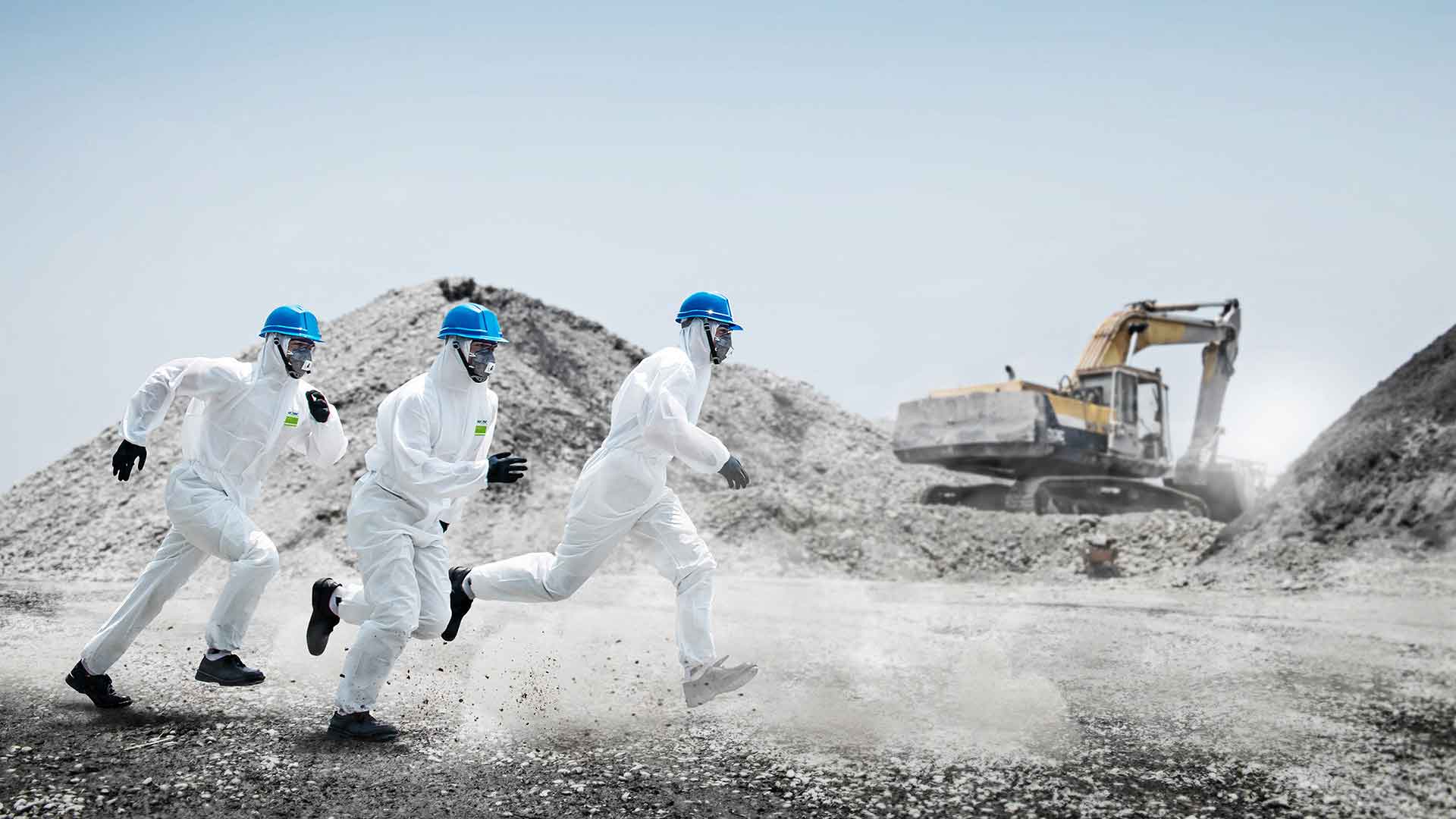
Consider a protective apparel manufacturer. By reframing functional strengths as a clear promise—positioning protective gear as modern armor and encouraging users to act with confidence—the brand translates abstract ideas of safety and reliability into an emotional and visual narrative that users can immediately grasp.
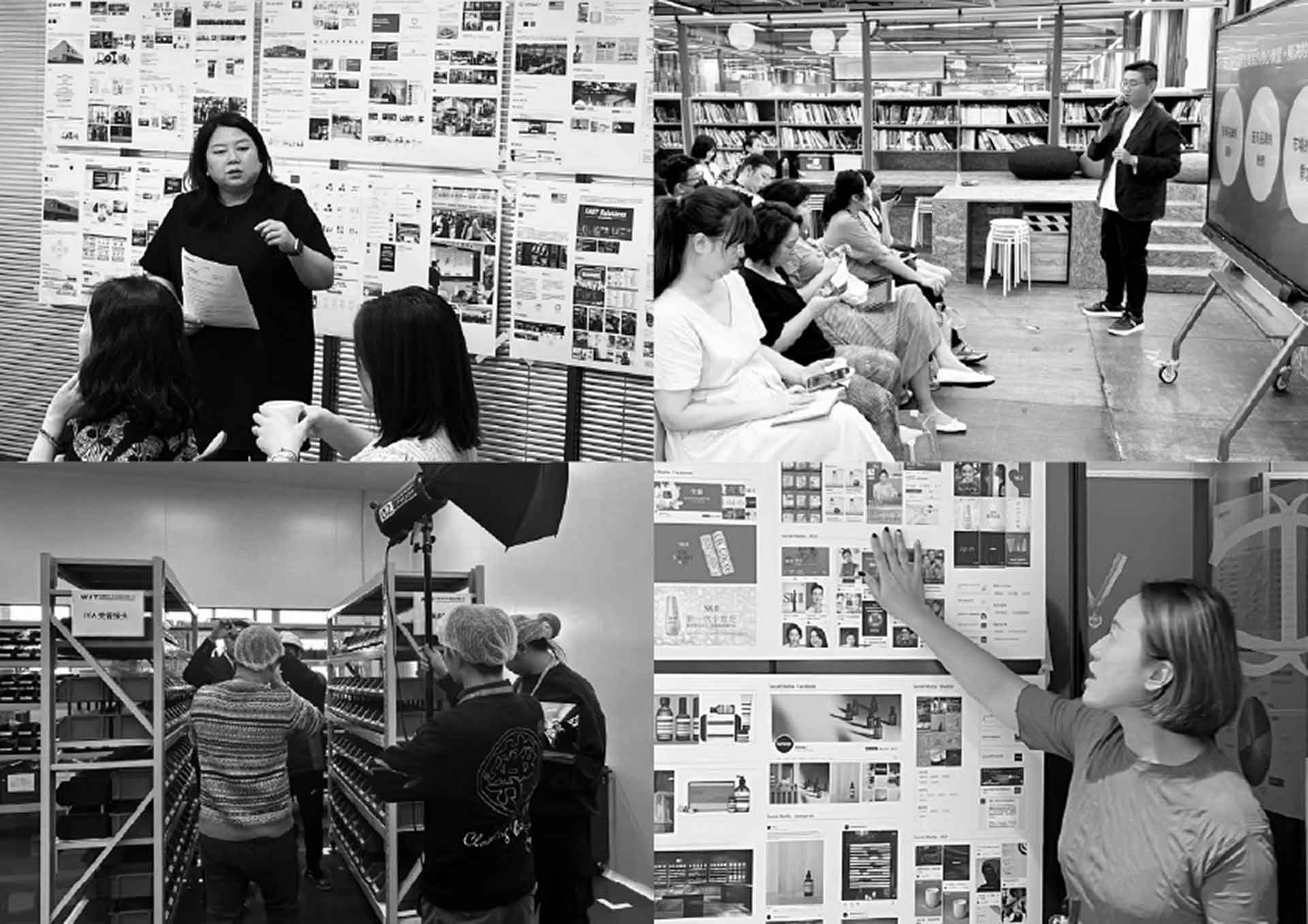
Design connects the dots between value, technology, and the market
B2B value often resides below the surface: in technical depth, reliability, and long term relationships rather than in showy product features. Communicating that value requires more than styling. It calls for translation across disciplines and integration across teams. Effective design functions act as interpreters between engineering and marketing, and as integrators across departments. They help technical teams articulate innovation in market-friendly language while building visual systems and messaging frameworks that remain consistent inside and outside the organization. This work answers a fundamental question: how can a brand be seen, understood, and chosen. Recognition and trust are built over time at every touchpoint, eventually becoming business assets rather than short term spikes.
Making brands feel, not just function: Emotion and sustainability in B2B
B2B is often perceived as a rational, numbers-driven arena that competes on specifications, performance, and systems. Yet business relationships also depend on trust, shared values, and the experience a brand creates. Emotion and sustainability are increasingly central to that conversation. Whether shaping first impressions with clients or reinforcing internal culture, a brand must be felt, not only presented. Through tone, imagery, typography, color, and rhythm, organizations can convey warmth, professionalism, and purpose.
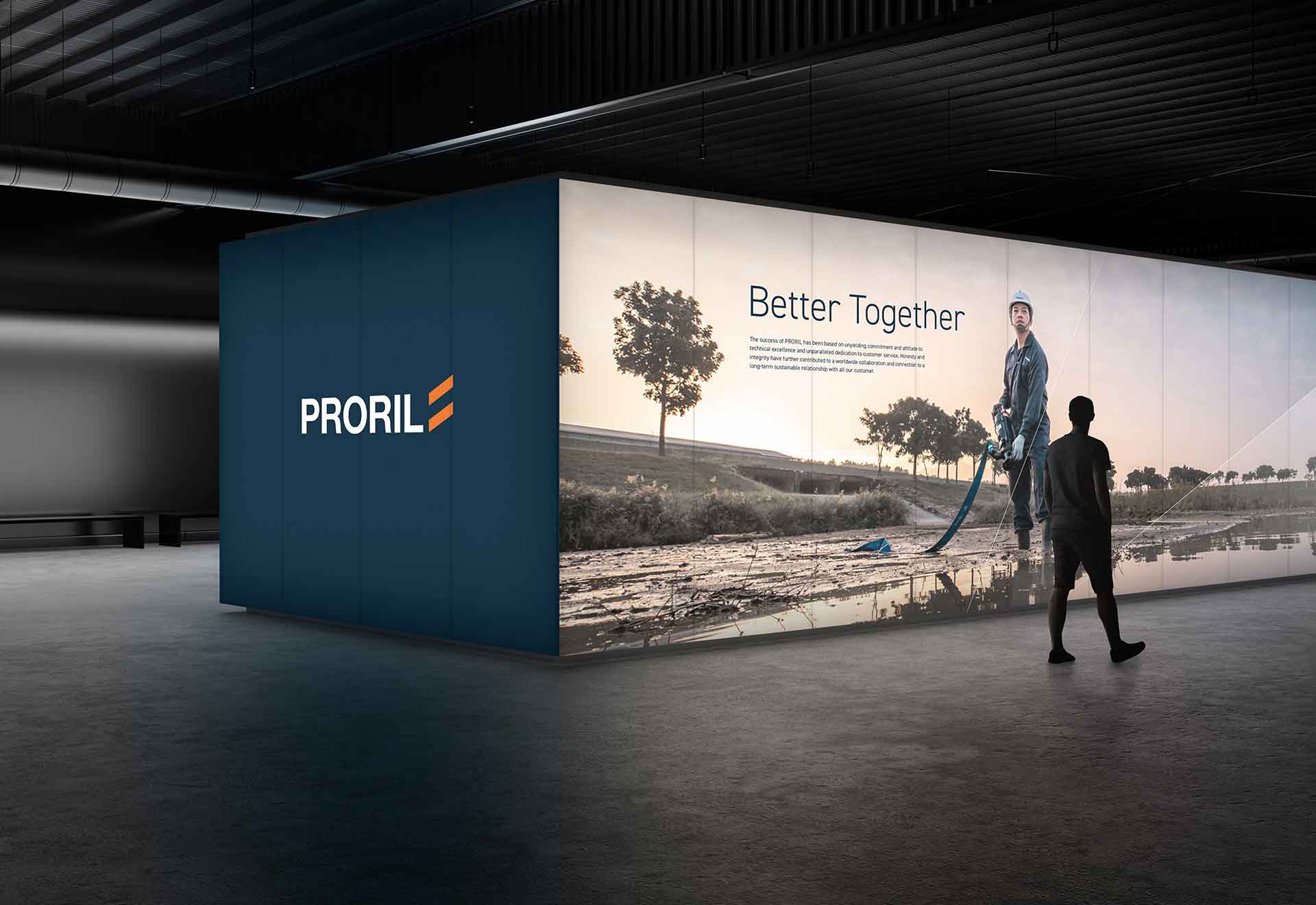
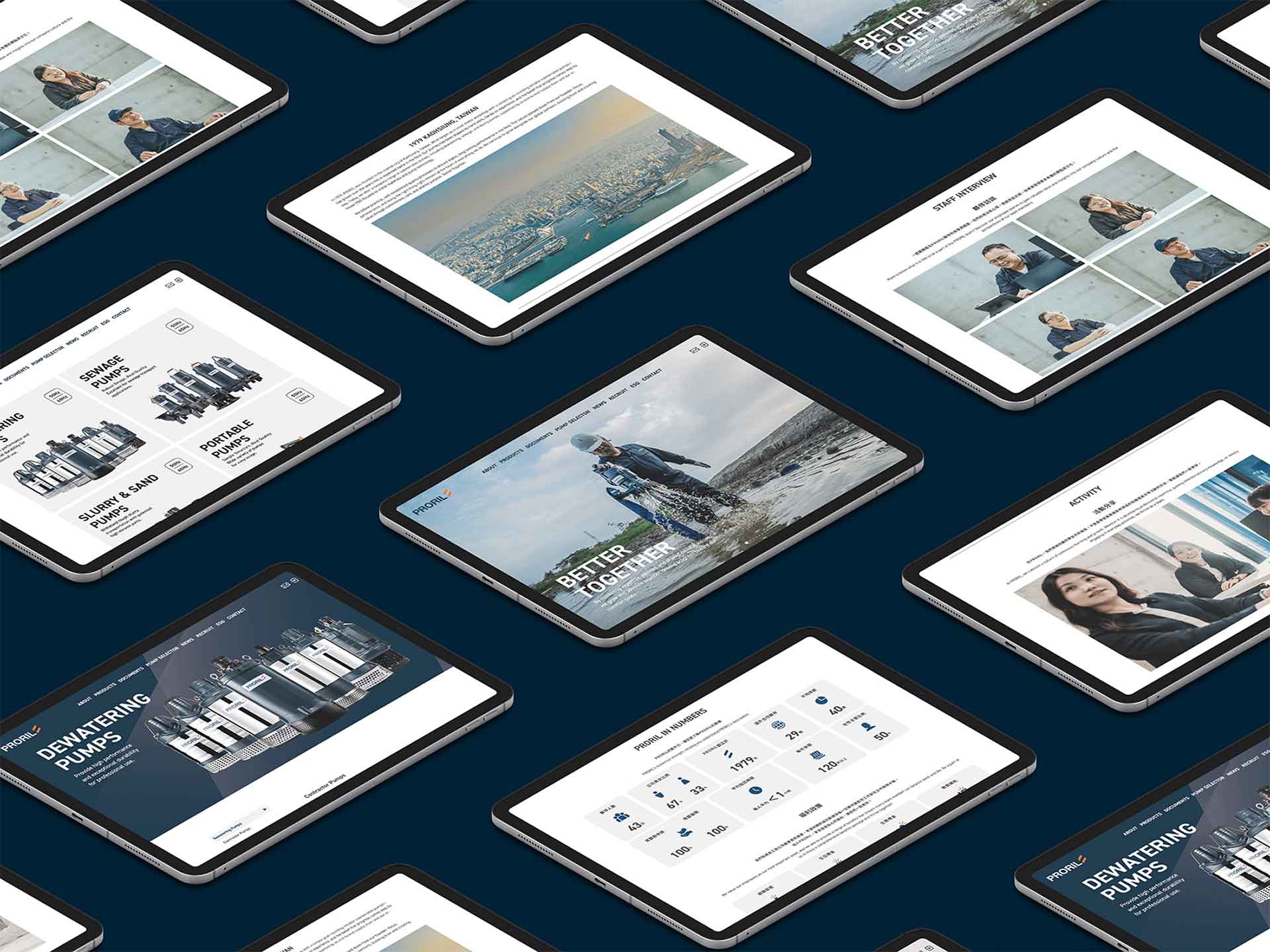
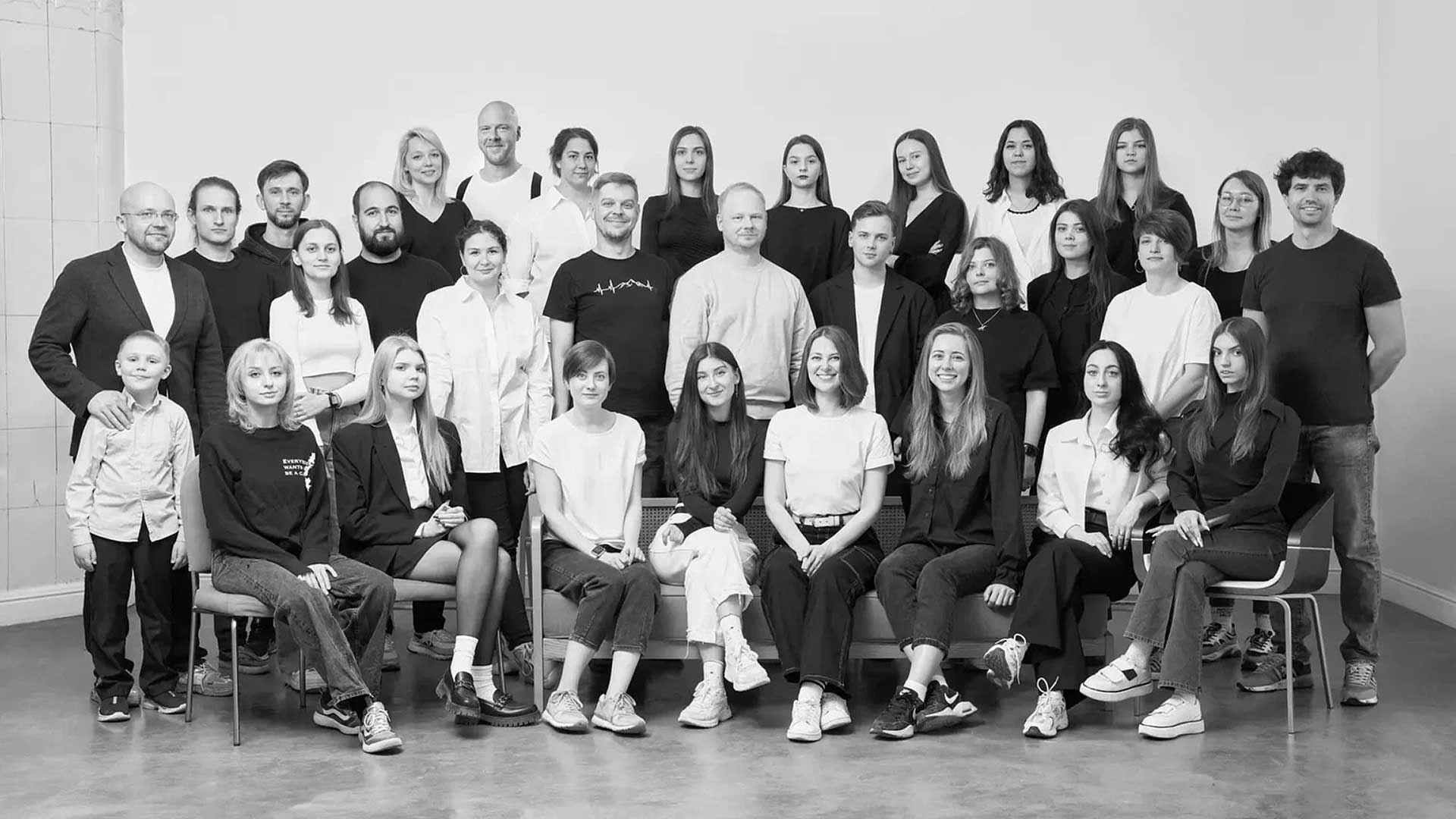
Take a company built on collaboration in a highly technical niche. If teamwork and mutual support are part of its internal DNA, a message that emphasizes progress together can be translated into visible and tangible expressions—language, imagery, and visual rhythm—that reflect both emotional depth and long term vision. Sustainability cues can also move from claim to experience through materials, messaging, and behavior that are easy to verify and hard to fake.
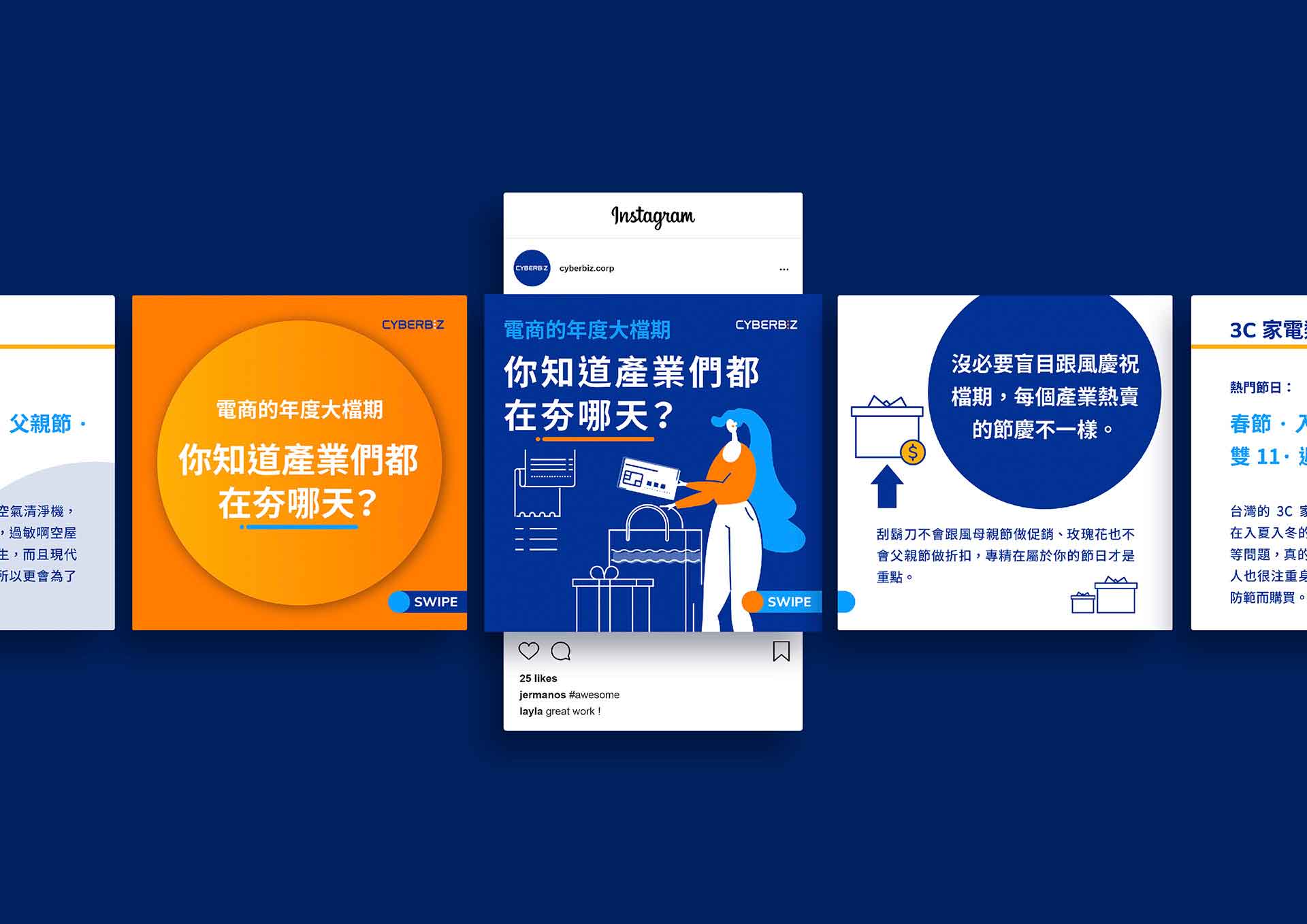
From service provider to brand partner
Building a brand is not a one time project. It is a sustained process of alignment, integration, and shared insight. Design is not only what can be seen. It is the development of organizational capability. The work moves from discovering identity, to articulating a clear message, to embedding that identity across operations so the brand becomes a tool for external communication and internal cohesion. The greatest value of design is in supporting long term goals. It avoids chasing short-lived visual trends and instead favors clear logic, grounded strategy, and pragmatic creativity. That approach requires patience and trust, along with a deep understanding of industry context. Done well, it helps B2B brands grow from the inside out.
















#14057, 905 49, Beolmal-ro 102beon-gil,
Dongan-gu, Anyang-si, Gyeonggi-do, Korea
Business Registration Number: 454-86-01044
Online Sales License No.: 2021-Anyang Dongan-1081
Copyright © DESIGNSORI Co., Ltd.