6a749846ceae9bc1ab4d363bef9c8139.png

Sangwoo Cho
Senior Designer at Jabra, Denmark


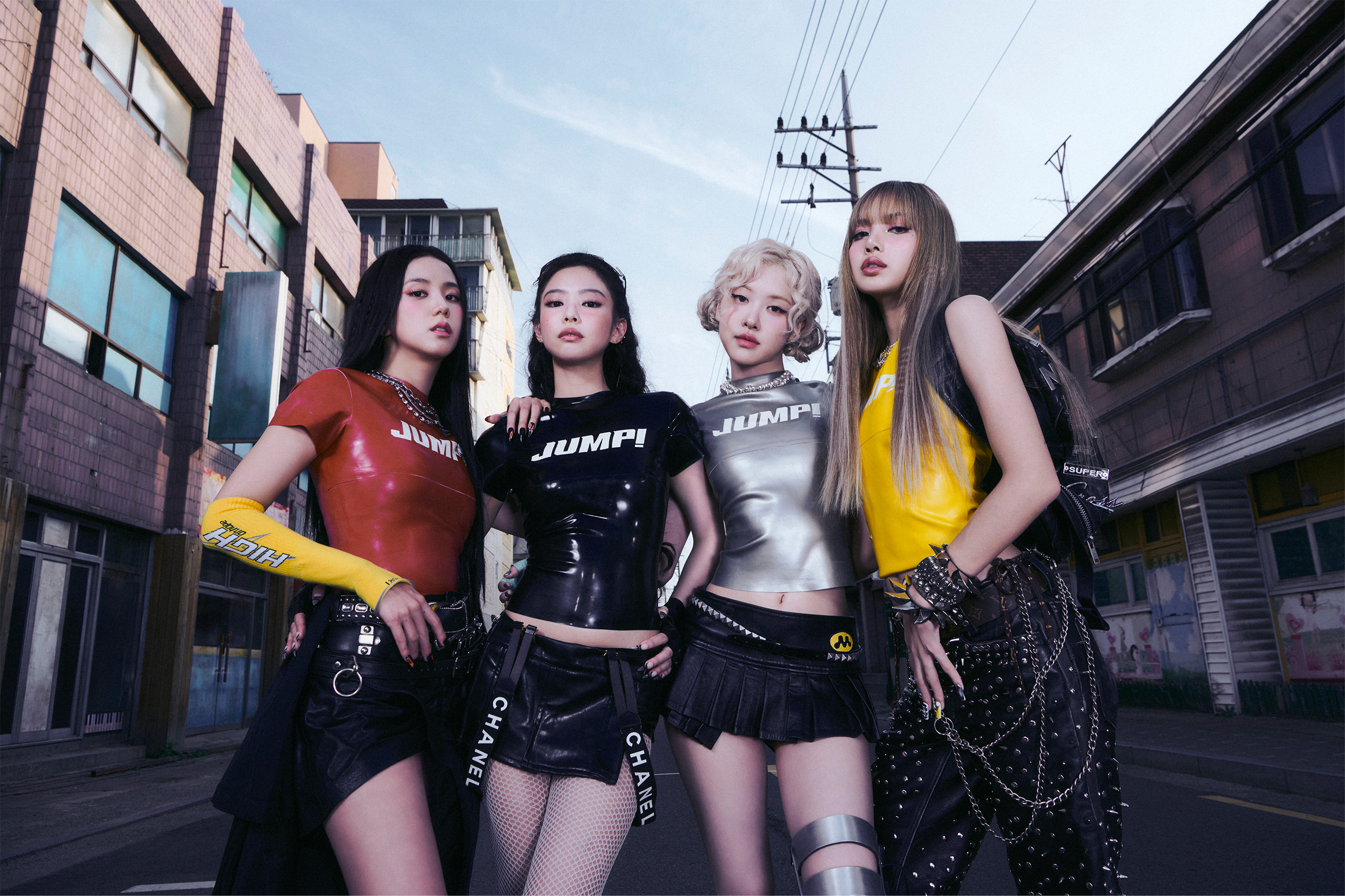
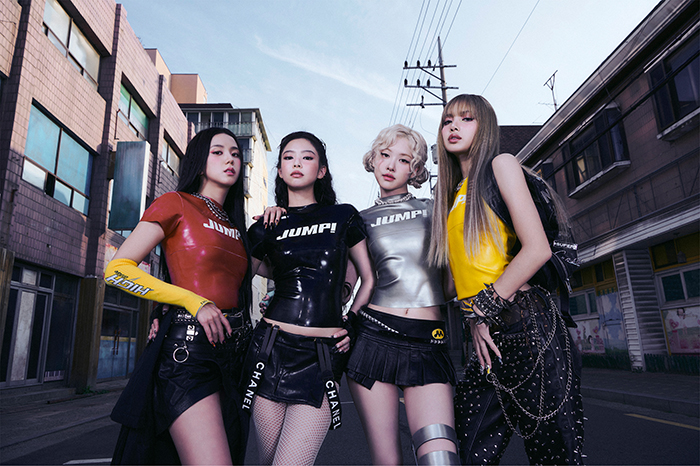
Not long ago, Copenhagen, Denmark was abuzz with excitement following the Nordic concert tour of the Korean girl group BLACKPINK. Countless young people responded with fervent enthusiasm, and the event drew significant attention from various media outlets. Today, K-culture phenomena such as (K-pop Demon Hunters) are no longer considered novel. The global interest and popularity of K-pop, K-dramas, and K-movies were just as evident in Northern Europe, where the author once resided. When examining the content at the center of the K-syndrome, one clear commonality emerges: everything is meticulously prepared. Idols who are launched into the world are not only equipped with singing and dancing skills, but are also thoroughly trained in language, acting, interviews, and communication. Entertainment agencies collaborate with specialized trainers in each field to train and develop them, a process that naturally cannot be completed in a short period of time. The frequent mention by artists of spending many years as trainees during interviews serves as clear evidence of this reality. Through repeated preparation and refinement in pursuit of perfection, they eventually reveal their presence to the world.


01 - 복사본.jpg


This offers significant implications for the field of design. Today, design can no longer be explained solely through an aesthetic pursuit of beauty. Indeed, design also requires intense and rigorous preparation. Faithful functionality rooted in essence, intuitive usability, trend reflective colors and materials, brand identity, sustainability considerations, packaging and many other factors must be in place before a product can be launched. Neglecting any one of these areas inevitably affects brand perception, which is why close collaboration with experts from each field is essential. Designers, mechanical engineers, audio engineers, product planners, marketers, sales teams, and packaging teams all come together, investing time and collective effort into the process. This is closely aligned with the way idols are prepared, as mentioned earlier. Only when every domain reaches a level of completion and readiness can something finally see the light of day. Yet that preparation is far from easy. When multiple teams collaborate, aligning differing voices into a single direction is no small task. As a result, countless products never make it to market, stalled in the preparation stage, much like the fiercely competitive idol industry.


Branding + Story


When an agency designs and plans the concept of an idol group to present to the world, that is branding. Boy group versus girl group, song selection, performance composition, visual concept, target age group, all of these fall within the realm of branding. At concerts, the nature of the fandom is also clearly visible. Fans are drawn to and devoted to the unique story of the idol. This is one of the most challenging areas for designers as well. It is crucial to direct the initial design concept so that it seamlessly permeates planning, marketing, sales, and advertising, yet this process is anything but easy. Unexpected problems and issues emerge as if on cue, and collaboration and coordination with other departments or clients must be repeated countless times. It is never a smooth journey. The author, too, has participated in and led numerous product launches for various brands as a designer, yet not a single product has ever been released smoothly without issues. Design that speaks in a consistent branding language may appear simple in writing, but the process behind it is anything but straightforward.


화면 캡처 2025-12-24 104005.jpg


03.png

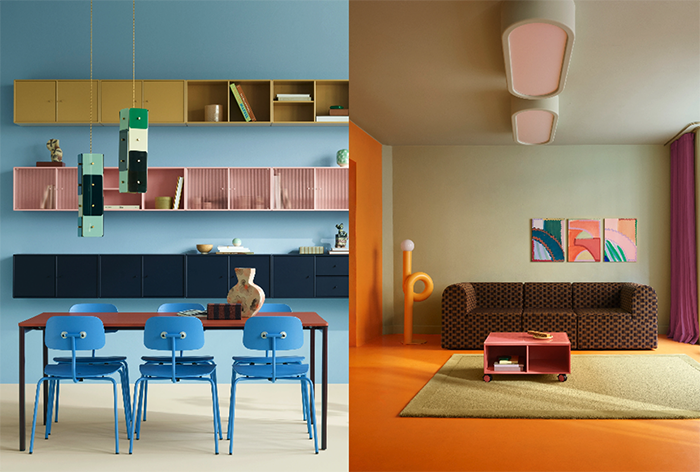
< Image source: montanafurniture >


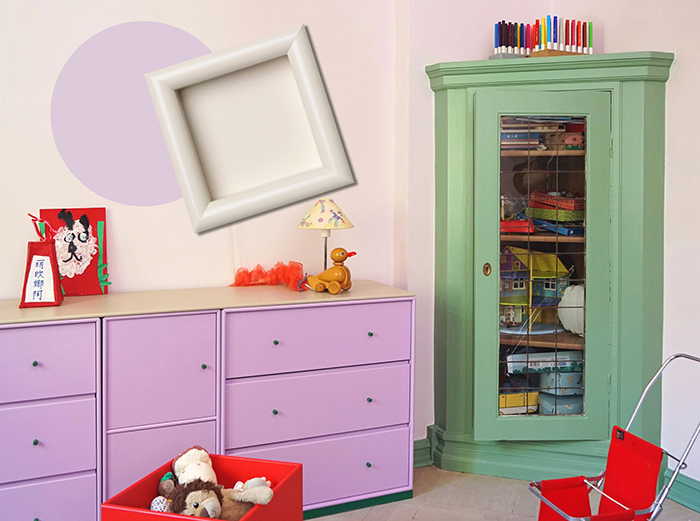
The Danish furniture brand Montana is an excellent example of a smart brand that delivers a consistent message with refined clarityEven within the Nordic region, it is well known not merely as a furniture company, but as a brand that proposes a future lifestyle. Its modular furniture concept, sensuous color palettes developed through annual trend research, and near perfect finishing all work together to consistently reinforce its brand identity. In particular, the brand’s signature colorful palette offers unique names and codes, enabling a high degree of customization. Collaborations with designers from other disciplines also play a key role in driving its brand story. Interestingly, Montana explains that its current clarity and consistency paradoxically stem from limitless flexibility. Although it carries a long history as a furniture brand, it has continuously adapted and evolved in response to the times, ultimately arriving at its present concept. For this reason, it is a brand whose future, five or ten years from now, is eagerly anticipated.


Now, it is time for design.


As seen above, well prepared and carefully refined storytelling, sustained over long periods of patience, has the power to move fans and consumers alike. We all understand this instinctively, the fierce preparation hidden behind perfection, the meticulous consideration concealed behind beauty. Now is the moment to turn our attention to the future of Korean design. We have already prepared extensively, deliberated intensely, and are embedding our own unique stories into our work. The results presented to the world are already being recognized across diverse fields including fashion, product design, architecture, and advertising. We look forward to the day when K-design takes over the next baton from K-content.
Wanna get more insights?
asia design trend report 2025