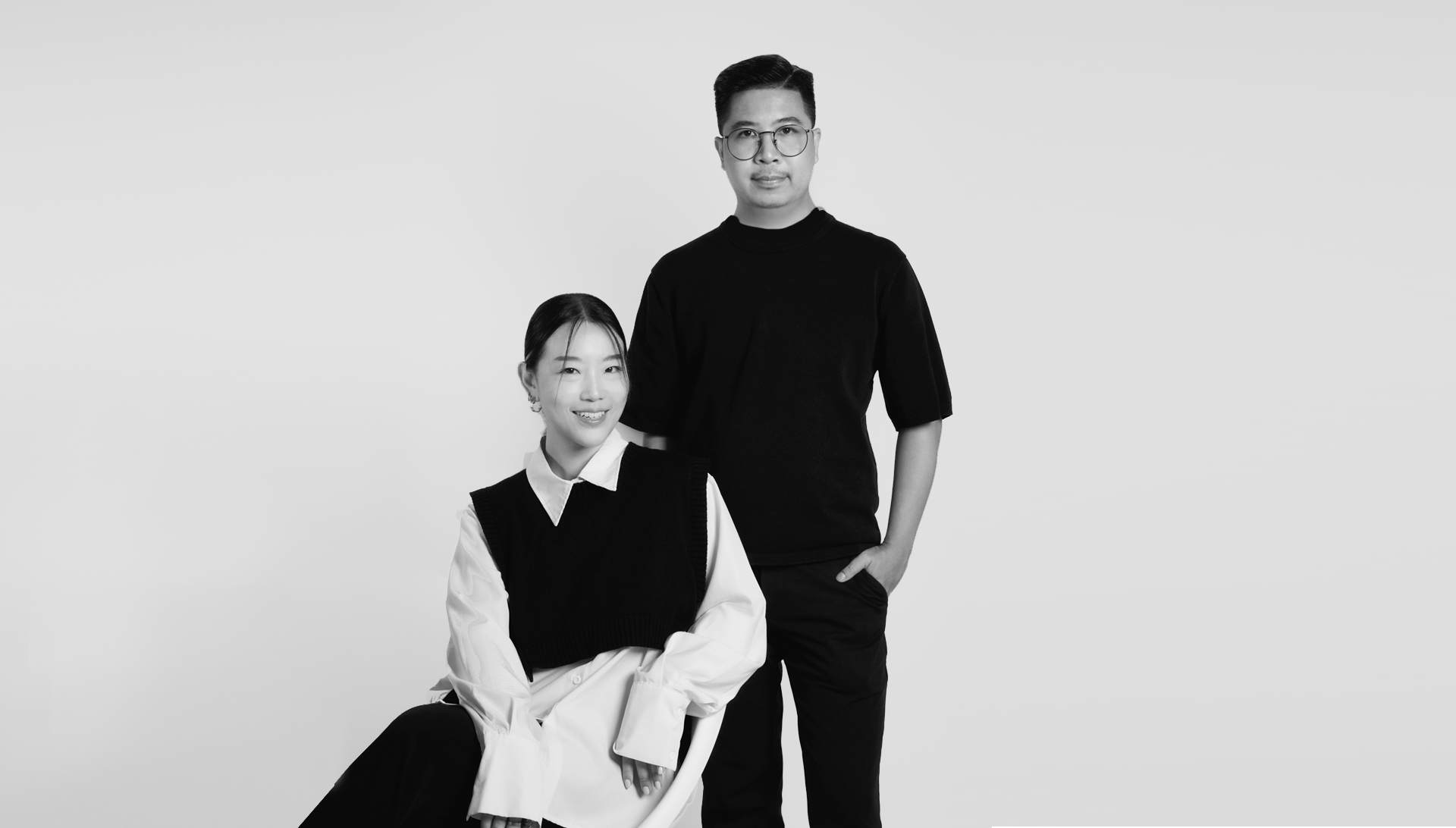
Jimmy Chang CEO, UID Create
“Founded nearly two decades ago, UID has developed an approach to design that moves beyond conventional product styling and visual identity. Rather than focusing only on form, the studio sees design as a structural process that connects manufacturing, communication, and social context. Through projects spanning industrial design, branding, exhibitions, and public sector initiatives, UID explores how design can operate as a system rather than a single visual outcome. In this conversation, the founder of UID reflects on structural thinking, the role of context, and why branding today must function as an evolving system rather than a fixed image.”
To begin, could you briefly introduce your journey as a designer and your current direction of practice? Looking back, what do you think has changed most significantly in your way of thinking since your early years?
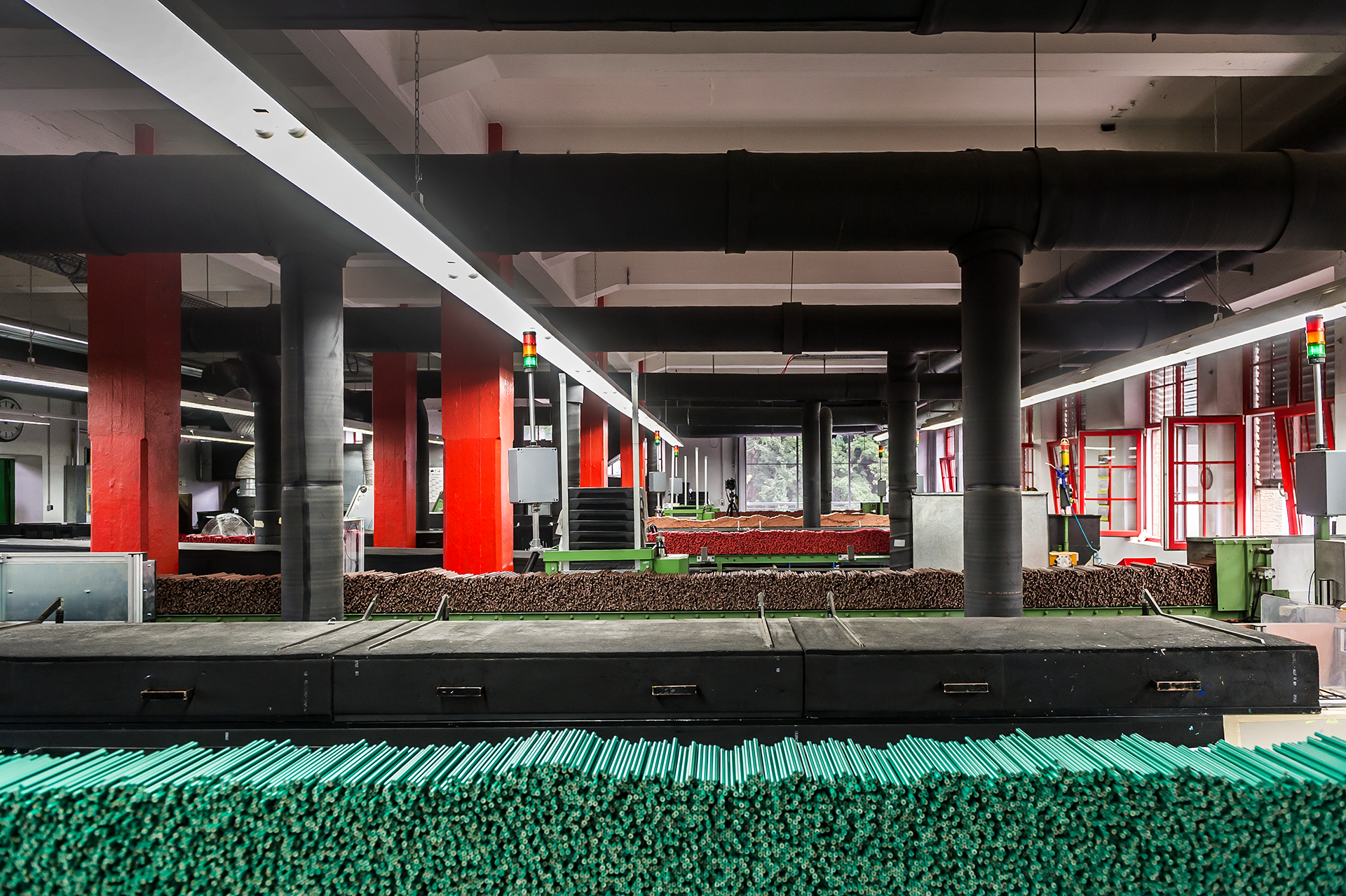
My formal training is in industrial design. In the early stage of my career, my focus was primarily on product design and three-dimensional form—understanding structure, proportion, and how an object could be made. As my practice developed, I began working closely with manufacturers and spent extensive time in factories, participating in the full process from development and prototyping to mass production. This experience fundamentally changed my understanding of design. I realised that design only becomes meaningful when it is deeply integrated with manufacturing processes, technical constraints, and cost structures. When the products I designed entered the market at scale, I was further exposed to distribution, branding, and consumer behaviour. Through this progression, my thinking shifted from designing individual products to engaging with entire industrial structures. Today, my practice focuses less on designing a single object and more on designing systems that connect production, communication, and consumption over time.
What led you to establish UID Create, and what core philosophy has the studio consistently upheld since its founding? Could you also explain the conceptual meaning behind the name “UID”?
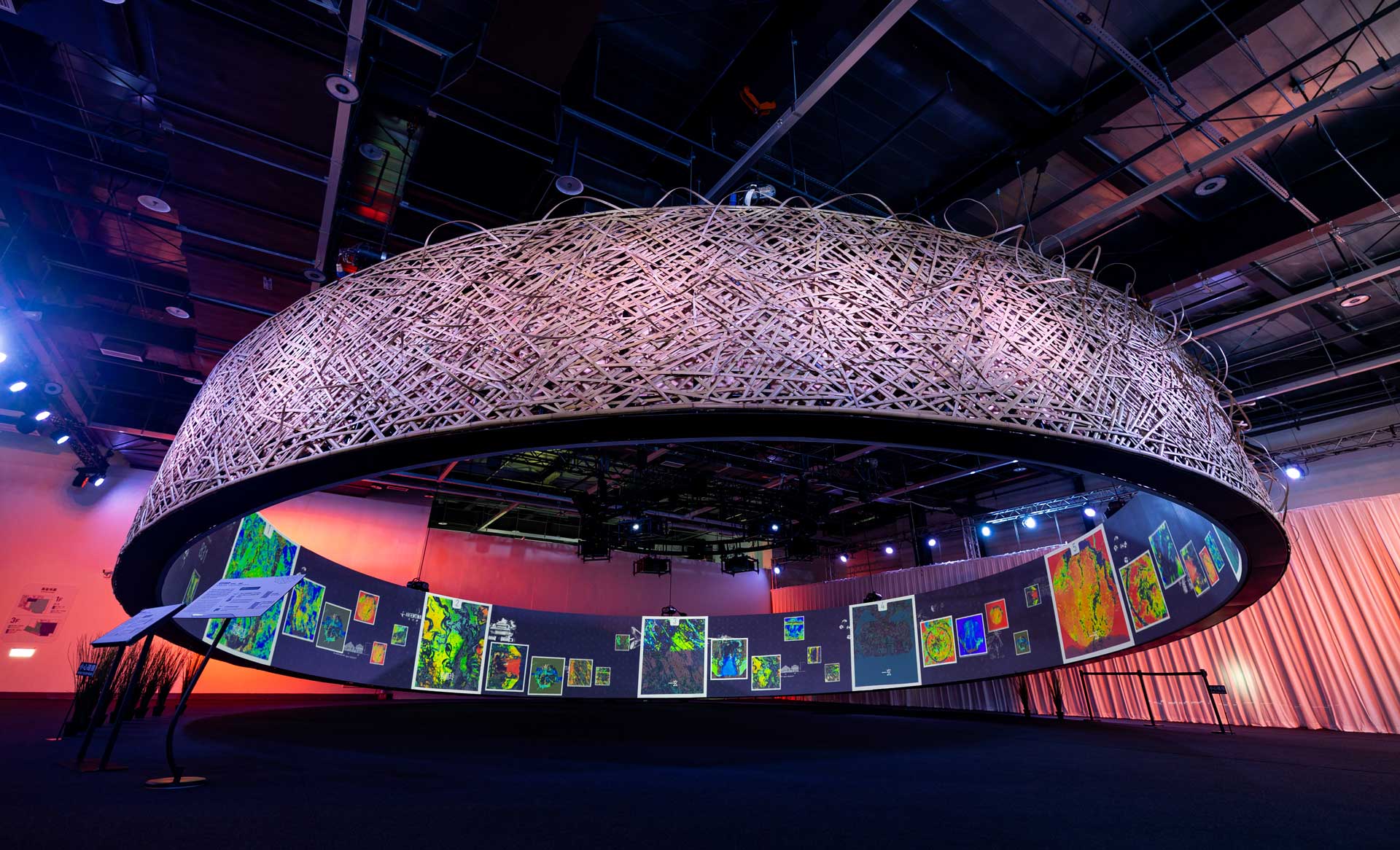
I founded UID 18 years ago based on a fundamental belief that industrial design should go beyond product styling. I saw a clear need for design to intervene across the entire system, from manufacturing to market communication, rather than stopping at the object itself. From the beginning, UID was conceived as a platform for system based design. Instead of offering conventional industrial design services, we developed a design methodology that integrates production logic, product strategy, and communication frameworks into a coherent process that clients can actually implement and sustain. As this approach evolved, our practice naturally expanded beyond industrial design into exhibitions, events, and public sector projects for both enterprises and government institutions. Across all these formats, design remains a tool for structuring information, creating clarity, and shaping meaningful communication. The name “UID” also stands for Unique Idea. For us, design is not about visual differentiation alone, but about creating distinctive and effective ways for organisations to communicate, operate, and engage with society.
Your work often feels driven more by structure, flow, and systems than by surface visuals. Why do you approach design as a form of structural thinking rather than purely visual expression?
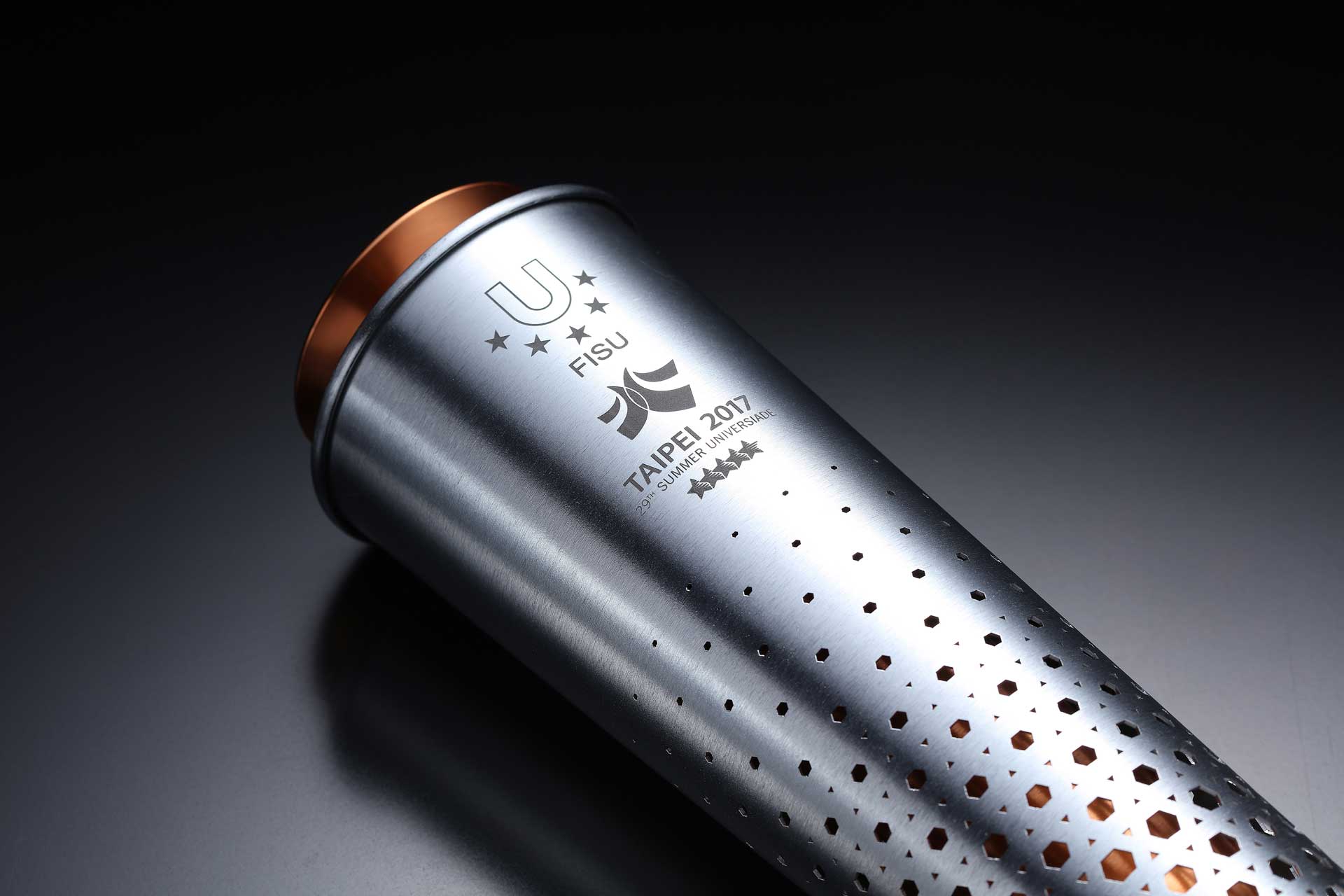
For me, design does not begin with visual form. It begins with understanding how something is made, what it was originally meant to communicate, and the cultural or historical context it carries. In every project, I first examine these foundational elements such as production methods, inherited meanings, and contextual narratives. These aspects often reveal the deeper structure that exists behind what we see on the surface.
Only after this understanding is established do I consider how these elements can be translated into a language that is accessible to the public, society, and consumers. At this stage, design becomes less about visual decoration and more about interpretation and communication. The role of the designer is to translate complex backgrounds and layered meanings into forms that people can intuitively understand. This process naturally leads to a system based way of thinking. Structure, flow, and logic allow complex backgrounds and ideas to be organised and transformed into design languages that people can intuitively understand rather than simply observe. When the underlying structure is clear, the visual language becomes more precise and meaningful. For this reason, I tend to approach design not only as visual expression but as a process of structural thinking that connects production, meaning, and communication.
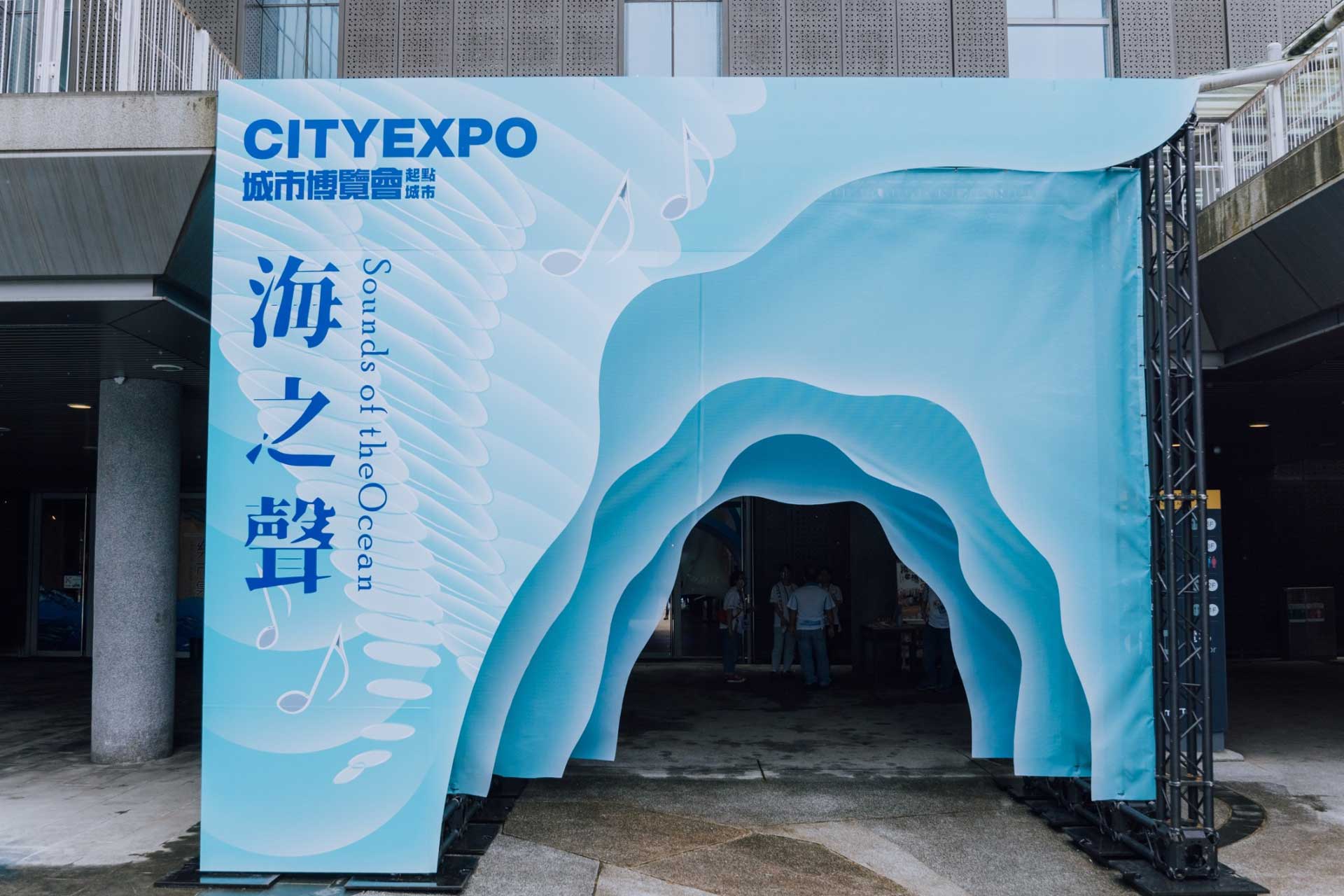
In many branding projects, UID seems to treat brand identity as an information system rather than a single image. When designing a brand, what elements do you consider most essential?
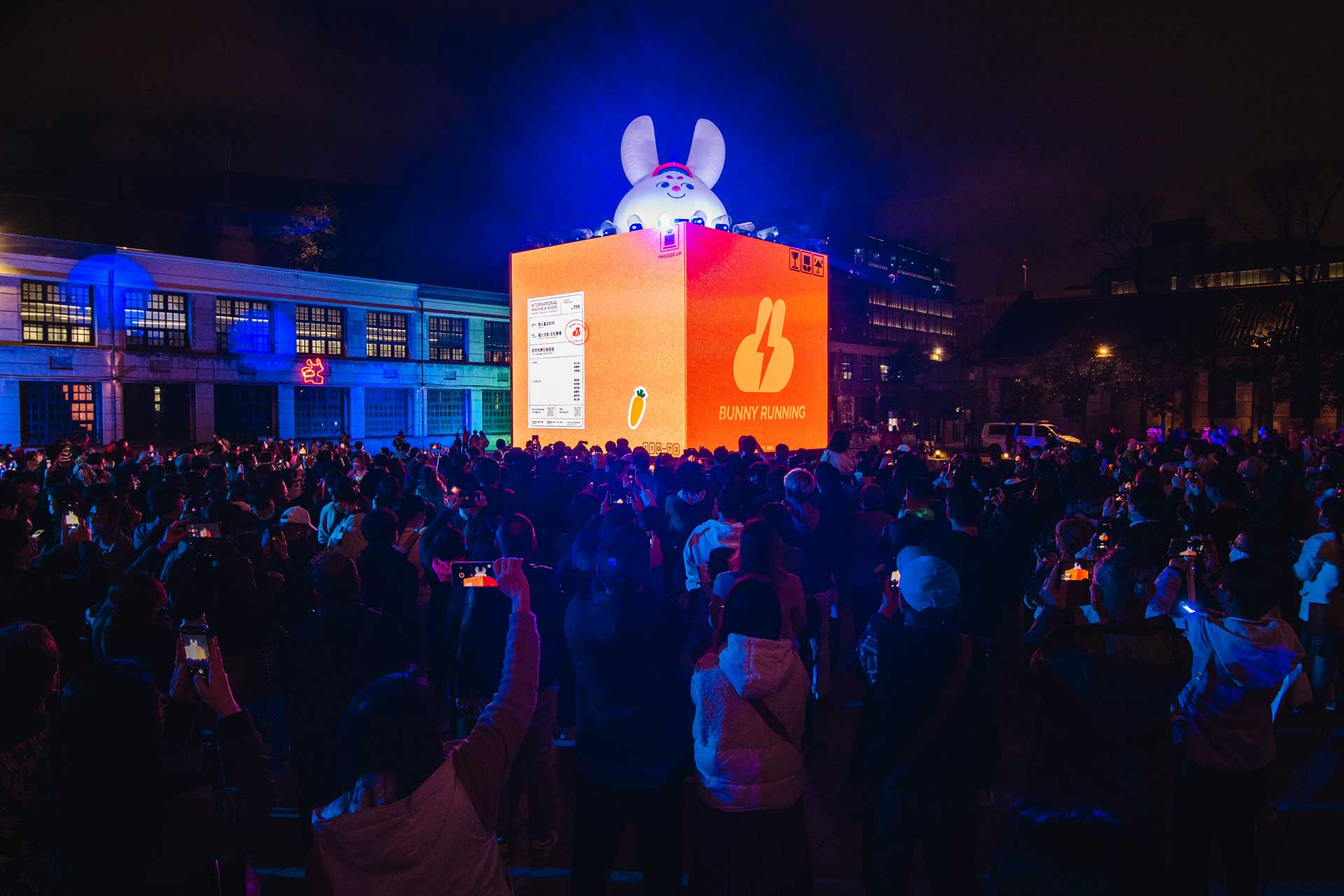
Relying on visual design alone as a means of communication is, in my view, inherently fragile and short lived. Visuals are not the goal. They are a medium. Without a clear intention and strategy, even the most refined visuals quickly lose their impact and become difficult to sustain over time. What truly matters is whether visual design can create a strong and memorable impression, or even generate conversation and social resonance. In today’s media saturated environment, this communicative capacity is far more critical than aesthetic refinement alone. Design must be able to trigger recognition, curiosity, and dialogue rather than simply present an attractive image.
At UID, we treat branding as a living system of information and behaviour. A brand is not defined by a single visual element but by the relationships between meaning, communication, and public perception. Visual identity plays a crucial role within that system, but its purpose is to support recognition, stimulate engagement, and enable meaningful interaction with society. In this sense, branding should not be understood as the creation of a fixed image. It is the design of a communication structure that continues to operate over time. This is the mindset we believe contemporary design must adopt.
What principles guide your communication with clients throughout a project? When differences in opinion arise, how does UI-D typically navigate and resolve them?
Consensus and communication are the foundation of any successful collaboration. Design is not a one directional act. It is a shared process of responding to the market, the public, and end users. For this reason, we see every project as a dialogue rather than a simple delivery of solutions. Throughout a project, we prioritise building a shared understanding of objectives, constraints, and audiences. Before discussing form or visual outcomes, it is important that everyone involved understands the purpose of the project and the conditions within which it must operate. When this shared understanding is clear, communication becomes much more constructive.
When differences arise, we return to this common ground. Instead of focusing on individual preferences or stylistic opinions, we reframe the discussion around the project’s original goals and the needs of the audience. This shift allows disagreements to become productive rather than confrontational, because the discussion moves away from personal taste and back toward shared responsibility. For this reason, I believe a designer’s expertise lies not only in execution, but also in the ability to communicate, listen, and translate ideas across different perspectives. In many cases, the role of the designer is to help different stakeholders see the same problem from a shared point of view. When that alignment is achieved, the design process becomes far more effective and collaborative.
Among your past projects, is there one that you found particularly challenging or transformative? What lessons did that experience leave with you?
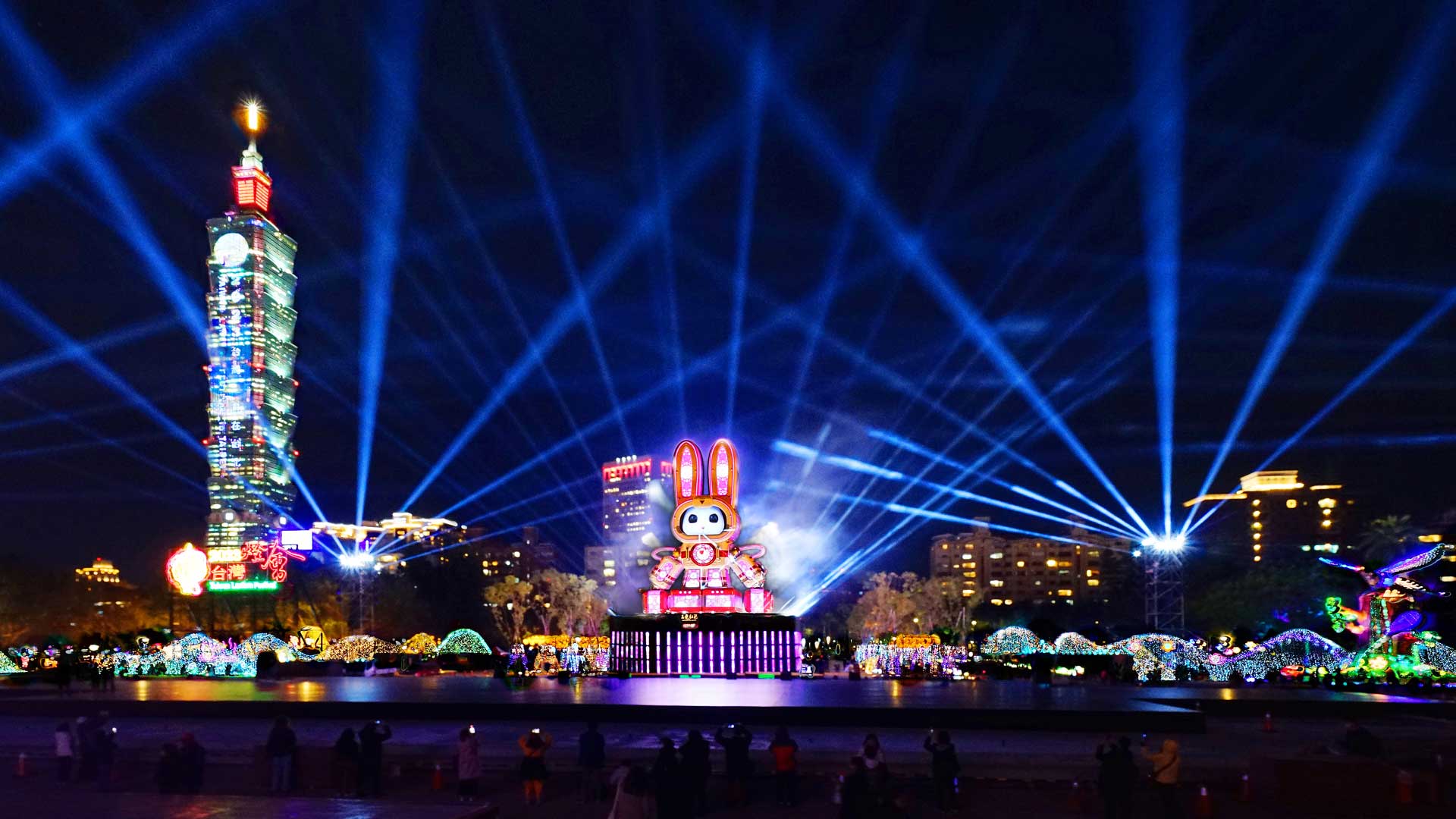
The most challenging and transformative projects in my career have not been those with the strongest visual impact, but those with the most complex structures. These projects often involve public institutions, multiple stakeholders, and long term operational demands. In such environments, design is not simply about producing an object or a visual outcome. It must function within a network of institutions, responsibilities, and expectations.
Working on these projects made me realise that design is closely connected to reality in ways that are often invisible from the outside. Decisions must consider organisational structures, administrative processes, and practical limitations. As a result, the designer is constantly navigating between ideals and real conditions. These experiences taught me that design is not simply about creating within given conditions, but about continuously negotiating reality. The process requires patience, dialogue, and an understanding of different perspectives. Often the real challenge is not visual or technical, but structural. The most important lesson I learned is that design can function as a tool for alignment. It helps different interests, institutions, and participants move forward together within real constraints. When design succeeds in creating that alignment, it can generate impact that extends far beyond the visual outcome itself.

Your design process appears to begin with a careful reading of context. What does “understanding context” mean to you in practical design terms?
Understanding context is not about collecting background information. It is about understanding how things actually operate in reality. Context is not only a set of historical facts or descriptive data but the network of relationships, systems, and conditions that shape how a project functions. In practice, this means studying institutional structures, cultural dynamics, organisational relationships, and real world limitations, since these elements often influence a project more strongly than visual decisions or stylistic choices. Before proposing any design solution, I focus on listening, observing, and mapping these relationships. This process often involves conversations with different stakeholders, visits to the site, and careful observation of how people interact with the system or environment, allowing the underlying logic of a situation to gradually become visible. Only when context is clearly understood can design respond meaningfully rather than remain an abstract or idealised gesture. In that sense, understanding context is not a preliminary step that precedes design but an integral part of the design process itself.
In an environment saturated with rapidly consumed visuals, what mindset do you believe designers must adopt to create work that endures?
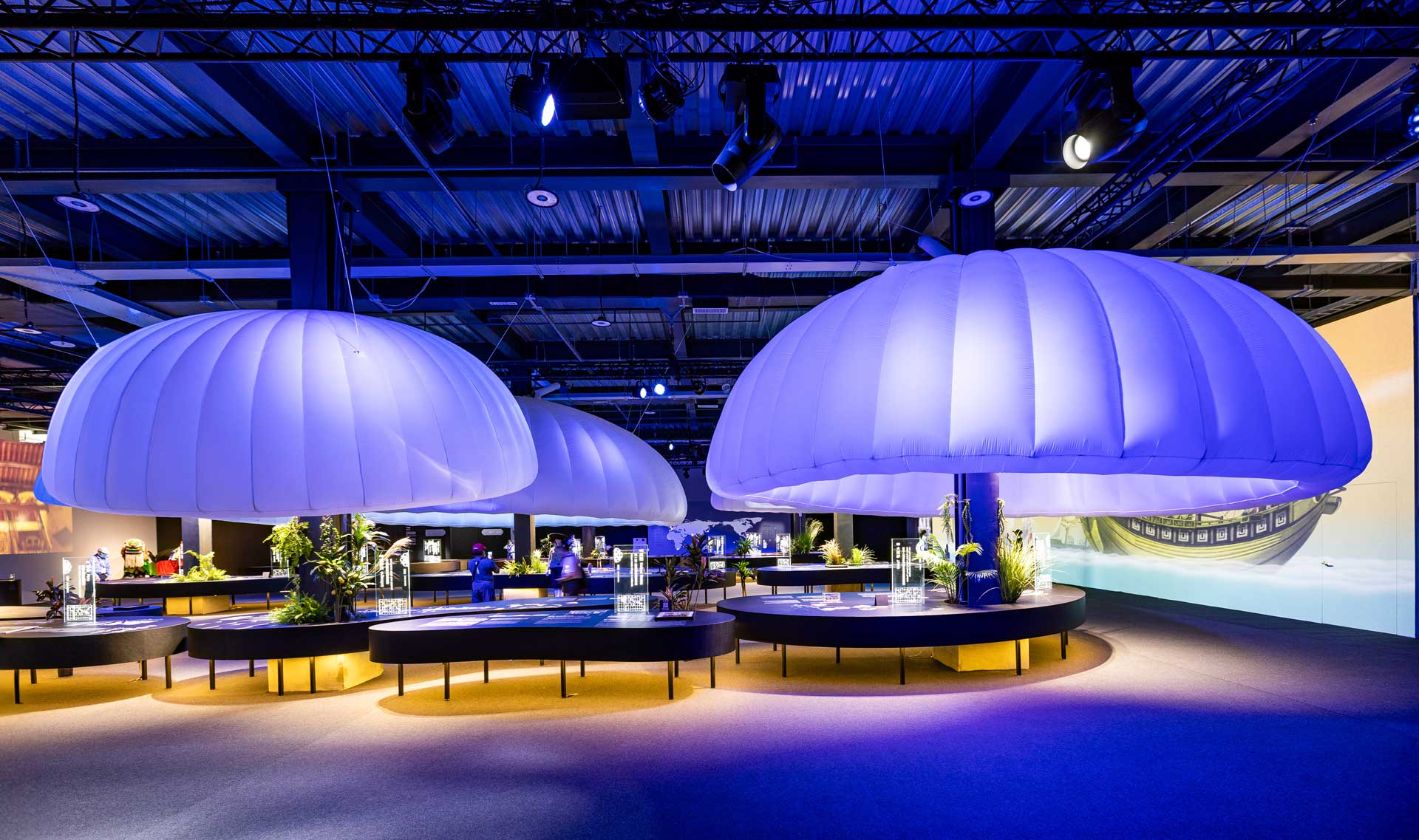
In a visually saturated world, designers must remain cautious of pursuing attention for its own sake. When visual content circulates rapidly and disappears just as quickly, it becomes easy for design to focus only on immediate impact rather than long term meaning. For this reason, I believe designers need to maintain a strong awareness of time. Design should not only respond to the present moment but also remain capable of functioning across different phases and contexts. It must be able to stay relevant as circumstances change rather than reacting only to short term trends. Enduring design requires a clear structure and a meaningful intention behind it. When the underlying logic of a project is strong, the design can continue to communicate even as visual environments evolve. Longevity therefore comes from structural clarity and meaningful intent rather than from novelty alone.
What advice would you offer to young designers who are currently studying design or considering starting their own studios?
Do not rush to define your style. First define your understanding of the world. Many young designers feel pressure to establish a recognisable visual language early in their careers, but style alone is not a sustainable foundation for practice. What matters more is how designers understand the issues around them and how they position themselves within those issues. When designers are clear about the questions they care about, the environments they want to engage with, and the level at which they want design to intervene, their direction becomes much clearer. Style and methods then emerge naturally through practice and experience rather than being artificially constructed. In the long run, a designer’s perspective on the world will shape their work far more deeply than any predefined stylistic identity.
Finally, what kinds of collaboration and exchange do you believe are necessary for the design industry to grow in a more sustainable and meaningful way? What direction do you envision for UID moving forward?
For the design industry to develop sustainably, deeper forms of cross sector collaboration are essential. Design cannot operate in isolation if it hopes to remain socially meaningful. It must actively engage with policy, education, technology, and local communities, since many of the challenges faced today extend beyond the boundaries of a single discipline. When designers collaborate with institutions, researchers, engineers, and public organisations, design gains the ability to respond to real social conditions rather than remaining within a purely aesthetic or commercial framework. Looking ahead, UID will continue to focus on system based design and public sector projects while working across cultures and disciplines. Our intention is to explore how design can operate not only at the level of objects or images but within broader social and organisational systems. Ultimately, our goal is not simply to produce outcomes, but to embed design thinking into the long term operation of organisations, cities, and society itself.


















#14057, 905 49, Beolmal-ro 102beon-gil,
Dongan-gu, Anyang-si, Gyeonggi-do, Korea
Business Registration Number: 454-86-01044
Online Sales License No.: 2021-Anyang Dongan-1081
Copyright © DESIGNSORI Co., Ltd.