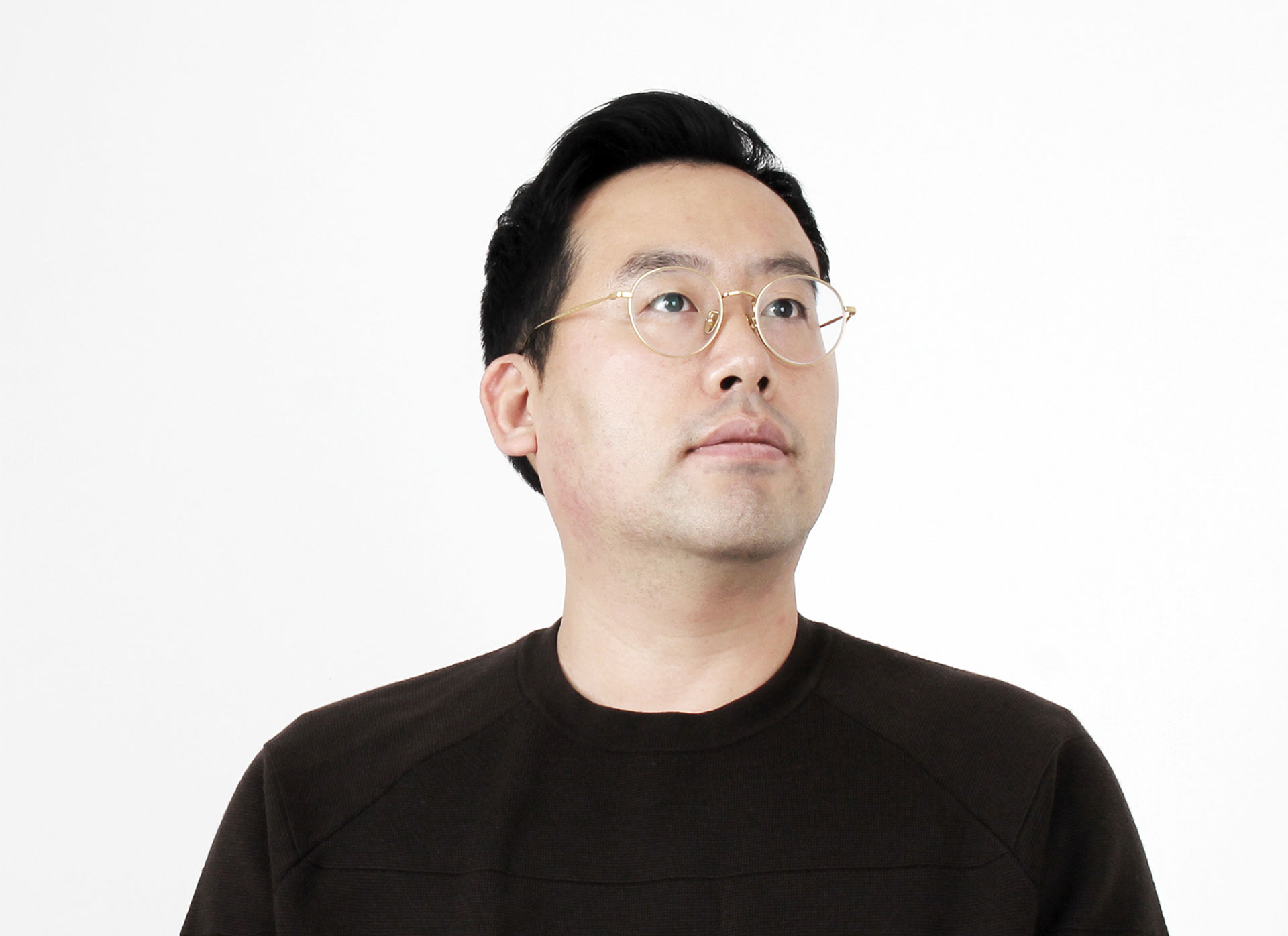
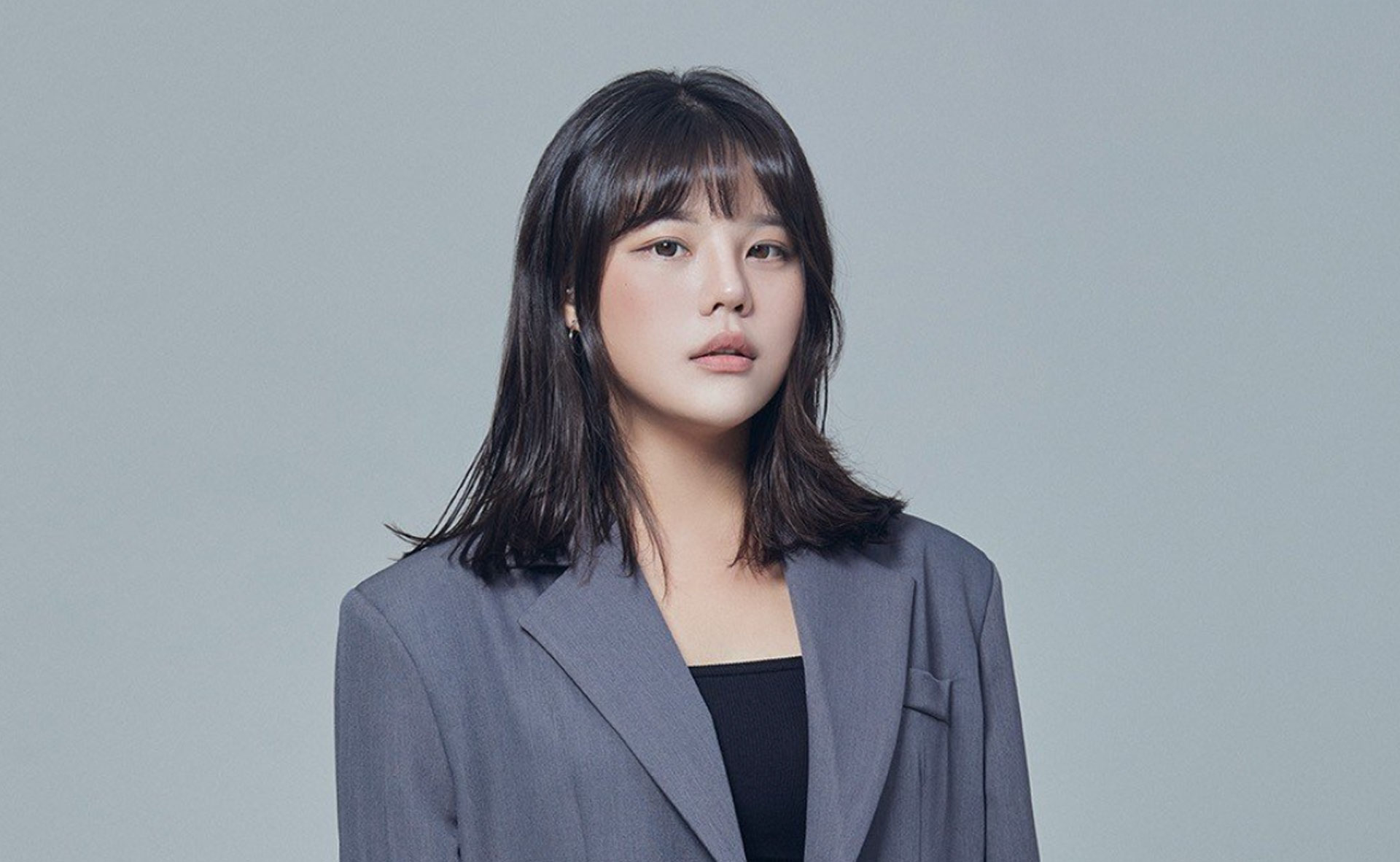
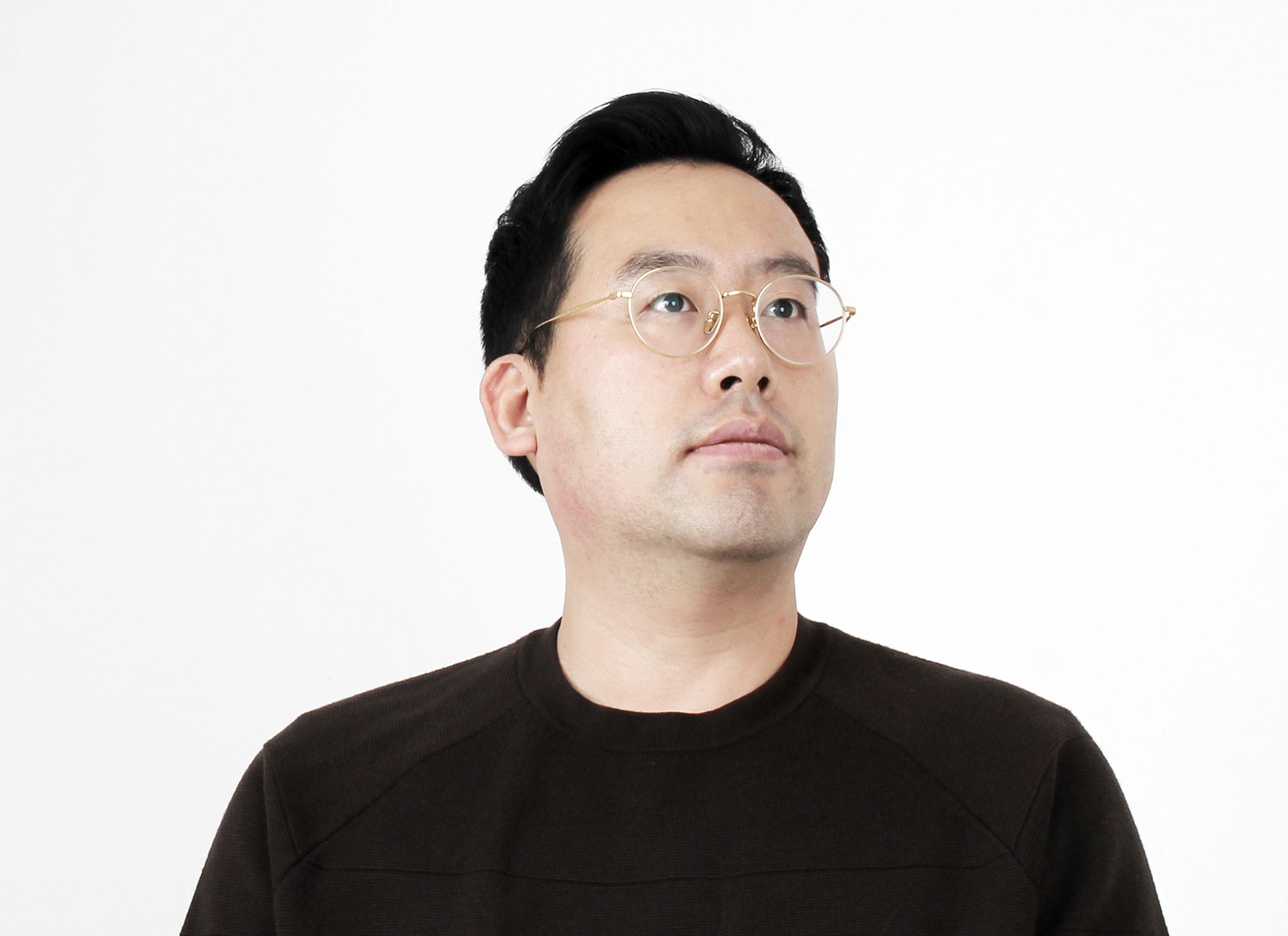
Junwoo Sim Head of SUNNY ISLAND
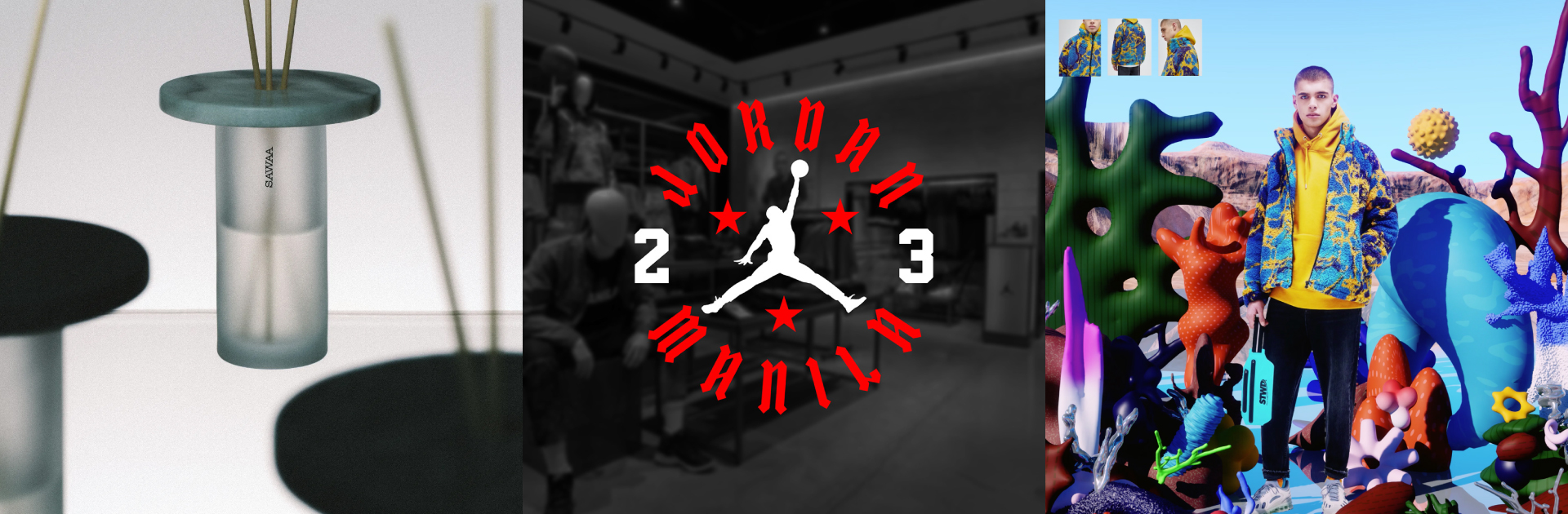
“SUNNY ISLAND is a design studio that looks past visual output to design the energy a brand needs to keep going. Its head, Junwoo Sim, starts from a close reading of each brand’s environment and circumstances, and runs a flexible process in which the design process itself becomes a finished product. He recently drew wide attention for the K-Design Award visual project, which expresses the dignity and weight of design in a direct, intuitive way. In this interview, Sim talks about his brand philosophy and the designer’s role amid technological change.”
8 Min Read
First, please introduce yourself. What led you to start SUNNY ISLAND, and where is the studio headed now?
Hello, I am Junwoo Sim, head of SUNNY ISLAND. Since my university days, building and running my own design studio had been a vague but cherished dream. After years of gaining hands-on experience in the field, I finally made it a reality, and I am still working hard to survive and grow as a designer in a fast-changing market. SUNNY ISLAND is a studio that does more than create visually pleasing design; we think about how to build a solid structure that can sustain meaningful work. Beyond meeting our clients’ immediate demands, we want to keep pursuing worthwhile projects and find practical ways for our design to do real good for society and people.
SUNNY ISLAND’s projects center on striking visuals and brand experiences. What brand philosophy sits at the core of the studio?
The brand philosophy we believe in can be summed up in two words: “infusing energy.” Design always carries the risk of ending as a vague process that produces no clear result. But I believe real design creates the driving force that lets a brand step out into a harsh world and keep moving forward. Only with that inner energy can everything a brand does come alive, reach the goals it set at the start, and ultimately build a value that cannot be replaced. That is why, in every project, SUNNY ISLAND focuses on giving a brand the strength to survive in a fiercely competitive market. We sincerely hope that the moment our role as designers ends is the moment the brand’s brightest days in front of the public begin.
Your work goes beyond “visible design” to shape a brand’s atmosphere and attitude. When you build a brand, what do you consider first?
I think everyone involved in developing a brand wrestles with the same question. Every project starts from the fundamental question, “Why does this brand exist in the world?” I see design work as the process of carefully piecing together, one by one, the many practical answers that question produces. In that demanding process, the designer is one of many experts who surround a newly born brand and guide it onto the right path, and all of those experts share a single goal: the brand’s success. Why the brand was born certainly matters, but how it will survive and live in a harsh environment matters just as much. Our approach changes completely depending on whether the brand must fight to get through each day in fierce competition or has the time to grow steadily over the long term. So what we think about most deeply at the very start, before any technique or skill, is genuine “affection”: sincerely wanting the brand to do well.
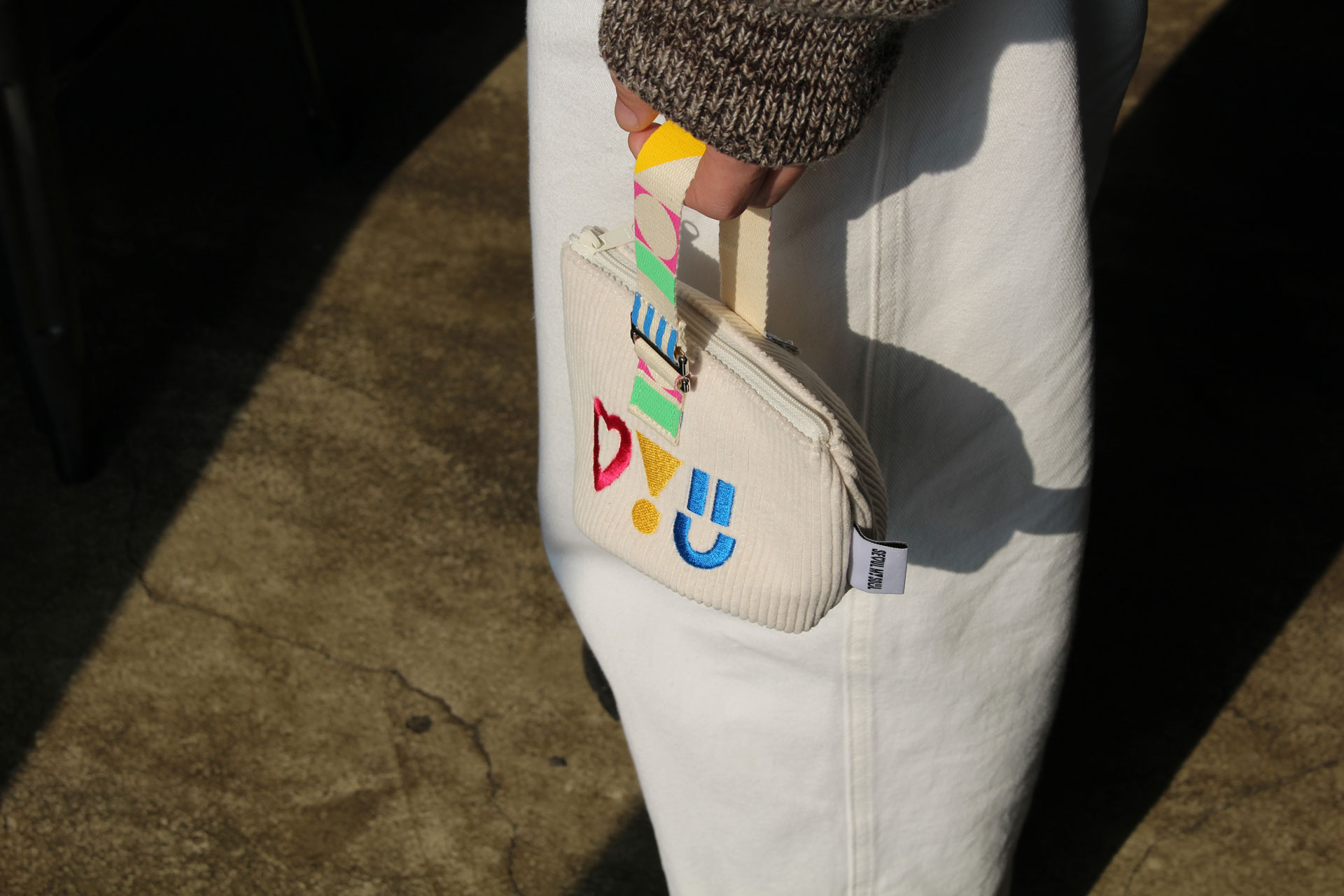
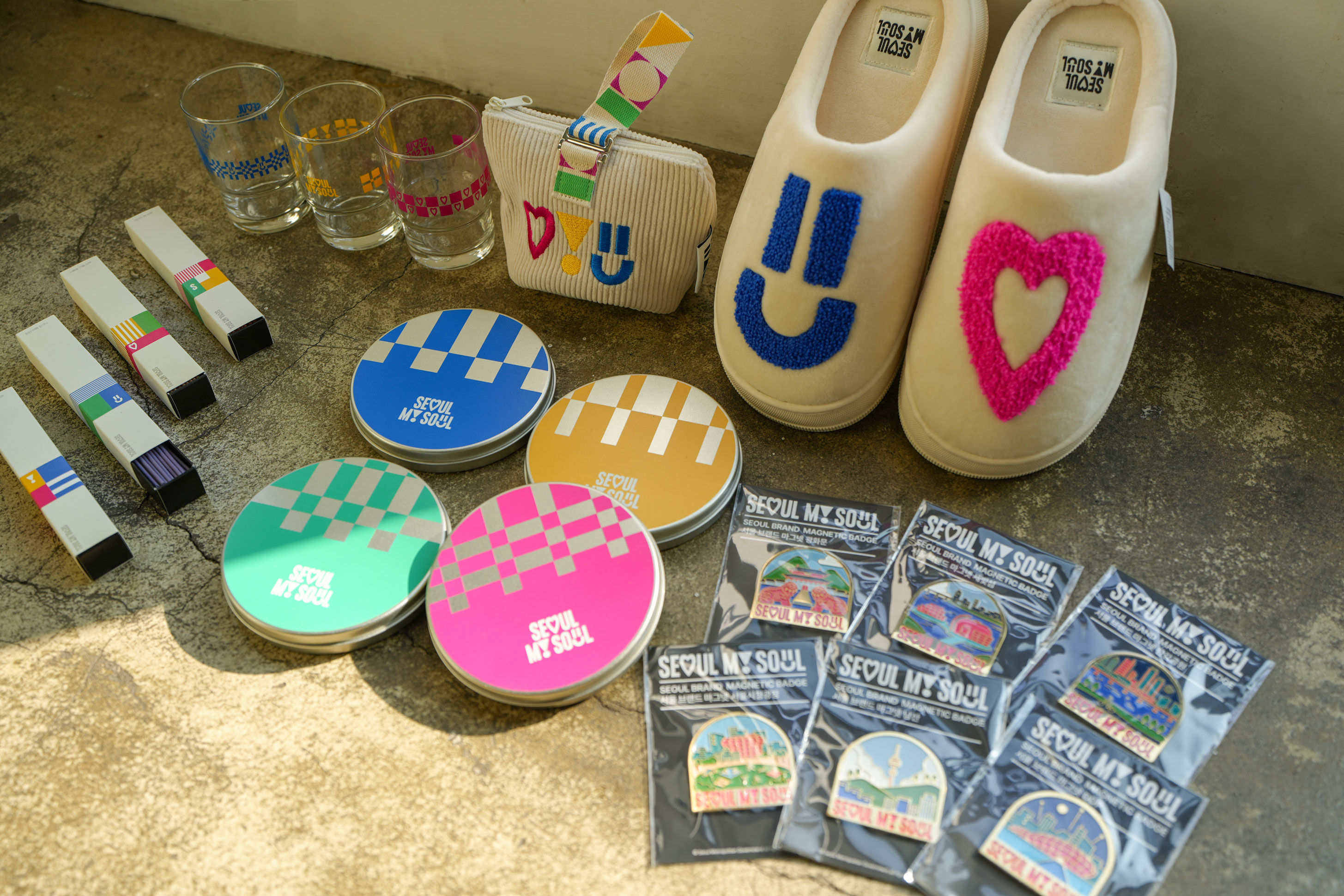
Could you walk us through SUNNY ISLAND’s design approach and process, and in particular the criteria you use when translating ideas into visuals?
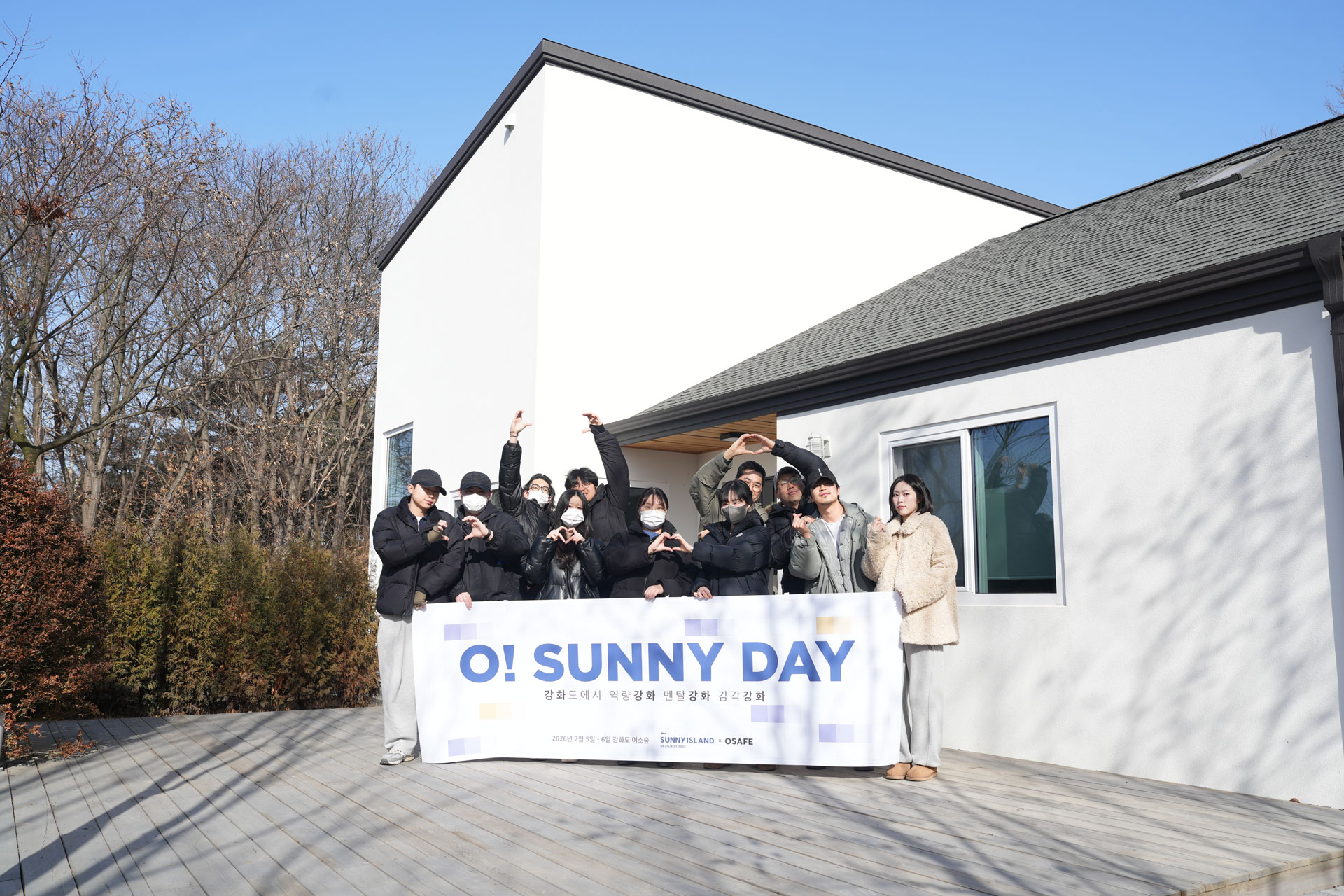
As I mentioned in my previous answer, every brand and project faces different practical circumstances. So rather than one standardized method, we apply the design process flexibly, in whatever way best fits the character and situation of each project. If all our projects share one trait, it is that we aim for “design developed together” by the whole team rather than “design done well alone” by one star designer. To make that possible, we study a great deal internally. And because designers with very different tendencies work as one team, the number of drafts naturally grows, and the discussion and negotiation needed to find the best answer take longer. As for how we translate ideas into visuals: it has become common for the process of reaching a result, and not only the final result, to carry real meaning as an outcome in its own right. So we run the studio so that the design process is not simply sacrificed to produce a final result, but becomes “showable work” that is persuasive to clients and the public in itself.
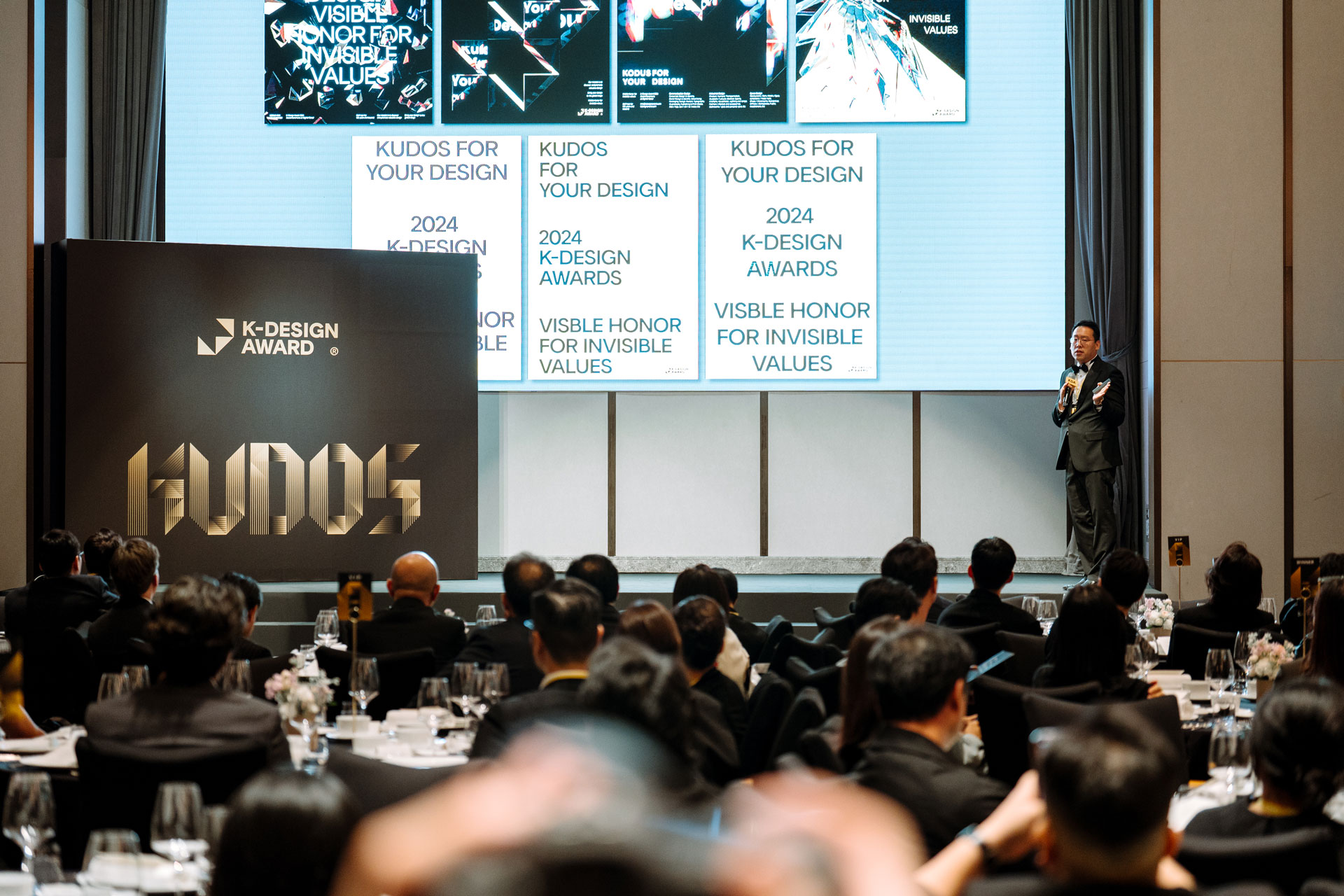
Your recent visual project for the K-Design Award drew a lot of attention. What core concepts and messages did you set for it?
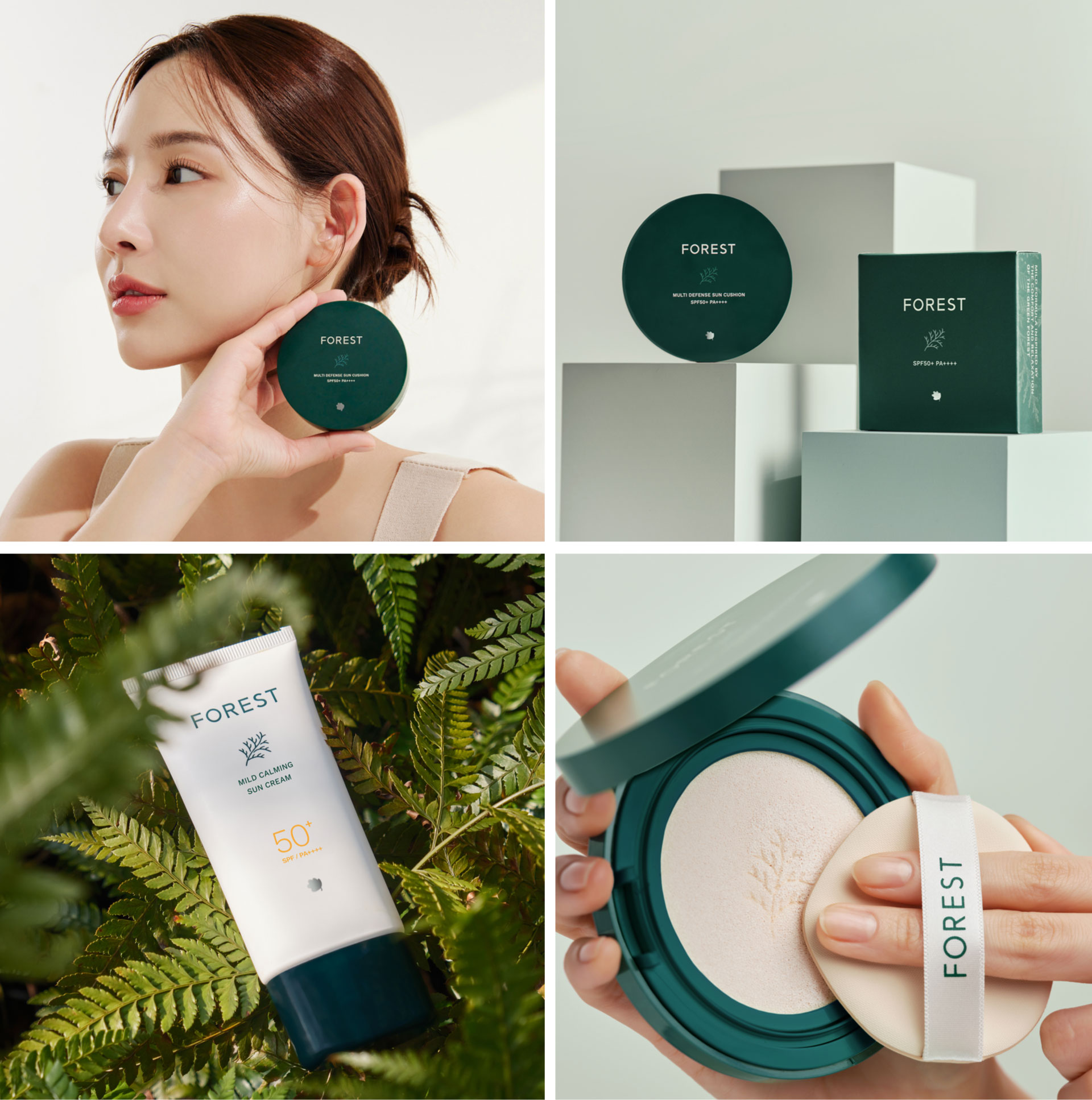
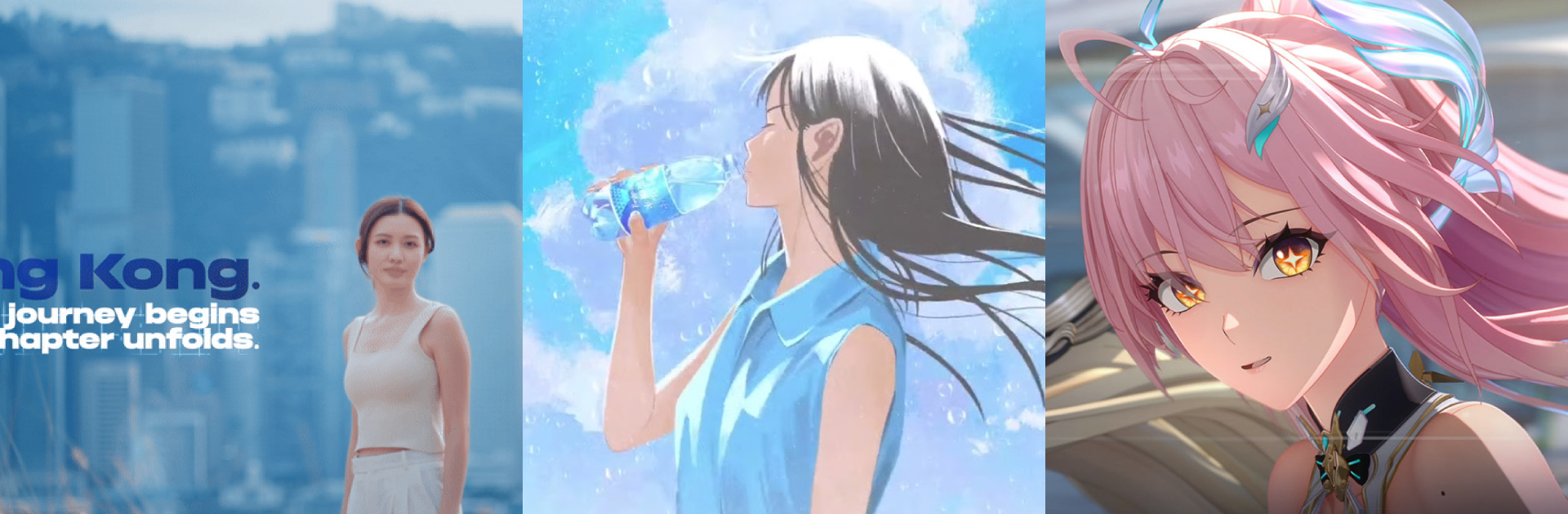
The K-Design Award visual project has been connected behind the scenes over a much longer period than the individual results shown publicly might suggest. It was closer to planning a feature film in three or four parts all at once, and releasing each part in step with the award’s purpose, than to making a short film that ends quickly. The 2025 visual, following 2024, marked the year we began to tell more of the story by expanding the brand’s narrative. Around the core keyword “Prestige,” we thought hard about how to convey, with elegance, the authority the award holds and its respect for the winners. To embody this, we set three main elements, Gradation, Intuition, and Contrast, and organized the visuals so the public could intuitively feel the “dignity” and “weight” of the award without any long or complicated explanation. Through the contrast of light and dark and the elegant flow of color, we designed it with depth, so that viewers would naturally feel something like awe in front of the work rather than simply look at a flat image. The 2026 visual builds on the earlier work to convey the essence of the award in an entirely new way. We will show the results at the awards ceremony scheduled for the second half of this year.
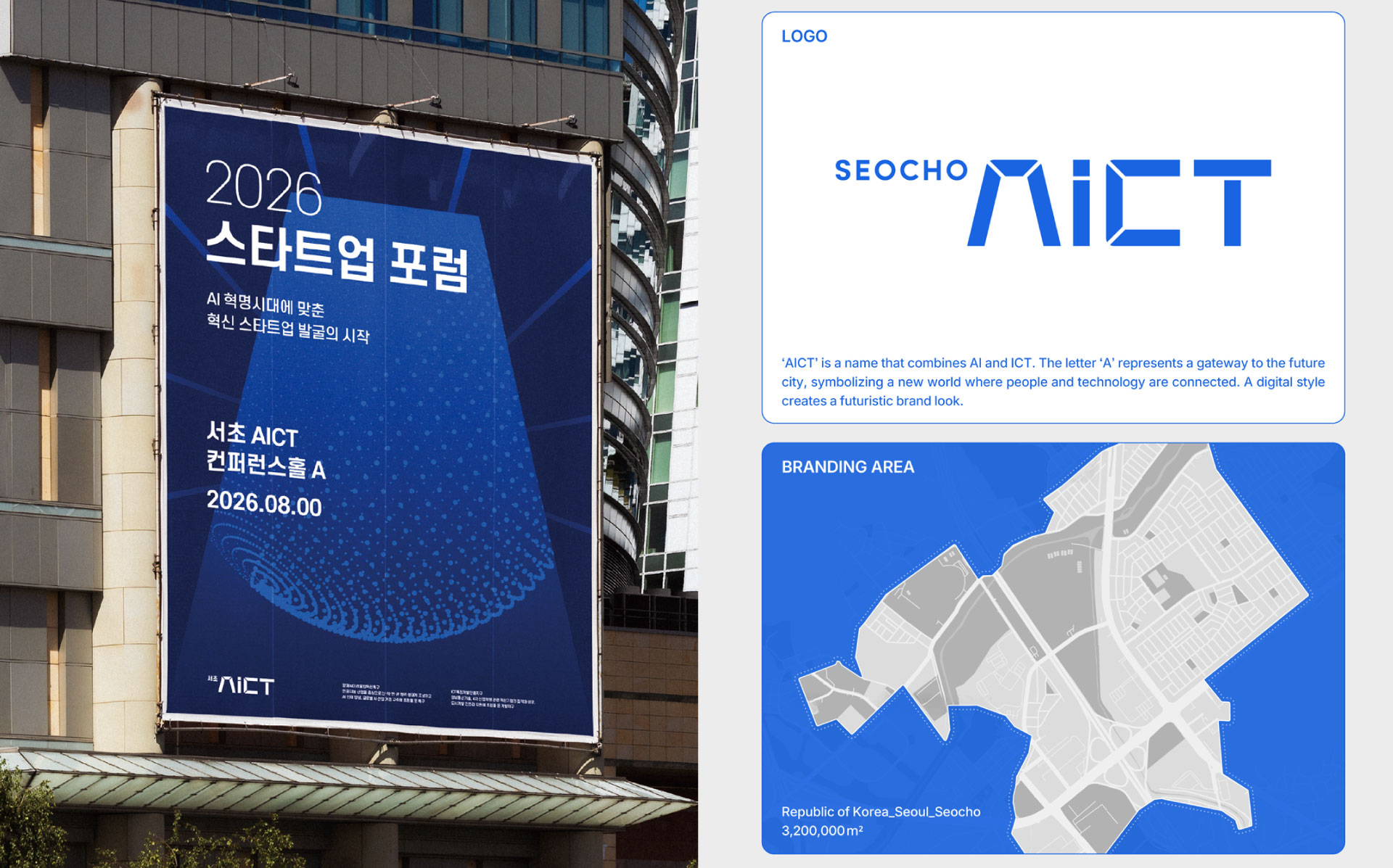
Your studio works in both branding and visual design. How do you define the relationship between strategy and design?
I firmly believe that in branding, strategy and design are a single flow that cannot be separated. In the design ecosystem I work in today, the traditional boundary between planners and designers has broken down more than ever before. In the past, the norm was a phased, vertical process: a professional planner devised a detailed strategy, and a designer then took over to create the visuals. Now the gap between those stages has narrowed until it is almost invisible, and the question of who goes first has lost its meaning. So rather than drawing up a grand strategy first and only then sitting down to design, we treat the design process itself, sketching and trying things out, as part of an organic strategy. Given the diversity, rigor, and breadth of today’s design methodologies, I believe design is no longer a passive tool that quietly executes a given strategy. It is becoming a larger framework that actively includes, and even leads, higher-level strategy.
New technologies such as AI are changing the design industry quickly. How do you see them affecting visual design and branding?
Thanks to dazzling advances in technology, including AI, unreal images that once existed only in designers’ imaginations, and brand experiences that were impossible to realize for lack of time or because of technical limits, are becoming reality before our eyes at astonishing speed. I cautiously believe this enormous change will be a positive opportunity to greatly expand the creative territory and social role that designers can take on. At the same time, as the line between what machines and humans create grows blurrier, I think designers’ planning abilities may become sharply polarized. Whether someone remains an operator who simply uses the convenient tool of AI well, or grows into a true creator who uses that powerful tool as leverage to propose new directions only humans can offer and to design unprecedented experiences of empathy, will largely determine a designer’s position and value in the future. I expect this to be a critical crossroads not only for individuals but also for the survival of design studios that look after brands.
Finally, where do you want to take SUNNY ISLAND next, and what lasting value do you hope your brand and work will build?
Everyone knows that design plays a pivotal role in a brand’s birth and its successful growth in the market. But the longer I practice, the more keenly I feel that there are broad areas of business that visual design alone cannot explain or solve. In particular, the business ecosystem in which a brand breathes with its consumers and actually lives and moves, beyond a static logo, is something I think a designer can never fully understand without leaving the desk and building and running a brand of their own. So, beyond client work, SUNNY ISLAND is persistently pursuing the reckless yet worthwhile challenge of planning, developing, and operating our own brand. Drawing on the insights we have gained from projects with many clients, we are carefully carrying our internal projects forward as another meaningful achievement. Everyone on our team seems to truly enjoy this demanding branding process itself, but above all, we want to create an original brand of our own, one that is attractive and self-sustaining, for everyone to see.











#14057, 905 49, Beolmal-ro 102beon-gil,
Dongan-gu, Anyang-si, Gyeonggi-do, Korea
Business Registration Number: 454-86-01044
Online Sales License No.: 2021-Anyang Dongan-1081
Copyright © DESIGNSORI Co., Ltd.