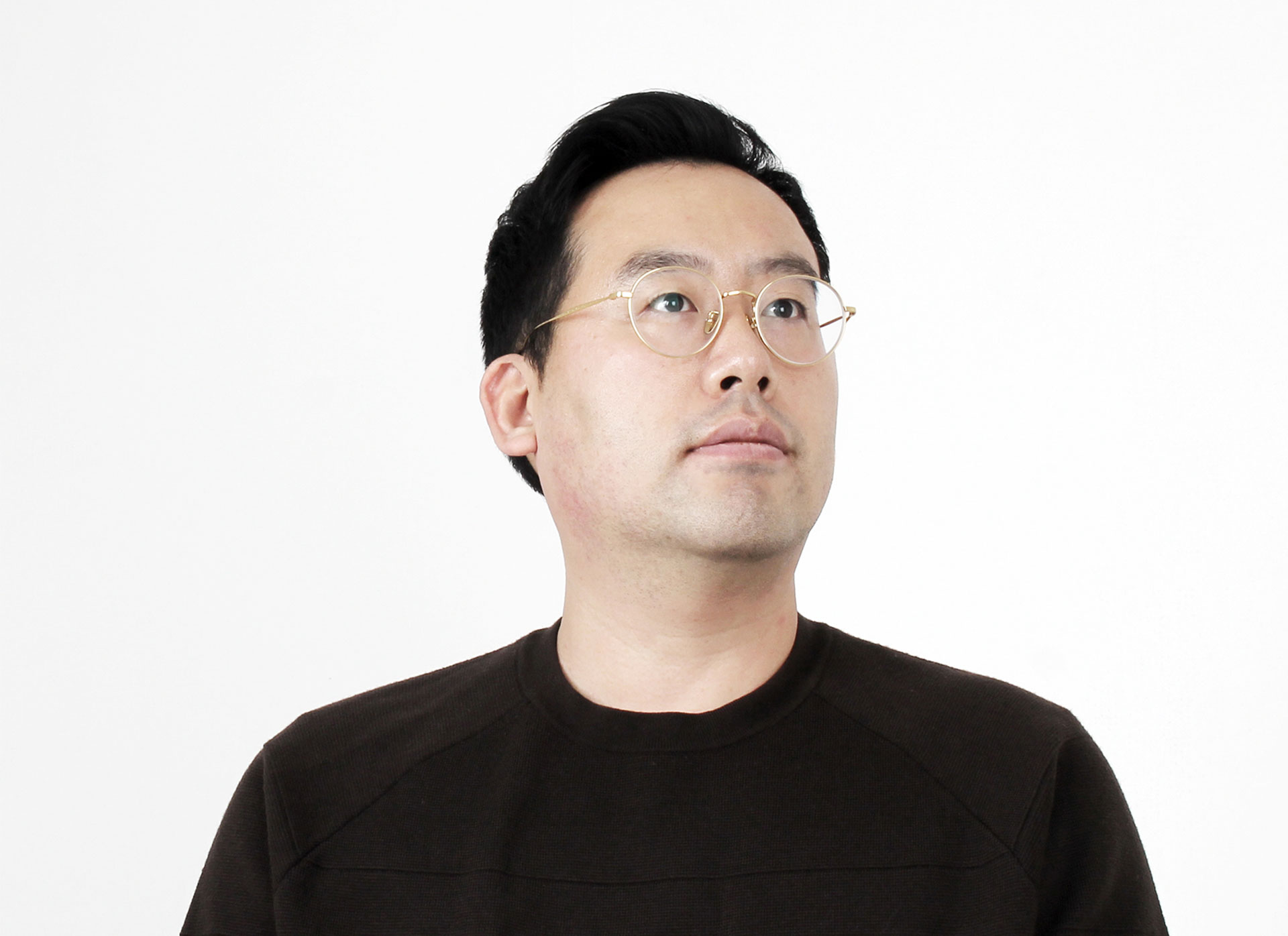
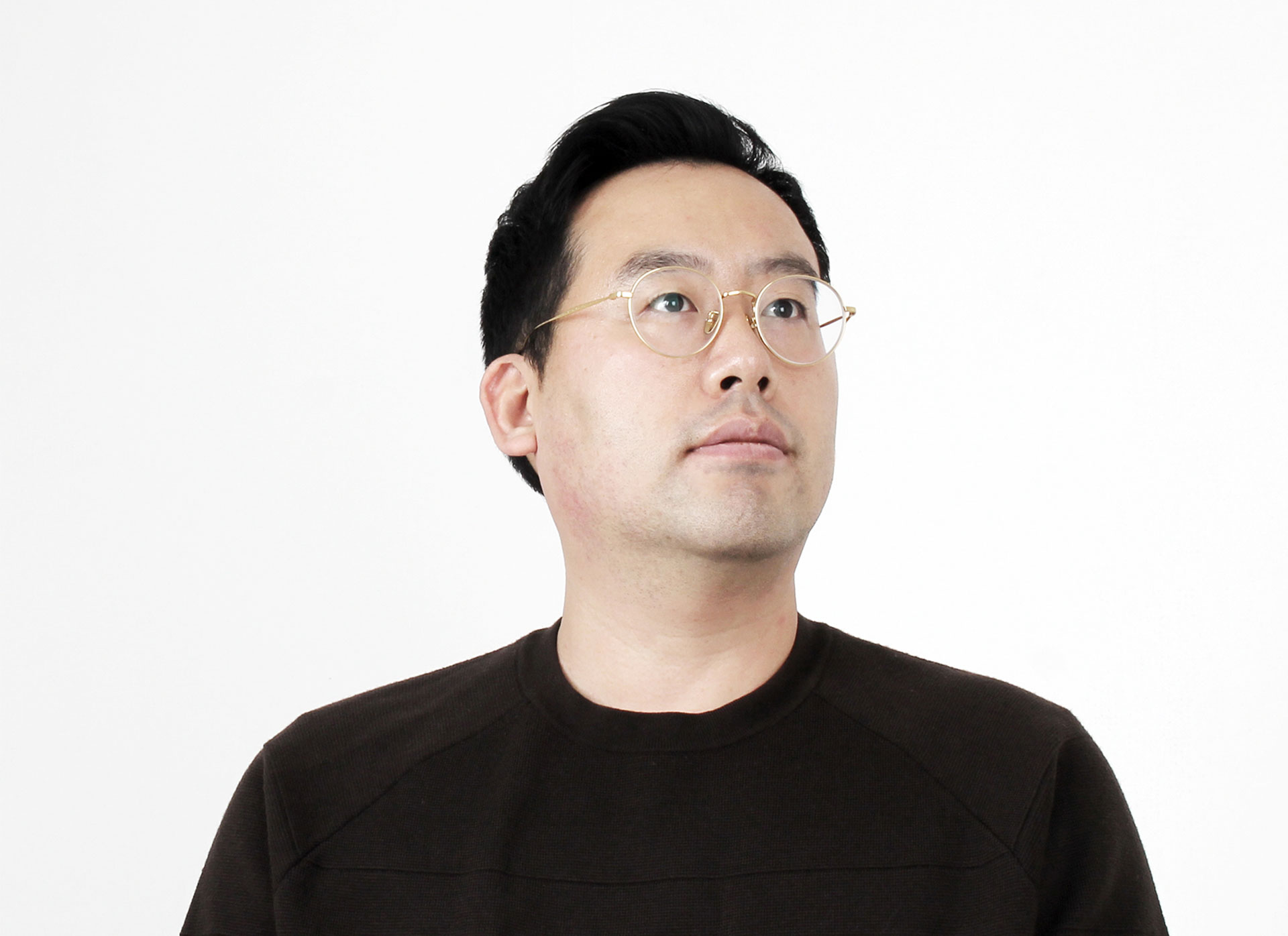
Junwoo Sim Head of SUNNY ISLAND
“SUNNY ISLAND is a design studio that goes beyond simple visual outputs to design the energy that allows a brand to sustain itself. Head Junwoo Shim deeply understands the environment and circumstances surrounding a brand, and aims for a flexible process that makes the design process itself into a final product. Recently, he garnered significant attention for intuitively expressing the dignity and weight of design through the K DESIGN AWARD visual project. In this interview, we had an in-depth conversation about Head Junwoo Shim's brand philosophy and the role of designers amidst technological changes.”
First, please briefly introduce yourself, along with what inspired you to start SUNNY ISLAND and the direction the studio is currently pursuing.
Hello, I am Junwoo Shim, the Head of SUNNY ISLAND. Ever since my university days, building and running my own design studio had been a vague but major dream of mine. After fiercely accumulating various practical experiences in the field, I finally turned that dream into reality, and I am still continuously striving to survive and grow as a designer in this rapidly changing market. SUNNY ISLAND, which I lead, is not just a place that creates visually pleasing designs, but a studio that contemplates a solid structure to sustain meaningful work. Beyond simply satisfying the primary demands of our clients, we aim to continuously pursue valuable projects and establish practical ways for our design to actually provide positive help to society and people.
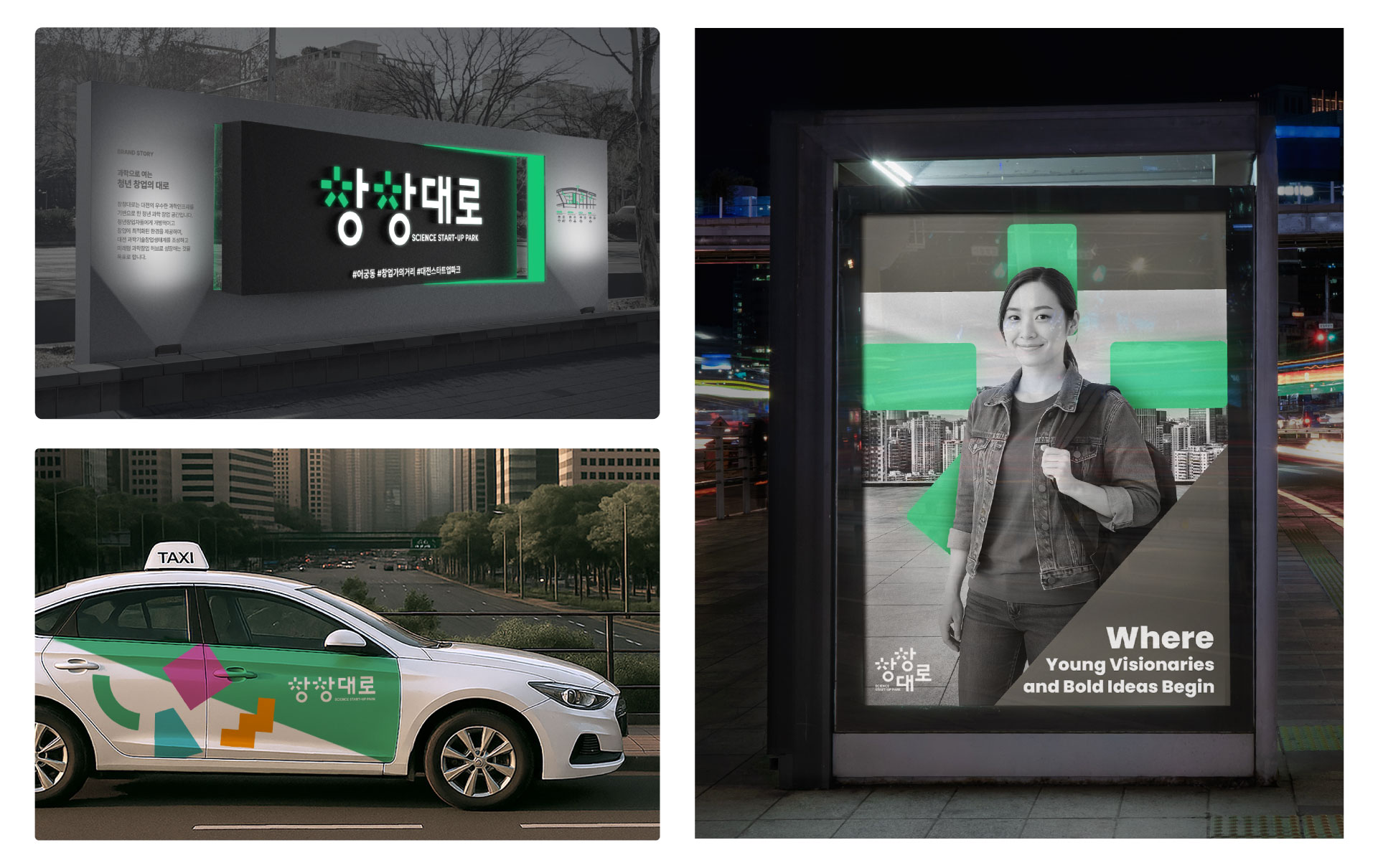
SUNNY ISLAND has been conducting various projects centered on sensuous visuals and brand experiences. What is the core brand philosophy that your studio values?
The brand philosophy we deeply empathize with and consider is, in a word, "infusing energy." Design carries the risk of ending up as a vague process that fails to produce clear results. However, I believe true design plays the role of creating a powerful driving force that allows a brand to step out into the harsh world and continuously move forward. It is only with that inner energy that all of a brand's activities can vibrantly come alive, reach its initially set goals, and ultimately lead to an irreplaceable, unique value. Therefore, for the projects we undertake, SUNNY ISLAND deeply focuses on creating the survival power that allows a brand to endure in a fiercely competitive market environment. We sincerely hope that the moment our role as designers ends, the brand's most shining moment in front of the public truly begins.
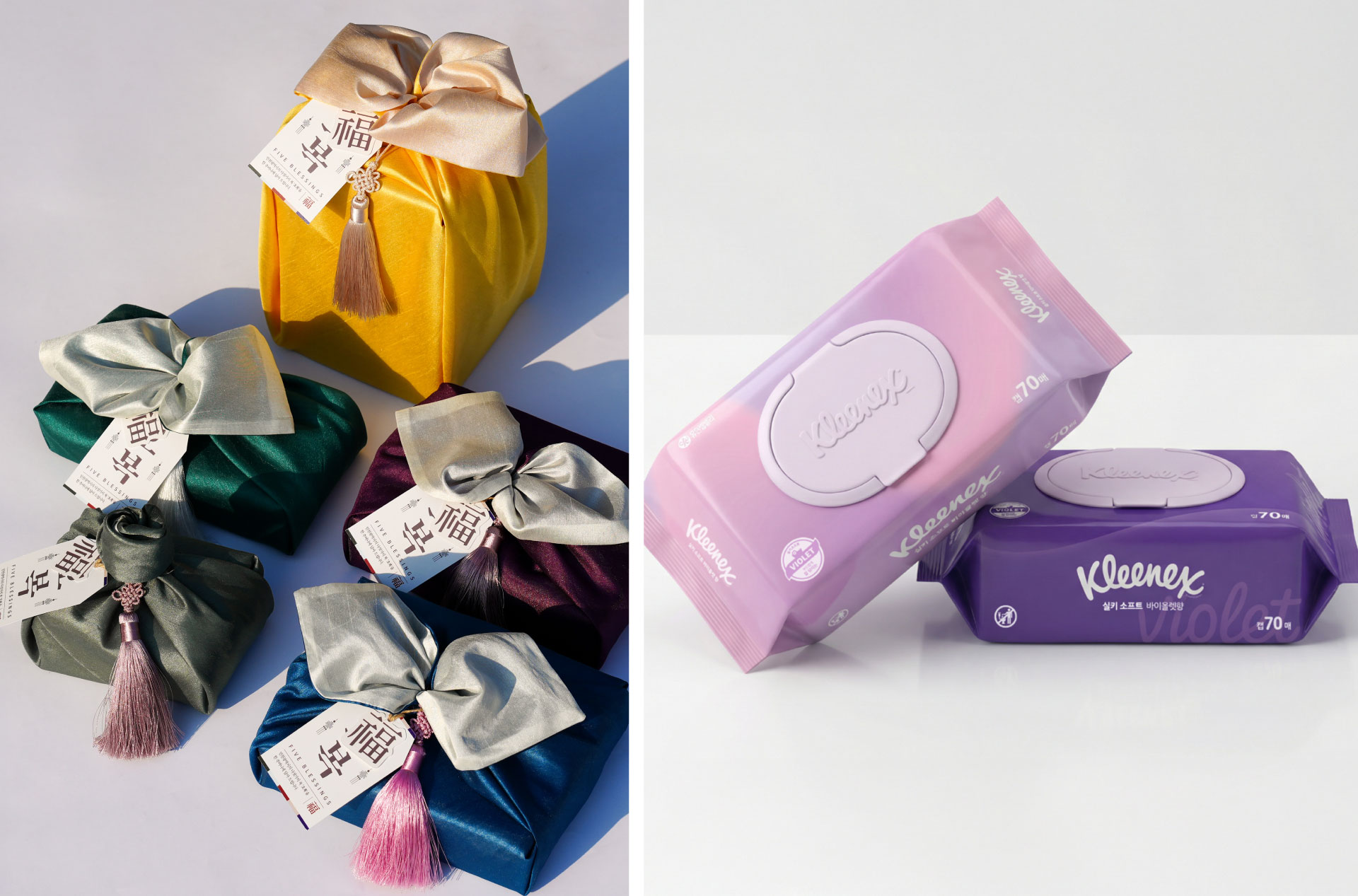
Looking at SUNNY ISLAND's work, the way you design the atmosphere and attitude of a brand, going beyond merely "visible design," is quite impressive. What is the key element you consider first when building a brand?
When building a brand, I think there is a common point that all designers involved in brand development fiercely contemplate. Ultimately, the starting point of every project is the fundamental question, "Why does this brand exist in the world?" And I see the design work as a process of meticulously piecing together the countless practical answers derived from that question, one by one. In this arduous process, I believe the designer is one of the many experts surrounding a newly born brand to guide it on the right path. The singular goal of the experts gathered in one place is to make the brand succeed. While the fundamental reason the brand was born is certainly important, how it will survive and live in a harsh environment moving forward is equally crucial. Depending on whether it is a survival-type brand that must endure day by day in fierce competition or one that has the time to grow long-term with leisure, our design approach changes completely. Therefore, the core element we ponder most deeply as the first step of our work, before any technique or skill, is genuine "affection" wishing for that brand to do well.
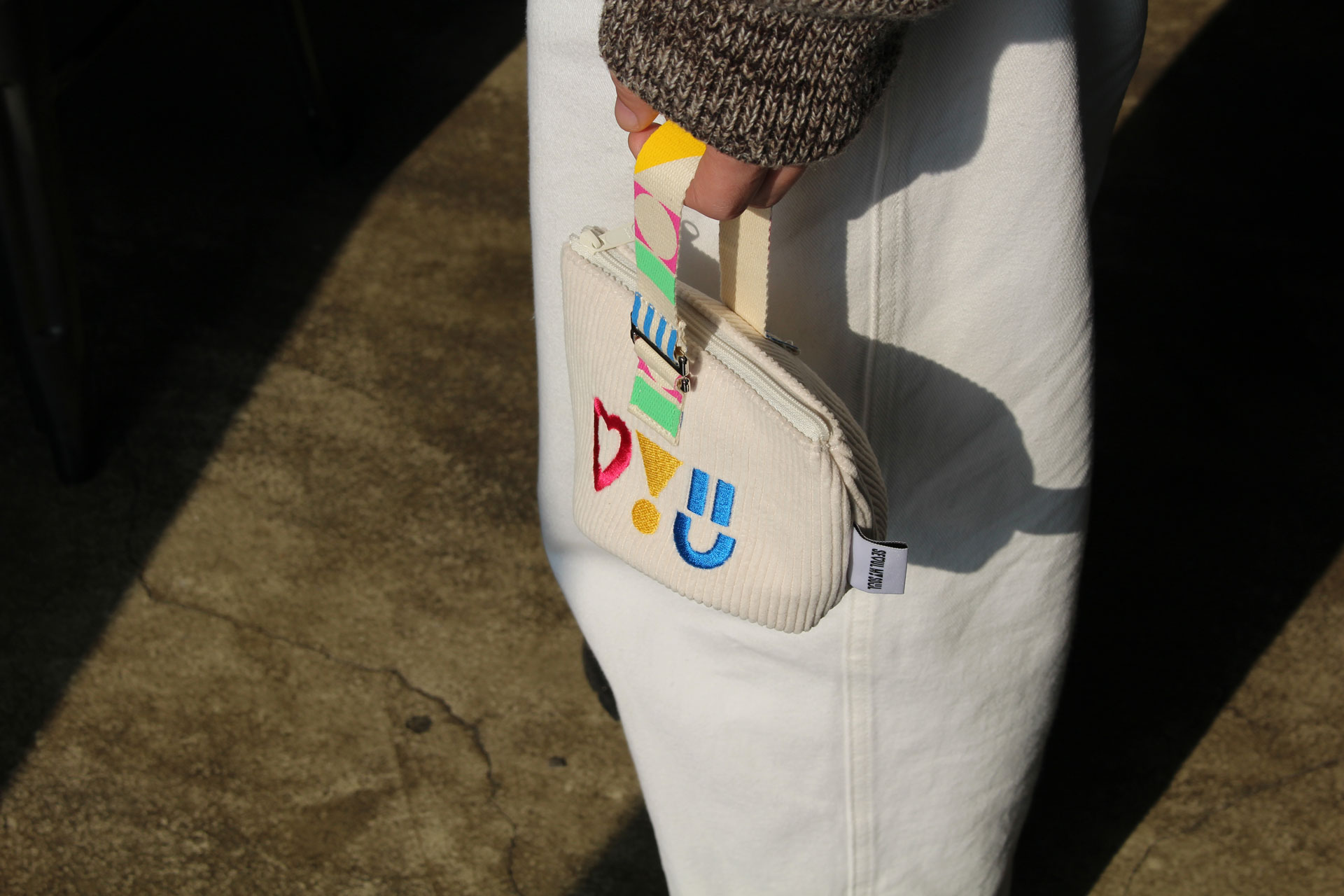
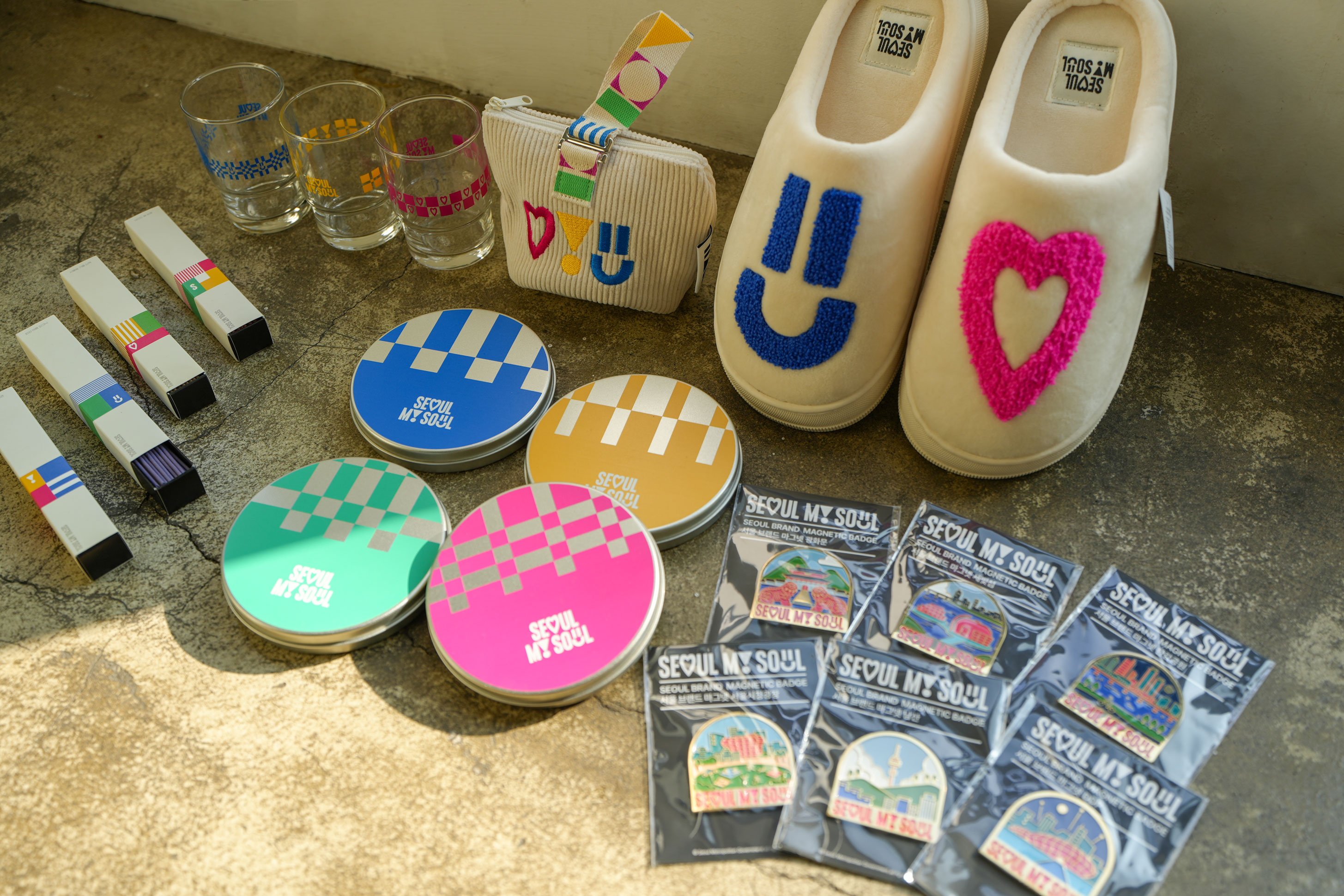
Could you introduce SUNNY ISLAND's unique design approach or work process? I am especially curious about the criteria you consider important when visually translating ideas.
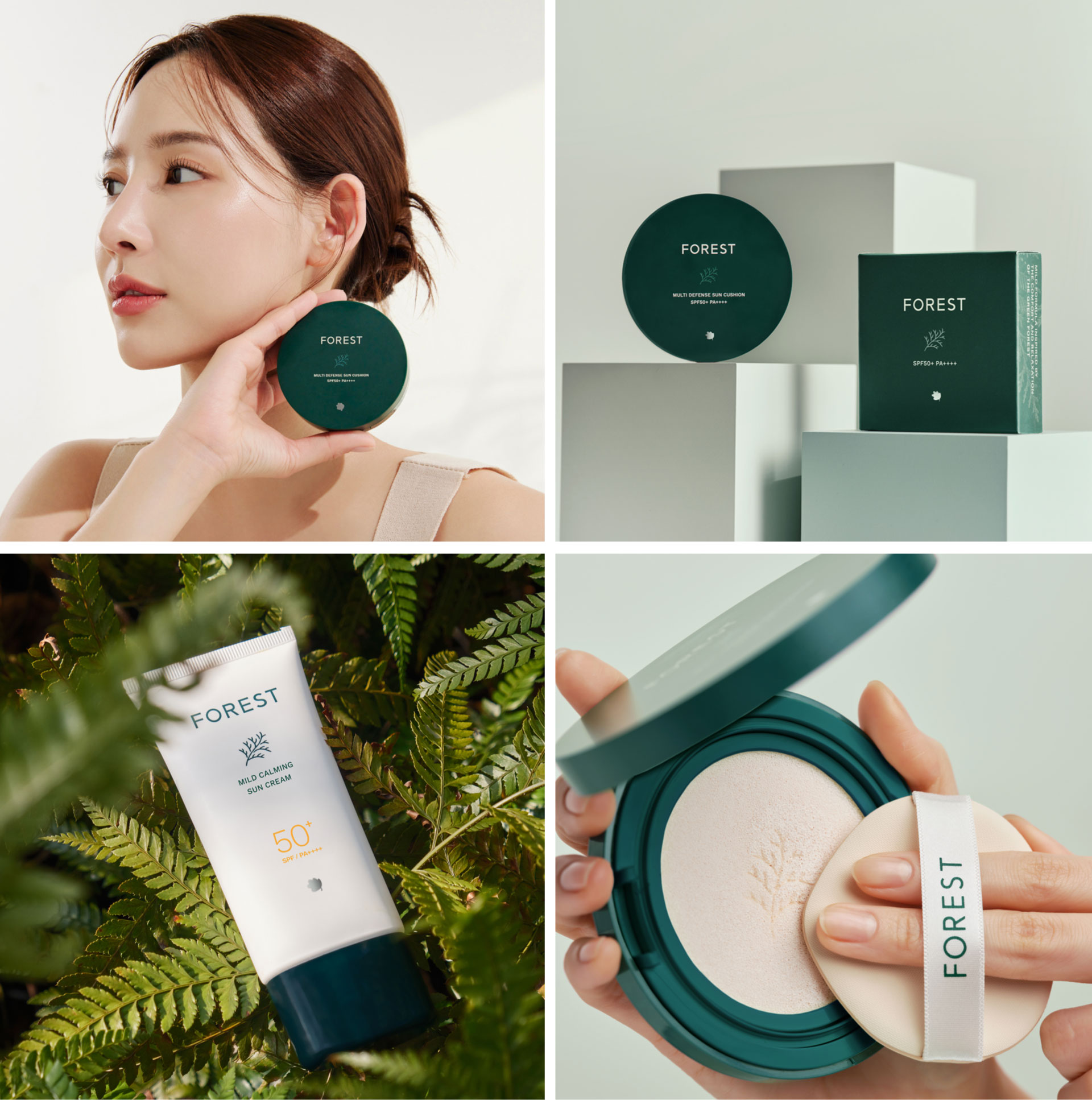
As I mentioned in the third answer, the practical circumstances faced by each brand or project are all different.Therefore, rather than a single standardized method, we flexibly apply a design process that can be optimally utilized according to the specific characteristics and situation of each project. If there is a distinct characteristic common to all projects, it is that we actively aim for "design developed together" by the whole team, rather than "design done well alone" by one star designer. To achieve this, we study extensively internally, and as designers with various different tendencies work together as a team, the volume of drafts naturally increases significantly, and the discussion and negotiation process to find the best answer lengthens accordingly. To elaborate on the process of visually translating specific ideas, nowadays it has become very common that not only the final completed result, but the process of reaching that result itself holds important meaning as an excellent outcome. Therefore, we operate our studio so that the design process is not just sacrificed to produce a final result, but is an appealing and "showable work" that is sufficiently persuasive to clients and the public in itself.
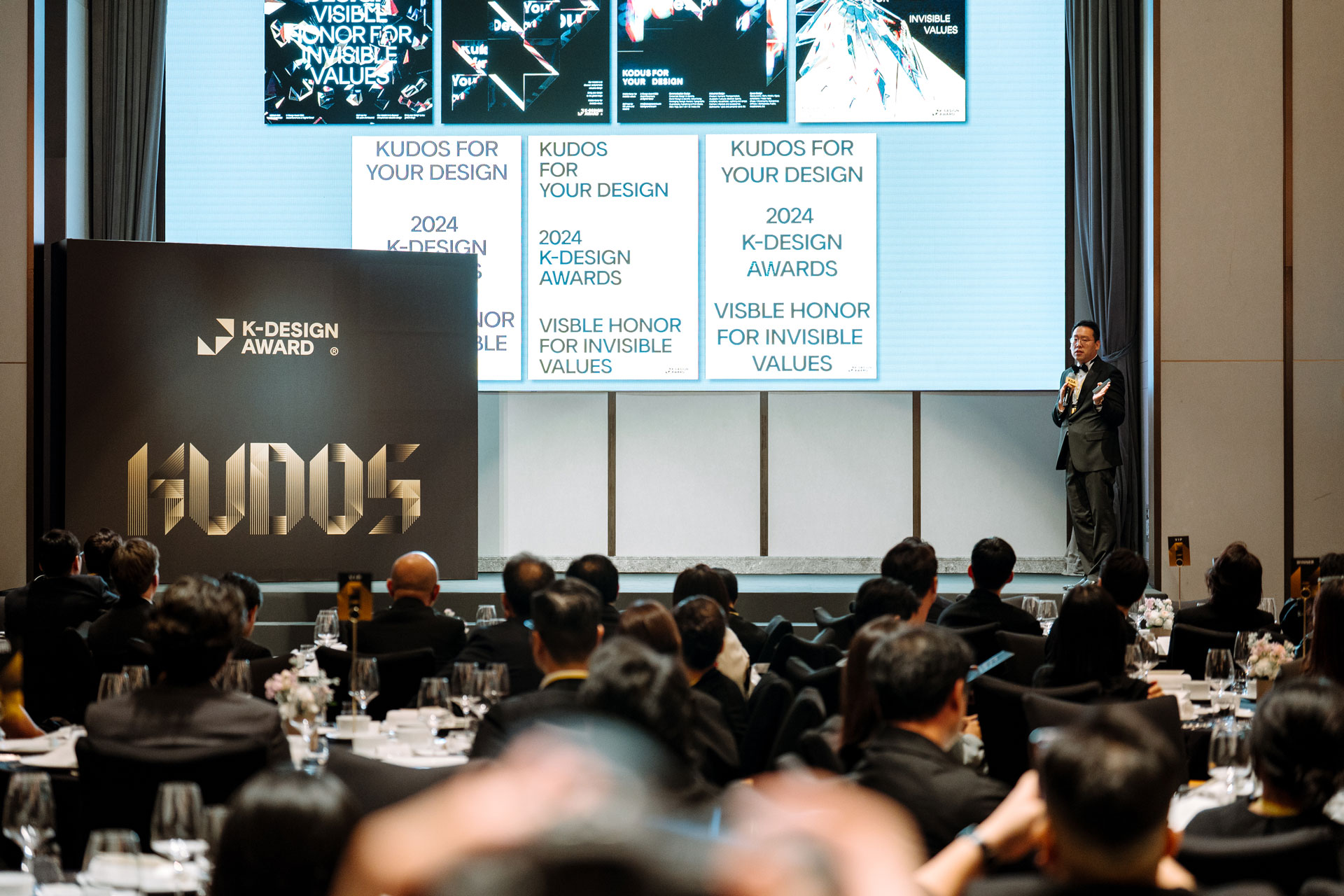
The recent K-DESIGN AWARD visual project you conducted garnered attention for its highly impressive results. What were the core concepts and messages you set during this project?
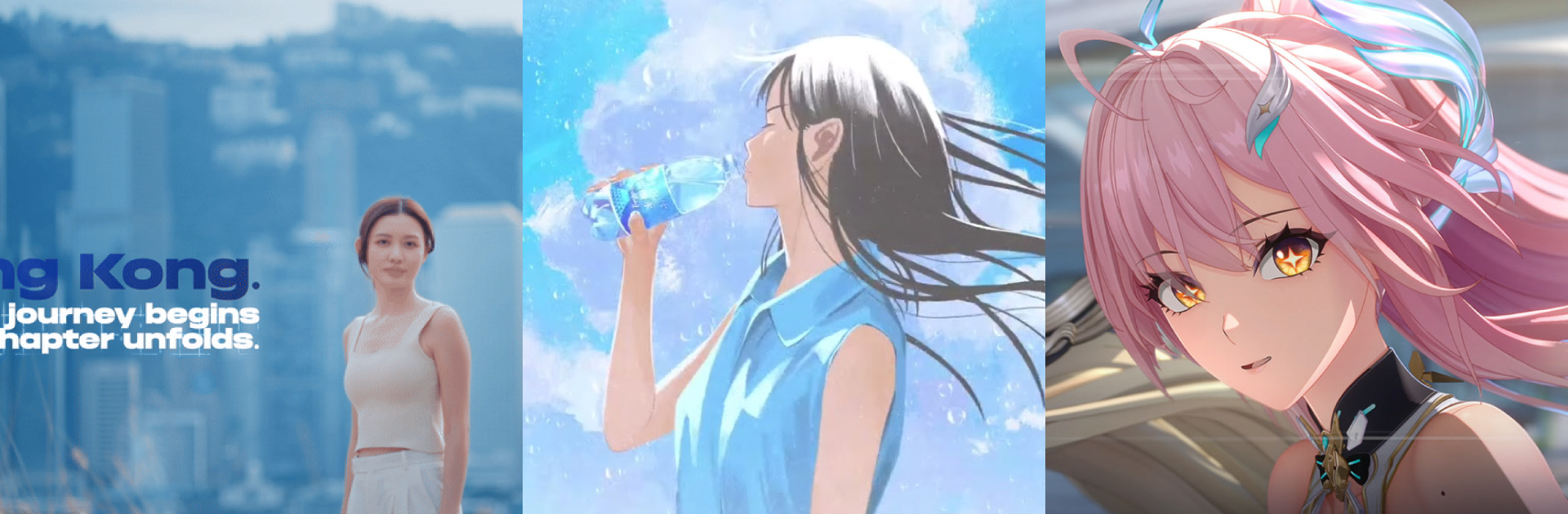
The K-Design Award visual project was closely connected behind the scenes for a much longer time than the fragmented results shown externally. It was closer to a comprehensive art approach where we planned a massive feature film consisting of three to four parts all at once, rather than a short film that ends quickly, presenting it to the audience in line with the award's original intent. In particular, the 2025 visual work following 2024 was an important year where we began to profoundly unravel more stories by expanding the brand's narrative. Centered on the core keyword "Prestige," we deeply considered how to elegantly visually convey the authority the award rightfully holds and the meaning of respect for the winners. To perfectly embody this, we established three main elements: Gradation, Intuition, and Contrast, organizing the visuals so the public could intuitively feel the "dignity" and heavy "weight" of the award without any tedious or complex explanations. In particular, through the contrast of light and dark and the elegant flow of color, we focused on designing it three-dimensionally so that natural emotions and perceptions, such as awe, would follow when facing the work, rather than just being a flat visual seen only with the eyes. The subsequent 2026 visual is conveying the true essence of the award to the public in an entirely different, new, and innovative way based on the previous works. We will directly show you those results at the awards ceremony richly scheduled for the second half of this year.
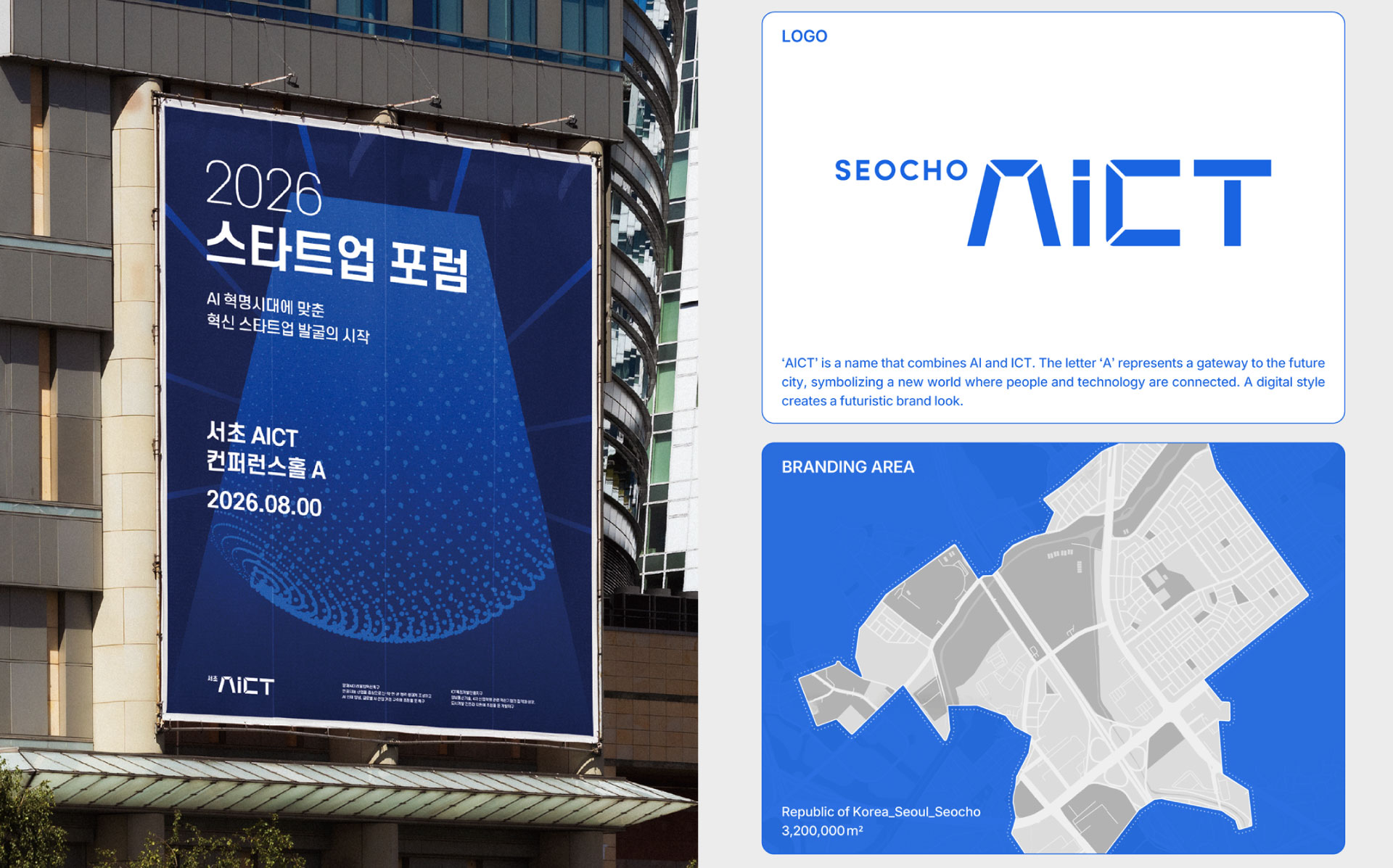
As a studio that performs both branding and visual design, I would also like to hear how you define the relationship between strategy and design.
I firmly believe that in branding, strategy and design are a perfect, single flow that can never be separated. In the design ecosystem where I currently work and act fiercely, I think the traditional boundaries between planners and designers have broken down pointlessly more than ever before. In the past, it was common to have a phased and vertical strategy where a designer took over to create professional visual results according to a meticulous strategy devised by a professional planner. However, now the gap between those stages has shrunk to the point where it is invisible, or the meaning of the order itself has become completely pointless, regardless of who goes first. Therefore, rather than creating a grand strategy first before sitting at a desk to design, we actively incorporate the design process of sketching and trying things out directly as part of an organic strategy. Through the diversity, systematic nature, and comprehensiveness encompassing the numerous modern design methodologies, I believe design is no longer a passive tool silently executing a given strategy, but is becoming a massive structure that actively includes and leads even higher-level strategies.
Amidst the rapid changes in the design industry, new technologies like AI are emerging. How do you see these changes impacting visual design and branding?
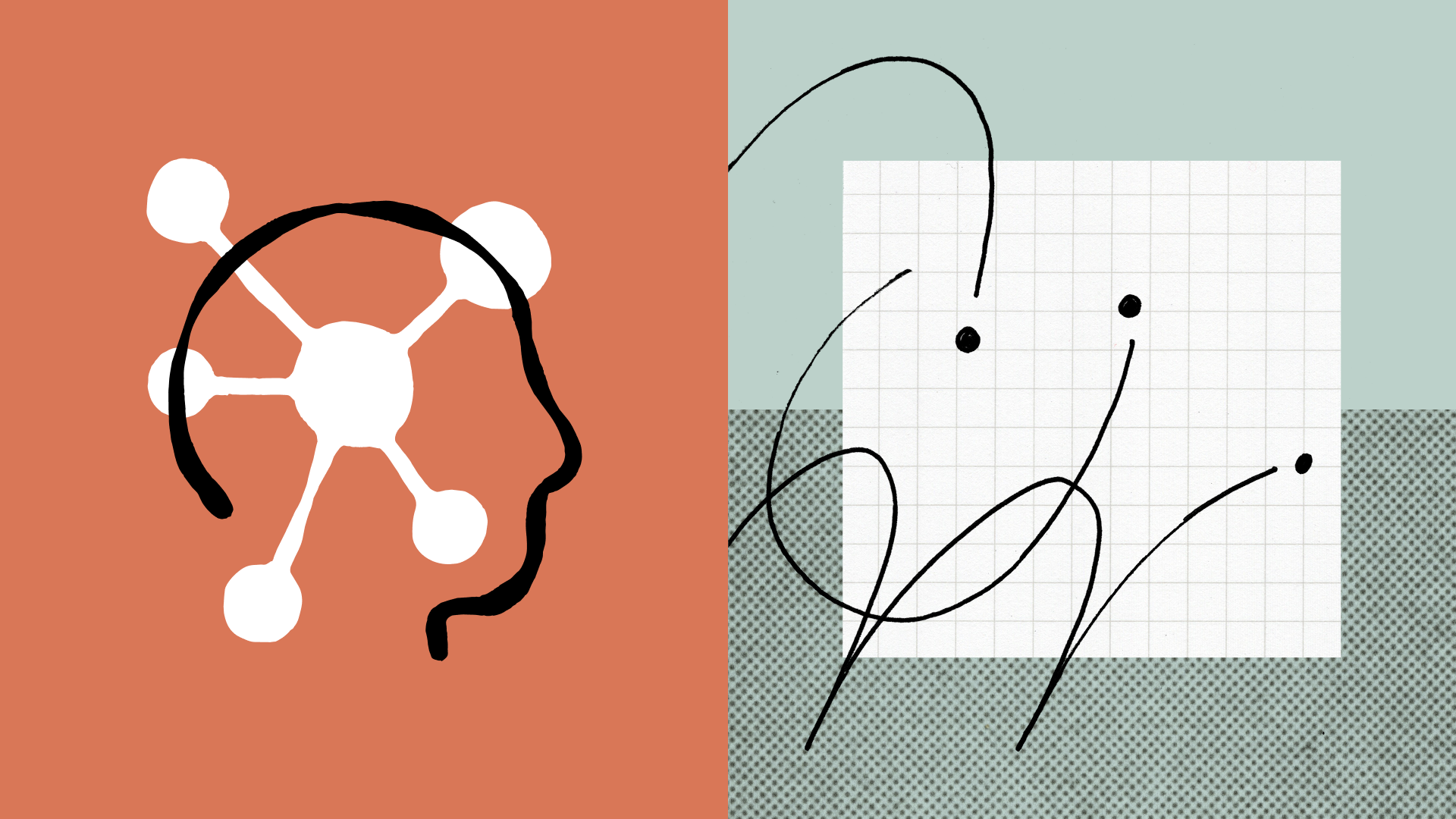
Thanks to dazzling technological advancements including AI, unrealistic images that previously only resided in the imagination of designers, or fantastic brand experiences that were impossible to realize due to an absolute lack of time and physical technical limitations, are now rapidly becoming a reality right before our eyes at an astonishing speed. I carefully believe that this massive technological change will actually serve as a positive opportunity to infinitely expand the creative realm and social role that designers can actively handle. However, at the same time, as the boundaries of creative roles between machines and humans become increasingly blurred, I think there is also a possibility that the pure planning capabilities of individual designers will become starkly polarized. Whether one remains at the level of an operator who technically utilizes the convenient tool of AI well, or expands into a true creator who uses that powerful tool as leverage to propose new directions only humans can offer and design unprecedented experiences of empathy, will largely determine the position and value of future designers. I expect this to be an important crossroads not only for individuals but also for the survival of design studios that oversee brands.
Finally, please tell us about the direction SUNNY ISLAND wants to create moving forward and the value of the brand or work you wish to build long-term.
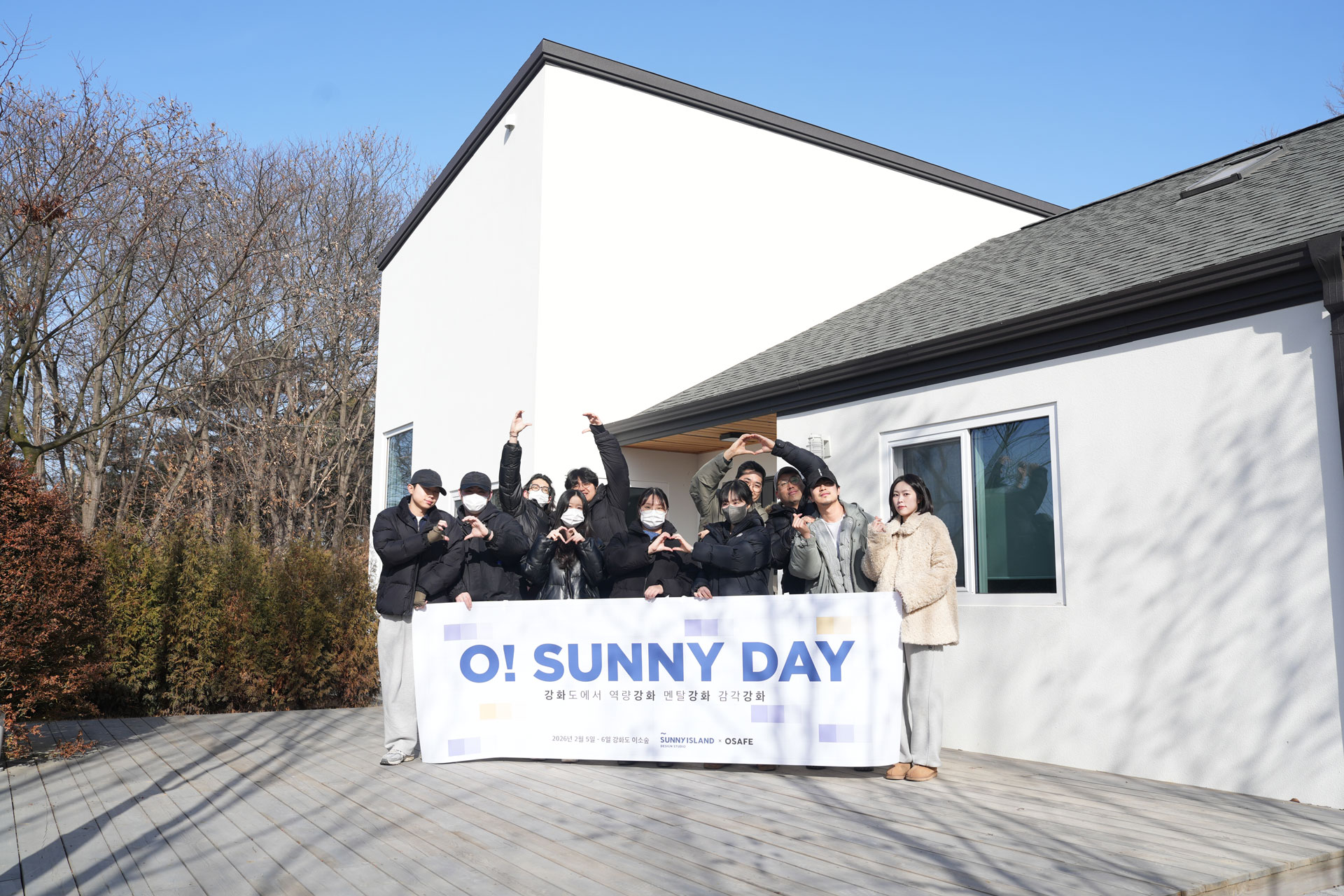
It is an obvious fact everyone knows that design plays a very pivotal and important role in the process of a single brand being born and successfully growing in the market. However, as I continue my practical work, I also acutely feel that there are definitely broad business areas that cannot be explained or resolved by visual design alone. In particular, the deep thirst for a business ecosystem where a brand breathes with consumers and actually lives and moves beyond a static logo is an area that I think is absolutely difficult to fully comprehend unless a designer leaves the desk and directly creates and fiercely operates their own brand. Therefore, moving beyond client work, our SUNNY ISLAND is relentlessly pursuing the reckless yet valuable challenge of directly planning, developing, and physically operating our own brand. Fully utilizing the precious insights gained through various project experiences with countless clients so far, we are carefully continuing our internal projects as another meaningful achievement. Perhaps everyone on our team is genuinely enjoying this arduous branding process itself, but above all, we ultimately want to beautifully create our studio's own original brand that is attractive and self-sustaining for everyone to see.













#14057, 905 49, Beolmal-ro 102beon-gil,
Dongan-gu, Anyang-si, Gyeonggi-do, Korea
Business Registration Number: 454-86-01044
Online Sales License No.: 2021-Anyang Dongan-1081
Copyright © DESIGNSORI Co., Ltd.