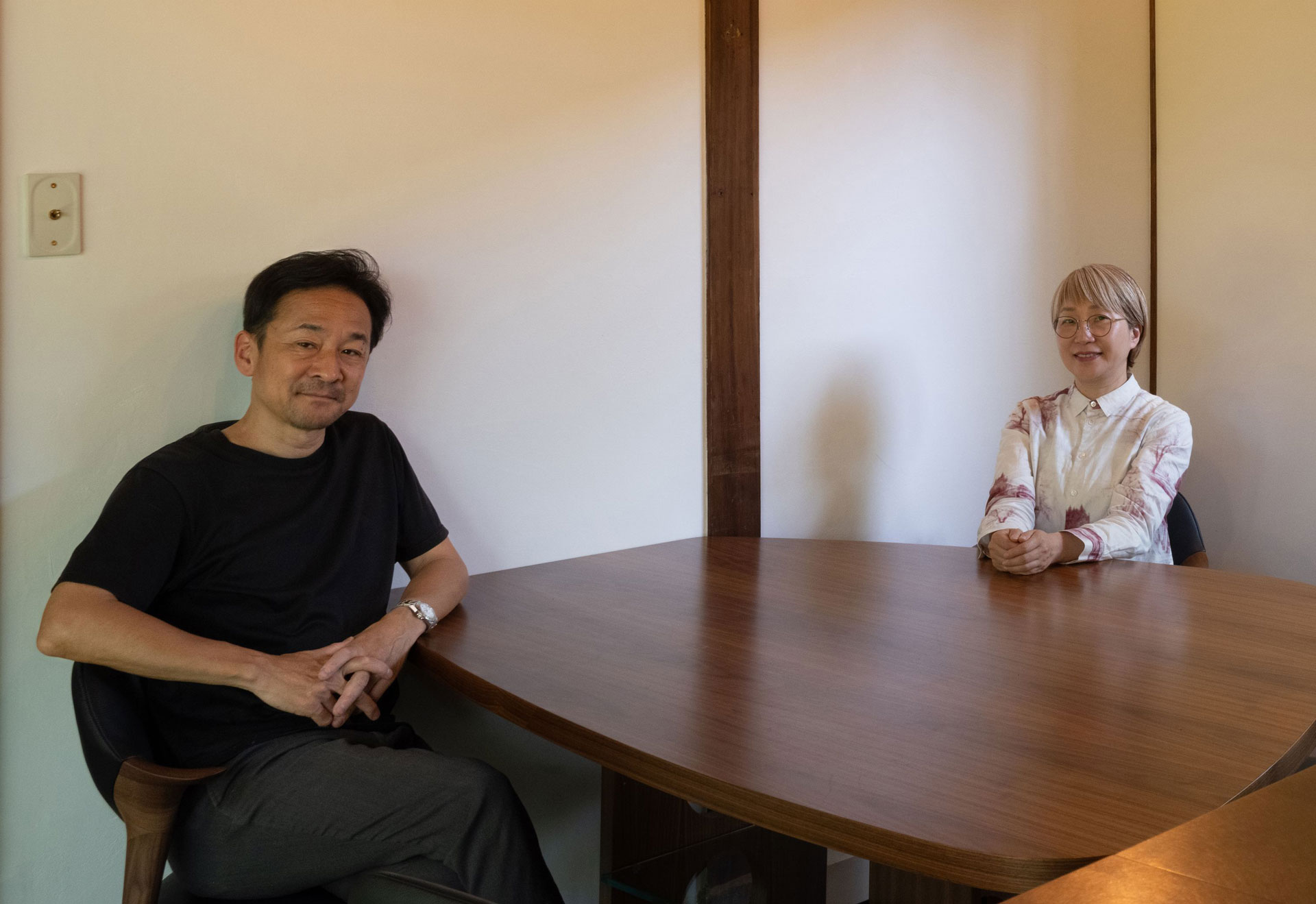
Keiichi Horibe & Naoko Horibe Co-CEOs, Horibe Associates
"From the moment it is completed, architecture becomes intertwined with the people, streets, and environment around it, and remains in place for decades. Based in Takatsuki, Osaka, Naoko Horibe and Keiichi Horibe, the Co-CEOs of Horibe Associates, pursue architecture that goes beyond design and function, seeking buildings that resonate with their landscape and remain loved across time. Rather than chasing spectacular forms or trends, they read the context a place inherently carries and design so that new architecture breathes naturally with its surroundings. In this interview, we explore their philosophy of 'resonating architecture' and the identity of Asian architecture rooted in the climate of Japan."
To begin, could we ask you to introduce yourselves and Horibe Associates? We would also be grateful if you could share the direction of architecture that the office is currently pursuing.
Horibe Associates is an architectural design office based in Takatsuki, Osaka Prefecture in Japan. We work across a wide range of project types, from residential buildings to office towers, commercial spaces, ryokan, and villas, and we approach each project with depth and care regardless of its scale or use. What we value most is the recognition that, from the very moment a building is completed, architecture becomes a presence that continues to exert influence on the people, streets, and environment around it. Whether the building is used with care or not, and whether it harmonizes with its setting or not, once it is built, it remains on the same ground for decades. For this reason, we believe that design alone is not enough, nor is function alone enough. What is needed is a persistent commitment to every single element related to architecture. Architecture that is loved by people across decades, that protects them, and that does not fade in color over time. That is the form of architecture Horibe Associates pursues.
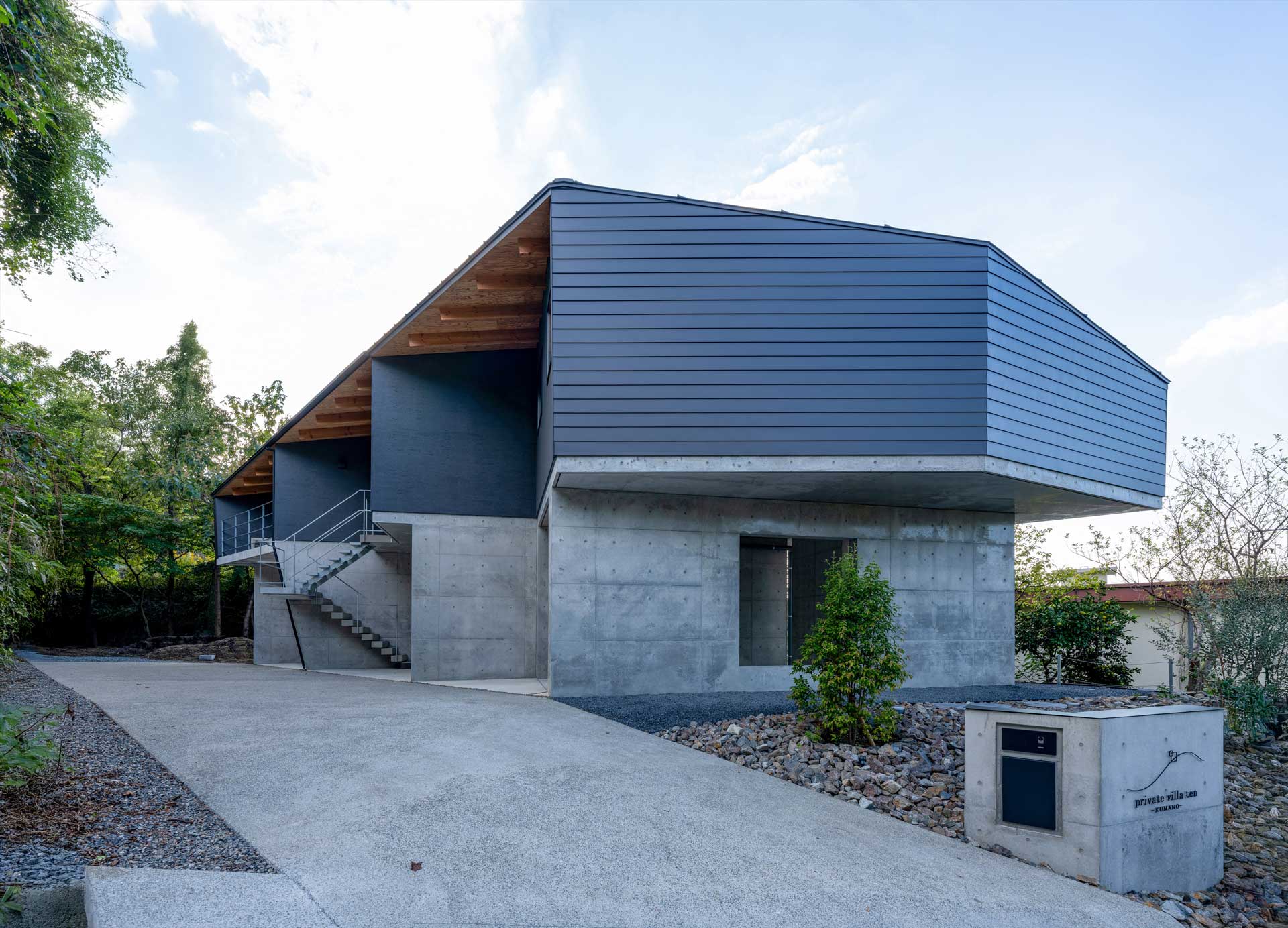
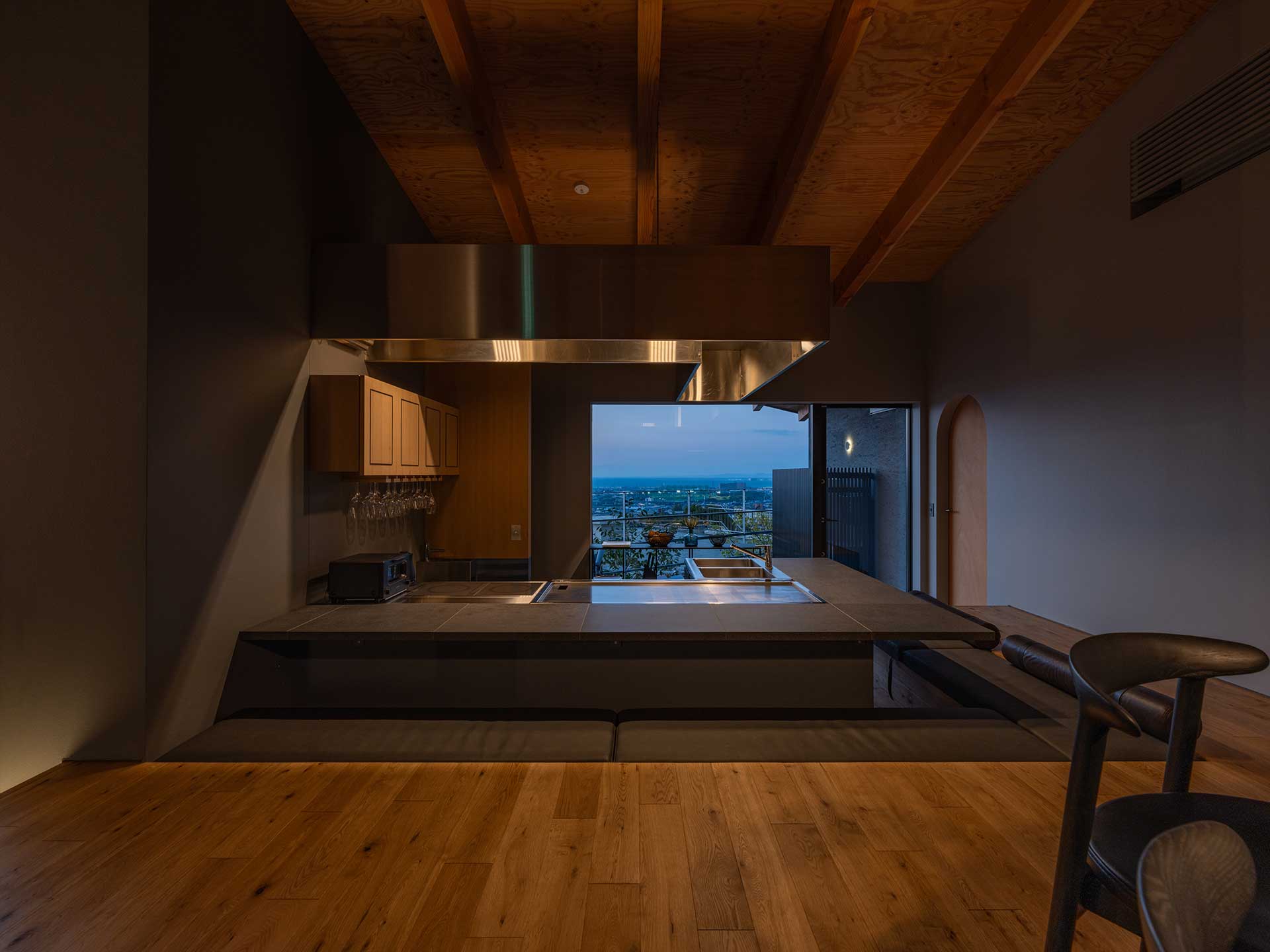
< private villa ten KUMANO, ASIA DESIGN PRIZE 2026 Grand Prize, Photo Courtesy of @Yunagi Miki >
It is striking that you regard architecture not merely as a finished product but as a 'presence' that continues to influence its surroundings as time passes. How did this perspective take shape, and how is it reflected in your actual practice?
From the very moment it is completed, architecture becomes a part of the landscape. There are buildings in this world that are carefully designed, and there are also buildings that appear to have been put up without much consideration. Yet whether the building is treasured or not, and whether it merges with its surroundings or not, once it has been built, it remains in place on that ground for decades. This way of thinking is an understanding that gradually deepened in us as we reflected, after becoming independent, on what kind of architecture we ourselves should pursue. Through that process, we came to a clear realization that the scope of responsibility in design is not completed within the relationship with the client alone. Architecture is, after all, a presence that constantly forms relationships not only with the client and those who use the building, but also with the street, with nature, and with the wider environment.
In our actual design process, we therefore always remain conscious of more than just the client's requests or legal conditions. We pay close attention to the landscape that the site already carries, the sense of distance from neighboring buildings, and the flow of people moving through the area. The image of a newly added building resonating with its surroundings and settling naturally into them. That is what we always strive toward.
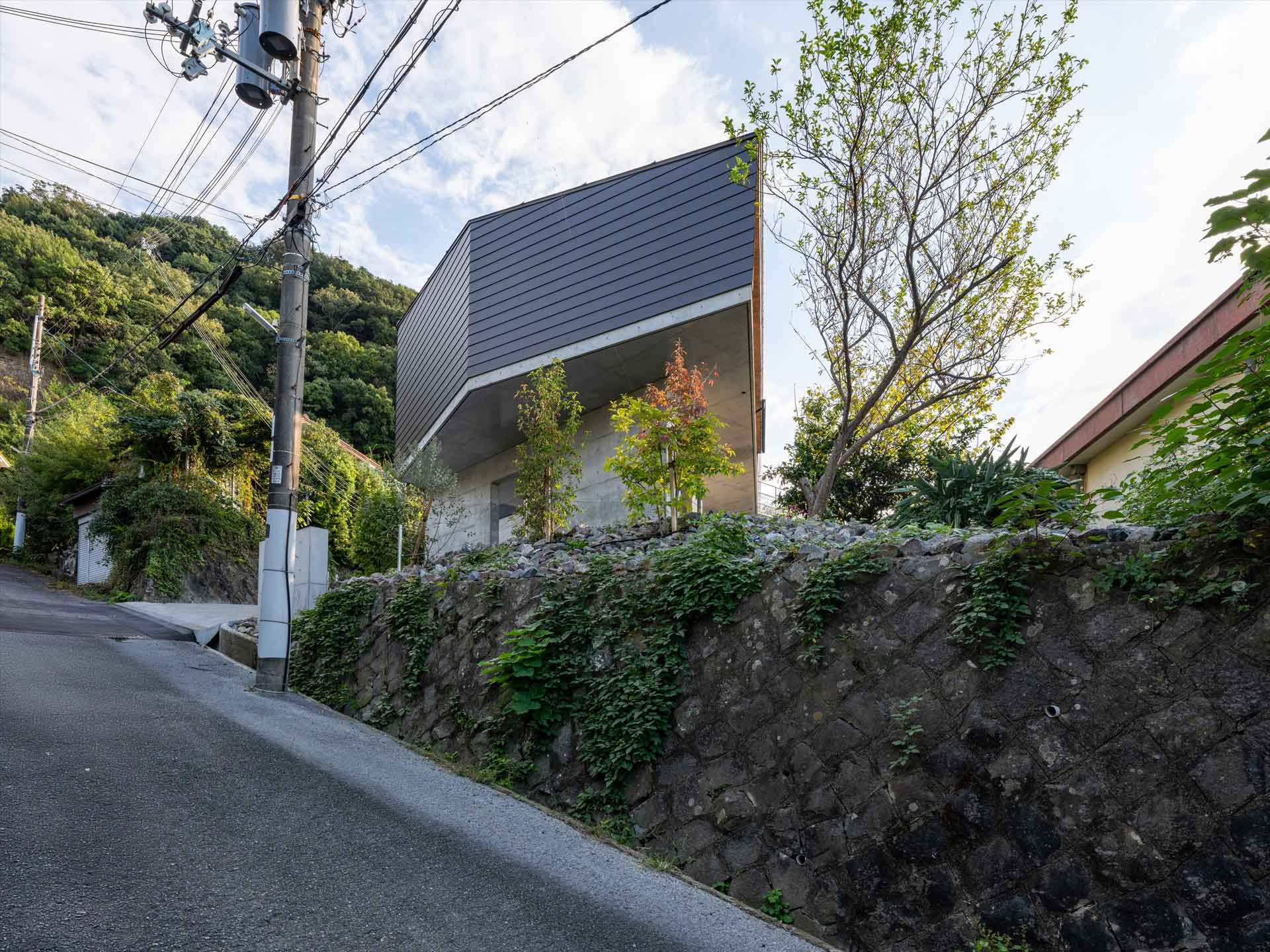
< private villa ten KUMANO, ASIA DESIGN PRIZE 2026 Grand Prize, Photo Courtesy of @Yunagi Miki >
You mentioned that architecture begins to affect people, streets, and the environment from the moment it is completed. In your actual projects, what do you consider most important when designing the relationship with the surroundings?
What we are most conscious of is 'preserving the context that a place inherently holds, while having the newly added architecture resonate with its surroundings to make the landscape something even better.' If the existing streets and environment were to be damaged by the arrival of a new building, then no matter how beautiful that building might be on its own, it would feel like a tremendous waste.
Of course, this does not mean that simply 'remaining inconspicuous' is the goal. Adding new value and richness to a place is precisely where the true delight of design lies, we feel. A new building should not run against the existing flow of its surroundings, yet at the same time it should become a presence that adds another layer of depth to that place. In order to create such a relationship, we carefully tune every element, from the sense of scale and line, to the color and texture of materials, to the orientation of openings, always in dialogue with the surroundings. Each small detail, we believe, ultimately determines the breath shared between the architecture and the landscape around it.
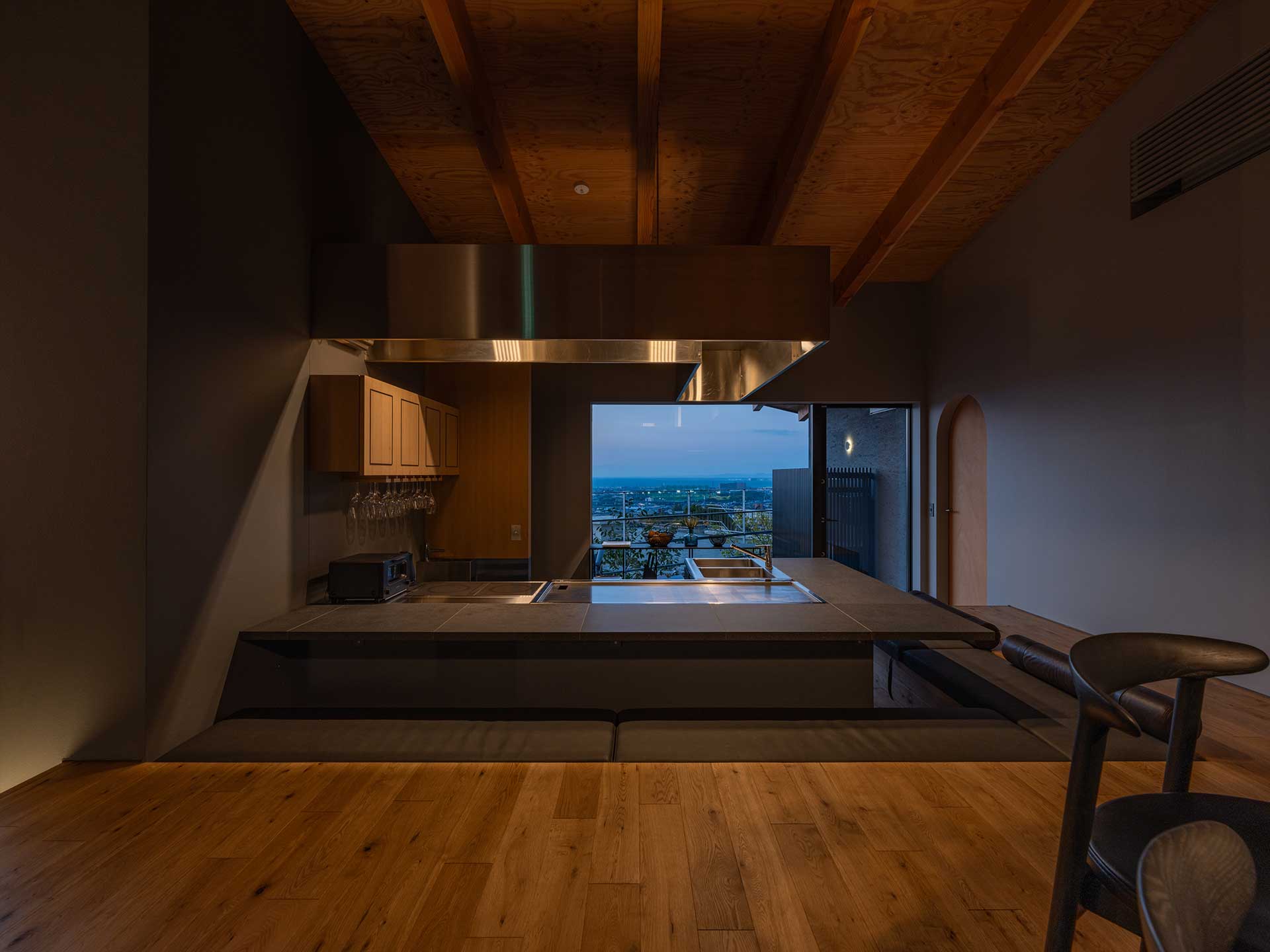
< private villa ten KUMANO, ASIA DESIGN PRIZE 2026 Grand Prize, Photo Courtesy of @Yunagi Miki >
Horibe Associates places great importance on 'architecture that is loved over a long period of time.' In a contemporary era of rapid change, how do you incorporate the axis of durability and time into your design?
In pursuit of architecture that is loved over time, we intentionally avoid the kind of passing trends that symbolize a particular era. Such trends may appear spectacular for a moment, but they tend to become quickly dated designs as time passes. Instead, we focus on essential expressions that can withstand the filter of time. On a personal note, we feel that designs which are loved over the long run often carry a sense of warmth close to 'charm.' Rather than overly perfect or cold forms, when there is a small measure of ease and a human grain that gently draws the heart of the user, people come to feel a lasting attachment to that architecture. We believe that such elements have naturally seeped into the architecture we design, even when we are not consciously aware of it.
When it comes to selecting materials as well, while we fully consider their durability, we also wish to use materials that, wherever possible, gain depth as the years go by. Architecture in which the flavor only grows richer with time and toward which users develop ever deeper attachment. We believe that this is precisely the kind of architecture that survives long and is loved long.
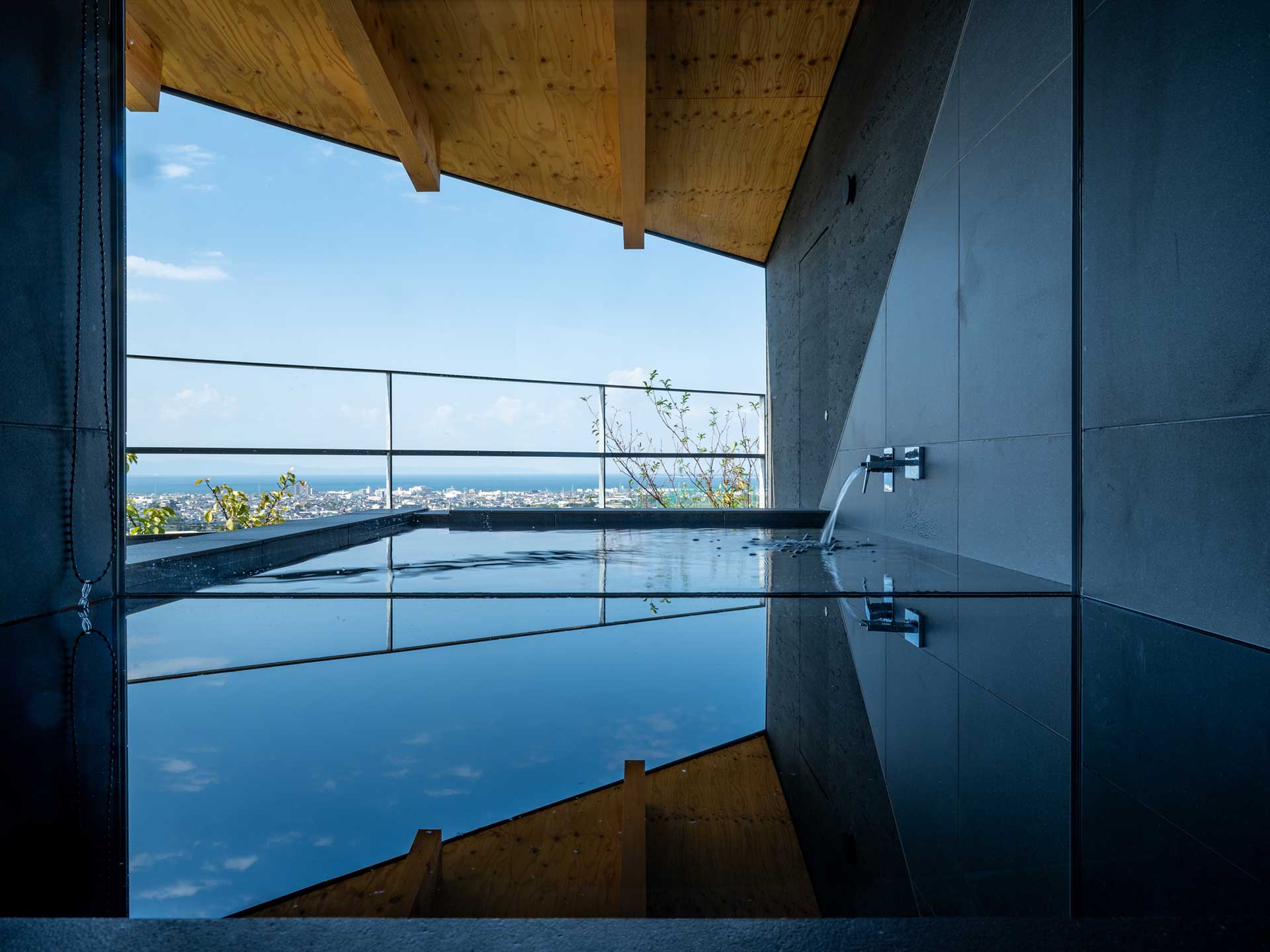
< private villa ten KUMANO, ASIA DESIGN PRIZE 2026 Grand Prize, Photo Courtesy of @Yunagi Miki >
In an era where visual impact and trends are highly valued, what meaning do you see in 'architecture that does not fade with time'? What criteria do you believe are needed to realize such architecture?
The most important criteria by which we judge the 'architecture that does not fade' that we pursue are two in number. First, can the person who spends time there continue to feel comfort over the long term, without that feeling changing? Second, does the place become one where the user would want to proudly bring someone they cherish? When a building can answer 'yes' with confidence to both of these questions, we believe it does not lose its value even as the times change.
Of course, comfort and ease of use are aspects that may shift in part with the era. However, the sense of reassurance produced by the way light dwells in a space, the subtle resonance created by sound, and the touch of a material against the fingertips is a different matter altogether. These sensations are rooted deeply in human nature, and they do not easily fade even within the flow of time.
Architecture, in the end, is something that is received through all five senses, we believe. The form one sees with the eyes and the visual impression both matter, yet it is the depth of sensation working beneath them that ultimately determines true richness. To carefully design that richness of the senses. That is the answer we practice every day in order to come closer to 'architecture that does not fade.'
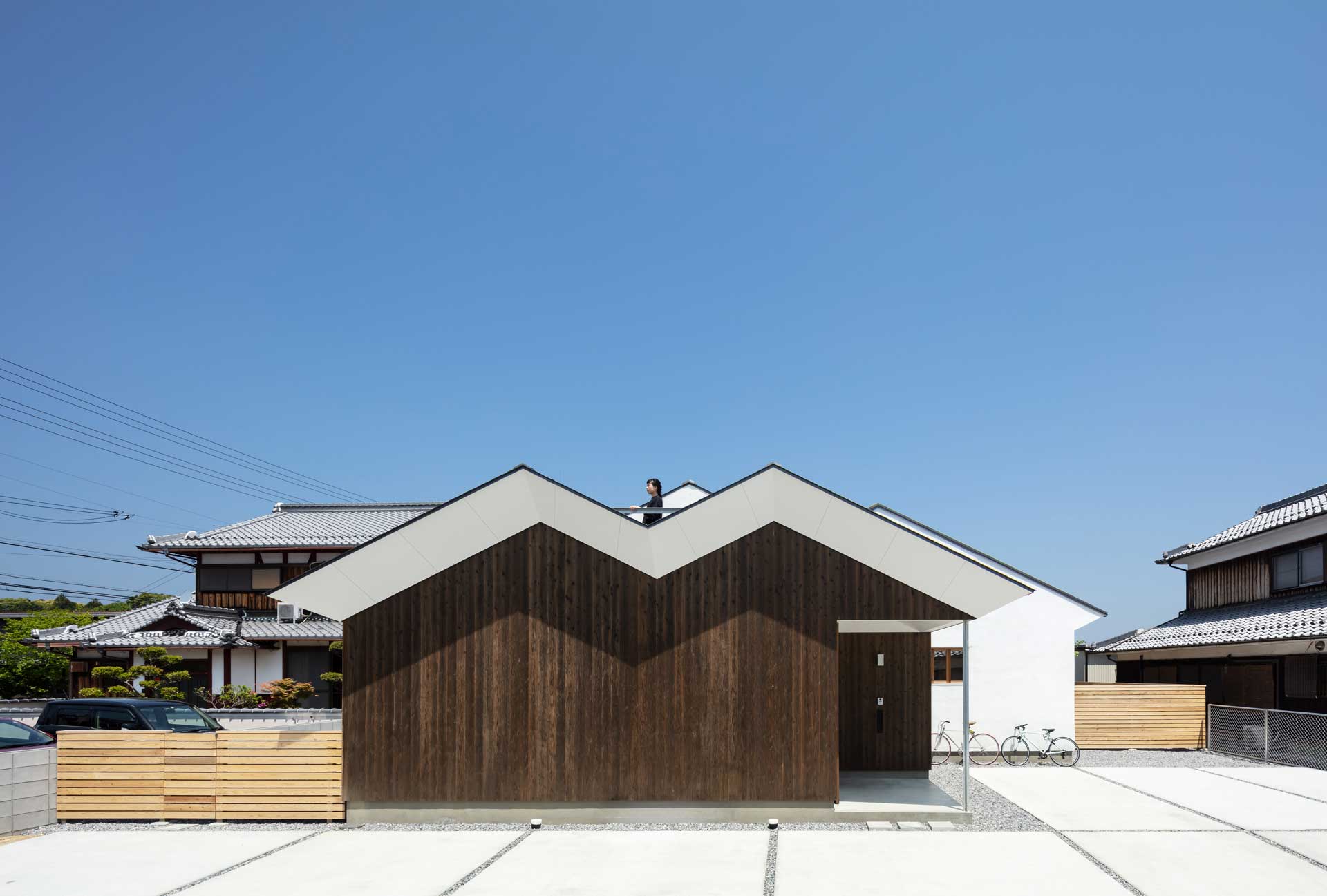
< House in Sugie, Photo Courtesy of @Yohei Sasakura>
Architecture calls for design, function, structure, and social role all together. How does Horibe Associates handle these elements in an integrated manner?
Design, function, structure, and social role. Rather than seeing these as elements that we 'balance,' our sensibility is closer to that of 'thinking about them all at once as a single flow that cannot be separated from one another.' Instead of treating each as a discrete item and setting priorities among them, we examine them together within an integrated way of thinking from the very start.
For example, a building that prioritizes only function and structure may be efficient, but if it lacks design appeal, it will ultimately struggle to become architecture that is loved over the long term. Conversely, even a building of great beauty cannot maintain that beauty for long if it is not supported by function and structure. In other words, architecture in which only one element is emphasized rarely passes the test of time.
We believe that 'the very fact that long loved architecture exists in a place is itself one form of fulfilling a social role.' Architecture that continues to be used, rather than being torn down, reduces environmental burden, preserves the scenery of the street, and adds a sense of stability to the daily life of those who dwell in the area. The posture of not separating design, function, and structure from the beginning but thinking of them in an integrated way leads, as a natural result, to the fulfillment of social responsibility.
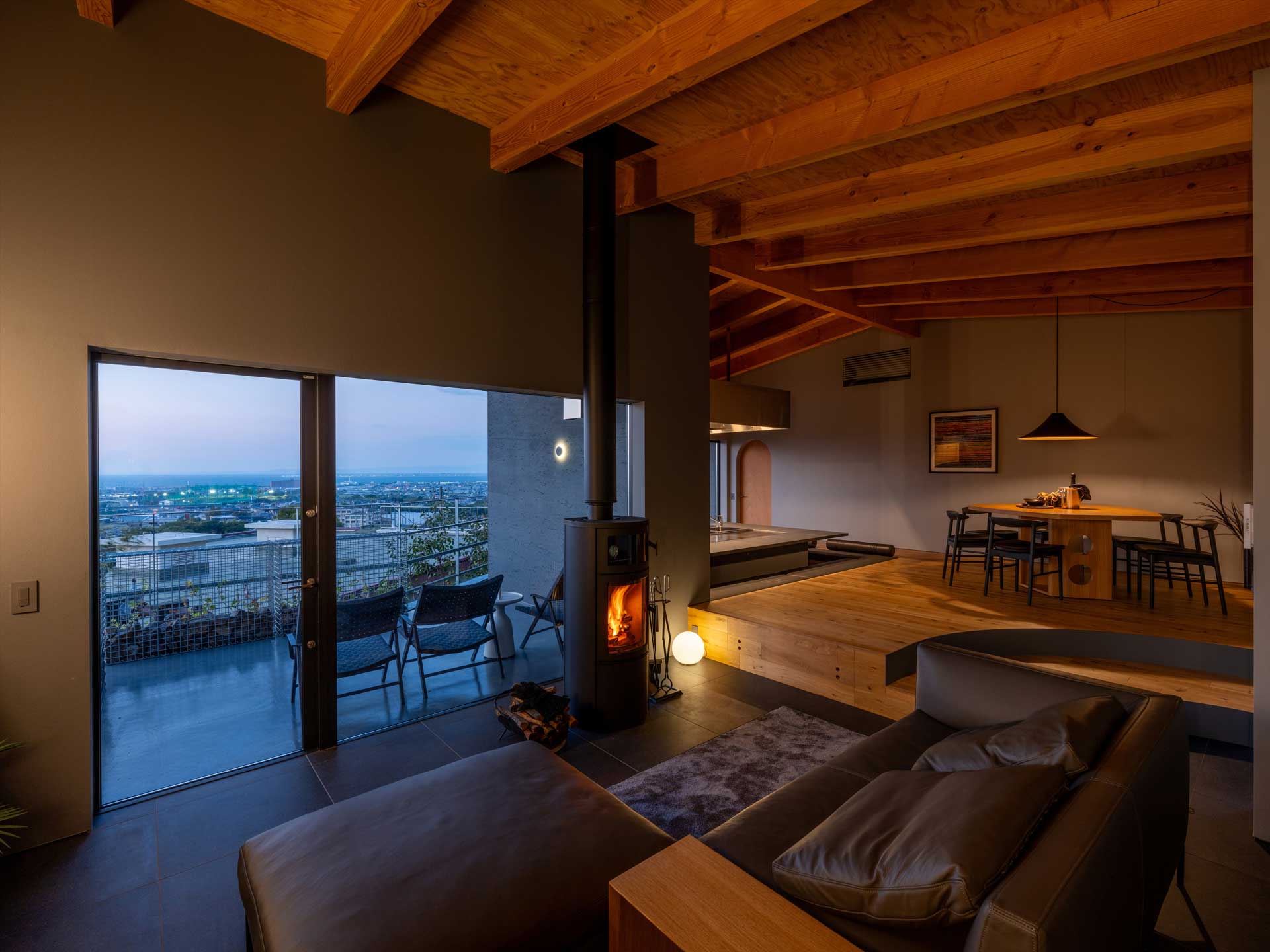
< private villa ten KUMANO, ASIA DESIGN PRIZE 2026 Grand Prize, Photo Courtesy of @Yunagi Miki >
In the work of Horibe Associates, harmony with the surrounding landscape comes through strongly, not only the completeness of the architecture on its own. If this relationship were to be regarded as a 'system,' we are curious about the kind of thinking process with which you approach design.
Even when it concerns the smallest single building, we remain conscious throughout the design process of the fact that this building bears part of the landscape. If we receive architecture as one 'element' placed within a landscape, then everything that surrounds it, that is, the terrain, vegetation, neighboring buildings, the flow of people, and even the flow of light and wind, can all be read as components of a single system. Architecture is by no means an isolated presence. It can rather be seen as another node within this system, constantly interacting with the other elements.
From this perspective, we spend considerable time in the early stages of design carefully reading the 'resonance (響き) that a place inherently holds.' What kind of light enters this place, what kind of wind flows through it, what sound and atmosphere settle within it? Only after sufficiently understanding such invisible elements does it begin to become clear how a new building should position itself within them.
When new architecture is added on top of that, the goal is for it not to disrupt the existing resonance but rather to vibrate alongside it and create a new harmony within the landscape. The kind of relationship we aim for is precisely that. It is not the completeness of a single building that defines our work, but the posture of pursuing the harmony of the place as a whole alongside it. This is the most basic attitude toward design that Horibe Associates has long upheld.
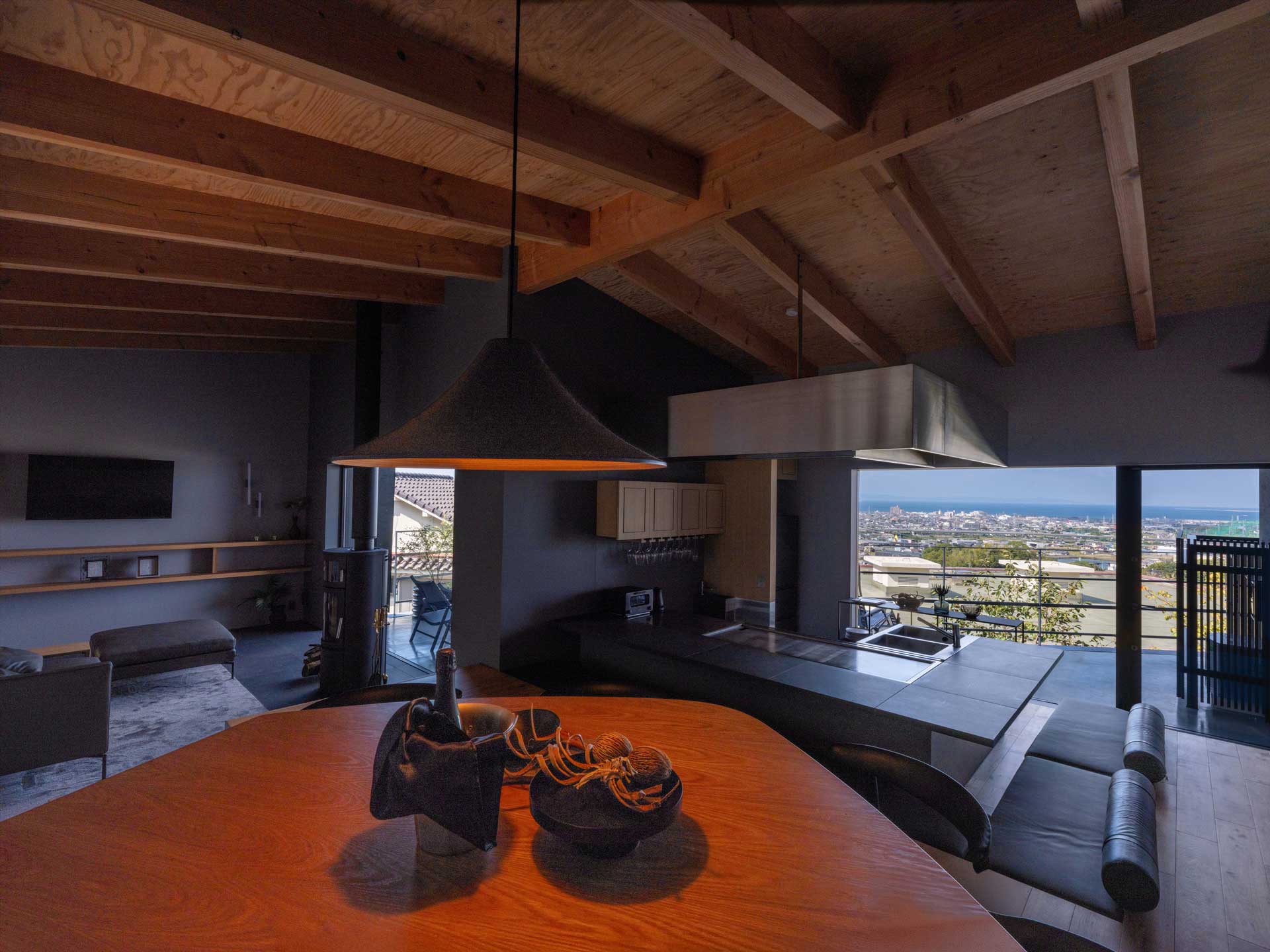
< private villa ten KUMANO, ASIA DESIGN PRIZE 2026 Grand Prize, Photo Courtesy of @Yunagi Miki >
Asian architecture has developed within cultural and social backgrounds different from those of the West. What does Horibe Associates consider the 'identity of Asian architecture' to be, and what meaning do you believe it carries within a global context?
Japan is a country that has lived in closer experience with the threats of nature, such as earthquakes and typhoons, than perhaps almost any other. And yet Japanese architectural culture has never chosen to distance itself from nature or to shut nature out. On the contrary, it has continually maintained a relationship with nature, and across long stretches of time it has built a distinctive architectural culture that actively delights in Japan's own clearly defined four seasons. The posture of living alongside nature while also remaining keenly aware of its dangers. We believe this is the sentiment that lies at the root of Japanese architecture.
In our everyday design work, we do not consciously think about being 'Asian' or 'Japanese.' However, when we read the climate, the atmosphere, and the ways of life of a particular place and shape architecture out of that reading, the finished building may naturally come to carry an 'Asian and Japanese' grain. We believe this is closer to an identity that emerges from deep breathing in tune with a place, rather than from any matter of stylistic choice. From a global perspective, we feel that the essence of architecture that responds to place in this way may, in fact, come across as something fresh. Within a current that runs toward standardized universality, architecture that has deeply absorbed the climate and culture of one particular place carries an ever more precious value. Horibe Associates will continue to honor the context of the Japanese landscape, and at the same time, we hope to pursue architecture that holds within it a richness that can resonate universally with anyone.
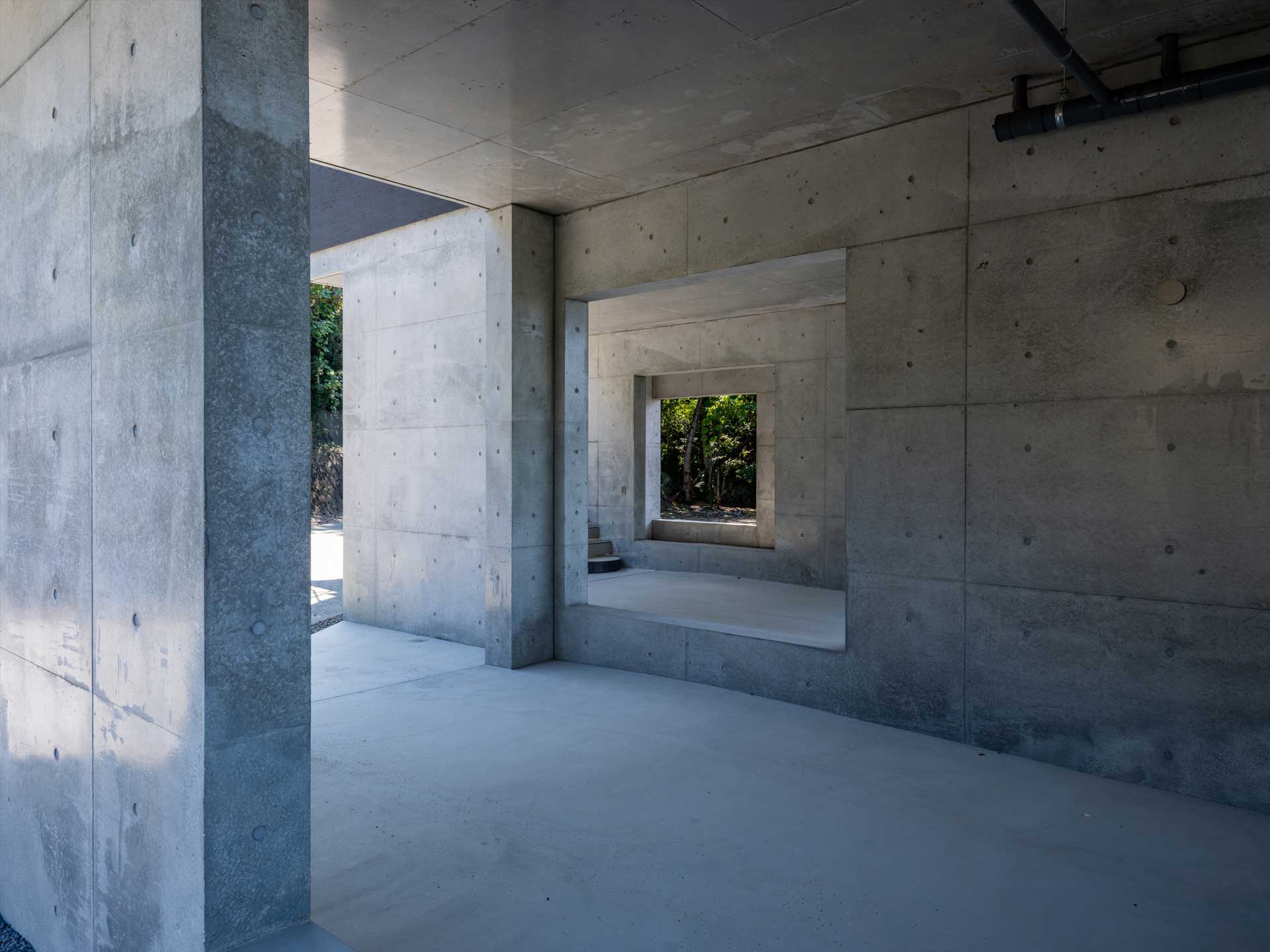
< private villa ten KUMANO, ASIA DESIGN PRIZE 2026 Grand Prize, Photo Courtesy of @Yunagi Miki >
As technology, the environment, and social structures change rapidly, what role do you believe architecture should take on in the time to come? In particular, how should architecture respond to changes in people's lives and behavior?
No matter how rapidly technology and social structures change, we believe that the fact people require a 'place' itself does not change. On the contrary, because everything is shifting so dramatically, the demand for essential values that do not change is, we feel, only growing larger. As digital and virtual realms expand, people come to search ever more deeply for the meaning of real places where they can rest their bodies. Architecture, we believe, is one of the few media capable of providing such an 'unchanging place' across eras.
That said, this does not mean that architecture should remain rigidly closed off from the currents of its time. The lifestyles and patterns of behavior of people change ceaselessly along with the times, and architecture too must be able to respond flexibly to such change. It is important to design from the very start a 'margin' within the space, one that is not bound to a single use and can welcome new ways of being used as patterns shift. The act of preserving, over long stretches of time, the quality of space in which the place and the people within it can resonate with one another, simply by the fact that architecture stands there. That, we believe, is the essential way in which architecture can respond to an era of change.
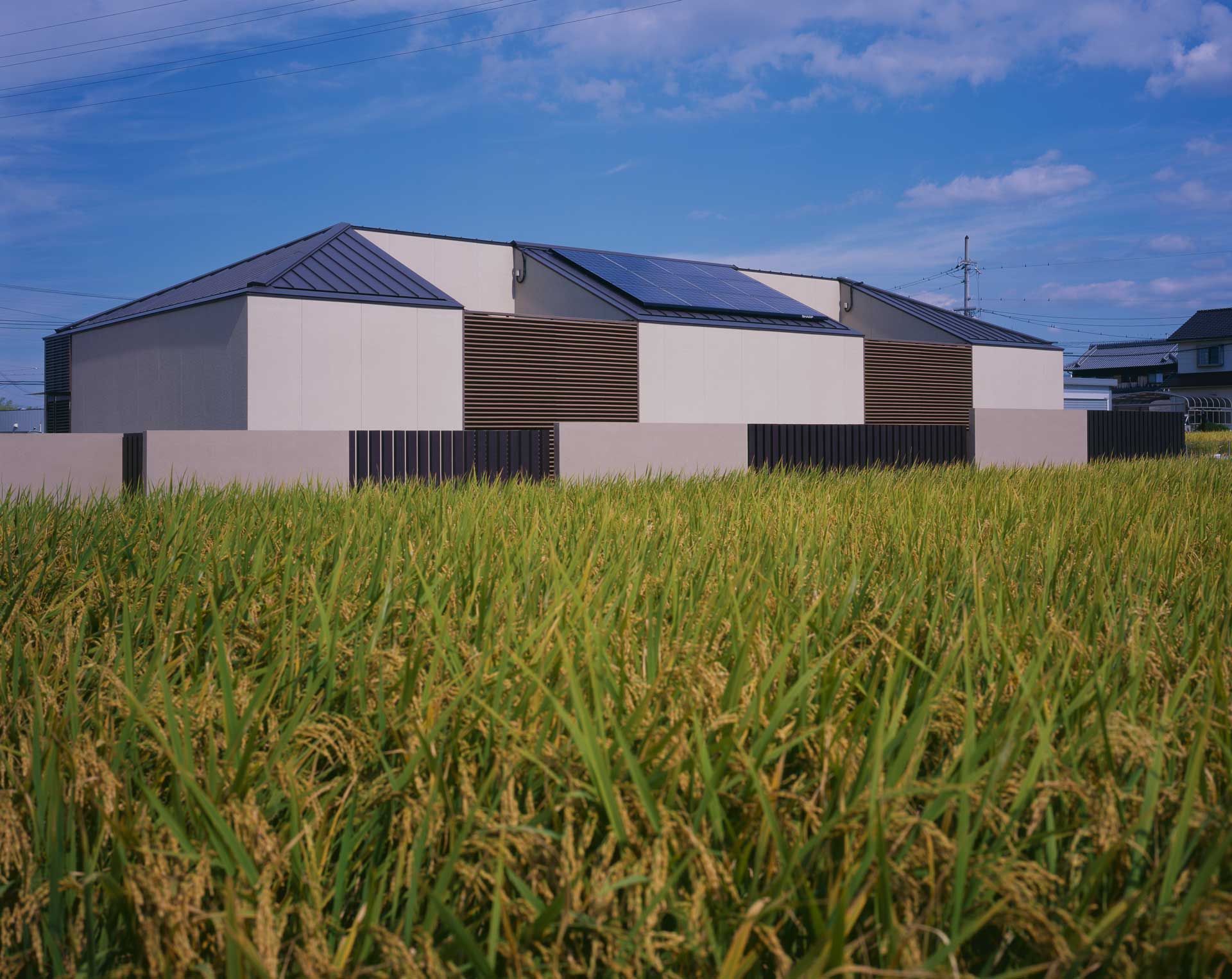
< House in Mayu, Photo Courtesy of @Kaori Ichikawa >
Finally, we would like to ask about the direction Horibe Associates wishes to explore going forward, and about the architectural 'legacy' you hope to leave over the long term.
What we wish to explore more deeply from here on is 'resonating architecture, resonating space.' In most cases, architecture that is loved by people across long stretches of time turns out to be naturally interwoven with the various elements that surround it, both inside and outside. Even when this was not initially intended, the building ends up breathing and resonating ceaselessly with the surrounding landscape, the flow of nature, and the people who dwell there. The ideal we picture is architecture which, although newly built, harmonizes with its surroundings as if it had naturally existed in that place from long ago. A presence that does not damage the surrounding landscape by being added to it, but rather one that draws the scenery into sharper relief and brings it newly to life. We wish to keep exploring such a form of architecture without end.
The word 'legacy' may perhaps be a slightly exaggerated expression. Still, if the buildings Horibe Associates has had the chance to work on are loved by people for a long time, and if they continue to be used with care for decades even as their original purposes shift, that alone would be a great joy for us. After all, we believe that the greatest value of architecture lies not in spectacular form or in the attention of an era, but in surviving alongside people within the flow of time and quietly remaining in its place.



















#14057, 905 49, Beolmal-ro 102beon-gil,
Dongan-gu, Anyang-si, Gyeonggi-do, Korea
Business Registration Number: 454-86-01044
Online Sales License No.: 2021-Anyang Dongan-1081
Copyright © DESIGNSORI Co., Ltd.