
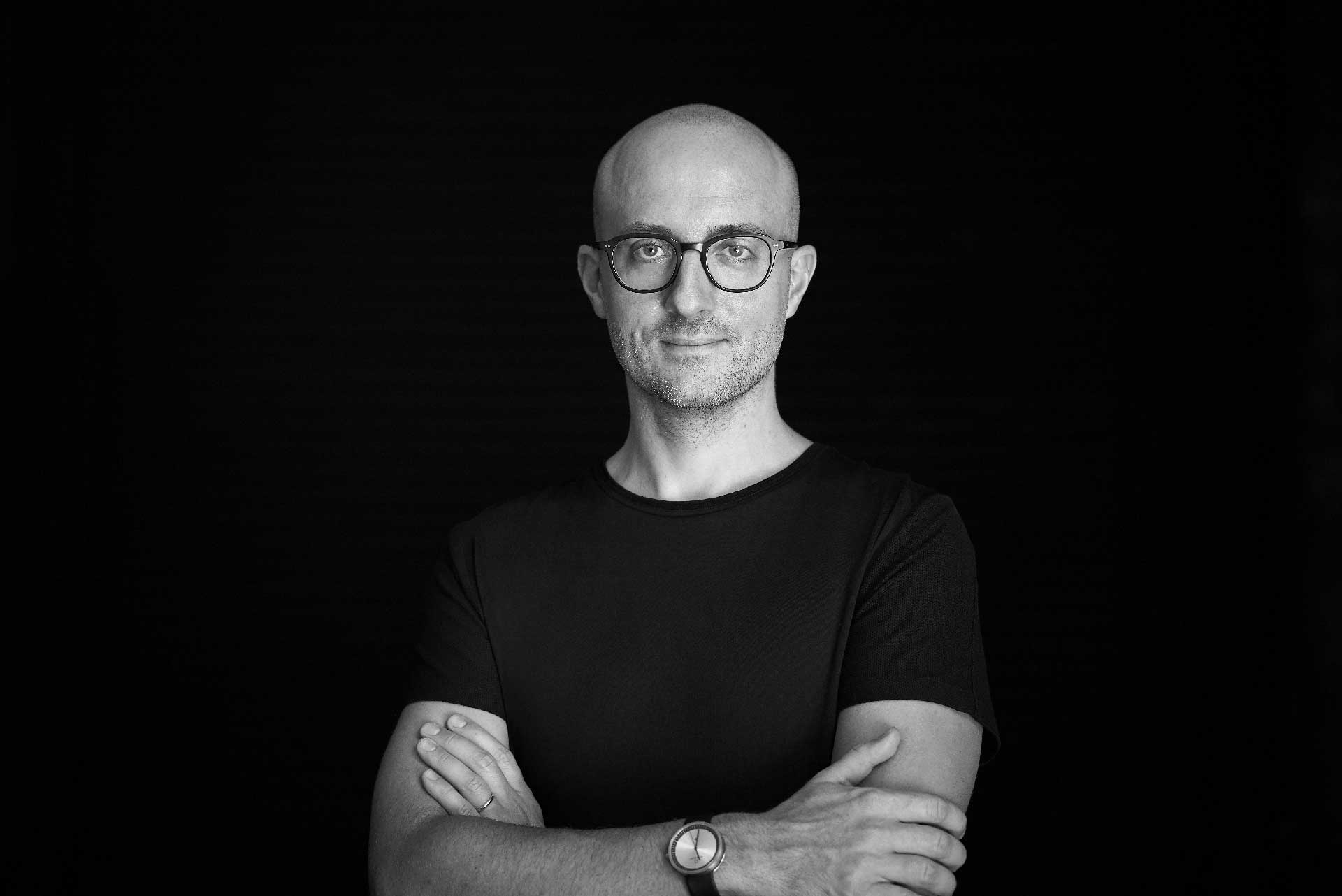
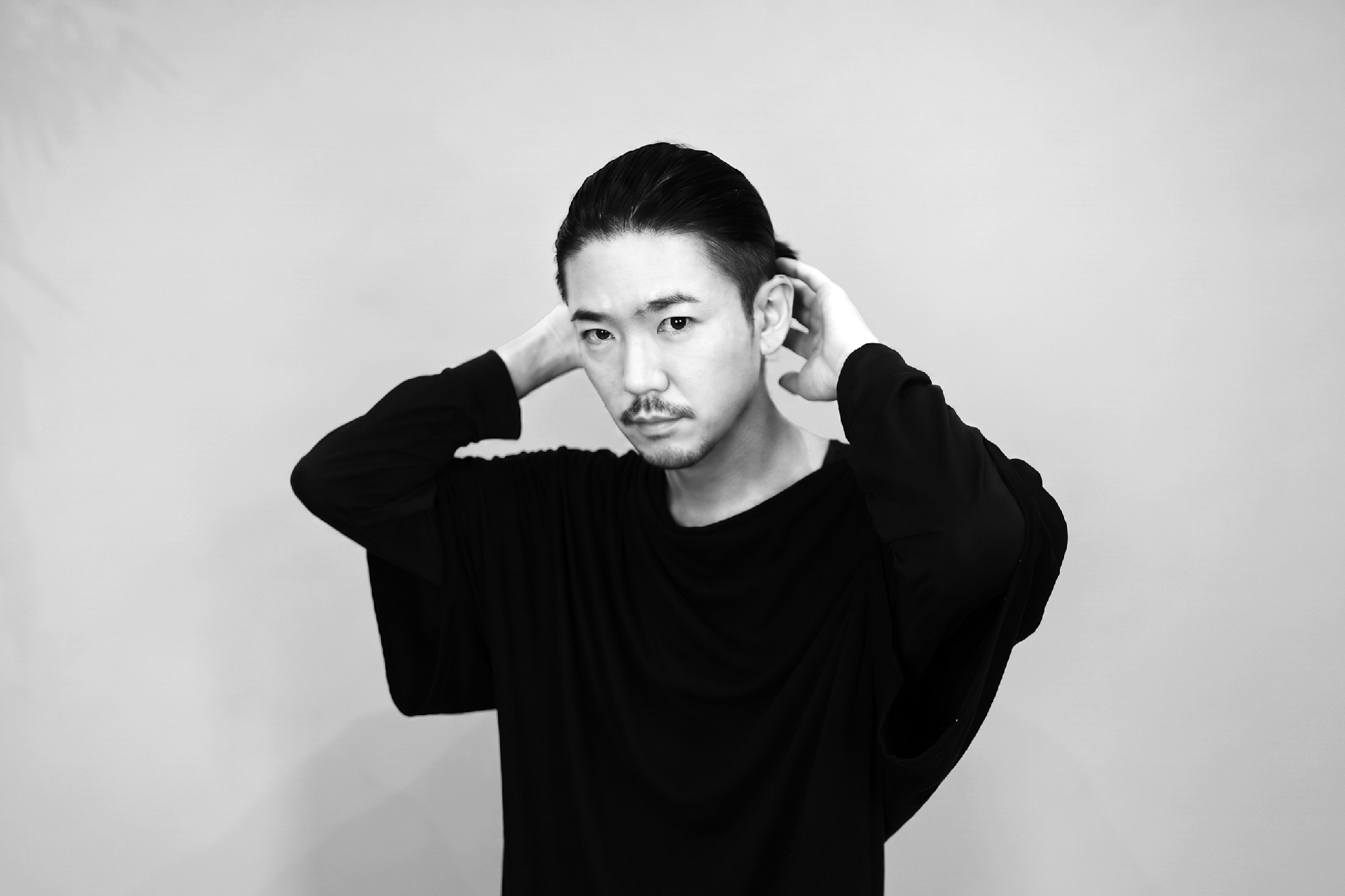
Yungil Choi, Senior Manager at HYUNDAI E&C
Jury Member of the K-Design Award
The Pokémon Garden recently captured widespread attention. Located in a corner of Seoul Forest, it offered visitors a new way to encounter familiar characters among tall trees and colorful flowers, quickly becoming a popular topic on social media. Not long ago, Hangang Park was also crowded with visitors enjoying its annual fireworks festival. With expansive lawns, walking trails, and rest areas, the park has become a destination frequently visited by international tourists. Even apartment complexes now feature mature trees and dramatic waterfalls as prominent amenities. Despite its relatively short modern history of just over 50 years, landscape architecture in Korea has become an important part of everyday life, offering people new ways to enjoy and experience public and residential spaces.
Yet landscape architecture is still often understood as a collection of elements used to decorate the outdoor areas surrounding buildings, including trees, flowers, lawns, paths, and benches. It is commonly described as the work of adding vegetation to cities, creating walkways, and installing places to rest. This understanding is not entirely incorrect, but it does not fully explain the role of landscape architecture. The central question is not simply, “What should we plant or install?” It is, “What kind of experience should people have in this space?”
How should plants be arranged within an urban environment, and where should they be placed? Is a path merely a route for movement, or can it connect different spaces while allowing people to experience sunlight, wind, and seasonal change? Is a bench beneath a tree simply a place to escape the sun, or can its position frame a view and encourage people to observe their surroundings? Landscape architecture begins by imagining the experiences people will have. It moves beyond arranging physical elements to designing relationships between people and nature, architecture and open space. For this reason, one of its most fundamental questions is: “Where should the user be positioned within the space?”
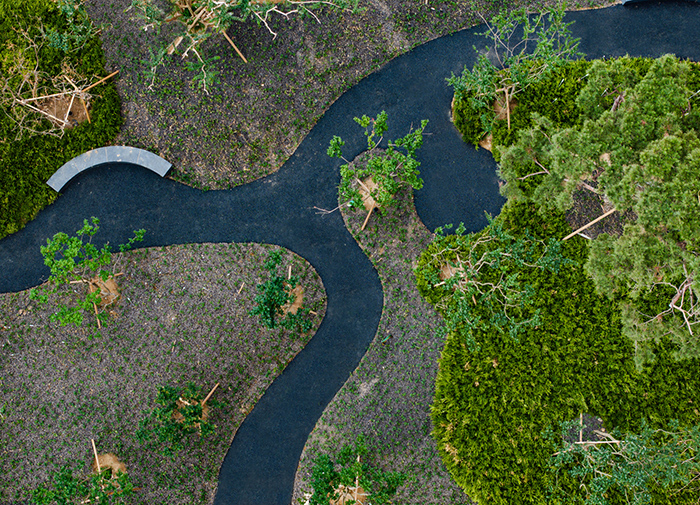
< Slow Garden , K-Design Award 2024 Winner >
The K-Design Award-winning garden “Slow Garden_Sayuwon” clearly demonstrates this approach. By creating mounds of varying heights and planning organic, flowing paths between them, the project presents overlapping landscapes that change with the user’s position and encourages a variety of perceptual experiences. The essence of this garden lies not in spectacular forms, but in “where the user is positioned and what they see from there.” Those walking through the garden encounter three-dimensional layers of trees unfolding along their path, while those sitting and resting experience a deep sense of enclosure created by the varying heights of the mounds that partially block their view. The landscape architect considers what emotions and behaviors might arise within the garden and guides users toward fully experiencing them.
Effective spaces are remembered as “scenes.” After experiencing a good space, certain moments remain particularly vivid: morning sunlight filtering through the leaves, a small pond discovered unexpectedly during a walk, a tree viewed while sitting with a child, or light reflected on wet stones after the rain. We do not remember an entire space. We remember a few scenes we experienced within it. This is why planning a landscape begins by imagining how people will move through the space. What is the first impression when they enter? Where does their gaze turn as they begin to walk? At what point should they stop, and which views should be revealed or concealed? Ultimately, all of these questions converge on one fundamental question.
“What kind of experience does this space offer people?”
Experiencing a landscape is closely connected to designing time. Architecture takes on a defined form when construction is completed, but the experience of a landscape begins again with its physical completion. Trees grow, flowers bloom and fade, light changes with the seasons, and the ways people use the space evolve as well. A small tree planted today may create a quiet experience as it sways gently in the breeze, while the same tree ten years later may create a setting where people gather and talk beneath its cool shade. Landscape architecture, therefore, is less about designing a finished form and more about designing the future of a space as it changes over time. At the same time, it is a forward-looking act that goes beyond creating a beautiful landscape today to offer diverse experiences through the passage of time. When people’s memories accumulate upon the designer’s intentions, landscape architecture moves beyond “decorating outdoor space” and becomes complete as “designing the full experience of life.”
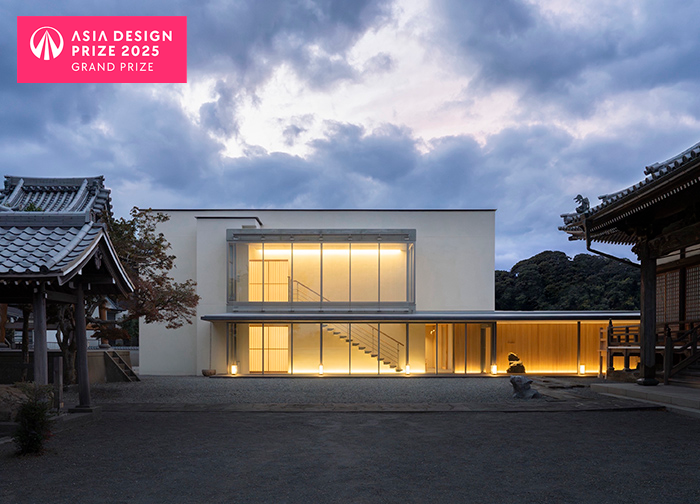
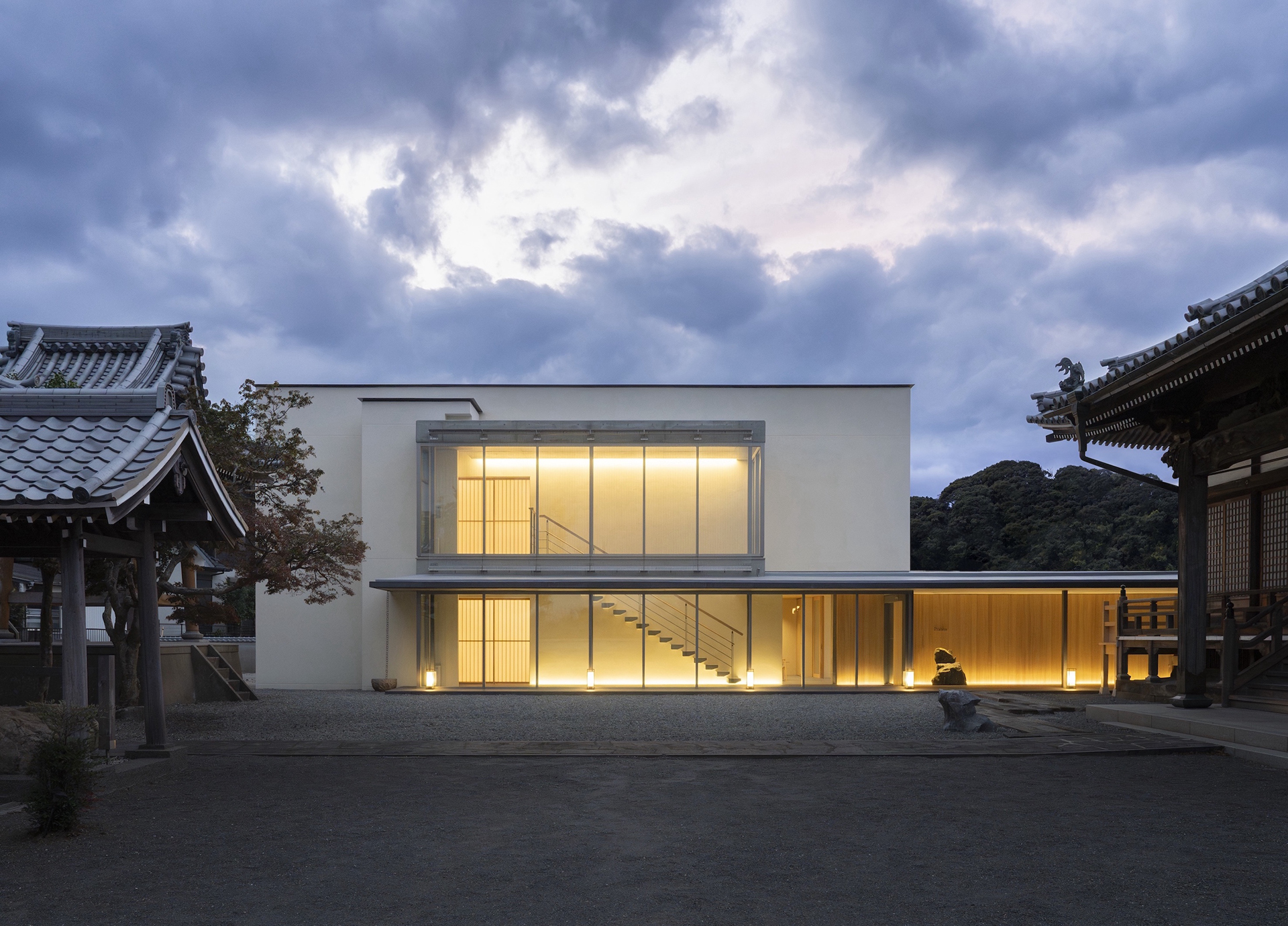
< Ossuary Hall Prabha, Asia Design Prize 2025 Winner >
The Asia Design Prize-winning project from Japan, <Ossuary Hall Prabha>, features a small garden called the “Garden of Silence.” Composed of pine trees and stones, the garden was created not for decorative spectacle, but to offer an experience of remembering the deceased and quietly spending time in contemplation. The harmony between nature and memory, as well as the meditative spatial experience, was also highly regarded by the jury. By embracing the passage of time while offering a profound experience that seems to transcend it, this project allows us to fully reflect on the essence of landscape architecture described above.
Once again, landscape architecture is not simply about “aesthetically decorating outdoor space.” It shapes how people move, guides their gaze, and allows them to encounter nature by pausing for a moment or walking quietly through a space. As time passes, human experiences accumulate within that space. The path we first walked with a child, the flower-lined walkway that returns each year with its subtle fragrance. In this way, a space remains in our memory as a landscape. Ultimately, landscape architecture goes beyond “outdoor decoration” and becomes “the design of life experiences.” What we create may be trees and paths, but what we are ultimately designing is the time people spend living within that space.
















#14057, 905 49, Beolmal-ro 102beon-gil,
Dongan-gu, Anyang-si, Gyeonggi-do, Korea
Business Registration Number: 454-86-01044
Online Sales License No.: 2021-Anyang Dongan-1081
Copyright © DESIGNSORI Co., Ltd.