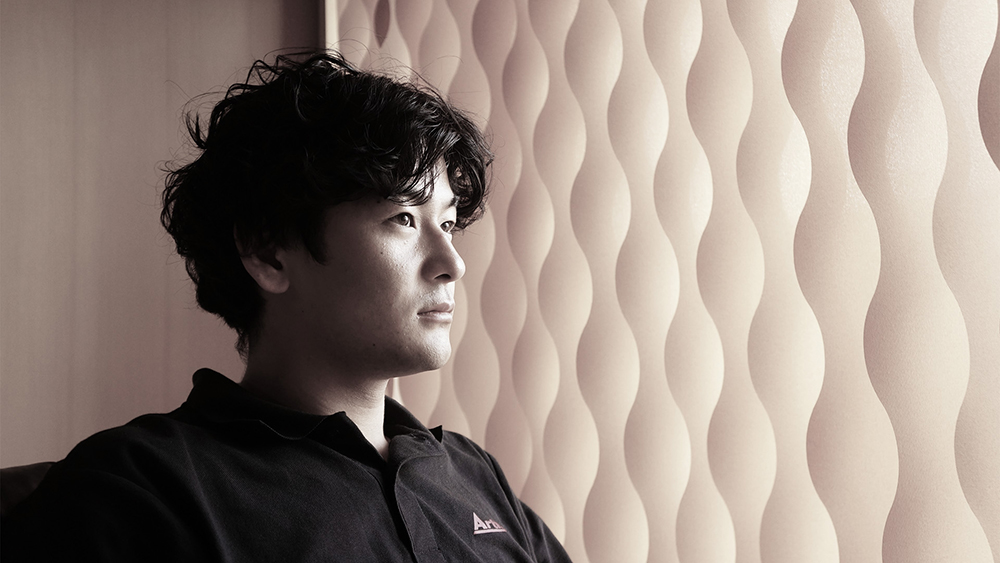
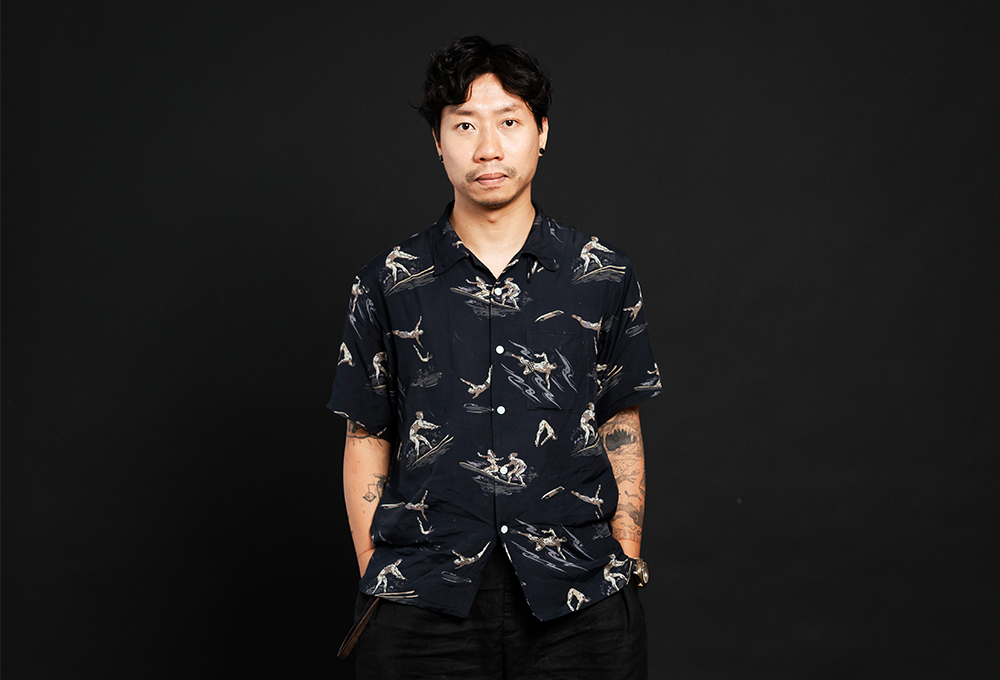
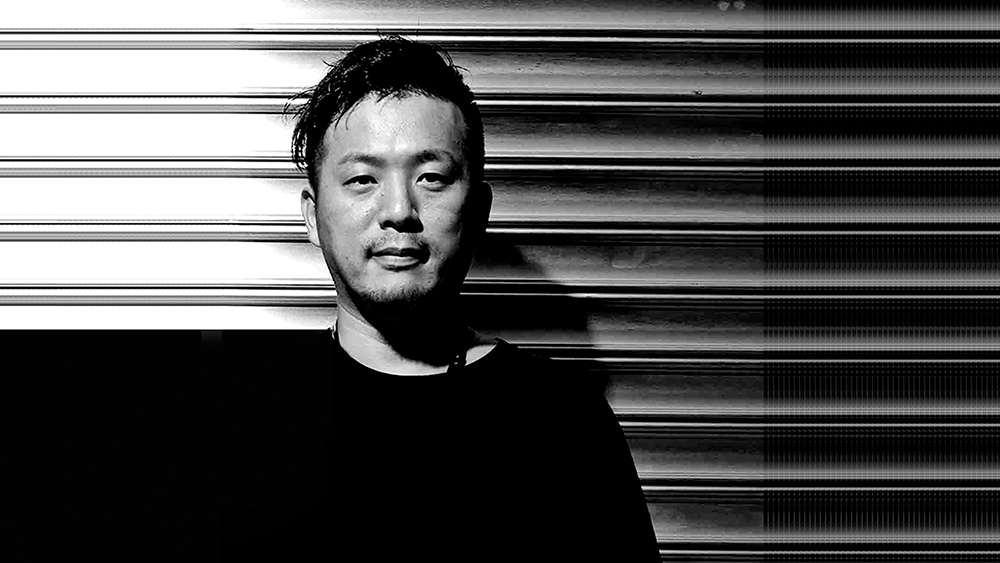
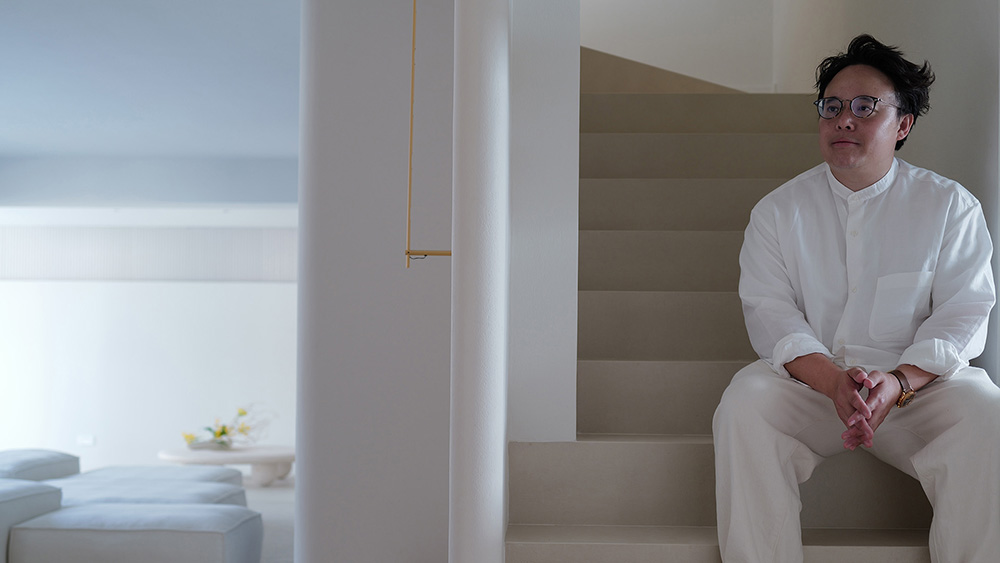
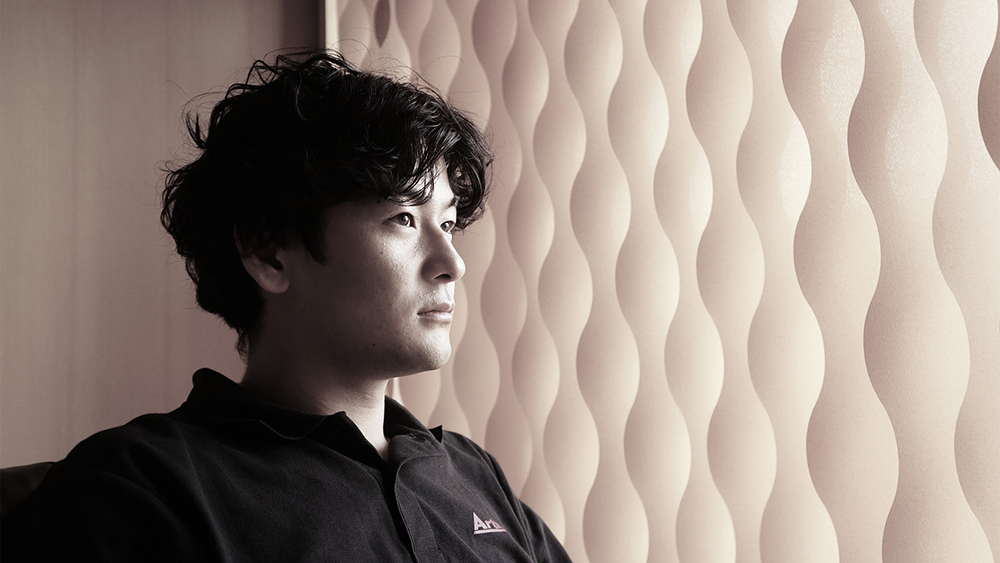
Hello, my name is Kanji Shimamura from ARTISTRY Co., Ltd. in Japan. Our company specializes in the design and manufacturing of custom wood products. We were honored to receive the Gold Winner award at the K-Design Award 2024 with our project titled “The Embodiment of a Masterpiece.” At ARTISTRY, I take on two roles: 3D fabricator and designer. A 3D fabricator is a bit different from a traditional 3D CAD operator — my role involves bringing a client’s imagination or ideas to life by modeling them into tangible form. I create models based on design drawings or even simple sketches, while considering the optimal fabrication methods for each project.
Please introduce your company's representative projects.
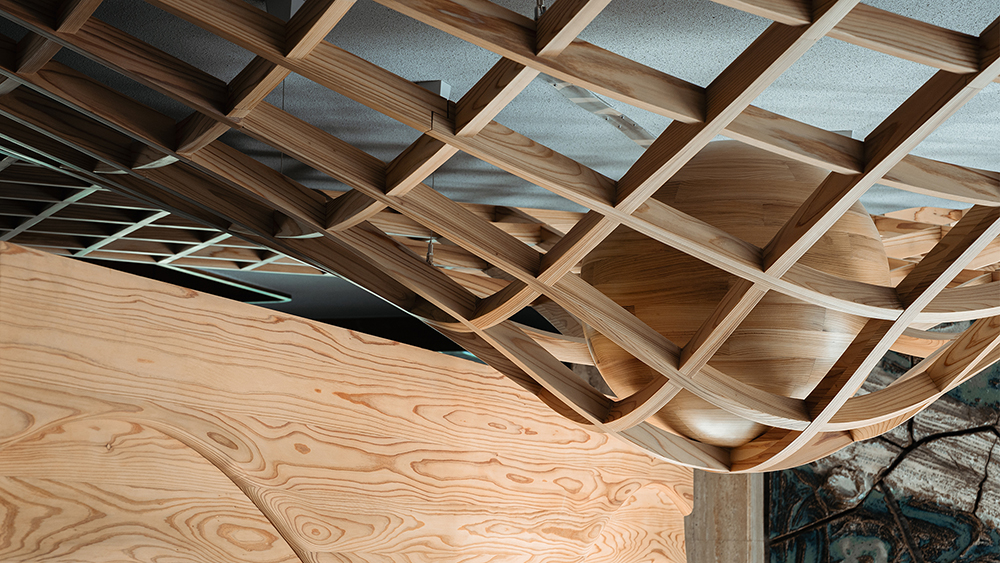
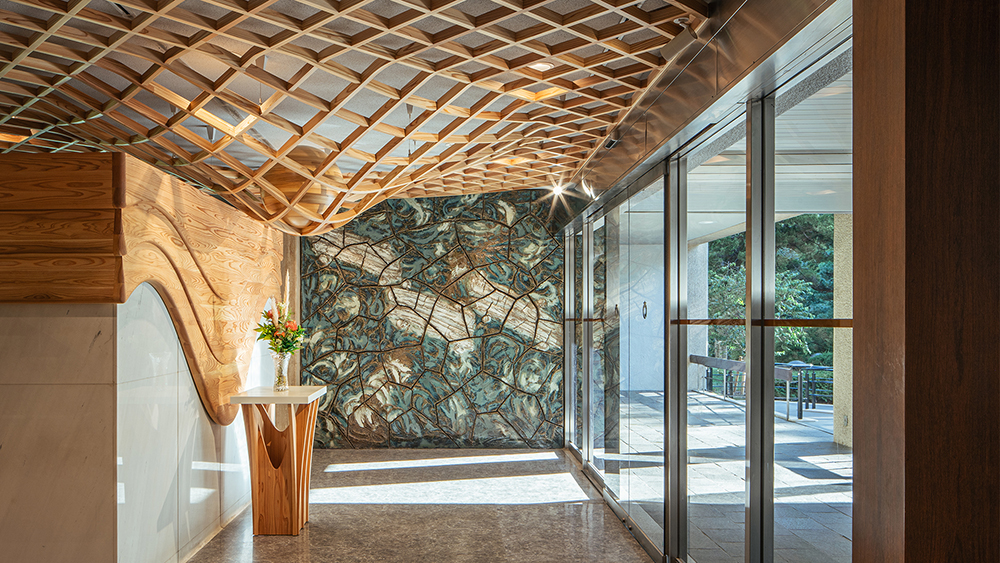
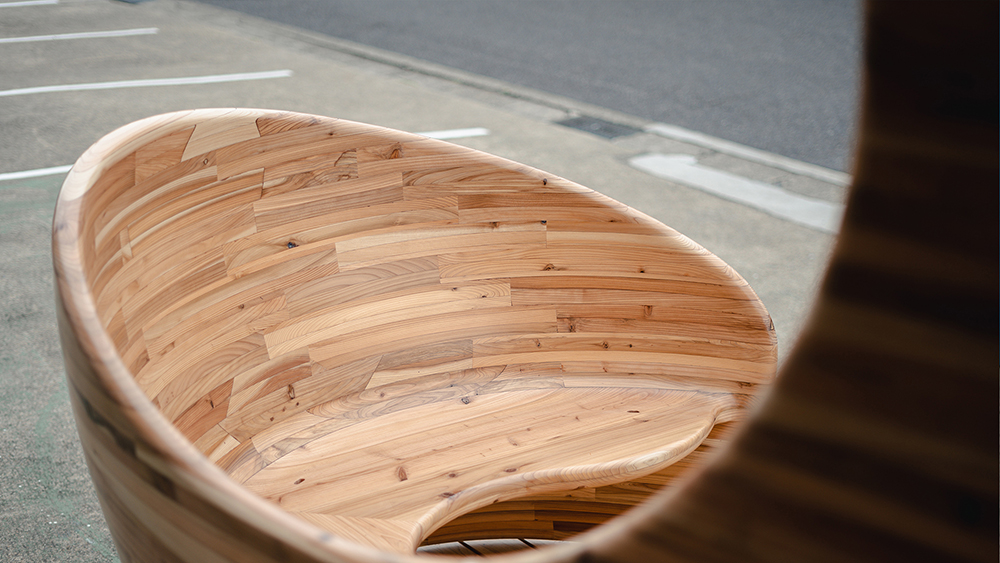
Let me introduce two of our representative projects. “The Embodiment of a Masterpiece” is a sculptural installation placed at the entrance of the Aichi Prefectural Government building. It was created to promote the use of locally sourced wood from Aichi Prefecture. Known for its advanced manufacturing and rich cultural heritage, Aichi continues to produce many outstanding “masterpieces.” This work symbolically represents the creation process behind such craftsmanship. With its organic form, the piece stimulates the senses of visitors and communicates the natural charm and warmth of Aichi-grown wood.
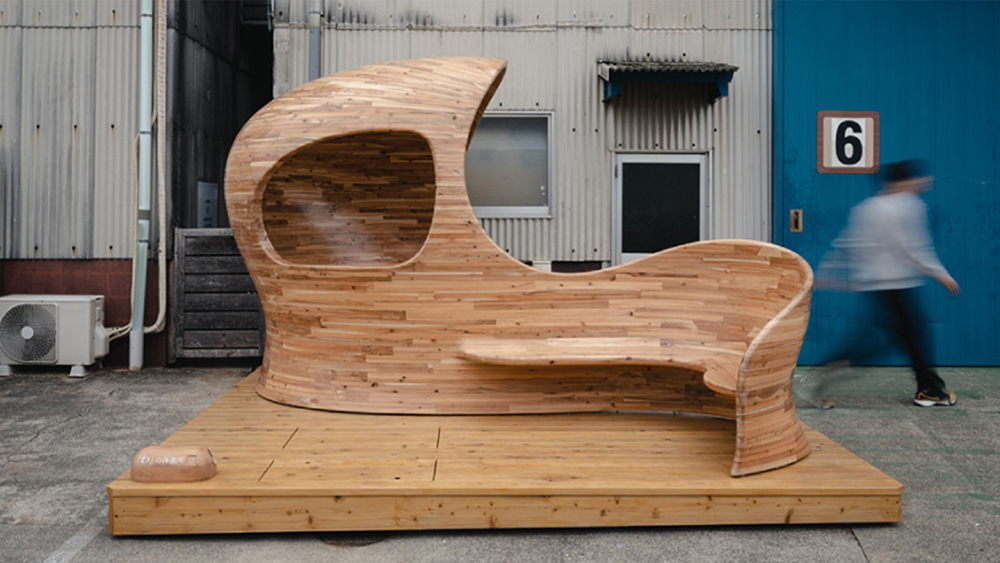
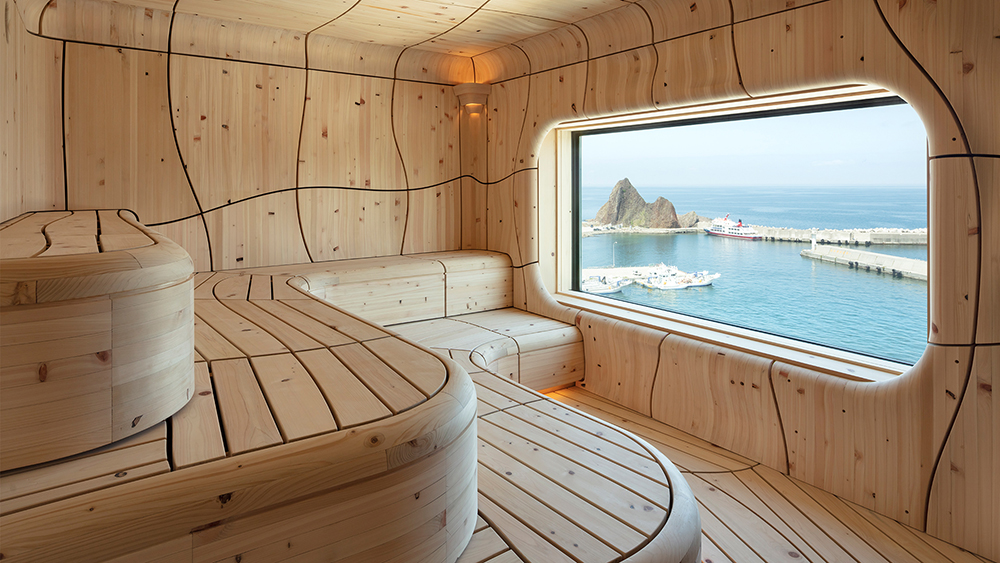
Another major project is the “Resting Place of Wa.” This was Japan’s first online industry-academia collaboration project during the COVID-19 pandemic. It involved architecture students from seven cities across Japan, who worked with professionals to design and build rest areas entirely through online collaboration. The final structure was brought to life using our company’s digital 3D fabrication technologies. Featuring flowing, organic wooden curves, this project pushed the boundaries of what’s possible with timber and introduced a new expression of wood design that captivated users through both visual and tactile experiences.
What was the most challenging aspect of the project? I’m also curious to know where the inspiration for such a bold design came from.
One of the most striking points of The Embodiment of a Masterpiece is that the sphere at the center of the hanging mesh is not suspended from the ceiling — it simply rests in place. This became both a symbolic and structural challenge in conveying a sense of suspended realism. Initially, there were concerns about structural integrity if the sphere wasn't supported from above. However, we reduced its weight from 60kg to 25kg by hollowing out the inside and confirmed safety through strength testing of the metal joints, ultimately convincing all stakeholders. We also paid meticulous attention to how the wood grain would appear. After machining with a 5-axis CNC, we used 3D modeling to optimize the direction of the grain and the width of the joints for the most refined result.
This unique and ambitious design was inspired by the often-invisible elements of craftsmanship—technology and tradition. Even if users are unaware of the technical details, the piece is designed so they can intuitively feel the elegance of creation. Many complex, unseen factors come together to create something that appears deceptively simple. The design's core message is conveyed through a planter at the base, which holds a local flower—symbolizing a masterpiece—while the surrounding structure expresses the process of its creation.
This year marks the 30th anniversary of Artistree. What has changed over the past 30 years, and what has remained the same?
Our philosophy has remained unchanged throughout the past three decades. First, we believe in the power of people coming together to collaborate. Second, we strive to enhance our value and individuality by contributing to society. And third, we challenge ourselves to live out these ideals. If anything has changed, it's that we’ve moved even closer to those principles. We've grown in numbers, embraced more challenges, expressed stronger individuality, and strengthened our sense of community and social contribution. We continue to expand the expressive potential of wood design, pursuing organic and fluid forms that inspire awe and emotional connection. As part of our 30th anniversary this year, we launched a commemorative project that included factory tours, exhibitions, and guest talk sessions. These events reaffirmed our commitment to becoming a one-of-a-kind, locally rooted brand that will continue to grow over the next decade.
You’ve committed to using wood sourced entirely from Aichi Prefecture. What does that mean to you?
Using local wood helps reduce transportation emissions and protects the environment while also supporting the local economy through consumption. One major issue facing the Japanese woodworking industry today is a disconnect in the supply chain. For example, those who harvest the trees rarely have insight into how their timber is ultimately used. Conversely, as designers and fabricators, we often don’t know where a tree grew, who cut it down, or how it was processed into usable material. By vertically integrating each stage of the process, we can give our designs a stronger sense of regional identity and achieve more refined craftsmanship. Just as importantly, this connected approach fosters a sense of pride in everyone involved—from forest to final product.
Are there any major challenges facing the Japanese design industry? Please also share the goals Artistree is working toward to help address them.
From the perspective of 3D woodworking, one of the major challenges is that the full potential of wooden expression has yet to be widely recognized. To tackle this, Artistree aims to build a stronger track record and deepen collaboration with more designers. We're also actively contributing to the broader Japanese woodworking industry by providing technical training to other companies equipped with 5-axis CNC machines, helping to elevate the overall level of expertise in the field. Our goal is to promote the use of freeform wood design across society, so that organic wooden expressions become more mainstream. When this happens, designers will be able to express their ideas more freely and fully. We believe that such a shift will help create a more convenient, enriching, and aesthetically compelling society for everyone.












#14057, 905 49, Beolmal-ro 102beon-gil,
Dongan-gu, Anyang-si, Gyeonggi-do, Korea
Business Registration Number: 454-86-01044
Online Sales License No.: 2021-Anyang Dongan-1081
Copyright © DESIGNSORI Co., Ltd.