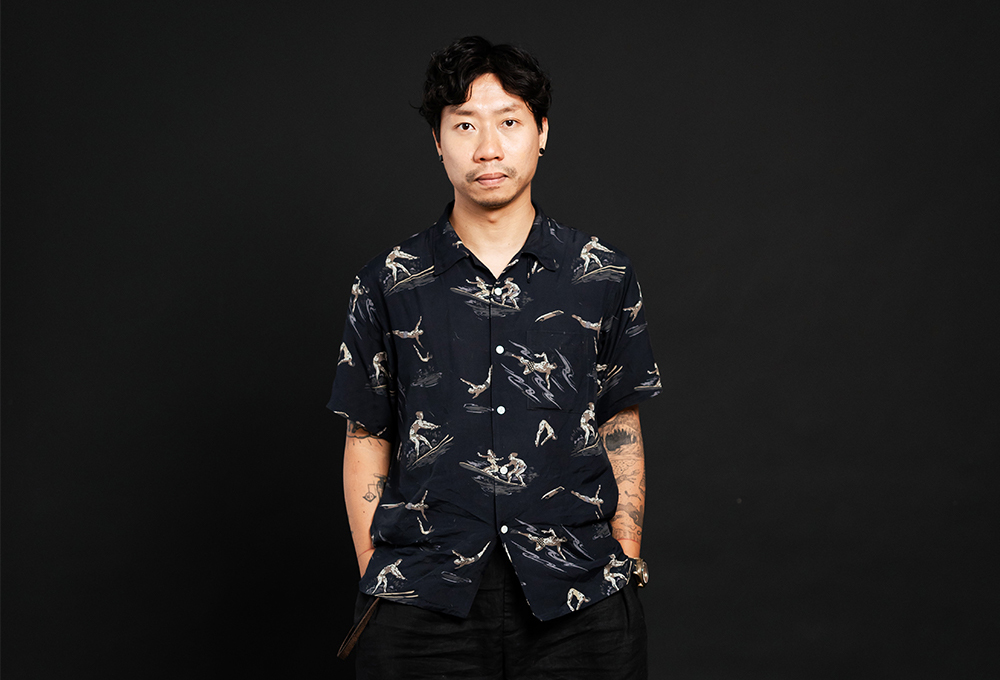
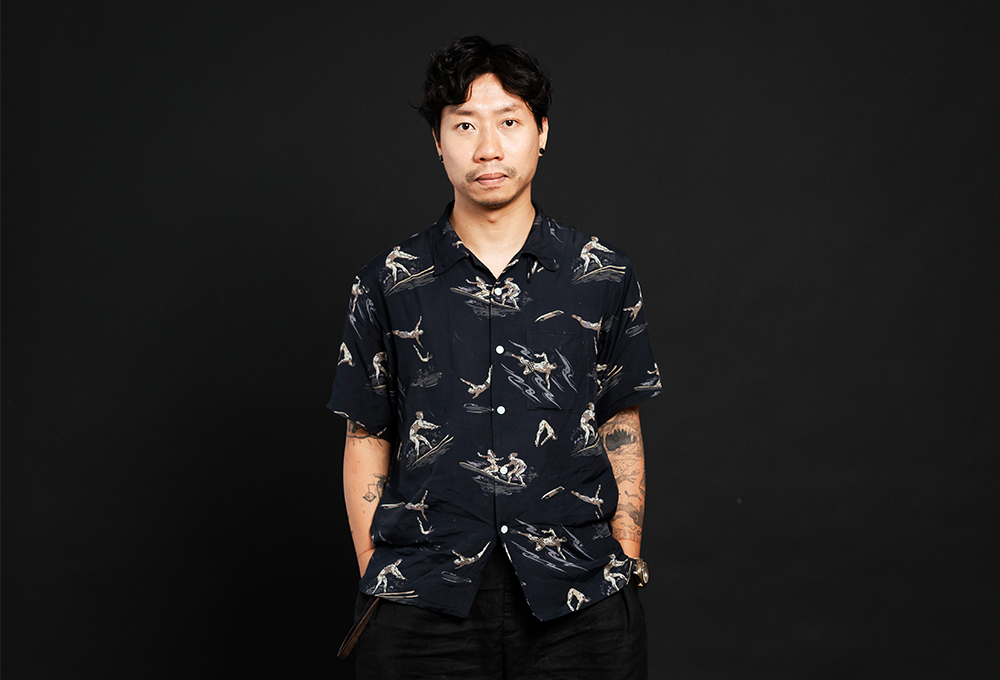
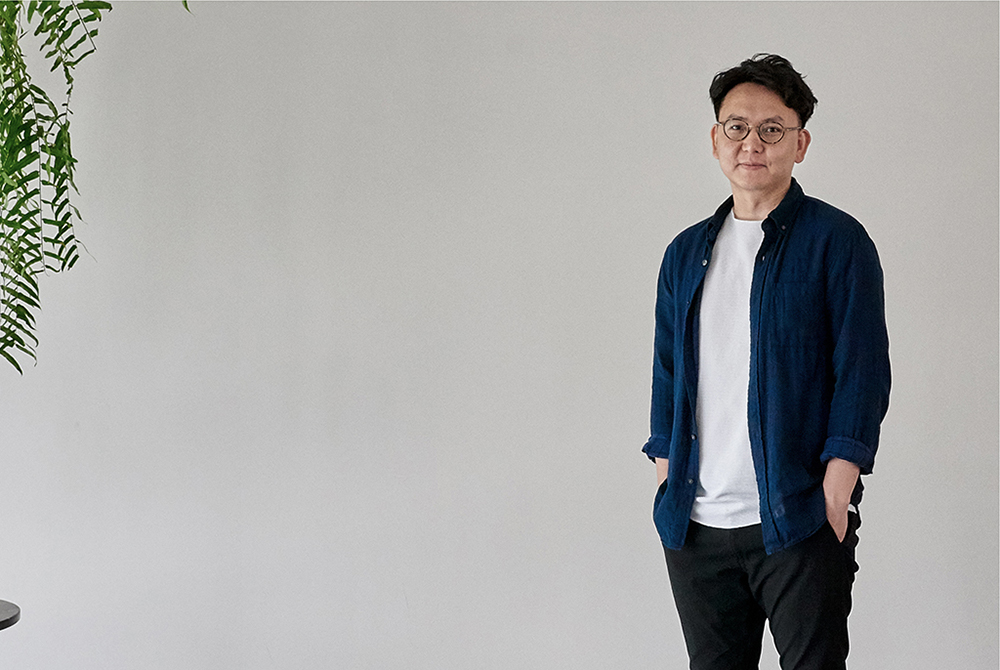
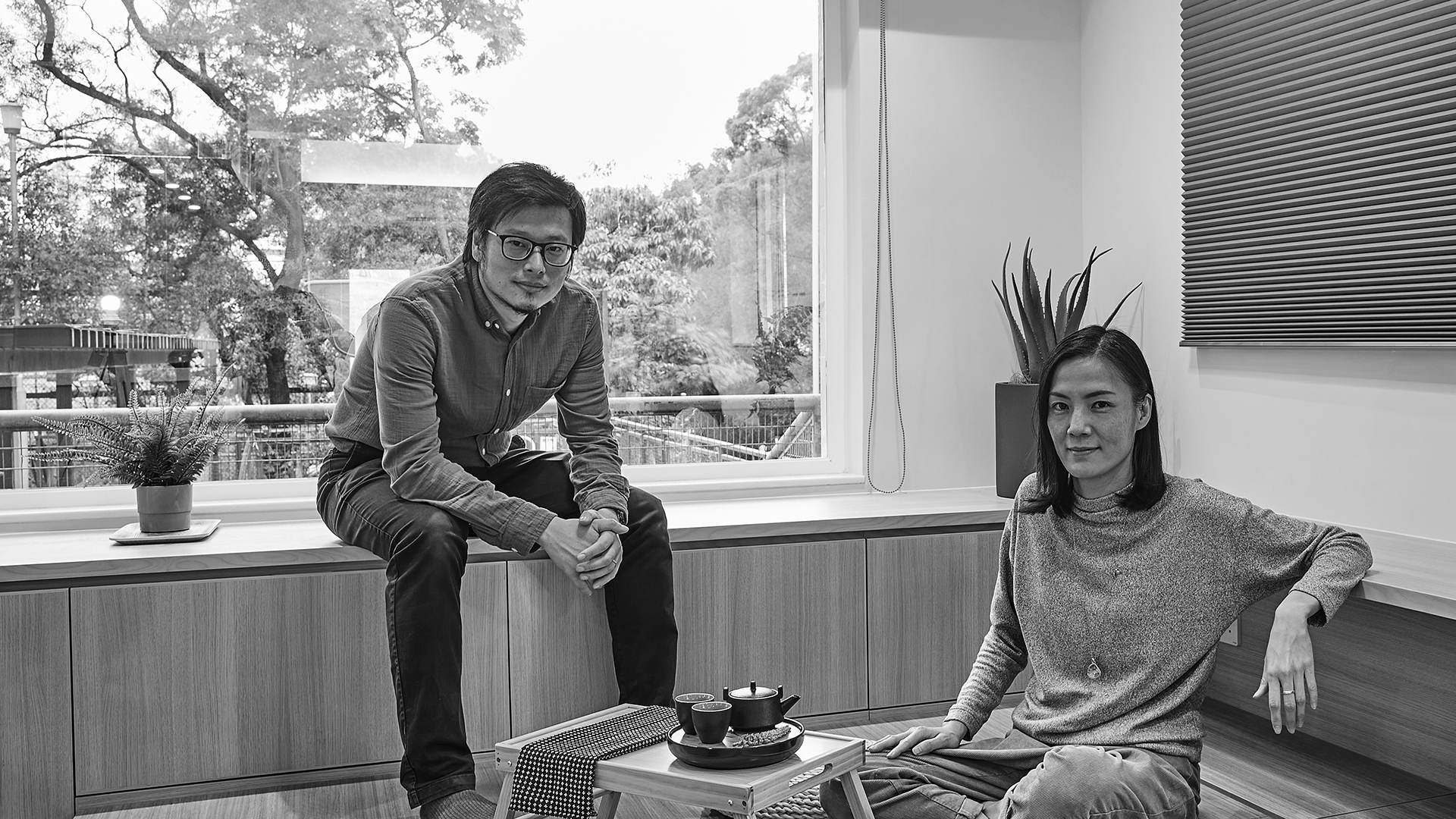
I’m Heiman Chan, the founder and design director of DECO Farmer Studio. As an interior designer born and raised in Hong Kong, I have over 10 years of experience in the field. Growing up in a densely populated urban environment gave me a deep understanding of the importance of space and naturally sparked my passion for interior design. In a high-density city like Hong Kong, every design presents new challenges, and each concept involves merging diverse ideas and personal styles. However, if I can create a comfortable and practical space, that alone is incredibly rewarding. Moving forward, I hope to continue listening closely to people’s stories and help them discover the blueprint of the spaces they envision.
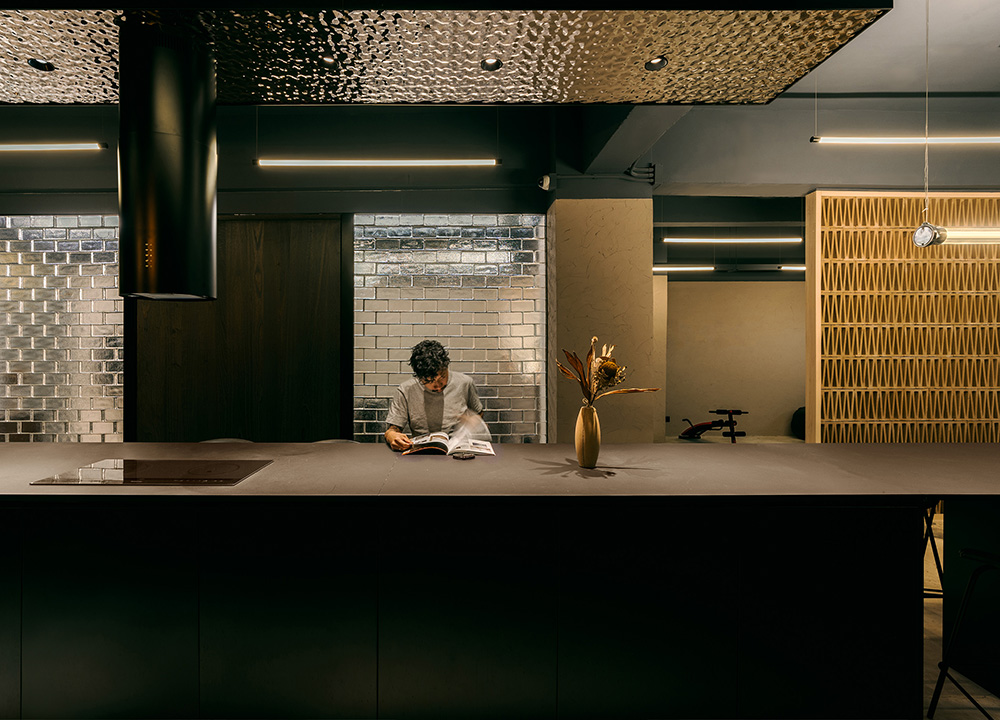
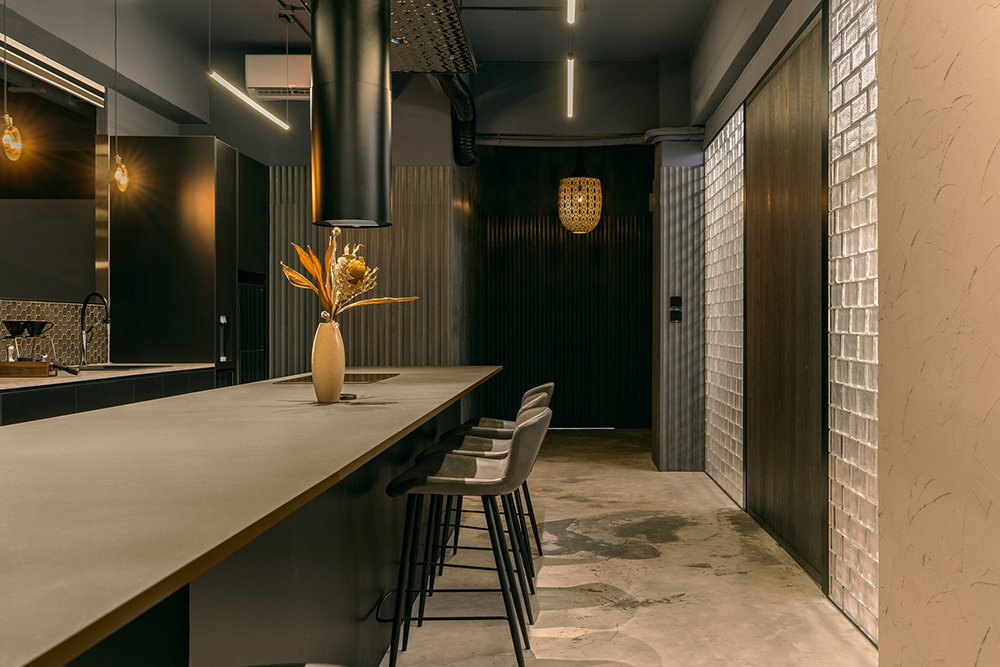
Please introduce your signature projects.
Staircase:
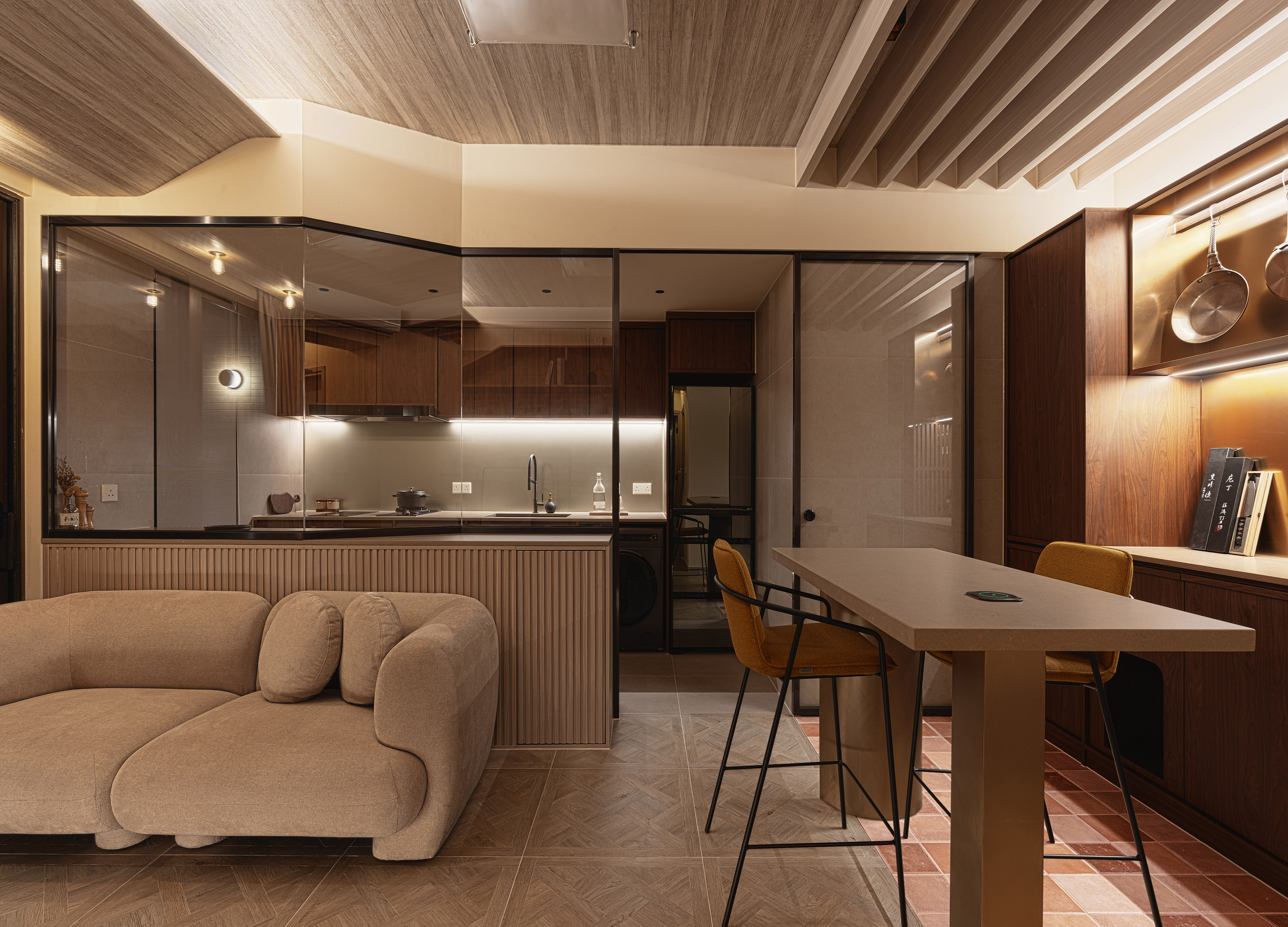
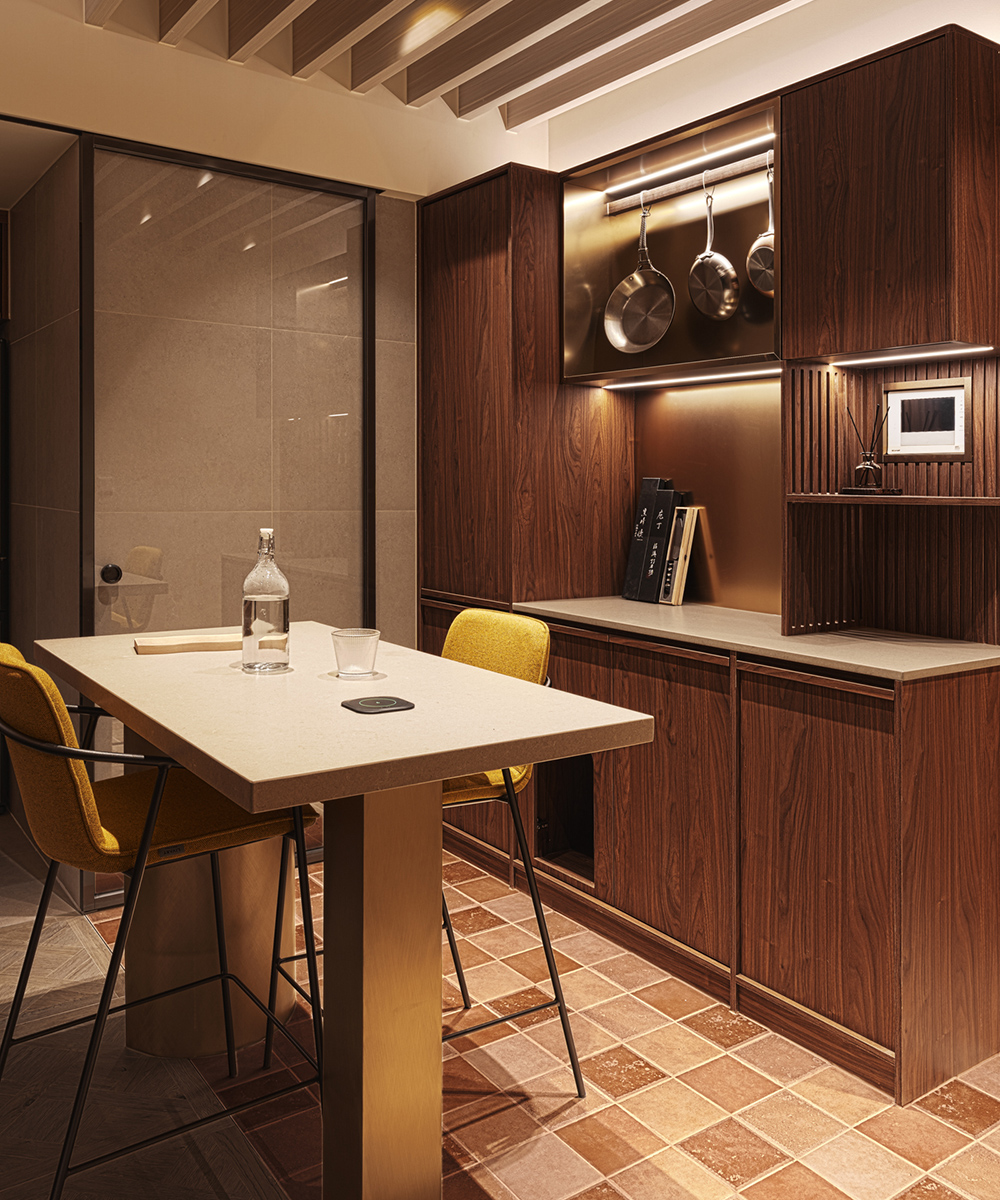
This design is a harmonious blend of contrast and continuity. Located in a high-rise residential building on a hill overlooking Hong Kong’s financial district, the apartment serves as a sanctuary connected by a “staircase.” A wave-shaped wooden ceiling flows from the entrance to the panoramic window in the living room, evoking the imagery of ascending steps rising from the city below. The warmth of the wood’s color and texture stands in stark contrast to the cold concrete cityscape. A glass partition separating the living room from the kitchen reflects the staircase motif while adding a sense of openness. Earth-toned tiles and walnut cabinetry define the dining space, while soft lighting enhances the refined, upscale ambiance.
Enchanting Haven (Deco Farmer Studio Office):
Design begins with life, and life is experience. With this office design, we wanted to deliver a completely new atmosphere. As you pass the reception area and enter the studio, a long black island table in the center creates a cozy mood with warm lighting. It’s a place to meet clients or enjoy lunch with colleagues. When under stress, you can relax with a cup of coffee in the pantry. Deeper into the office lies a home theater space designed for inspiration—watching a favorite film here feels like having your own private cinema. The meeting room is structured to allow natural light to filter through glass tiles, and the unique textures and patterns throughout the space are intended to spark new ideas and creative thinking.
What was the most interesting part of the process?
Most Hong Kong residences have similar spatial layouts, often imposing limitations on both the space and its occupants. I believe each individual within a space forms unique relationships with that space. Through those relationships, design can create meaningful interactions between people and their environments. To achieve this, I enrich the space using various elements. In particular, I enjoy selecting different materials for each project and often discover exciting new insights during the process. Sometimes, materials that were previously viewed in a certain way—or limited by fabrication techniques or form—reveal unexpected possibilities. These moments often overturn preconceived ideas and lead to innovative applications, resulting in a unique outcome for every project.
How do you differentiate materials for each project? What are your criteria for selecting materials?
When I design, I place great importance on both space and materials. Every space has its own unique characteristics and narrative, and the atmosphere can vary greatly depending on the resident’s preferences. Through materials, colors, and various design elements, we can express personal taste and reflect the designer’s philosophy. That’s why material selection plays a key role in understanding the details of each project—it should reflect the design style, local climate, and the lifestyle habits of the occupants. People often reflect on their daily routines when considering their space.
For example, in some regions, wooden flooring is common, while in others, tiles are preferred—these are cultural differences. When selecting materials, it's best to first understand the client’s everyday habits and then choose materials that align with those habits. After selecting appropriate materials, I focus on how to tell a story between the material and the design. Materials convey emotion and awaken the senses, shaping the mood and feel that the design creates. There may be limitations or repetition in material use at times, but I believe the best approach is to choose materials that feel familiar and meaningful within the narrative we want to express in the space.
What direction does Deco Farmer Studio aim to take in the future?
We always strive to communicate with clients through new designs and innovative ideas, even when facing real estate development restrictions or spatial limitations. Moving forward, our design direction will align with the unique nature of each space without being confined to a specific style. We aim to focus on human-centered design and environmental sustainability, and we plan to further integrate interaction with intelligent AI systems. Through this, we hope to achieve spatial sustainability, environmental protection, and automation. We look forward to creating diverse types of design projects and spaces as Deco Farmer Studio continues to take on new challenges.












#14057, 905 49, Beolmal-ro 102beon-gil,
Dongan-gu, Anyang-si, Gyeonggi-do, Korea
Business Registration Number: 454-86-01044
Online Sales License No.: 2021-Anyang Dongan-1081
Copyright © DESIGNSORI Co., Ltd.