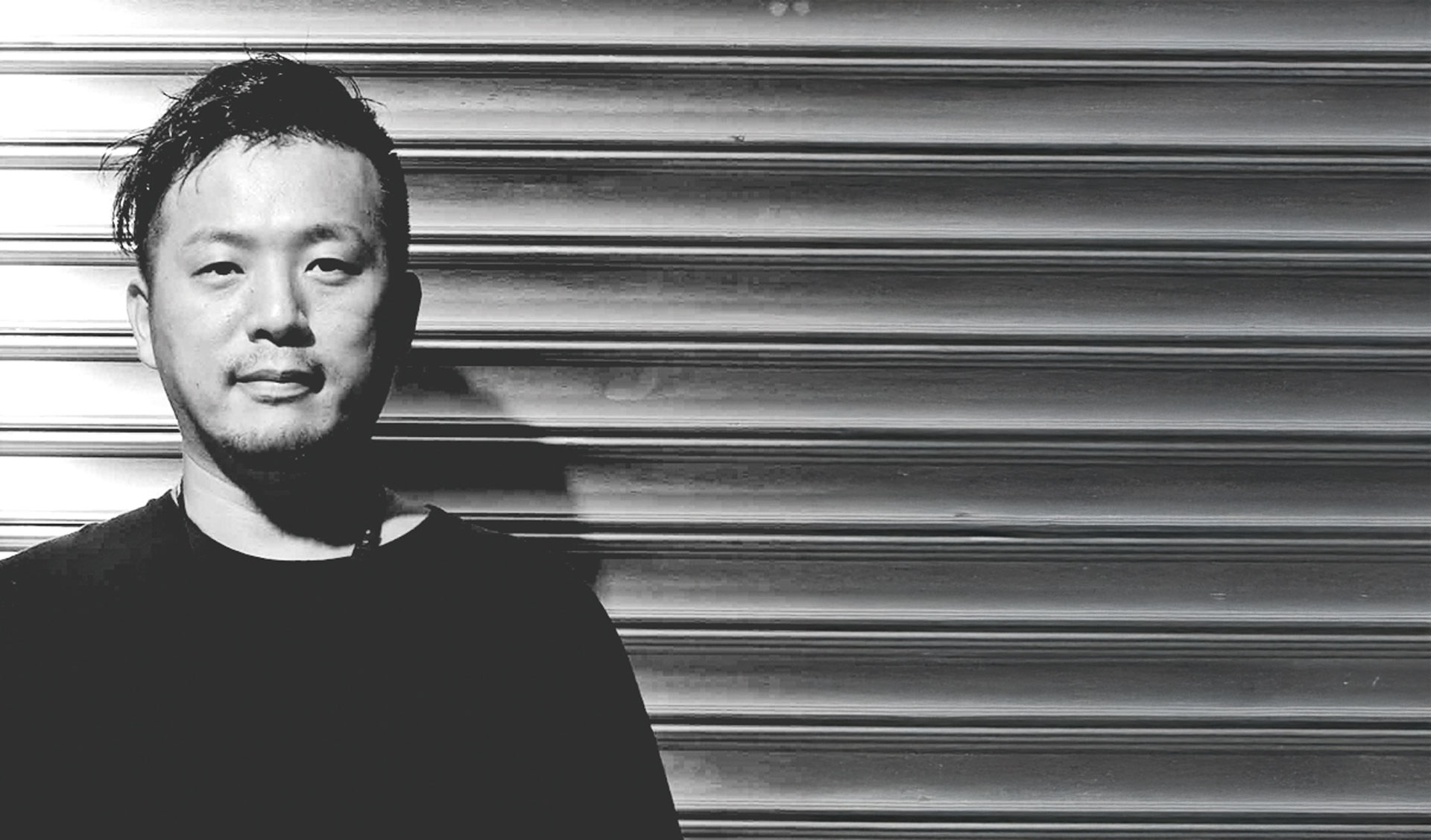
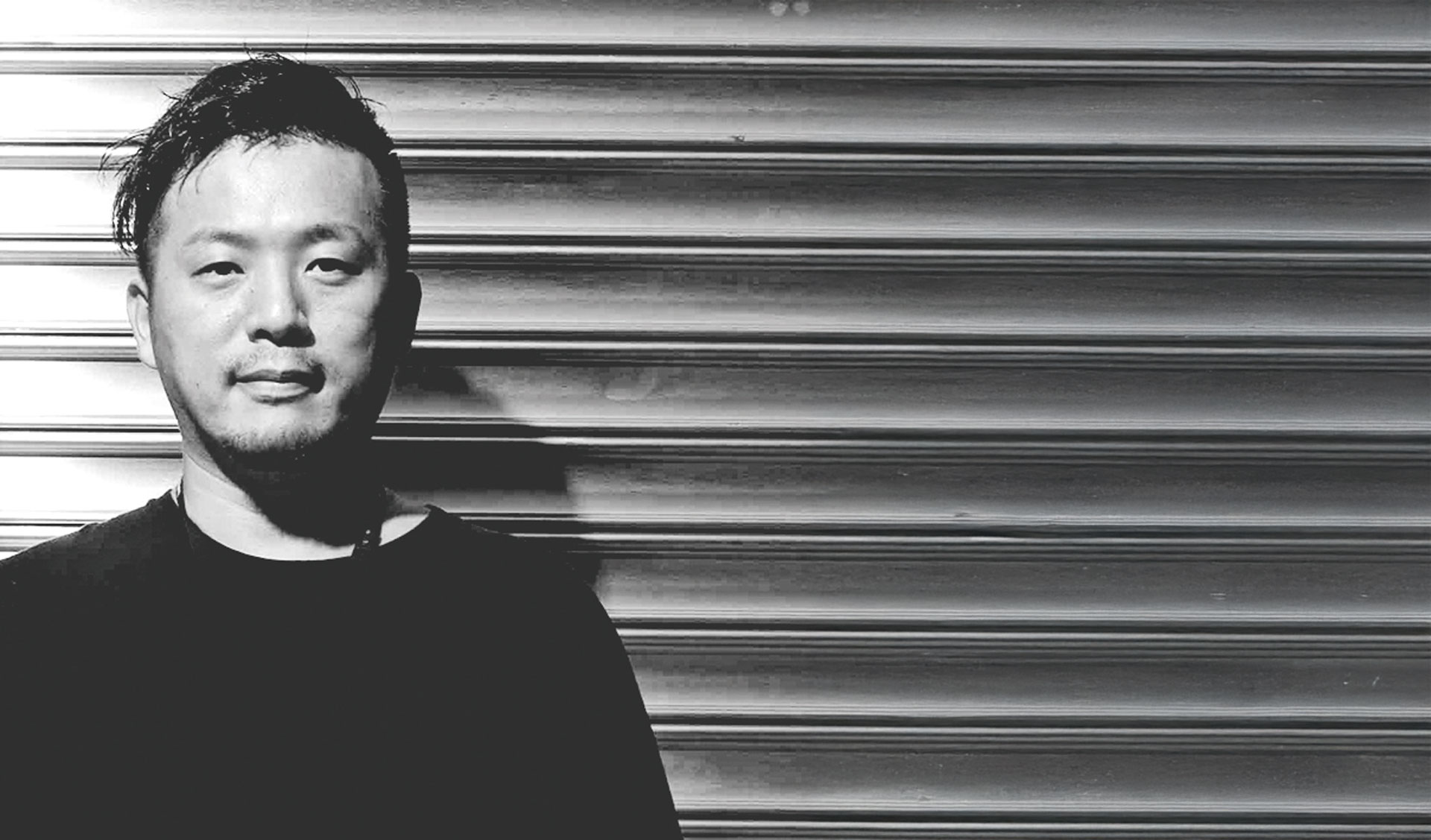
Akihiro ikegoshi Art director of GWG inc.
“Sports design is a discipline where identity, emotion, and performance intersect, and few designers embody this intersection as clearly as Japanese art director Akihiro Ikegoshi of GWG Inc. From baseball stadiums to global tournaments, his work demonstrates how visual language can influence both the atmosphere of a game and the spirit of its supporters. With a philosophy grounded in clarity, symbolism, and human focus, Ikegoshi approaches sports design not as decoration but as a vital part of competition itself. His insights reveal how design can shape memory, unify communities, and even contribute to victory. In this interview, he reflects on the craft, responsibility, and future of sports design in Asia and beyond.”
First, please introduce yourself and tell us what led you to begin working in design.
I’m Akihiro Ikegoshi, and I run the graphic design company GWG in Tokyo and Osaka. With fashion and music at our core, we aim for a street sensibility with a “good kind of dissonance,” and we stay committed to thoughtful, people-minded design that works in real-world conditions. Our clients range from domestic and international brands and manufacturers to professional sports—Nippon Professional Baseball, the J.League, the V.League, the B.League—as well as boxing, skiing, road cycling, gaming, television, and even sushi restaurants. From concept to rollout, we keep one line of intent across uniforms, venues, broadcast graphics, and retail touchpoints so the story reads clearly at every scale.
You have worked on many sports projects, including Olympic design. In your view, what is the biggest difference between sports design and general commercial design?
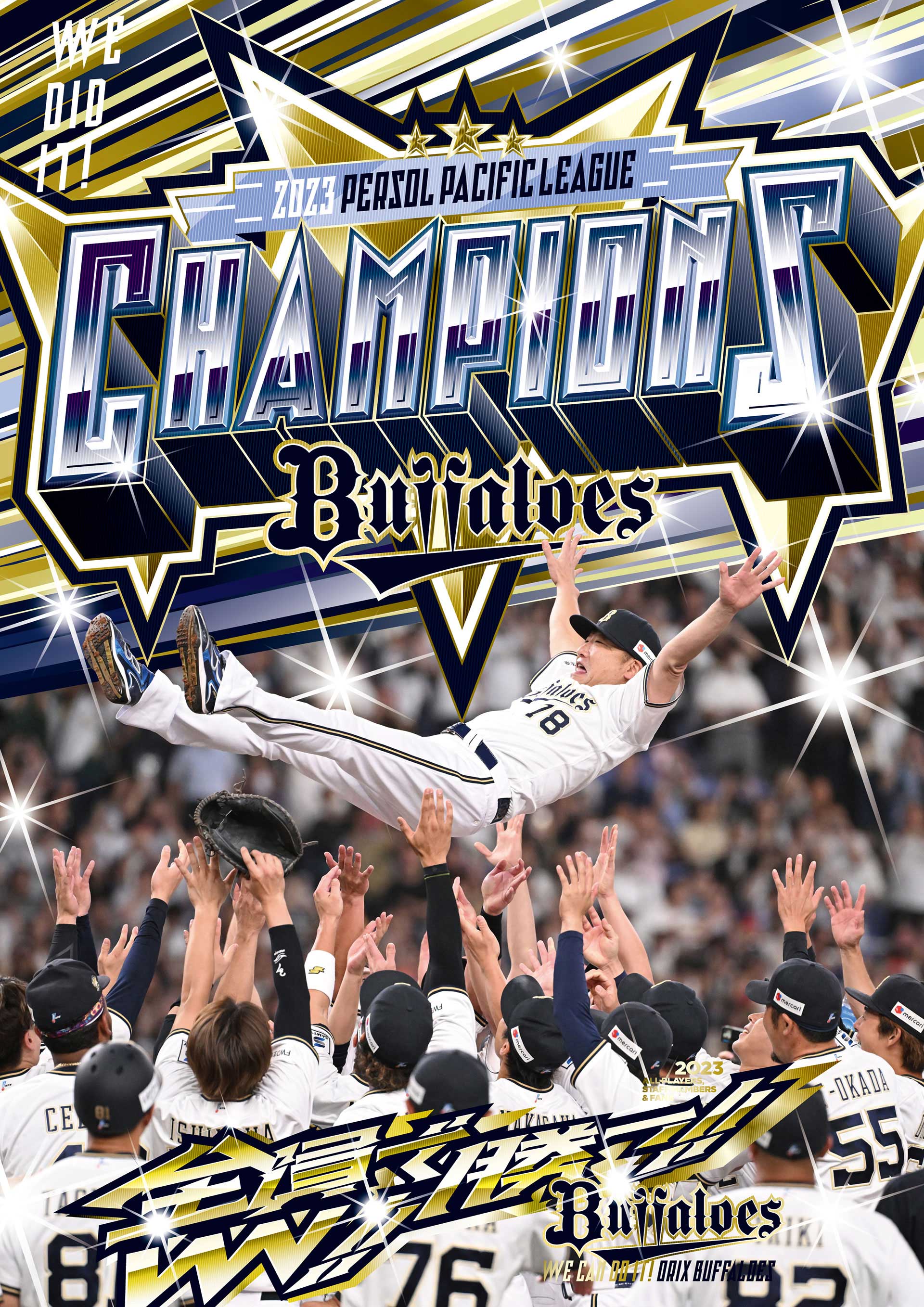
Sports design lives inside the drama of competition, with a score, a clock, and a clear outcome, and this makes it fundamentally different from general commercial work. A pro baseball team’s logo or uniform is not decoration; it is the shared pride of players and fans, a banner under which effort and memory accumulate. Where commercial design may focus on driving purchase, sports design must create unity, amplify support, and stage moments that stick in the mind long after the final whistle. In practical terms, design should lift performance through clarity, comfort, and confidence, and it should elevate emotion.
At GWG, we design for the decisive moment of the game. Colors and symbols must remain legible at speed, under stadium lighting, in rain or glare, and they must register with equal force on broadcast and in arena. Those constraints are very different from a poster on a wall or graphics on a package. We build systems that hold up across uniforms, merchandise, signage, and broadcast graphics so the team story reads cleanly at every distance. For us, sports design must be more than beautiful; it should move hearts, sharpen focus, and, at the margins, help shape the outcome.
When designing for sports events that symbolize victory and unity, what design language or strategies do you use to express those values?
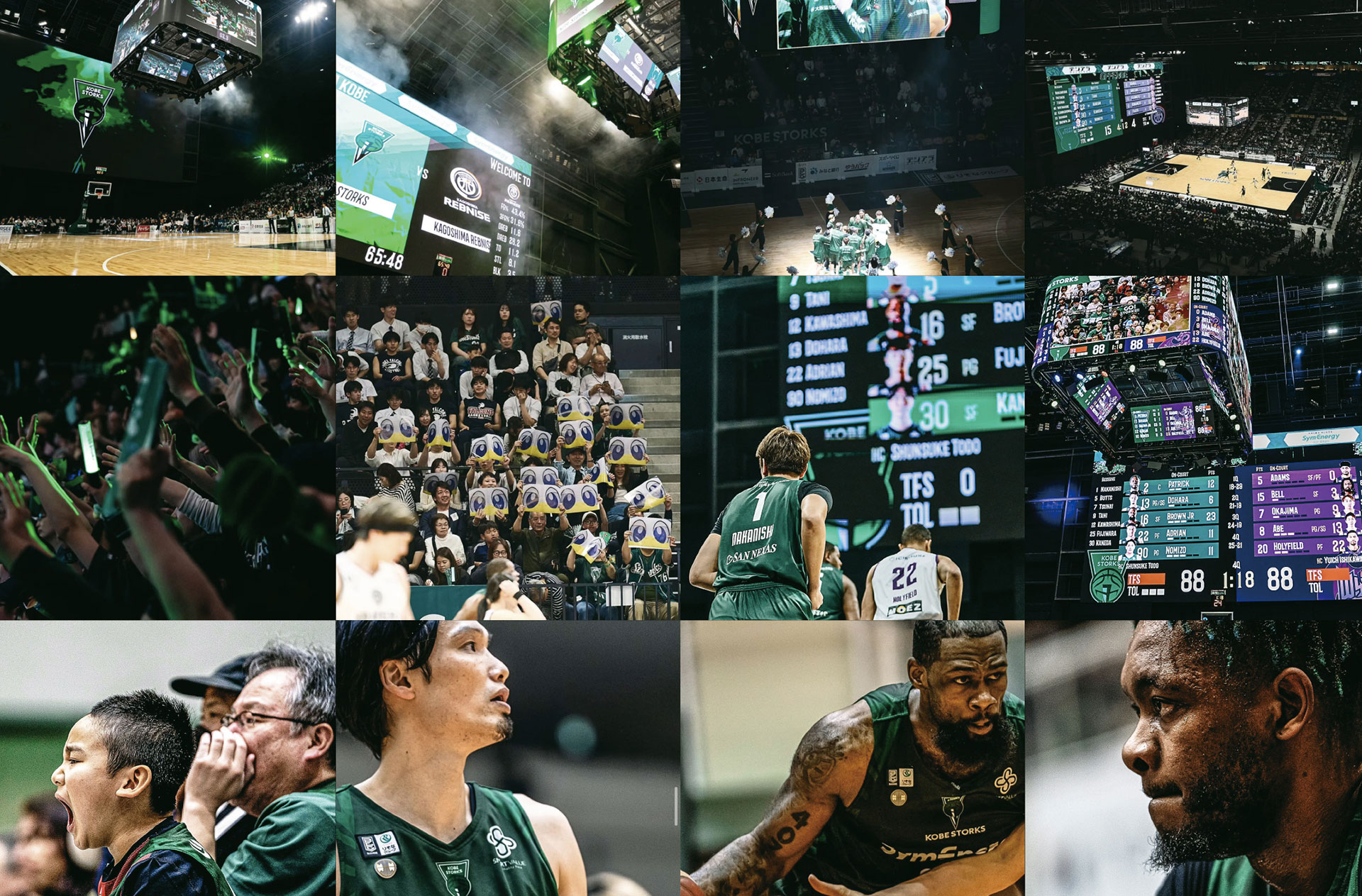
Keeping it simple and symbolic is the first rule. A mark must read from the far side of a stadium and stay recognizable even in high speed play. To make that happen, we stress test color, form, and typography under real conditions: LED floodlights, daytime sun, rain, motion blur, and broadcast compression. We check contrast on fabric and on screens, how stitches and mesh affect edges, how a number sits next to a crest, and how the set performs for color blind viewers. We also review the design at close range in retail, because a badge that carries across the field should still invite a hand to reach for a jersey. The goal is a system that is unmistakable at distance and irresistible up close. Sports design also has to lift emotion. If the visual language does not resonate at the exact moment when athletes empty the tank and supporters raise their voices, it misses the point. We always aim for design that helps you win, with clarity that supports focus and confidence, and we also chase images that settle into memory. The best work becomes part of the chant, the ritual, the highlight reel, and the family photo taken outside the stadium. That is the measure we design for: something simple, symbolic, and strong enough to be felt long after the final whistle.
Olympic and other large-scale sports projects require long-term planning and execution. How do you manage creative vision, team operations, and studio management?
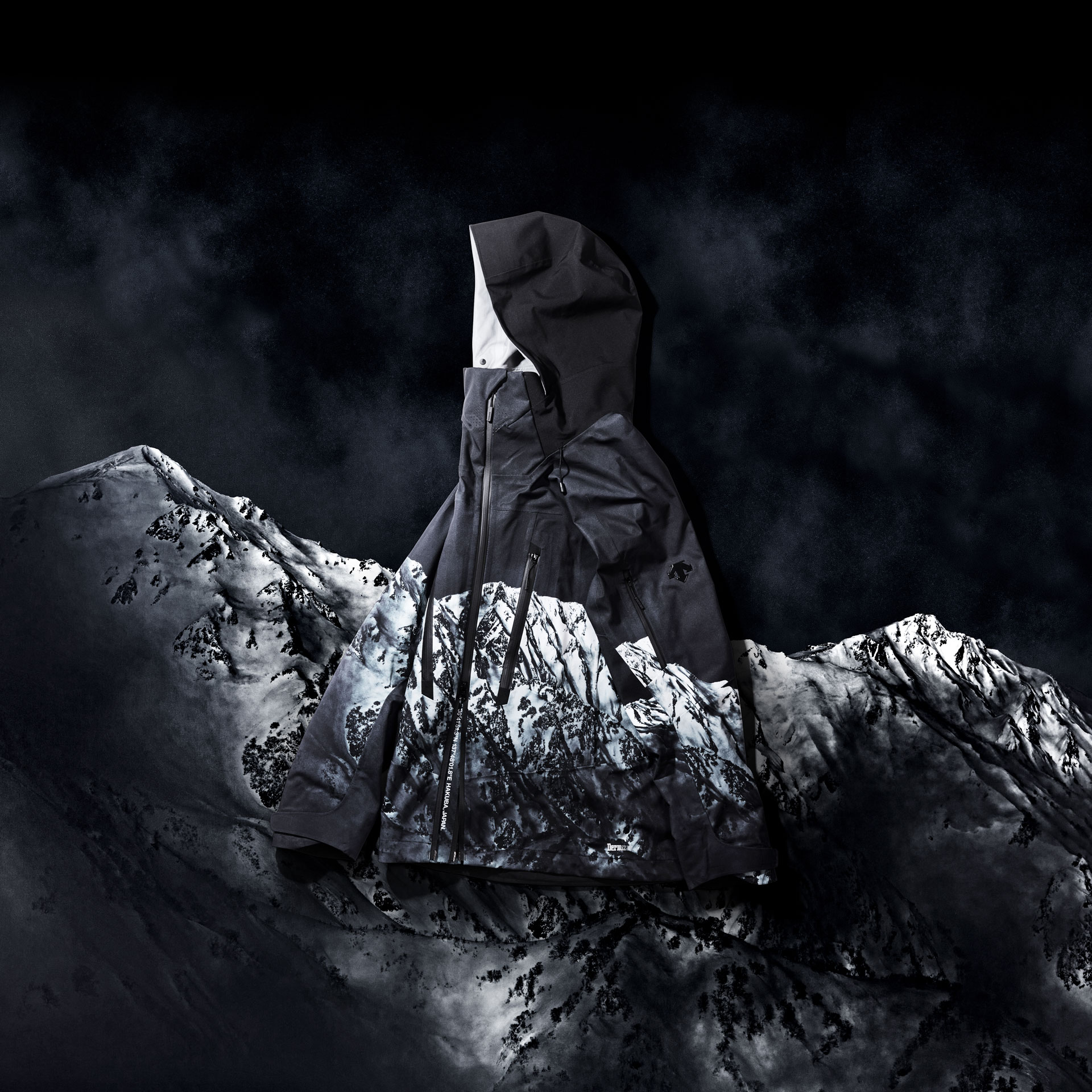
A long term sports project cannot be carried by one designer. With athletes, team staff, manufacturers, sponsors, and media all involved, a shared vision is essential. At GWG we begin with close research. We map the character of the sport, the history of the team, and the voices of the players, and we keep asking a simple question as we work: who is this design for, and what must it do at the decisive moment. Inside the studio we form a dedicated team for each assignment and make roles and handoffs clear. Direction, design development, testing, feedback, and on site adjustments move in a single stream, supported by regular review rituals and clear decision points. We prototype on fabric and on screen, validate against real world constraints such as lighting, motion, and broadcast, and record what we learn. This end to end process lets us deliver steady results on large projects while protecting the clarity of the idea that unites everyone involved.

Sports design must balance national identity with international appeal. How do you incorporate Japanese cultural identity while creating designs that resonate globally?
Expressing Japanese elements in sports design matters, but those elements must also be legible and moving to audiences outside Japan. I avoid heavy ornament and instead translate the essential beauty and spirit of the culture into clear forms. Traditional color families such as deep indigo or vermilion, and textures that recall paper, lacquer, or natural fibers, can signal Japan in a quiet way while still aiming for a universality that anyone can find beautiful. Japanese culture values simplicity, harmony, and an inner sense of calm. When those qualities inform a logo or a uniform, athletes and spectators can feel both pride and familiarity at once. To earn recognition on a global stage, it is not enough to create a look that merely appears Japanese. We need to work from the philosophy at the culture’s depth and let that way of thinking guide the decisions that shape the final design.
Looking back on the path to establishing yourself in sports design, what processes or steps were most important?
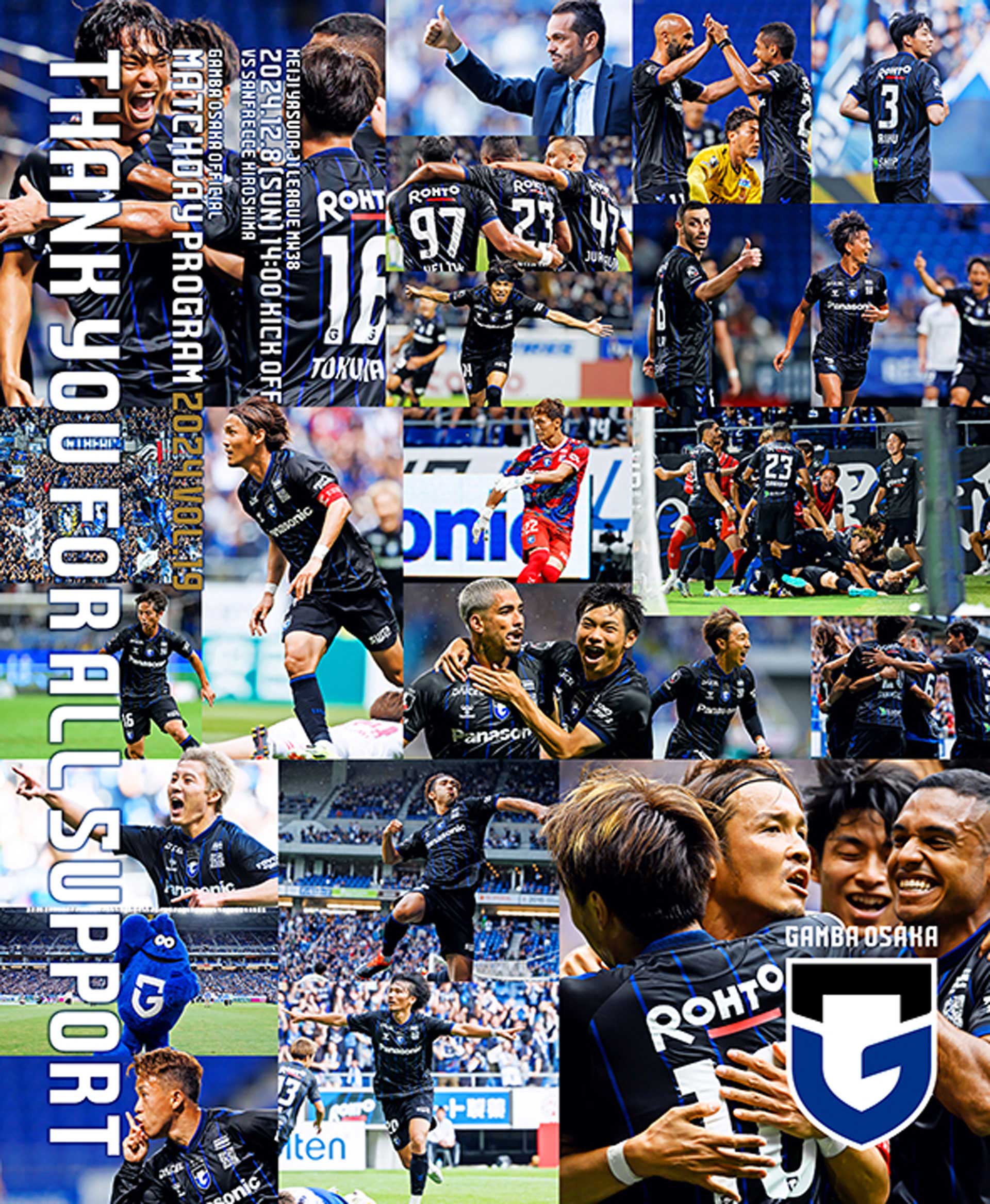
For me, two habits matter most: taking the time to build steadily and constantly questioning and verifying my own work. Sports design is not judged by a single win; trust accumulates over long relationships with athletes, teams, and manufacturers. On every assignment I set a fresh challenge, dismantle what I did before, and search for the next expression. Through that cycle of trying, testing, and refining, my style and credibility have been honed. In sports design the results are unusually clear. Design touches competitive outcomes and shapes how an event is remembered, so the responsibility is heavy. By meeting that pressure with preparation, collaboration, and measurable results, I have, little by little, come to be recognized as a designer for sport.
In your portfolio, what do you see as the biggest difference between your approach to sports design and to general branding or commercial design?
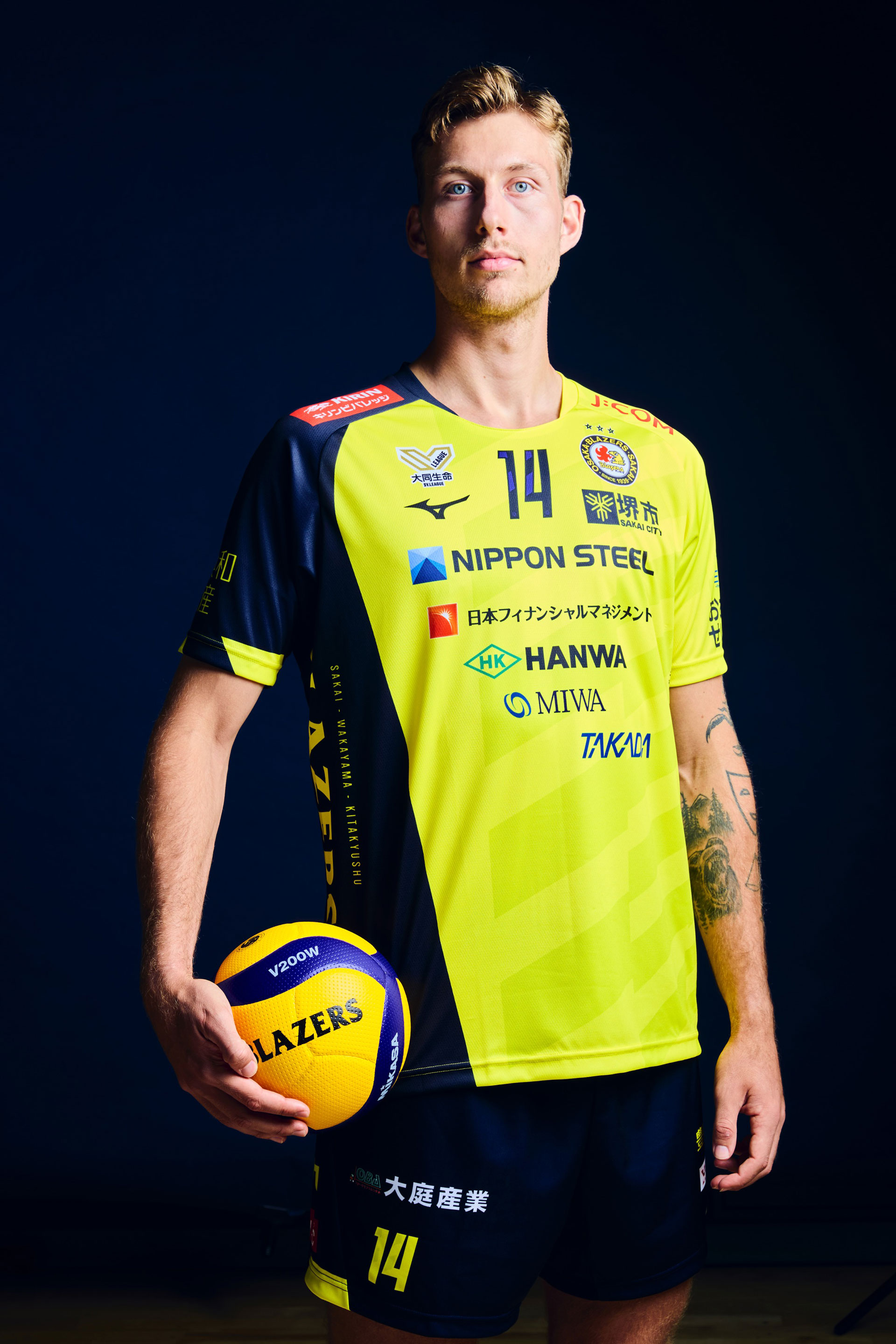
The basic approach is similar, but everything changes once winning and losing enter the frame. In typical branding the primary question is how to leave a strong impression on a customer. In sports design we add two more obligations: how to support the athlete in the moment of performance and how to elevate the energy of the crowd. The design becomes part of the competition itself and must work in concert with the tempo of play, the choreography of cheering, and the demands of broadcast.
Sports design also demands immediacy. Marks, numbers, and colors must read in a heartbeat at full speed from the upper deck and through a camera lens, yet the same system must build a team’s identity over years across kits, training gear, venues, and merchandise. Delivering instantaneous clarity and long-term coherence at the same time is, to me, the defining difference from commercial design.
Through international collaborations, have you noticed differences among Japanese, wider Asian, and Western design approaches? Any cultural traits that stood out?
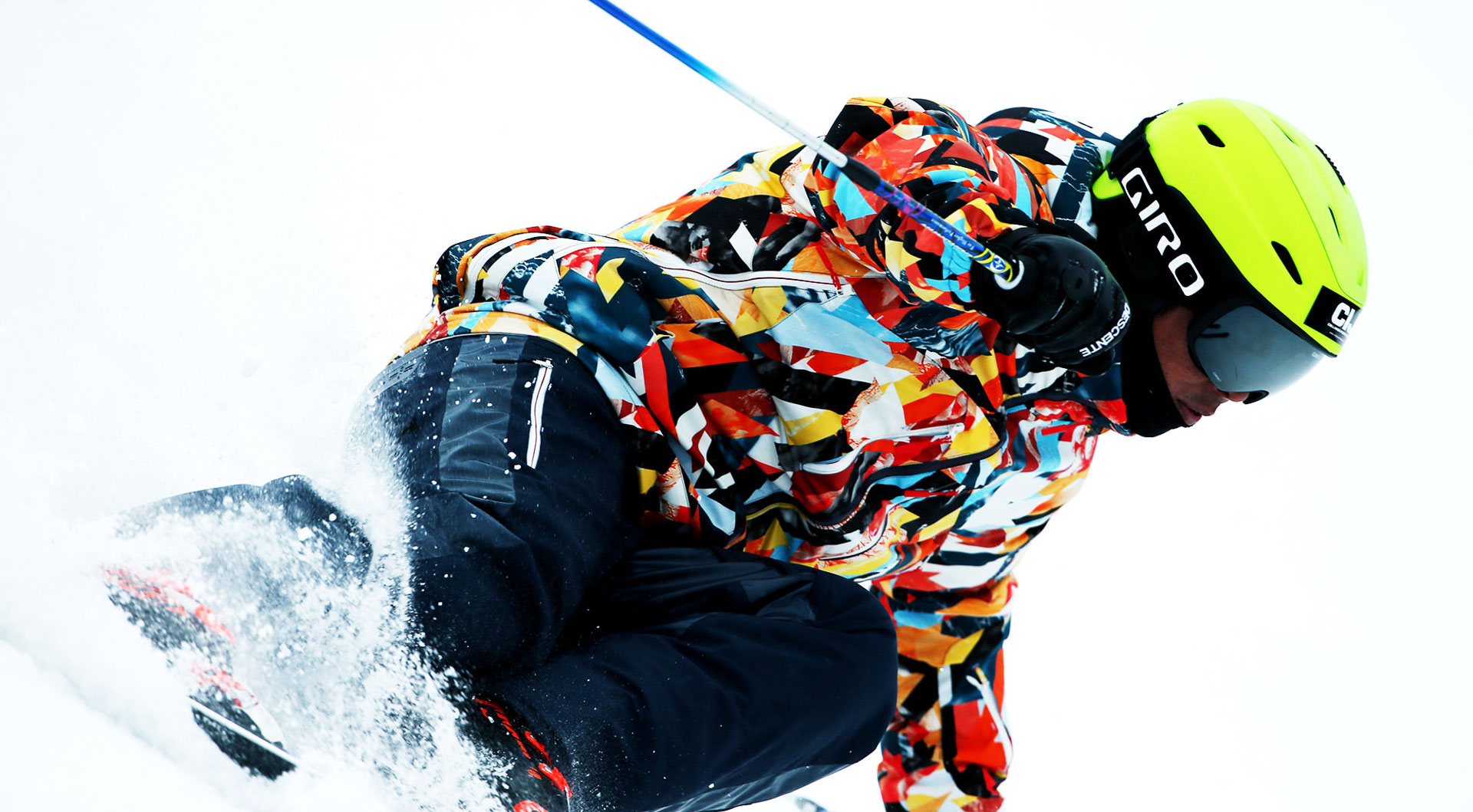
Yes, I felt clear differences. Western design places great emphasis on rationality and directness, prioritizing the delivery of a clear message in a short time. Asian design, on the other hand, tends to feature layered meanings and symbolism, and cultural differences appear in the use of color and gradients. In Japan there is a tendency to value beauty in details and the subtle expression of gradation. Project workflows also differ. In the West, speed is emphasized and decisions are often made in short order, while in Japan and parts of Asia there is greater emphasis on extended communication and consensus building. I find those differences fascinating because they reflect cultural backgrounds. You can gather information while in Japan, but I believe you should experience things on the ground: the travel itself, shops, dining, games, visuals, and the city. I try to experience and absorb all of that.
How do you see the future of sports design in Asia and the world? What would you like to say to the next generation of designers?
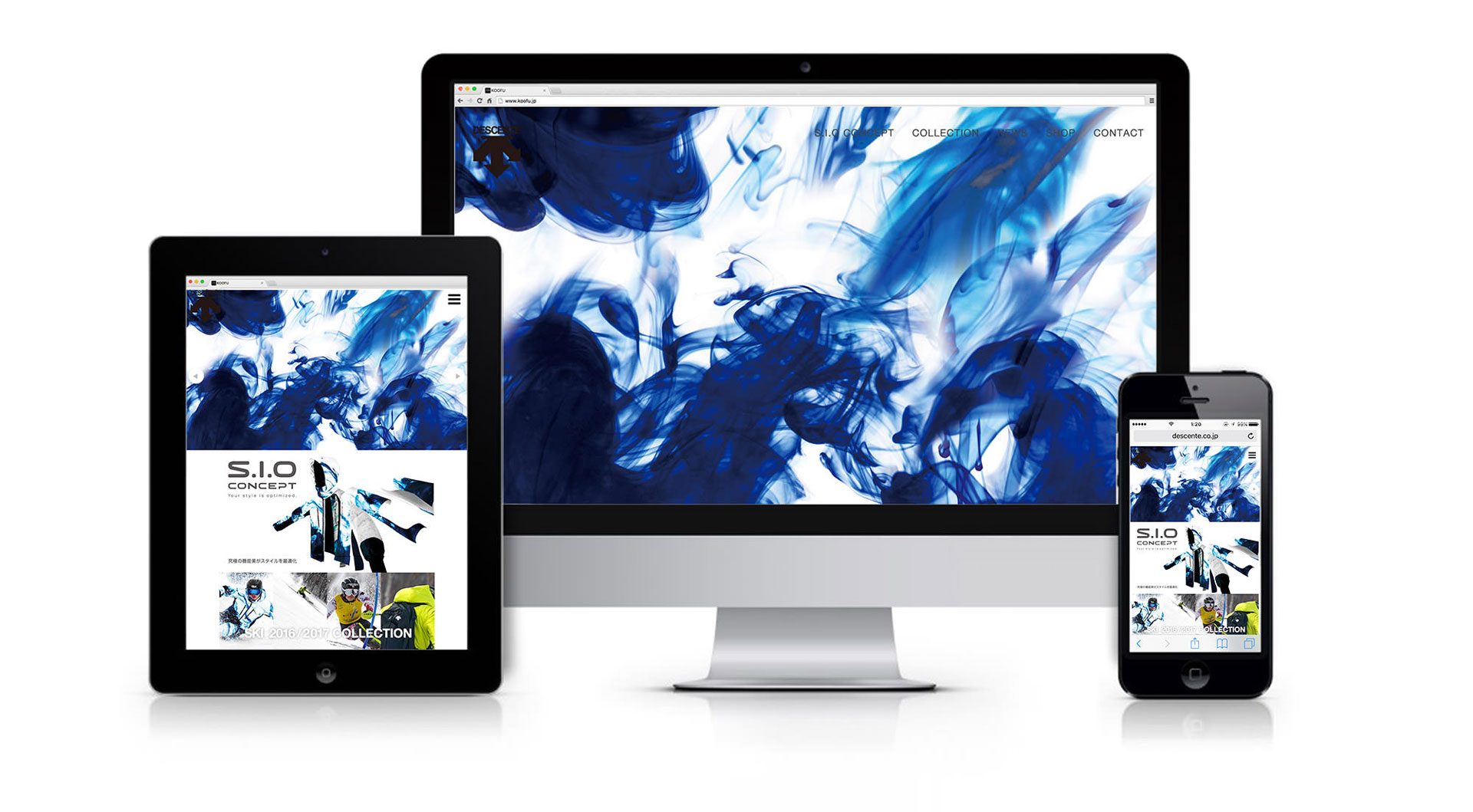
I believe sports design will continue to diversify and globalize. As Asian brands and teams strengthen their presence on the world stage, designers in each country will need both the ability to express their own culture with pride and the ability to earn international empathy. I am confident there are major opportunities for young designers in Japan. To the next generation I want to say: do not fear failure, keep challenging yourself. Sport is a series of challenges, and design is the same. Only by continually striving to surpass your past self can you arrive at truly new expression. I hope you will believe in a future where Asian sports design leads the world and keep taking on the challenge together.












#14057, 905 49, Beolmal-ro 102beon-gil,
Dongan-gu, Anyang-si, Gyeonggi-do, Korea
Business Registration Number: 454-86-01044
Online Sales License No.: 2021-Anyang Dongan-1081
Copyright © DESIGNSORI Co., Ltd.