
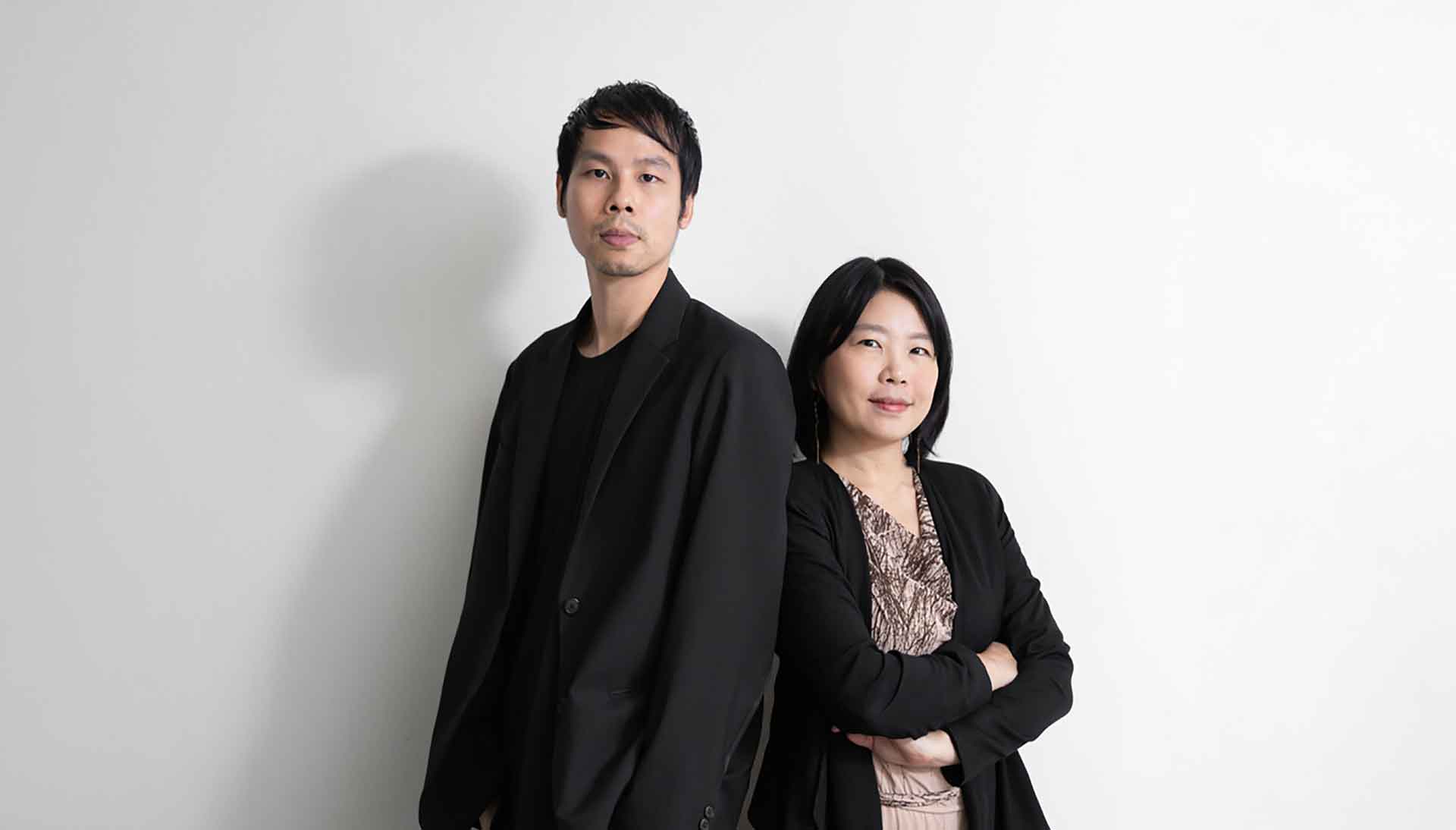
Creative Director Regina Kwok Founder of Artwill
"In a city where density defines daily life, space is never a neutral backdrop. In Hong Kong, interiors become a medium through which people negotiate comfort, identity, and emotional balance within limited boundaries. Regina Kwok, founder and Creative Director of Artwill Interior Design House, has spent over two decades shaping spaces that respond sensitively to this reality. Her work moves beyond surface aesthetics, focusing instead on how environments support living, feeling, and human connection. This interview explores her design philosophy, the cultural context of Hong Kong’s spatial values, and how thoughtful interior design can quietly elevate the quality of everyday life."
To begin, could you briefly introduce yourself and share how Artwill was founded?
My name is Regina Kwok, and I am the founder and Creative Director of Artwill Interior Design House in Hong Kong. I established the studio around 2004 after completing my Bachelor of Design in Interior and Exhibition Design at Swinburne University of Technology in Melbourne. Studying abroad broadened my understanding of spatial thinking, but it was my return to Hong Kong that truly shaped my approach to design in everyday life. The practice began with a clear intention: to create environments that feel personal, function intuitively, and remain emotionally connected to how people actually live. In Hong Kong, where limited space and high density define daily experience, design cannot exist as a purely visual exercise. From the beginning, I believed interiors should go beyond refined appearances and respond intelligently to how people move, rest, gather, and connect within their surroundings. Each project is approached as an ongoing dialogue between people and space. Careful planning, material integrity, and timeless aesthetics form the foundation of this process, always balancing elegance with practicality. Rather than chasing trends, the focus remains on creating spaces that age gracefully and continue to support evolving lifestyles over time. This human-centered philosophy has guided the studio’s work across residential and luxury interior projects in Hong Kong for more than two decades.

In Hong Kong, the relationship between people and space is often considered especially important. Why do you think Hong Kong users place such high value on this connection?
Hong Kong users place particularly high value on the relationship between people and space because it shapes their quality of life, sense of dignity, and cultural identity in an extremely dense urban context. In Hong Kong, space is never neutral; it is scarce, expensive, and emotionally as well as symbolically charged. First, spatial scarcity makes people acutely conscious of how space is used. Many residents grow up in small flats or even subdivided units, where every square foot matters. This trains users to judge design not only by appearance, but by how effectively it supports daily activities, privacy, storage, and flexibility. An awkward corridor, a poorly placed door, or a badly designed kitchen can make a home feel cramped, chaotic, or stressful, while a smart layout that “stretches” space can greatly improve comfort and control. Second, the pressure of high-density living increases the psychological importance of space. Crowded transport, busy streets, and packed public areas mean people often lack moments of physical and mental breathing room. Returning home or entering a well-designed public or semi-public space, they seek relief: better light, airflow, acoustic comfort, and clear organization. Good spatial design in Hong Kong is therefore experienced as emotional care rather than mere visual styling. Finally, cultural traditions such as feng shui strengthen the sense that space mediates energy, relationships, and fortune, reinforcing why this relationship matters so deeply.

What do you consider the defining characteristics of Hong Kong’s luxury spatial design?
Hong Kong’s luxury spatial design expertly maximizes limited urban space by using multifunctional elements such as folding furniture, movable partitions, and built in storage, transforming small apartments into flexible and elegant homes. The design aesthetic embraces subtle elegance, featuring neutral tones including beiges, greys, and whites. These color palettes are elevated through the use of high quality materials such as natural timber, brass accents, and sustainable finishes, creating a timeless and sophisticated atmosphere. Wellness is also a central focus, with features like calming reading nooks, smart home automation, and environmentally responsible materials enriching the overall living experience. Together, these elements create peaceful retreats within the city’s busy environment while maintaining a high level of craftsmanship and custom detailing. This balance of practicality, refined aesthetics, and wellness oriented design defines the essence of luxury spatial design in Hong Kong, reflecting both contemporary living needs and discerning tastes.
Could you introduce one Artwill project that best represents Hong Kong’s luxury aesthetic?
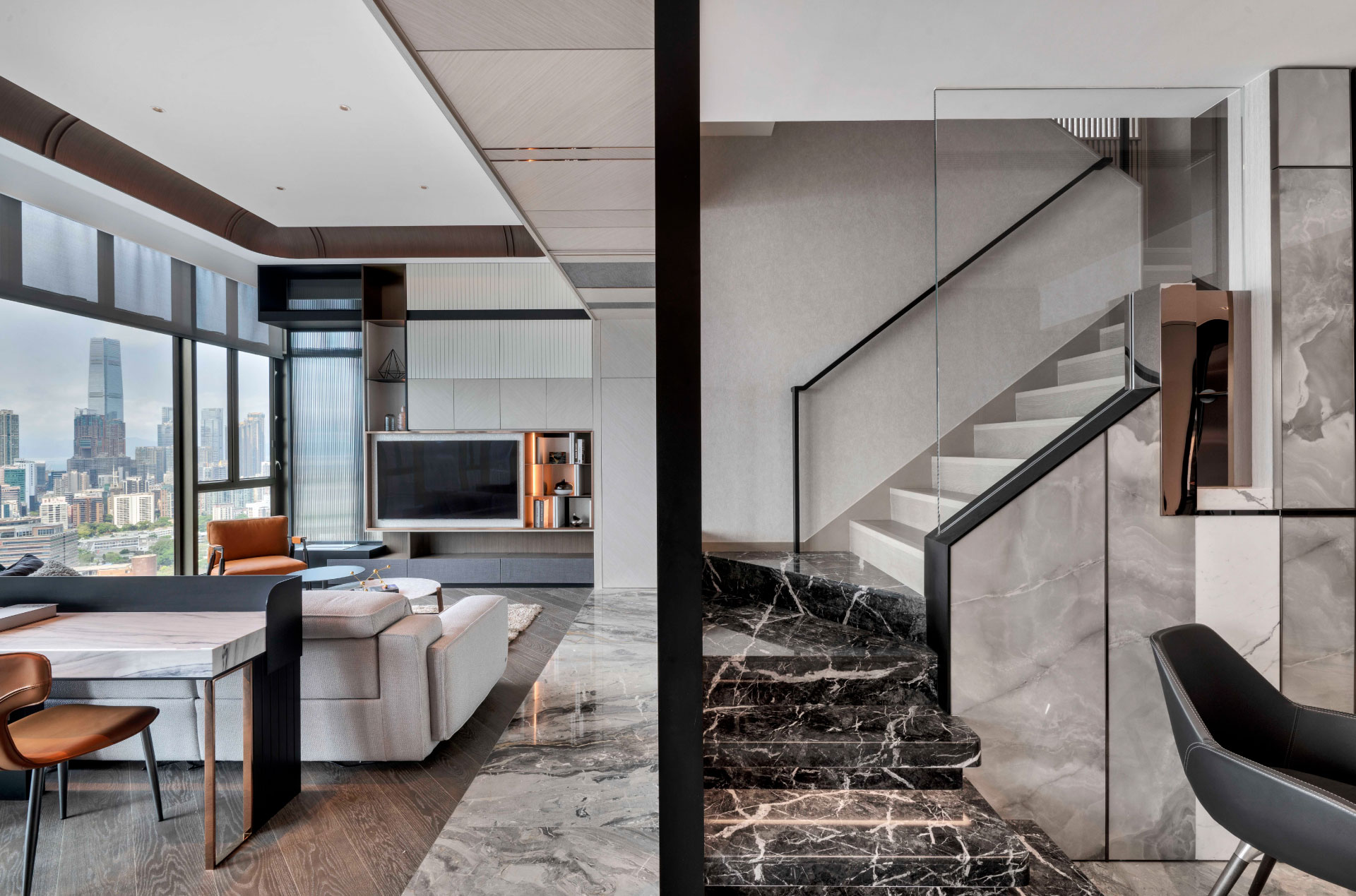
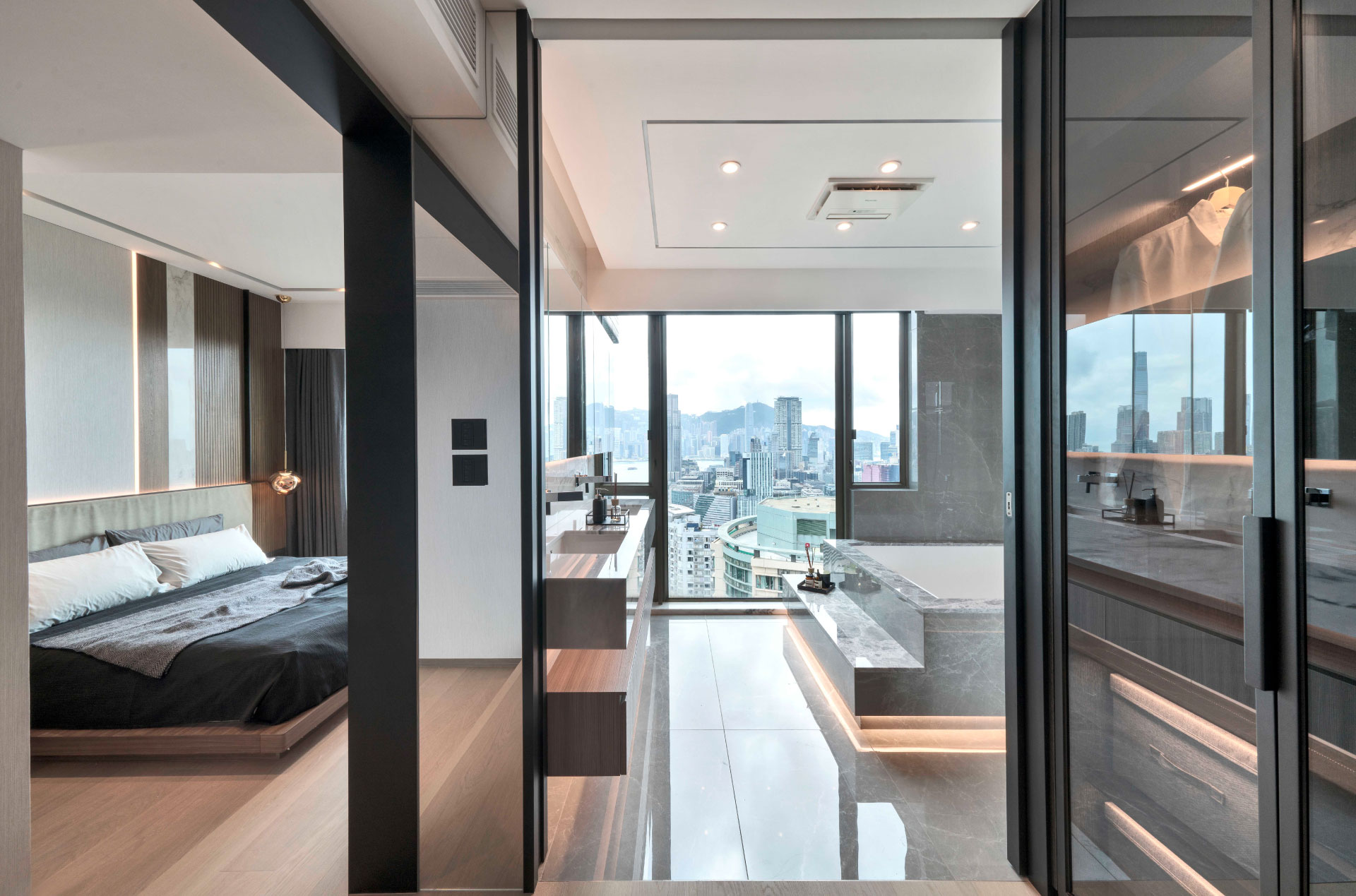
The Royal Peninsular project, spanning approximately 1,800 square feet with a striking 14-foot ceiling height in the living and dining areas, exemplifies Artwill’s mastery of Hong Kong luxury design. Situated in a prestigious high-rise development, it maximizes panoramic views through full-height glazing paired with mirrored panels, fostering an illusion of boundless openness despite urban constraints. Sleek marble countertops, premium wood cabinetry, and brass fixtures define sophisticated minimalism, while multifunctional kitchen islands and concealed storage ensure efficient, elegant living. Soft neutral tones, textured accents, and ambient cove lighting create a serene ambiance. This fusion transforms compact spaces into luxurious sanctuaries that honor cultural roots and modern lifestyles, balancing practicality with refined tranquility.
Hong Kong often deals with limited space. How does Artwill create a sense of openness and refinement within these constraints?
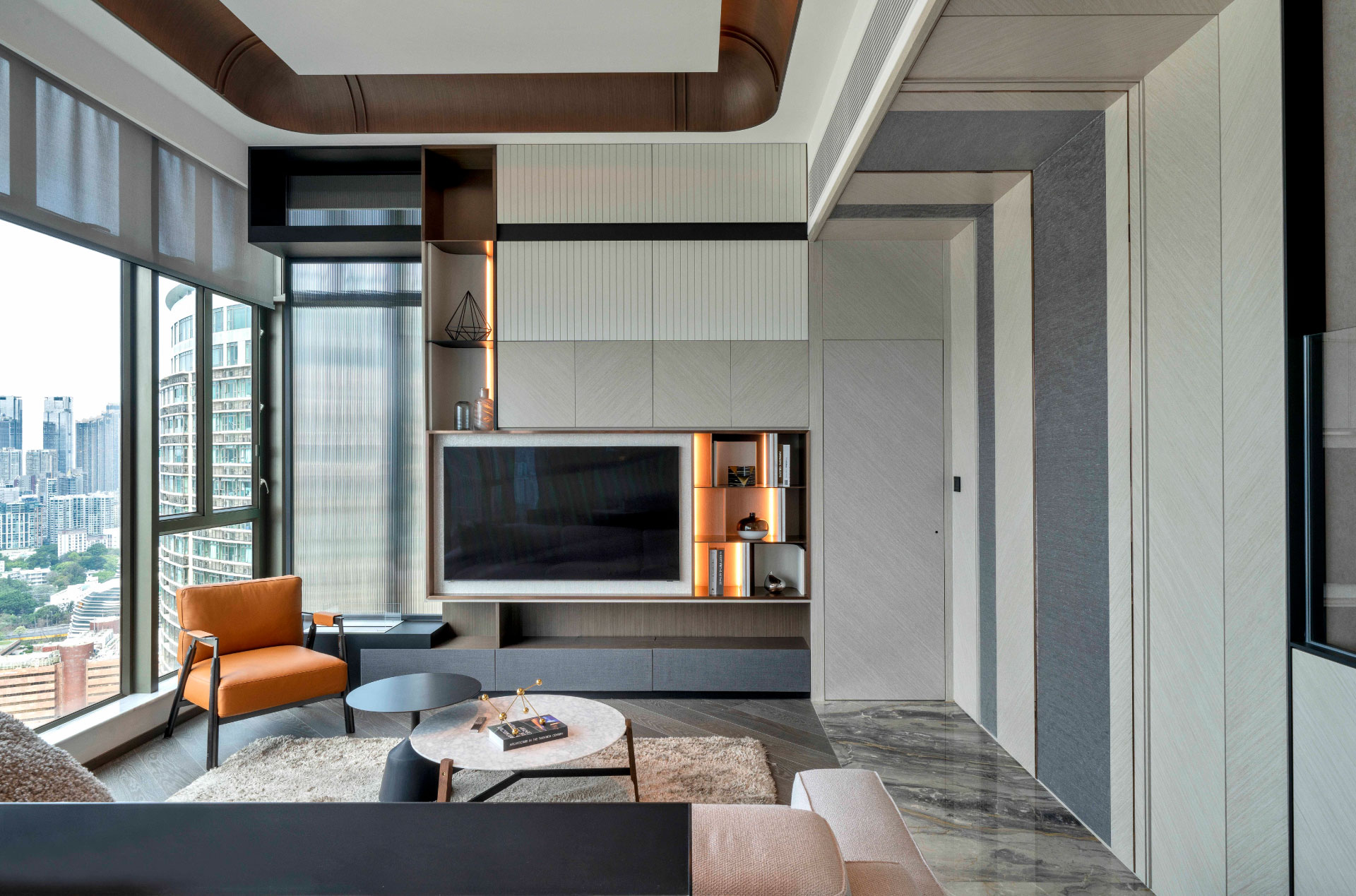
Hong Kong’s limited space presents a unique design challenge, which is addressed through meticulous spatial planning, multifunctional design, and visual techniques that create openness and refinement. Layouts are skillfully reconfigured to improve flow and spatial perception by concealing structural elements like beams using false ceilings and curved lighting troughs. Additionally, hidden storage solutions maximize utility without overcrowding the space, offering flexibility and comfort in compact living environments. This blend of thoughtful planning and innovative design ensures that even small apartments feel spacious, elegant, and highly functional, effectively meeting the demands of urban living.
Many Hong Kong users treat space as a form of self-expression. How do you interpret this relationship?
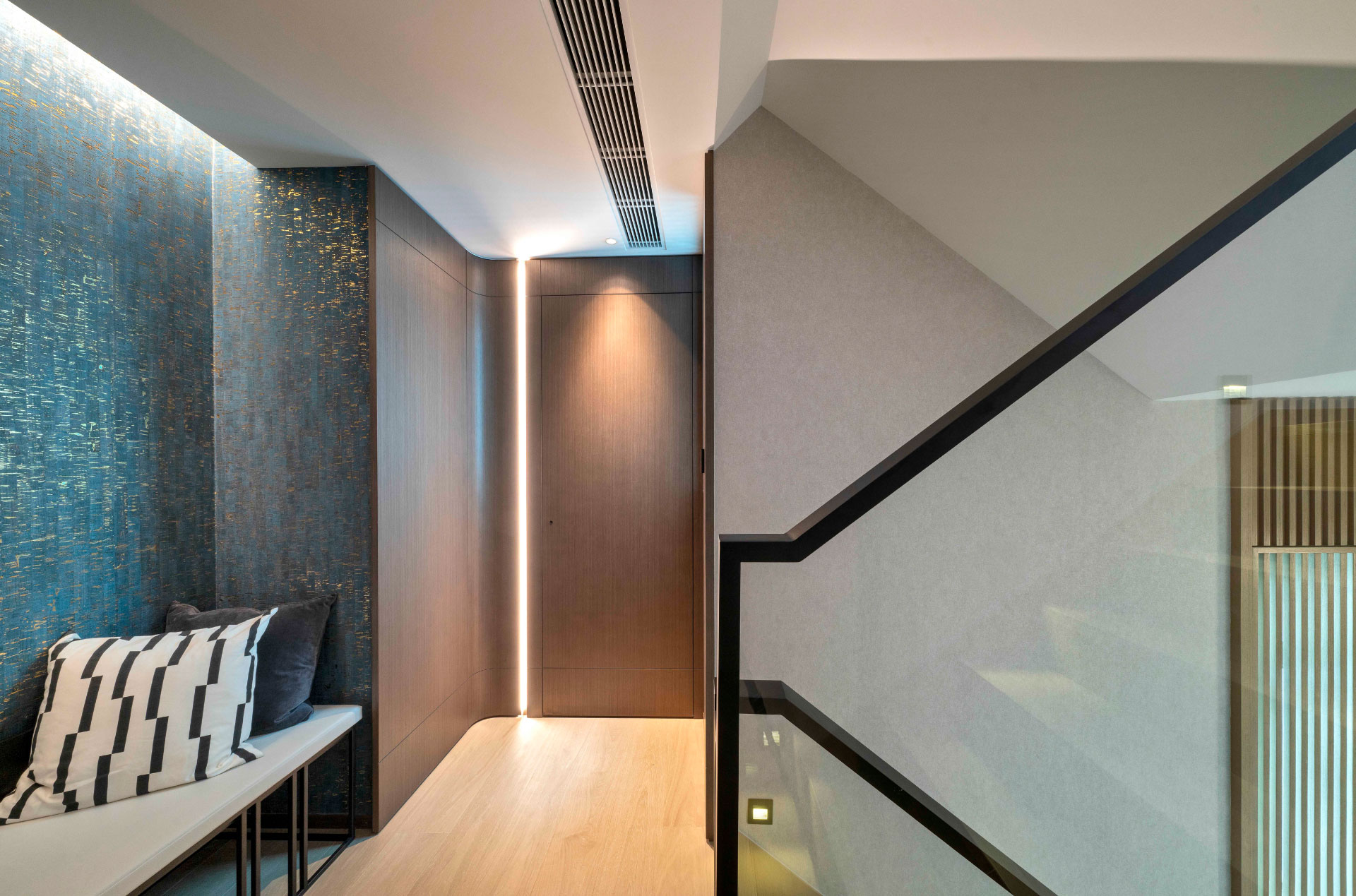
Many Hong Kong users view their living space as a direct expression of their personal identity and lifestyle, especially given the spatial constraints common in the city. The way people design and arrange their homes reflects their tastes, values, and aspirations. By customizing every detail—from layout to materials and colors—residents create not just functional areas but meaningful environments that tell their personal stories. This relationship between space and self-expression highlights the importance of tailored, thoughtful interior design that maximizes limited space while conveying individuality and status. In Hong Kong’s urban context, space becomes more than just a physical area; it transforms into a personalized sanctuary that balances elegance, comfort, and practicality, allowing inhabitants to communicate who they are through their environment.
How do you balance functionality, emotional comfort, and luxury in your design process?
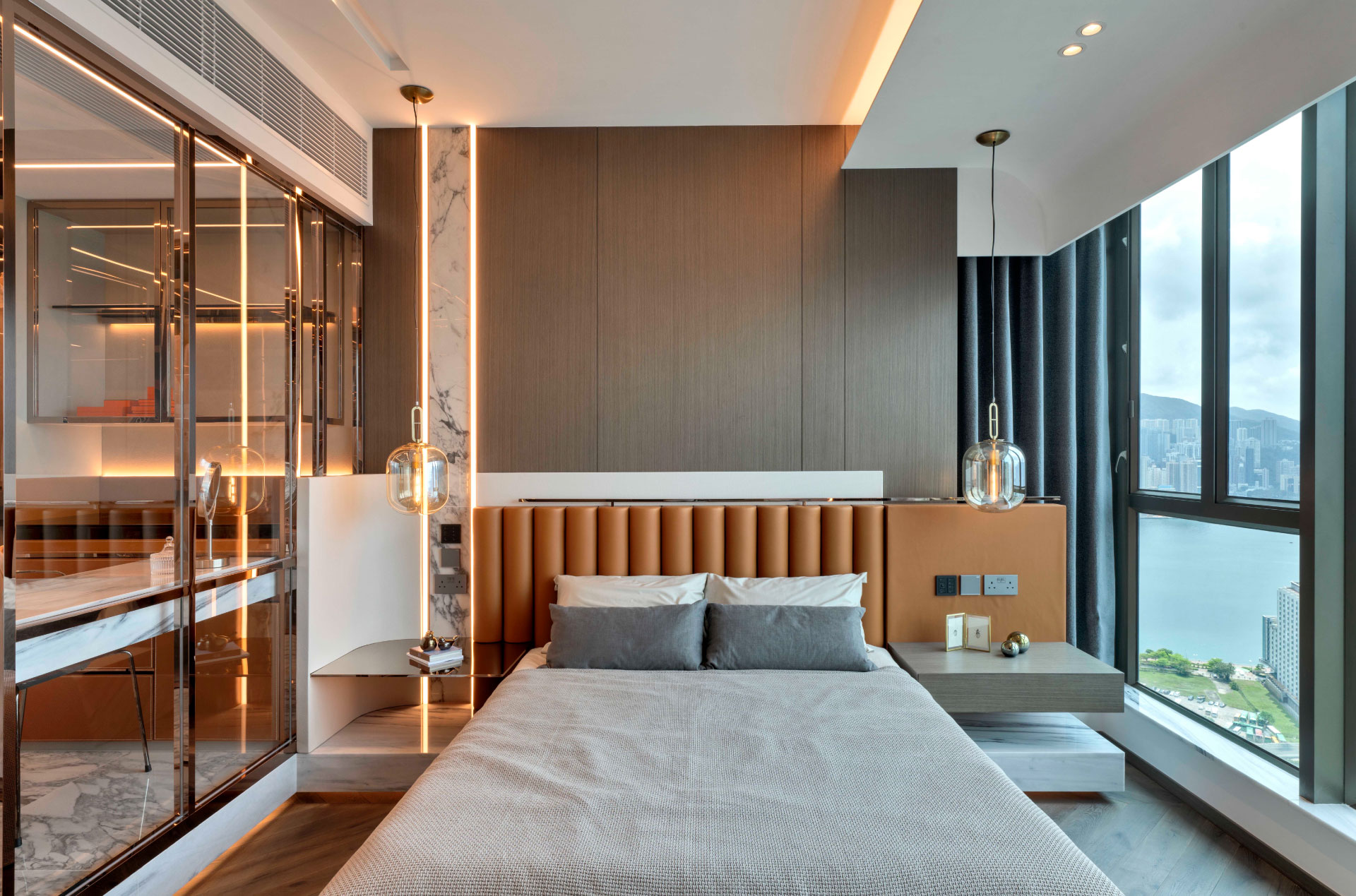
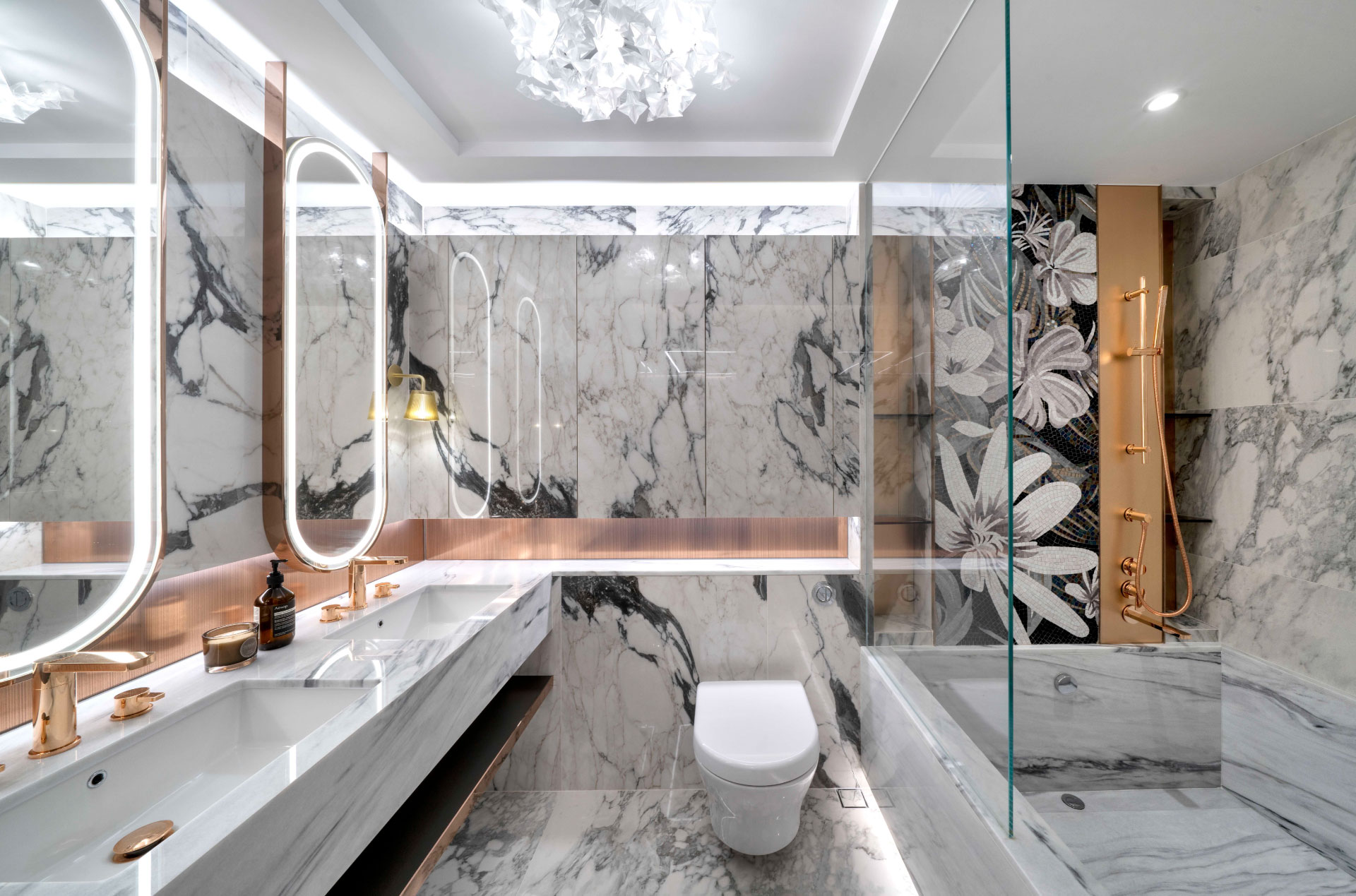
Artwill balances functionality, emotional comfort, and luxury through a carefully integrated design process centered on client needs and lifestyles. The process begins with understanding how the client uses their space, allowing Artwill to prioritize practical layout planning and incorporate multifunctional features like hidden storage, flexible zoning, and adaptable furnishings. This ensures the space maximizes utility and convenience, particularly important in Hong Kong’s limited living environments. Emotional comfort is cultivated through thoughtful design choices that create a calming and welcoming atmosphere. Feng shui principles guide the spatial flow to enhance energy and balance, while neutral palettes with earthy tones and warm textures help evoke feelings of tranquility and belonging. Personalized elements such as custom artwork and carefully selected materials add unique character and warmth, making the space feel authentically lived-in and emotionally supportive. Luxury is woven into the design through the use of premium materials like marble, leather, and brass, paired with bespoke craftsmanship. High-end details, including seamless marble veining and artistic lighting, elevate the overall aesthetic without overwhelming the space. This balance is achieved iteratively, with a functional foundation creating livable spaces, emotional comfort enhancing the sensory experience, and luxury polishing the design with timeless sophistication. This holistic approach results in interiors that are practical, soothing, and inspiring, fitting the high lifestyle standards of Hong Kong clientele.
How does Hong Kong’s cultural diversity influence your design language?
Hong Kong’s cultural diversity encourages a harmonious blend of Eastern and Western elements that respect tradition while embracing modernity. This multicultural backdrop inspires the use of feng shui principles alongside contemporary minimalist aesthetics, resulting in spaces that balance spiritual well-being with sleek functionality. The diversity also fosters sensitivity to varied client backgrounds, customs, and lifestyles, leading to customized interiors that reflect individual identity while honoring cultural heritage. Materials and motifs often merge Asian craftsmanship, such as natural timber and intricate detailing, with Western luxury finishes like marble and leather, creating enriched and layered environments. This fusion supports spatial designs that feel simultaneously familiar and cosmopolitan, capturing the dynamic, inclusive spirit of Hong Kong. Overall, cultural diversity shapes a versatile design language that is adaptive, respectful, and innovative, offering clients elegant, meaningful spaces that celebrate both global influences and local roots.
Looking ahead, where do you see Hong Kong’s spatial design heading? And what message would you like to share with the next generation of designers?
Hong Kong’s spatial design is evolving toward greater use of sustainable materials, smart technology integration, and wellness-focused environments. Future spaces will emphasize flexibility to accommodate changing lifestyles while promoting environmental responsibility. To the next generation of designers, I would say this: stay curious, be patient, and lead with empathy. Design is ultimately about improving lives through thoughtful, practical solutions that balance creativity with functionality. Embrace cultural diversity and emerging technologies, but always prioritize human-centered values. By respecting both the environment and the community, you can create inspiring and meaningful spaces that respond to the realities of tomorrow’s urban living and genuinely enhance quality of life.
















#14057, 905 49, Beolmal-ro 102beon-gil,
Dongan-gu, Anyang-si, Gyeonggi-do, Korea
Business Registration Number: 454-86-01044
Online Sales License No.: 2021-Anyang Dongan-1081
Copyright © DESIGNSORI Co., Ltd.