
Co-Founder of lllayer
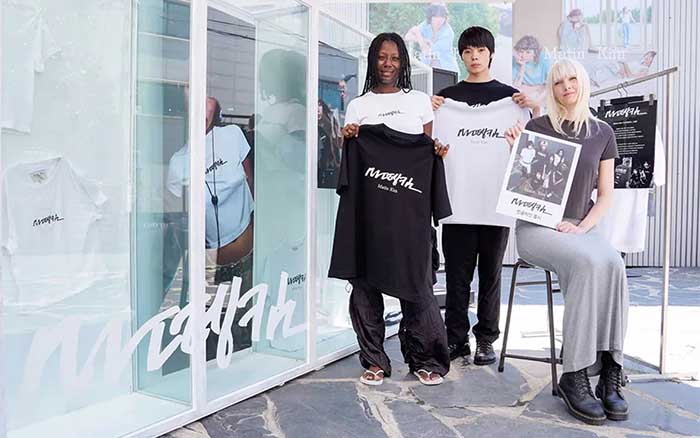
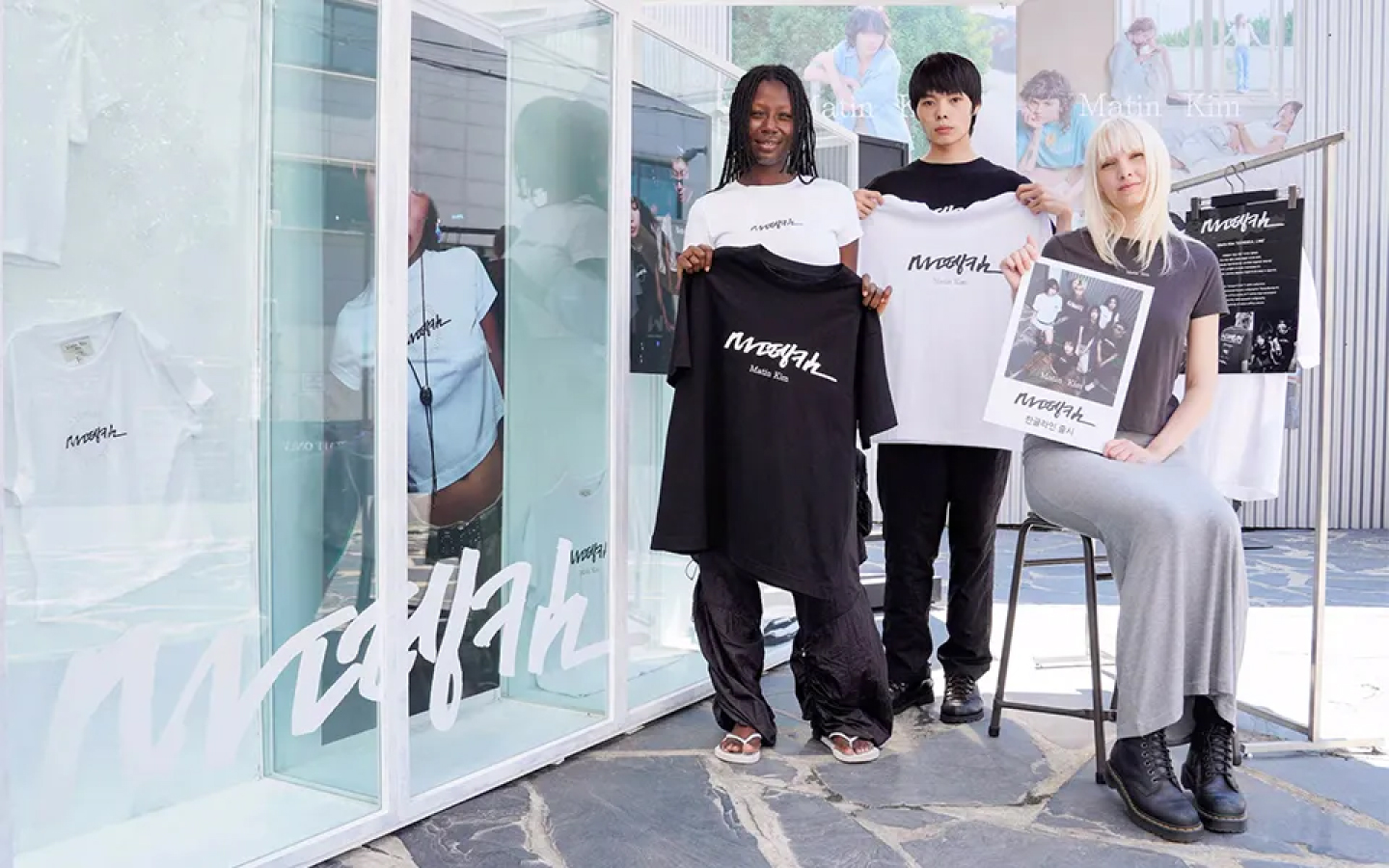
In the spring of 2024, hundreds of people lined up from early morning in front of Shibuya Parco, a department store often described as the heart of Tokyo fashion. This was not the scene of a new release from a luxury house like Chanel or Hermès. Those waiting in line were Japanese consumers in their 20s and 30s, and what they were lining up for was a popup store by the Korean brand Matin Kim. Within just three days of opening, Matin Kim recorded sales of 240 million KRW, and over the course of the 12 day popup period, it generated a remarkable 500 million KRW, approximately 37 million yen, sending shockwaves through the Japanese fashion scene.
Just four days after the Shibuya store opened, cumulative visitors surpassed 4,000 and sales exceeded 320 million KRW, creating an open run phenomenon. This scene was symbolic, going beyond the success of a single popup store. A clothing business that began as a small blog based shop in Korea less than a decade ago is now challenging the global fashion mainstream beyond Asia. The brand, which recorded annual sales of just 1 billion KRW in 2018, reached 50 billion KRW in 2022, surpassed 100 billion KRW in 2023, and achieved 150 billion KRW in 2024. In 2025, Matin Kim is on the verge of exceeding 200 billion KRW in annual revenue.
What Was the Beginning of This Brand Really Like
The beginnings of Matin Kim were modest, yet its essence was fundamentally different from that of today’s large fashion corporations. The brand name combines Matin, the French word for morning, with Kim, the surname of founder Da in Kim. She was not an elite designer trained in fashion design. In 2015, she began her business by sharing her personal taste through a blog based online market. The core strength of early Matin Kim lay in raw, unfiltered communication. Through Instagram, Da in Kim openly revealed the brand’s backstage moments, including failed sample production, disagreements with factory owners, and candid apologies for delivery delays. While established fashion brands hid behind perfectly staged lookbooks and cultivated an air of mystery, Matin Kim turned its customers into friends. Customers were not simply buying clothes, but experiencing the emotional satisfaction of purchasing pieces made by a cool older sister they felt they personally knew. This formed a powerful fandom around the brand, which later became its strongest foundation of support as Matin Kim evolved into a full scale company.
However, most influencer-driven brands fail to surpass the threshold of 10 billion KRW in annual revenue, eventually stagnating or disappearing altogether. The absence of systems for logistics, customer service, and inventory management is usually the cause. Matin Kim also faced a crisis when it could no longer handle the surge in orders. In February 2021, the brand made a decisive move that would change its trajectory by securing investment from Hago Haus, a brand incubator under Daemyung Chemical Group. Recognizing Matin Kim’s potential, Hago Haus provided the infrastructure the brand lacked.
A clear division of roles was established. Founder Da in Kim focused solely on creative direction and communication, while Hago Haus took charge of logistics, delivery, department store expansion, and overall financial management. With professional systems and personnel in place, the brand’s growth accelerated dramatically. Through Hago Haus’s network, Matin Kim secured prime locations in major department stores such as The Hyundai Seoul and Lotte Department Store Main Branch. At the opening of The Hyundai Seoul, the brand generated 500 million KRW in sales within just one week, proving its offline competitiveness. From this partnership onward, Matin Kim’s revenue rose sharply. Sales of approximately 5 billion KRW in 2020 surged to 50 billion KRW in 2022 following the investment, and surpassed 100 billion KRW in 2023, elevating the brand into the ranks of mega brands.
With a solid system in place, Matin Kim’s design power became even stronger. Its product strategy was clear. To create clothing that is wearable for anyone, yet never ordinary. The products that firmly established Matin Kim in the public consciousness were not apparel, but accessories. The accordion wallet, featuring bold metal hardware and a casually stamped Matin Kim logo, became an entry-level item among women in their twenties, selling as briskly as luxury wallets. Alongside it, items such as logo-coated jumpers and shirring ribbon bags emerged as bestsellers, driving overall sales. Matin Kim also successfully expanded beyond womenswear by launching a menswear line and a high-end line called KIMMATIN, broadening the brand’s scope. The proportion of male customers, once around 10 percent of the total, grew to between 20 and 30 percent.

In 2024 and 2025, Matin Kim shed the label of a domestic focused brand and set its sights squarely on the global market. Building on the success of its popup stores in Japan, the brand began expanding into Greater China in the second half of 2024. In October 2024, it opened its first global flagship store in Hong Kong, followed by additional stores in Taiwan and Macau. The Hong Kong store recorded sales of 800 million KRW within just one month of opening, proving its strong local appeal. Over the next five years, Matin Kim plans to open 27 global stores, primarily across Asia. In addition, in October 2025, the brand officially launched on Amazon’s US store, the world’s largest ecommerce platform. Unlike its offline led expansion strategy in Asia, this move was designed to test market response and expand touchpoints in North America through online channels. With more than 60 products including apparel and bags, Matin Kim is steadily strengthening its global presence.
The brand’s elevated status has also been recognized on a national level. Matin Kim became the first fashion brand to be selected as an official sponsor of the 2025 APEC Leaders’ Summit, supplying card wallets and canvas bags for the event. This marked a significant milestone, signaling that Matin Kim is now acknowledged not merely as a trend driven label, but as a representative Korean brand. Its success story offers both hope and a serious challenge to countless small brands in Korea. Although founder Da in Kim stepped away from day to day management in 2023, the brand continued its growth under CEO Jung woo Hong, supported by Hago Haus’s systems. Revenue reached 150 billion KRW in 2024, with projections of 200 billion KRW for 2025.
This trajectory demonstrates that Matin Kim has evolved beyond the founder’s personal capabilities into a company driven by independent systems. Had the brand insisted on remaining fully independent without partnering with Hago Haus, such explosive growth would have been unlikely. Its willingness to accept capital and infrastructure at the right moment, and the flexibility to acknowledge its own limitations, are what propelled Matin Kim into the ranks of unicorn level brands. Now in 2026, Matin Kim has grown from a small blog based shop in Dongdaemun into a global fashion brand approaching 200 billion KRW in annual revenue. It may well be the most contemporary textbook example of how K fashion can survive and thrive in the global market.




















#14057, 905 49, Beolmal-ro 102beon-gil,
Dongan-gu, Anyang-si, Gyeonggi-do, Korea
Business Registration Number: 454-86-01044
Online Sales License No.: 2021-Anyang Dongan-1081
Copyright © DESIGNSORI Co., Ltd.