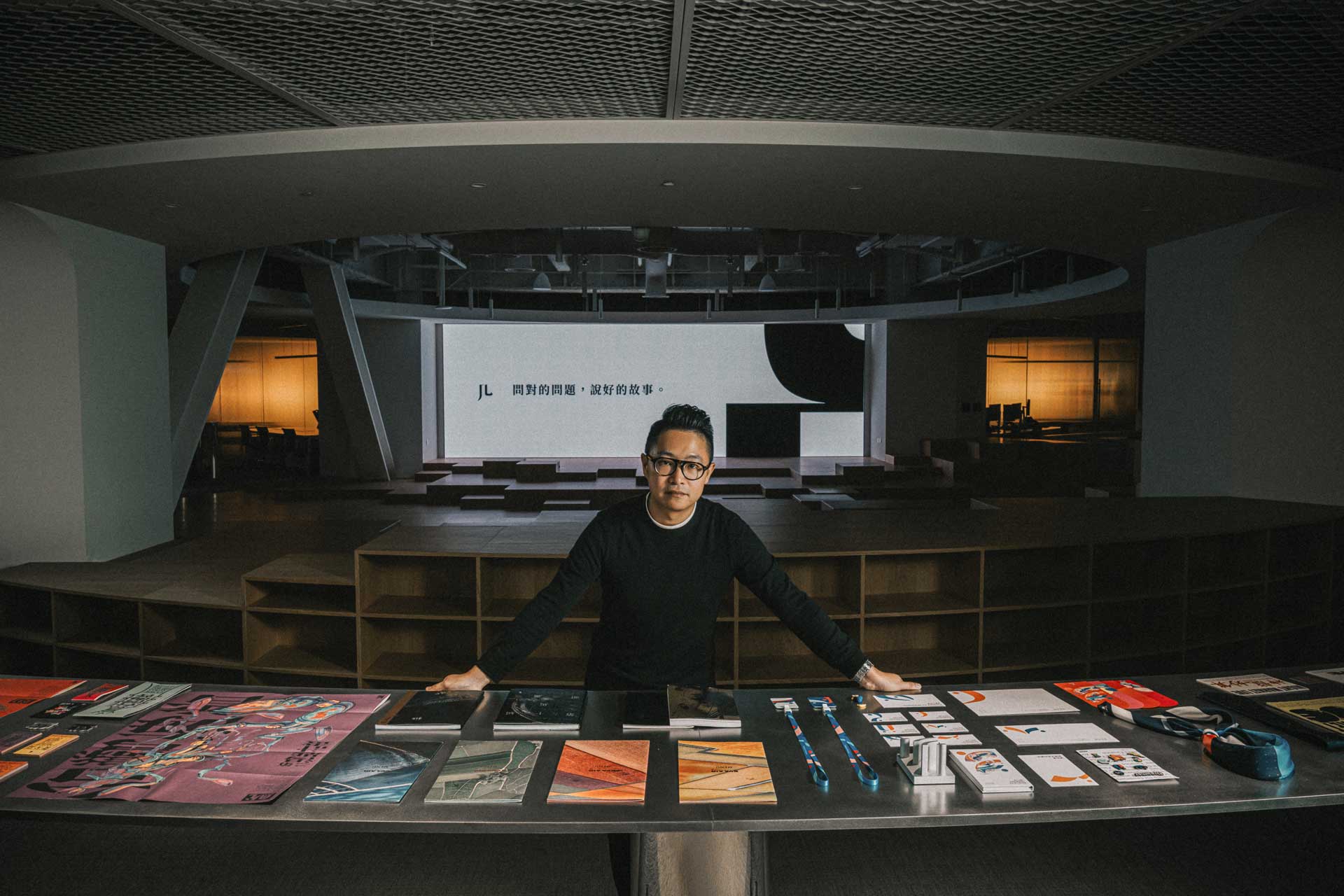
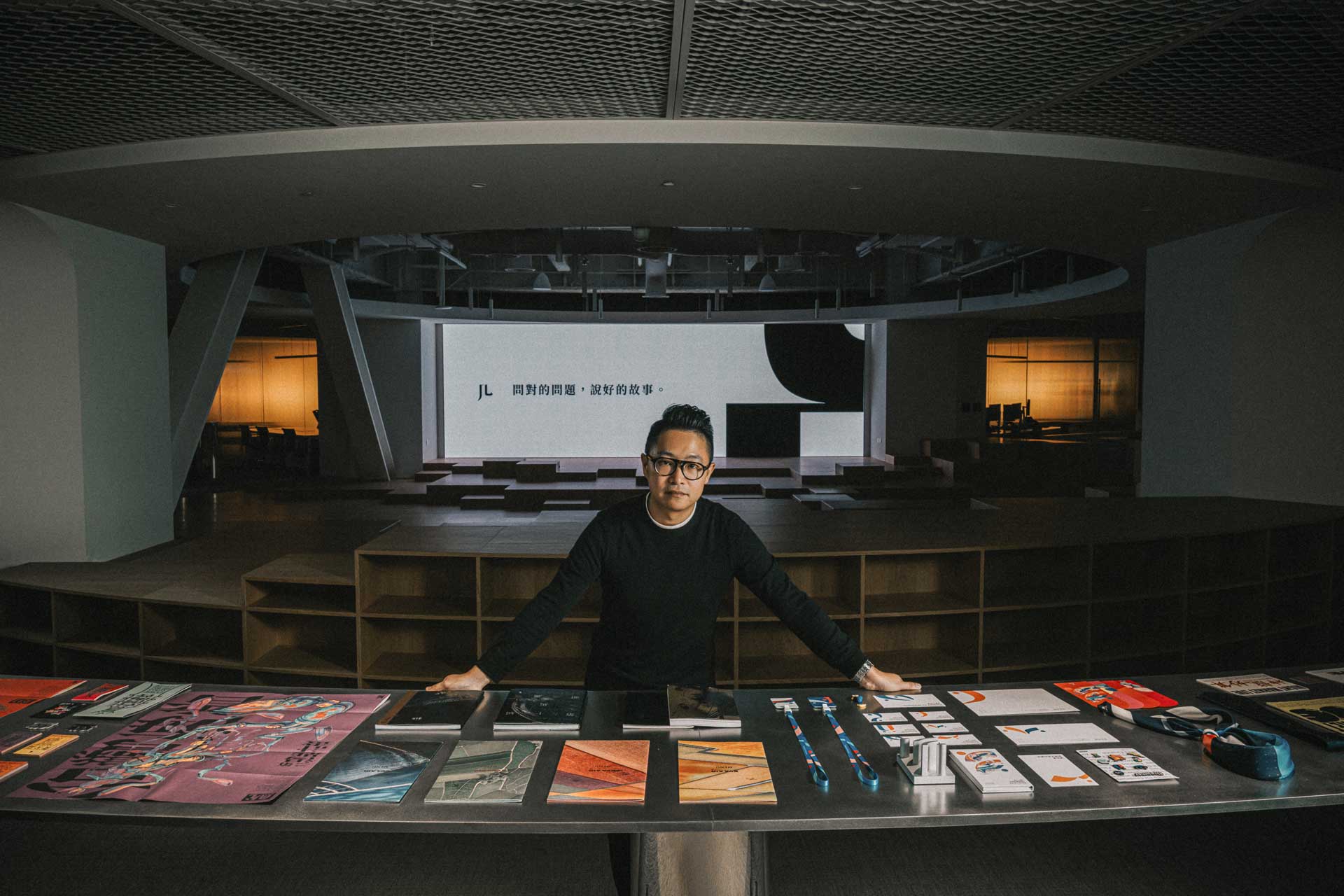
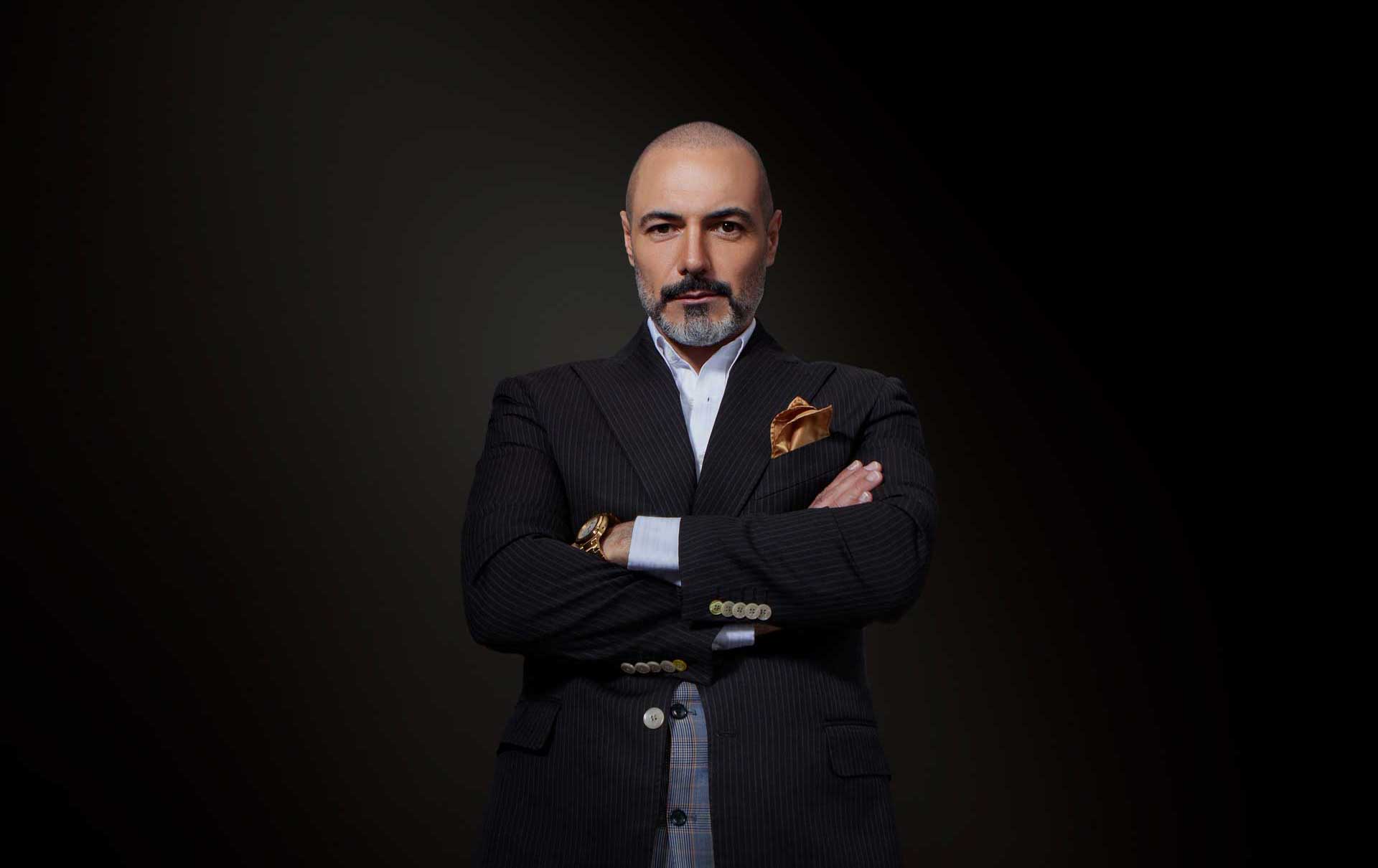
Johnason Lo Founder & Creative Director of JL DESIGN
“Johnason Lo, founder of JL DESIGN, is a visionary who redefined motion graphics in Taiwan. Established in 2006 on the belief that 'Ideas are born out of questions,' the studio has evolved into an international agency balancing strategic strategy with storytelling. From global collaborations with HBO and Disney to shaping Taiwan's cultural milestones, Johnason prioritizes the 'why' over the 'how,' using design to uncover core brand truths. In this interview, he reflects on his studio's evolution and his philosophy of "Back to Basics," showing how the right questions transform visuals into powerful global dialogues.”
JL DESIGN begins with the belief that 'Ideas are born out of questions.' Could you start by introducing the studio and sharing how it was founded, the motivations behind its early vision, and how this philosophy has guided your evolution into an internationally recognized design agency?
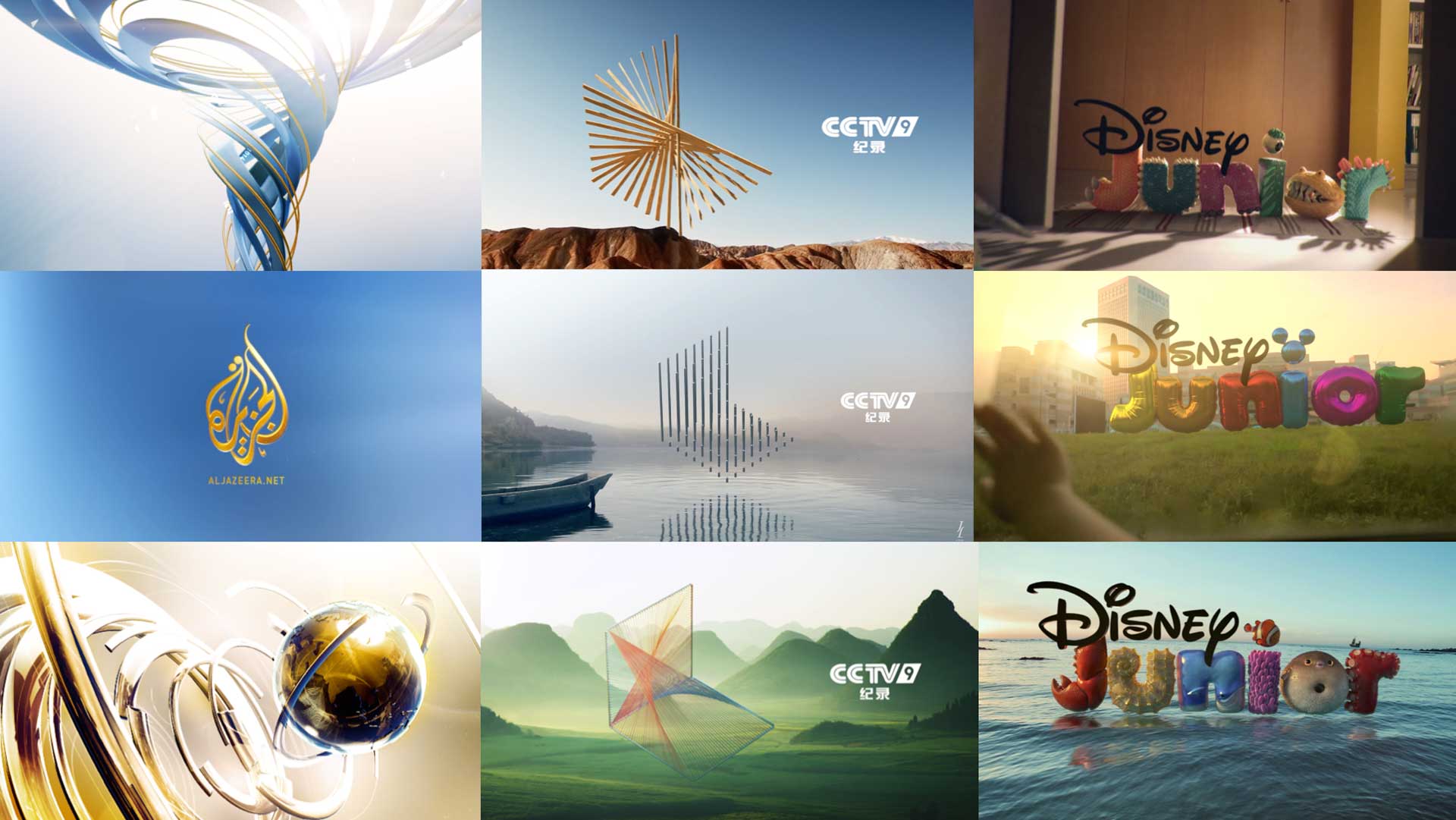
When I returned to Taiwan in 2006 to found JL DESIGN, motion graphics was almost nonexistent in the local industry. This accidental entrepreneurial journey forced me to confront a series of realities head-on: a limited domestic market, clients who did not yet understand what motion design could offer, and a lack of specialized talent. At that time, I asked myself a simple but fundamental question: if starting a company is meant to solve a problem, what do I want to change? In its first phase, JL DESIGN chose to begin with the international market. Globally, motion graphics was already well understood, and through collaborations with Al Jazeera, HBO, FOX, Disney, and CCTV-9, we were able to demonstrate to the Taiwanese market what motion graphics could truly achieve. At the same time, we built everything internally from the ground up design workflows, project management systems, talent development, pricing structures, and contracts. Looking back, it was an intense and almost irrational period.
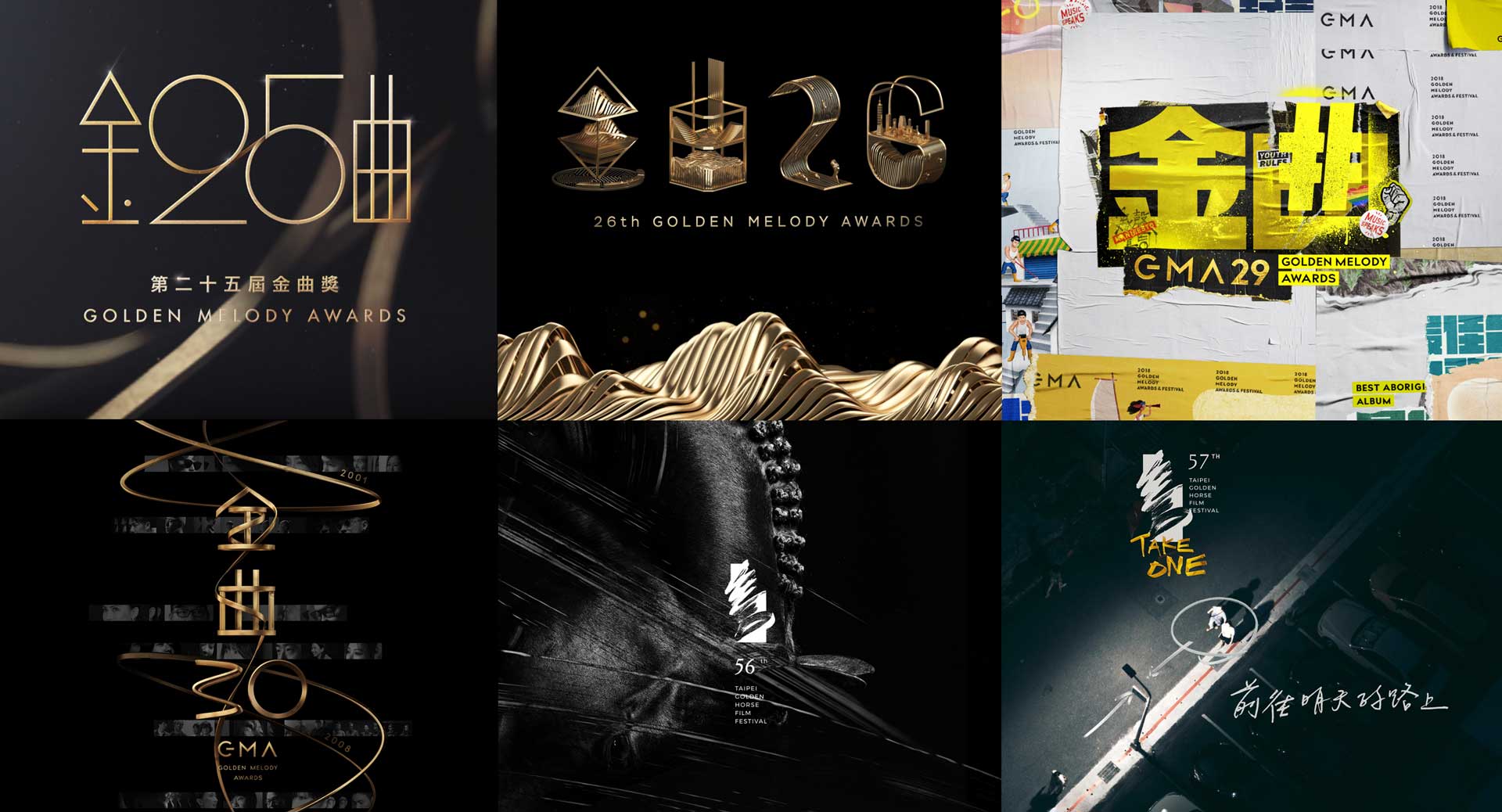
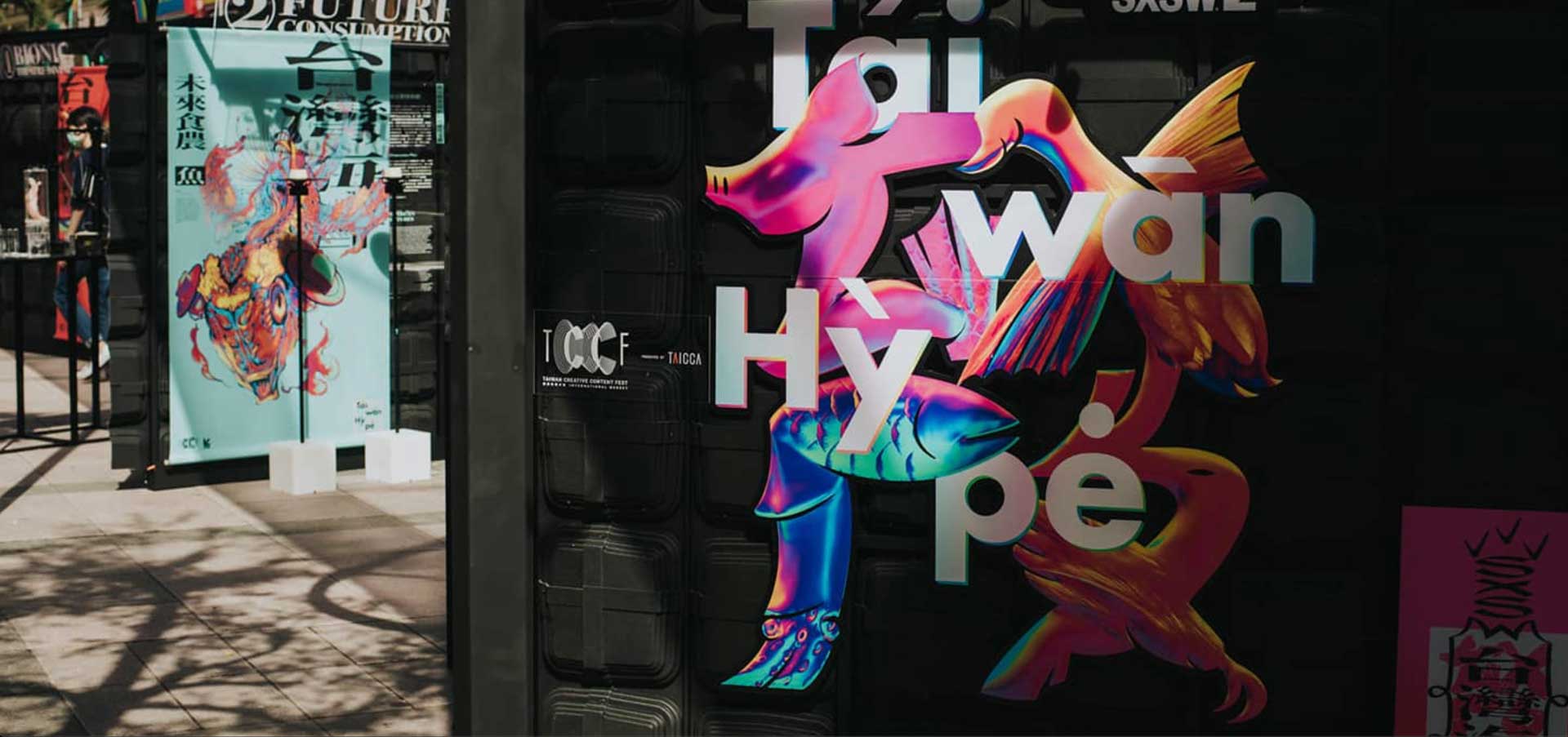
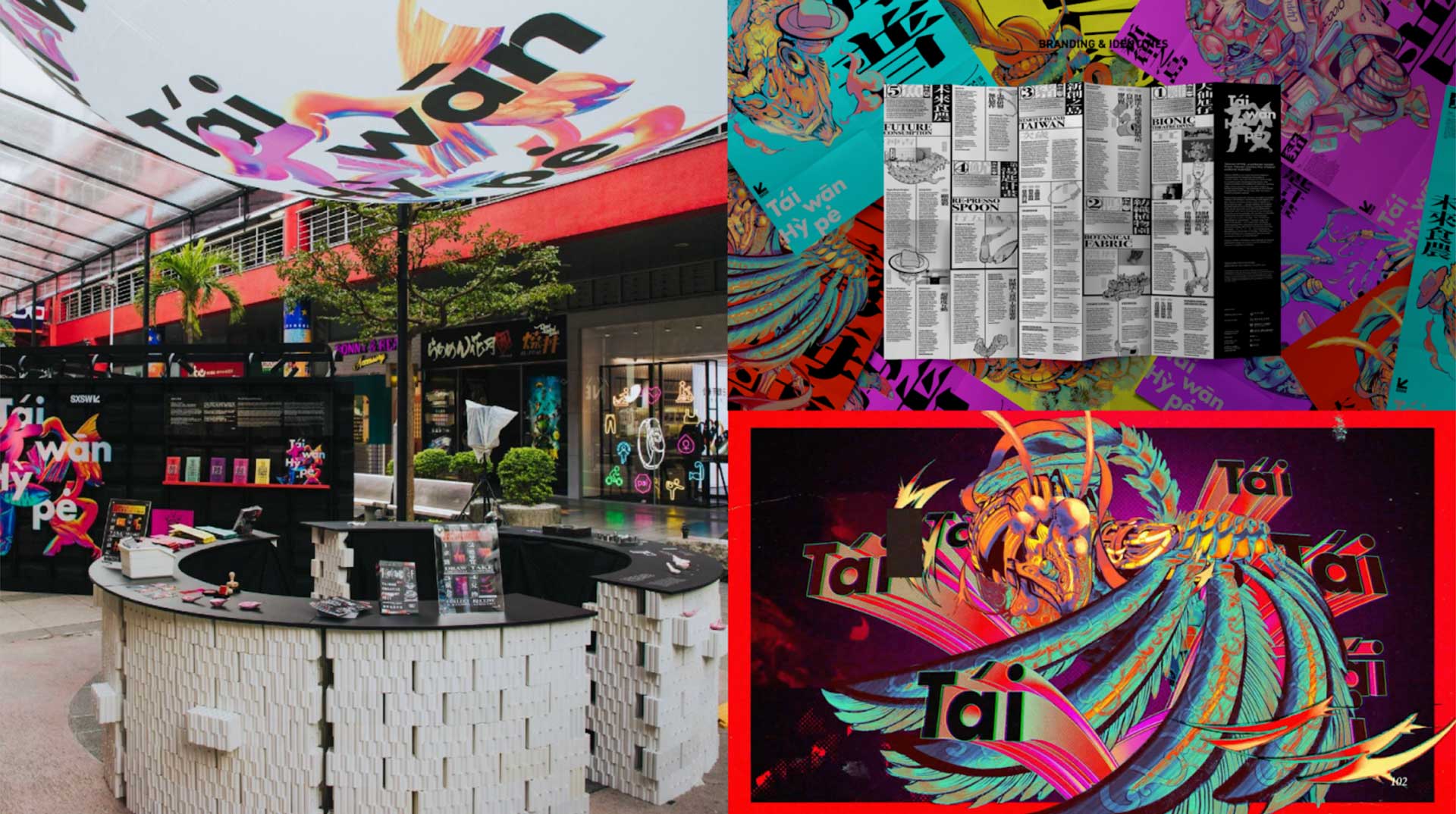
In the second phase, our focus shifted toward building cultural identity in Taiwan. Through public-facing projects such as the Golden Melody Awards, the Golden Horse Awards, and the Taiwan Pavilion at SXSW, we sought to accumulate Taiwan’s own design energy and cultural confidence. We are now in the third phase. JL DESIGN works with companies that are ready to move from Taiwan onto the global stage. These companies should not remain invisible champions hidden behind their products; they deserve to articulate and share their own stories with clarity and confidence. For me, JL DESIGN has never been about asserting a signature style. Design is simply our way of telling stories. Questioning is the core. Only by asking the right questions can we help clients prioritize what truly matters and create outcomes that carry both depth and impact.
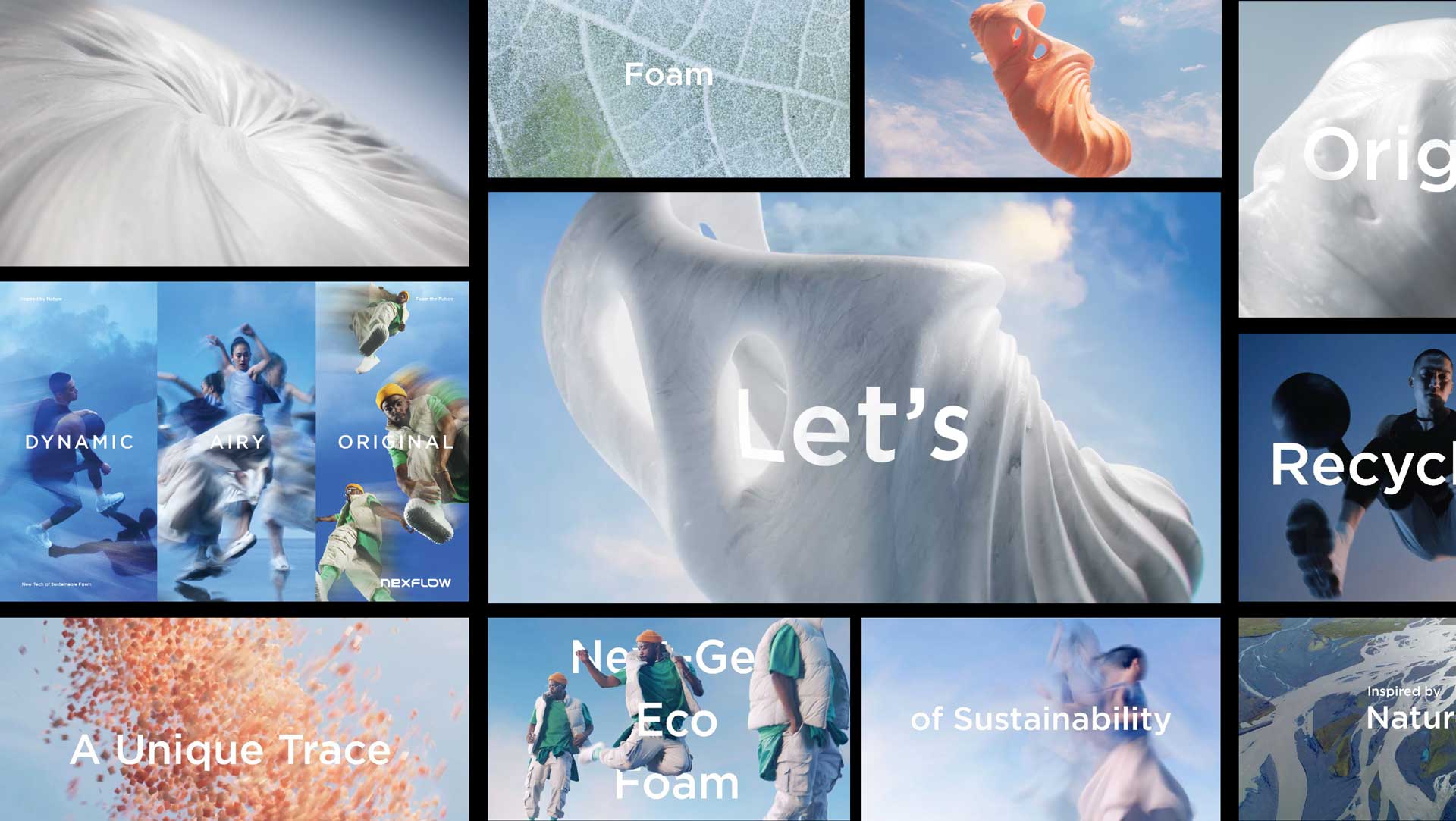
JL DESIGN emphasizes that good design begins by understanding where the real problem lies. What is most important in your process of defining a design problem, and does the studio have its own method of questioning or research to uncover the essence of an issue?
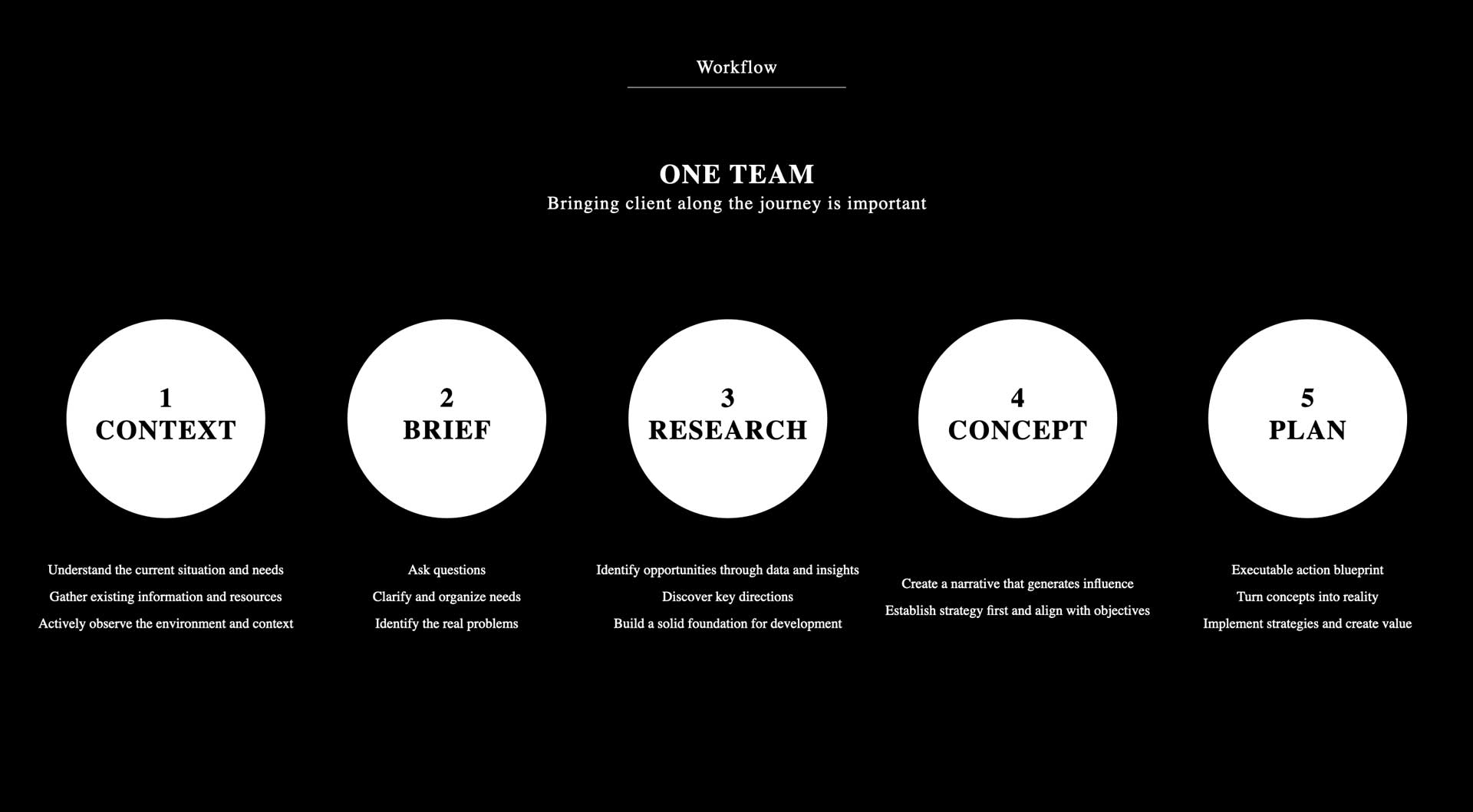
We work within a clear and structured framework that allows the team to develop ideas while staying grounded in shared fundamentals. When defining a problem, the most critical step is listening. Clients often come to us with multiple concerns, but our role is not to rush toward solutions. Through dialogue, we uncover the core issue beneath the surface. When designers place too much confidence in their own understanding of design, they risk obscuring the essence of the problem rather than clarifying it. We guide clients through a complete design thinking journey. It begins with Context, understanding the current situation, then moves into forming a clear Brief by identifying the market and the audience. From there, we enter Research, using knowledge to empower insight and carrying questions forward to uncover meaningful perspectives that support strategy and concept development. Next is Concept. A concept is not driven by personal preference or stylistic taste, but by the intention to create dialogue and impact. It must remain aligned with strategy and goals, and we continuously return to one central question. Does this truly respond to the problem we set out to solve?
I often say that WHY is always more important than HOW. Solving problems is not about applying experience to produce standard answers. It is about walking alongside the client, thinking from the end state backward, and understanding where they truly need to arrive. Only then can we deliver design solutions that are able to take form and function in reality.
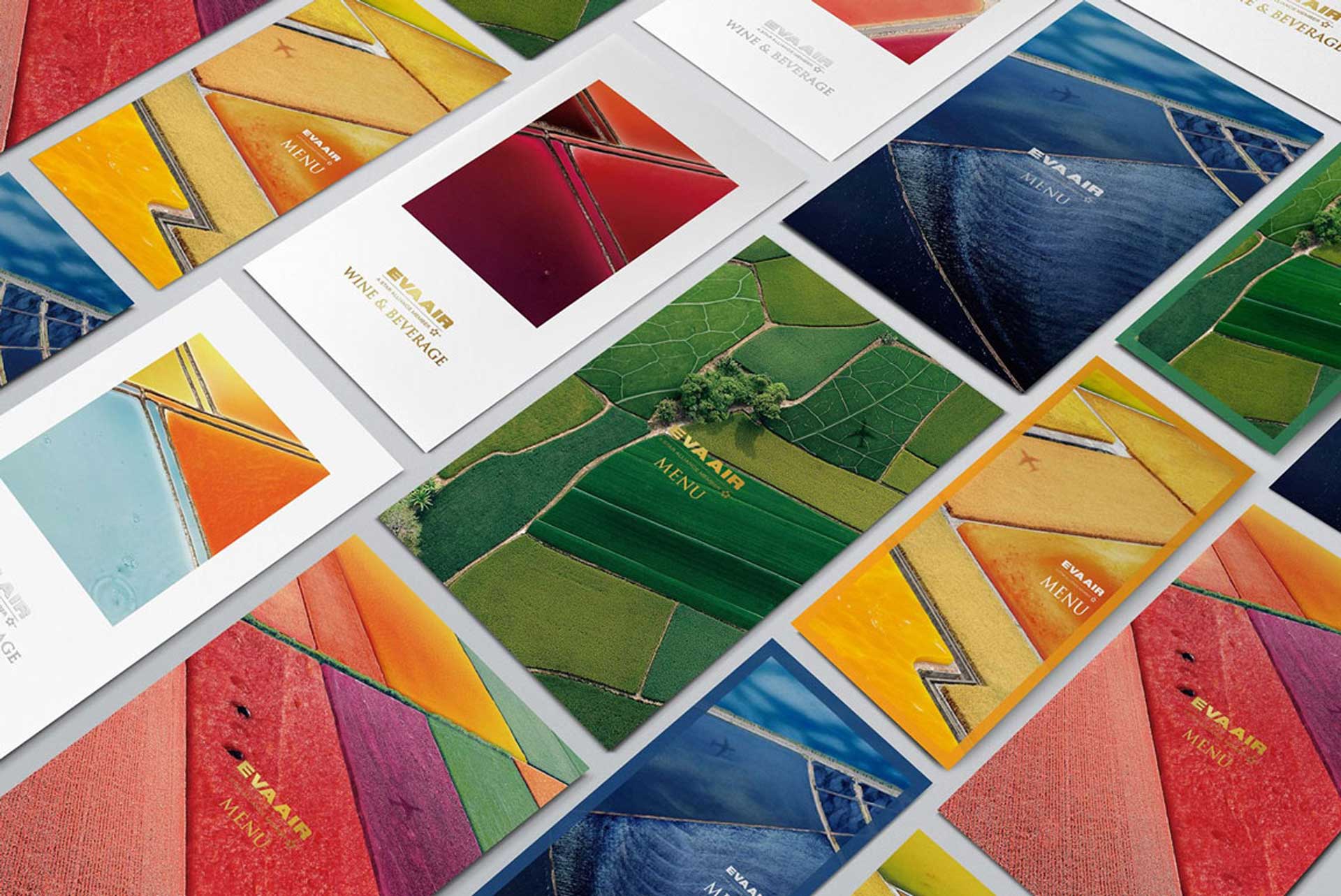
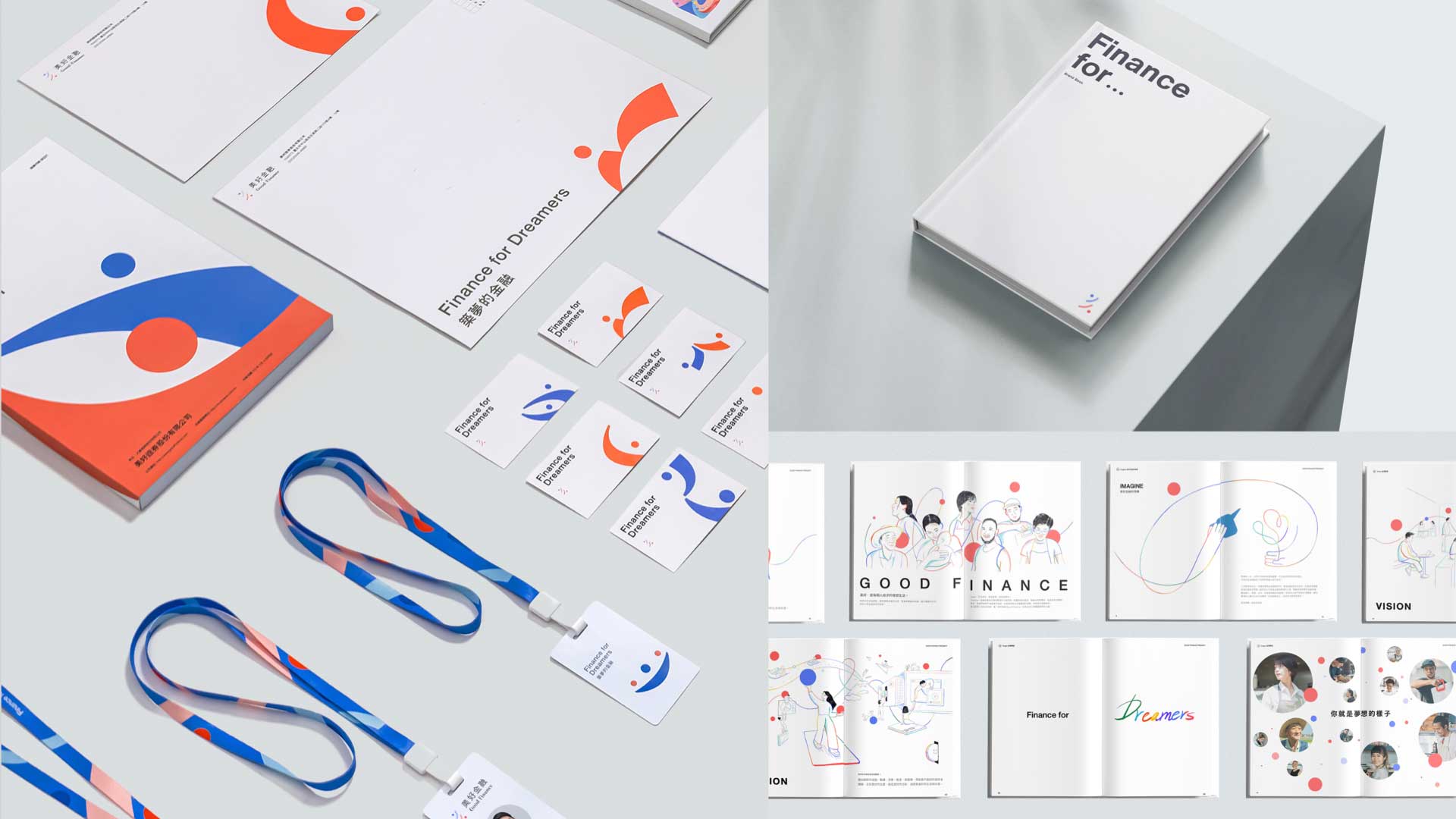
You describe your methodology as 'Insightful Design and Effective Storytelling.' What, in your view, makes a truly good story in design, and how does storytelling shape your approach across branding, motion, commercials, content, and channel design?
A truly good story in design is never just about aesthetics or taste. It grows out of rigorous research and clearly defined objectives. At JL DESIGN, research and ideas are inseparable. We are not interested in creating the coolest design or visuals that are merely pleasing to the eye. If a design does not respond to a real problem, it becomes decoration without meaning. Every strong story begins with a clear understanding of the problem the client is trying to solve. A good concept must have layers and depth, and it should function as a medium for communication. Through strategic filtering, we transform ideas into concepts, ensuring that the narrative always reconnects with its original purpose. When people from different perspectives can understand the value embedded within the story, genuine dialogue and lasting impact become possible.
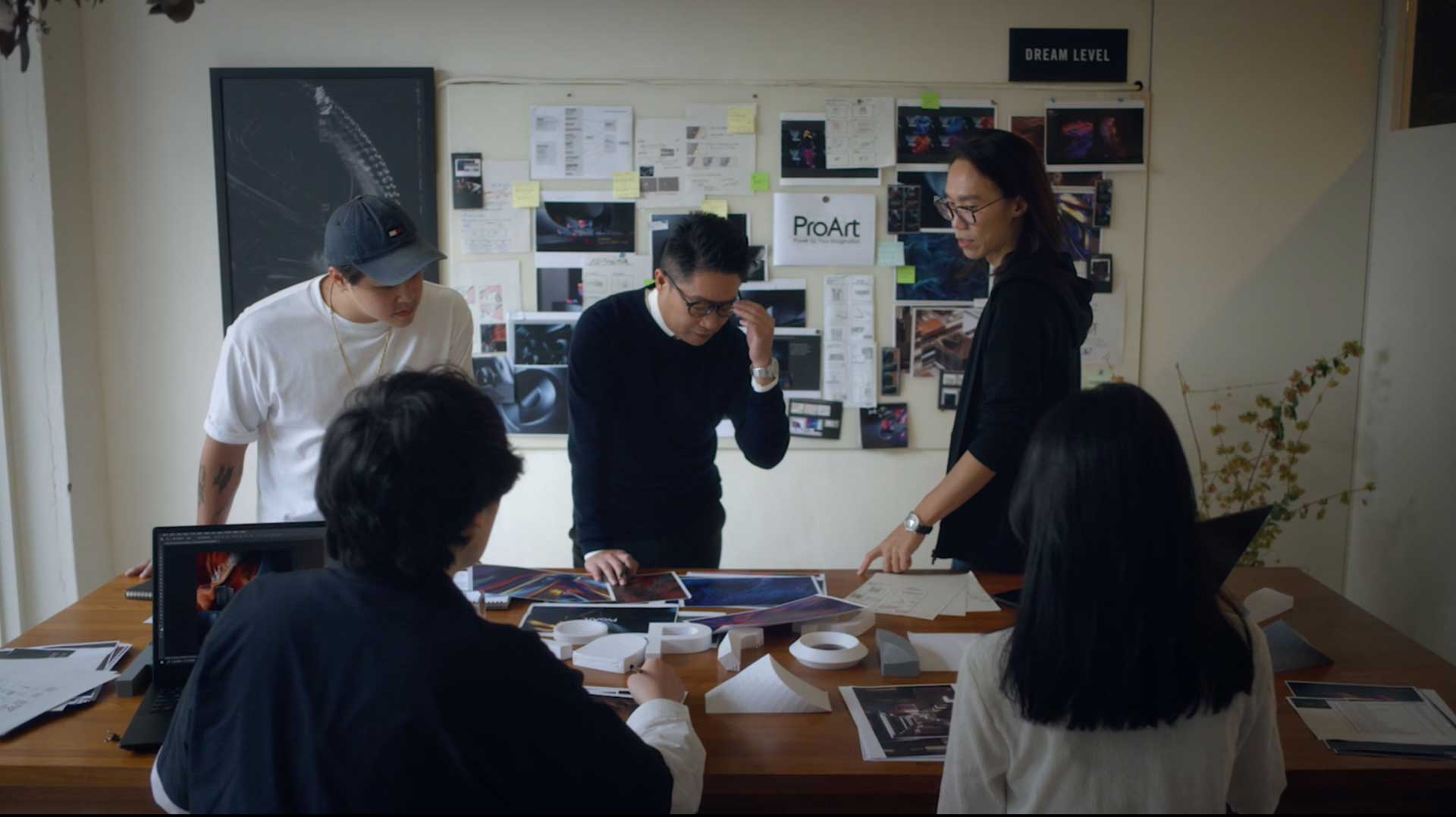
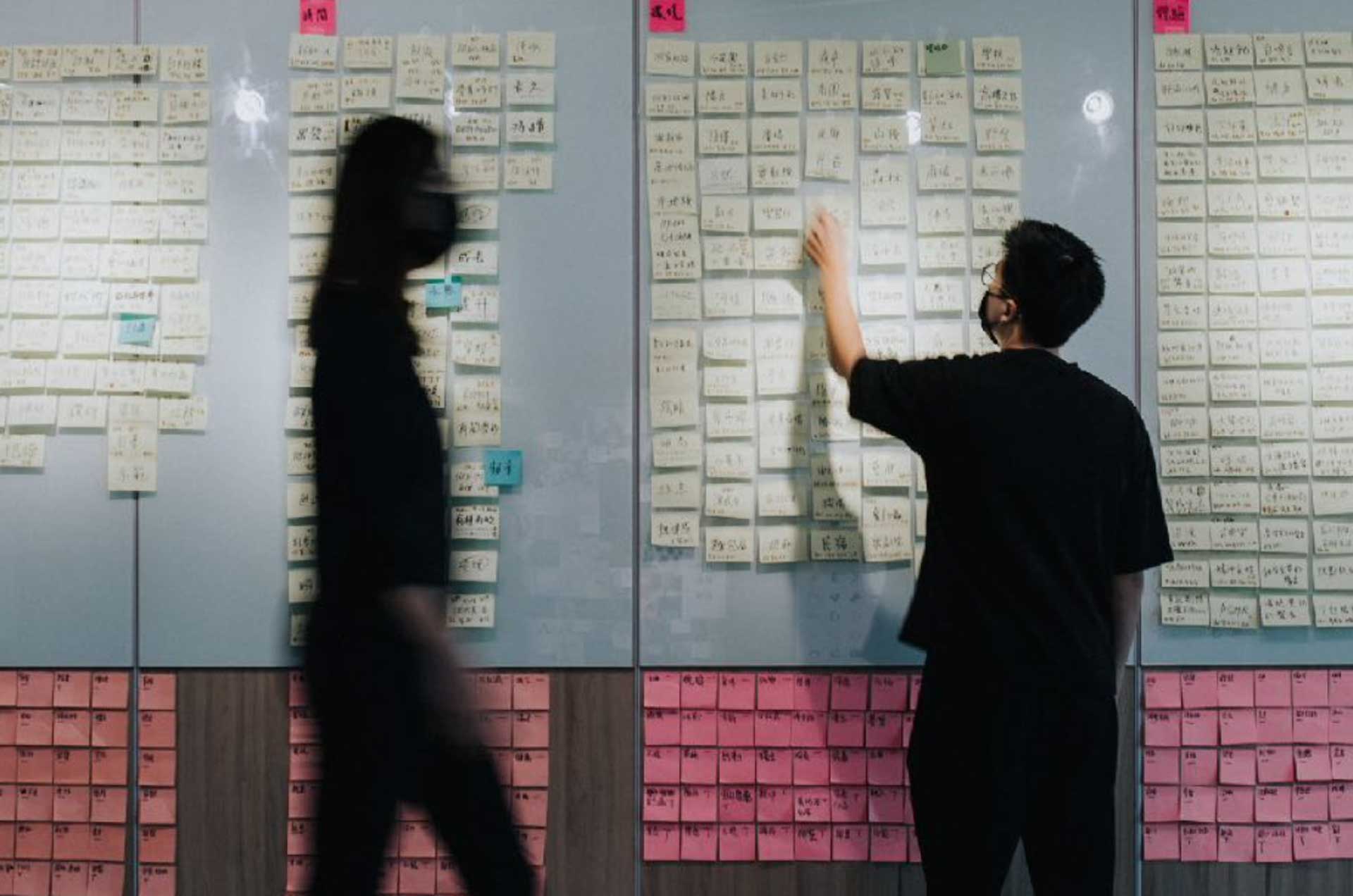
Your philosophy highlights that meaningful solutions come from different minds working together. JL DESIGN brings together people with diverse backgrounds and thinking styles. How does this multidisciplinary collaboration contribute to creativity, innovation, and project outcomes?
There are countless ways to approach a problem, which is why multidisciplinary collaboration is essential to our work. We believe that design solutions are discovered collectively. Each team member’s background and perspective expands the range of possible execution. Processes are merely frameworks. What truly matters is listening, because only then can we see clearly. We begin by defining the intended outcome and building shared understanding. By aligning language and standards, we ensure that collaborators from different disciplines, whether 3D, illustration, or graphic design, are able to view the same landscape within a unified framework.
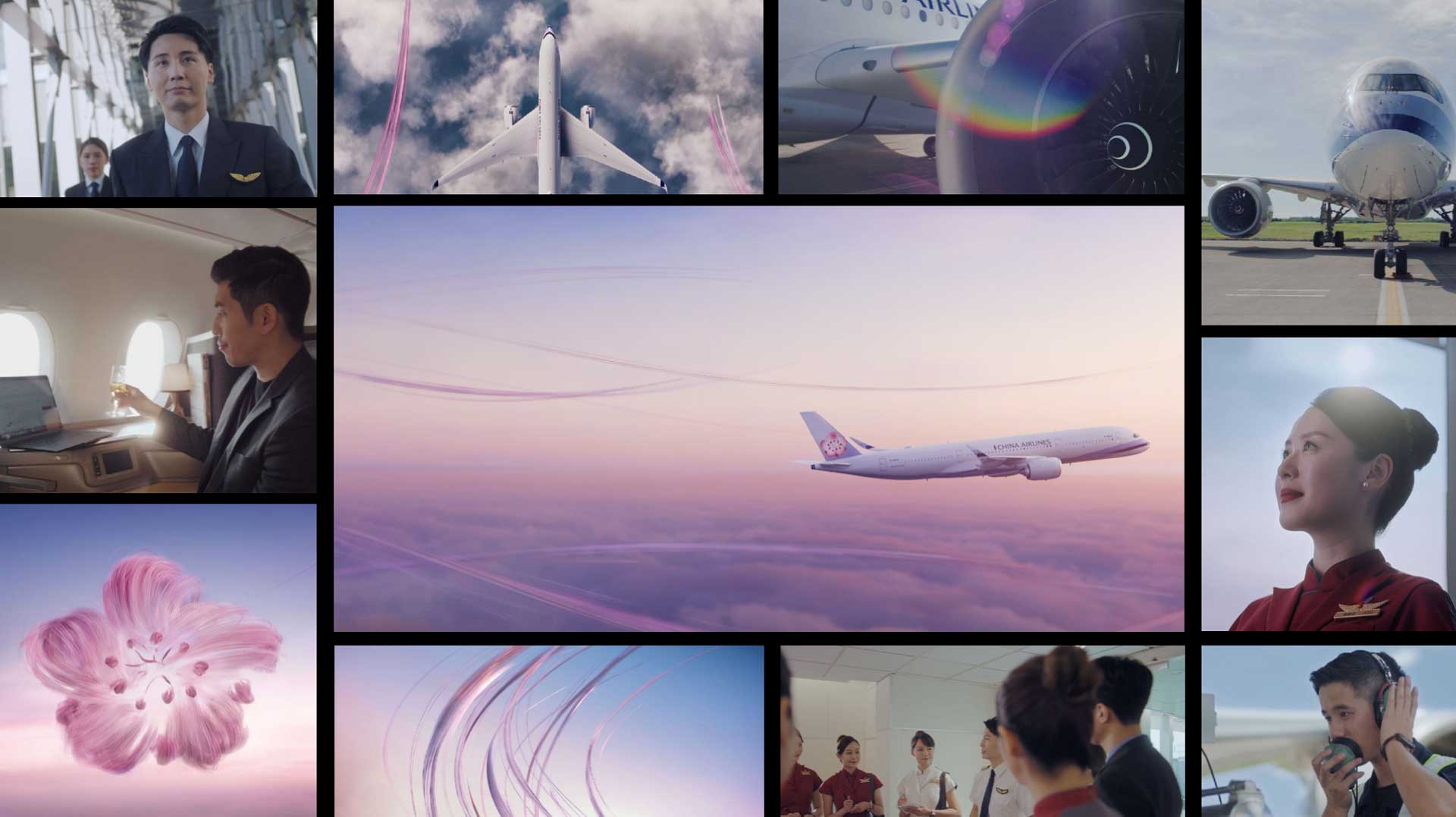
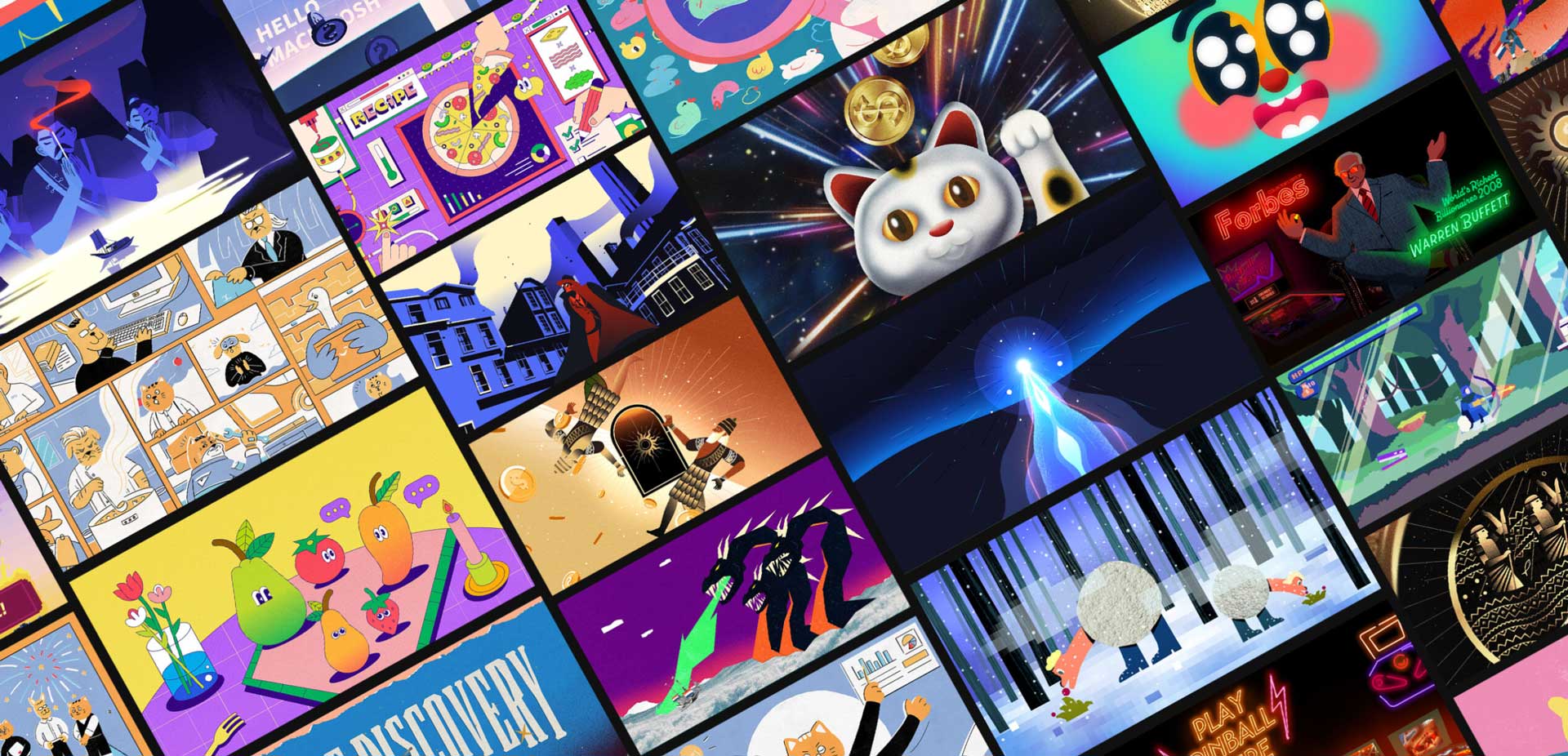
JL DESIGN provides a wide range of services from brand strategy and storytelling to motion design commercial production and channel branding. What internal principles or processes help maintain consistency and quality across such diverse fields?
JL DESIGN’s mission and vision are, in themselves, a reflection of our methodology. Our vision is to face the world, return to fundamentals, and use design to create dialogue and impact. Every concept and design decision must return to the most basic questions. What problem are we solving. Who are we speaking to. Only with clarity on these points can meaningful impact be created. JL DESIGN’s mission is to listen deeply, understand needs, ask the right core questions, and apply interdisciplinary thinking to create meaningful value for our clients. Everything begins with listening, truly understanding what the client is asking for, and then uncovering the deeper questions behind those needs. Maintaining quality across diverse disciplines is not about style, but about rigor in problem definition. In every project, we start from zero, searching for the right direction rather than falling into stylistic habits.
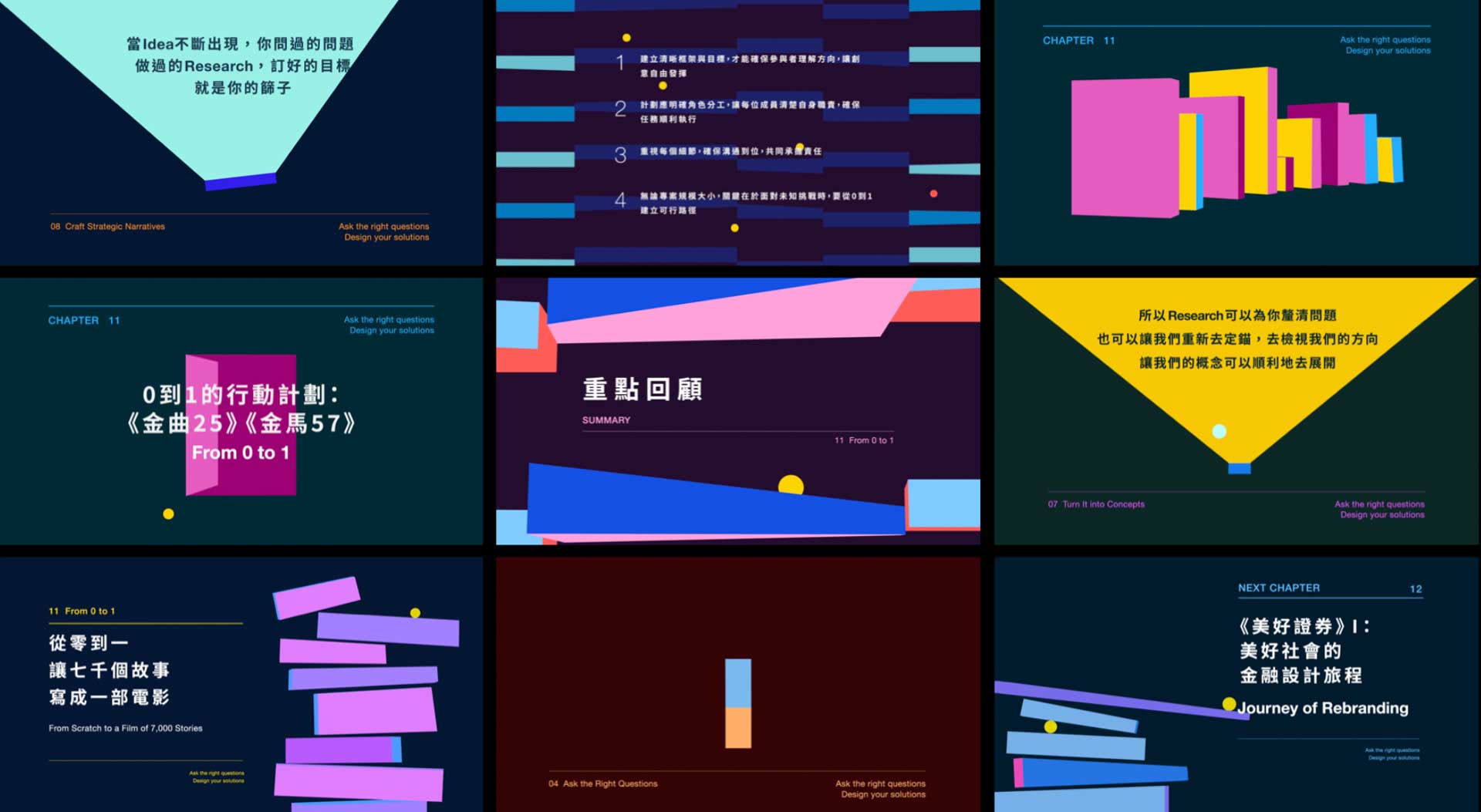
'Back to basic: ask the right question, tell a good story.' At what point in a project do you feel you have found the right question, and how do you recognize when a narrative begins to take shape? Are there recurring insights or patterns your team has discovered over the years?
When research is translated into a precise and information rich brief, and when both the team and the client reach alignment around the true questions behind the goal, I know we have found the right question. Over the years, the most consistent insight we have encountered is the importance of listening. Design should never be driven by arrogance. Clients express their needs in their own language, but behind those expressions there are often deeper issues related to management, operations, communication, products, or the brand itself. Our task is to patiently unravel these layers and clearly define the problem. Once the problem is well defined, narrative possibilities begin to emerge. We can then design layers of communication that speak directly to the intended audience. Design is a dynamic process of continuous questioning and reflection. When the question is right, the solution can be articulated with precision.
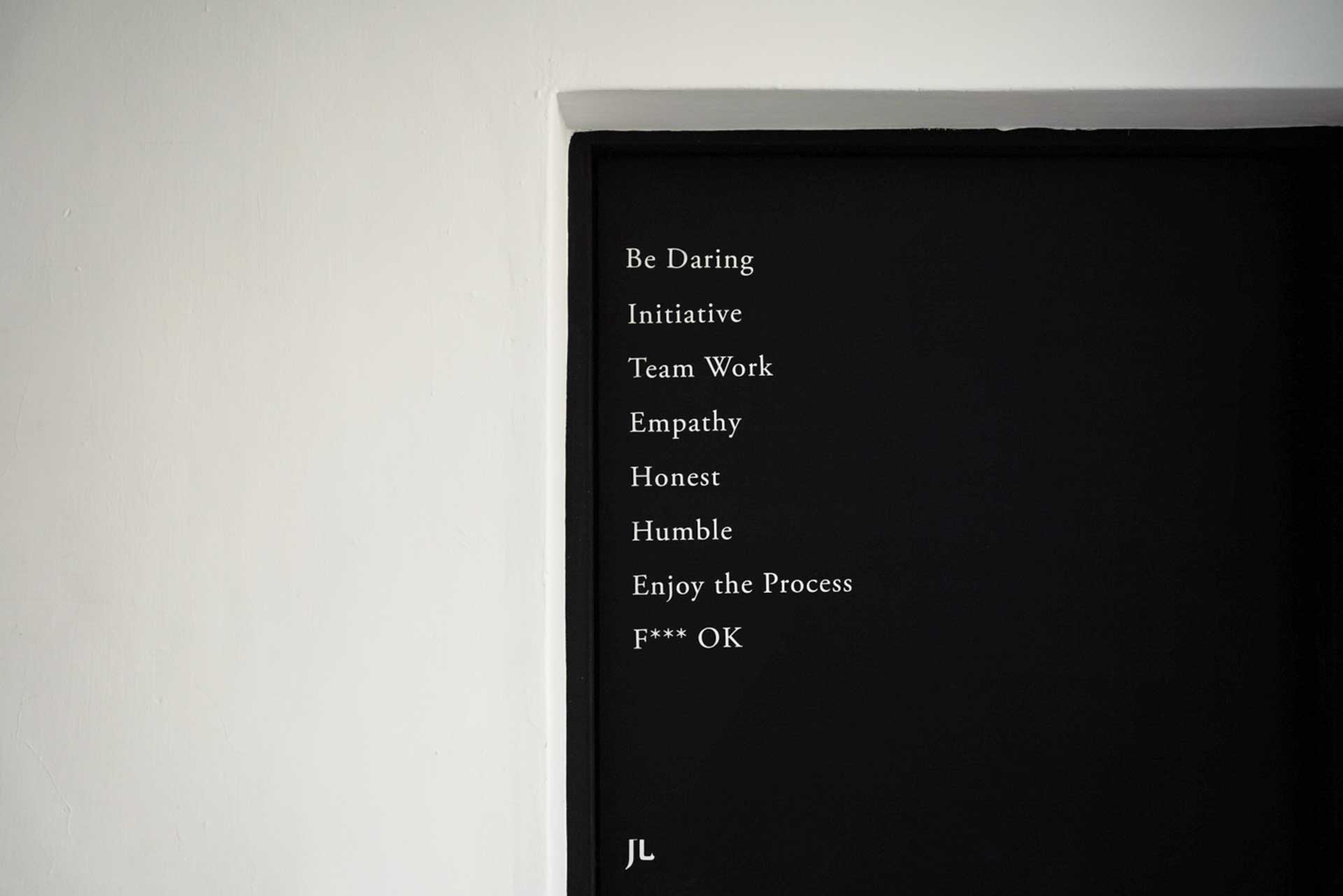
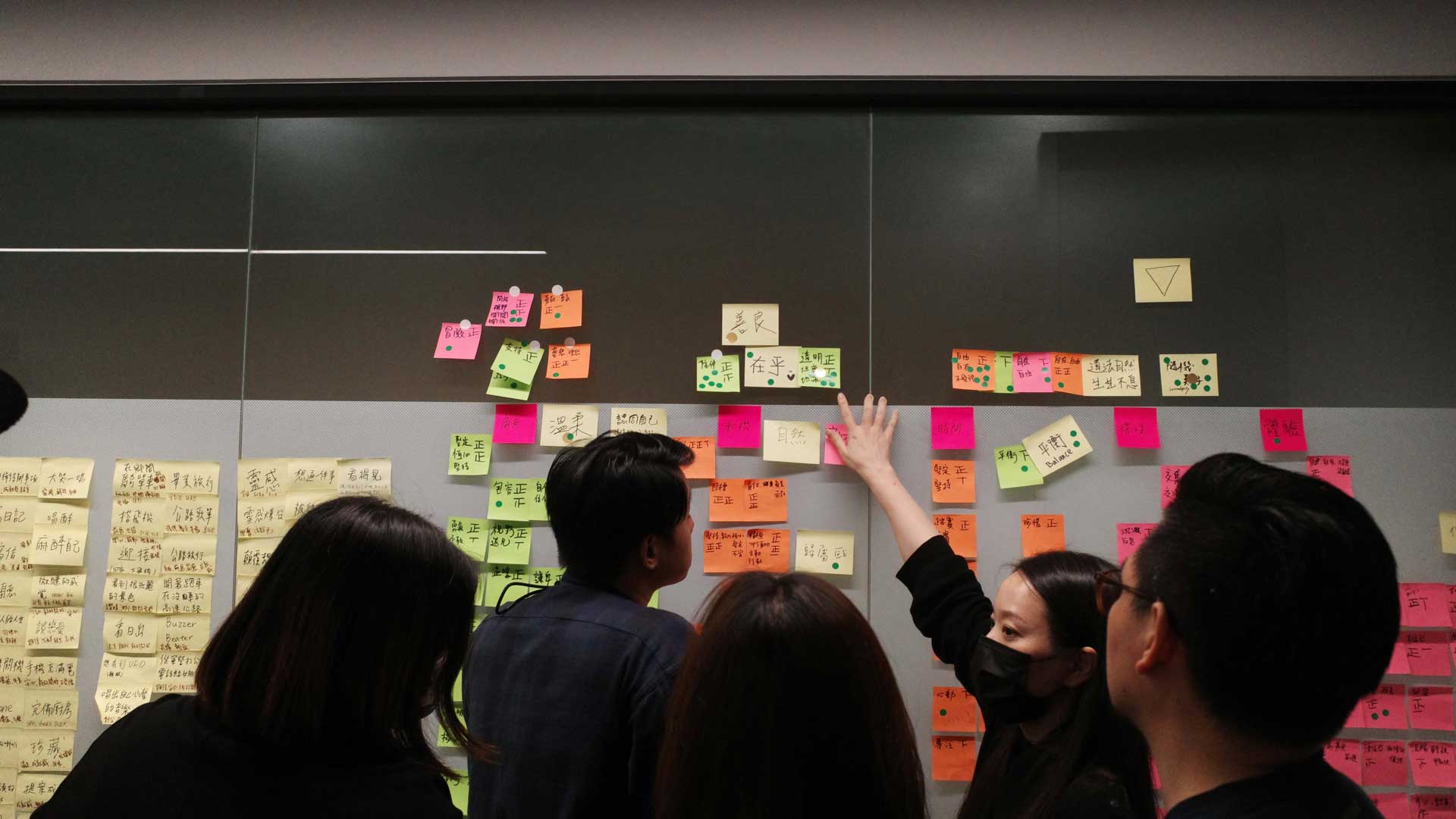
Your culture statement says, 'Every person is a new idea,' emphasizing individuality, curiosity, and contribution. Could you describe JL DESIGN’s internal culture, how you support personal growth, and how different perspectives influence the studio’s creative direction?
At JL DESIGN, we do not aim for work that merely passes. Even when a project meets an acceptable standard or satisfies the client, we continue to challenge the team to push further and move one step beyond who we were yesterday. Our culture is built on the belief that every person is a new idea, and we actively encourage professional debate. We discuss professional gaps, not individuals. This allows everyone to grow within an open environment grounded in shared understanding, becoming builders of the vision rather than passive executors.
More than technical skill, I value a passion for independent thinking and the ability to develop solutions. We also hold regular weekly meetings where we discuss current events and everyday life. These shared experiences help nourish creativity and allow knowledge to be passed on naturally and effectively.
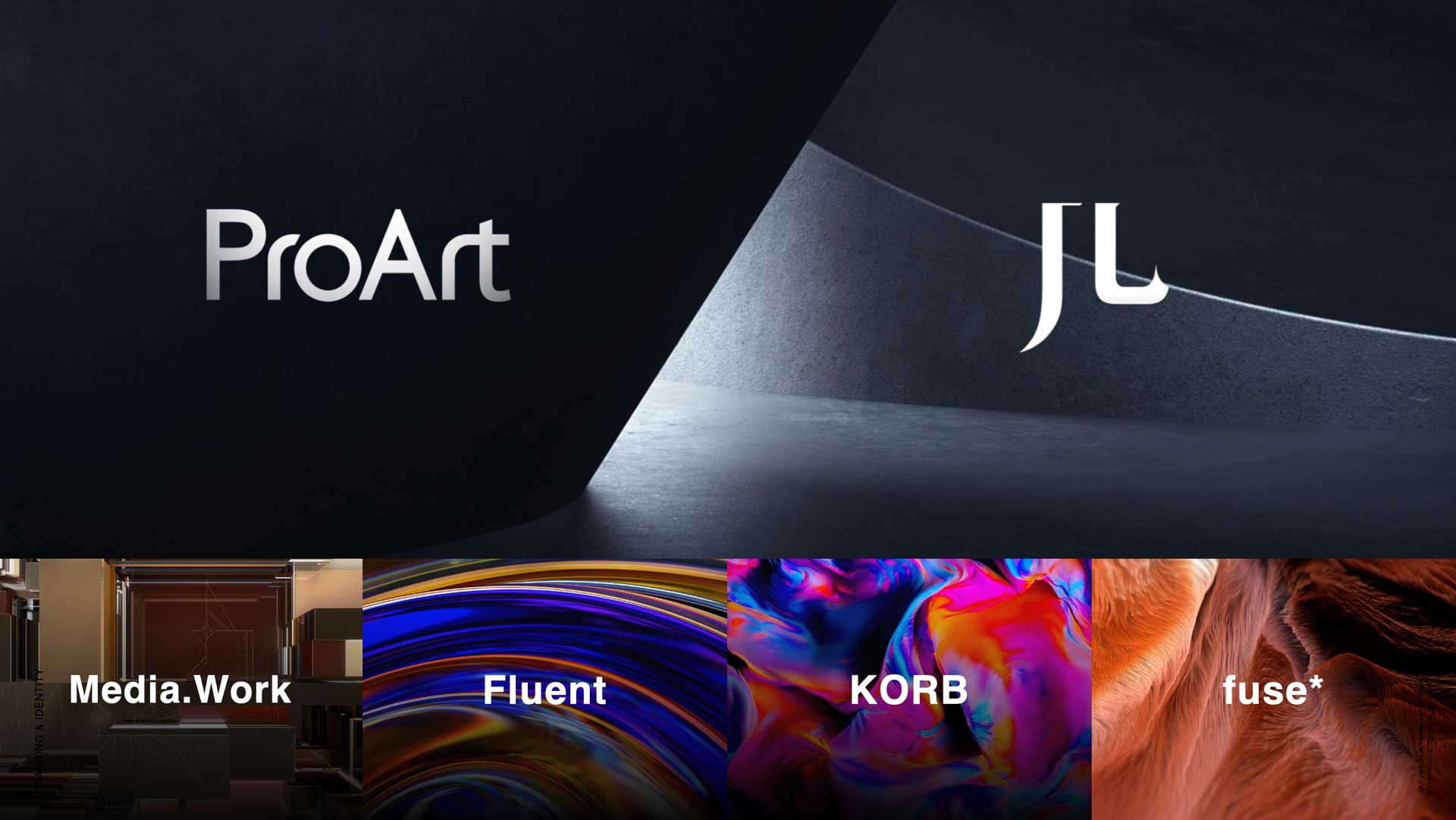
JL DESIGN has collaborated with global brands, broadcasters, and cultural institutions. What have you learned from working internationally, and how do you approach cultural interpretation and visual translation when designing for audiences beyond Taiwan?
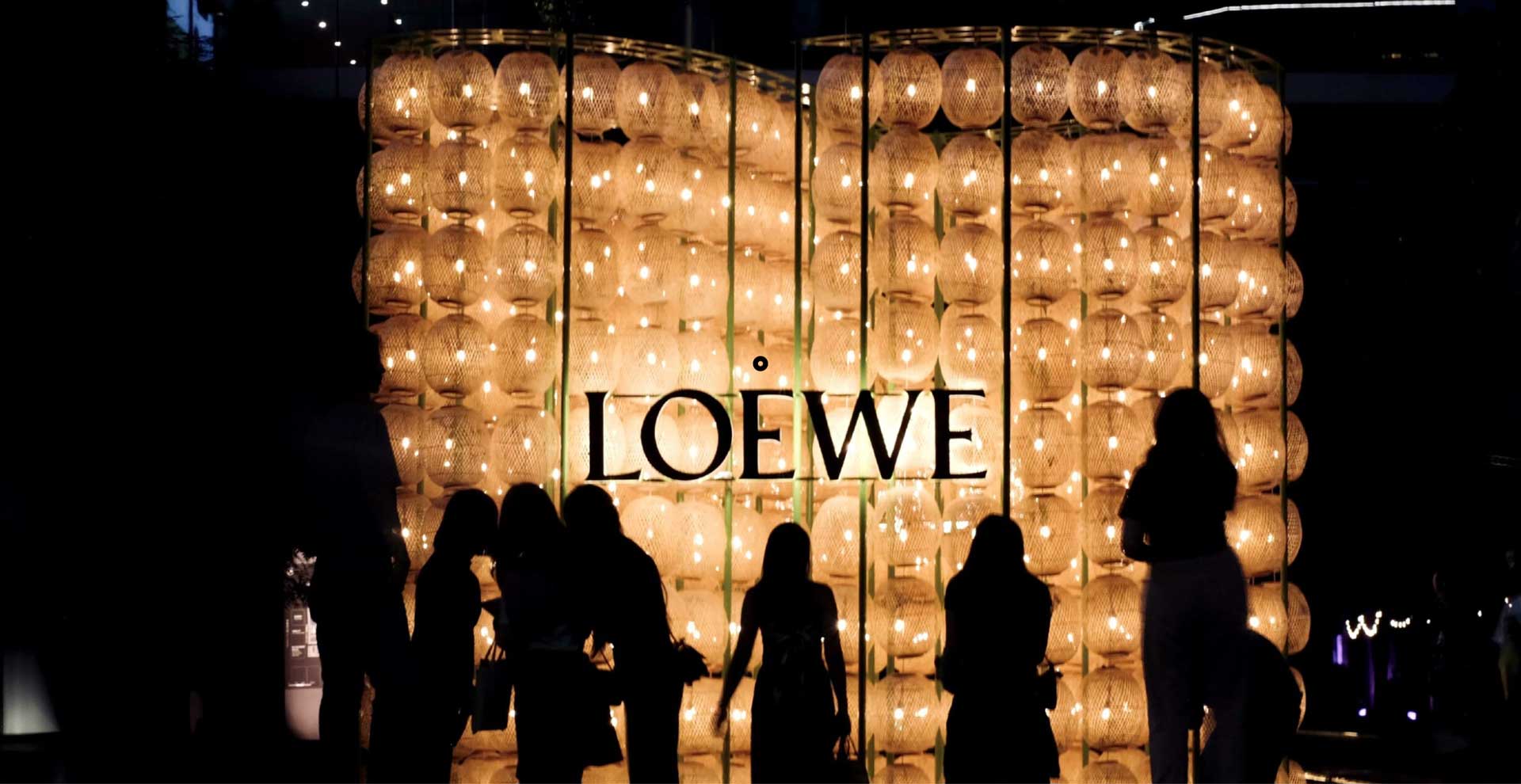
Through collaborations with international brands such as HBO Asia, we learned the importance of process efficiency and of working with small, highly focused teams. When designing for audiences beyond Taiwan, our core principle is to avoid judging through our own cultural lens. Instead, we immerse ourselves fully in the world of the audience we are designing for. In a project for LOEWE, for example, we did not approach the work as a surface level visual collage. We studied and connected the free spirited soul of Ibiza in Spain with what I describe as the ordered disorder of Taiwanese night markets. This approach was not about visual resemblance, but about discovering a shared cultural logic beneath the surface.
For me, understanding the client’s problem is always more important than asserting who we are. JL DESIGN’s own style is never the priority. We exist to amplify our clients’ impact. When cultural interpretation lacks sufficient depth, the answer is to return to co creation with the client and to objectively re anchor the work in the reality of the audience and the market in order to find the right direction.
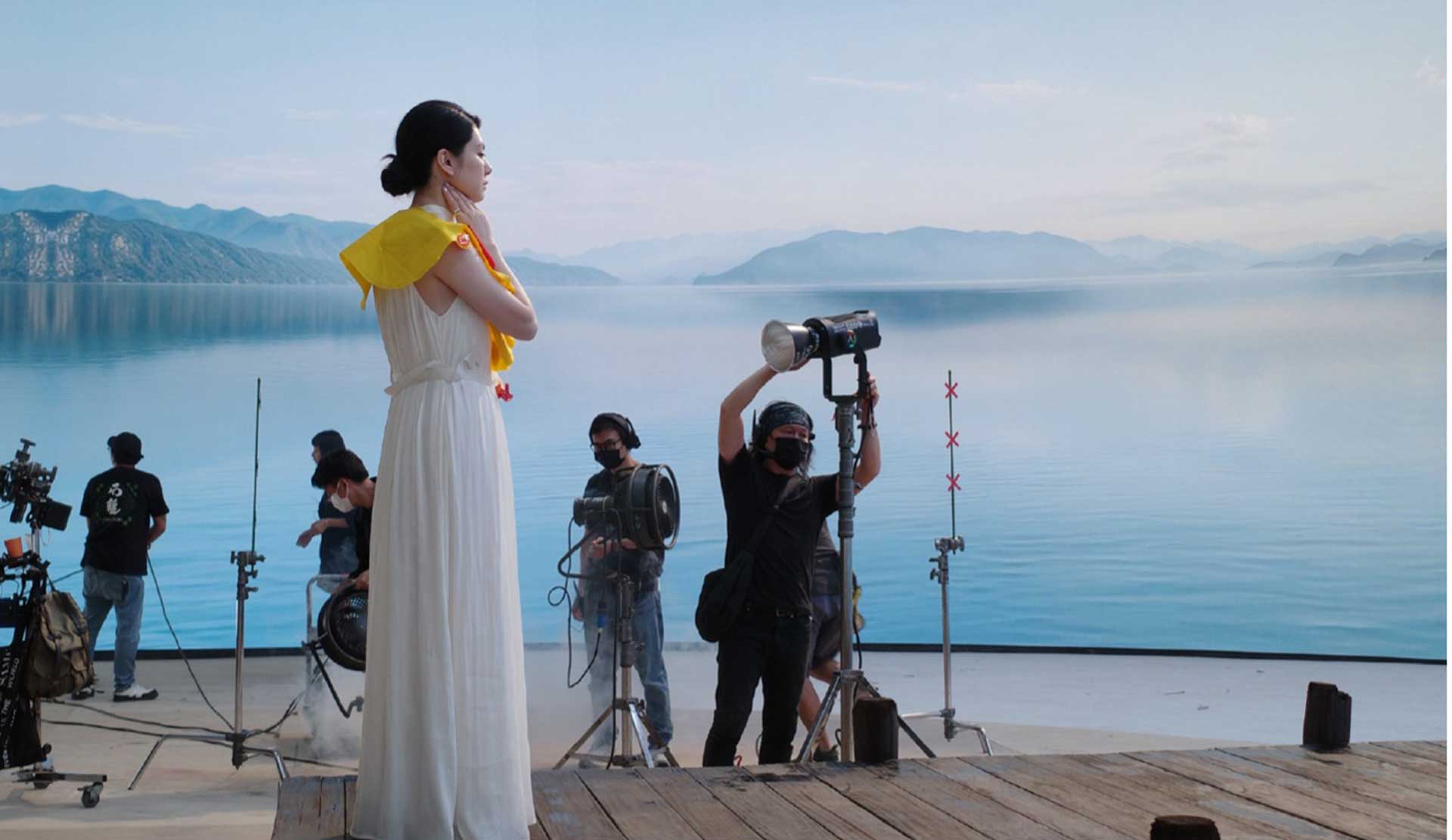
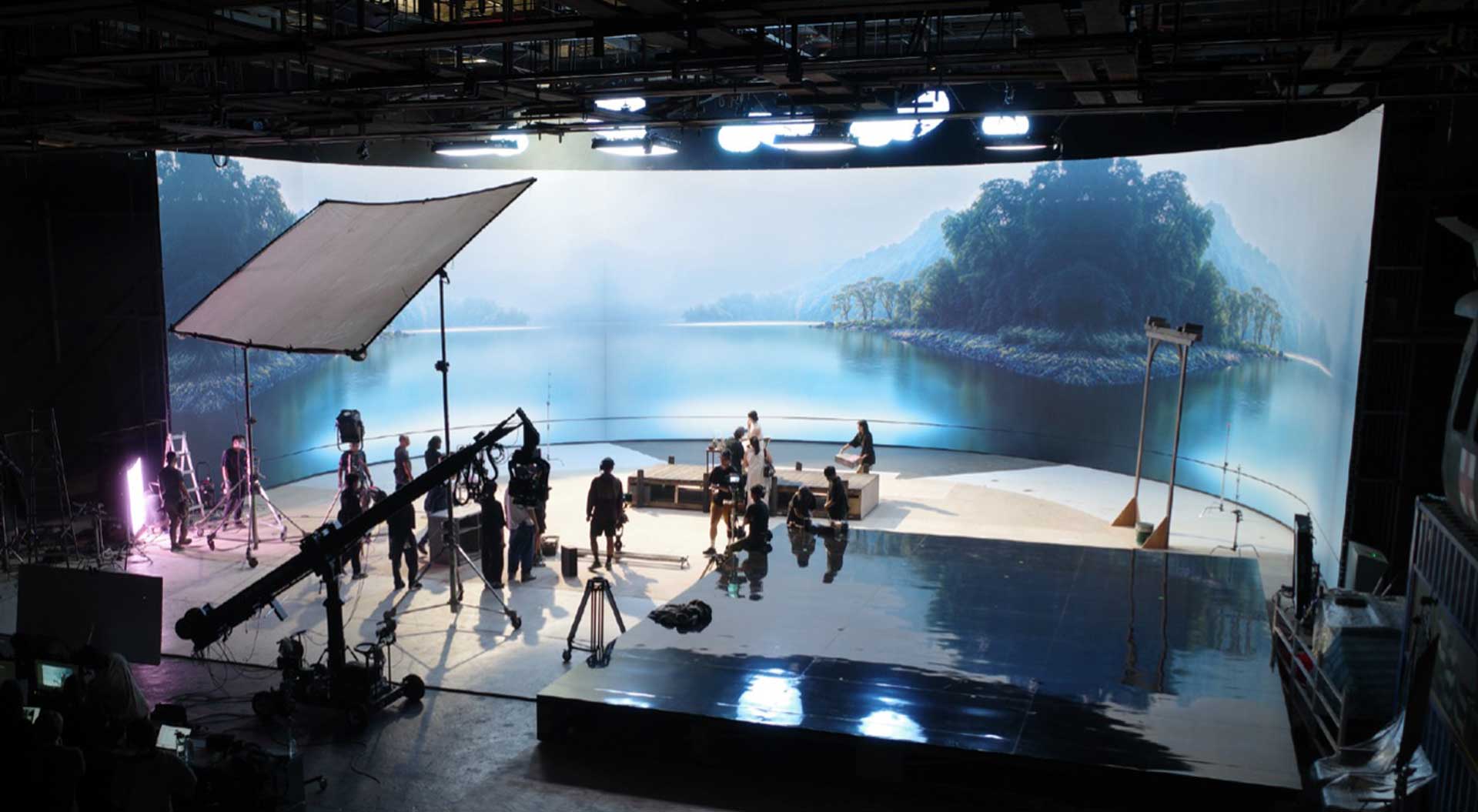
JL DESIGN’s work is known for balancing functionality with aesthetic, cultural, and emotional dimensions. How do you define and maintain this balance? Are there specific principles or criteria that guide your design decisions to ensure meaning and depth?
Balancing function and aesthetics does not require complex theories. It depends on how much effort one is willing to invest in creating real impact. Asking questions may sound simple, but not everyone is prepared to spend two or three times more effort uncovering the truth beneath surface level needs. I have no interest in visuals that are merely attractive but hollow. Successful design must be measurable, whether through viewership, reputation, or brand value. Depth comes from solid research, much like a building requires a deep foundation. By benchmarking against the best global cases and developing a deep understanding of the present context, concepts gain the structural support they need. When problems are defined through empathy and attentive listening, aesthetics and function naturally find their balance through the process of solving them.
Lastly, JL DESIGN’s philosophy strongly resonates with young designers thinking critically asking better questions observing deeply and collaborating meaningfully. What advice would you offer to emerging designers in Asia who hope to work globally and shape the future of creative storytelling?
Always look up at the stars, but keep your feet firmly on the ground. Do not limit your imagination simply because you are early in your career or feel technically unprepared. Today, AI can compensate for many technical gaps. What truly matters is how deep your questions go and how high you set your standards. Expose yourself to worlds beyond your immediate environment. Observe what the best practitioners around the world are doing and use that perspective as a mirror to reflect on your own work. Do not take shortcuts in thinking by chasing only the so called right answers. Only when you are willing to open a genuine question mark do you earn the chance to discover your own exclamation point.













#14057, 905 49, Beolmal-ro 102beon-gil,
Dongan-gu, Anyang-si, Gyeonggi-do, Korea
Business Registration Number: 454-86-01044
Online Sales License No.: 2021-Anyang Dongan-1081
Copyright © DESIGNSORI Co., Ltd.