
Beyond the Beauty
For a long time, the absolute constitution of design was defined by “perfect proportion” and “flawless finish.” Sculptures carved to the golden ratio, or Apple’s minimalism that allows no more than a 0.1 mm margin of error, were considered the embodiment of good design. Today, however, Gen Z and global trendsetters no longer respond to immaculate beauty. Instead, they open their wallets for things that are rough, strange, and sometimes even uncomfortable to look at. This is the rise of “Ugly Chic.” What is interesting is that this trend does not remain in the realm of simple rebellion or short lived attention seeking. The ugliest shoes often turn out to be the most ergonomic, and the most ragged looking clothes often communicate more closely with their users. Within the shell of “ugliness,” global brands have hidden innovative functionality and philosophical value. By examining these cases, we can explore how to design value that goes beyond a beautiful exterior.
Maison Margiela
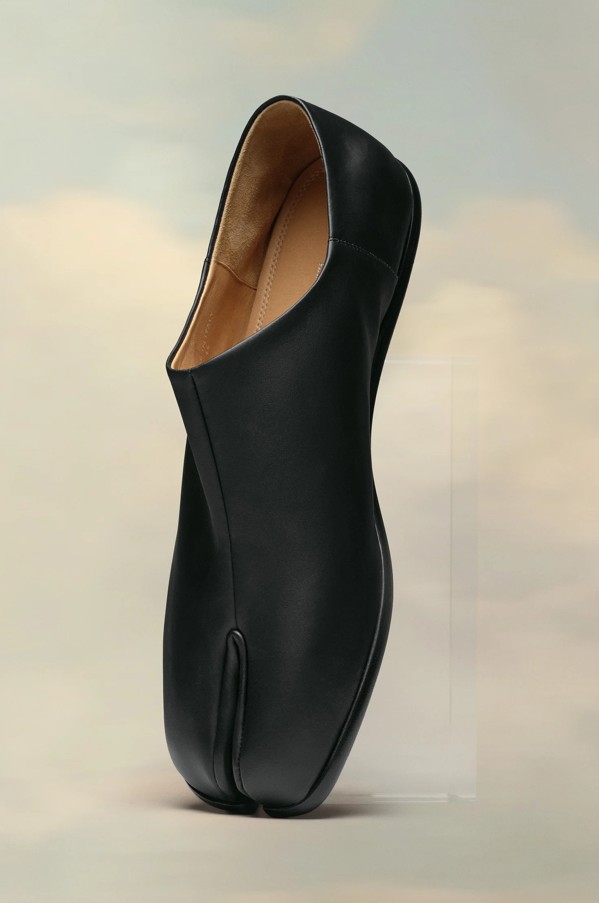
< Maison Margiela – TABI BABOUCHE LOAFER in Black SS24 >
Resembling an animal’s hoof or traditional Japanese split-toe socks, this shoe is Maison Margiela’s iconic Tabi boot. When it first appeared on the runway in 1989, it sent shockwaves through the Western fashion world. Cutting the toe of an elegant dress shoe in half and creating a gap between the toes was, by the aesthetic standards of the time, nothing short of radical. Yet thirty years later, the Tabi has become both a cult item and a classic among fashion insiders worldwide. The value revealed here lies in disruption through the dismantling of convention. Margiela deliberately twisted the “archetype of the shoe” as defined by Western fashion history. While visually unfamiliar, the separated big toe actually offers ergonomic support closer to that of being barefoot. The Tabi is a powerful visual declaration that one does not have to follow beauty defined by others, and it represents the pinnacle of identity driven design, capable of proving a brand’s essence with a single footprint.
Y/PROJECT
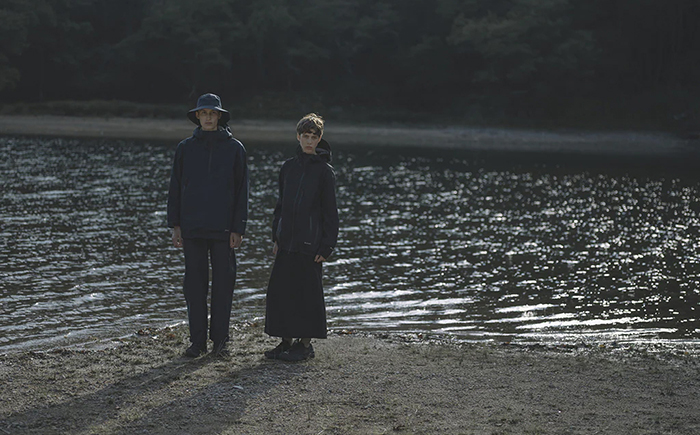
If one were to name the most controversial and avant-garde brand of the moment, Y/PROJECT would be a compelling example. Their garments appear twisted, misworn, or on the verge of slipping off the body. At first glance, they seem so perplexing that one might ask, “How are you even supposed to wear this?” It is, in many ways, the very embodiment of “ugly” design.
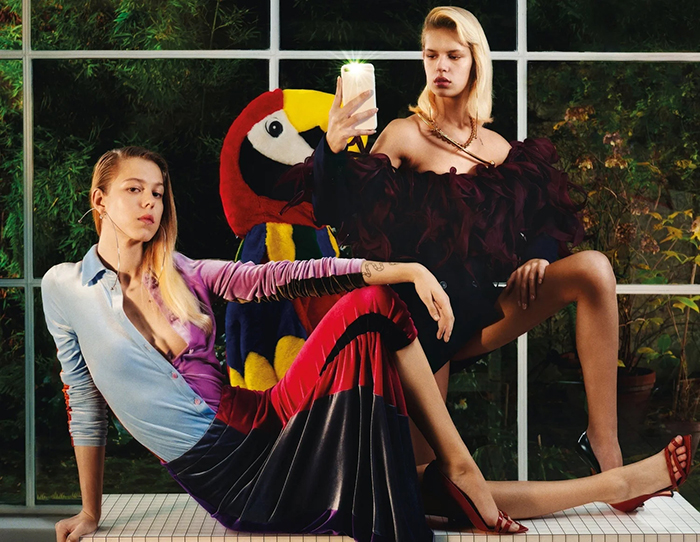
< Y/PROJECT SPRING SUMMER 2019 >
Yet when you look at one of their signature items, the Wire Jeans, a striking value emerges. By embedding flexible wires into the fabric, the garment allows the wearer to bend and shape the wrinkles and silhouette at will. The core values revealed here are versatility and user intervention. Rather than accepting a fixed form dictated by the designer, the wearer is encouraged to crumple, twist, and reshape the garment according to their mood or context, creating a personal silhouette. It may appear like a wrinkled, worn out pair of jeans at first glance, but in reality, this is one of the most progressive forms of interaction design. The user is elevated from a passive wearer to an active creator.
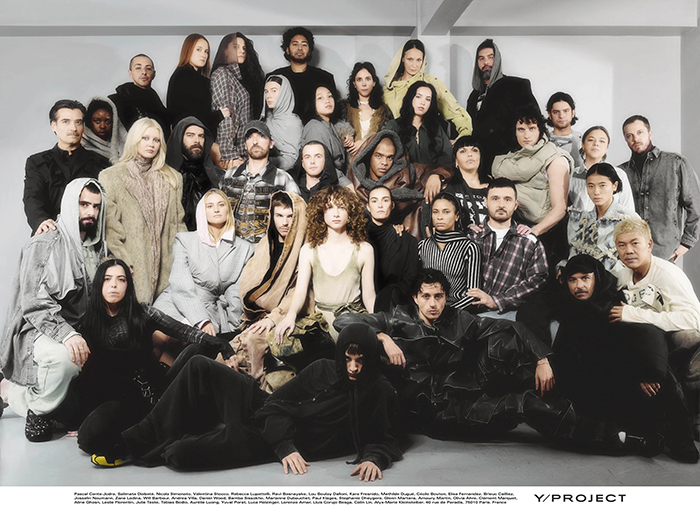
< Y/PROJECT >
NIKE ISPA
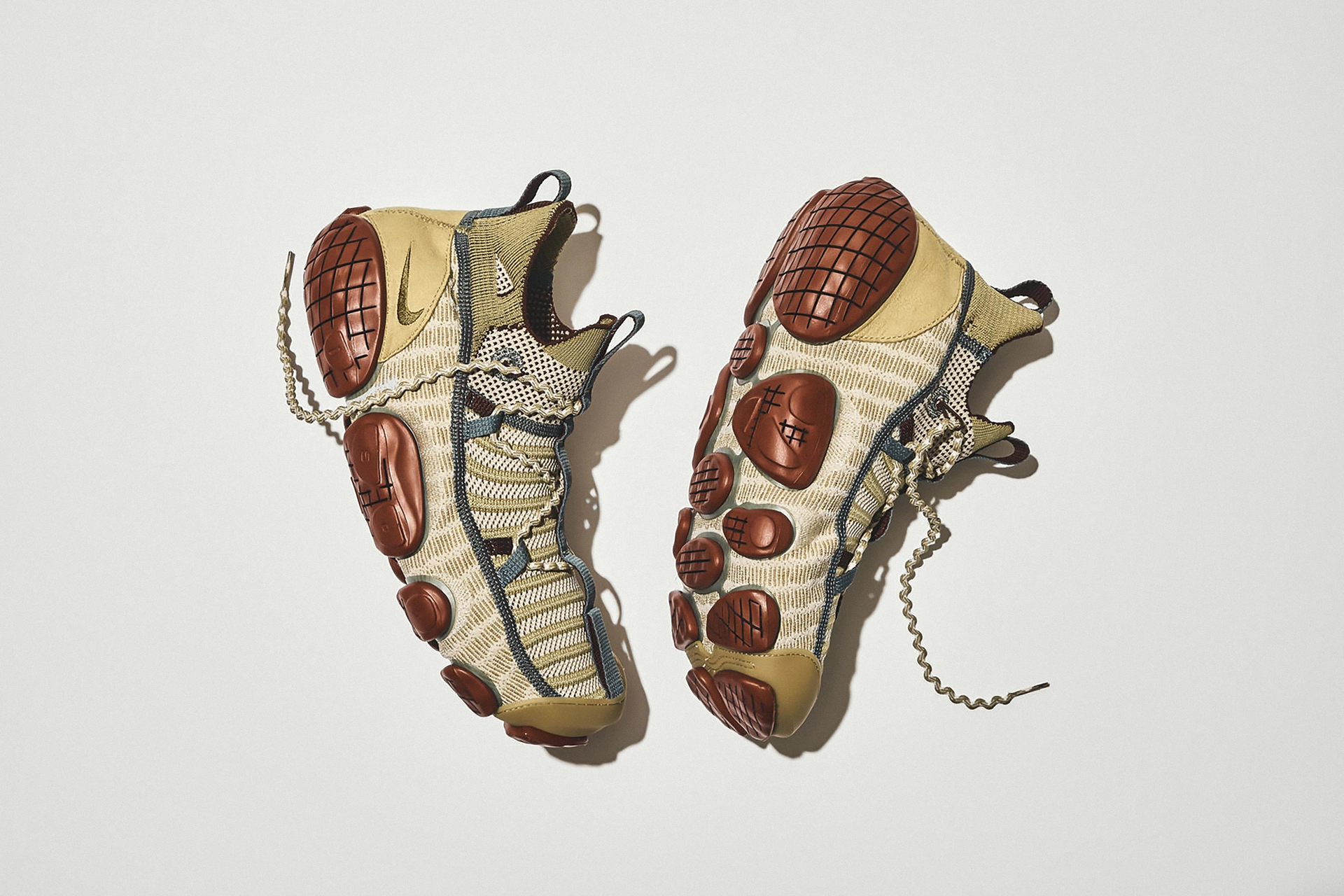
Looking at shoes from Nike’s experimental ISPA line, particularly models such as the Link or Mindbody, one might feel as though they are staring at an alien life form or an overinflated tire. The sticky looking textures, uneven soles, and exaggerated volumes stand far apart from the traditional aesthetics of athletic footwear. Some have even described them as looking less like shoes and more like monsters.
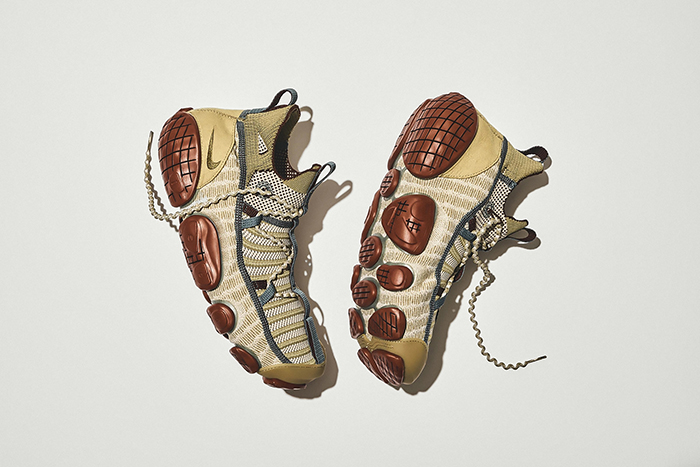
< NIKE ISPA “LINK” >
Yet this bizarre form is an intentional disruption designed around a clear purpose: circularity. The shoe is engineered to be assembled without any adhesives, making recycling possible. Its organically interlocking shapes were not created to add decoration or visual flair, but emerged directly from the process of solving a problem: sustainability. This is functional disruption born from purpose, not styling. It is a form of considerate design that deliberately embraces “ugliness,” proposing a new standard of beauty beyond mere visual pleasure.
Strangeness and the Value of the Future Within
All of these designs were initially met with skepticism and labeled “strange.” Yet each represents a highly concentrated bundle of value, often more meticulously designed than many traditional luxury products. Design should not remain confined to “safe beauty” that merely feels familiar to the public eye. Innovation is always accompanied by a degree of discomfort and unfamiliarity. If your design prompts someone to ask, “What is this?” you may already be moving beyond creating a beautiful shell and toward shaping a prototype of value that defines a new era. Beauty is momentary, but value endures.














#14057, 905 49, Beolmal-ro 102beon-gil,
Dongan-gu, Anyang-si, Gyeonggi-do, Korea
Business Registration Number: 454-86-01044
Online Sales License No.: 2021-Anyang Dongan-1081
Copyright © DESIGNSORI Co., Ltd.