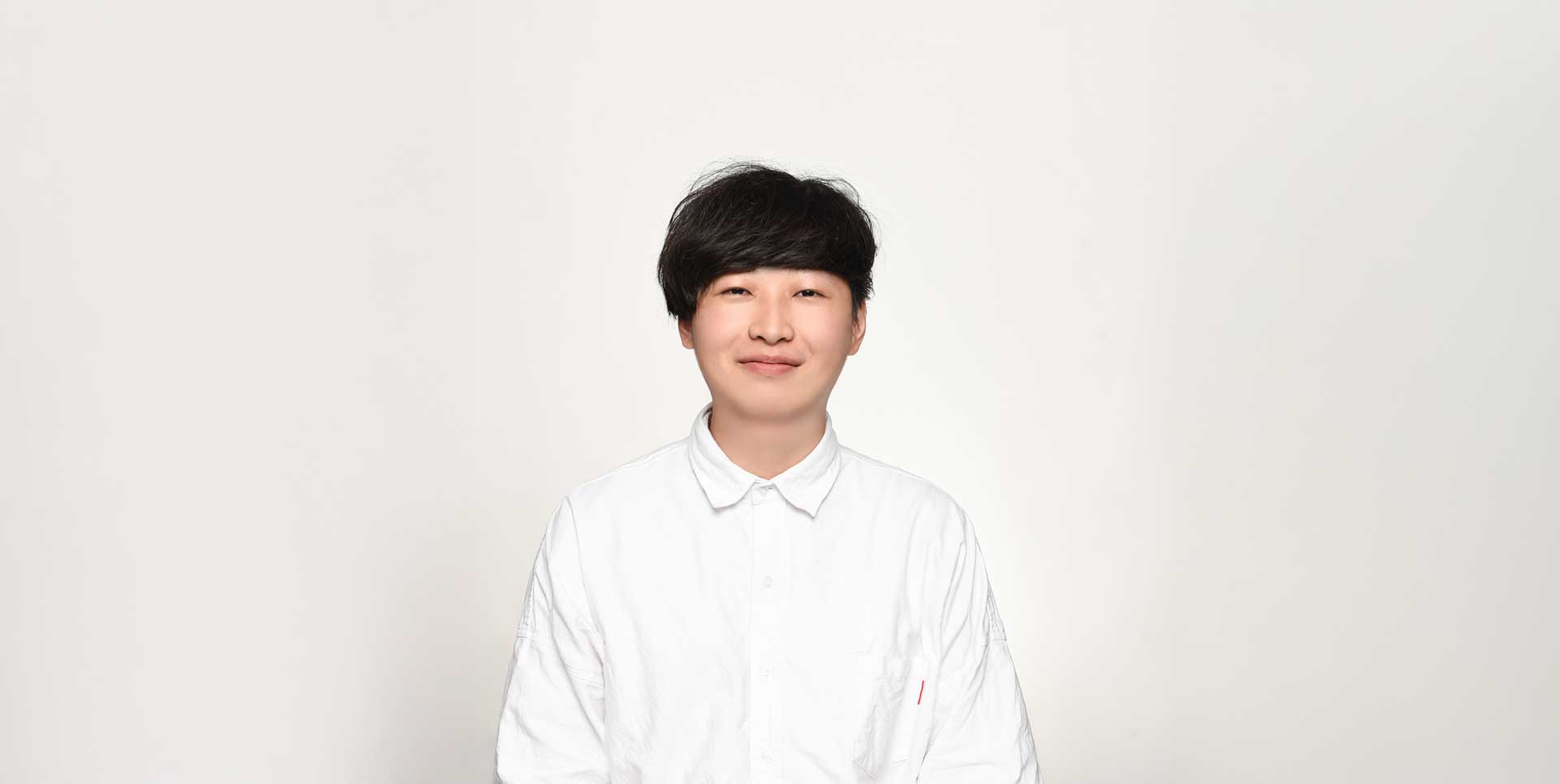
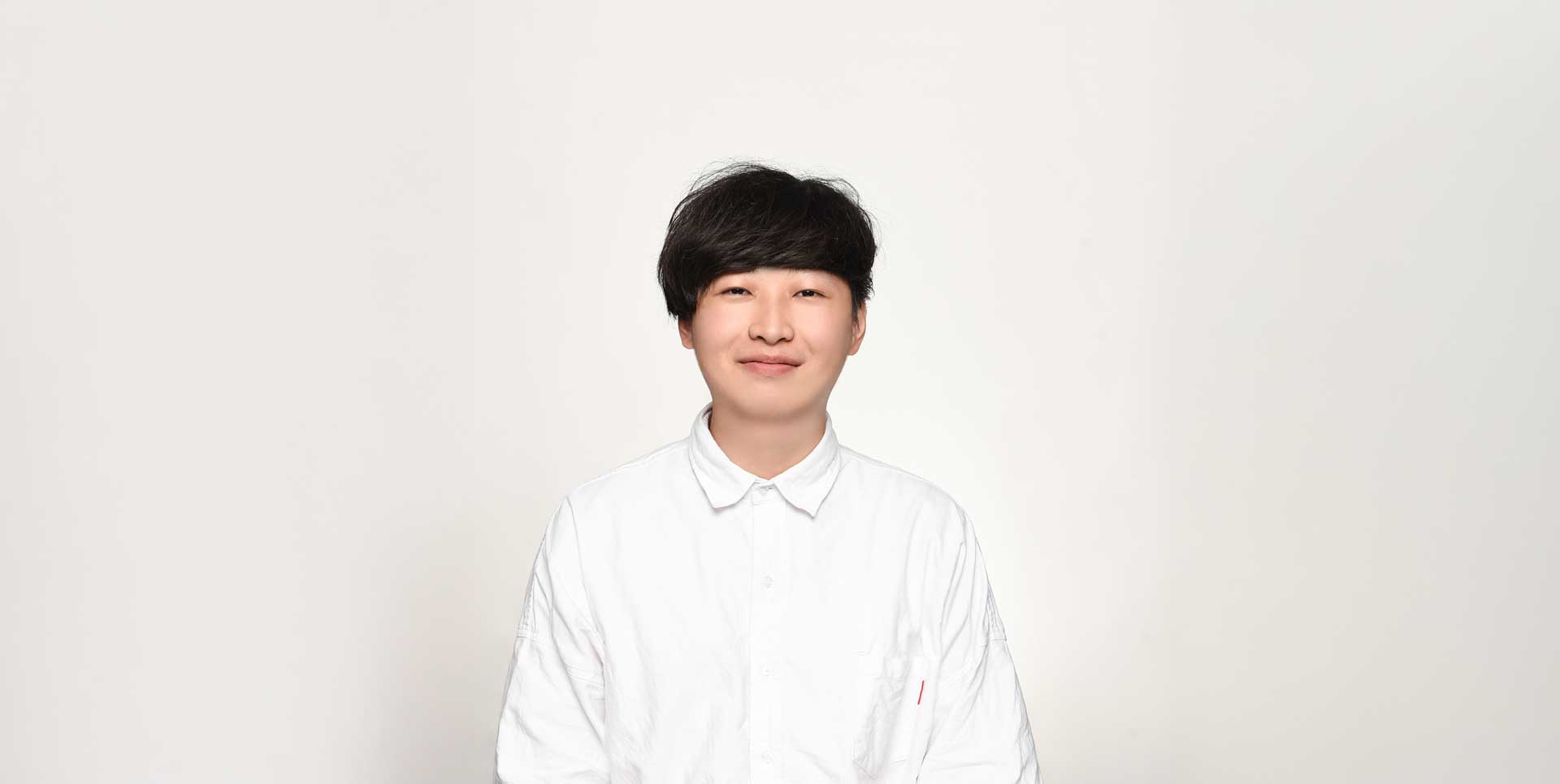
YiChung Lee (also known as SeungHyun Lee) Head of Segai Design Lab
“Based between Hong Kong and Shenzhen, YiChung Lee (also known as SeungHyun Lee) is an industrial designer with eight years of experience, currently serving as Head of Segai Design Lab and Chief Design Officer of Segai Innovation Technology Holdings Limited. Rooted in the rigor of Korean design culture and expanded through global practice, he approaches product design as clarity over style, emphasizing honest form, decisive functionality, and real world usability. In this interview, he shares his cross border journey, his principles of reduction and testing, and what it takes to build products that remain meaningful in everyday life.”
Could you please introduce yourself? We are curious about which city you are currently based in and the organizational structure in which you work as a product designer.
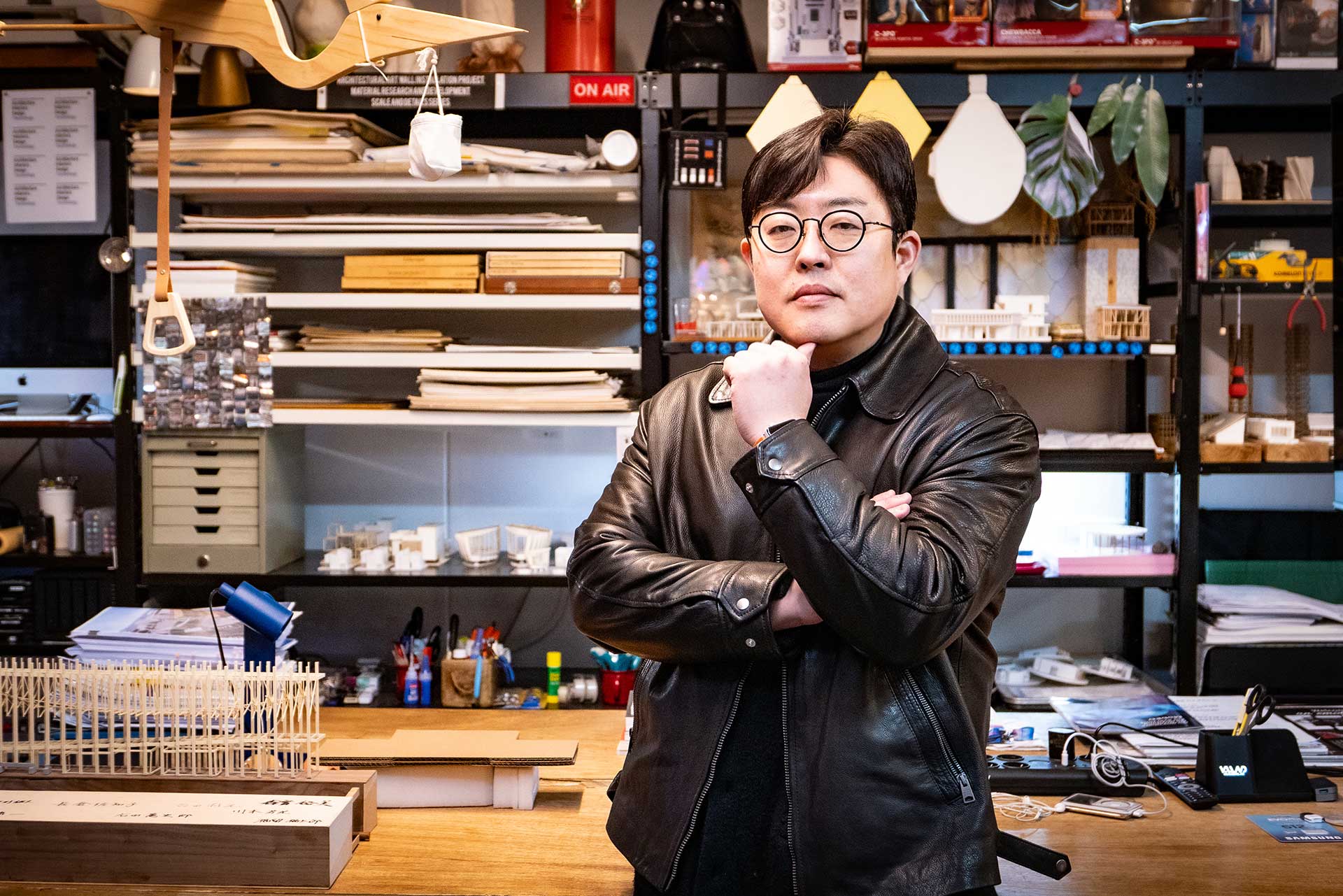
My name is YiChung Lee, also known as SeungHyun Lee. I am an industrial designer with eight years of professional experience in product and industrial design. Currently, I serve as the Head of Segai Design Lab and the Chief Design Officer (CDO) of Segai Innovation Technology Holdings Limited. I work across both Hong Kong and Shenzhen where I lead and collaborate with multidisciplinary design and innovation teams while overseeing product strategy, design development, and creative direction across the two regions.
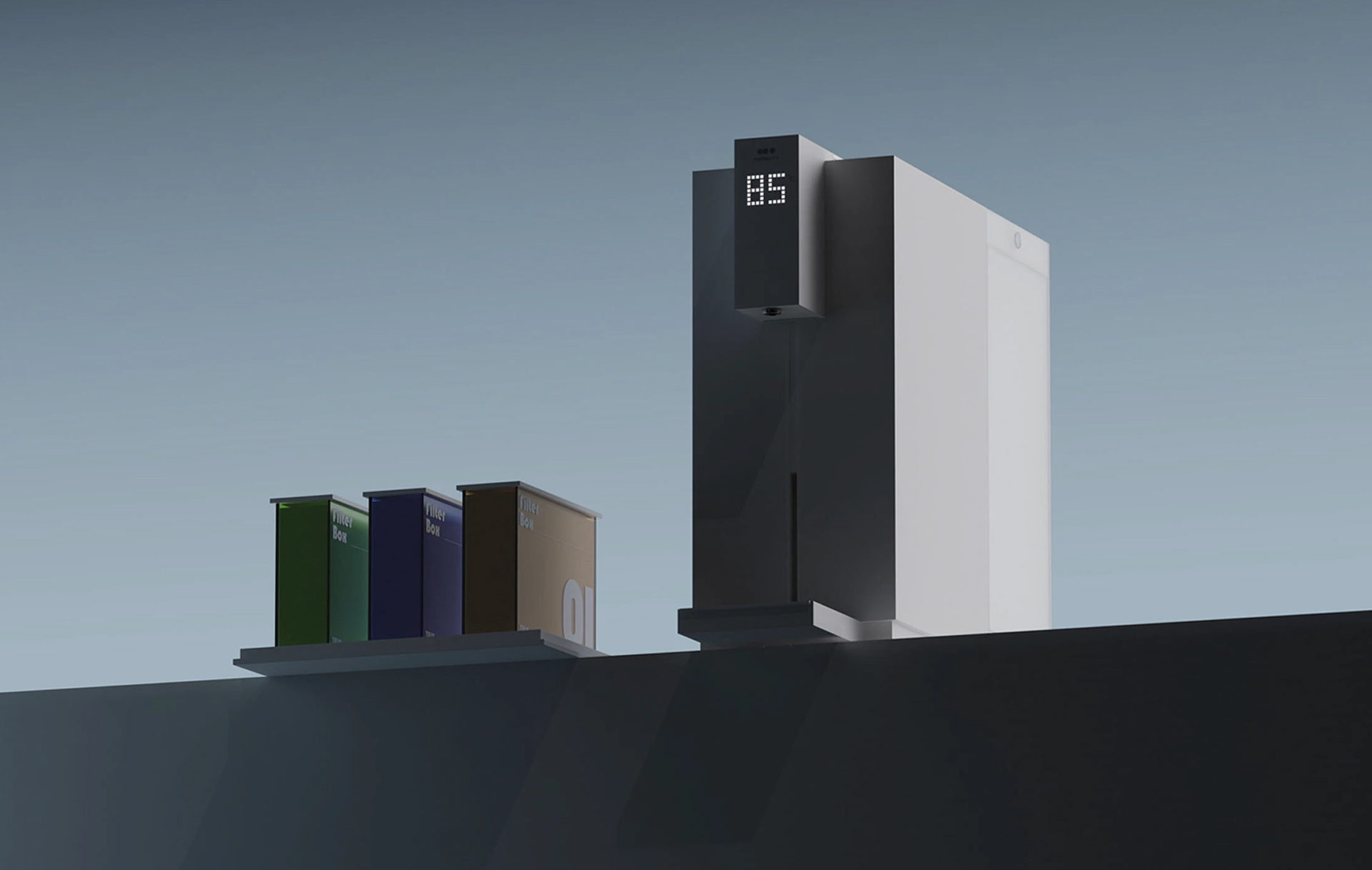
What motivated you to work overseas, and what was the most significant difference you felt compared to your practical experience in Korea?
Before working overseas, I was a Senior Industrial Designer at JDW in Korea. That period shaped me deeply as a designer. Korean design culture is extremely strong as it is fast, precise, and incredibly focused on details. At JDW, I learned how to work with intensity, discipline, and a very high standard of quality. That foundation still defines how I approach design today. While working in such a high level environment, I began to feel a strong desire to grow even further. Korean teams are outstanding at execution, and I wanted to gain more exposure to global markets, users, and business perspectives. That motivation led me to pursue opportunities overseas. Moving to Hong Kong and Shenzhen was a big shift.
I entered a more international ecosystem where I worked closely with engineers, manufacturers, and partners from many countries. Compared to my time in Korea, my role evolved from being primarily focused on execution to taking on broader responsibility in product direction and design leadership. What makes this journey meaningful to me is that my Korean design background gave me a strong core. The speed, rigor, and craftsmanship I learned in Korea allowed me to contribute confidently on a global stage. Working overseas helped me grow into a design leader, but it is Korean design that gave me the foundation to do so.
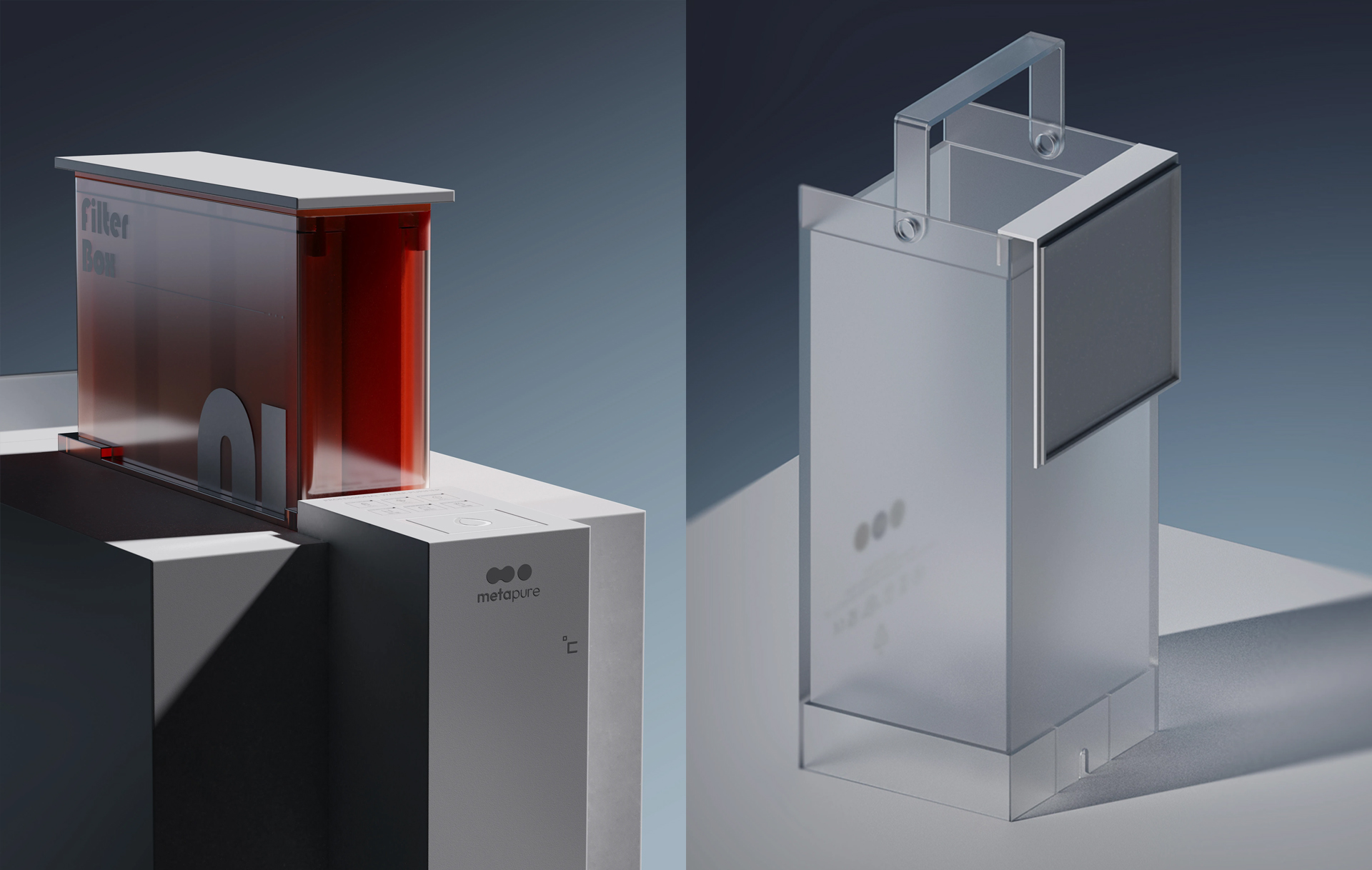
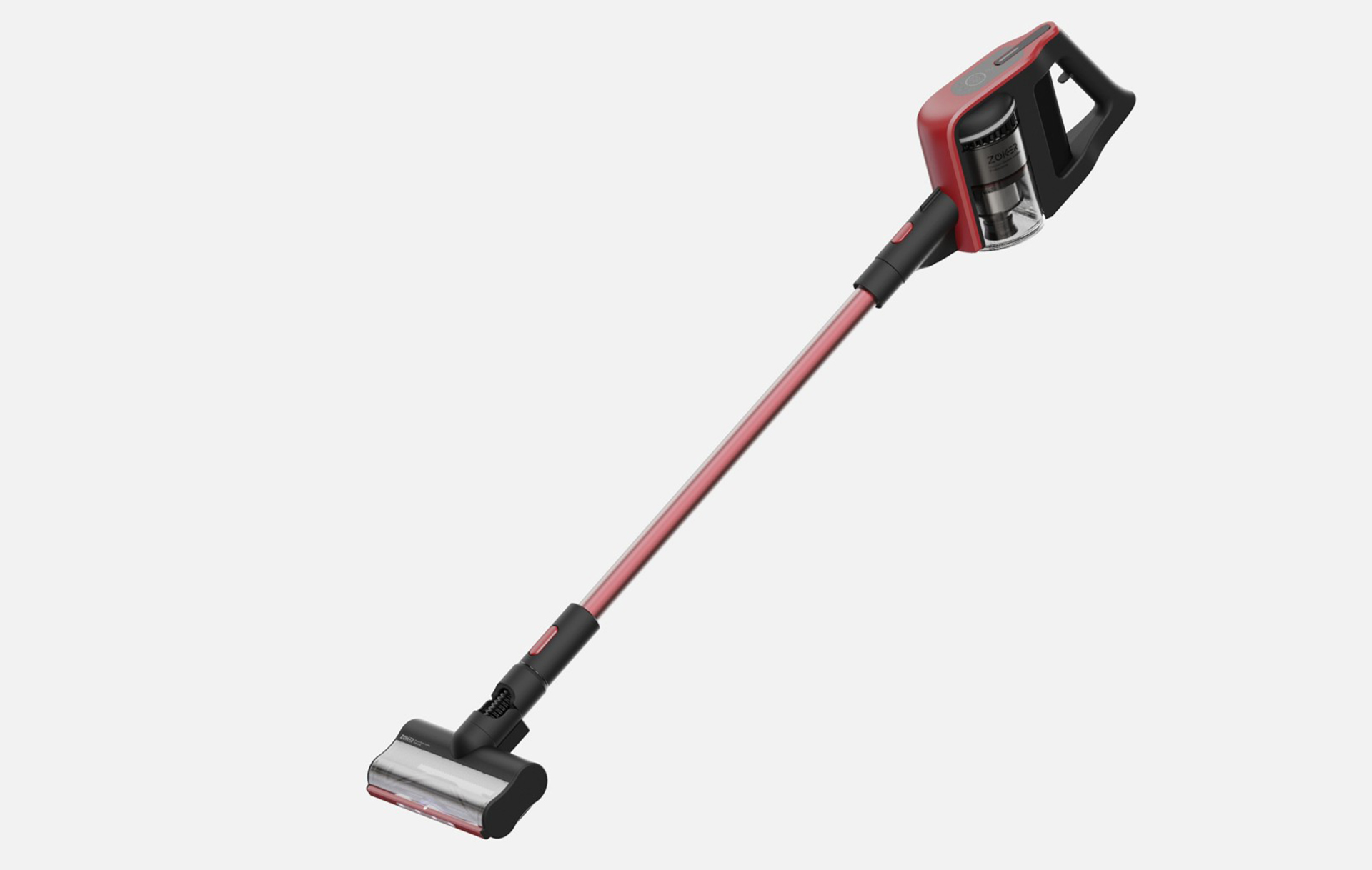
Even though your portfolio covers various categories, there is a strong sense of overall coherence and organization. Do you have a specific 'design standard' or principle that you consistently adhere to?
Although my portfolio covers many product categories, it feels consistent because I follow a clear set of design principles rather than a single visual style. The most important of these is clarity. A product should communicate its purpose immediately through its form and interaction, no matter how complex the technology inside may be. I also strongly believe in honesty in design. Form should come from real function rather than decoration. This way of thinking was deeply influenced by the people who guided me early in my career, especially Kim Ho Yean, a former design expert at Harman Kardon, Kim Dae Young, a senior design director I deeply respect, and Choi Yun Sung, my team leader at JDW. From them, I learned that good design is not about adding more but about removing what is unnecessary until only what truly matters remains.
Finally, I always consider how a product fits into a larger system including the brand, the user, and its context. Because I apply these standards to every project, the results feel unified. For me, design is not about repeating a look but about repeating a way of thinking that helps users immediately understand how to use a product.
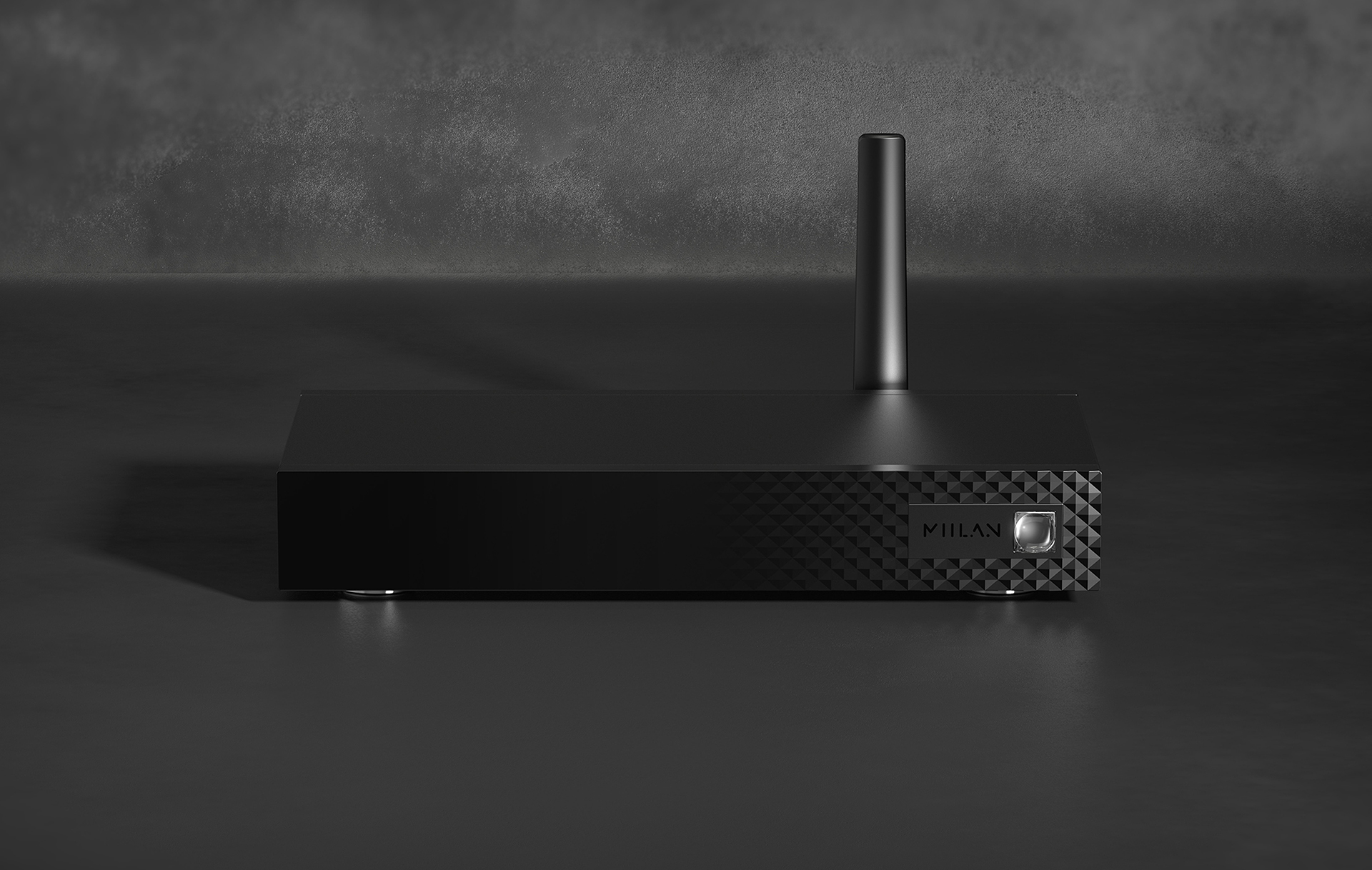
When designing a product, what logic guides your decision making process when it comes to subtracting or removing functions?
When I decide to remove features during product design, I do not think in terms of less or more. I think in terms of user burden. Every additional function adds cognitive and physical cost for the user. It means more buttons to look at, more options to think about, and more chances to hesitate. So instead of asking whether a function is useful, I ask how it fits into the real usage flow of the user. If a feature interrupts that flow, creates confusion, or is only needed in rare situations, it becomes a candidate for removal or simplification. What I try to keep are what I call decisive functions. These are the ones that directly help the user achieve their main goal with the product. Everything else must justify its existence. In this way, reducing features is not about making the product simpler on paper but about making the experience clearer and more confident for the user.
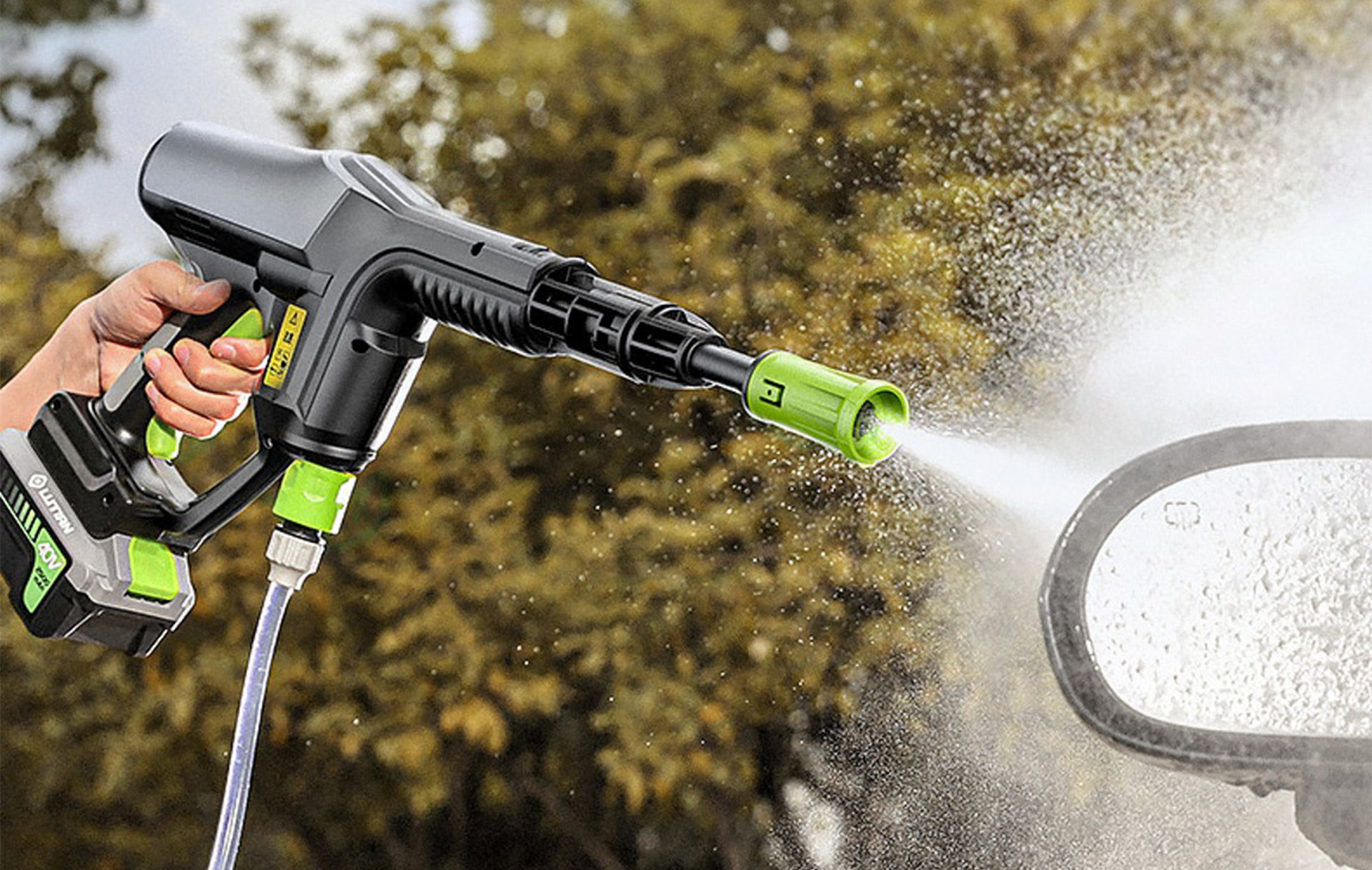
Wearable products involve a collision of engineering, the human body, and aesthetics. Among the details that determine fit and comfort, what is the one point a designer must look at most obsessively?
For wearable products, the most important detail designers must focus on is the point of contact between the product and the human body and how that contact changes throughout the behavior of the user. I do not look at wearables as static objects. I design them around the movement, posture, and daily actions of the user. Pressure distribution, for example, is not just about weight but about how that weight shifts as the user walks, turns their head, or raises their arms. A product can feel comfortable in one position but uncomfortable in motion. I also pay close attention to micro movements regarding how the product subtly slides, flexes, or resists the body during real use. These small interactions often matter more than overall shape. Finally, material and thermal response are critical because they define how the skin experiences the product over time, especially with sweat, heat, and long term contact. By focusing on behavior rather than just form, I try to design wearables that feel natural and almost invisible in everyday life.
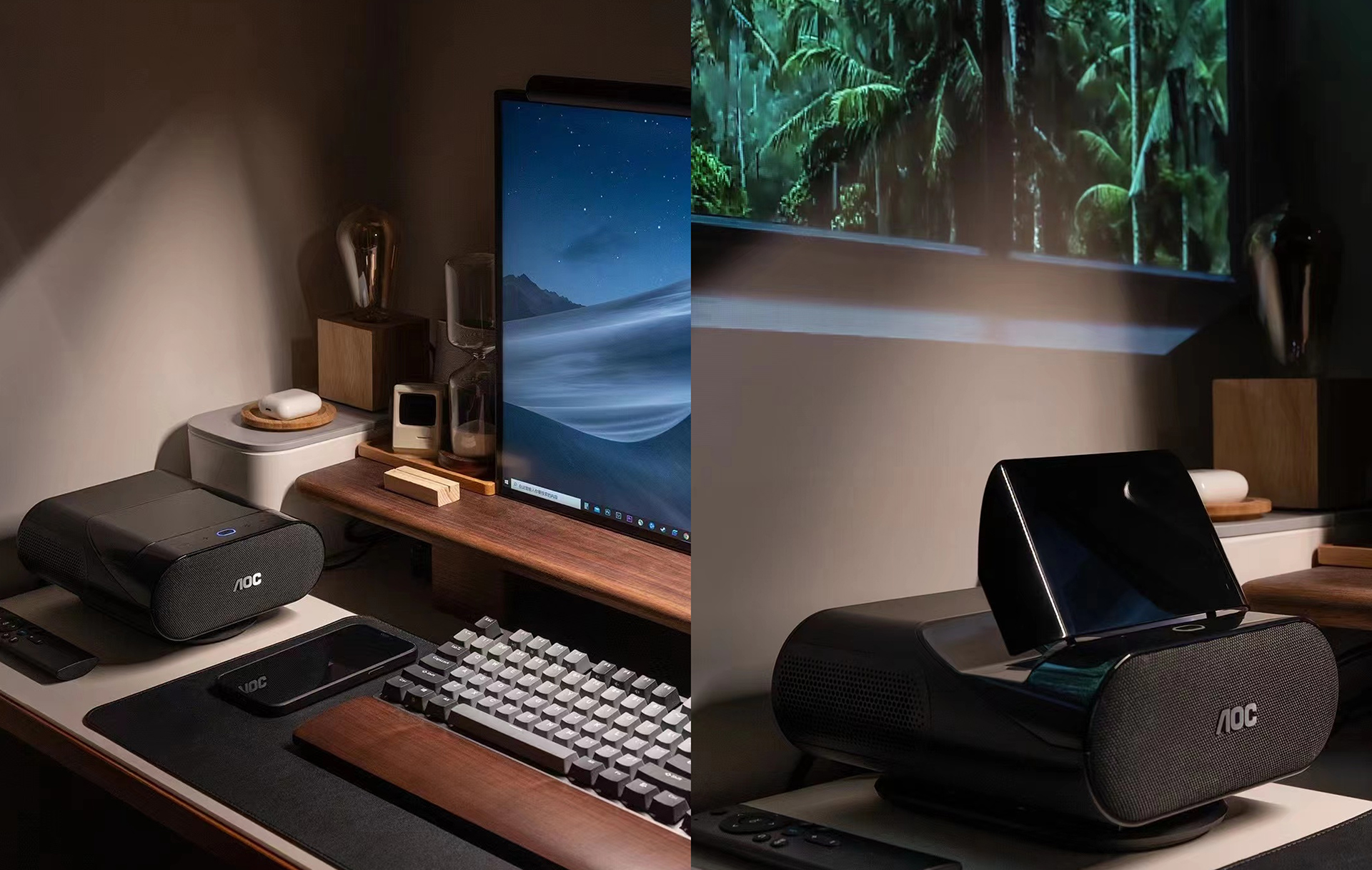
There is always a gap between highly conceptual renderings and actual products. To bridge that gap, what kind of verification such as usability, heat, noise, durability, or operability do you repeat most obsessively during the prototyping stage?
That is a very good question because it was something I struggled with myself when I was an intern. At that time, I often saw a big gap between beautiful concept renderings and what could actually be built and used in the real world. That experience made me very sensitive to this issue throughout my career. To reduce that gap, I rely heavily on repeated testing with functional prototypes in real life situations. The first thing I always validate is usability under pressure. I do not just test whether a product can be used but whether it can be used correctly when the user is distracted, in a hurry, or using it with one hand. Many design problems only appear when people are not fully focused. I also place great importance on long term interaction. Something that feels fine for five minutes may become tiring or irritating after an hour, so I repeat long duration tests to observe fatigue, pressure, and small frustrations that only appear over time. By putting prototypes into real human behavior rather than ideal conditions, I can steadily close the gap between concept and reality.
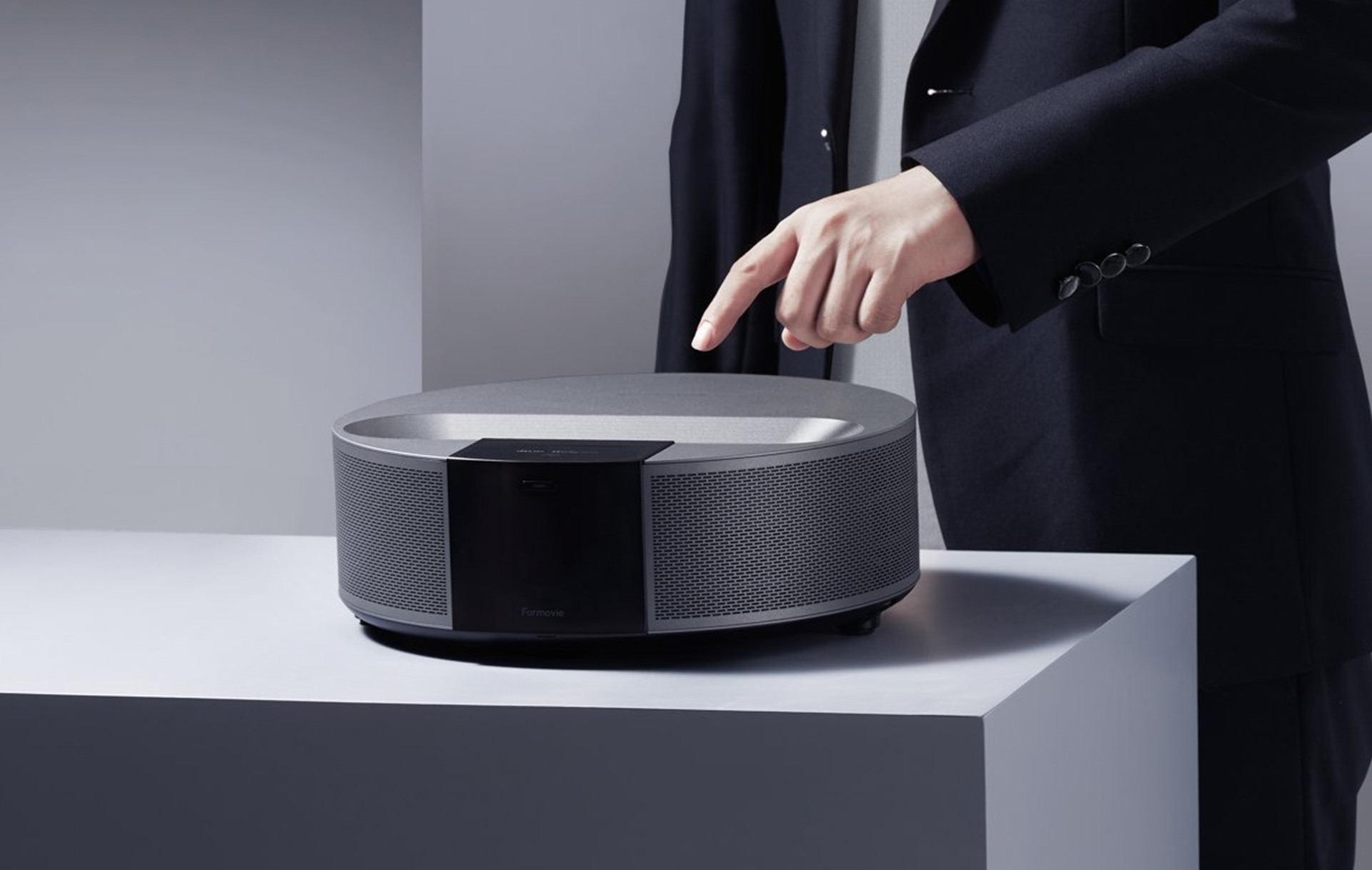
Did winning awards bring any actual changes to your career or work style? How do you balance between a 'portfolio meant to be judged' and a 'product that survives in the market'?
Winning awards did bring changes to my career but not in the way people often expect. It did not change how I design. It changed how widely my work was seen. Awards helped my portfolio gain international visibility, but they also made me more aware of my responsibility as a designer. A portfolio is something that is judged in a moment, but a product is something that lives with people for years. When I work, I try to design in the overlap between these two. This is where a concept is strong enough to be recognized but also practical enough to survive in the real world. I often ask myself two questions at the same time: "Is this meaningful to design professionals?" and "Will this still make sense to users after a thousand uses?" When both answers are yes, that is where I believe good design exists.
This way of thinking is closely connected to the principles of Dieter Rams whose Ten Principles of Good Design are deeply respected in our field. They remind us that good design should be honest, useful, and long lasting. These values guide me when balancing recognition and real world impact. In that sense, recognition and impact support each other. Awards reflect the value of good design while products in the market prove its meaning.
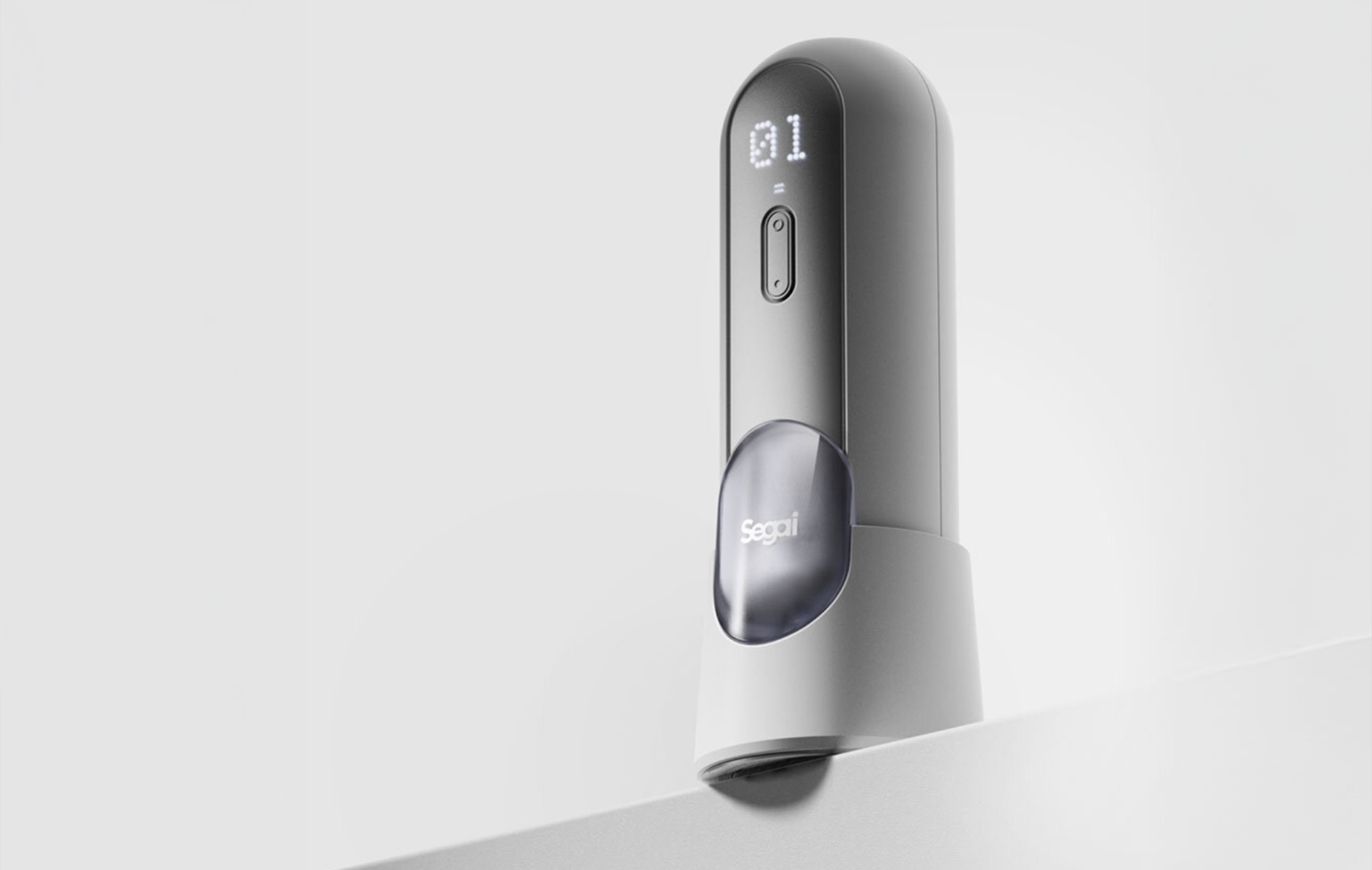
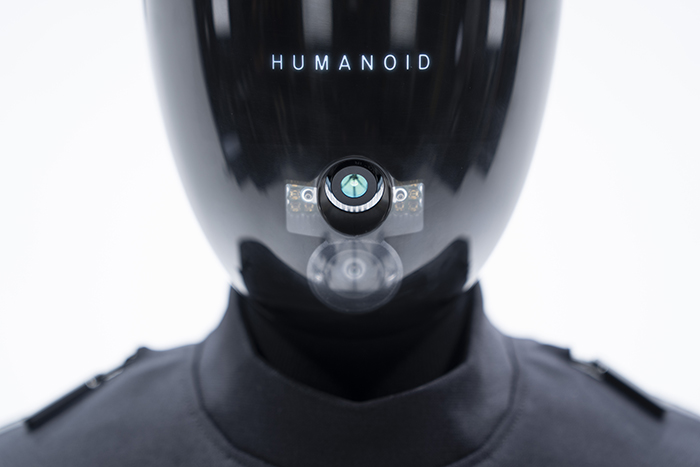
<SyncOne AI Powered Intimate Wellness Simulator, K-Design Award 2025, Winner>
What product areas or themes do you wish to explore more deeply in the future? And finally, what is the one thing you would tell junior designers to prepare if they want to work as a product designer abroad?
Looking ahead, I am especially interested in Light Tech. This refers to technology with a gentle presence. It is not meant to stand out loudly but to feel just right, combining hardware and AI in a calm, intuitive, and human way so that it supports people without creating distance. As for young designers who hope to work overseas, the one thing I always tell them to prepare is not software skills but their way of thinking. Tools, trends, and styles change very quickly, but how you observe users, define problems, and communicate your ideas across cultures will determine how far you can go. If you can clearly explain why a design matters, you will be able to work anywhere in the world.















#14057, 905 49, Beolmal-ro 102beon-gil,
Dongan-gu, Anyang-si, Gyeonggi-do, Korea
Business Registration Number: 454-86-01044
Online Sales License No.: 2021-Anyang Dongan-1081
Copyright © DESIGNSORI Co., Ltd.