
Let’s be honest for a moment. You believe that today, once again, you made your own choices what product to buy, which size to pick, whether a price feels expensive or reasonable. But the standard by which you make those judgments did you truly create it yourself? Most of your choices were already designed by someone else before you ever made them. This is not an exaggeration. It is a fact demonstrated by decades of research in behavioral economics. Once you understand this, the price tags, menus, and shopping pages you encounter every day begin to appear entirely different.
The anchoring effect, a cognitive bias identified by psychologist Daniel Kahneman, is simple in principle. Humans take the first number or piece of information they encounter as a reference point and adjust all subsequent judgments around it. The problem is that even when that reference point has been intentionally placed by someone else, our brains accept it as if it were the natural standard from the beginning.
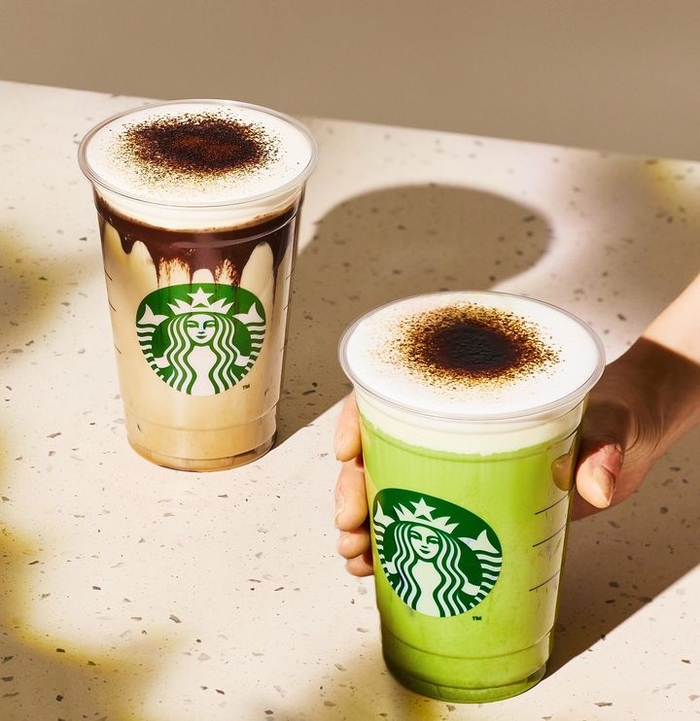
Put simply, the brain cannot judge absolute value. It can only judge through comparison. And if the starting point of that comparison has already been manipulated, then every “rational choice” that follows merely traces a path that was designed in advance. Think about the moment when you order a drink at Starbucks and briefly wonder whether to choose a Tall or a Grande. The price difference does not seem that large, the amount looks noticeably bigger, and before long the thought appears that the Grande might actually be the better option.
< Image Source: Maeil Business Newspaper >
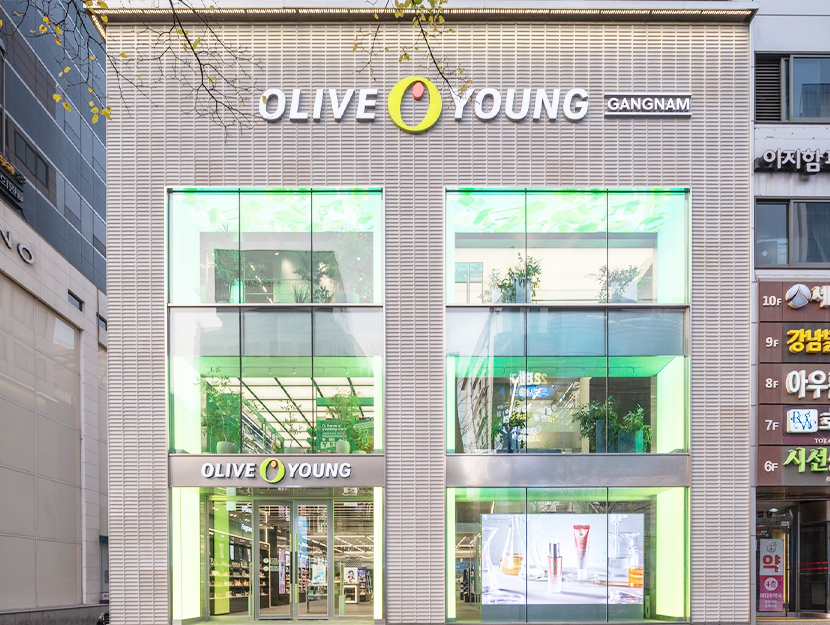
At that moment, your reference point had already been set to the “Grande.” The reason the Tall seemed small is that the Grande had already been established as the anchor. The structure of the menu itself is designed to guide a particular choice. Have you ever walked into Olive Young intending to buy just one bottle of shampoo, only to find yourself standing at the checkout with three? All while thinking, “It’s a 2+1 deal, so it’s actually a bargain.” This is precisely how anchoring works. Your original intention buying one collapses instantly in front of a newly introduced reference point that suggests buying three offers greater value. What makes it even more interesting is that consumers feel as though they have saved money in the process. Spending has increased, yet the feeling is that of having made a rational decision. On Naver Shopping, this structure appears almost every time you click on a product.
33,000 KRW
19,800 KRW
33,000 KRW. And directly below it, written in large and clear type, 19,800 KRW. You do not judge whether 19,800 won is reasonable in absolute terms. You first see 33,000 won, and then evaluate the price in comparison to it. What if the number 33,000 had never been shown? In that case, 19,800 might actually have felt expensive. A single anchor has the power to transform the entire perception of a product’s value. As a designer, this is the point that draws my attention. The anchoring effect does not operate through numbers alone. The original price appears small and faded, while the discounted price appears large and vivid. This visual hierarchy itself already creates psychological emphasis. The question is not simply which number is shown. The real question is how that number is shown. In other words, value is not only presented. It is designed.
Font size, color contrast, and placement order all of these design decisions plant an anchor in the consumer’s perception. The most powerful form of marketing is not advertising. It is the structure that consumers fail to notice. I am not writing this to make you feel as though you have been deceived. Quite the opposite. Once you understand this, you begin to see more clearly. If you are a designer, you start asking how this structure can be designed. If you are a consumer, you begin to question which anchor your judgment is currently standing on. When you think, “This seems reasonable enough,” or “This feels too expensive,” where did that standard come from in the first place? And more importantly, who placed it there?


















#14057, 905 49, Beolmal-ro 102beon-gil,
Dongan-gu, Anyang-si, Gyeonggi-do, Korea
Business Registration Number: 454-86-01044
Online Sales License No.: 2021-Anyang Dongan-1081
Copyright © DESIGNSORI Co., Ltd.