
A closer look at the analytical results of the 2026 2027 Asia Design Trend Report clearly indicates that brands no longer remain a matter of flat visual recognition. The design descriptions and keywords of numerous winning entries prove that a brand has now been elevated to a 'space' where users directly enter, stay, and experience. In other words, brand identity goes beyond logos or graphic elements to become a breathing habitat comprehensively built through spatial composition, circulation, lighting, and materials. The trend report has decided to name this massive current 'BRANDLIVING', a concept combining Brand and Living.
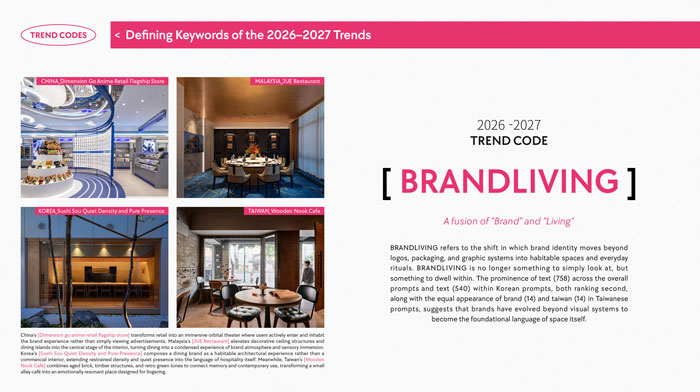
BRANDLIVING is not simply a newly coined word combining two terms. At the point where a brand and user experience can coexist, this word explains a new concept in the brand paradigm. It embodies the attitude of pursuing a brand not as an object to be looked at, but as a living environment rich in detailed experiences, along with the designer's firm intention to embed the brand's philosophy into the user's daily life and duration of stay.
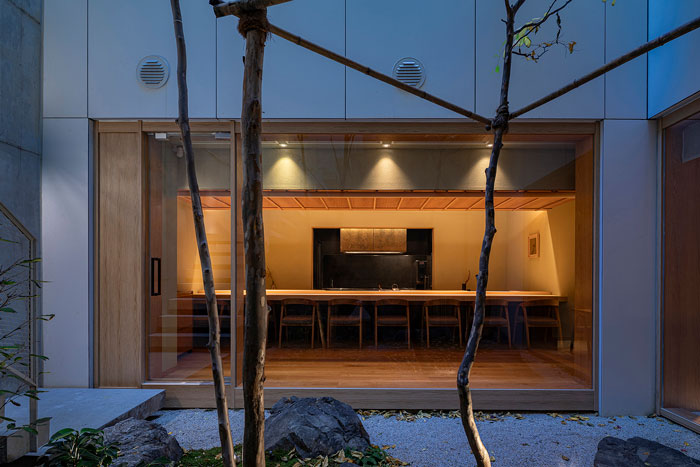
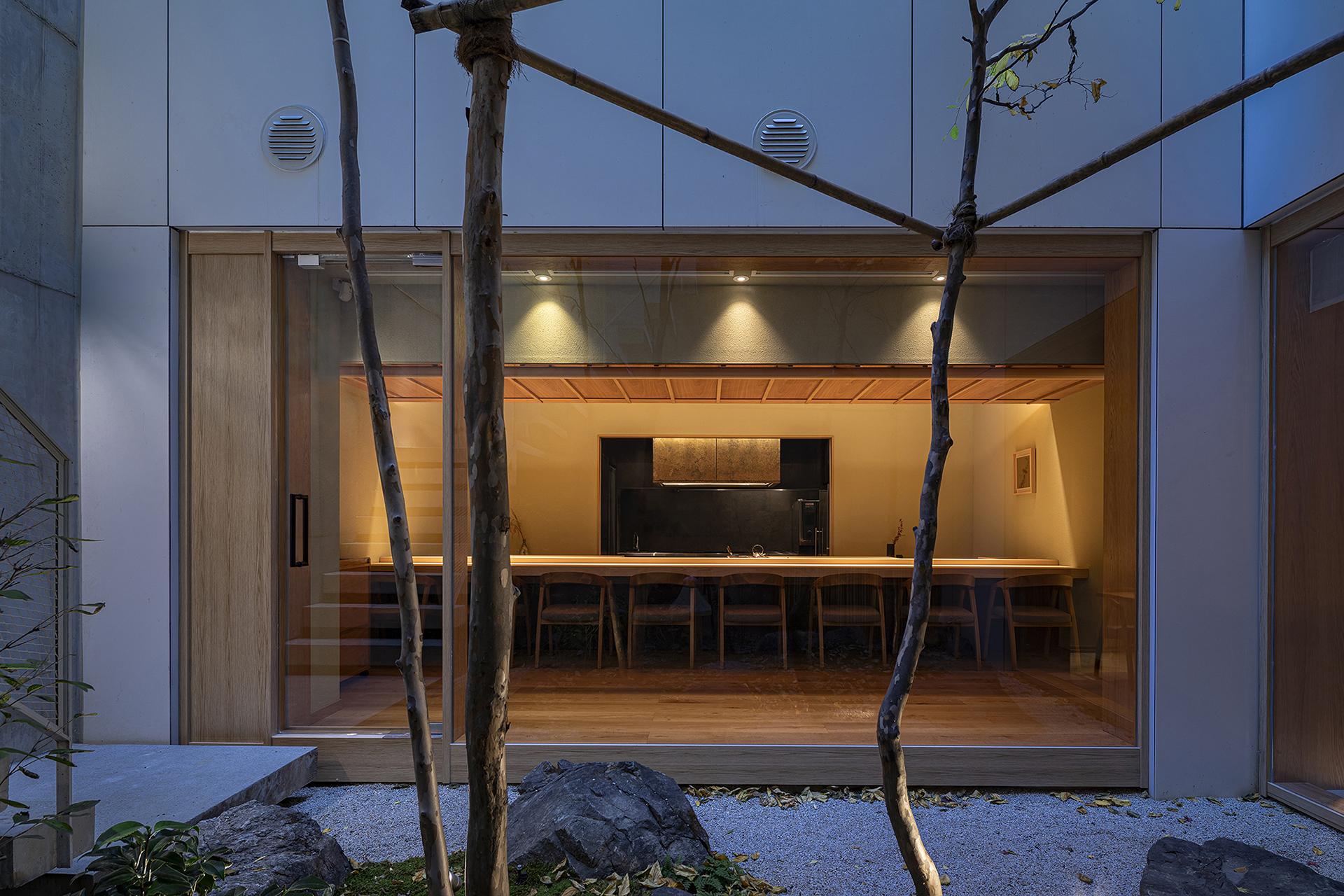
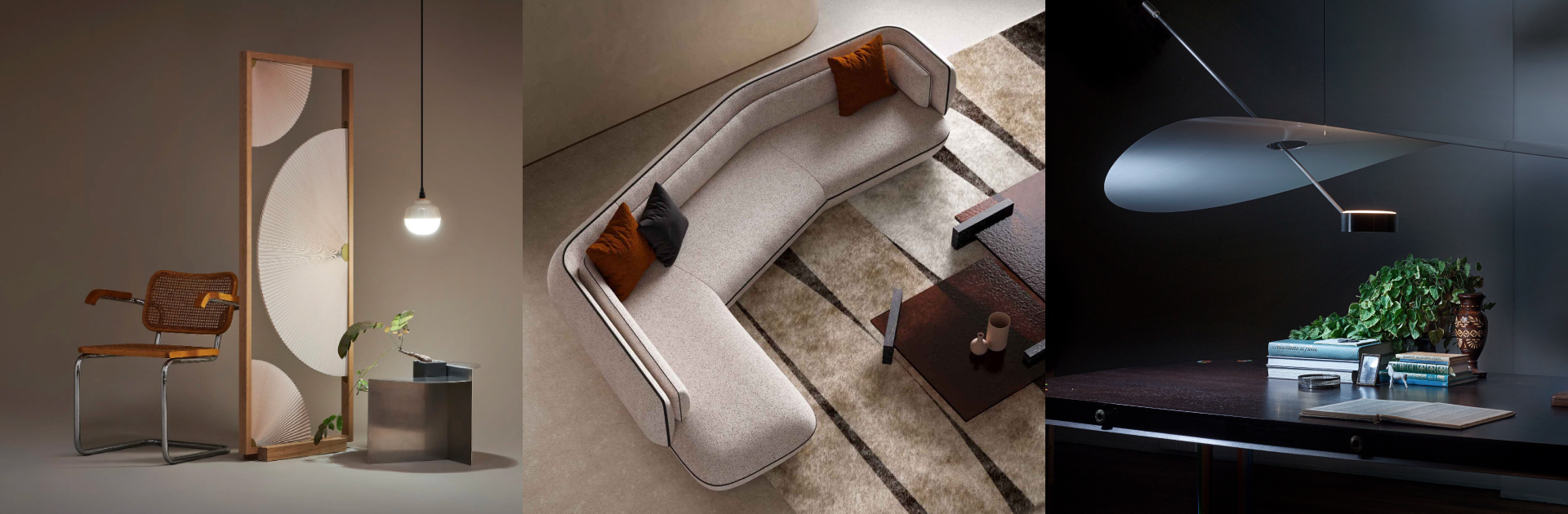
< Sushi Sou Quiet Density and Pure Presence, ASIA DESIGN PRIZE 2026 Grand Prize >
The Korean winning entry [Sushi Sou Quiet Density and Pure Presence] demonstrates this trend well. This project proposes a dining brand not simply as a commercial space, but as a spatial experience designed around the time users spend there. Even within a small area, the brand's character is conveyed through restrained density and a quiet atmosphere. Here, the brand is not explained solely by menus or signs. The structure of the ceiling, the position and color of the lighting, the seating arrangement, and the way guests move all work together to form the emotion the brand pursues. This shows that the detailed elements of a space can become mediums for delivering brand messages.
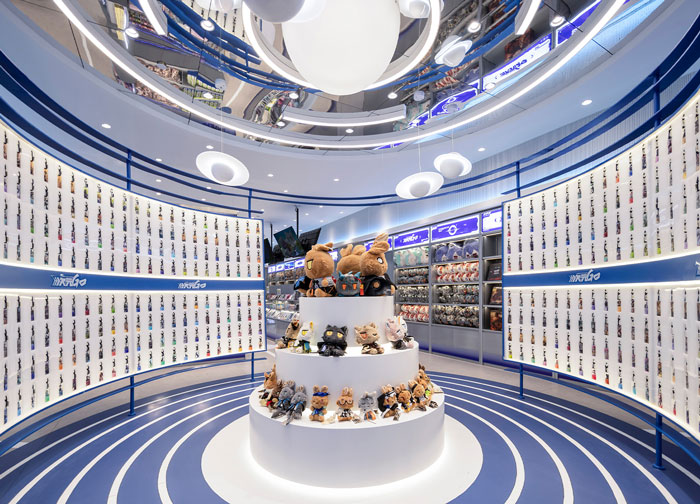
< DIMENSION GO ANIME RETAIL FLAGSHIP STORE, ASIA DESIGN PRIZE 2026 Winner >
China's [Dimension Go Anime Retail Flagship Store] is an example that expands the direction of BRANDLIVING into a more active immersive experience. The words ‘large’, ‘wall’, and ‘scene’ that appeared at the top of the Chinese winning entry data show that Chinese retail spaces place importance on large scale scene composition and visual immersion. In this project, the store is designed not merely as a place to display products, but as a space where consumers enter and experience the brand's worldview. The consumer does not remain just a person buying a product, but becomes a participant directly experiencing the scene proposed by the brand within the space.
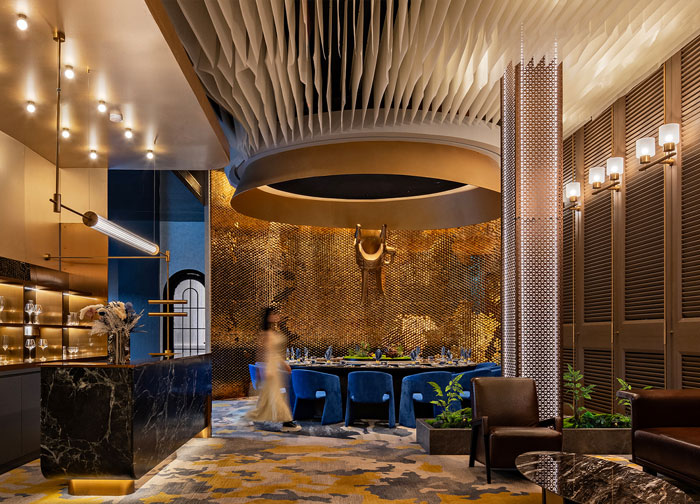
< JUE Restaurant, ASIA DESIGN PRIZE 2026 Winner >
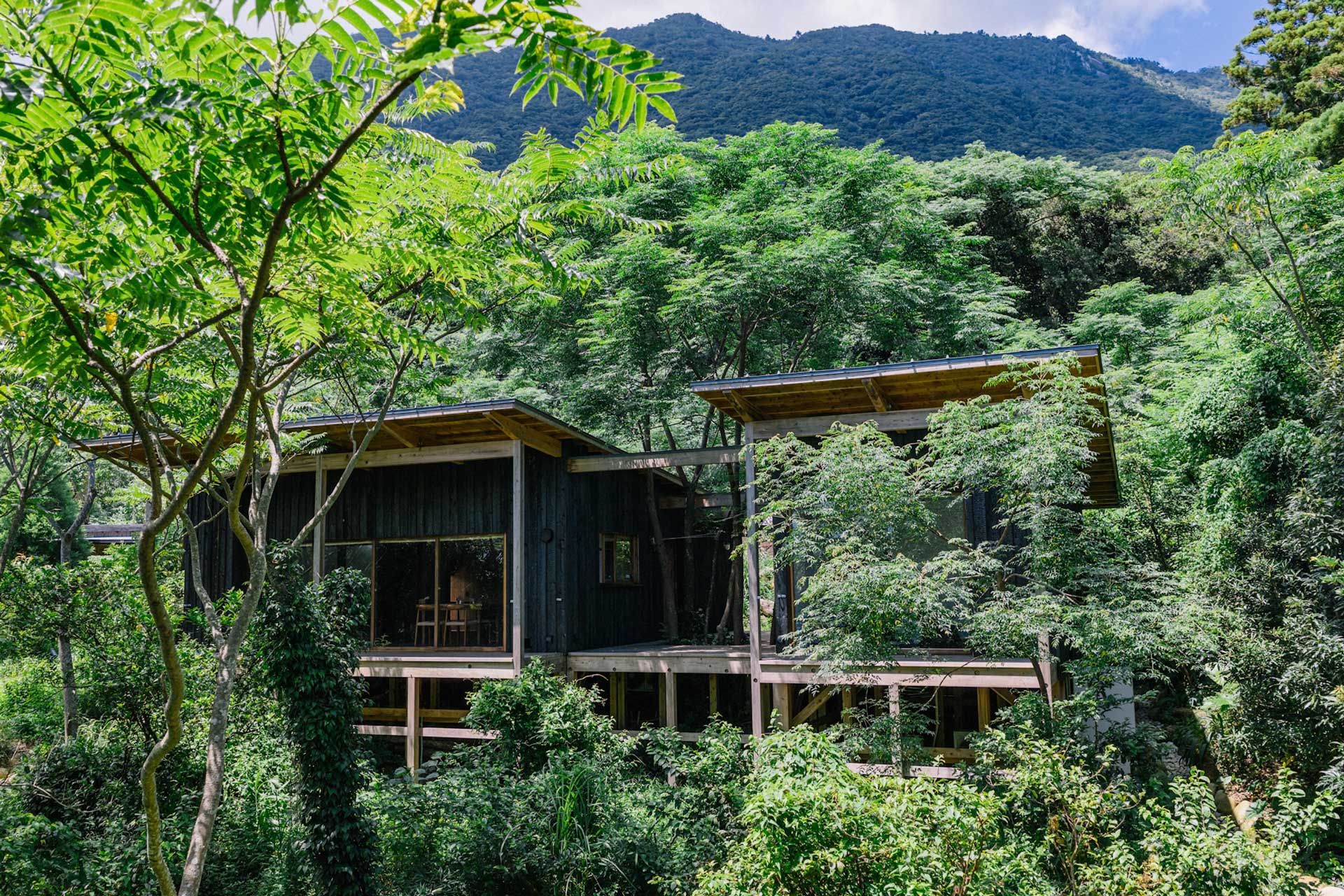
Malaysia's [JUE Restaurant] is an example that connects the dining experience with brand emotion by utilizing a dining island and a decorative ceiling as central elements. This project designs not only the functional purpose of eating but also the atmosphere and sensory impressions users feel in the space. BRANDLIVING is not necessarily implemented in the same way everywhere. It can be applied in different forms depending on the culture, spatial sense, and consumption methods of each region. JUE Restaurant can be seen as an example that flexibly interprets the brand experience tailored to the spatial sentiment of Southeast Asia.
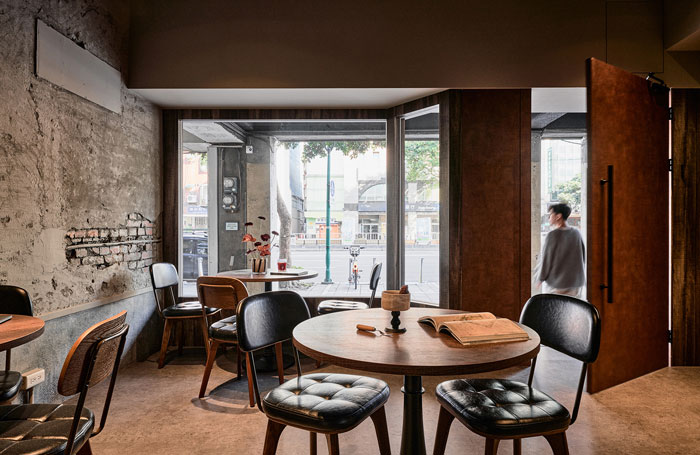
< Wooden Nook Cafe, ASIA DESIGN PRIZE 2026 Winner >
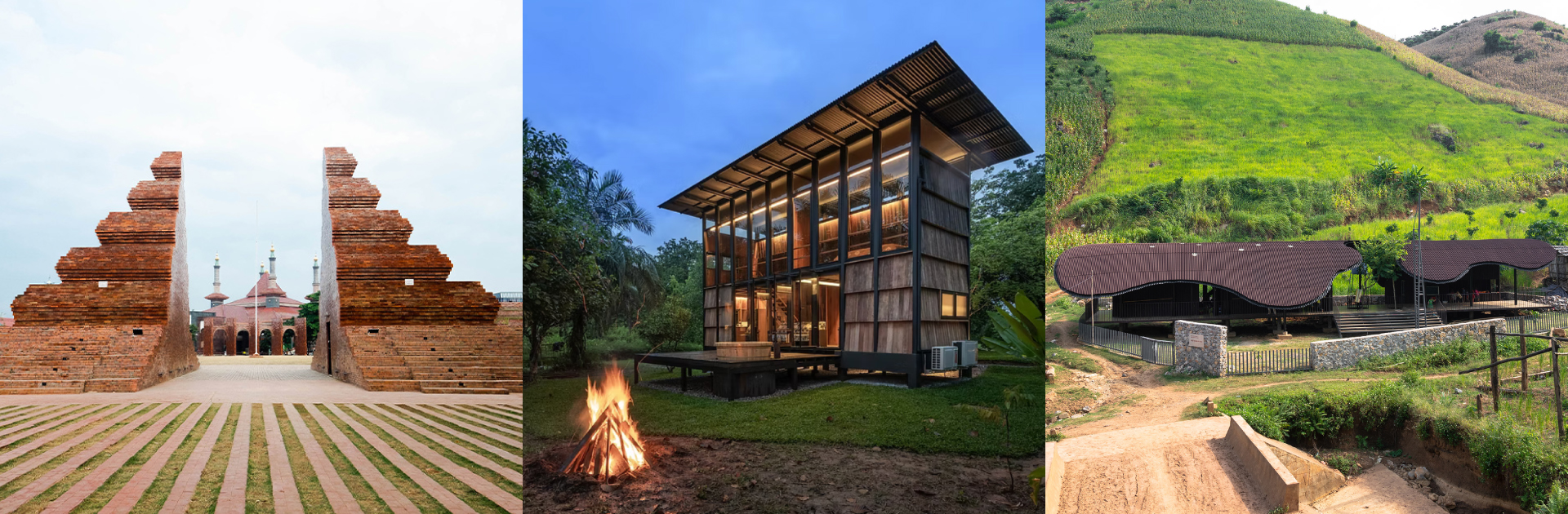
Taiwan's [Wooden Nook Café] is an example of combining existing architectural assets with brand experience. Instead of creating a new space using old bricks, timber structures, and retro colors, the time and atmosphere of the existing location were transformed into brand assets. This project shows that a brand does not necessarily have to create a completely new image. Rather, when the context of the existing space is respected and the brand identity is naturally layered upon it, a place where users can stay more comfortably can be created.
The four examples above clearly show that the role of a brand is changing. A brand can no longer be explained merely by a combination of logos and colors. A brand is experienced through what kind of space users enter, in what order they move, what physical properties they encounter, and how long they stay. Therefore, the core of BRANDLIVING lies in designing the time users spend with the brand. More important than creating a good looking exterior is creating a reason for users to stay in that space and converting that time into a positive brand experience.
Why, then, are brands evolving into 'living spaces' now? The biggest reason is that the role of offline spaces has changed. The digital environment already provides a very high level of information searching, price comparison, and purchasing convenience. Therefore, it is difficult for an offline space to be competitive simply as a place to buy products. It must provide reasons for users to visit in person, reasons to spend time staying, and reasons to return. In line with this change, the criteria for brand loyalty are also shifting. While repeat purchasing was an important indicator in the past, how often users stay in brand spaces and how many positive experiences they accumulate are now becoming important criteria.
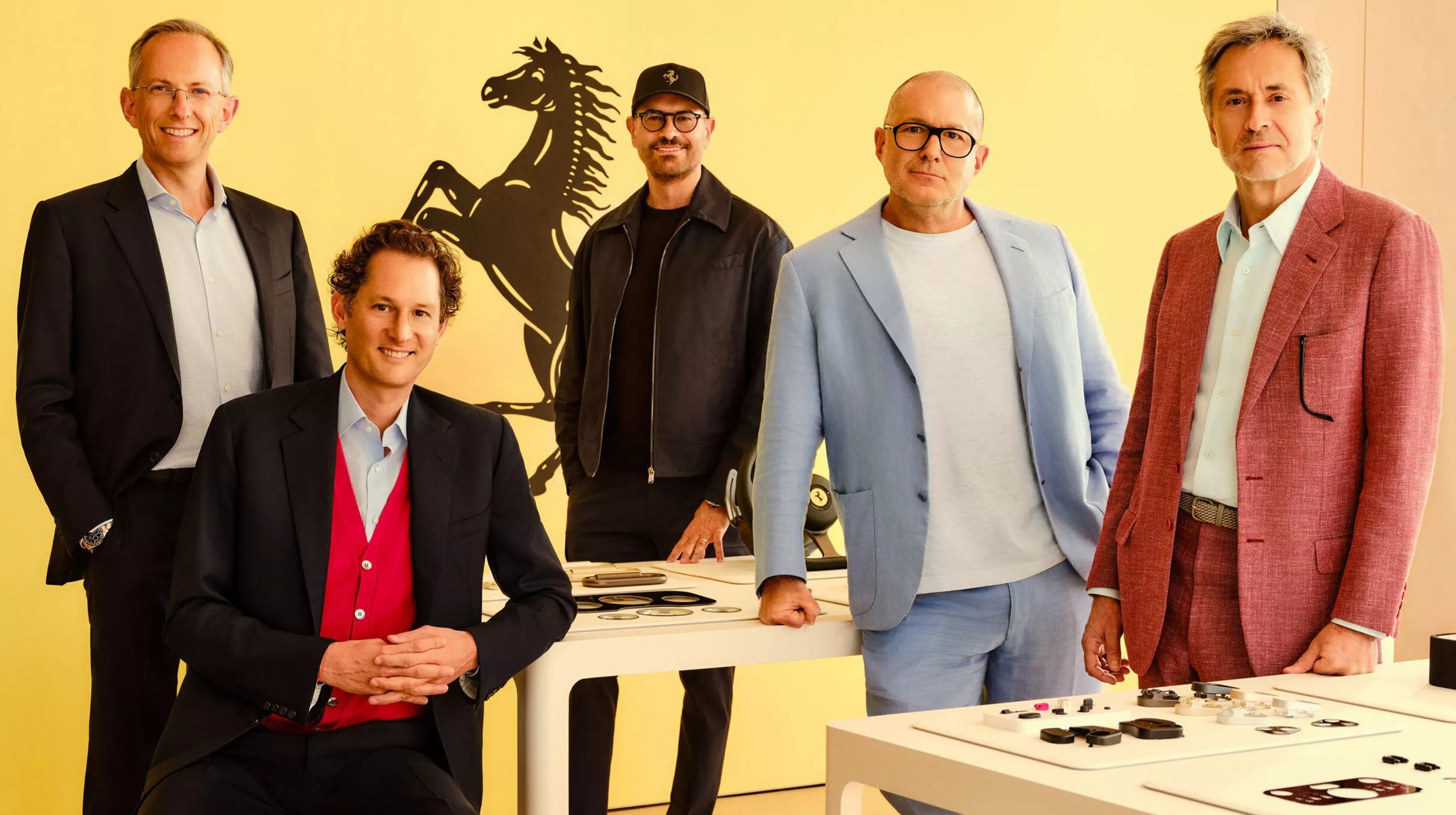
These changes do not apply only to large commercial spaces. The spatialization of brands is also expanding into the realm of everyday products and home appliances. Brand messages, text, materials, and operating methods step out of the store and settle into the user's everyday environment. For example, the surfaces and interfaces of home appliances, kitchenware, and daily necessities used every day can also become spaces to experience the brand. Users do not simply use a product, but repeatedly encounter the brand within the living environment where the product is placed. In this regard, BRANDLIVING connects not only to retail strategy but also to product design, service design, and user experience design.
Importantly, BRANDLIVING is not a strategy exclusive to large corporations with massive capital. As shown by the small dining bar in Korea or the alleyway cafe in Taiwan, what matters more than the size or budget of a space is how meticulously the time users spend is designed. Even in a small space, a strong impression can be left if the circulation, lighting, materials, signs, music, and service flow create a consistent brand experience. Conversely, no matter how large and glamorous a space is, if it fails to consider the user's dwell experience, it is unlikely to lead to sustained brand equity.
This change also redefines the role of designers. Brand designers are no longer people who only design logos and visual systems. They must consider in what kind of space and in what way the brand will be experienced. Space designers must also go beyond merely organizing physical spaces and perform the role of designing the brand's message and the user's dwell experience. Future brand guidelines will not stop at logo usage rules, color codes, and typeface regulations. They are highly likely to expand into experience design manuals that include the impression at the moment of opening the door and entering, the path of the gaze's movement, the brightness of the lighting, the touch of the furniture, the tone of the guiding text, and the service response method. For instance, it suggests that Customer Journey elements are essential, necessarily including the realm of service design in branding.
Ultimately, BRANDLIVING is a concept explaining that brands are moving from visual symbols to experiential environments. A brand is no longer an image shown unilaterally to consumers, but a living environment where users directly enter, stay, and repeatedly experience. In this change, the important competitive edge is not a larger space or a more glamorous presentation. It is how clearly, consistently, and positively the time users spend with the brand can be designed into an experience. Future brand strategies will be reorganized around "in what space and time will it be experienced" beyond "how it will look".















#14057, 905 49, Beolmal-ro 102beon-gil,
Dongan-gu, Anyang-si, Gyeonggi-do, Korea
Business Registration Number: 454-86-01044
Online Sales License No.: 2021-Anyang Dongan-1081
Copyright © DESIGNSORI Co., Ltd.