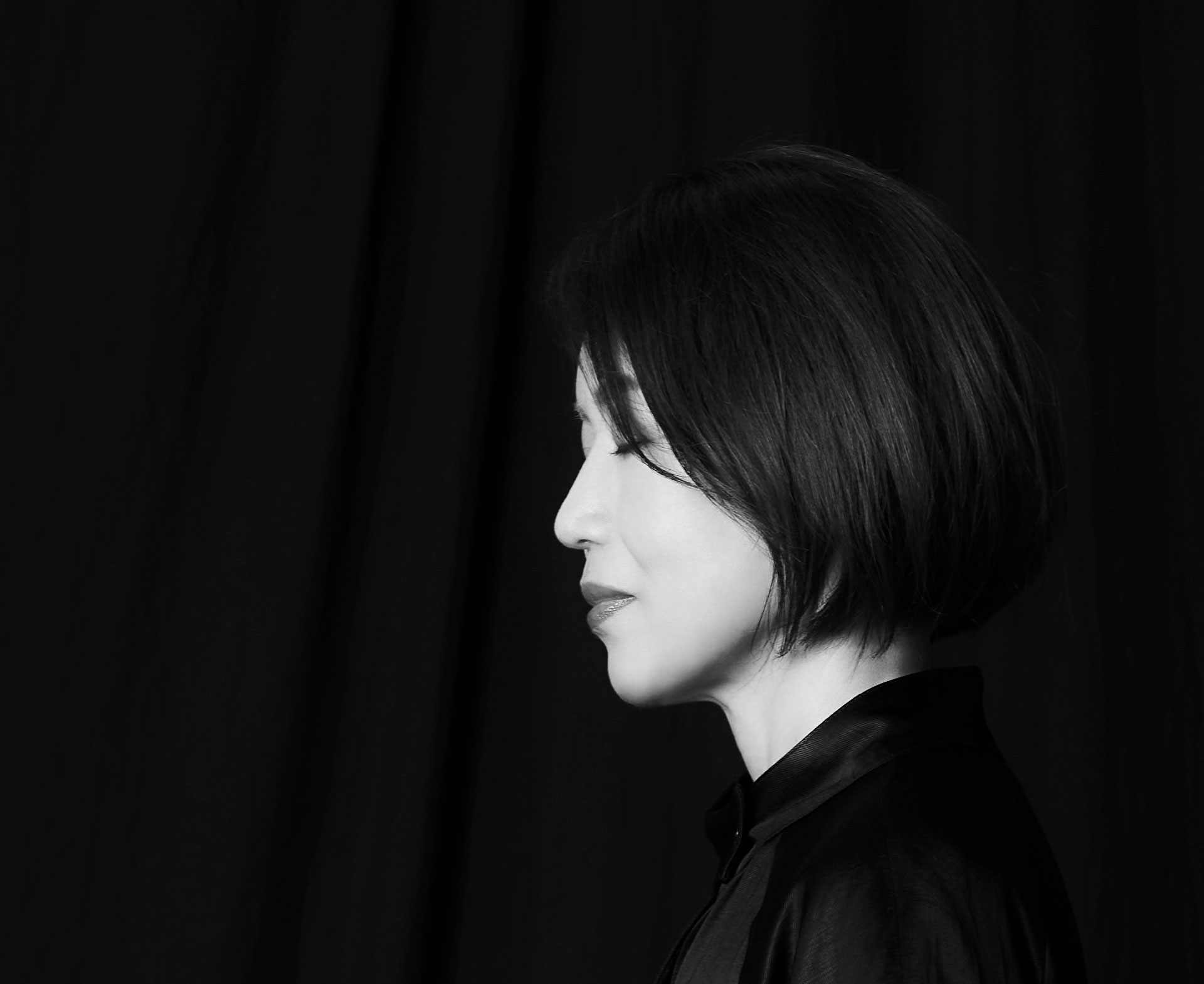
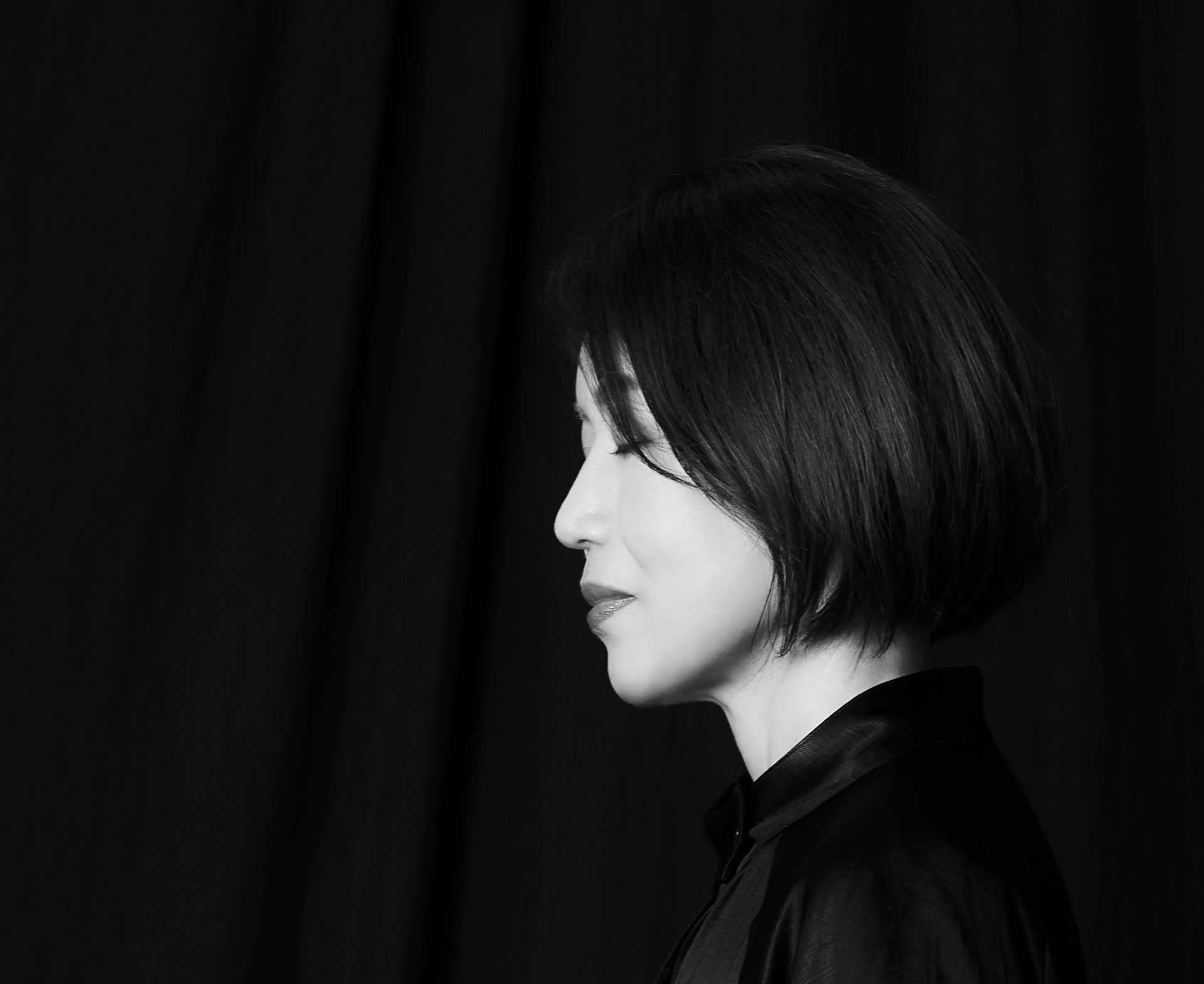
Miki Orihara Chairperson, Japan Commercial Environment Design Association (JCD) / Jury Member, Asia Design Prize
“Miki Orihara is a Japanese interior designer and producer who developed her own approach to spatial design through field experience and independent study rather than formal design education. She established her own design office in 2011 and renamed the company ODO in 2023. Working across hotels, restaurants, offices, and commercial facilities, she has expanded spatial design to encompass business models, operations, branding, and visual production. In recent years, she has also focused on passing Japanese techniques and culture to the next generation through locally rooted design projects with regional craftspeople and the experiential learning program Touring School. In 2026, she became the first female Chairperson of the Japan Commercial Environment Design Association (JCD), an organization representing more than 500 commercial space designers. In this interview, we discuss sensory qualities that cannot be captured in drawings, the relationship between space and operations, the continuation of regional craft, and the future of Asian design.”
To begin, could you introduce yourself and tell us what first led you to spatial design? After leaving the banking industry, you studied design independently, worked in accounting while gaining practical design experience, and eventually established your own studio. How has taking a path different from a conventional design education shaped your perspective and the way you work?
Because I began without extensive knowledge, I also had no fixed theories or established methods to follow. In a sense, that meant I was free from preconceived ideas and could approach commercial design without being constrained by a particular formula. Rather than learning the answers to design in advance through formal education, I learned by identifying the questions that emerged in real projects and finding answers to them one by one. My most important starting point has always been the perspective of users and operators. I observe where people experience inconvenience, how staff move through a space, and what problems repeatedly arise during daily operations. To understand a space, I research its surroundings and comparable cases, consider different possibilities, and pursue what I believe to be the best design solution. That attitude continues to support my work today.
My experience in accounting also helped me view space realistically. Design is about creating a beautiful result, but it must also consider budgets, operations, and long term viability. I came to understand design and management not as separate fields, but as interconnected conditions that allow a space to function in practice.
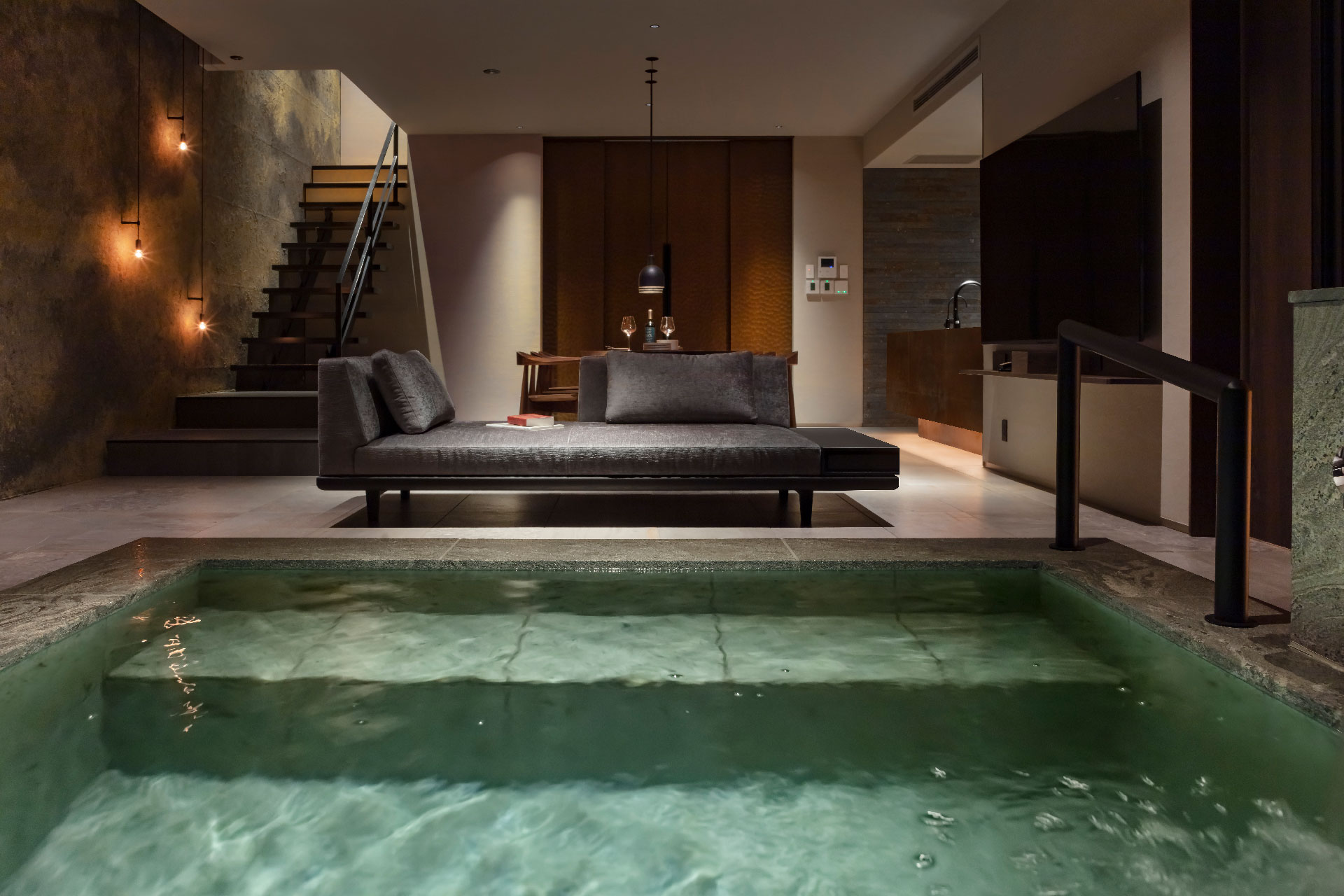
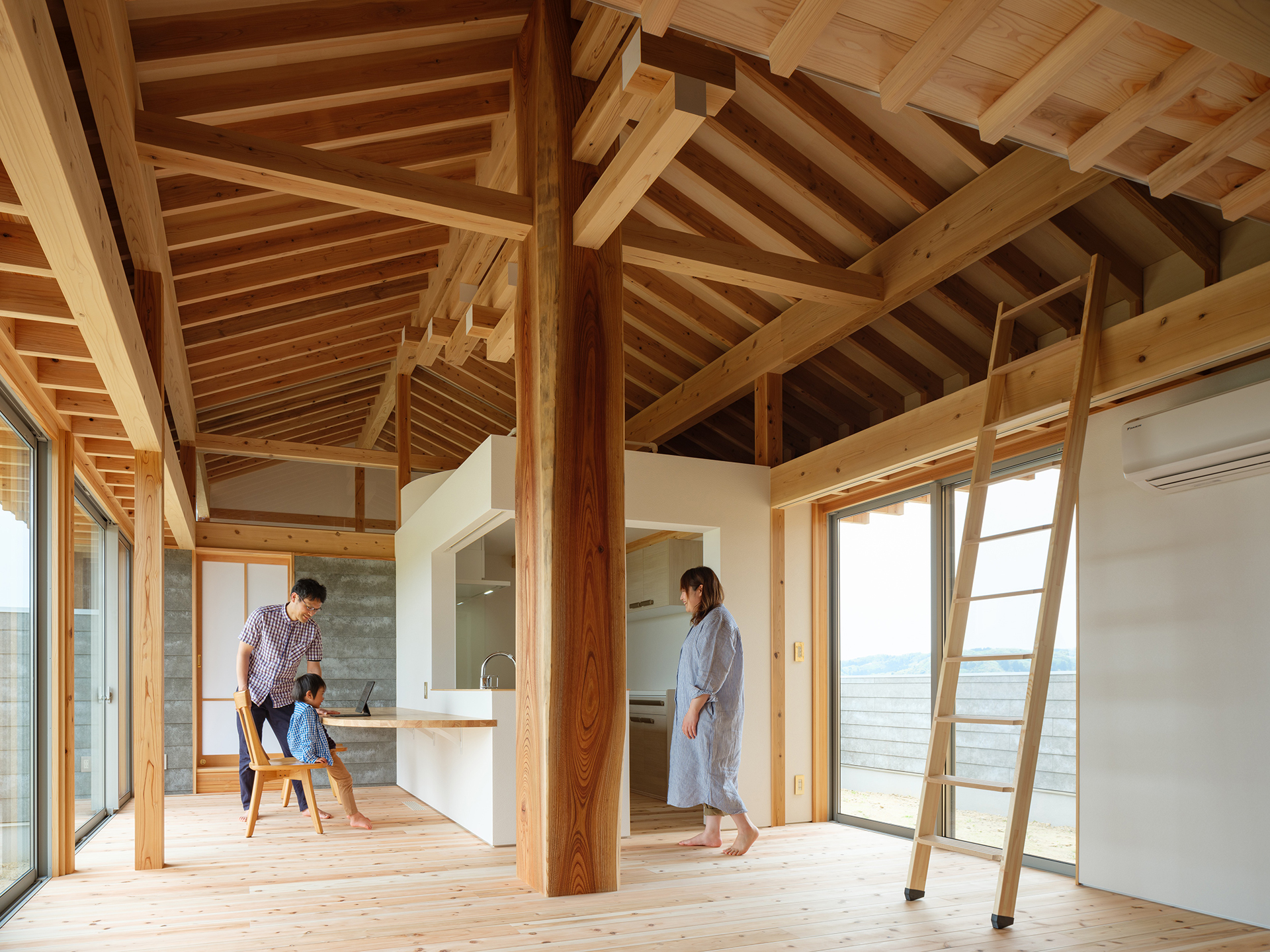
< RINN KYOTO MIYAGAWASUJI HITOTOSE-AKI-, Photographer:TOSHIHIDE KAJIHARA >
You place great importance on the belief that “because interior design is created by people, it must embody a range of thoughts and emotions if it is to move people.” What does designing space or architecture mean to you? What is the defining difference between a space that functions well and one that genuinely moves people?
I believe a comfortable space requires elements that cannot be fully represented in drawings. These include sensory factors such as scent, music, temperature, humidity, and the movement of air, as well as how visitors spend their time, where they pause, what they see, and what they feel as the experience unfolds. A drawing can explain the physical structure of a space, but it cannot fully convey the density and quality of the time experienced within it. Even when we watch the same sunset every day, there are days when its beauty moves us and others when it makes us feel lonely enough to cry. Human emotion changes continuously according to circumstance and memory. For this reason, I try not to stop at fulfilling functional requirements. I want to leave room for a space to meet each person’s emotions in an individual way.
A well organized functional space allows users to achieve their purpose without inconvenience. A space that moves people goes further by connecting light, sound, the tactile qualities of materials, and the distance between people into a unified experience. I believe that discovering and carefully adjusting these subtle differences is one of the spatial designer’s most important responsibilities.
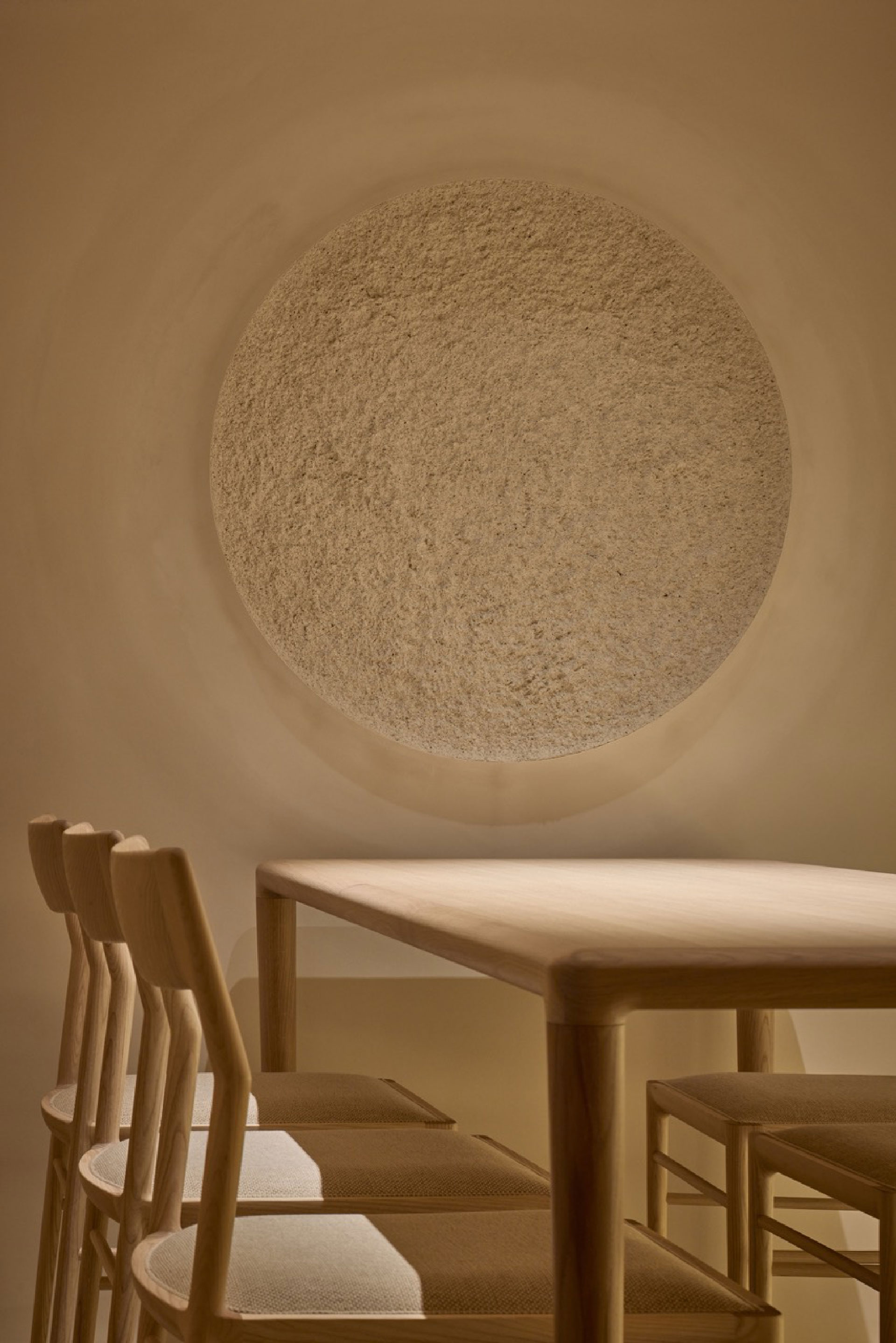
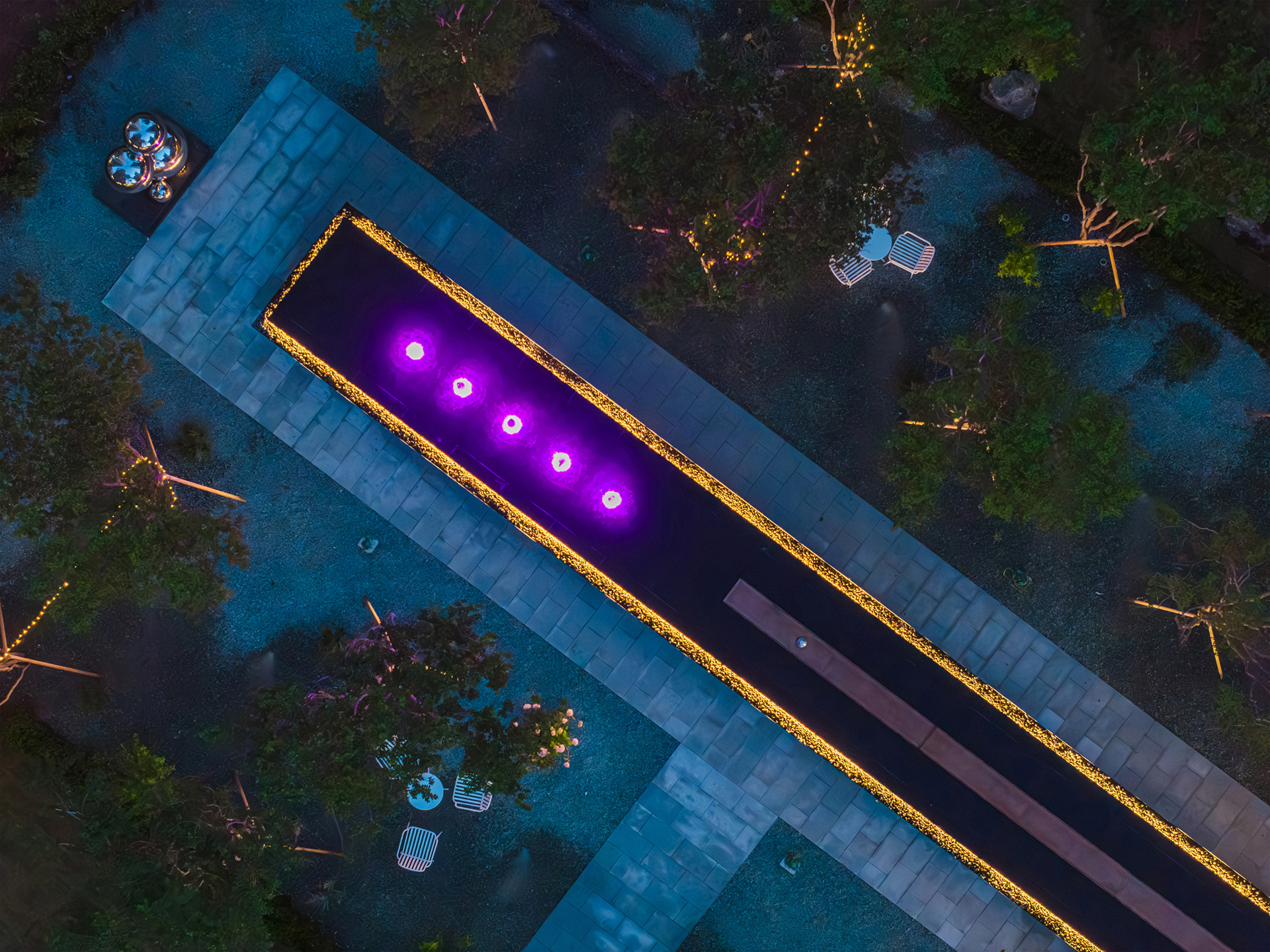
< HITOORI, Photographer:© Nacása & Partners Inc. FUTA Moriishi >
You have designed a wide range of environments, including hotels, restaurants, offices, and commercial facilities. In the leisure hotel sector alone, you have designed more than 2,000 guest rooms. What important insights into human behavior and emotion have you gained from designing spaces visited by people with different purposes? Even after many years of experience, what is the first criterion you examine when beginning a new spatial project?
Patterns of behavior and personal preferences vary considerably from one region to another. What people consider comfortable, how closely they interact with others, and how much openness or privacy they expect from a space are all closely connected to the local way of life. Even when two spaces serve the same function, the appropriate design response can differ according to the region and its users. That is why I begin every project by trying to understand the location. I look beyond the surrounding streets and buildings to observe how people move, when they eat and rest, which materials and colors feel familiar, and what level of service they expect. Applying an imported style without understanding the site may produce something visually new, but it is unlikely to remain comfortable over time.
At the same time, simply reproducing local customs is not enough. A designer must respect what is familiar while proposing an experience that is one step ahead of what users already know. I consider the balance between understanding regional identity and presenting new possibilities to be one of my most important criteria.
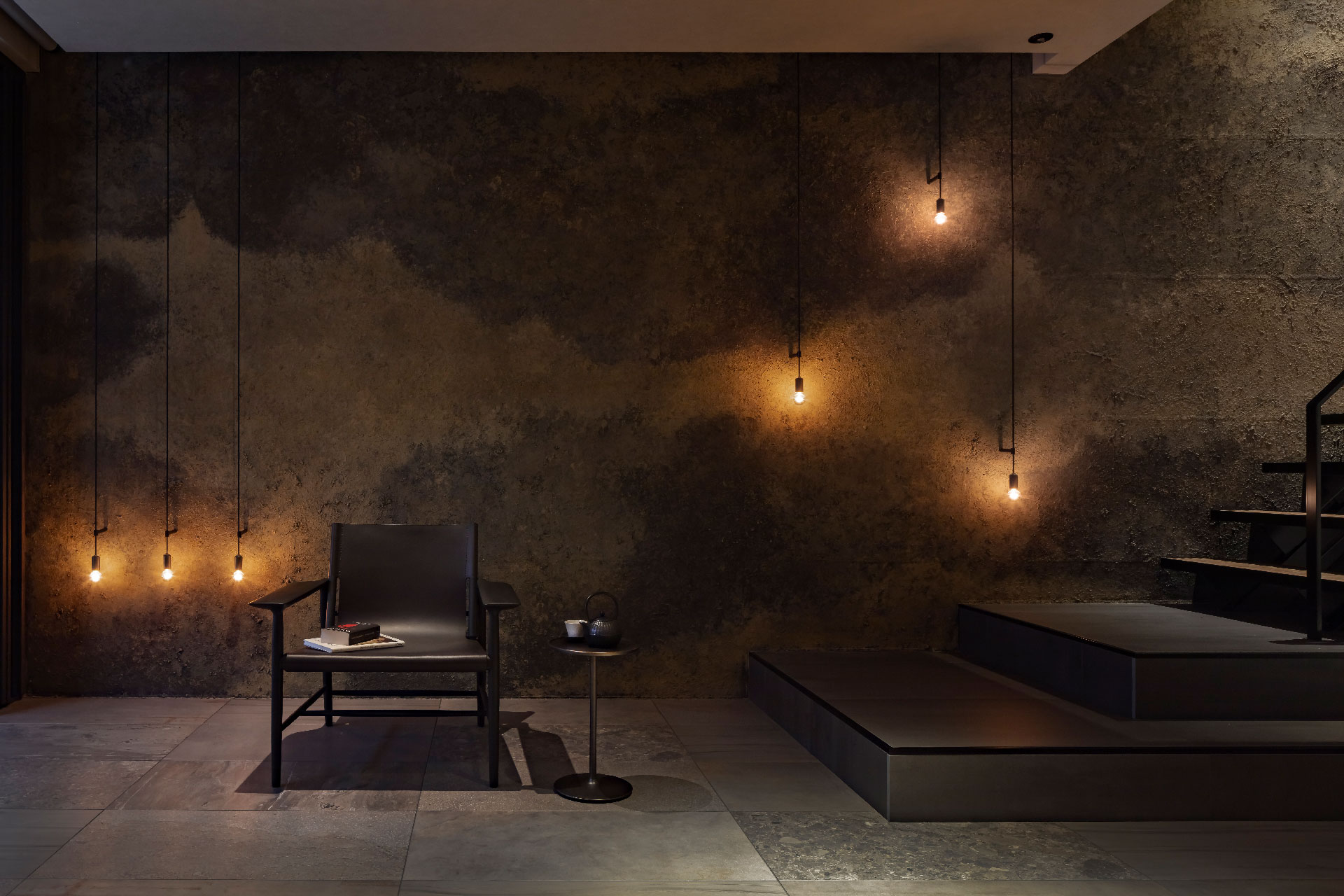
< RINN KYOTO MIYAGAWASUJI HITOTOSE-AKI-, Photographer:TOSHIHIDE KAJIHARA >
ODO does more than design the physical appearance of a space. The company provides integrated proposals encompassing business models, operating methods, branding, and visual production. What led you to believe that spatial design should extend into business, service, and brand experience? What must designers understand to create places that are not only beautiful, but also operate successfully and remain loved over time?
Spatial design can become an important reason for users to take an interest in a place and decide to visit it. However, a beautiful environment alone is not enough to bring people back. Service and operations must work in harmony with the design. My own experience in the service industry taught me that a positive experience is completed only when the space supports human behavior. I think of hospitality as the design of a person’s time. Imagine a beautiful bar. When a guest returns from the restroom and sits down, a hand towel is offered at exactly the right moment. The guest may be moved by this unexpected attentiveness. Yet this service cannot be sustained unless the space has been planned so that staff can prepare the towels nearby and provide them immediately. Good operations do not depend on staff effort alone. They must be supported by layout, storage, and circulation.
Conversely, a design developed without sufficient understanding of operations can place a burden on both users and staff. Designers therefore need to understand the business model, the service process, the movements of people working on site, and the promise that the brand intends to deliver to its customers. When these elements are connected by a consistent philosophy, a space can retain its identity even after trends change. I believe this is the foundation of a place that remains loved for a long time.
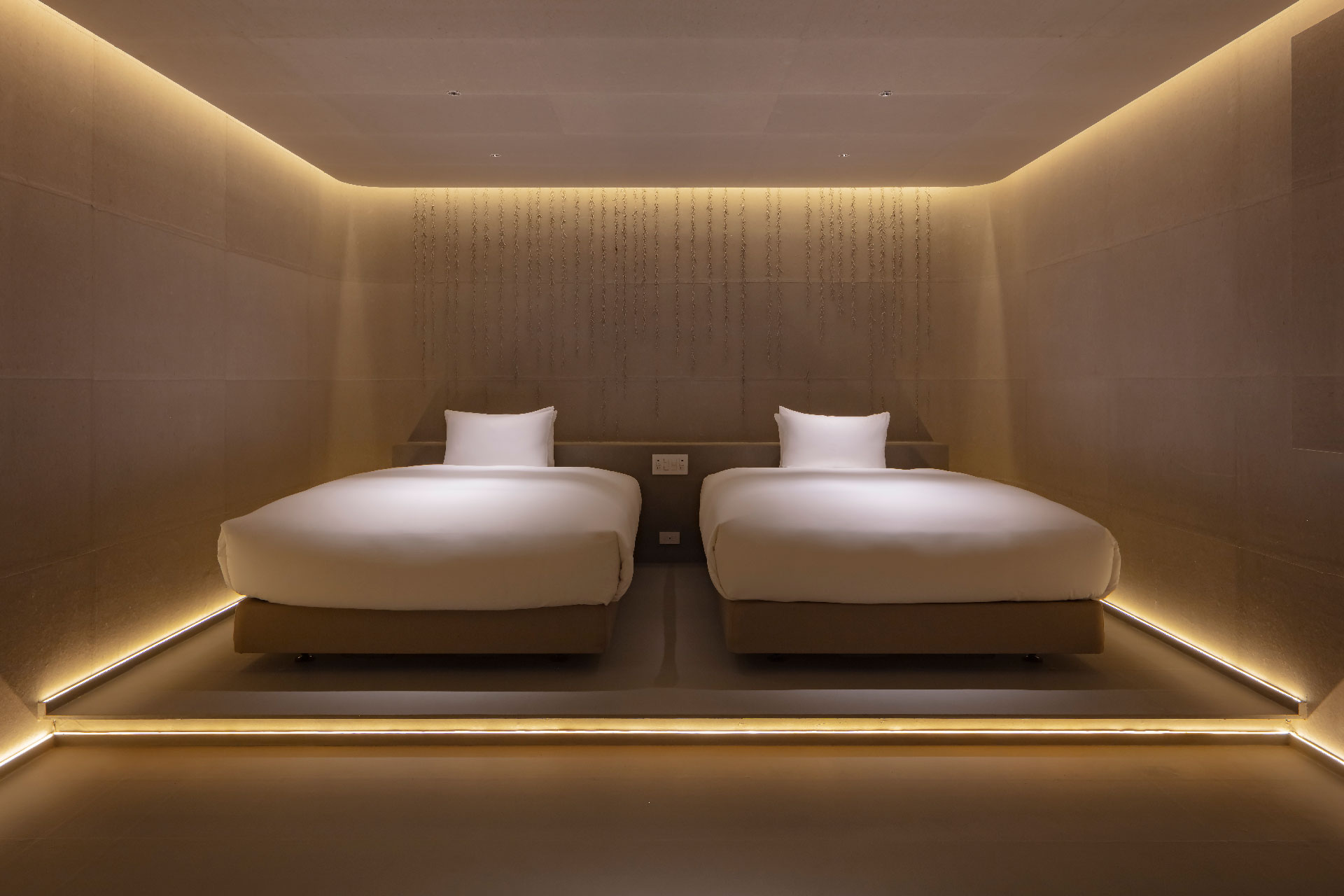
< RINN KYOTO MIYAGAWASUJI HITOTOSE-AKI-, Photographer:TOSHIHIDE KAJIHARA >
In recent years, you have worked with regional craftspeople to practice what you describe as “locally sourced, locally sustained design,” with the aim of passing Japanese techniques and culture to the next generation. What attitude is needed when bringing local materials, techniques, and historical contexts into contemporary spaces without reducing tradition to decoration or imagery? What long term value can collaboration between craftspeople and designers create for regional communities and industries?
Regional materials and techniques have developed over long periods through the accumulation of local climate, daily life, and human knowledge. Available materials and production methods differ from one place to another. Their meaning cannot be fully communicated by borrowing only the visible result or form. We must first understand why a technique emerged in that particular region and what kind of life it has supported. Across Japan, many craftspeople possess exceptional skills but struggle to communicate their value to a wider public or determine how inherited techniques can continue to evolve in contemporary life. There are also unfortunate cases in which entire fields decline because no successor can be found. A designer’s role is not to consume tradition as attractive decoration, but to understand its culture and philosophy deeply and work with craftspeople to find new roles for established techniques in the present.
If the new value created through that process attracts attention and moves people, both the craftsperson and the technique can be appreciated in a new way. When a single project creates demand, supports employment, and draws the interest of younger generations, collaboration can contribute to the long term viability of a regional industry rather than serving as a temporary presentation. To me, this is design in which value created locally returns to the region and its people.
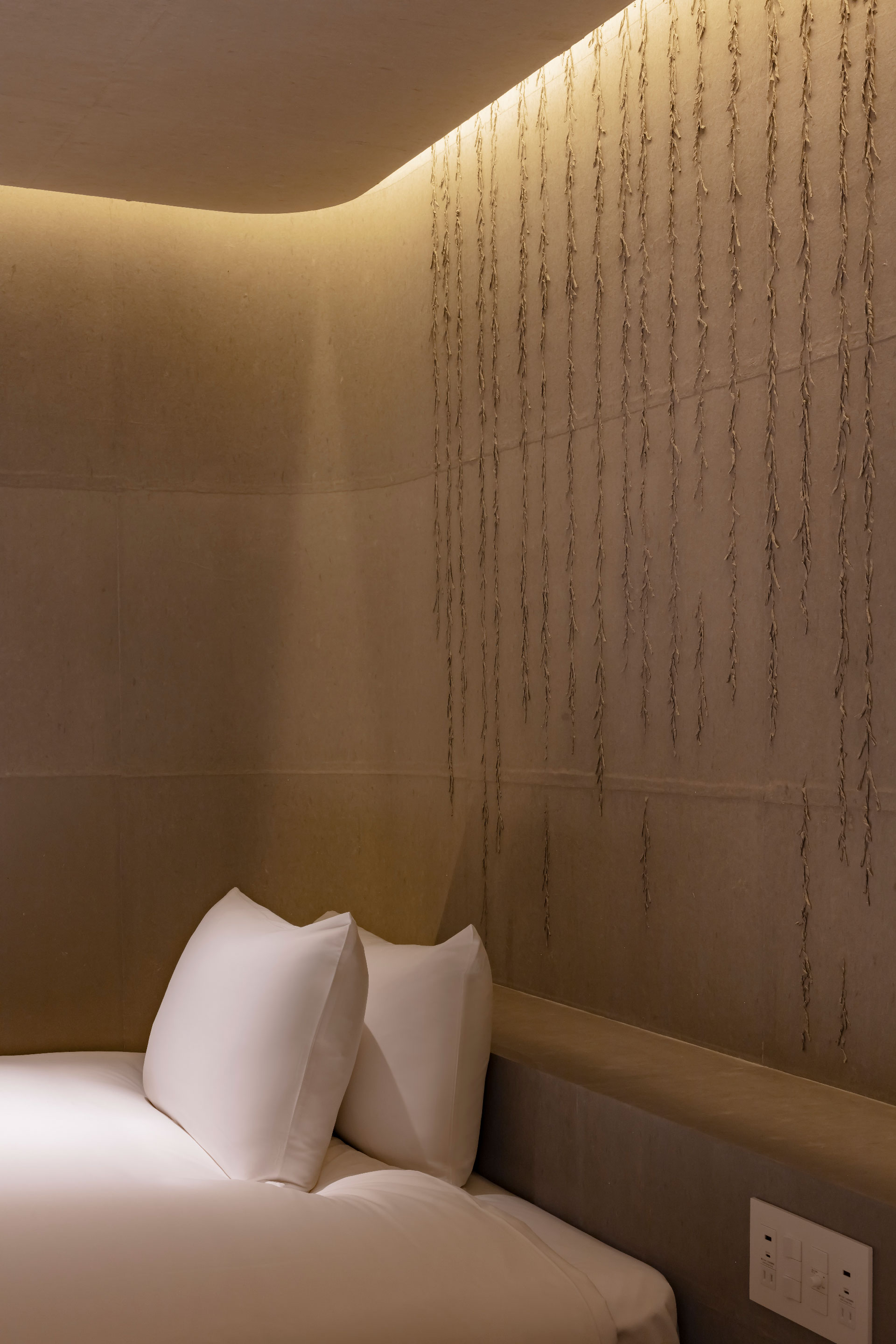
< RINN KYOTO MIYAGAWASUJI HITOTOSE-AKI-, Photographer:TOSHIHIDE KAJIHARA >
You also organize Touring School, an experiential learning program that allows participants to encounter regional cultures and techniques firsthand and carry them into the future. How does learning through visiting places, meeting people, and experiencing techniques differ from an archive centered on documents and images? What kind of archive is needed to record and pass on forms of design, such as space and craft, that are understood through physical experience?
People tend to remember what they experience through the body longer than what they understand only through the mind. When you touch a material, hear the sounds of production, observe the pace of a craftsperson’s hands, and sense the atmosphere of the workplace, you gain knowledge that cannot be conveyed through documents or photographs alone. The deeper the experience and the more unfamiliar worlds people discover, the more strongly they want to share what they have learned with others.
Through Touring School, I have seen how one person’s experience is passed to another through words and actions, generating new interest and changes in behavior. Knowledge acquired in the field becomes more than information. It becomes a basis for future choices. When designers gain more options for selecting materials, choosing collaborators, and respecting regional techniques, their work can also become richer.
Future archives need to go beyond preserving finished images and written descriptions. They should record production processes, the voices of craftspeople, the tactile qualities and sounds of materials, and the changes people sense while moving through a space, using a range of media. An archive should also do more than accumulate records. It should enable the next generation to visit sites, experiment directly, and add new interpretations. When one experience generates another, an archive becomes a living foundation for education.
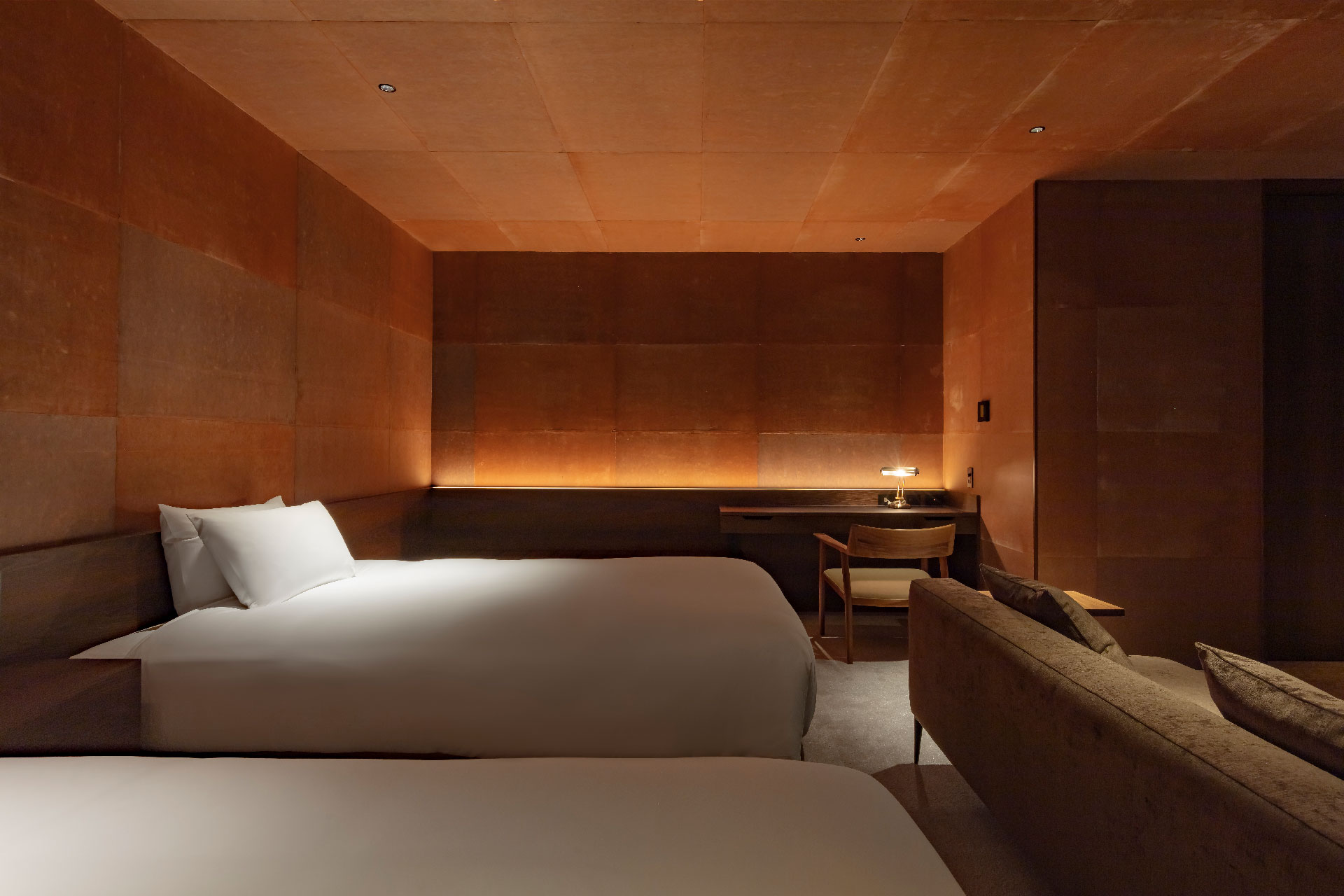
< RINN KYOTO MIYAGAWASUJI HITOTOSE-AKI-, Photographer:TOSHIHIDE KAJIHARA >
In 2026, you became the first female Chairperson of the Japan Commercial Environment Design Association (JCD), which represents more than 500 commercial space designers. What does JCD’s direction of “opening, connecting, and creating together” mean in today’s design industry? What needs to change first in order to build a community where designers across generations, regions, and disciplines can learn from and support one another?
Until now, I think organizations have often focused on what benefits they can offer their members. Supporting members remains important, but from this point forward we also need to create more opportunities to engage with designers, companies, and specialists from other fields who are not part of the organization. Opening the organization allows new perspectives to enter and different forms of experience to connect. I see “opening, connecting, and creating together” as a continuous process. First, we open the organization so that people from different backgrounds can participate. We then connect people by sharing information, concerns, and a sense of common purpose. The ultimate goal is to use those relationships to create new projects and value for the future. The community should not be a network where people simply exchange business cards. It should lead to genuine collaboration and growth.
We are currently considering new events that can be held throughout Japan to help initiate this process. I want to use JCD’s nationwide branches and networks so that opportunities are not determined by region or generation, and to create places where young designers and experienced professionals can speak as equals. If a culture of sharing knowledge and experience takes root, JCD can support individual growth while expanding the social value of commercial space design.
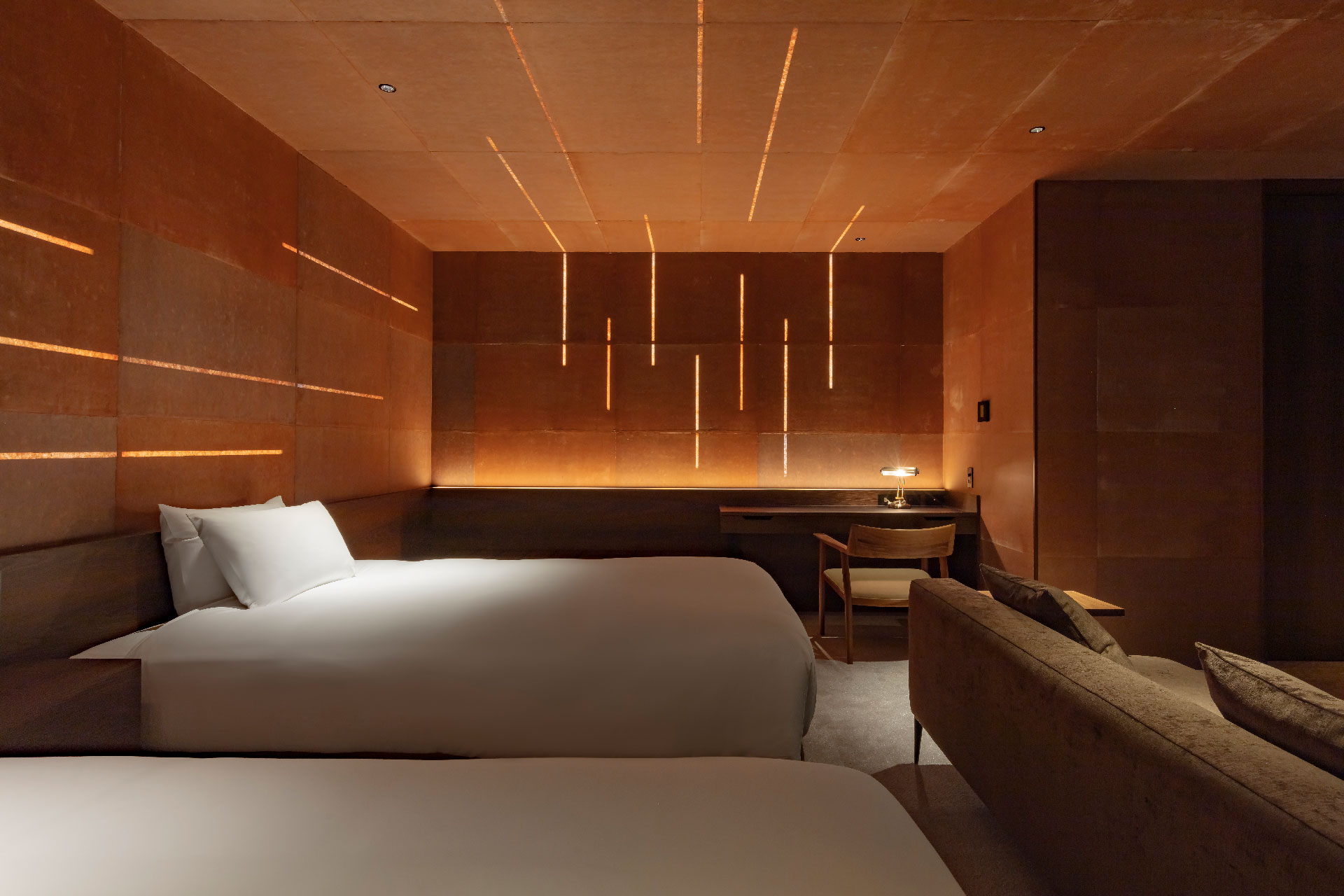
< RINN KYOTO MIYAGAWASUJI HITOTOSE-AKI-, Photographer:TOSHIHIDE KAJIHARA >
As a jury member of the Asia Design Prize, you will evaluate designs submitted from many countries and regions across Asia. How will your experience in spatial design practice, business development, collaboration with regional craftspeople, and the design community at JCD inform your judging? Beyond the finished visuals, what criteria will you consider when assessing the background, sustainability, and human or social impact of a project?
The quality and beauty of an individual space are, of course, important criteria. However, rather than viewing a project in isolation, I also want to consider the relationship it establishes with its surroundings. I will look at whether the design reflects an understanding of the local climate, culture, and way of life, and what positive change the new space brings to the existing environment. I do not want to treat sustainability simply as a question of whether environmentally responsible materials have been used. We also need to consider how existing buildings and materials have been utilized, whether a space can operate successfully over time, and whether maintenance and management impose unnecessary burdens. Consideration for craftspeople, builders, operators, and users involved in the project is also part of sustainable design.
I am also interested in how a design identifies and resolves a specific problem. I look forward to seeing work in which the beautiful image is supported by a clear attitude and a practical process intended to improve people’s lives and society. Such design does not end when construction is completed. Its value continues to grow over time.
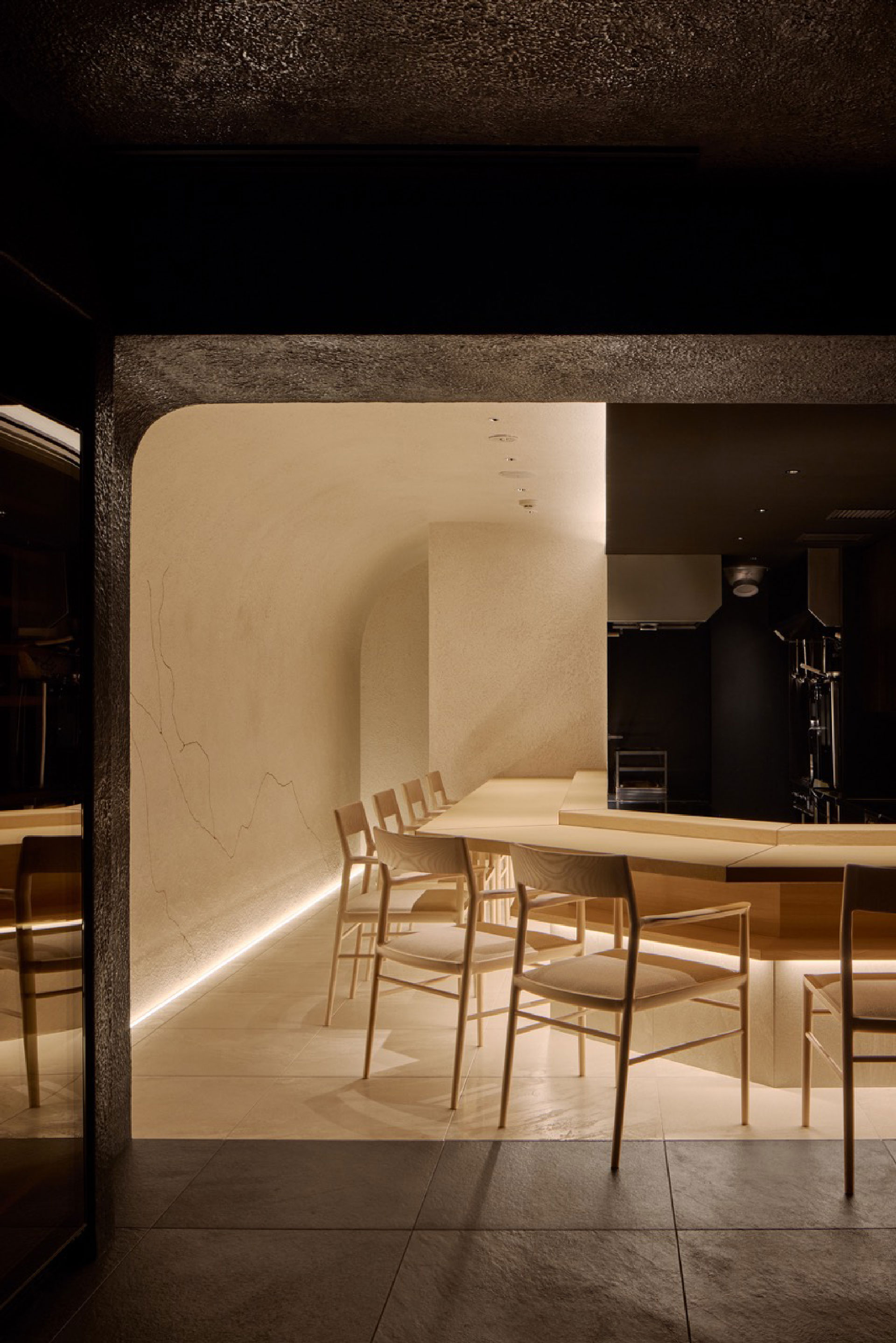
< HITOORI, Photographer:© Nacása & Partners Inc. FUTA Moriishi >
Asian countries and regions have distinct histories, cultures, climates, and industrial environments, while also sharing challenges such as rapid urban transformation and the need to preserve local identity. What unique potential do you see in contemporary Asian spatial design, and what challenges are shared across regions? Beyond simply comparing the designs of different countries, what role should design awards and professional organizations play in building solidarity through shared knowledge and experience?
Above all, we need to develop a strong understanding of each region’s history and culture before considering how to solve its problems. Interpreting a place only through outside standards or applying a single viewpoint as though it were the correct answer can weaken the very identity that design should respect. We must continue to examine whether our own perspective has become too narrow or biased. We should also ask whether creating something new is always the best answer. Before building again, we need to examine whether existing buildings, materials, techniques, and ways of life can be used more effectively. Asia has an immense store of regional resources and knowledge accumulated over generations. Connecting them with contemporary needs can reveal possibilities for spatial design that differ from standardized development.
Design awards and professional organizations should not limit themselves to comparing results and determining rankings. They should record the historical and social conditions in which each project was created and connect designers from different regions so that they can share not only successful solutions, but also the processes and failures behind them. When differences become resources for learning rather than criteria for competition alone, solidarity within Asian design will grow stronger.
A design award is a system for recognizing outstanding work, but it is also an archive that records contemporary design for future generations. What role do you hope the Asia Design Prize will play as it develops into a platform that documents the design languages and social changes of different Asian regions? Finally, what kind of design do you hope to encounter during the judging process, and what message would you like to share with young designers who will shape Asia’s future?
We face many challenges, including environmental issues, demographic change, regional decline, and technological transformation. Even so, I believe the potential of design is limitless. When we approach problems and design with genuine care for people and society, we can help move the world in a better direction. What matters is not simply presenting a new form, but clearly showing who the design is for and what it seeks to change.
I hope the Asia Design Prize will record not only the final outcome of a project, but also the social context in which it emerged and the process through which it addressed a problem. Future generations should be able to return to the archive and understand what society was confronting at the time and how designers responded. As these records accumulate, the award can become more than a system that provides recognition. It can develop into a knowledge platform that traces changes in Asian society and design.
To young designers, I would say: continue working so that design remains a force that contributes to the well being of people and society. Understand your own region and culture deeply, remain open to different perspectives, meet people in the field, and examine real problems to the very end. During this year’s judging, I look forward to encountering work that goes beyond visual refinement to move people and propose new possibilities for society.














#14057, 905 49, Beolmal-ro 102beon-gil,
Dongan-gu, Anyang-si, Gyeonggi-do, Korea
Business Registration Number: 454-86-01044
Online Sales License No.: 2021-Anyang Dongan-1081
Copyright © DESIGNSORI Co., Ltd.