A question I’m often asked in branding lectures is the difference between branding and marketing. What follows is not a universal truth but my own view, organized for clarity. Marketing encompasses every direct action aimed at increasing sales. The product ads we see on social media are a typical example: messages that explain why a product performs well, what benefits come with purchase, or how much cheaper it is than competitors, delivered to broad or targeted audiences to prompt immediate buying. Branding, in contrast, is the work of creating the value that distinguishes “us” from “everyone else.” In practice, it is the entire process of turning customers into fans of the brand. A simple story will make the contrast clear.
Imagine someone goes to a department store to buy sunglasses. A sign announcing a limited time deep discount catches the eye and draws this person into a specific shop. Inside, the staff enthusiastically explain materials, functions, and advantages, and they recommend certain models. The shopper grows more curious. Because the discount is time bound, the deal feels urgent. As the customer heads for the door to compare other stores, the staff offer an extra five percent off or a gift if the purchase happens today. After this sequence, the sunglasses are purchased on the spot.
This is the standard rhythm of marketing. The same pattern plays out online. We encounter a promotion, click out of curiosity, and land on a product page. The detailed copy serves the same role as the staff’s explanation on the sales floor, persuading us that this product is preferable even when the difference is minimal. Before we exit the page, an extra coupon or bonus offer appears. The tools differ, but the logic is identical. Will the same person buy from that brand again next time They might, especially if the product exceeds expectations. If not, they may simply choose whichever brand is running the best promotion at the moment of purchase. Now consider a different sunglasses brand.
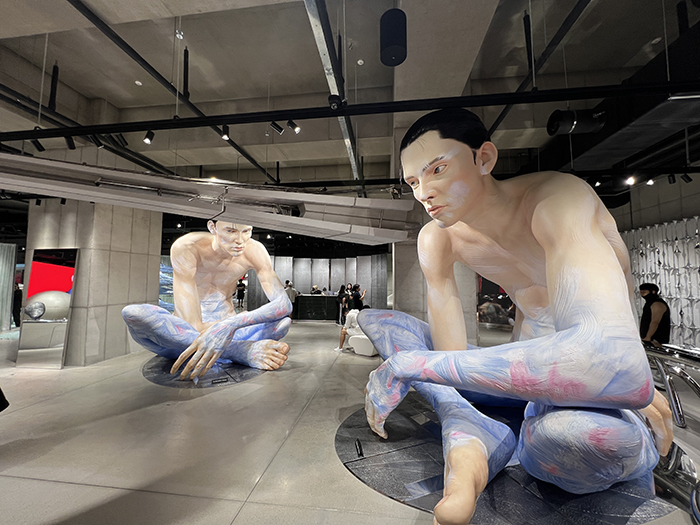
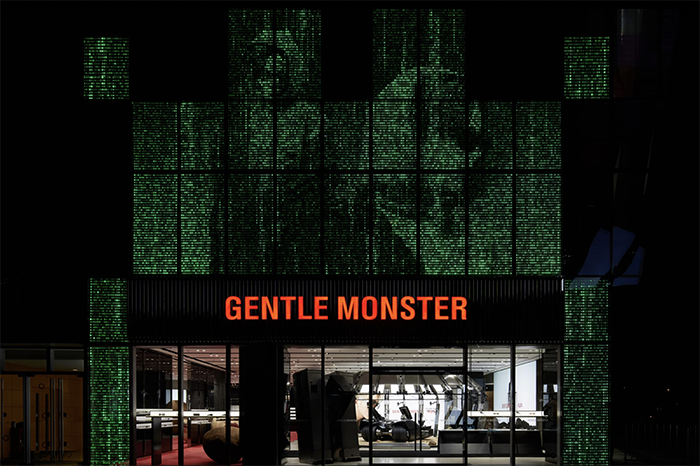
One day it opens a flagship store downtown. It does not feel like a typical retail space. Instead, the interior is filled with striking installations and spatial experiments. Visitors experience something closer to a gallery than a shop. That encounter sparks curiosity and soon word of mouth brings more people through the door. They leave with a strong sense of the brand’s taste, personality, and point of view. The store seems less focused on immediate selling and more intent on expressing what the brand aspires to be, the style it champions, and the image that belongs to it alone. This is how Gentle Monster has treated its flagship spaces in Seoul and Tokyo. Each visit impresses with scale and originality.
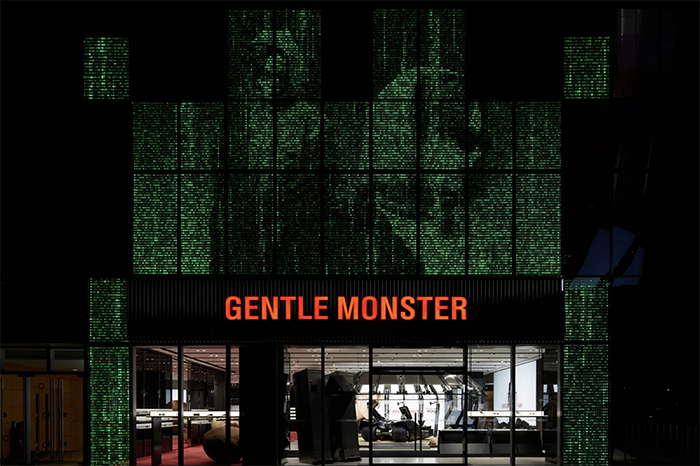
< Image source: gentle monster >
Return to our shopper. When they later go to the department store, which shop will they notice first There is no certainty, but Gentle Monster will likely be top of mind. Even without a sale sign, they will probably visit the brand’s corner to at least look. Purchase is their choice, but awareness and affinity have already been formed.
Compare the two paths. In the first, the brand actively asserts why its product is superior and offers a sequence of incentives to close the sale. In the second, the brand does not shout features or discounts. Instead, it leaves a vivid impression, builds positive sentiment, and nudges the visitor toward becoming a fan. Both aim at revenue, but the journeys and methods are fundamentally different. That difference, to me, is the line between marketing and branding.
Marketing should check questions like these:
• Who is most likely to be interested in our product, and through which channels can we reach them?
• What messages will make people stop and pay attention?
• What level of discount will effectively drive site visits or clicks?
• How should we describe the product on our site so it feels more compelling than competitors’ offerings?
• To convert interest into purchases, should we offer an extra discount coupon or a gift?
• How can we re-engage visitors who left the site to encourage them to return and buy again?
Branding should focus on questions like these:
• What value truly differentiates us from competitors, and how can we define and own it?
• Is that value primarily functional, or does it also require an emotional dimension?
• How should we define our unique image, and by what means can we express it consistently across touchpoints?
• Ultimately, how do we want people to remember us?
• What long-term strategy will make that memory real in the market?

















#14057, 905 49, Beolmal-ro 102beon-gil,
Dongan-gu, Anyang-si, Gyeonggi-do, Korea
Business Registration Number: 454-86-01044
Online Sales License No.: 2021-Anyang Dongan-1081
Copyright © DESIGNSORI Co., Ltd.