KTX Archi Lab operates studios in Tokyo and Hyogo and has designed hundreds of commercial environments worldwide, from retail to healthcare and offices. Some stores thrive; others do not. From a client’s perspective, however, a shop is a business instrument. If it fails to generate sales, it fails its purpose. No matter how beautiful or refined a space may be, if customers do not come—or do not buy—our work cannot be called a success.
Of course, whether a store prospers is not determined by spatial design alone. One might argue that excellent service is enough to carry a business. In reality, the environment exerts a powerful influence. Consider whether consumers choose purely on product quality. The same sweet rice cake packed in a lacquered wooden box versus a plastic wrapper creates entirely different expectations: the former suggests a high-end wagashi boutique; the latter, something you might grab at a supermarket for a few hundred yen. Packaging shapes not only perception of value, but even how flavors are remembered.
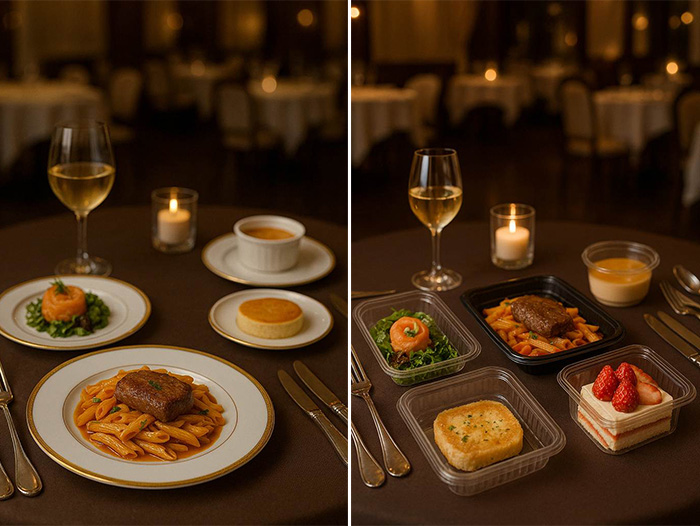
A Japanese TV program once staged an experiment: it replaced a full course from a top restaurant with convenience-store items, then observed diners’ reactions. No one noticed. Guests praised the cuisine as sophisticated and delicious. In other words, when the setting feels first-class, the food is experienced as first-class. The perceived quality of an offering is strongly conditioned by the quality of its environment. This is why commercial space designers must plan with market performance in mind—to create places that spark attention at launch, attract customers over time, and keep producing revenue. In short, space must function as a business tool.
What does a business-driving space look like? Put simply, it works as advertising communicated through images rather than words. Think of it as a kind of “stealth” persuasion. People increasingly pay to block overt ads; in Japan, ad-blocking apps rank among the most downloaded. So how do you convey intent without triggering the resistance that traditional advertising often provokes? Christopher Nolan’s Inception offers a clue: ideas embraced as one’s own feel more credible than ones imposed from outside. Spatial design speaks to the unconscious, enabling people to arrive at a conclusion they believe they formed themselves. That, in turn, activates confirmation bias—deepening expectation and trust.
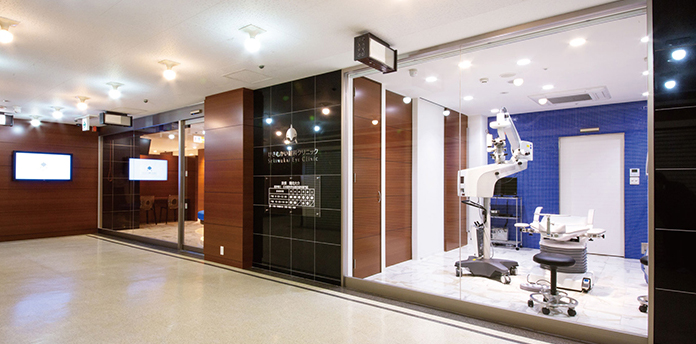
Take an ophthalmology clinic we launched. We opened the surgery room to the public corridor of the commercial complex, fully visible behind glass. Many people do not even realize eye clinics have operating theaters, and encountering one transparently on display leaves a striking impression. Without a single line of copy, visitors infer, “This hospital is confident and highly skilled.” The clinic became a topic of conversation from day one. Surgical volume, initially once a week, grew to three days a week within a few months.
This is the essence of space as a business instrument: plant a message in the subconscious through a vivid visual impression, and let the environment do the persuasive work. A space that leaves a strong afterimage becomes the key that opens the door to the unconscious; in that moment, the client’s message takes root. Spatial design is therefore not merely a question of taste. It is a strategic lever for growth and a powerful form of marketing. Our task, then, is twofold. First, clarify the message a client truly needs the market to internalize. Second, shape a spatial key that unlocks that message, so the place does more than look memorable. It performs.


Focus > News
Founder’s Comment: From ‘Country’ to ‘Area’: A New Language of Respect

Focus > Column
Interface where meets Value: Value Designing through CMF
Focus > Column
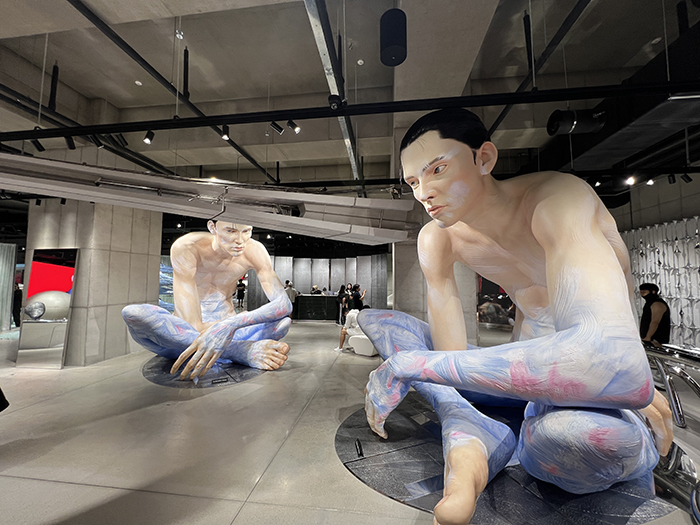
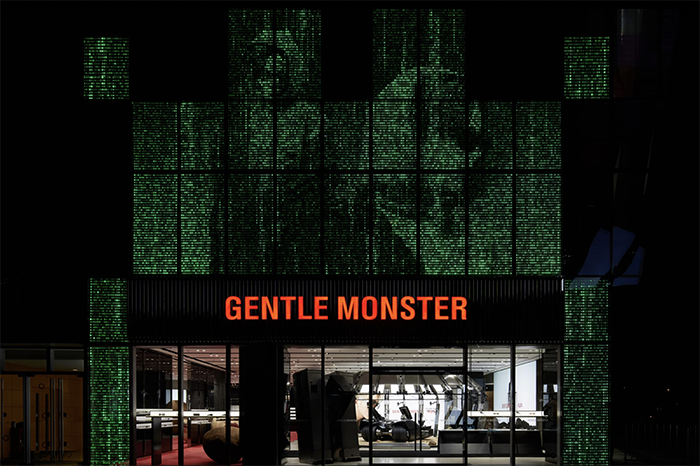
Gentle Monster’s Own History
Focus > Column
From Impression to Strategy: The Moment a Commercial Space Changes Sales
Interview > Communication
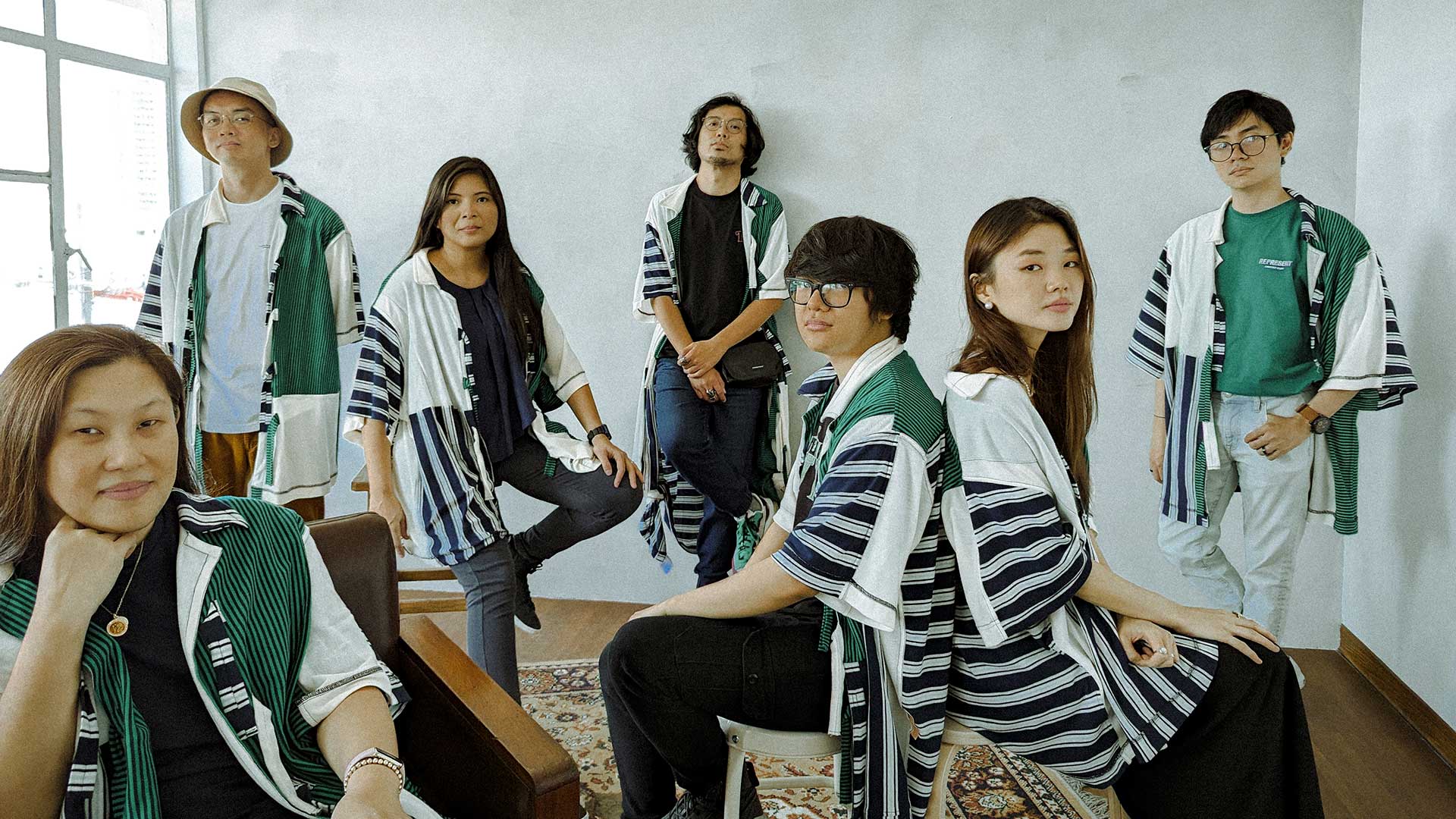
From Expression to Connection: The Growing Mission of Asian Designers
Focus > Column
The Difference Between Branding and Marketing

Focus > Column
Branding Ultimately Comes Down to the Battle for Keywords

Focus > Column
From One to Brand: The Path of Transformation
Focus > Column
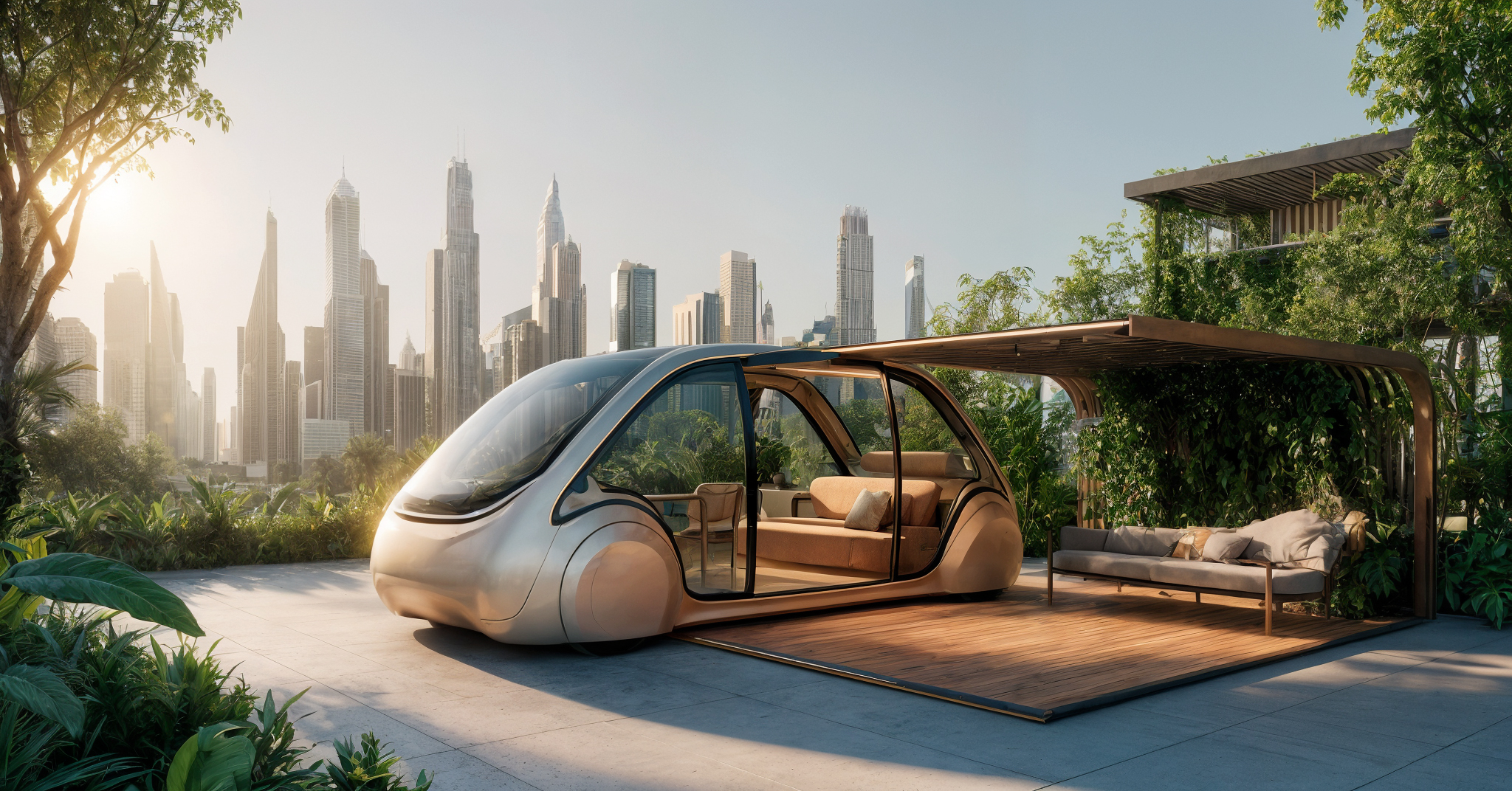
How Does the Industrial Design Process Dance with AI?
Focus > Column
The Era When Small Brands Outshine Big Corporations

Focus > Column
Purpose-Driven Purchase, Value-Oriented Consumption, and Branding Defined
Interview > Communication
18 Years of DESIGNSORI: Renewing a Media Legacy with lllayer’s Perspective


Partner & Sponsor
More








Wanna get more insights?
asia design trend report 26-27

info@asiadesignprize.com
#14057, 905 49, Beolmal-ro 102beon-gil,
Dongan-gu, Anyang-si, Gyeonggi-do, Korea
#14057, 905 49, Beolmal-ro 102beon-gil,
Dongan-gu, Anyang-si, Gyeonggi-do, Korea
Founder: Doyoung Kim
Business Registration Number: 454-86-01044
Online Sales License No.: 2021-Anyang Dongan-1081
Copyright © DESIGNSORI Co., Ltd.
Business Registration Number: 454-86-01044
Online Sales License No.: 2021-Anyang Dongan-1081
Copyright © DESIGNSORI Co., Ltd.