Founder of Plus63
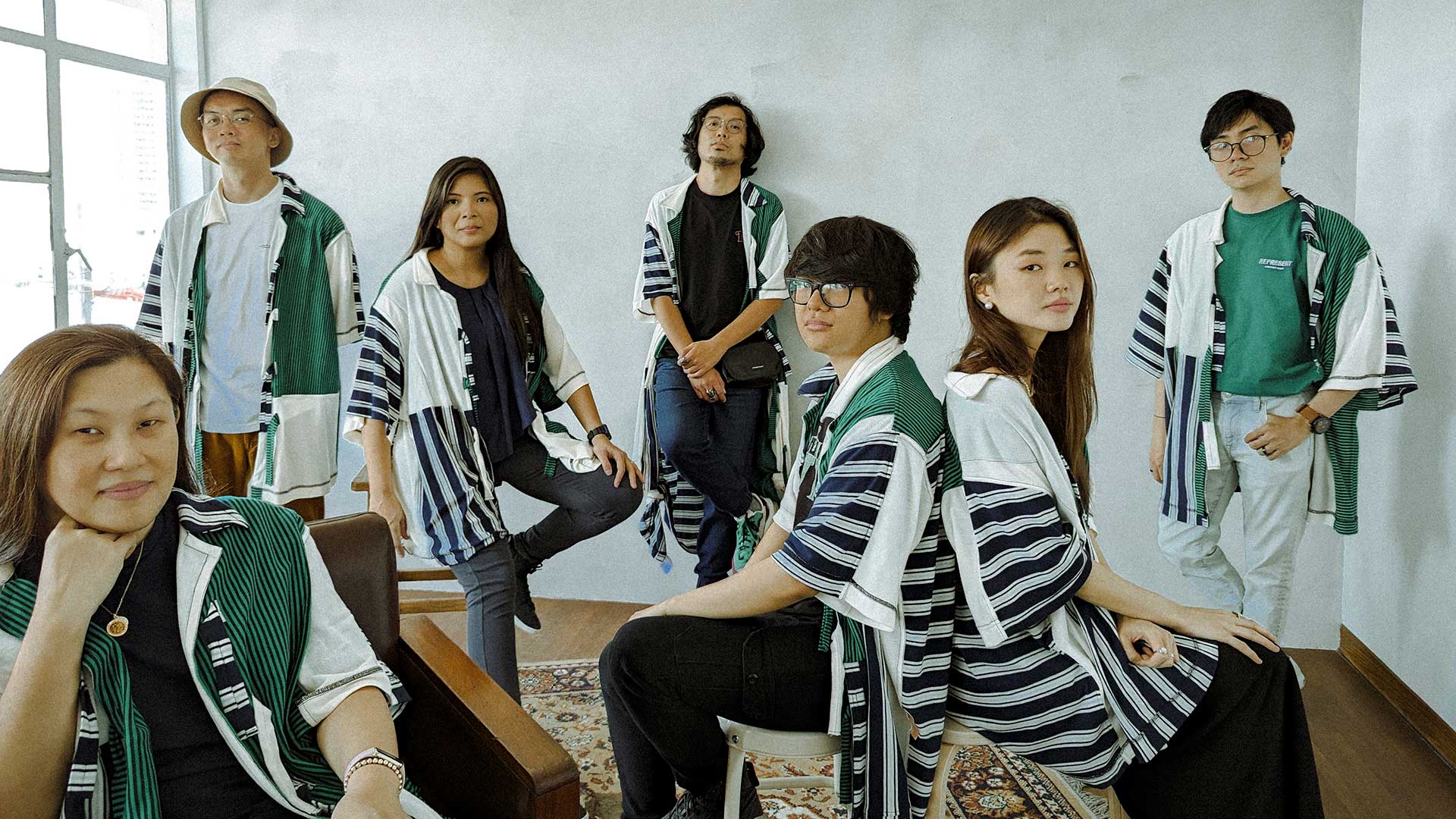
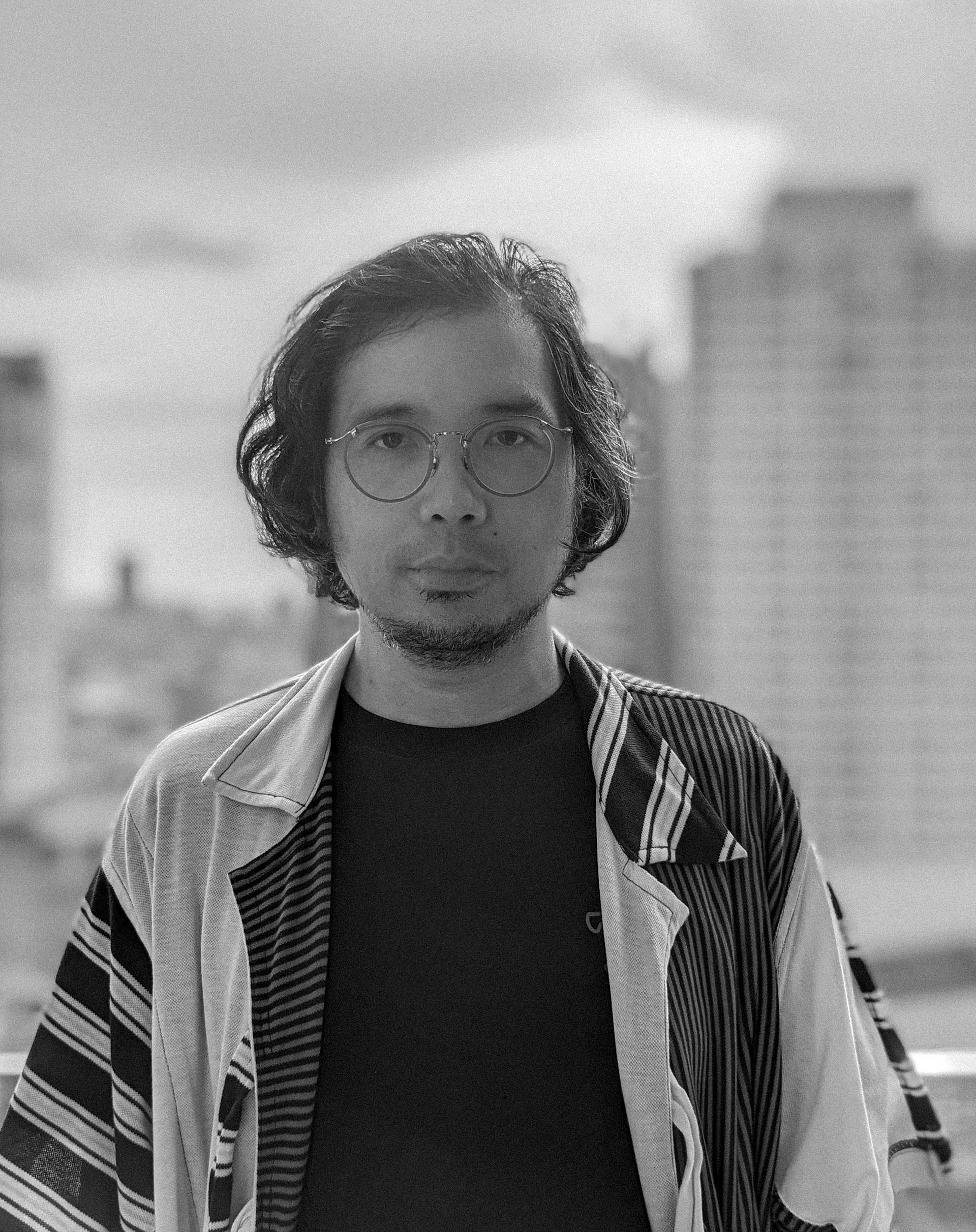
"Dan Matutina is a Filipino graphic designer and illustrator, co-founder of Plus63 and partner at Hydra Design Group. Known for fusing angular geometry with hand-wrought textures, he has collaborated with Apple, Google, and WIRED, and was named to The One Club’s Young Guns 11. In this ADP interview, we spotlight how his practice distills experimentation and social sensitivity into a clear, contemporary voice for Asian design."
To begin, could you briefly introduce yourself? Please share what first led you to design and illustration, the key stages of your creative journey, and what you are currently focusing on.
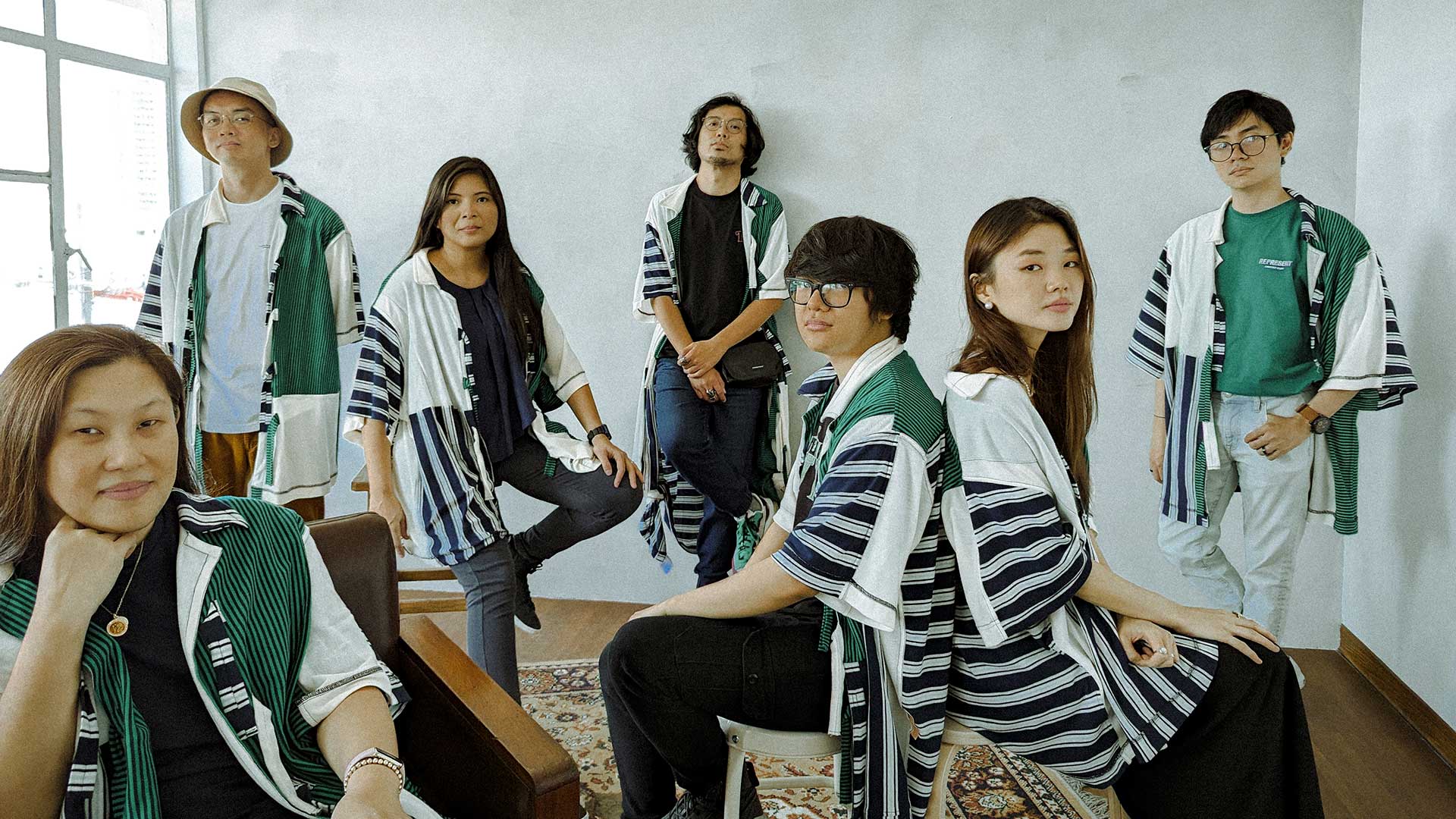
When I was young, I loved drawing and art, but I never imagined building a career in illustration, design or art. I grew up in Tacloban City, about an hour’s flight from Metro Manila, and at the time, I didn’t think a career in the creative industry was even possible. I was more interested in science and technology and took a tech-focused program in public high school. When it came time to apply for university, I chose Fine Arts because I’d read in a magazine about a successful local artist who had studied it. That was the first time I realized Fine Arts was even a course you could take. So, when I took the University of the Philippines’ entrance exam, that’s what I applied for. I passed and got in, which was a turning point for me. Before that, I had no formal art or creative education, so university was where I learned most of my art fundamentals. My first love in college was film, but producing films proved challenging, so I explored design and illustration as well. After graduating, I worked at an ad agency for three years. I never really enjoyed advertising work (and still don’t), so I left to start a social design agency with four friends. When we eventually went our separate ways, I founded Plus63 and later co-founded Hydra Design Group in 2016.
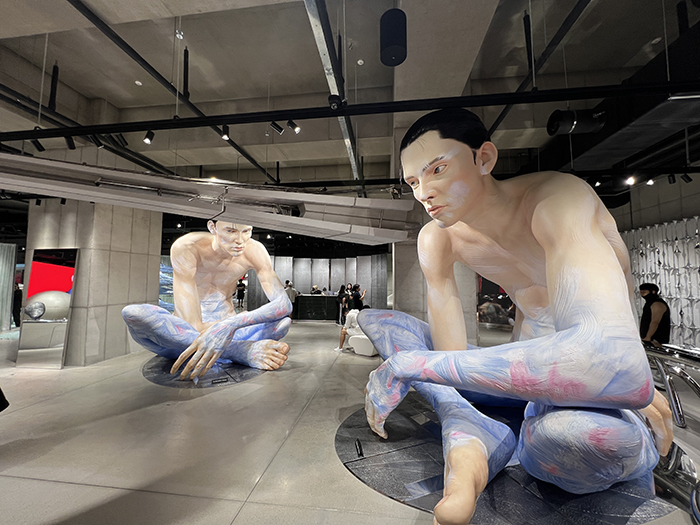
These days, my focus is spread across several projects. I maintain my illustration practice (represented by Agent Pekka and Visiontrack) while continuing my design work at Plus63 and Hydra. I’m also running a project called Space63, where I invite creative friends to stage unique pop-ups in a distinctive space. My hope is to keep doing work like this: reclaiming and creating spaces for creatives.
Your works often combine a retro sensibility with futuristic colors and technical precision. Where do these visual influences and stylistic choices come from, and what background or experiences shaped this artistic language?
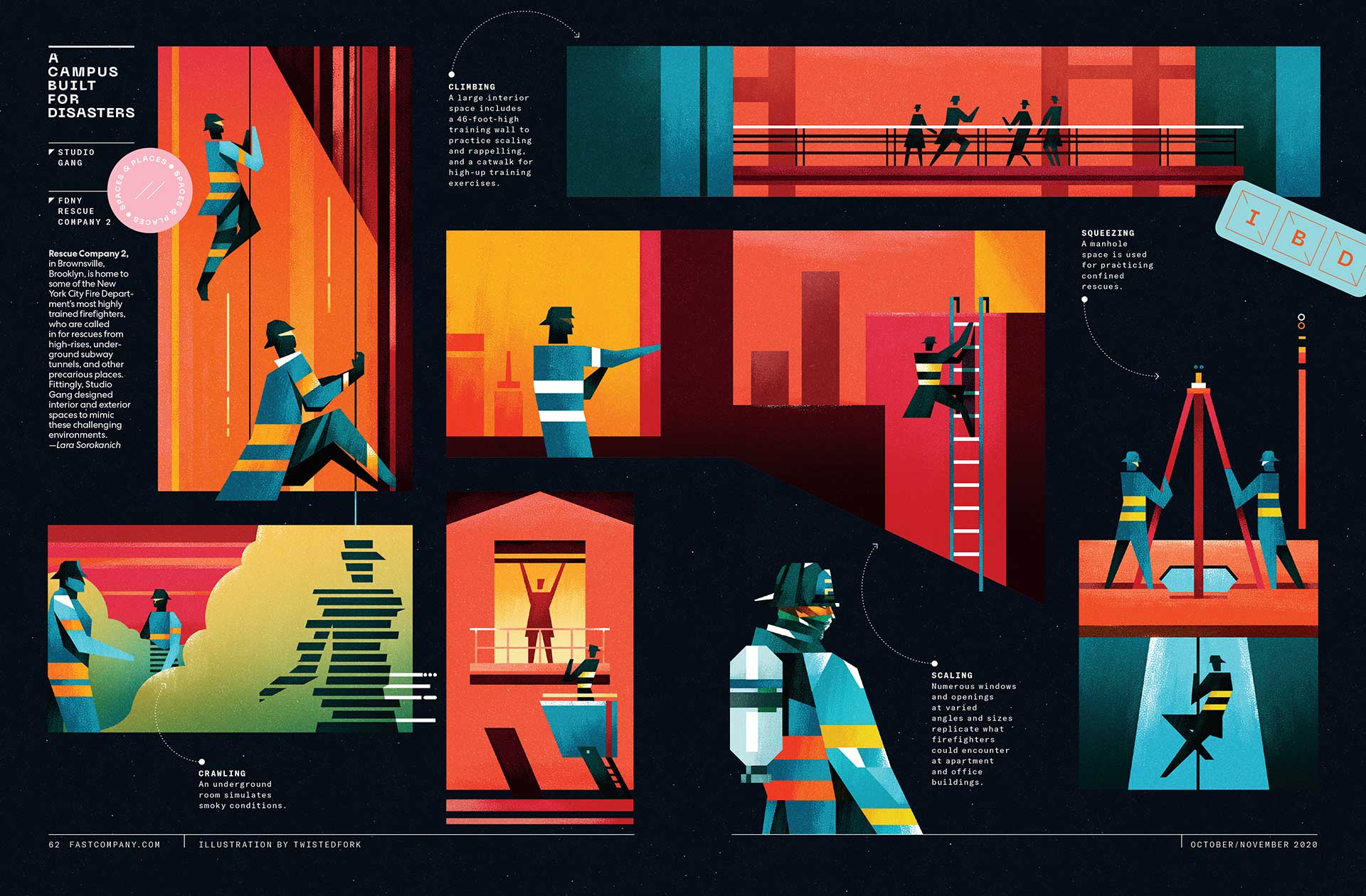
Many of my inspirations for my illustration works were Filipino National Artists such as Arturo Luz (known for his minimalist geometric abstractions and elegant use of negative space), Vicente Manansala (pioneer of "transparent cubism" in the Philippines with overlapping planes and shapes), H.R. Ocampo (dynamic abstract expressionism with organic, biomorphic forms in bold colors), and Ang Kiukok (expressionist painter famous for his powerful depictions of the human condition).
I was also drawn to the works of Eyvind Earle (Disney artist behind Sleeping Beauty's distinctive backgrounds and graphic natural forms), Genndy Tartakovsky (creator of Dexter's Lab and Samurai Jack, known for bold geometric animation and masterful use of silhouettes), Erik Nitsche (Swiss-American graphic designer celebrated for mid-century modern album covers and corporate identities), the Bauhaus movement (German art school that revolutionized design with functional, geometric principles), Syd Mead (an American industrial designer and neo-futurist concept artist.) and other illustrators and designers. Another major influence came from the old science books and encyclopedias I grew up reading as a child, with their distinctive technical diagrams, vibrant color schemes, and retrofuturistic illustrations that made complex concepts visually accessible.
As a Filipino designer, do you believe there is a distinctive design identity that represents your country? If so, how do you see it reflected in your own work and visual expression?
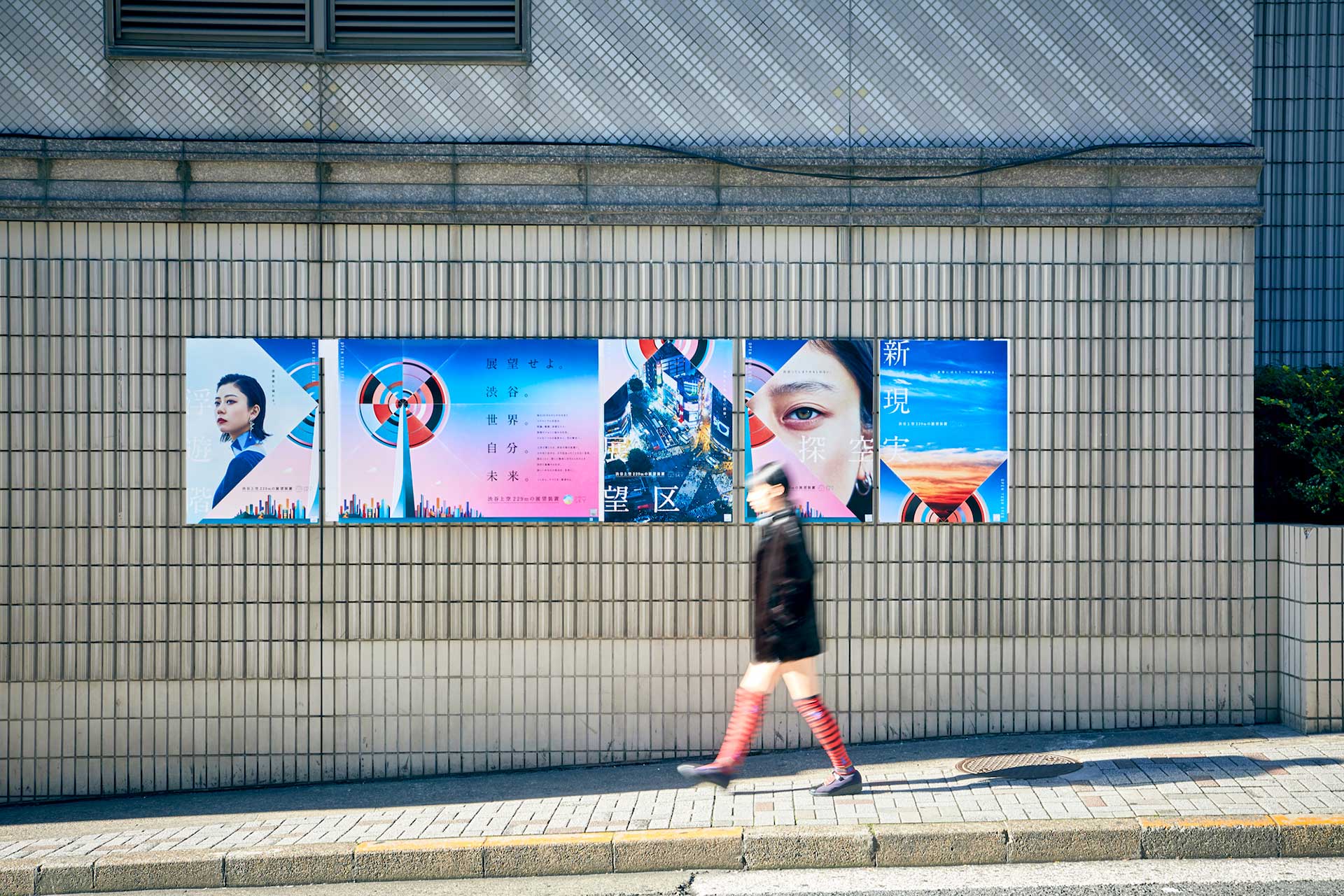
I think we’re still in the process of defining a truly distinctive design identity. Unlike Korea, Japan, Thailand, and other countries with unique writing systems, the Philippines uses the Latin alphabet. While we have many local languages and dialects, our media is primarily in English. As a result, communication design from the Philippines often appears very Western.
Filipino design and art are often associated with being maximalist, organic, and playful. However, there are regions in the country that have produced work considered “graphic and minimal.” In my view, a “Filipino style” is the expression of a designer’s collective cultural experience. In my own work, it emerges as a direct manifestation of my lived experiences.
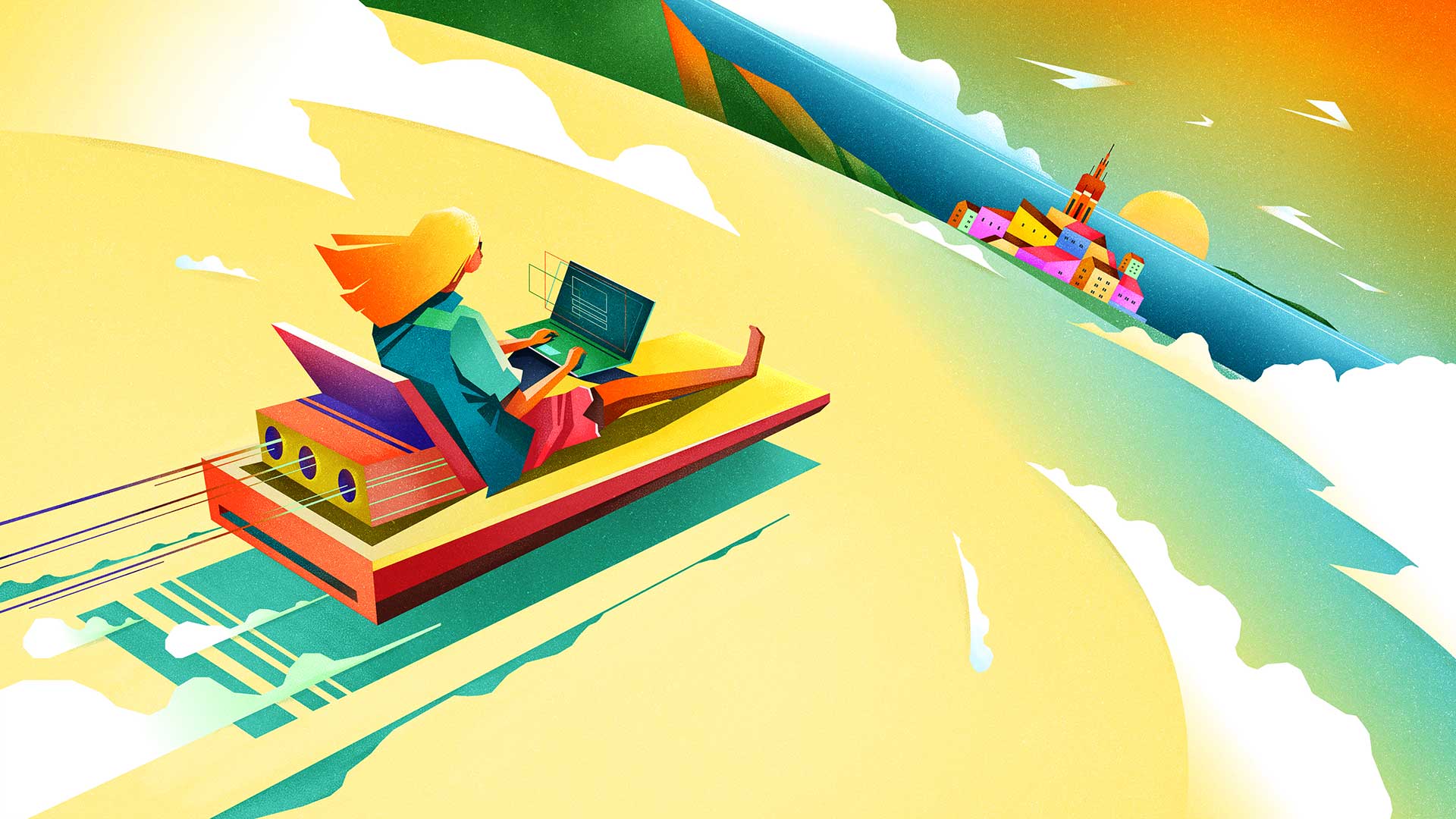
Through your international projects and collaborations, have you observed qualities that feel uniquely “Asian” in design? In your view, how do these characteristics differ from, or stand out against, global design practices?
This is honestly a hard question to answer. Hahaha. One quality that can make a work feel distinctly Asian is the use of recognizable Asian scripts or characters. When people see Hangul from Korea or Kanji from Japan, they can immediately associate it with those countries. But in places like the Philippines or Singapore, where much of our work uses English characters, it becomes harder to pinpoint what makes the work “Asian.”
In the Philippines, this challenge is especially interesting because our design identity emerges from a unique layering of influences rather than from script. Filipino design is often marked by vibrant colors, bold graphical elements, and a mix of traditional and modern motifs. Scholars point to “influences from Spanish colonial architecture and American occupation that continue to shape contemporary design,” alongside deep indigenous traditions. You can see this distinctly Filipino approach in jeepney art, where drivers and owners decorate their vehicles with religious figures, family portraits, anime, movie characters, and basketball stars, creating a visual language that is at once global and intensely local, mixing pop culture references with personal and family pride. What makes Filipino design recognizably Asian, despite its use of English text, often lies in its embrace of visual abundance and storytelling. Contemporary trends show the seamless blending of the old and the new, incorporating traditional patterns and textiles in modern design settings to create something unmistakably Filipino. There’s also the integration of indigenous materials like bamboo, rattan, and abaca, and patterns drawn from across the country, from okir motifs of Maranao culture to the geometric patterns and vibrant textiles of Mindanao.
For me, one defining aspect of Asian design or illustration is the presence of layered elements, a sense of warmth, and rich symbolism rooted in tradition. Filipino design embodies this through its maximalist tendencies, the willingness to combine multiple visual references, the celebration of color and pattern, and the embedding of personal and cultural narratives within the work. It’s Asian not because of script, but because of its approach to visual storytelling: one that prioritizes emotional connection, community values, and the layering of meaning over minimalist restraint.

Your portfolio spans editorial illustration, branding, and digital art, among many other areas. What insights or lessons have you gained from working across such diverse projects, and how have they influenced your approach as a designer?
I enjoy doing both design and illustration because they balance each other out. Illustration allows me to focus on my own style and personal expression. It’s largely solo work; while I collaborate with agents, art directors, and clients, most of the creative output comes directly from me.
Design, on the other hand, is a collaborative process. At Plus63, where I lead the studio, the work we produce is shaped by the entire team. The outcome isn’t tied to a single style or personal expression; instead, it’s guided by the design brief and the personality of the brand or client we’re working with. Moving between different group dynamics and roles—sometimes leading, sometimes following, sometimes simply listening—has been essential to my growth as a creative. In one project, I might be the thinker; in another, the craftsperson; in another, the decision-maker. I value this fluidity because it keeps my creative stamina strong and continually pushes me to evolve.
For me, this balance between independent expression and collective creation is what keeps my practice alive. It’s not just about producing work; it’s about staying adaptable, learning from others, and finding new ways to contribute, whether as an individual voice or as part of a chorus.
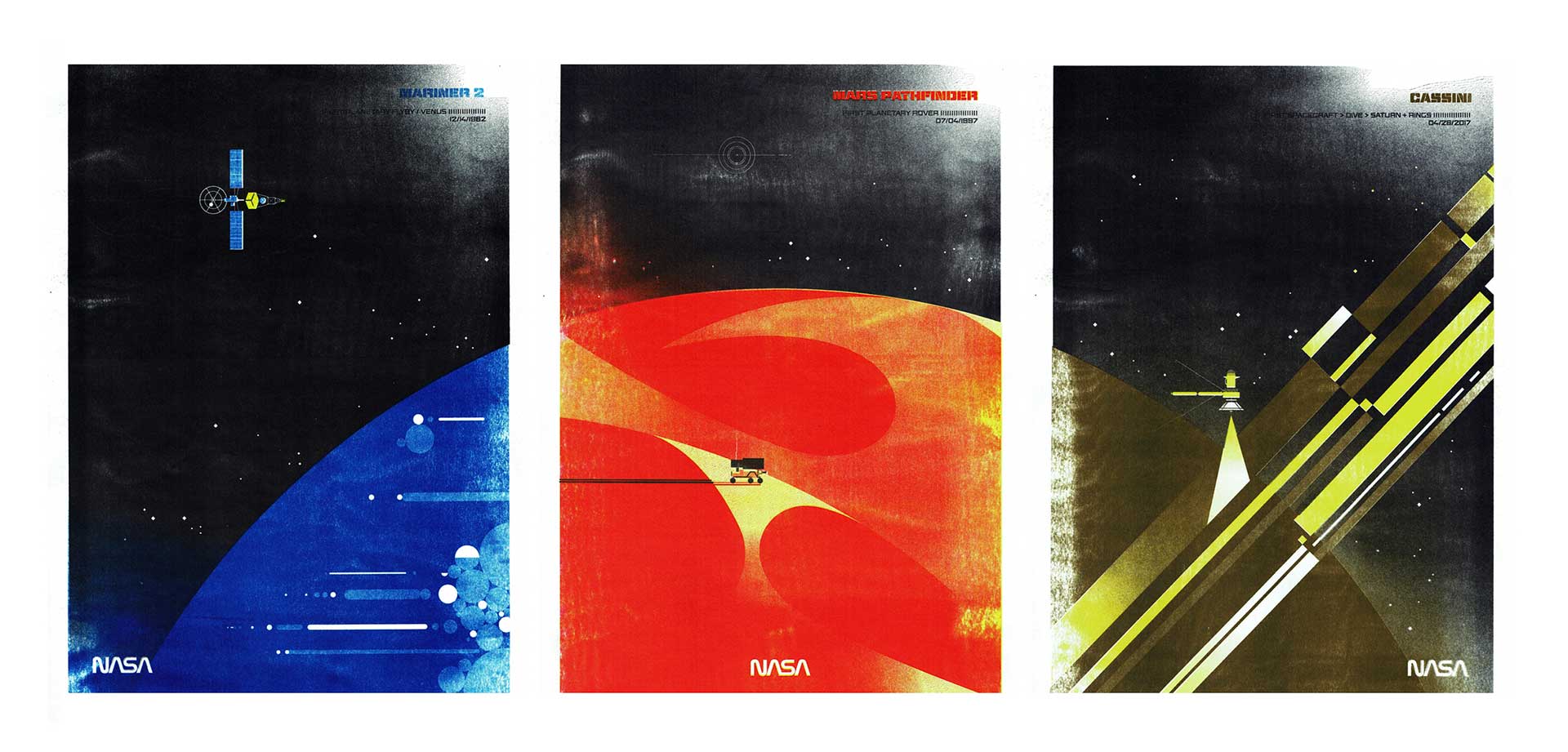
With the rapid development of digital tools and technologies, designers today have more possibilities for expression than ever before. How do you see these changes shaping your work, and what opportunities or challenges do they present?
I believe these tools and technologies exist for us to use and harness to improve our work. They are not meant to replace our experiences or the way we think. In my view, it should be us shaping these tools, not the other way around. While there’s understandable fear that AI is threatening our work and livelihoods (and in some cases, already taking them), I remain optimistic that we will find a way forward. The creative practice is not only about generating ideas, it’s also about the skill, craft, and human touch that go into bringing those ideas to life. I understand that AI can be more efficient, but what’s the value of efficiency if it comes at the expense of human creativity, dignity, and connection?

Looking at the future of design in the Philippines and Asia more broadly, what kinds of institutional, educational, or cultural foundations do you think are necessary for further growth? And within this process, what role should individual designers take?
In my opinion we need stronger connections, more exchanges, and deeper solidarity between Asian designers. While language barriers exist, they should not be an excuse to limit collaboration.
From the perspective of the Philippines, our creative industry has long been Western-centric. We would benefit greatly from looking more toward our Asian neighbors, building relationships, and learning from one another. Despite our differences, we share many cultural values, histories, and creative sensibilities. These similarities, combined with our diverse opinions, philosophies, and approaches, can only enrich the region’s design landscape. For this growth to happen, institutions and schools should create more platforms for cross-border collaboration through joint programs, regional design festivals, or shared research initiatives. Culturally, we need to celebrate our own narratives and see them as part of a larger Asian story, not just as local expressions. Individual designers have a vital role in this process. We can be the bridge, actively seeking out peers from other countries, sharing our work in regional contexts, and being open to influence and exchange. By doing so, we not only strengthen our own practice but also contribute to a more interconnected Asian design and creative community.
Finally, what is your vision for the future of Asian design, and what message would you like to share with the next generation of designers?
To shape the future of Asian design, we first need to acknowledge the challenges in front of us and recognize that we have the ability to address them. The creativity and problem-solving skills of artists, illustrators, and designers can help guide the way forward, but this requires a willingness to connect, share, and learn from one another. Imagining the future is always an engaging exercise because it invites many possibilities. A better future is best envisioned collectively, with different voices contributing their perspectives. In Asia, we are fortunate to have a wide range of cultural backgrounds and creative approaches, and these differences can be a strength.
My hope is that the next generation of designers will continue to explore beyond familiar patterns, reach across borders, and build genuine connections rooted in mutual respect and understanding.

editor@asiadesignprize.com














#14057, 905 49, Beolmal-ro 102beon-gil,
Dongan-gu, Anyang-si, Gyeonggi-do, Korea
Business Registration Number: 454-86-01044
Online Sales License No.: 2021-Anyang Dongan-1081
Copyright © DESIGNSORI Co., Ltd.