
Co-Founder of lllayer
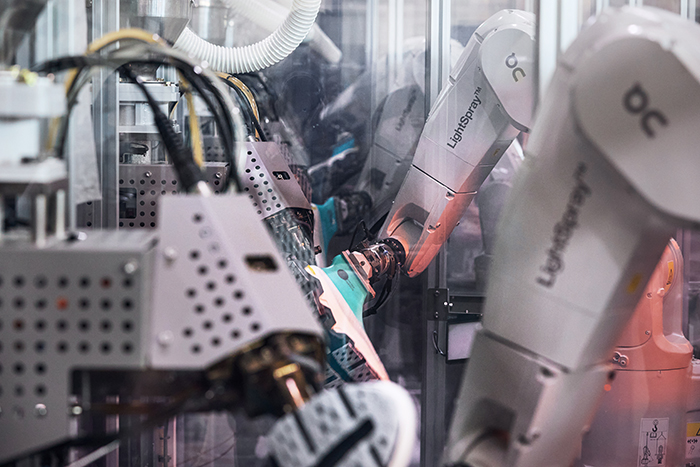
Busan, once the heart of Korea’s shoe manufacturing industry, is now transforming into a strategic hub shaping the future of the global sportswear industry. The sight of massive robotic arms precisely spraying a single 1.5 km filament to form a shoe upper feels like a scene straight out of a science fiction film. The brand behind this factory in Busan is On. Of the few LightSpray machines, with only four existing at its Zurich headquarters, On has installed as many as 32 in Busan.
Why did On choose Korea, and specifically Busan, among so many countries? Because realizing this level of innovation requires world class robotics infrastructure and manufacturing execution. Each machine can complete a pair of shoes in just three minutes. By compressing what used to be a 200 step manual process into a single automated system, it achieves an extraordinary 75% reduction in carbon emissions. Now, runners around the world will wear cutting edge running shoes produced in Busan, marked with the words “Sprayed in Korea,” as they run as if on clouds.
This level of technological ambition was made possible by outstanding financial performance. On Holding AG recorded annual revenue of approximately CHF 3.014 billion (around KRW 4.5 trillion) in the 2025 fiscal year, surpassing the 3 billion mark for the first time in its history. The company achieved a growth rate exceeding 30% year over year, while the Asia Pacific region saw an explosive 96.4% increase in revenue, signaling unstoppable momentum. Particularly noteworthy is its profitability. With a gross margin of 62.8%, On has reached a level that even industry giants like Nike and Adidas struggle to achieve, proving that it has secured a powerful premium brand position beyond mere trends.
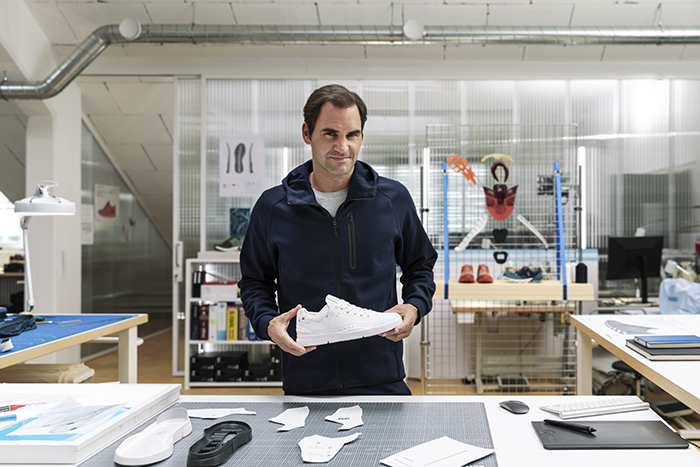
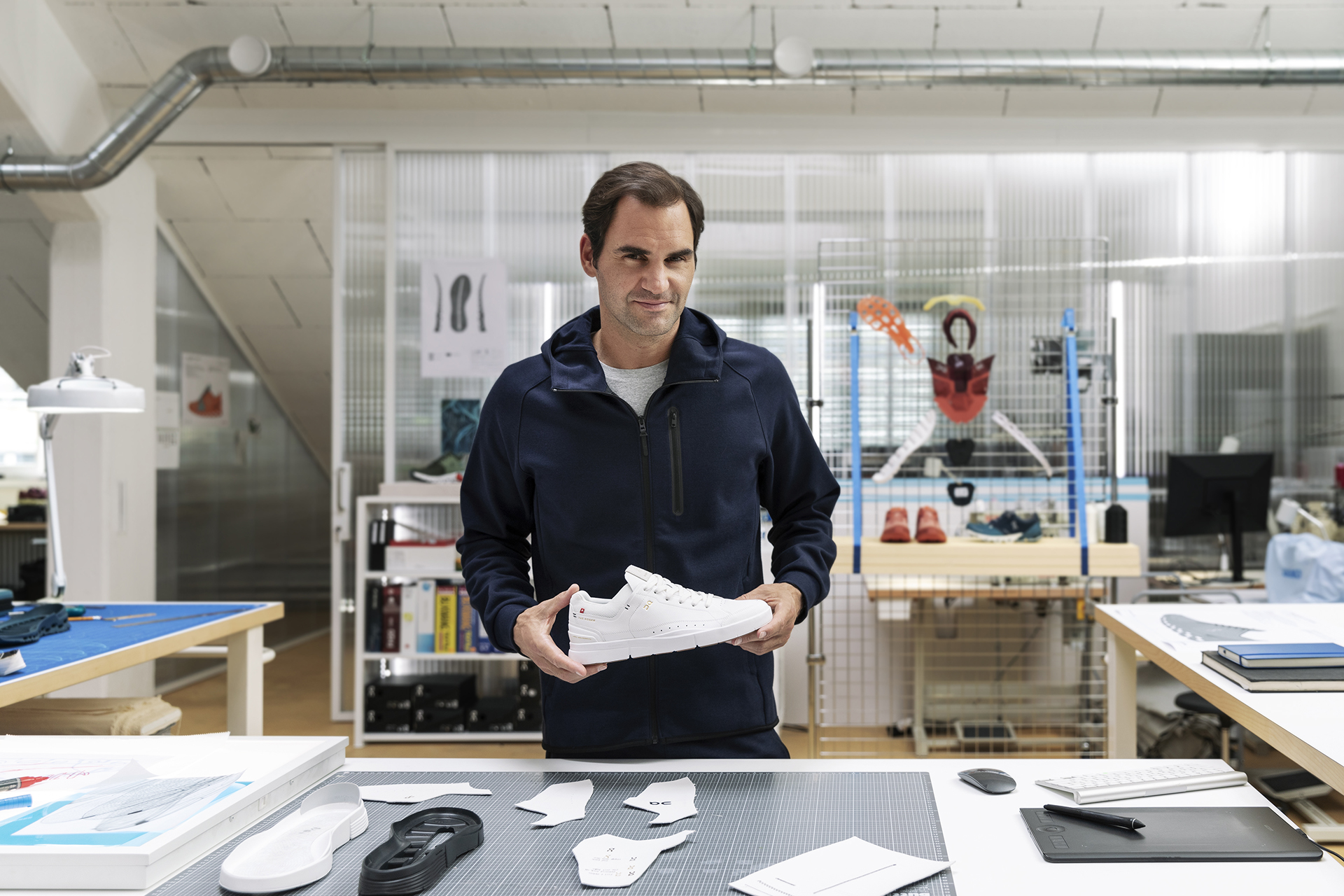
The figure who completed this powerful business engine is tennis legend Roger Federer. In 2019, the news that Federer had joined On as a partner sent shockwaves through the industry. Leaving behind a long standing and lucrative sponsorship with Nike, he chose to bet his future on a relatively small Swiss startup. Federer was not just a brand ambassador, he invested approximately $50 million, secured a stake estimated between 3% and 10%, and joined the board as a true co entrepreneur.
He discovered in On’s products a uniquely Swiss precision and a sense of innovation he had not experienced with other brands. That was enough for him to commit his post retirement life to the company. As one of the world’s greatest perfectionists, Federer’s fascination with this brand, known for its “unusual outsole,” prompted people to take a serious look at what On truly represented.
But how did this brand begin?
On’s innovation did not originate in a grand research lab, but in a humble backyard in the Swiss Alps. Olivier Bernhard, a legendary triathlete, was facing the end of his career due to chronic Achilles tendon injuries. Frustrated that conventional cushioning systems failed to alleviate his pain, he conducted a simple yet radical experiment, cutting pieces of garden hose and attaching them horizontally to the sole of his running shoes.
The prototype, often described as bizarre and resembling a “Frankenstein creation,” was brought to major companies including Nike, Adidas, and Puma. But the response was cold and dismissive. “Is this even a shoe?” they asked, rejecting every proposal. To these corporations, the pieces of hose looked like nothing more than a crude invention with no commercial potential.
But Bernhard did not give up. He was convinced by the sensation he felt when running in those strange shoes, a feeling of “running on clouds,” combining soft impact absorption with immediate energy return. In January 2010, he persuaded his agent Caspar Coppetti and strategist David Allemann to join him, and the three of them founded On. Their initial investment was modest, just $150,000 each, for a total of $450,000. They refined the “strange technology” that major corporations had rejected into a sophisticated mechanism called CloudTec. Within just one month of launch, they won the ISPO BrandNew Award, shocking the market. Behind On’s rapid rise into a serious challenger to industry giants lie several deeply strategic business decisions.
First, On adopted a niche strategy focused on earning the trust of experts. Instead of pouring early marketing budgets into mass media, they concentrated on supplying products to specialty running stores around the world. By gaining recognition from those who understood running best, they built a powerful reputation as “the shoes real runners wear.” This precisely targeted a gap left by Nike and Adidas, which had shifted their focus toward large scale distribution and direct to consumer channels.
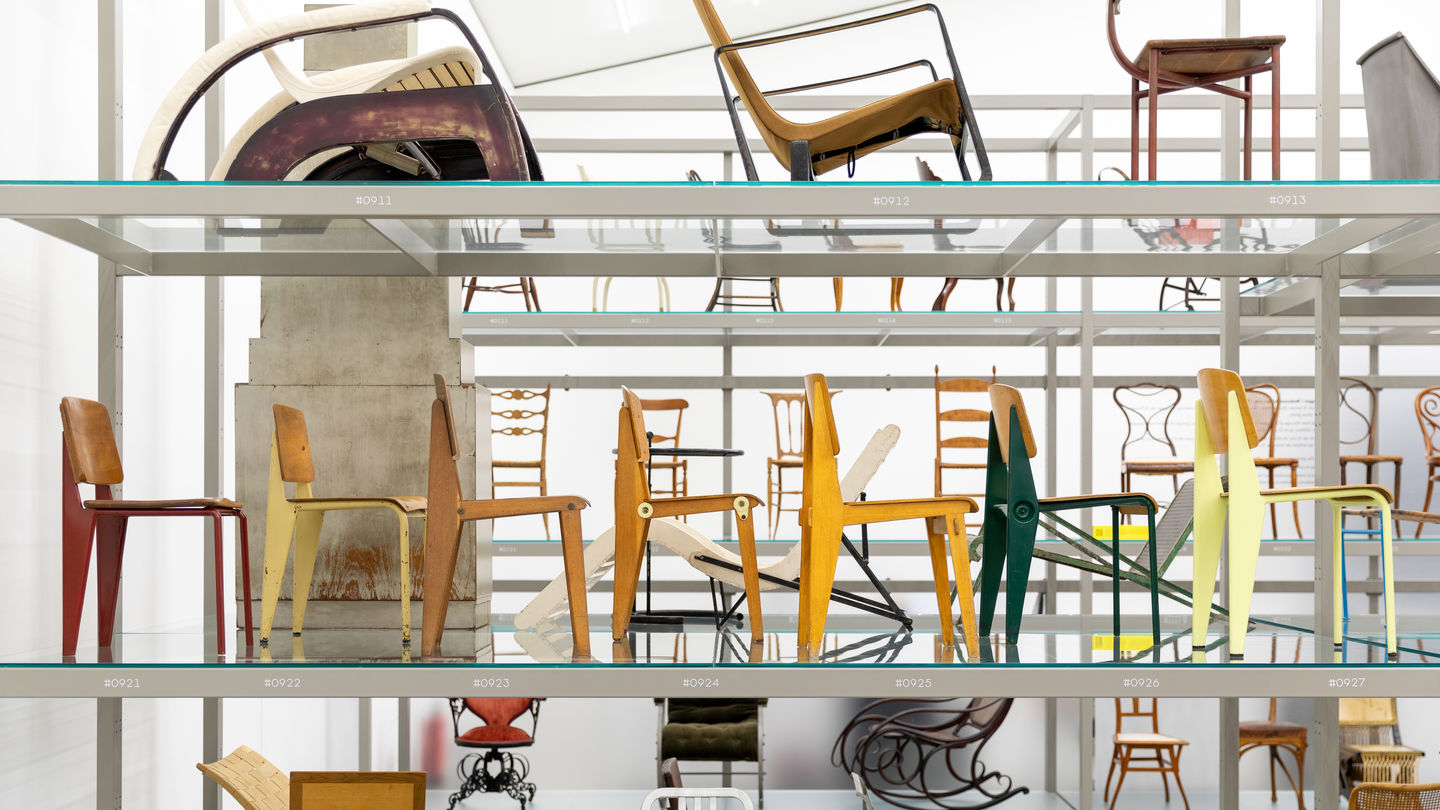
Second, On embraced a paradoxical design philosophy, shoes created by experts who were not traditional shoe designers. They appointed Thilo Brunner, a furniture and industrial designer with no prior experience in footwear design, as head of design. This allowed them to break free from the conventions of traditional shoe design. The result was a unique aesthetic, minimal like Swiss furniture, yet boldly exposing its technical elements. Under the principle “do not hide technology, prove it visually,” Brunner made the CloudTec structure visible, enabling customers to understand its function at a glance.
Third, On implemented strict price and brand governance. To maintain its premium image, the company enforces one of the most rigorous full price policies in the industry. By severely limiting discounts and outlet distribution, it has positioned itself as a brand “not worth waiting for a sale.” This pricing discipline has led to high gross margins and a strong revenue structure, with direct to consumer sales now accounting for around 42% of total revenue. By reducing intermediaries while preserving brand exclusivity, On has positioned itself at the intersection of luxury and sports.
Fourth, sustainability is integrated at the core of its business model. On’s Cyclon program goes beyond using eco friendly materials, it redefines ownership itself. Customers subscribe monthly to wear shoes made from castor beans, return them after six months, and receive a new pair. The returned shoes are fully recycled into materials for new ones. This system simultaneously addresses environmental responsibility and customer loyalty.
Fifth, as seen in collaborations with Korea’s Post Archive Faction and luxury brand Loewe, On seamlessly blends technology with fashion and art. The partnership with PAF, in particular, demonstrates that On has moved beyond being a performance sports brand to gaining recognition in cutting edge subcultures and fashion scenes. This has positioned On among younger generations not just as a running shoe, but as a lifestyle item that expresses identity.
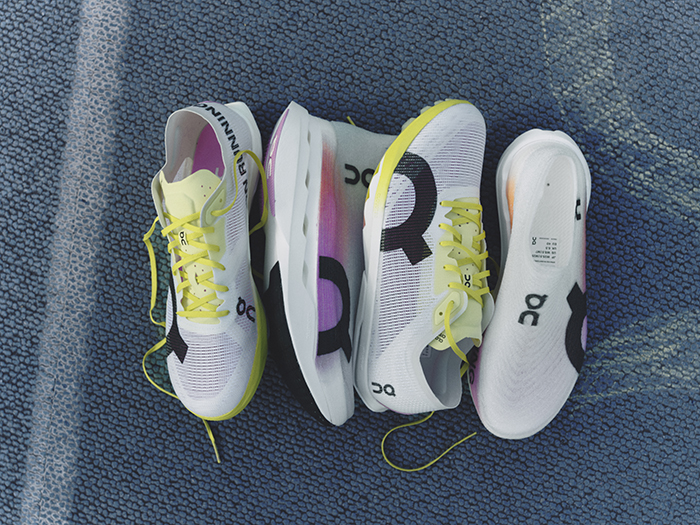
On’s journey leaves us with an important lesson. It was the persistence to discover world changing innovation in something as dismissed as pieces of a garden hose, something everyone else rejected, combined with a brand strategy refined through Swiss precision and contemporary sensibility, that created the On we see today. The “ugly shoe” once turned down by Nike is now producing the future, one pair every three minutes, through robotic arms in Busan.
The future On envisions is not simply about selling more shoes. They aim to redefine human movement itself and become a “movement company” that delivers peak performance within a circular economy the planet can sustain. The expansion of the Busan factory is only the beginning of that ambitious vision. Just as one person’s reckless experiment became the standard for runners worldwide, the sustainable future of sports that On presents may soon become part of our everyday lives. As they continue their run toward the clouds, one cannot help but watch with anticipation, eager to see what innovation comes next.














#14057, 905 49, Beolmal-ro 102beon-gil,
Dongan-gu, Anyang-si, Gyeonggi-do, Korea
Business Registration Number: 454-86-01044
Online Sales License No.: 2021-Anyang Dongan-1081
Copyright © DESIGNSORI Co., Ltd.