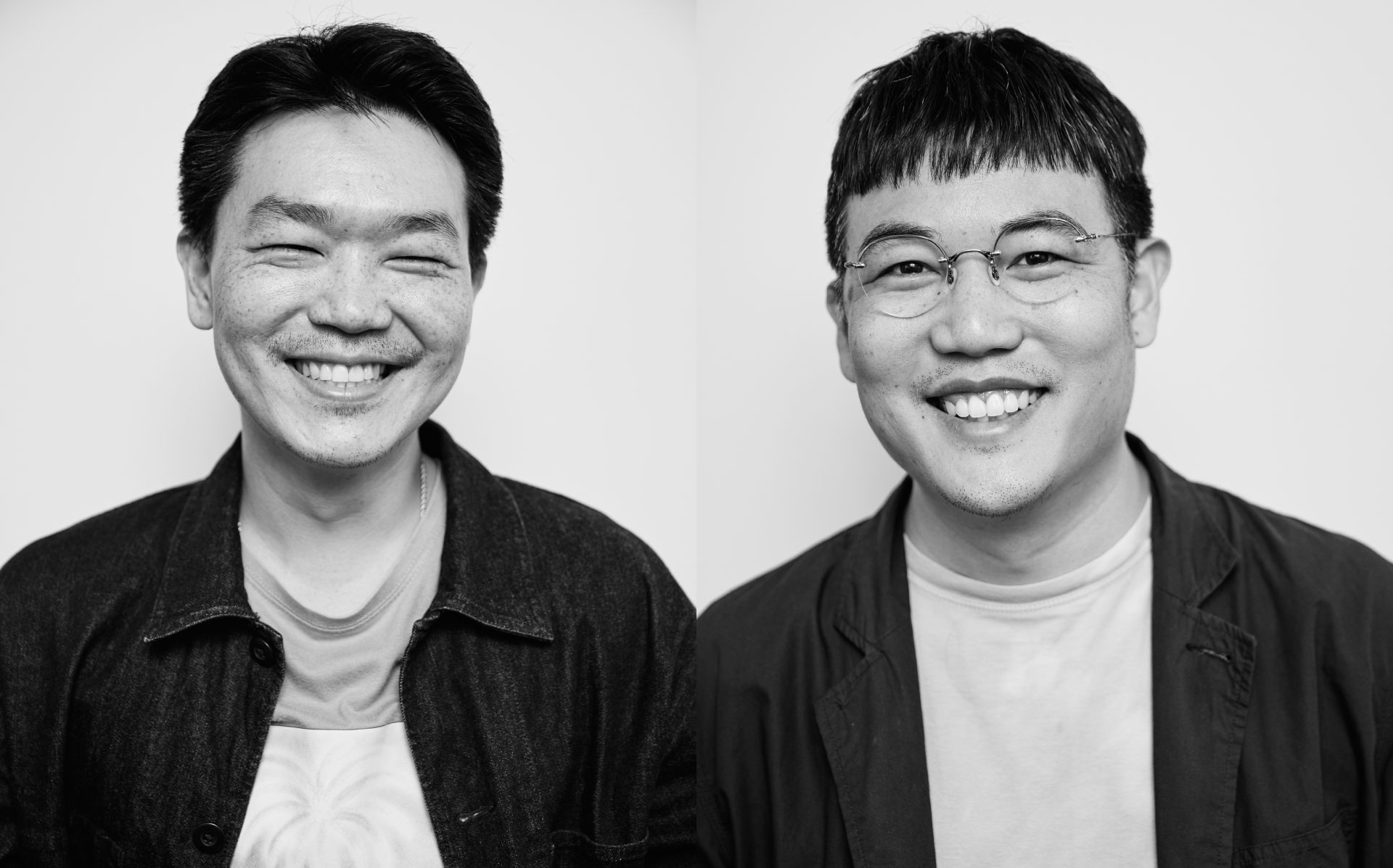
Jarut Chanprapanont & Kumphol Ponpisute Co-founder, Studio Marketing Materials
“Studio Marketing Materials (SMM) is a Bangkok-based design studio working across strategy, culture, and visual execution. Since its founding in 2015, the studio has developed a methodology that treats branding not as surface expression, but as a system aligning vision, process, and outcome. Through continuous dialogue across teams, clients, and creative networks, SMM positions branding as a collective act of alignment—translating intent into scalable and coherent design. Rooted in the Thai context yet open to global influence, their work emphasizes originality and collaboration within the evolving landscape of Asian design. In this interview, they share their process and perspective on branding today.”
To begin, could you introduce the SMM? What led to the founding of the studio, and what core philosophy has guided your work over time?
Studio Marketing Materials is a Bangkok based design studio founded in 2015 by Kumphol Ponpisute and Jarut Chanprapanont. As close friends, we started the studio with a shared intention to explore our own approach to design, one that goes beyond predefined styles and continues to evolve through practice. From the beginning, we were less interested in defining a fixed visual identity for ourselves and more focused on developing a way of working. Each project became an opportunity to question, refine, and expand our understanding of branding, allowing our process to grow organically over time. Rather than positioning design as a final output, we have come to see it as an ongoing dialogue between ideas, people, and context. This perspective has shaped our core philosophy. We believe that design should remain open, adaptive, and closely connected to both cultural and business realities. Our work is guided by curiosity, collaboration, and a willingness to explore different possibilities, while always staying grounded in the purpose behind each project. Over time, what began as a shared experiment has gradually developed into a structured yet flexible approach. This allows us to respond to different challenges while maintaining a clear sense of direction in how we think about branding.
In a previous interview, you mentioned that branding is not merely a visual language but a way of structuring business itself. How do you define the role and scope of branding today?
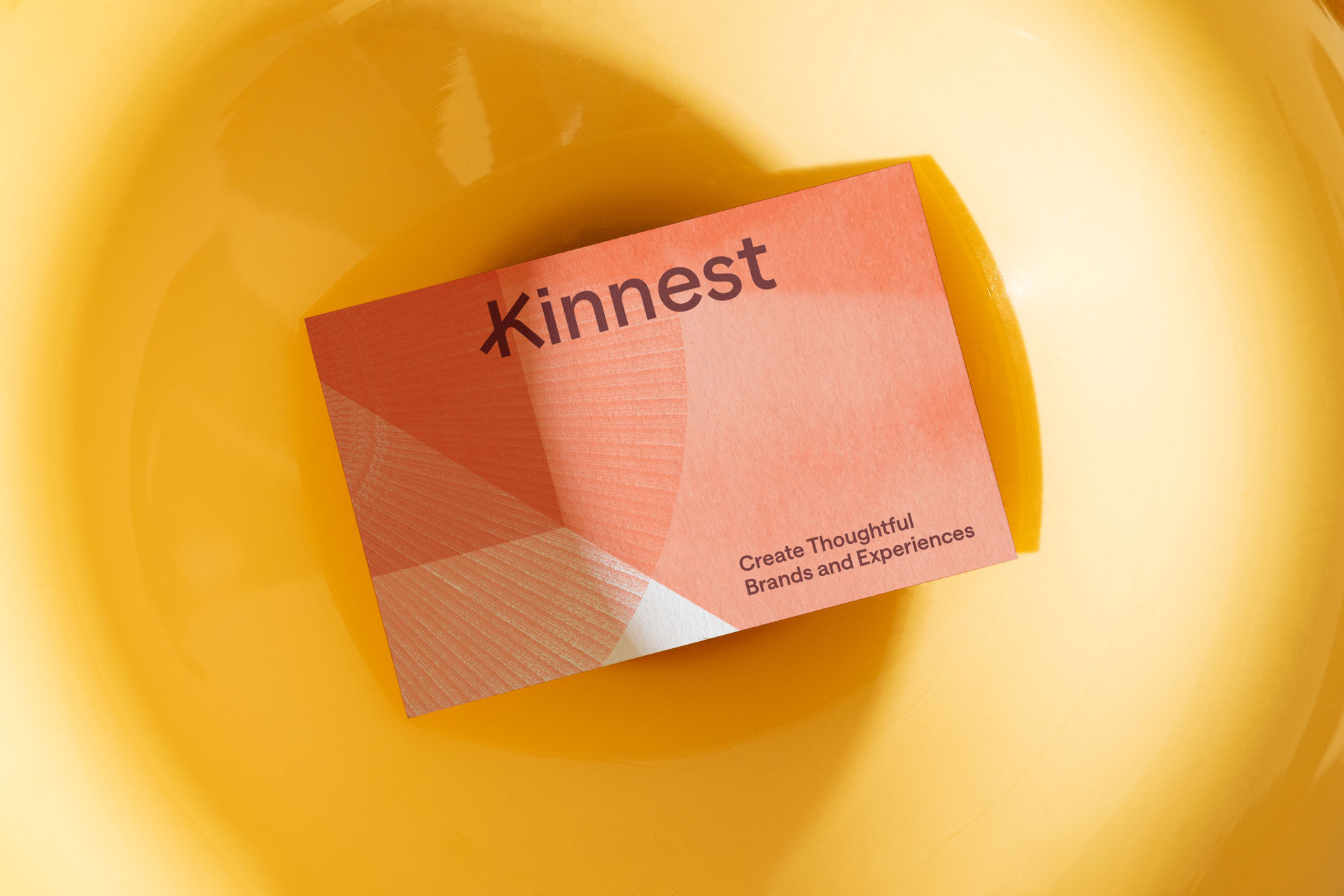
Developing a unique brand identity requires close collaboration with our clients, but today we see branding as something that goes far beyond visual expression. It is a way of structuring how a business communicates, operates, and grows over time. To achieve this, we take the time to understand both the aesthetic direction and the business objectives behind each project. This includes looking at how a brand positions itself in the market, how it connects with its audience, and how it can evolve in the future. Design, in this sense, becomes a tool that brings clarity to these elements and aligns them into a coherent system. Our role is to translate this understanding into design solutions that are not only visually compelling, but also meaningful and functional within a broader context. We aim to create identities that can scale across different touchpoints, adapt to change, and remain consistent over time. Ultimately, we define branding as a framework that supports decision making and communication within a business. It is not only about how something looks, but about how everything works together to express a clear and lasting idea.
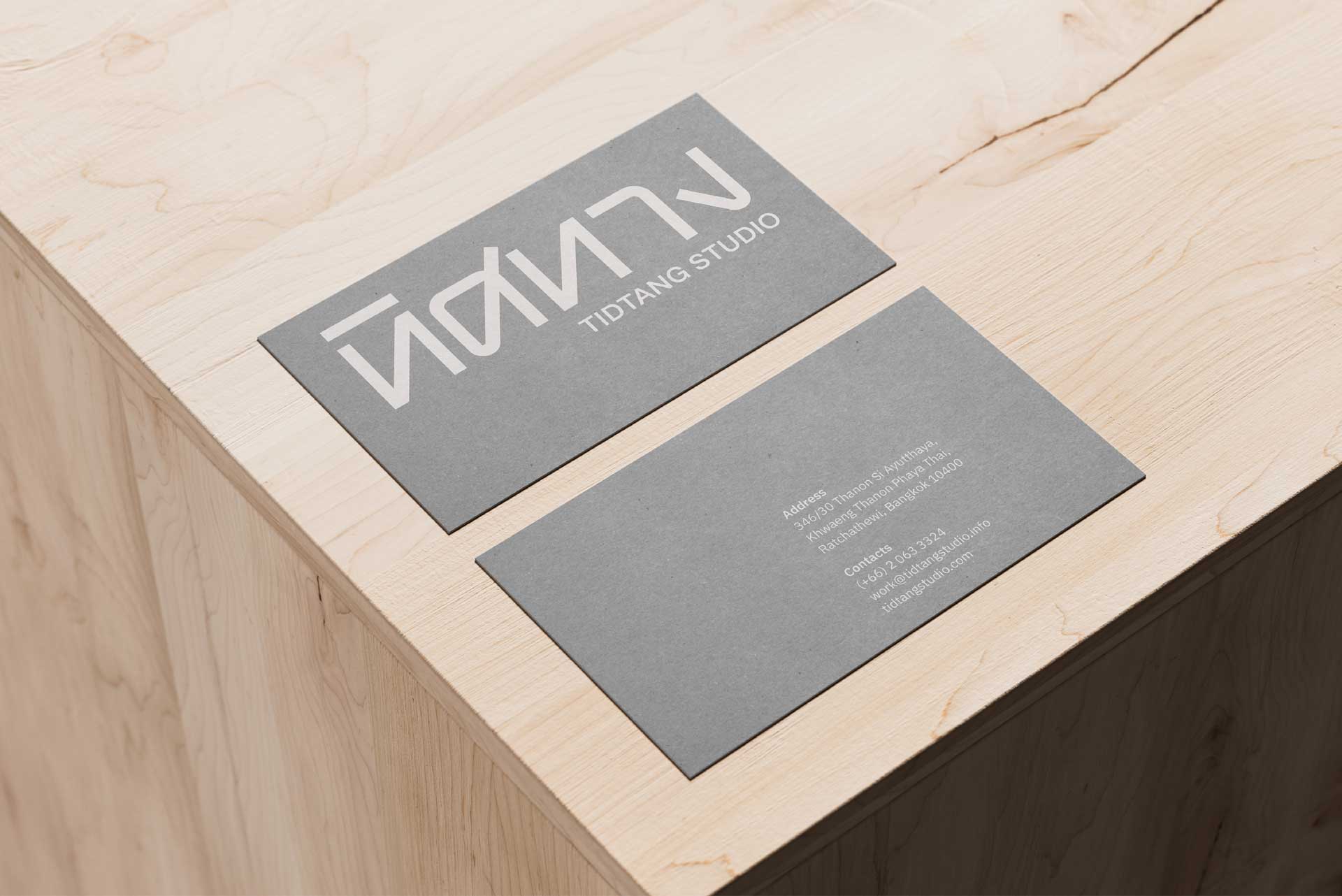
Your projects demonstrate a strong integration of strategy, content, and design execution. What kind of process allows brand strategy and visual outcomes to remain so closely connected?
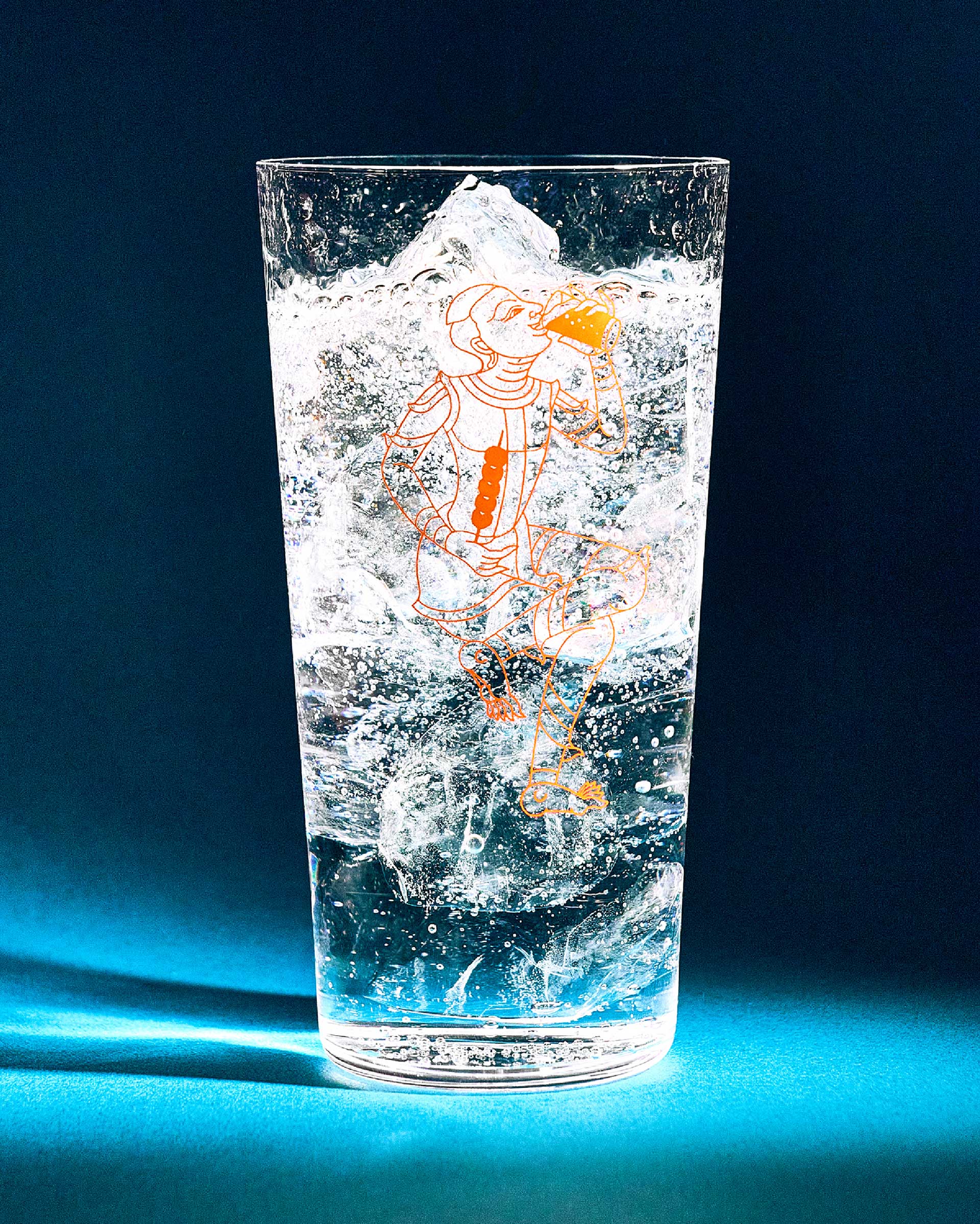
We work closely within our team and collaborate with talented professionals across Bangkok’s creative industries, but more importantly, we focus on building a shared understanding from the very beginning of each project. Our process starts with aligning everyone around a clear vision. This includes defining the core idea of the brand, its direction, and the role it should play within a broader context. Once this foundation is established, every decision, from strategy to content and visual execution, is guided by the same intent. Open and ongoing conversation is at the core of this process. Rather than separating phases, we approach projects as a continuous flow where ideas are constantly tested, refined, and translated into different forms. This allows strategy to remain present throughout the design process, not only at the beginning. We also place importance on collaboration beyond our internal team. By working with different creatives and specialists, we are able to bring multiple perspectives into the project while maintaining a unified direction. This balance between openness and alignment is what allows our work to stay coherent from concept to final outcome. Ultimately, the connection between strategy and visual output is not something we try to force at the end. It is something we build into the process itself, ensuring that every element of the work reflects the same underlying idea.

Thailand is a market that evolves rapidly while maintaining a strong sense of local culture and context. How has working within the Thai market influenced your branding language and way of thinking?
The culture we grew up in continues to shape us as designers, but it is not something we simply preserve or repeat. Working in Thailand means constantly navigating between strong local identity and rapid change, and this has influenced how we approach branding in a more flexible and adaptive way. We draw from both local and global influences, but rather than combining them in a direct or literal way, we reinterpret them through our own perspective. Thai culture provides a rich foundation of visual language, storytelling, and sensibility, while global references allow us to expand how these elements can be expressed in a contemporary context. This balance has shaped our way of thinking. We do not see branding as something fixed, but as something that responds to its environment. Each project requires us to consider not only cultural relevance, but also how a brand can remain meaningful as the market continues to evolve. Guided by experience, we aim to create work that feels grounded in its context while still being open and forward looking. This allows our branding language to remain both specific to the Thai market and adaptable to a broader audience.
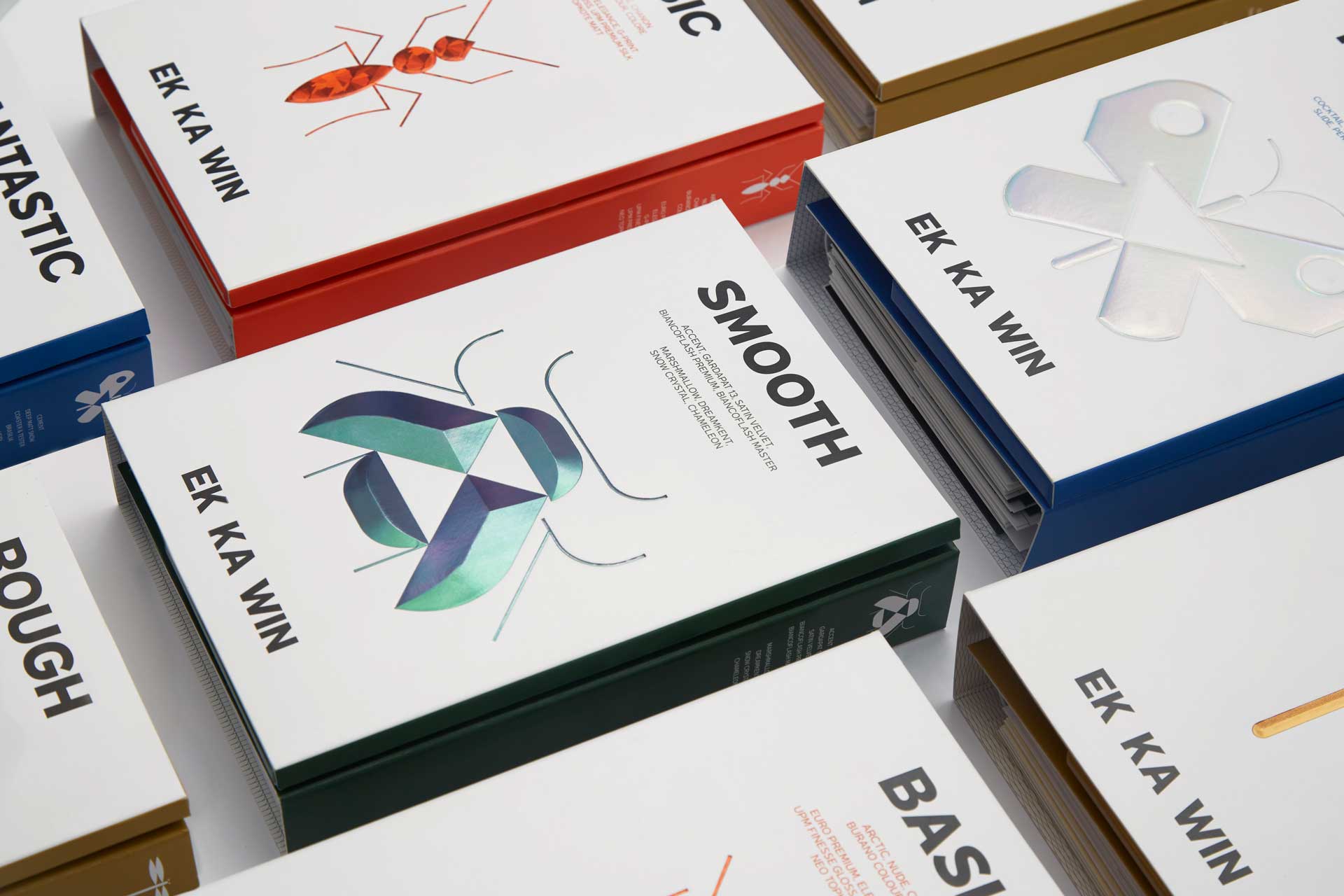
Having worked with both global and local brands, what are the most significant differences you observe between them? Do your approaches shift depending on brand scale or market positioning?
Each brand has its own culture and way of working, and this is often more important than whether it is global or local. However, through our experience, we have observed some differences in how projects are approached and developed. Global brands tend to have more established systems and clearer structures. There are often defined guidelines, processes, and long term strategies already in place. In these cases, our role is to work within that framework while finding ways to bring clarity and relevance to specific contexts. Local brands, on the other hand, are often more fluid and open. They may still be defining their identity, which allows for more exploration but also requires a deeper level of involvement. In these situations, we are often engaged not only in design, but also in shaping the direction and foundation of the brand itself. Regardless of scale, we see every project as a collaborative process. We learn from our clients, just as they learn from us. Our approach shifts depending on the needs of each project, but the principle remains the same. We aim to create a shared understanding and move forward together toward a clear and meaningful outcome. Ultimately, the difference is not about size, but about how a brand is structured and where it stands in its development. Our role is to adapt to that condition while maintaining consistency in how we think about branding.
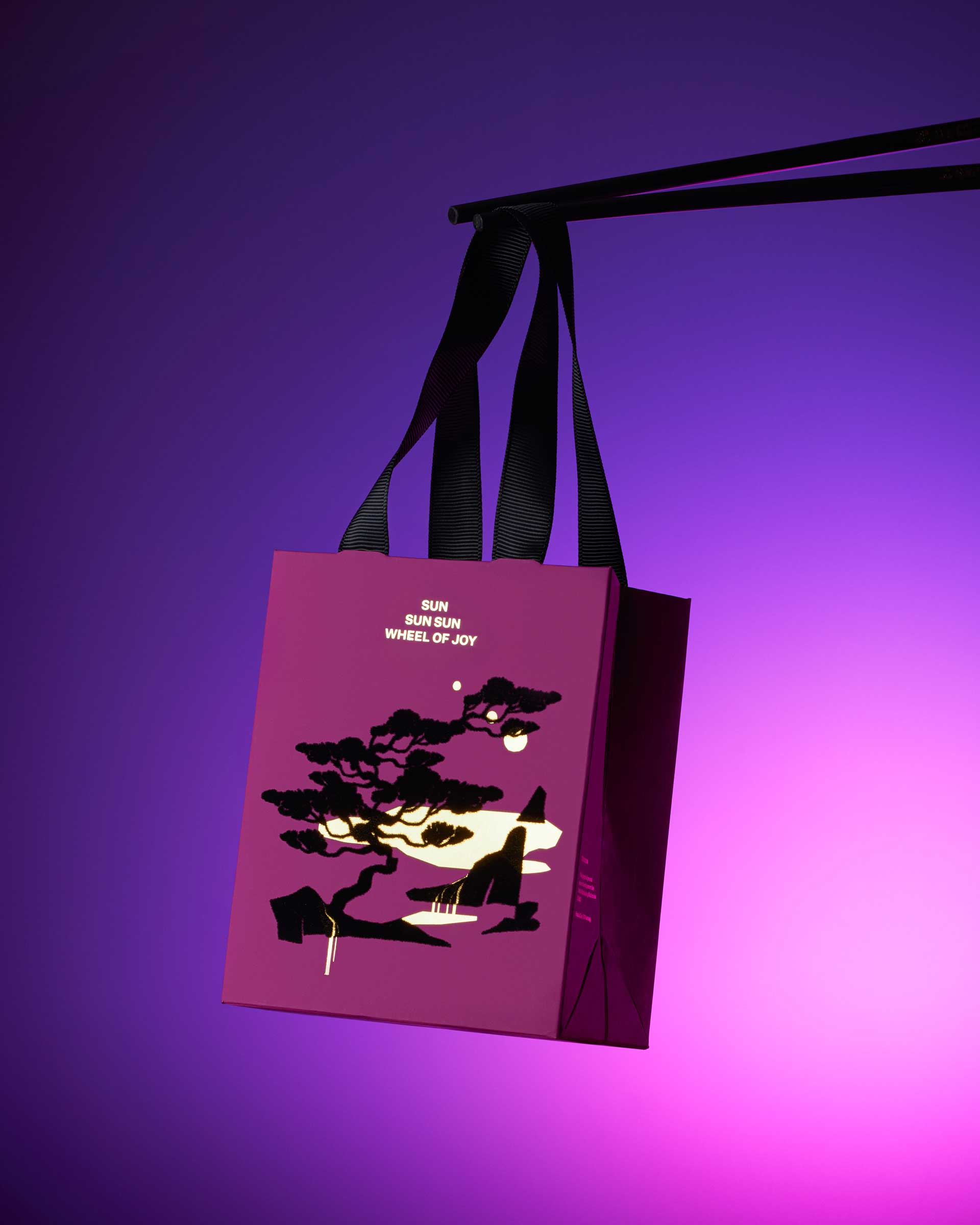
Your work often conveys a sense of restraint yet strong persuasion. Are there certain branding trends or approaches that SMM consciously avoids?
We are open to any solution that excites the team and inspires creativity, but we are always mindful of the original objective behind why we do it in the first place. For us, the question is not whether something is trendy or new, but whether it is appropriate and meaningful within the context of the project. Rather than consciously avoiding specific trends, we try to avoid approaches that prioritize appearance over purpose. When design becomes driven only by style or short term attention, it can lose its ability to communicate clearly and sustain relevance over time. The sense of restraint in our work comes from this perspective. We believe that strong persuasion does not come from adding more elements, but from making clear and intentional decisions. It is about knowing what to include and what to leave out. This is why we focus on clarity and direction throughout the process. As long as an idea aligns with the core objective of the project, we remain open to exploring different possibilities. At the same time, we are careful not to let external trends override the fundamental purpose of the work.
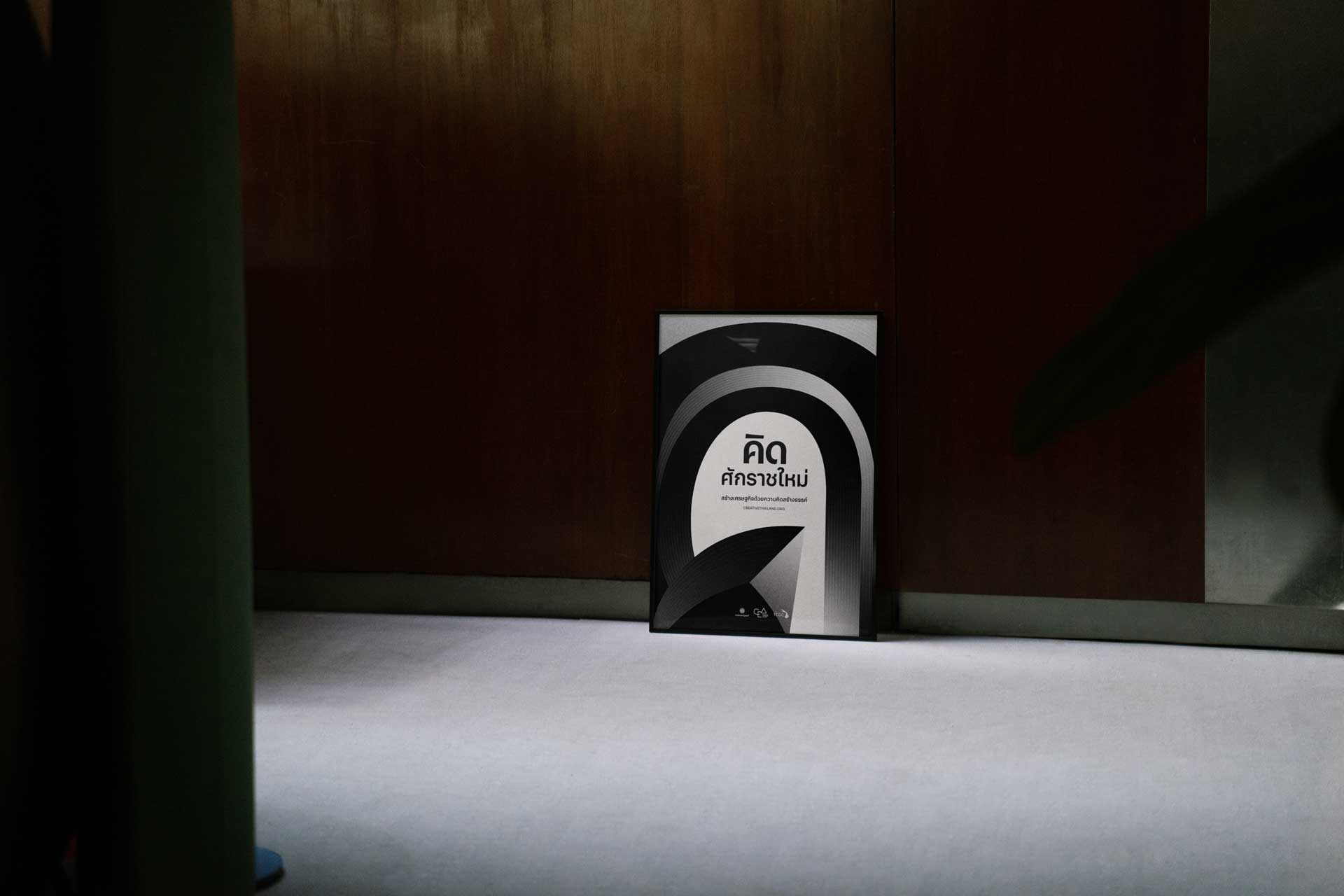
When building a brand, what criteria matter most to you? How do you balance data, intuition, and the client’s vision in decision-making?
As mentioned earlier, the most important criteria for us is whether a direction aligns with the core objective of the project. No matter how strong an idea may seem, it needs to support a clear purpose in order to be meaningful. When it comes to balancing data, intuition, and the client’s vision, we do not see them as separate or competing elements. Instead, we treat them as different perspectives that need to be brought into alignment. Data helps us understand context and behavior, intuition allows us to explore possibilities beyond what is immediately visible, and the client’s vision provides the foundation that guides the overall direction. Our role is to connect these elements into a coherent decision making process. This often requires continuous discussion, testing, and refinement, ensuring that no single aspect dominates at the expense of others. Branding is ultimately a collaborative effort involving many people, and it is easy for the original vision to become unclear along the way. That is why trust and partnership are essential throughout the process. By maintaining open communication and a shared understanding, we are able to make decisions that remain consistent with the intent of the project while allowing room for exploration and growth.

Looking at the broader Asian branding landscape, what changes or movements do you currently find most compelling?
The design landscape across Asia is incredibly diverse, spanning disciplines from graphic design to fashion, music, and architecture. What we find most compelling is not a single trend, but the way these different fields are increasingly connected and influencing one another. There is a growing movement toward collaboration across disciplines, where designers, artists, and creatives from different backgrounds come together to work on the same project. This creates a more dynamic and layered approach to branding, where ideas are shaped through multiple perspectives rather than a single point of view. What excites us most are projects where this collaboration leads to a shared vision. When different voices align around a clear intention, the outcome becomes more than the sum of its parts. It allows branding to move beyond a fixed format and become something more fluid and expressive. In the context of Asia, this shift feels particularly meaningful. The region is rich in cultural diversity, and as connections between countries and industries continue to grow, we see more opportunities for new forms of expression to emerge. These moments of exchange and alignment are what we find most inspiring in the current landscape.
For Asian brands seeking global competitiveness, what do you believe should be the first and most critical consideration?
Bringing our own originality to the table is what people around the world are truly looking for. In a global market where access to information and visual trends is widely shared, it is no longer enough to follow existing standards or replicate what already exists. For Asian brands, the most important consideration is how to express something that is both authentic and distinct. This does not necessarily mean being different for the sake of being different, but rather understanding what is unique about a brand and translating that into a clear and meaningful expression. Originality often comes from context, culture, and perspective. By embracing these elements and interpreting them in a contemporary way, brands can create work that feels both specific and universally engaging. In this sense, global competitiveness is not achieved by blending in, but by presenting a point of view that others cannot replicate. This is what allows a brand to stand out and remain relevant across different markets.
Finally, What kinds of efforts and movements do you believe are necessary to strengthen solidarity and exchange within the Asian design and branding market?And what role would you like SMM to play in that ecosystem?
We believe that strengthening solidarity within the Asian design and branding market begins with creating more opportunities for exchange. This includes sharing not only outcomes, but also ideas, processes, and perspectives across different disciplines and cultural contexts. There is a strong need for platforms and environments where designers, studios, and businesses can connect more openly. When people are able to communicate and collaborate across borders, it allows new ideas to emerge and helps build a more dynamic and supportive ecosystem. At the same time, these exchanges should feel accessible and human. Beyond formal events and structured programs, there is value in creating moments where people can meet, talk, and share experiences in a more relaxed way.
As a studio, we would like to contribute by encouraging these connections and participating in conversations that bring different perspectives together. Whether through collaborations, projects, or informal gatherings, we see our role as part of a broader movement that supports openness and shared growth within the region. And of course, if there is a chance, we would love to host a gathering in Bangkok and bring everyone together.
















#14057, 905 49, Beolmal-ro 102beon-gil,
Dongan-gu, Anyang-si, Gyeonggi-do, Korea
Business Registration Number: 454-86-01044
Online Sales License No.: 2021-Anyang Dongan-1081
Copyright © DESIGNSORI Co., Ltd.