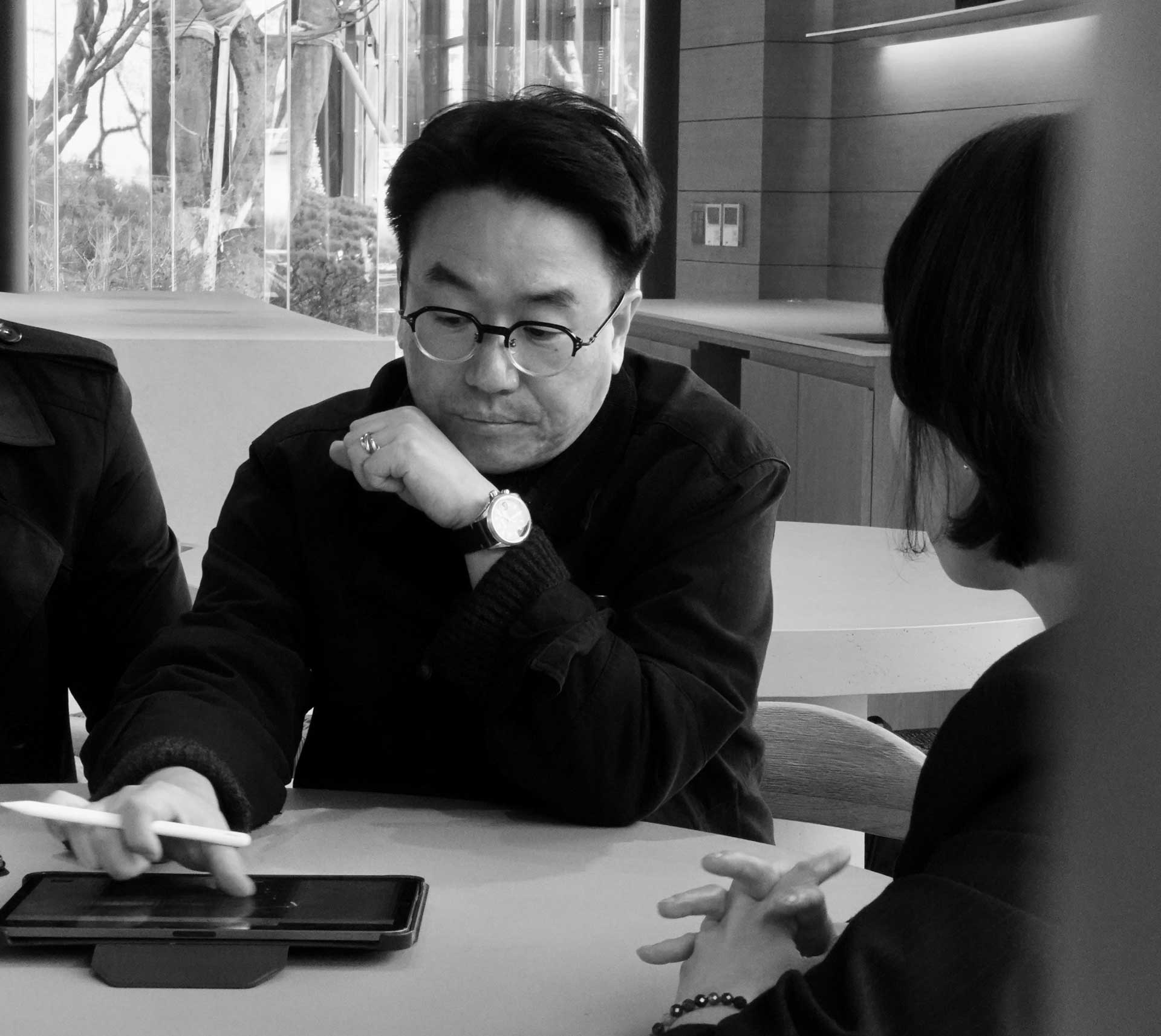
Sungmin Park Architectural Design Team Leader at IPARK Hyundai Development Company
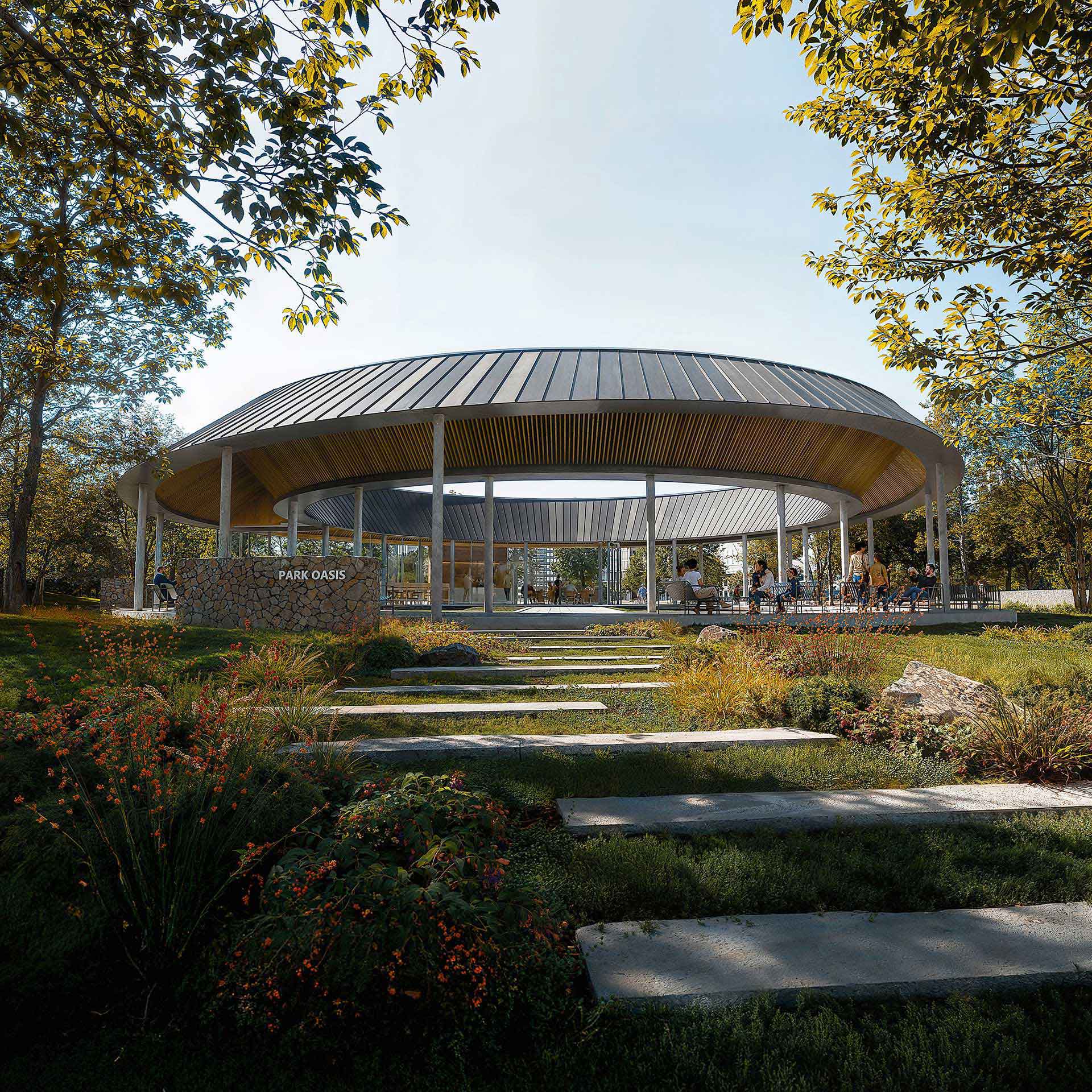
“‘PARK OASIS,’ awarded the highest honor, Design of the Year, at the Asia Design Prize, is a project that interprets space not as form, but as a flow of experience. Through the structural concepts of circulation, center, and connection, it weaves together the city, people, and everyday moments into a unified narrative. In this interview, we explore how this approach to design was realized, and how design can extend beyond space to shape the way we live.”
To begin, could you introduce HDC’s design philosophy and the direction behind “Creator of Life Space”? We would appreciate it if you could elaborate from a perspective that extends beyond architecture into the broader context of city and lifestyle.
IPARK design moves beyond conventional frameworks, connecting cities and people, and linking buildings with everyday life through what we define as an expanded sensory approach, a “Form of Grow Sense.” Through this approach, we aim to inspire through space, creating meaningful connections that go beyond physical boundaries. To achieve this, we continuously reflect on our core values while anticipating the evolving flow of time, shaping what we describe as an emotionally resonant design language. We believe that design is not limited to creating physical structures, but extends to shaping how people experience and remember space. Our goal is to become a “Creator of Life Space,” an integrated designer that connects city, architecture, and life into a unified experience. Ultimately, we strive for each project to go beyond being an isolated architectural outcome, and instead evolve into an experience that naturally integrates with the urban context and becomes part of people’s everyday lives.
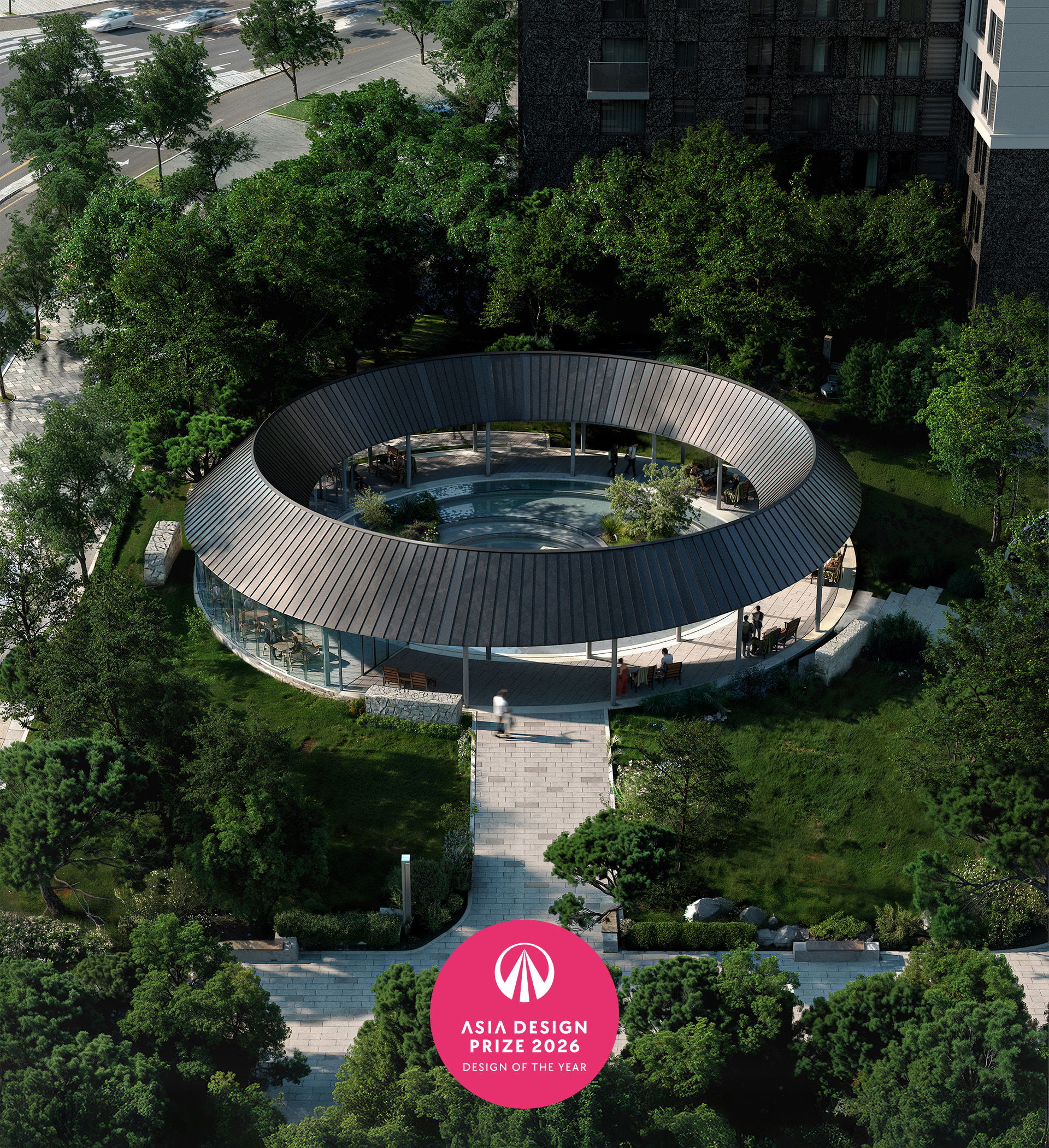
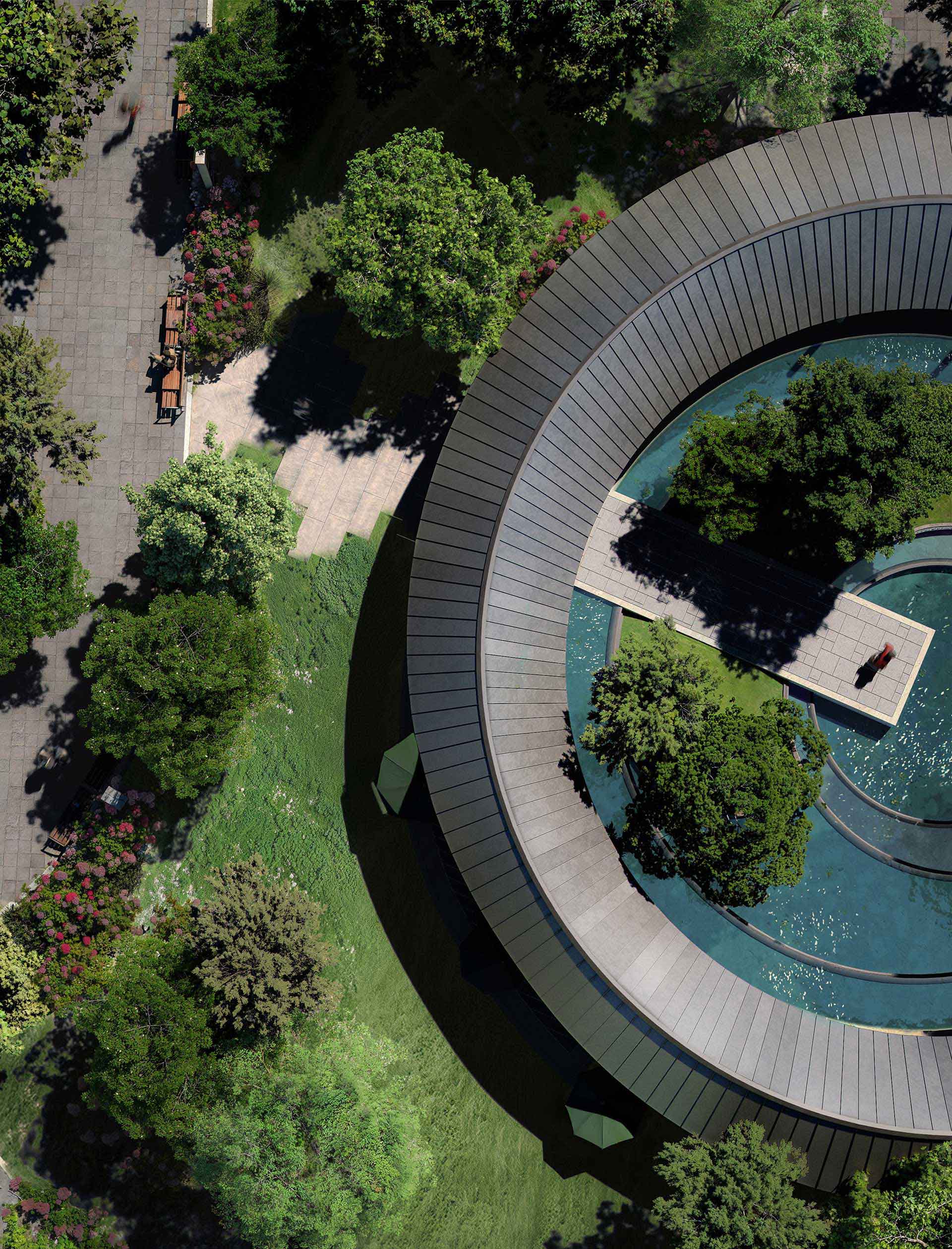
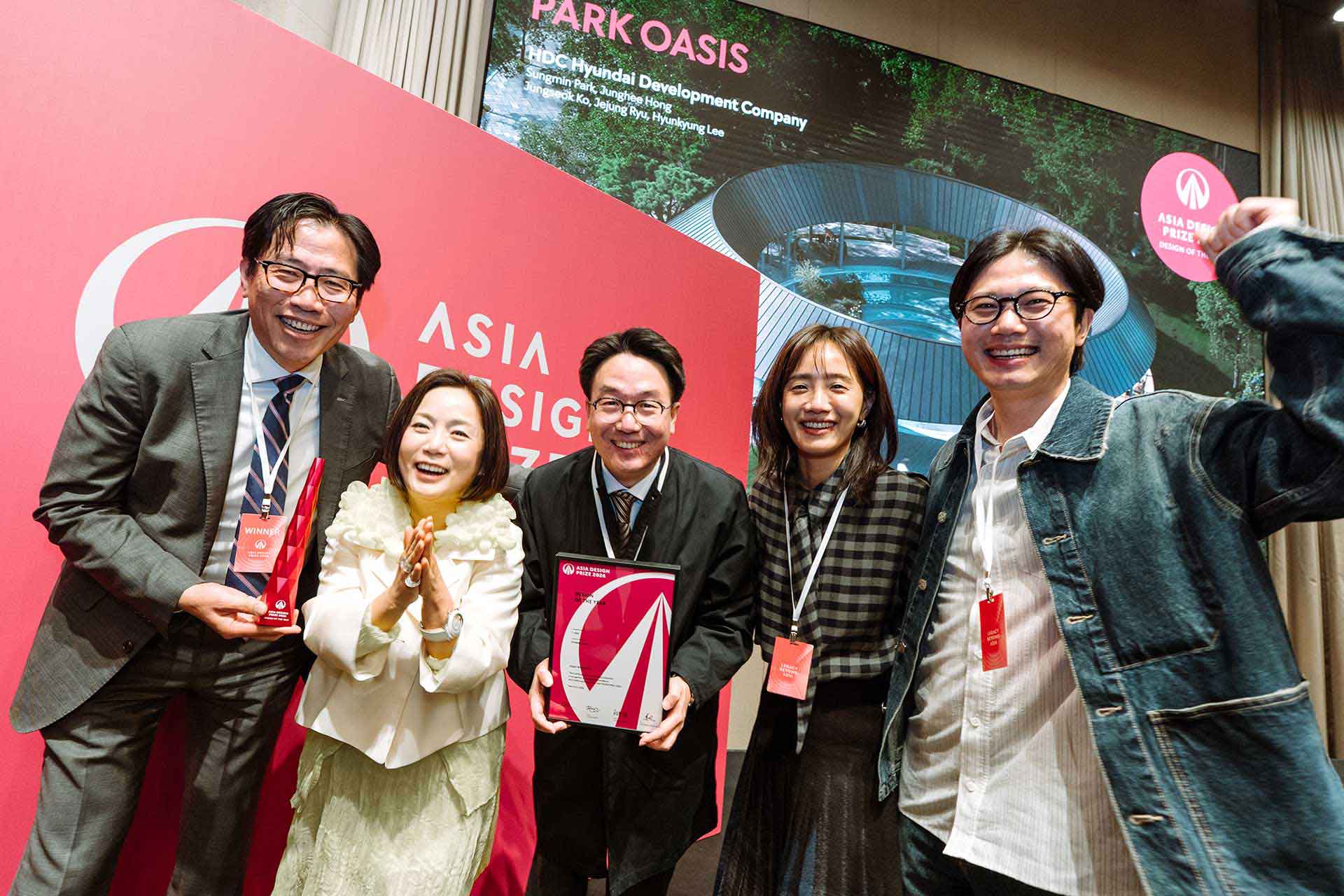
< PARK OASIS, ASIA DESIGN PRIZE 2026 Design of the Year >
You mentioned that ‘PARK OASIS’ is not just a teahouse, but a pilot project that embodies the IPARK design philosophy. Could you elaborate on the symbolic significance of this project and the role it played internally?
As mentioned, for us, ‘PARK OASIS’ was a symbolic project that goes beyond the physical definition of a teahouse. It was conceived as part of the process of redefining the HDC Group’s brand system in celebration of its 50th anniversary, and developed in collaboration with STAY ARCHITECTS as the first pilot project to publicly present the IPARK design philosophy and guidelines. In this sense, it was not merely about creating a single space, but about establishing a starting point that introduces the future direction of the brand and its design language to the public. Internally, the project also played a meaningful role by going beyond the silo structure often found in efficiency-driven organizations. It created an opportunity for various disciplines such as architecture, landscape, interior, structure, and site management to collaborate in an integrated manner. Rather than operating independently, each field worked toward a shared goal, allowing us to experiment with a new collaborative framework. While the scale of the project may be modest, the process and outcome marked a significant turning point within the organization. It demonstrated that design is not merely a final output, but a force capable of transforming organizational thinking and processes.
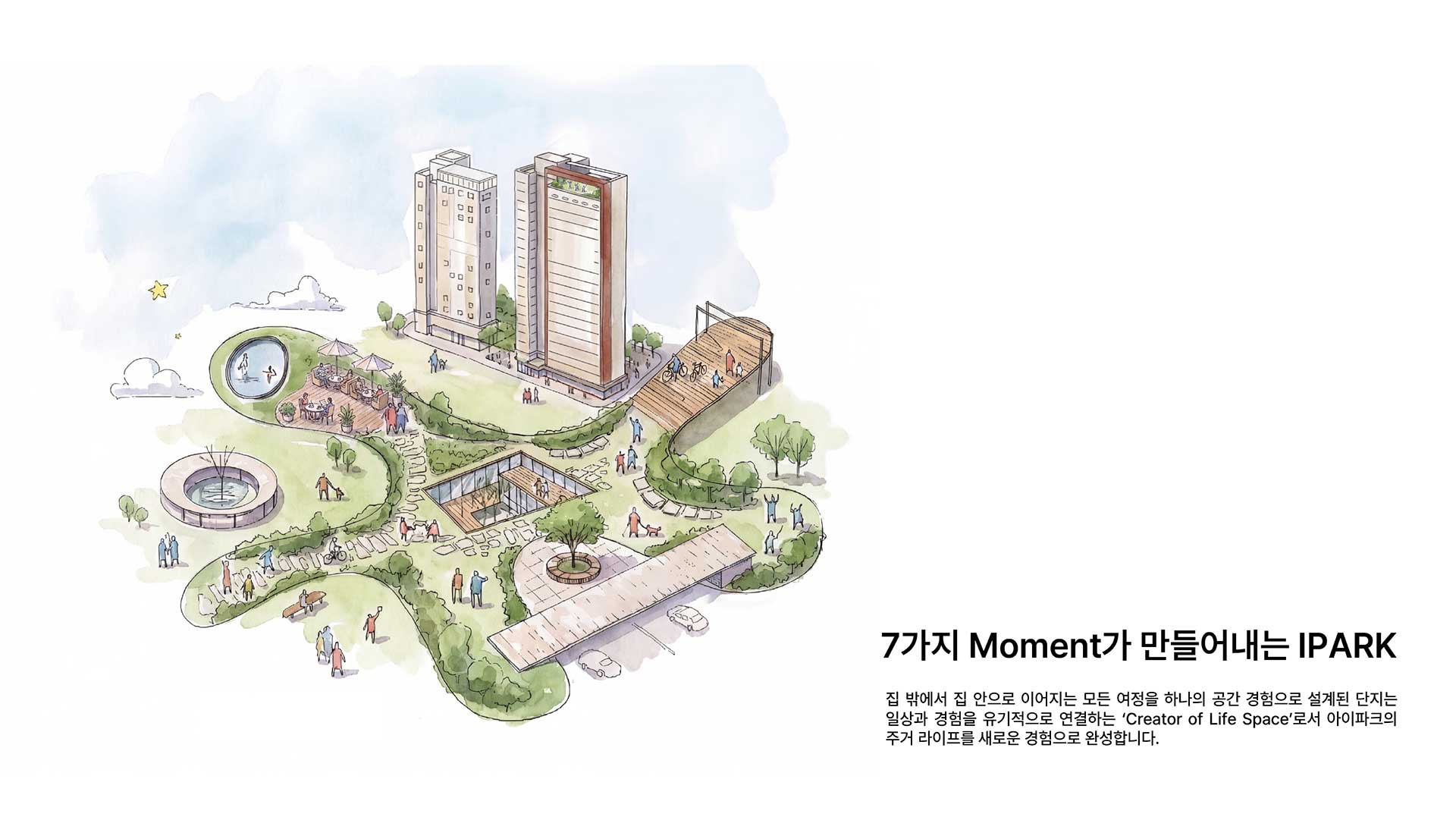
In realizing the philosophy of “everyday moments at IPARK” and “a journey of empathy,” what aspects of the user experience flow did you consider most important? In particular, how were the concepts of ‘PARK MOMENTS’ and ‘PARK WAY’ translated into the actual spatial design?
To explain it simply, “everyday moments at IPARK” correspond to ‘PARK MOMENTS,’ while “a journey of empathy at IPARK” can be understood as ‘PARK WAY.’ Our approach centers on designing the entire journey from outside the home to inside as a continuous spatial experience, allowing every moment within IPARK to feel meaningful and distinctive. This goes beyond enhancing the quality of individual spaces, extending into the design of the sensory and experiential connections that emerge between them. The moment one enters a residential complex is the first encounter with the brand, a point where the space is perceived without preconception and purely through the senses. Our goal is to translate that initial atmosphere and impression into architectural elements, and to articulate the overarching sensory flow of the complex through space. To achieve this, we carefully orchestrate elements such as movement, sightlines, materials, and light, enabling users to naturally follow the flow of the environment. Over time, these experiences accumulate in memory, ultimately evolving into a new language of the brand. In this sense, our design approach seeks to create a cyclical structure in which experience becomes perception, and perception, in turn, shapes brand identity.
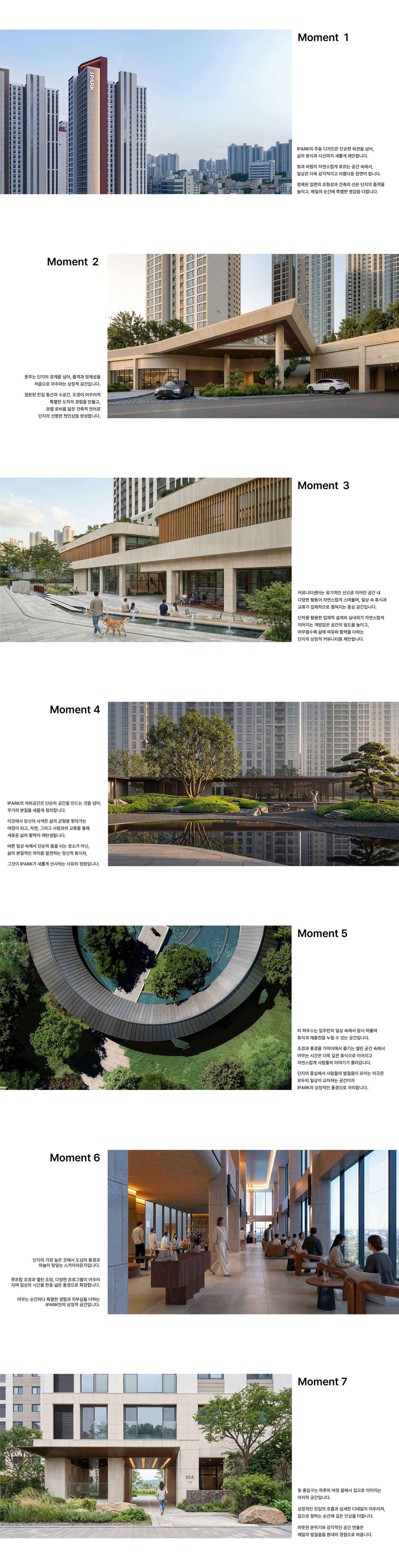
The seven “MOMENTS,” which extend from the building façade to the community space, central plaza, teahouse, sky lounge, and residential entrance, form a highly compelling structure. How do you think this approach of designing a continuous experience differentiates itself from conventional residential design?
Ultimately, this question comes down to whether a “home” functions as a vessel that holds one’s life, or merely as a symbol of wealth. In the past, residential value was often defined by designing bigger, taller, and more visually striking spaces than others. However, we believe that the criteria for value are shifting toward environments that are more comfortable, thoughtfully organized in every detail, and capable of making everyday life more meaningful. In other words, rather than physical scale or visual display, the depth of how a space engages with the user’s daily life and emotions is becoming increasingly important. With this perspective, we sought to create a residential environment that gains value over time and evolves alongside its residents. This led us to imagine a structure where individual spaces are not isolated, but interconnected, allowing for a variety of experiences to unfold within a cohesive framework. Our response to this idea is embodied in the seven “MOMENTS” that define the journey from distant view to the intimate scale of one’s home. By carefully orchestrating this sequence, we move beyond the concept of a space that is simply occupied, and instead create an environment that is experienced, navigated, and remembered. It is this continuity of experience that distinguishes our approach from conventional residential design.
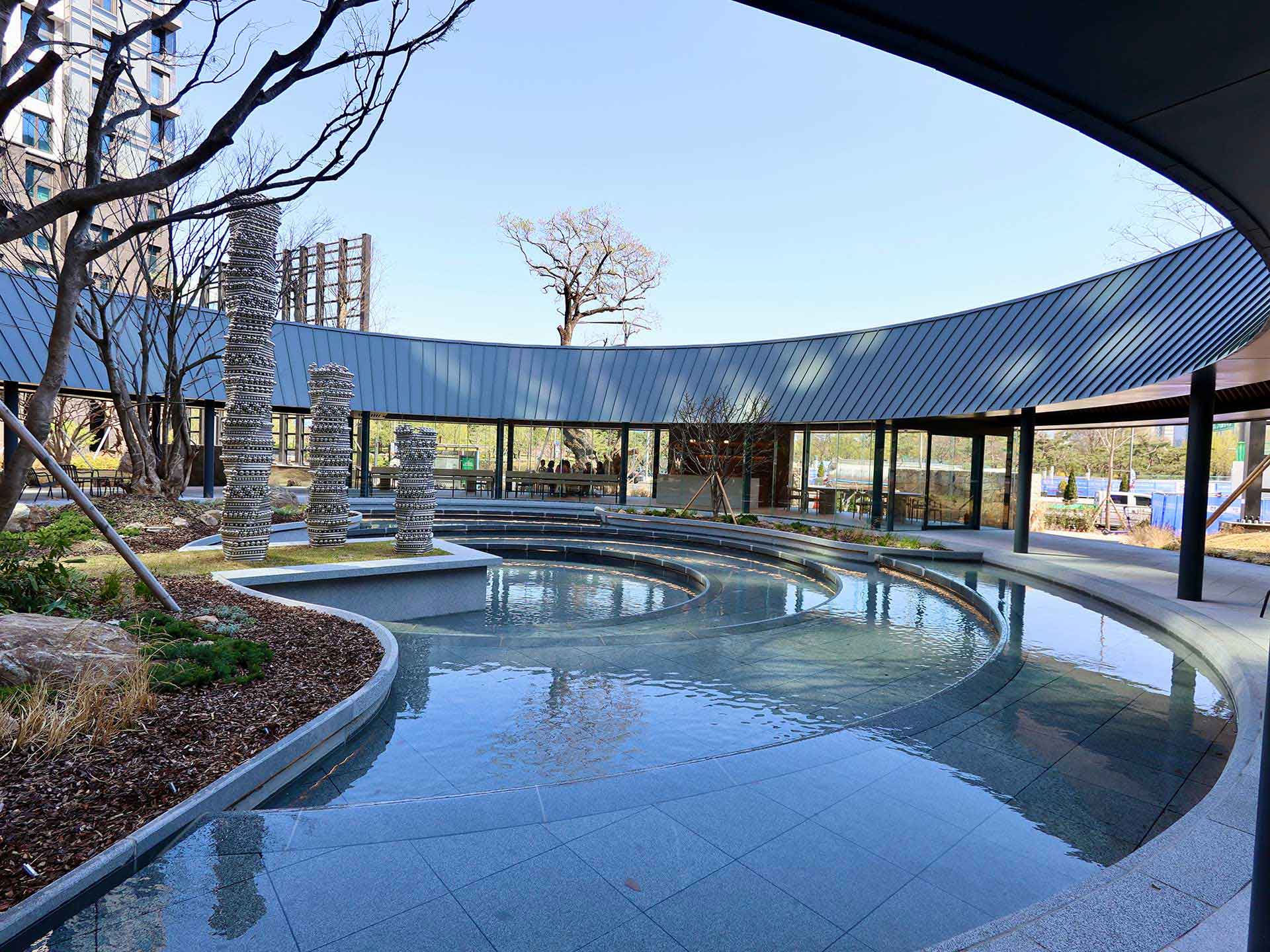
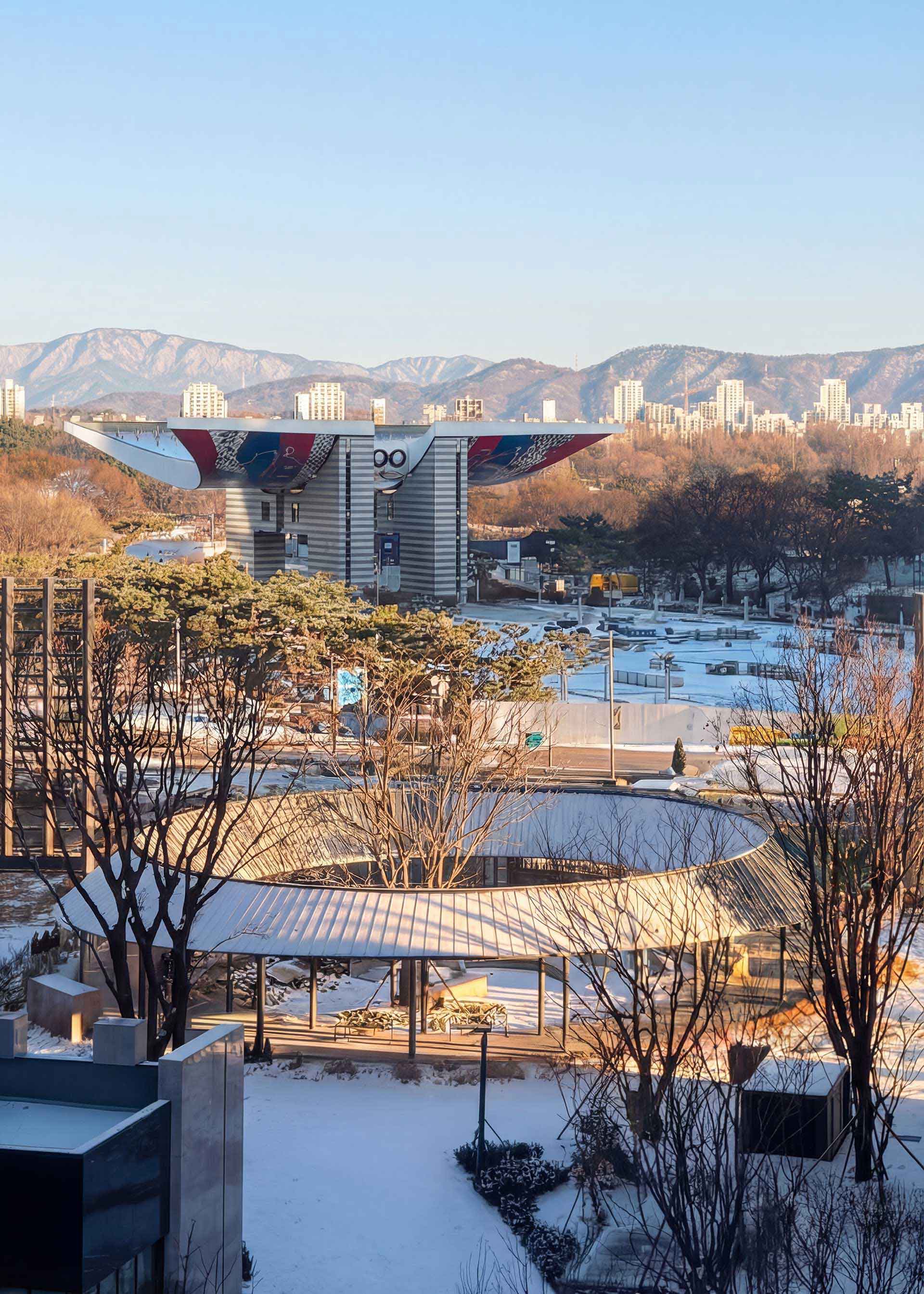
< PARK OASIS, ASIA DESIGN PRIZE 2026 Design of the Year >
The core concept of ‘PARK OASIS,’ The Circle of Connection, is defined through the three keywords of circulation, center, and connection. Could you elaborate on how this concept operates within the spatial composition and user experience, and why a circular structure was chosen?
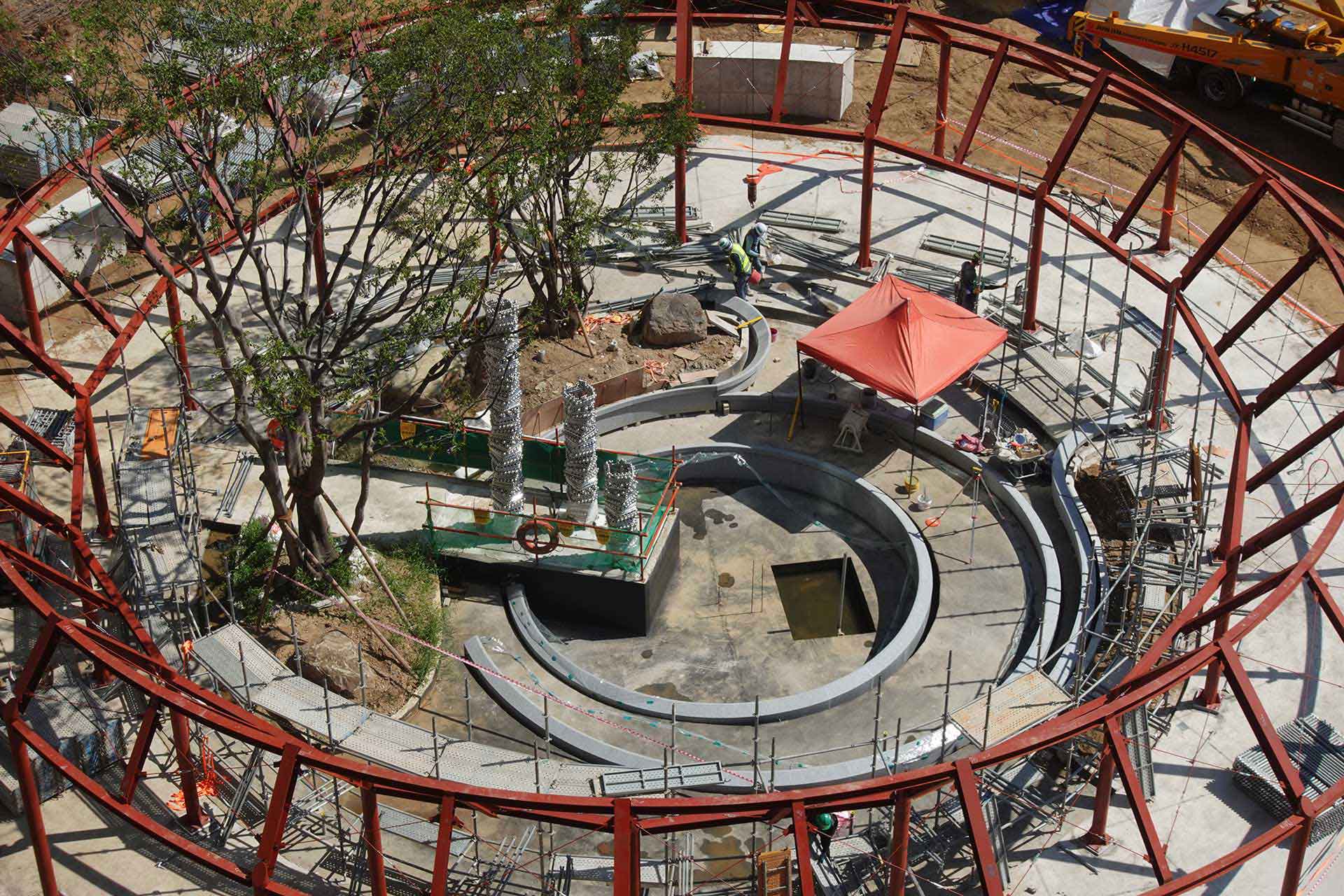
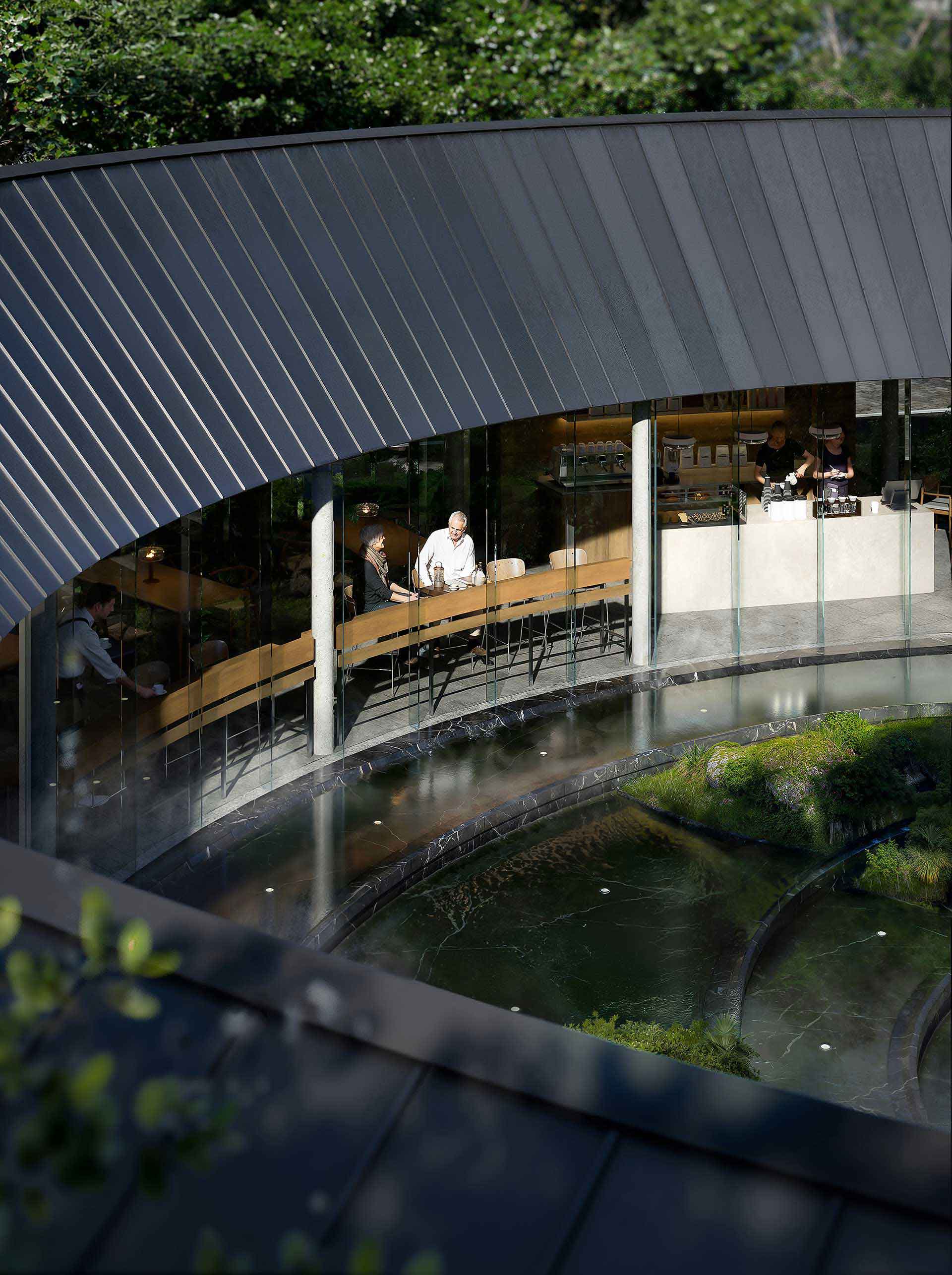
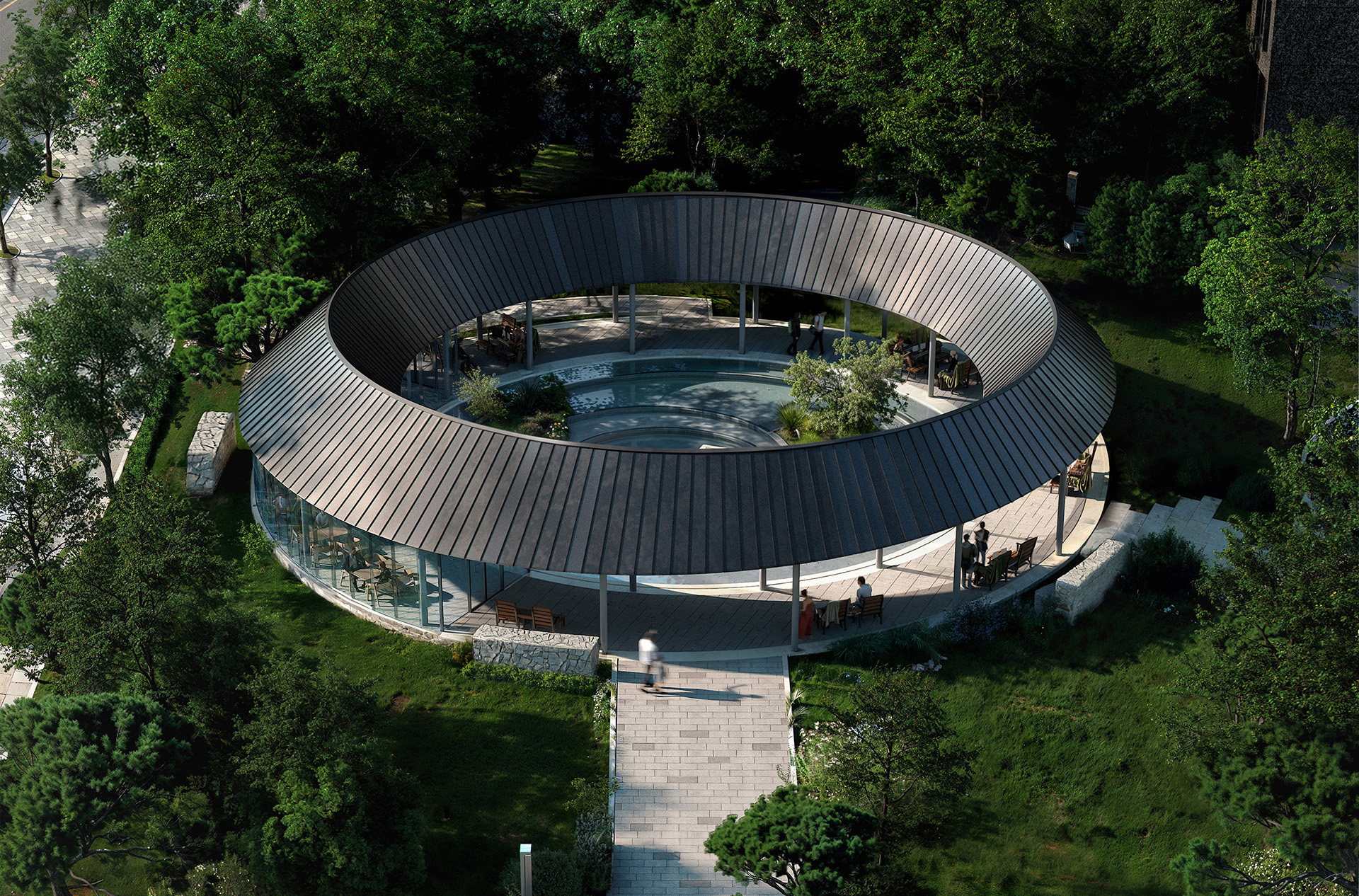
The central design concept of Park Oasis is The Circle of Connection, which we realized through three key ideas: circulation, center, and connection. First, circulation is expressed through the organic circular plan, which naturally guides visitors’ movement and sightlines inward, creating a continuous flow without a defined beginning or end. Rather than prescribing a fixed path, the intention was to allow moments of staying and moving to seamlessly unfold as part of a unified experience. Second, the concept of center is embodied in the quiet water feature placed at the heart of the architecture. This central space offers a contemplative environment where visitors can pause and reflect, functioning not only as a visual focal point but also as an emotional anchor that stabilizes the rhythm of the entire space. Finally, connection is articulated through the circular structure itself, which dissolves the boundaries between people, nature, and the city. The space is designed to remain open both inward and outward, enabling a continuous dialogue rather than separation. The choice of a circular form was driven by its ability to most intuitively express this idea of connection, creating an environment where elements relate to one another on equal terms without hierarchy, and where spatial relationships are defined through continuity rather than division.
Beyond this project, HDC’s design team has been involved in a wide range of residential and urban developments. Could you share the core design principles or internal methodologies that run consistently across your projects?
At the beginning of each project, we first define what role we can play at the intersection of city and residential life. This ongoing pursuit of an urban perspective has become an internalized methodology for our team, shaped through continuous dialogue with Mr. Hee-yoon Park, a specialist in urban development. To translate this perspective into architectural language, we have established three core design principles that guide our work. The first is Iconic Linearity, where restrained lines that balance heritage and modernity convey the solid sense of trust unique to IPARK. The second is Refined Sophistication, where carefully selected materials rooted in local context express a range of textures, allowing the atmosphere of the space to be finely tuned while reflecting the passage of time. The third is Controlled Expression, which ensures a consistent brand identity by applying a coherent palette of architectural and interior materials aligned with the brand’s color strategy. To implement these principles more effectively, we have also restructured our organizational approach by moving away from rigid departmental divisions. Instead, we operate through a more fluid collaboration between senior and junior groups, allowing the creative energy of younger designers to be guided and refined through the experience of senior members. Through this integrated process, we aim to achieve a more flexible and responsive design outcome that reflects both innovation and accumulated expertise.
As you continue to work on projects where architecture, landscape, and interior design operate in an integrated manner, how has your internal collaboration structure and decision-making process evolved? In particular, what criteria become most important when coordinating complex and often conflicting interests?
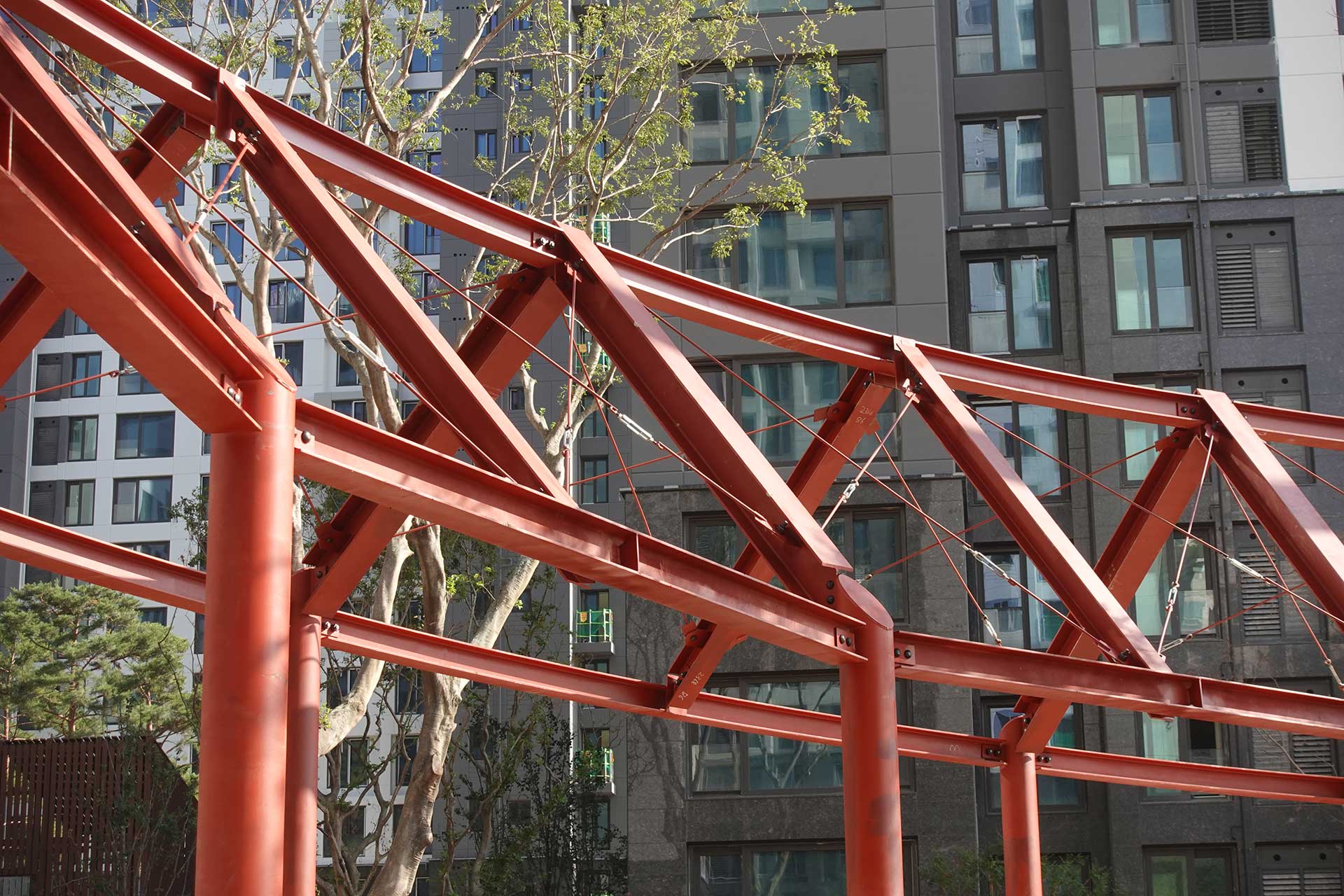
We believe that the most important foundation is a shared understanding that design is ultimately a process. Collaborating with leading experts across multiple disciplines is never a simple task. Each specialist naturally proposes what seems to be the best solution from their own perspective, yet these individually optimized decisions can sometimes lead to suboptimal outcomes for the project as a whole. For this reason, we place great importance on aligning around the principle that decisions should be made not through individual optimization, but through overall optimization. The ‘PARK OASIS’ project itself was a continuous series of such challenges. Amid ongoing differences in opinion, we often found ourselves choosing not the ideal solution, but a second-best, or even a less optimal alternative, in what might appear to be an inefficient process. However, we do not see this as mere compromise, but as an essential phase where different areas of expertise collide, adjust, and gradually converge toward a more refined outcome. What ultimately enabled us to move forward was a shared belief among the team that, through each step of this process, even a less optimal choice could evolve into a better one, and eventually lead to the best possible solution. As a result, our collaborative structure is less about reaching quick conclusions and more about discovering direction through sufficient dialogue and accumulation. We consider this process itself to be an integral part of design, and it serves as a key principle guiding how we work together.
As architecture and design across Asia continue to evolve, there is also a growing movement to reinterpret regional identity. How does HDC approach the idea of “Asian residential design” within this context, and what direction are you exploring?
In recent years, residential design, not only in Korea and Asia but globally, has increasingly focused on how to express the shared themes of density, complexity, and hospitality. This goes beyond physical density or functional integration, extending into how people inhabit spaces, form relationships, and accumulate experiences within them. Among these, we believe the concept of hospitality is where regional identity is most distinctly expressed. It reflects how cultural characteristics shape people’s behaviors and, ultimately, how they perceive comfort within a space. In this sense, hospitality is not merely a service concept, but a critical design language through which local culture and ways of living are revealed. Rather than emphasizing identity through specific stylistic elements or predefined keywords, our approach is to create places that evolve with people over time through refined design, the thoughtful use of locally rooted materials, and the careful orchestration of spatial journeys that naturally guide movement. Ultimately, we see Asian residential design not as a matter of formal distinction, but as a question of how sensitively we can connect people, place, and time. It is within these connections that a genuine and lasting sense of identity emerges.
In balancing design that is globally competitive with design that is deeply rooted in local context, what perspective do you consider most important? Additionally, how do you envision IPARK’s design expanding beyond Asia in the future?
Recent Pritzker Prize laureates offer insight into the direction of globally recognized architecture. Architects such as Smiljan Radić, Liu Jiakun, and Francis Kéré share a common approach in that their work is deeply rooted in local context, consistently exploring and amplifying a strong sense of place. This suggests that global competitiveness and local contextual understanding are not opposing forces, but rather converge toward the same point. In other words, the deeper the interpretation of locality, the more it resonates on a universal level, ultimately strengthening its position in the global market. Korean collective housing, in this regard, has already established itself as a unique residential model on a global scale. While it is sometimes criticized for its uniformity, it is also recognized as a highly efficient and refined solution for high-density living. Within this duality, Korean housing has entered global discourse as a distinct typology. HDC and the IPARK brand have built strong expertise in both quantitative and qualitative aspects of the domestic housing market. Moving forward, rather than exporting a specific form or stylistic approach, we aim to expand our competitiveness through the “journey design process” centered on user experience. Ultimately, our goal is to present a residential model that resonates beyond Asia by offering a distinct approach to spatial experience design grounded in our accumulated knowledge and perspective.
Finally, beyond physical space, what kind of lifestyle and urban experience does HDC aim to propose through its future residential design? And what role will design play in this process?
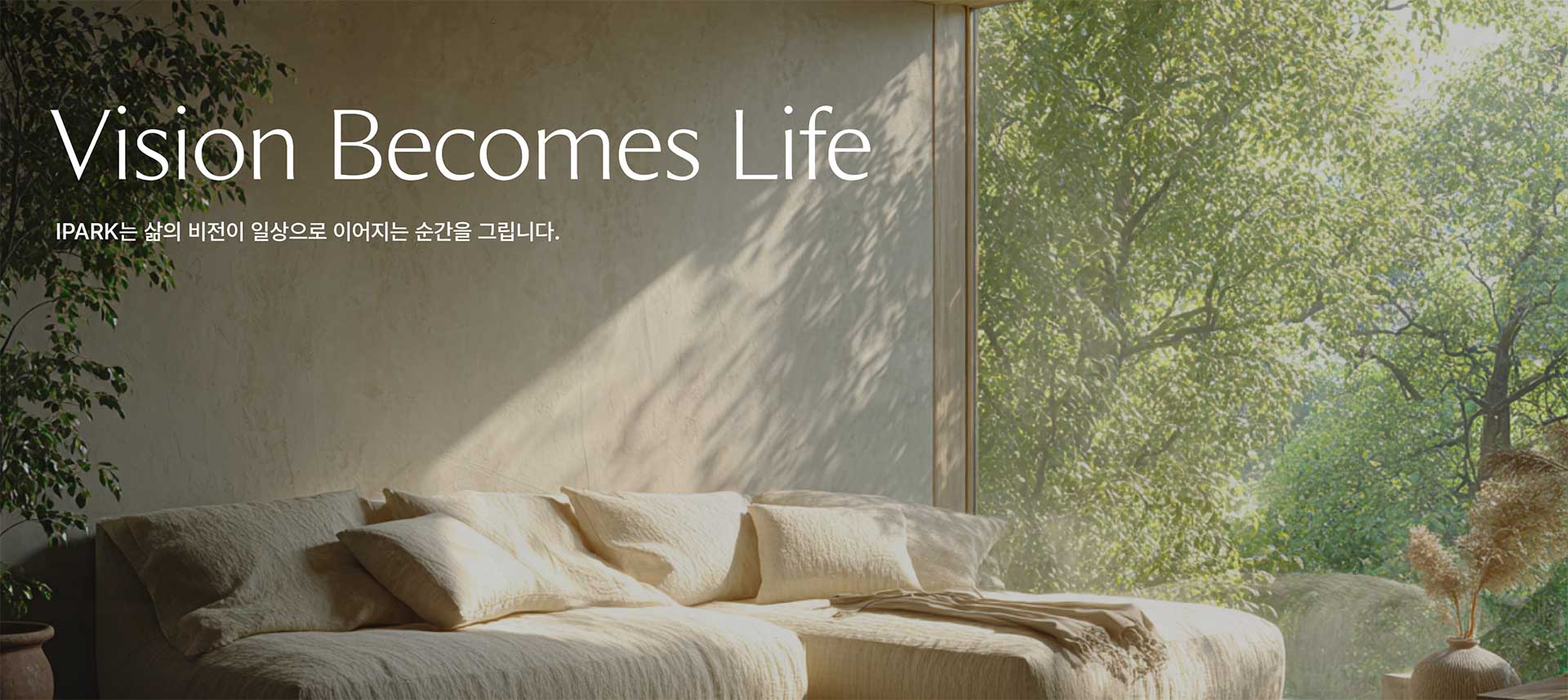
IPARK envisions the moment when a vision of life becomes part of everyday reality, a concept we express through the slogan “Vision Becomes Life.” We believe that life does not remain confined to a single space, but is formed through the seamless connection of work and rest, relationships and time, technology and emotion, all coming together as a unified experience. In response to these shifts, we recognized the need for a new framework that allows us to understand life as a continuous flow. IPARK aims to evolve not only as a lifestyle brand that captures and reflects this flow, but also as a broader worldview that connects vision to the everyday experiences closest to people’s lives, extending beyond the traditional boundaries of residential design. Within this process, design plays a critical role as the medium through which users can experience these changes firsthand, naturally forming a shared brand experience and ultimately developing a deeper sense of connection and identity with the brand.












#14057, 905 49, Beolmal-ro 102beon-gil,
Dongan-gu, Anyang-si, Gyeonggi-do, Korea
Business Registration Number: 454-86-01044
Online Sales License No.: 2021-Anyang Dongan-1081
Copyright © DESIGNSORI Co., Ltd.