INDEX offers a more dimensional view of the design landscape across Asia by introducing design studios and companies that demonstrate clear design philosophies and notable achievements. Spanning graphic design, branding, spatial design, product, digital, and motion, INDEX focuses on emerging practices and looks beyond portfolios to examine how they work, where their ideas come from, and what they stand for. Rather than cataloguing projects, INDEX documents the design language and attitudes shaped by local identity, industry, and cultural environments across Asia.
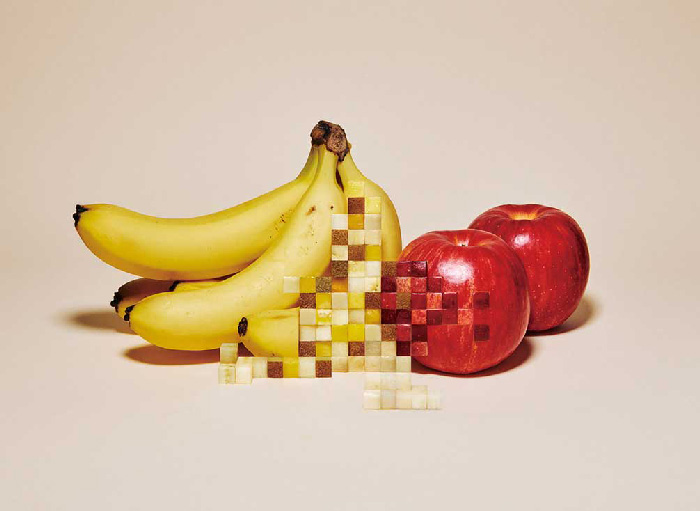
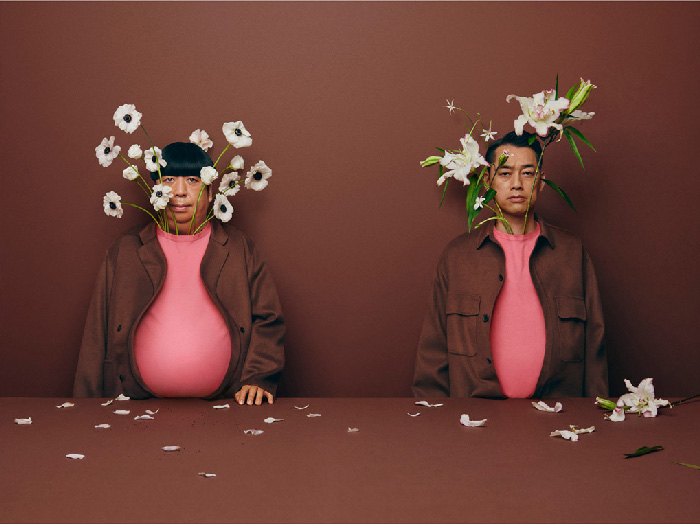
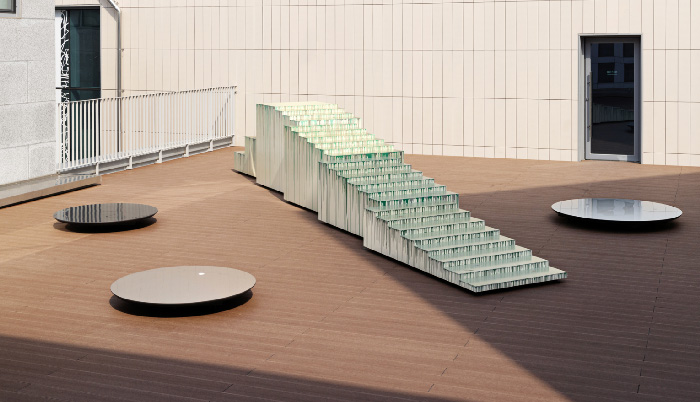
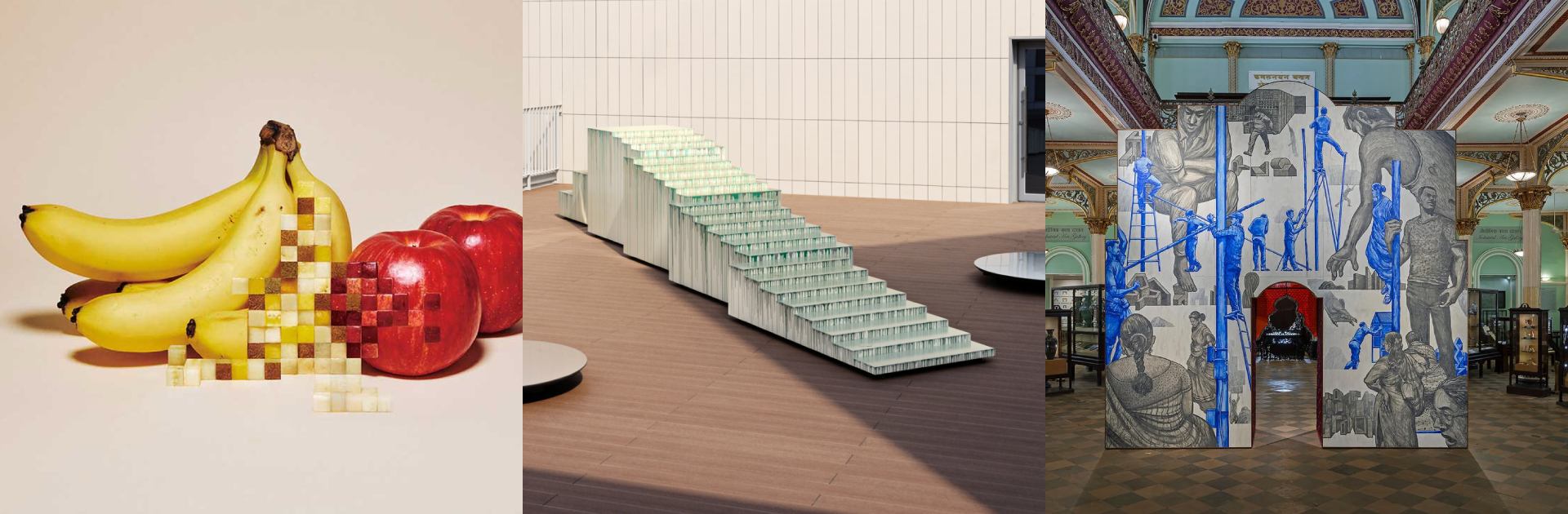
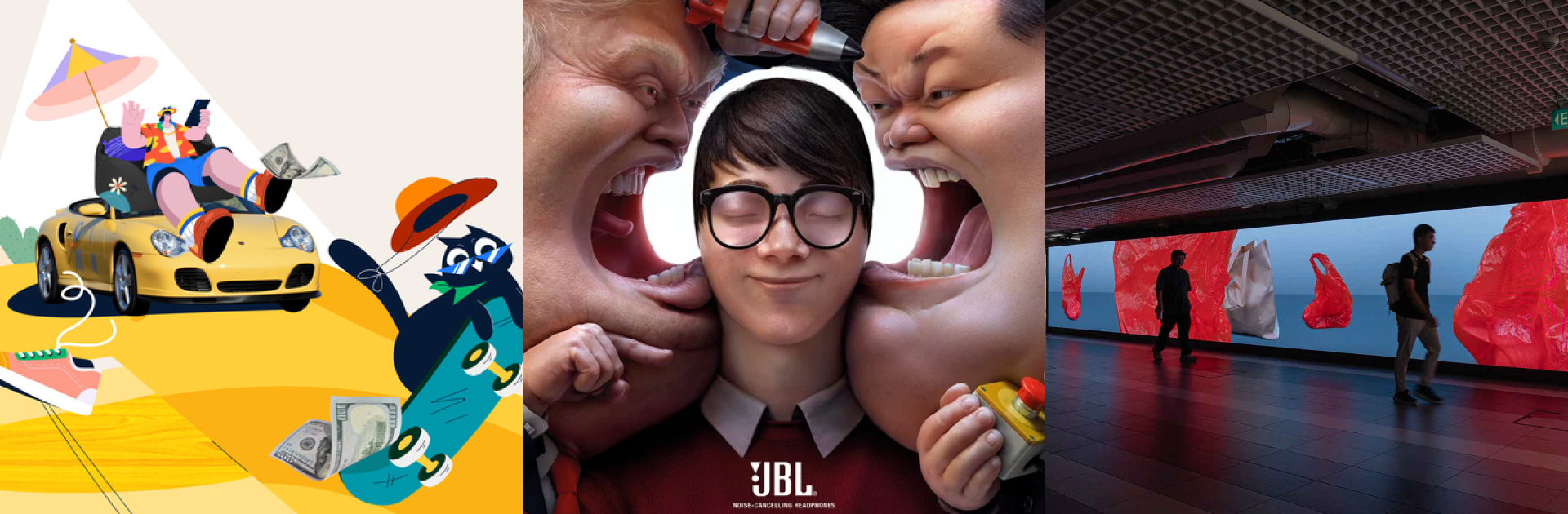
“Yuni Yoshida, Na Kim, and Sameer Kulavoor demonstrate how independent practices can transform close observation into distinctive visual languages. In Japan, Yuni Yoshida creates meticulously constructed images that turn familiar objects, food, and the human body into unexpected visual illusions. Working between Seoul and Berlin, Na Kim moves fluidly between graphic design and contemporary art, collecting and reorganizing everyday fragments through publications, installations, and long term visual systems. In India, Sameer Kulavoor observes the changing rhythms of Mumbai and translates overlooked urban scenes into paintings, drawings, murals, books, and public art. Together, their practices show how an individual point of view can move across disciplines while remaining coherent, recognizable, and deeply connected to contemporary life.”
Japan

Studio: Yuni Yoshida
URL: http://www.yuni-yoshida.com
Profile: Yuni Yoshida is a Tokyo based art director and graphic designer who has worked independently since 2007. Her practice spans advertising, campaign imagery, packaging, music artwork, publishing, fashion, and moving image. Through carefully staged photography and hands on construction, Yoshida transforms ordinary materials, food, flowers, and the human figure into playful visual illusions. Rather than depending on digital effects alone, she frequently builds images through physical arrangements that reward close observation. Her work demonstrates how a highly personal visual vocabulary can remain experimental while communicating immediately across cultural and commercial contexts.
Korea
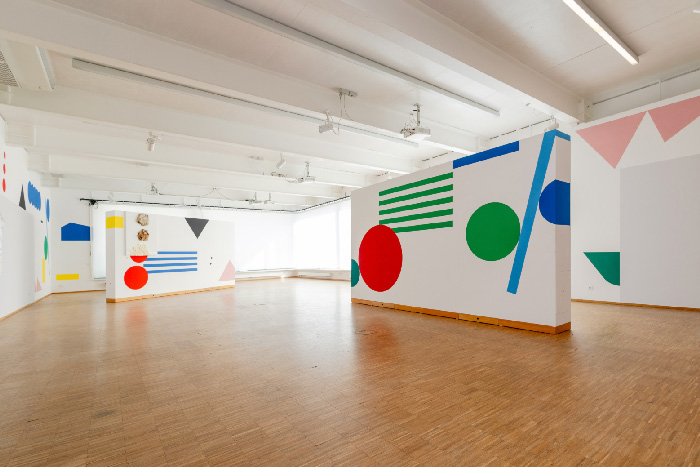
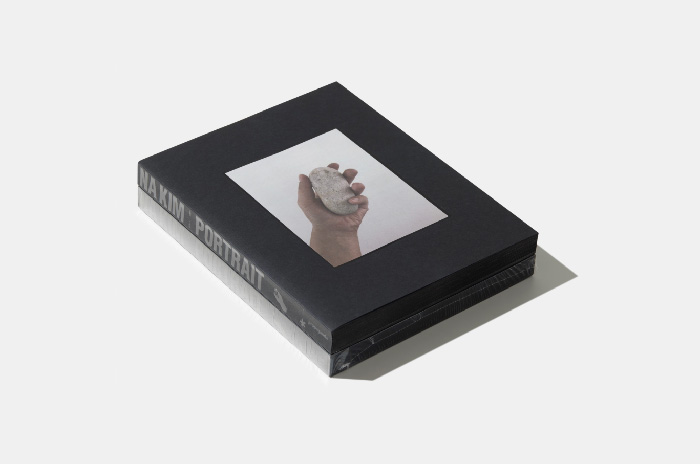
Studio: Na Kim
URL: https://ynkim.com
Profile: Na Kim is an artist and designer working between Seoul and Berlin. Her practice begins with collecting objects, images, texts, and events from everyday life and reorganizing them to examine the tension between order and chance. Moving from the language of graphic design toward the grammar of contemporary art, she works across publications, installations, exhibitions, and long term visual projects. Kim also runs LOOM, a project space in Berlin. Her independent practice shows how graphic design can extend beyond commissioned communication and become a method for observing, classifying, and reconstructing the world.
India
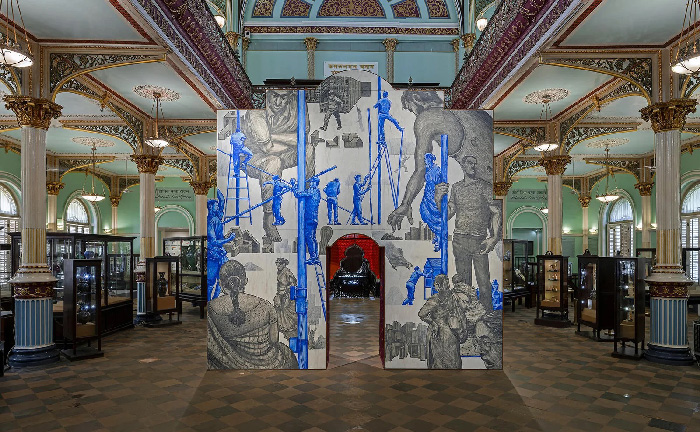
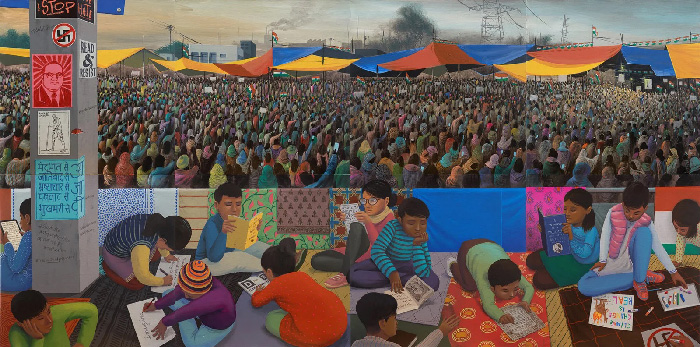
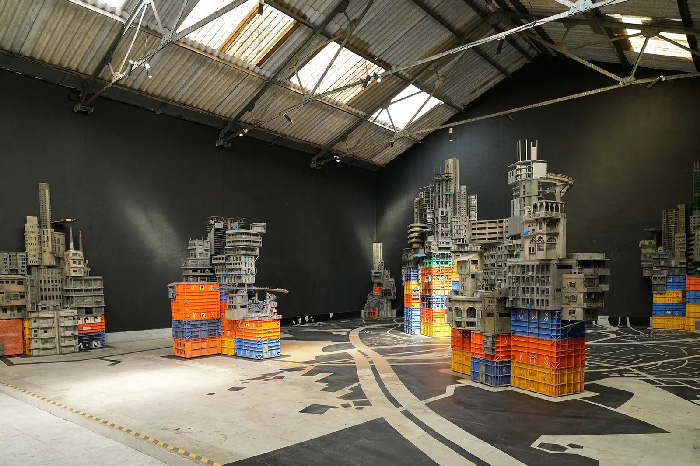
Studio: Sameer Kulavoor
URL: https://sameerkulavoor.com
Profile: Sameer Kulavoor is a Mumbai based artist and designer whose work examines the continually changing character of the contemporary metropolis. Working across painting, drawing, illustration, animation, printmaking, murals, zines, and public art, he records patterns and details that often remain unnoticed within everyday urban life. His compositions combine direct observation with abstraction, revealing how architecture, movement, politics, culture, and economic change shape the visible environment. Through an independent practice developed over more than two decades, Kulavoor turns the ordinary city into a living visual archive.














#14057, 905 49, Beolmal-ro 102beon-gil,
Dongan-gu, Anyang-si, Gyeonggi-do, Korea
Business Registration Number: 454-86-01044
Online Sales License No.: 2021-Anyang Dongan-1081
Copyright © DESIGNSORI Co., Ltd.