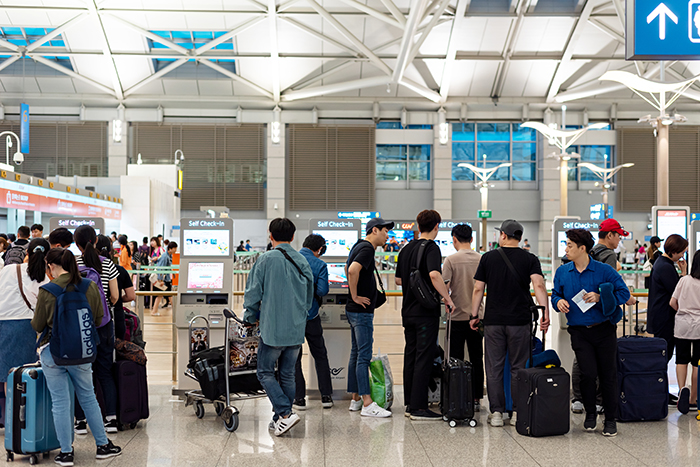
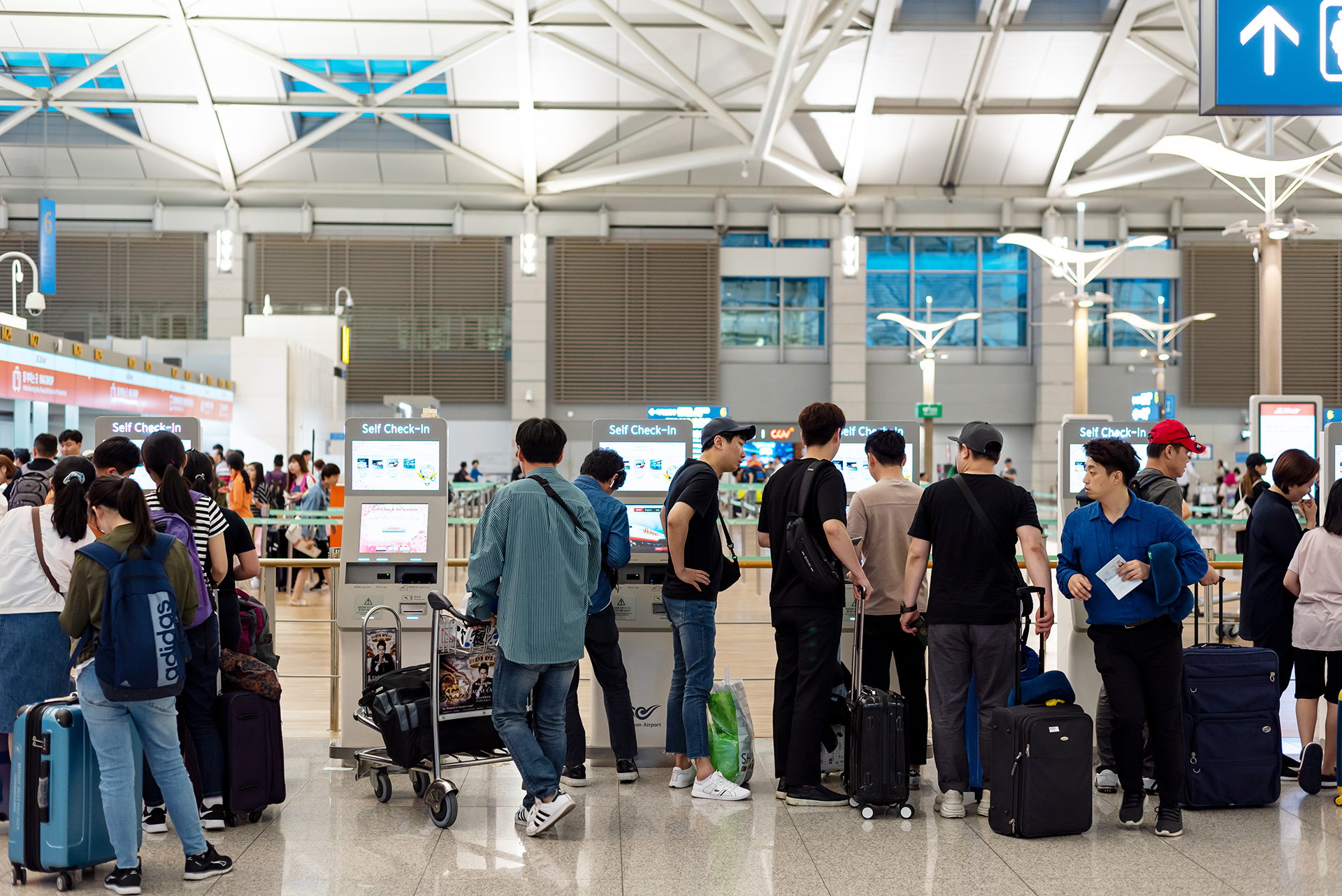
My father is quite comfortable using kiosks. Since he has been using a smartphone for years, understanding a new interface is not particularly difficult for him. What makes kiosks difficult for him is not the technology itself but presbyopia. Standing in front of a vertical screen, he takes off his glasses and moves back and forth until the text comes into focus. The longer it takes him to read the screen, the more conscious he becomes of the people waiting behind him. My father can use a kiosk. Using one simply requires more time and effort and places greater psychological pressure on him than it does on others. That is why, for now, he still prefers ordering from a person rather than a machine.
The issue is not whether people can adapt, but the cost of adaptation. It is misleading to say that older people cannot adapt to digital devices. When necessary, people learn, and through repetition, they become familiar with new technologies. But some people understand something immediately, while others need to read it three times. Even when using the same service, the amount of time and effort each user must invest can be very different. The way we are adapting to artificial intelligence today is not much different. Some people begin using it immediately, while others must first learn how to frame their questions. Technology moves forward, but not everyone moves at the same pace. Public design should serve as a buffer between the speed of technology and the speed of people. Rather than demanding that people adapt more quickly, it should ensure that they can continue to access essential public services throughout the process of adaptation.
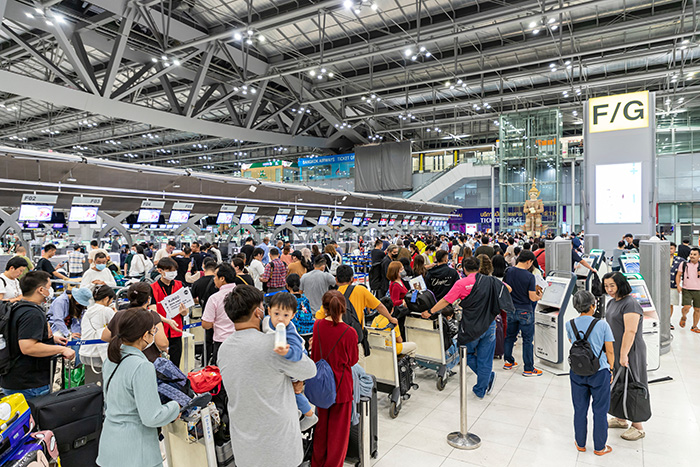
The law speaks of “everyone,” not “most people.” South Korea’s Public Design Act aims to create environments that everyone can use safely and comfortably, regardless of age, gender, disability, or nationality. The law does not use the phrase “most people.” However, design for everyone does not mean designing for everyone in exactly the same way. In school zones, children come first. In care facilities, older adults and caregivers are the priority. In emergency information systems, rapid understanding takes precedence over aesthetics. Public design inevitably involves priorities based on the purpose of each project. But prioritization is about deciding whom to consider first, not giving designers permission to exclude others altogether.
The public value of design is not determined by majority rule. With limited budgets, it is reasonable to make decisions that benefit as many people as possible. But the fact that most people experience no inconvenience does not necessarily make something good public design. We need to ask whether the absence of visible problems truly means that no problems existed. Perhaps those who experienced difficulty simply gave up without saying anything. If a thousand nondisabled people are surveyed about a space that wheelchair users cannot even enter, the space may still receive a high satisfaction score. Yet the absence of even one person who was unable to participate in the survey reveals the limitations of that space. The value of public design cannot be measured solely by the number of people who benefit from it. Braille signage may not be necessary for the majority, but that does not make it any less necessary. Ensuring that someone can access basic facilities and services on equal terms is not an optional act of kindness. It is a necessary investment in maintaining equal public access.
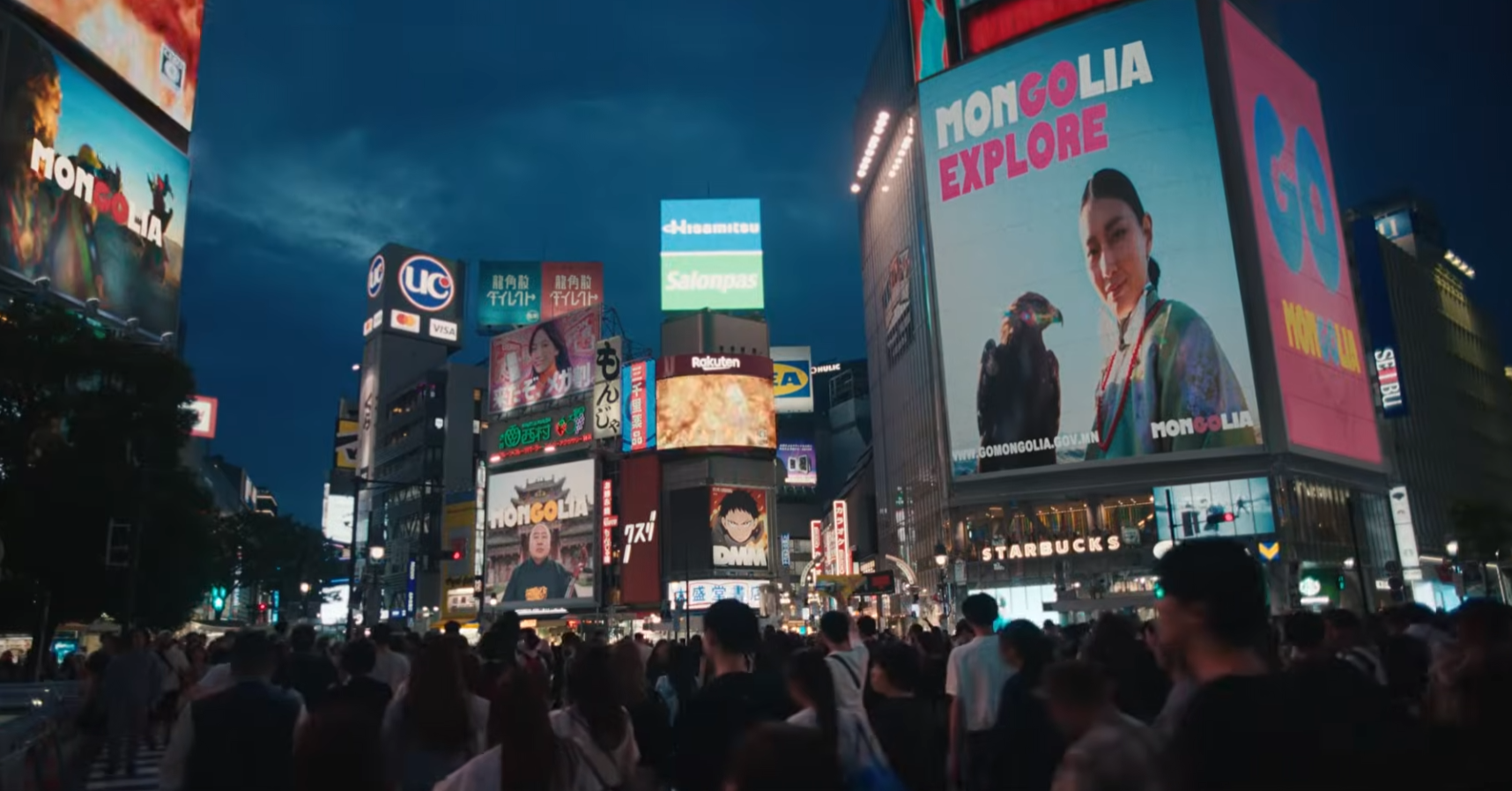
Problems are always found at the margins. Designing around average height, average vision, familiar languages, and typical walking speeds allows a project to be completed quickly. But new problems emerge when we sit in a wheelchair, look at a screen through aging eyes, or view a sign from a child’s height. The shortcomings of public design are revealed through the experiences of people who fall outside the average. To move closer to designing for everyone, we must first consider those who are most likely to be left out. Removing kiosks is not the answer. What is needed is larger text, stronger contrast, screen magnification, voice guidance, longer operating times, and accessible functions for requesting assistance. Until everyone has adapted, staffed service counters and human assistance should remain available as well. We need to design systems that give people time to adapt without preventing technology from moving forward.
Designing for everyone is not a finished state, but an ongoing process. A perfect design that satisfies everyone may not exist. Even so, we cannot abandon the goal of “everyone” and settle for “most people.” Public design for everyone is not something completed in a single attempt. It is a process of identifying who has been left out and bringing their experience back into the design. My father may eventually become more comfortable using kiosks. But until then, he should not have to explain his slower pace or declining eyesight to others. Design should recognize those differences before users are required to prove their difficulties. Good public design does not treat everyone in exactly the same way. It provides different forms of support so that people with different needs can participate equally in the same society. The reason public design must continue striving to serve everyone is simple. In the public realm, the word “most” cannot account for those who are left outside it.
















#14057, 905 49, Beolmal-ro 102beon-gil,
Dongan-gu, Anyang-si, Gyeonggi-do, Korea
Business Registration Number: 454-86-01044
Online Sales License No.: 2021-Anyang Dongan-1081
Copyright © DESIGNSORI Co., Ltd.