
Doyoung Kim Founder, K-Design Award
"How did a design award founded in Korea grow into a brand that attracts designers from around the world? When Doyoung Kim established the K-Design Award, his priority was not scale but the creation of a brand that could earn trust over time. From a small online award to a global platform, the choices and standards he has developed over the past fifteen years reveal a consistent commitment to credibility, design quality, and the lasting value of recognition. In this interview, Kim discusses the origins of the K-Design Award, the systems required for fair evaluation, the role of branding, and the enduring value of design in the age of AI."
How did the K-Design Award begin? What prompted you to create it, and what concerns shaped its starting point?
The main reason I started the K-Design Award was that I wanted to build an award brand that could endure. In the early 2000s, I happened to encounter several well known international design competitions. I was impressed by the way they operated as complete systems, extending beyond judging and recognition to include brand identity, winner experience, documentation, and archiving. It was the first time I realized that a design award itself could become a powerful brand.
At the time, I was running the design media platform DesignSori and closely observing a wide range of competitions and design projects. In fact, since university, I had been a self proclaimed design competition enthusiast. Whenever I found a worthwhile competition, I entered it, gaining extensive experience both in submitting work and receiving awards. Later, I even ran an agency specializing in design competitions, which allowed me to understand the field not only as a participant but also as an organizer. The beginning of the K-Design Award was not grand. Because I had built the DesignSori website myself, I also created the beta test page for the K-Design Award. At first, there was no ceremony, no annual book, and no winner package. It began as a simple online platform for submissions and judging, with no great expectations. To my surprise, more than 500 entries were submitted. At that moment, I thought, “This is it.”
I also created the brand name and symbol around that time. As Korean culture was rapidly gaining international visibility, I recognized the potential of the name “K-DESIGN” and moved quickly to secure the domain www.kdesignaward.com as a foundation for the brand.The symbol emerged even more unexpectedly. During a team dinner at a pub near our office, I drew a rough sketch on a napkin, and that sketch eventually became the symbol we use today. Much like Korean designer Youngse Kim’s book A Twelve Billion Won Napkin, a casual drawing made that evening has become a brand asset representing the K-Design Award fifteen years later. The more fundamental question that kept me developing the K-Design Award was this: why do most competitions fail to endure? While operating DesignSori, I repeatedly watched competitions appear and then disappear without a trace. Many organizations spent heavily to gather ideas or run a single marketing campaign, yet they often failed to invest sufficiently in building the award itself as a brand and accumulating its value over time.
One of the things I wanted to achieve was a compelling award brand whose value would deepen over many years. Creating a brand that becomes more trusted with time and retains lasting meaning for everyone who participates felt far more appealing than simply organizing a large event. From the beginning, I wanted to create a structure that could discover valuable design, verify it fairly, and preserve that achievement. An award is received in a moment, but its record remains part of a designer’s career and a company’s history. I believe the essence of a design award is not simply the delivery of a certificate. It is the credible proof of good design. Judging ends when the results are announced, but I believe the true value of an award begins after that moment.
You have said that trust is the most important asset of a design award. How can fair judging, which creates that trust, be implemented as a system?
I believe the most important asset of a design award is not its scale but trust in its results. That trust is created not by one or two famous jurors, but by a fair judging system. Design ultimately requires human judgment, so it is impossible to remove the individual tastes and experiences of jurors completely. The role of an award is therefore not to find perfectly objective jurors, but to build a structure that reduces variation among individual judgments and allows the work itself to remain the focus.
This is why I consider how judging takes place to be just as important as who conducts it. Inviting a celebrated designer does not automatically ensure fairness. An award must assemble experts from different countries and fields, assign an appropriate jury to each project, and conduct several stages of evaluation so that no result is determined by a single perspective. The authority of an award does not come from the fame of its jurors. It comes from the persuasive quality of the results when each juror’s expertise operates in balance within the system.
The K-Design Award has continued to refine its judging structure so that design quality and essential value take precedence over the size, country, or recognition of the submitting company. In the online exhibition, we also publish the profiles of jurors who gave positive evaluations, allowing viewers to understand the professional judgments behind each result. This is not simply the disclosure of information. It is a mechanism that strengthens accountability and transparency. Not every entrant can be satisfied with the outcome. Even when someone disagrees with a result, however, the process itself must remain trustworthy. I believe this is the most fundamental principle an award owes to its entrants. Fairness is not a declaration. It is a system that must be examined, revised, and proven every year.
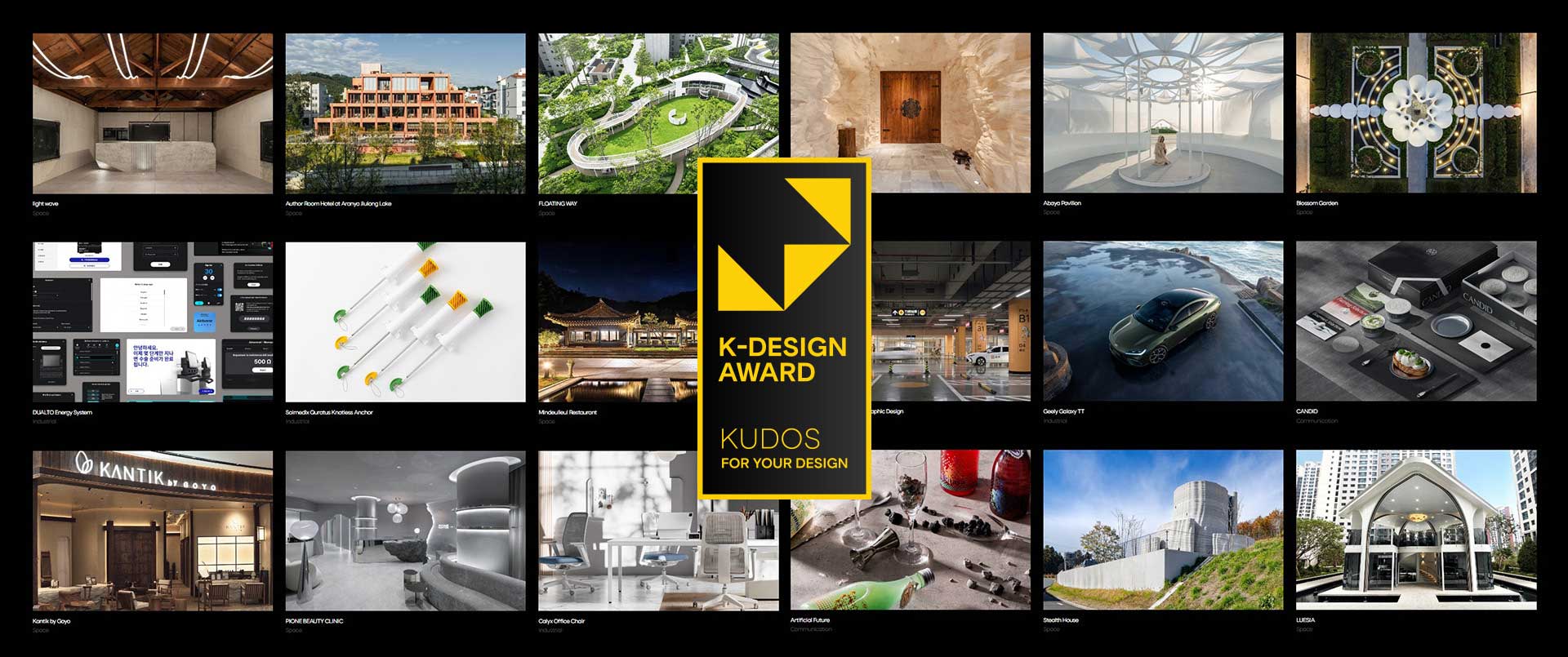
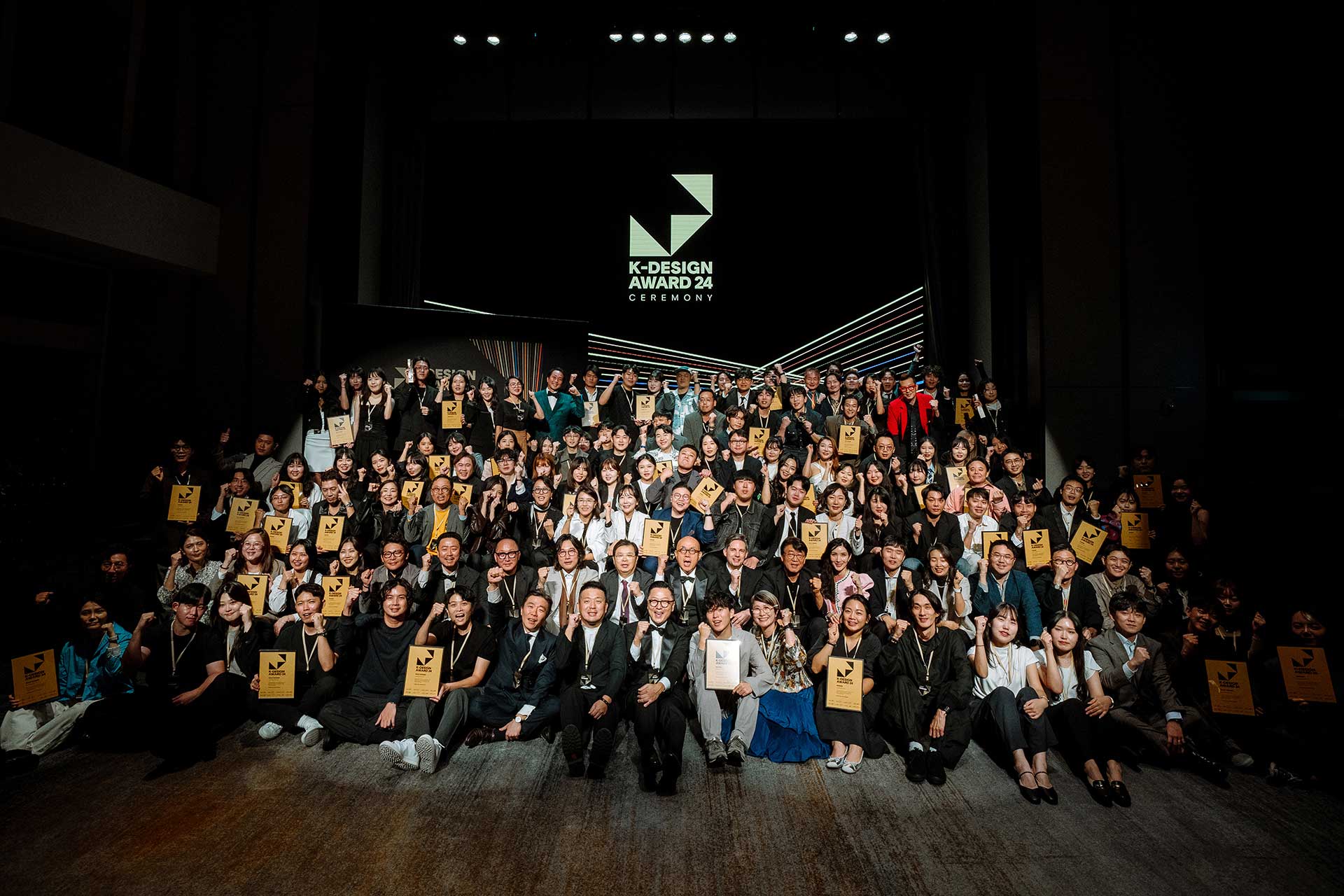
Your principle that a brand evaluating design must first demonstrate good design itself is compelling. How has the K-Design Award transformed this principle into a complete brand experience over the past decade and more?
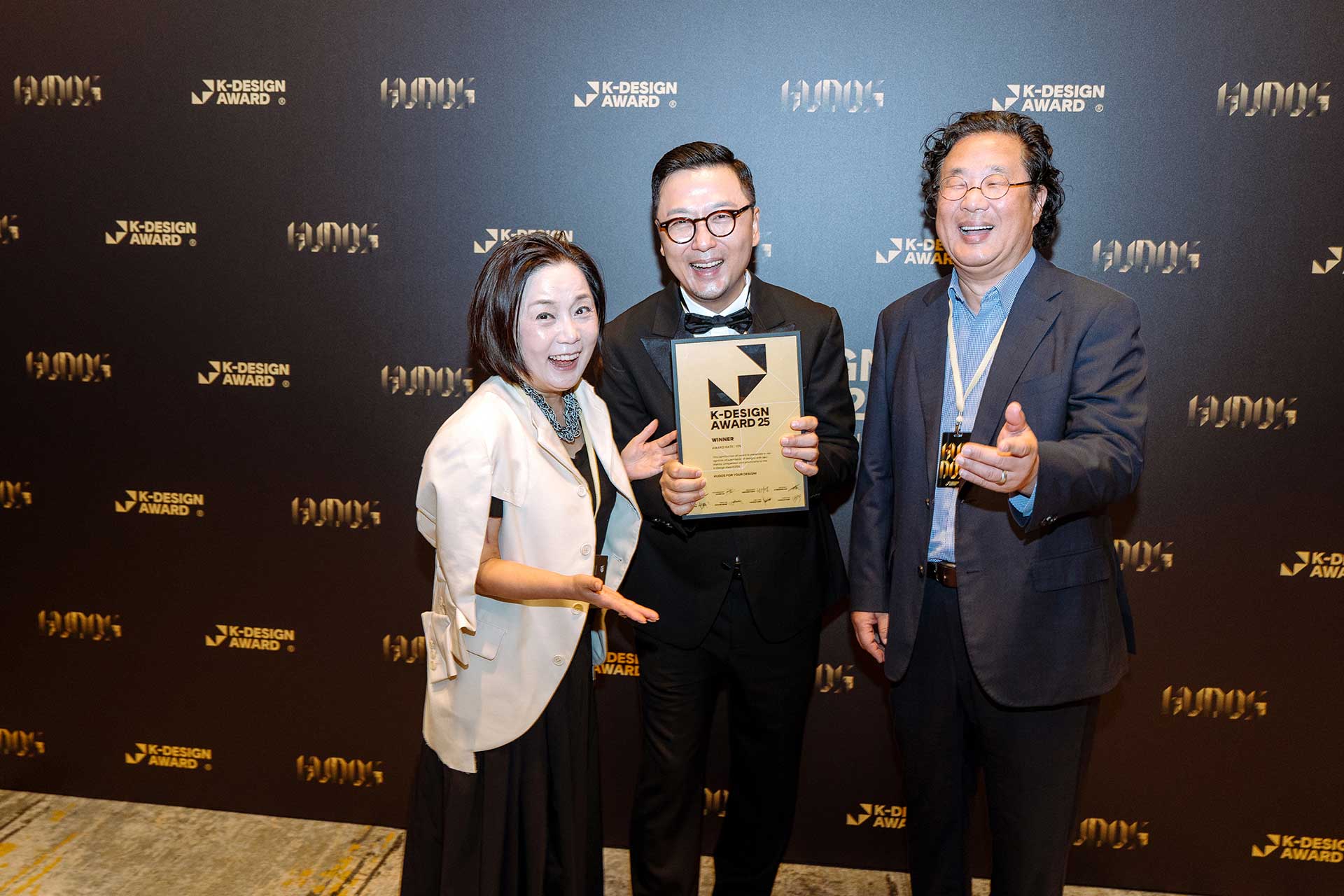
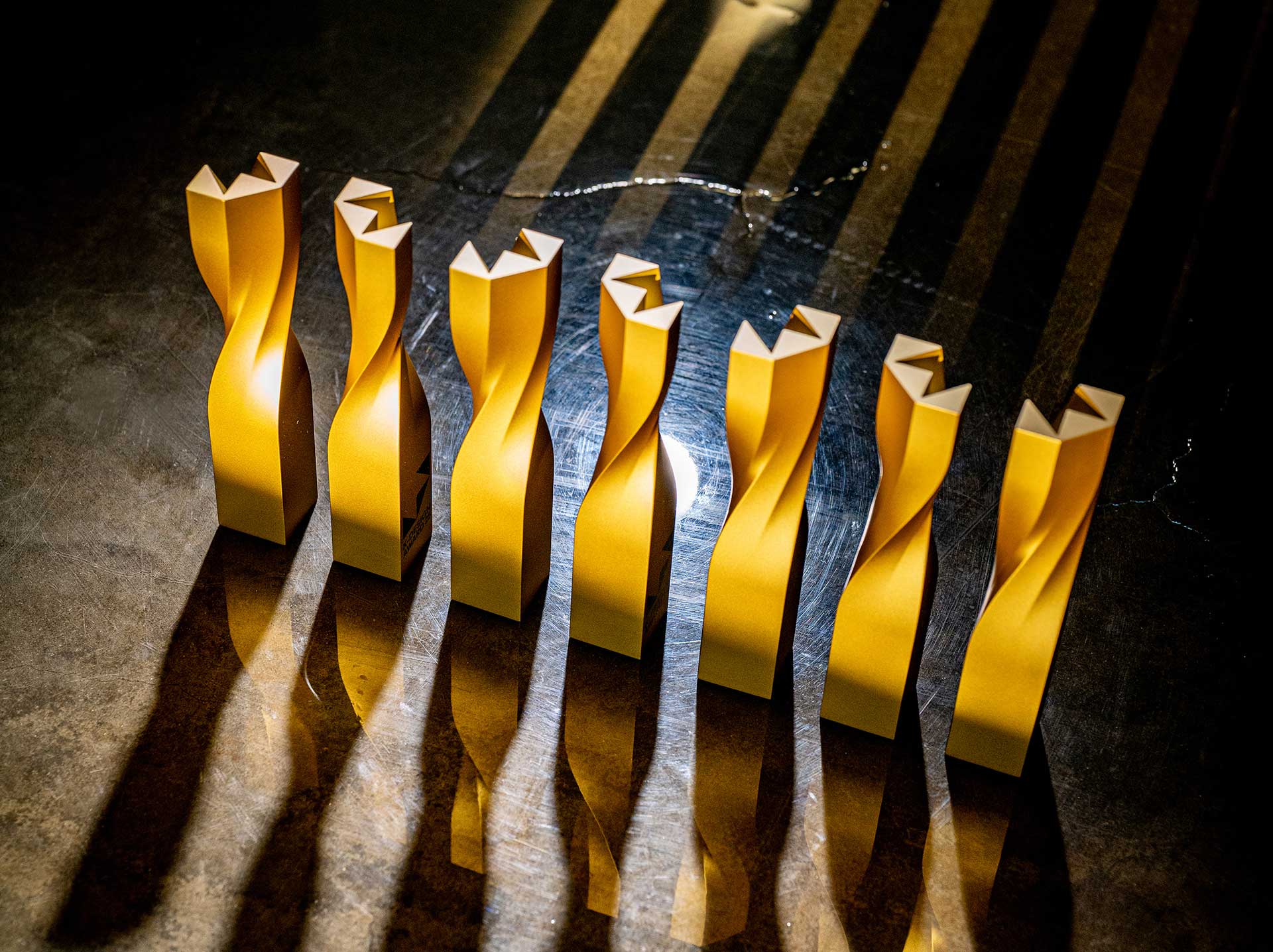
I believe a brand that evaluates design must first demonstrate a high standard of design itself. This is the most fundamental principle behind the branding of the K-Design Award. If an award asks designers to deliver good design while offering an ordinary experience itself, its message loses credibility. I see a design award as both a service and a complete brand experience. The first visit to the website, the submission of a project, the wait for the result, the moment winners see their work in the online exhibition, the receipt of the certificate, the opening of the winner package, and the experience of stepping onto the ceremony stage are all parts of one brand experience.
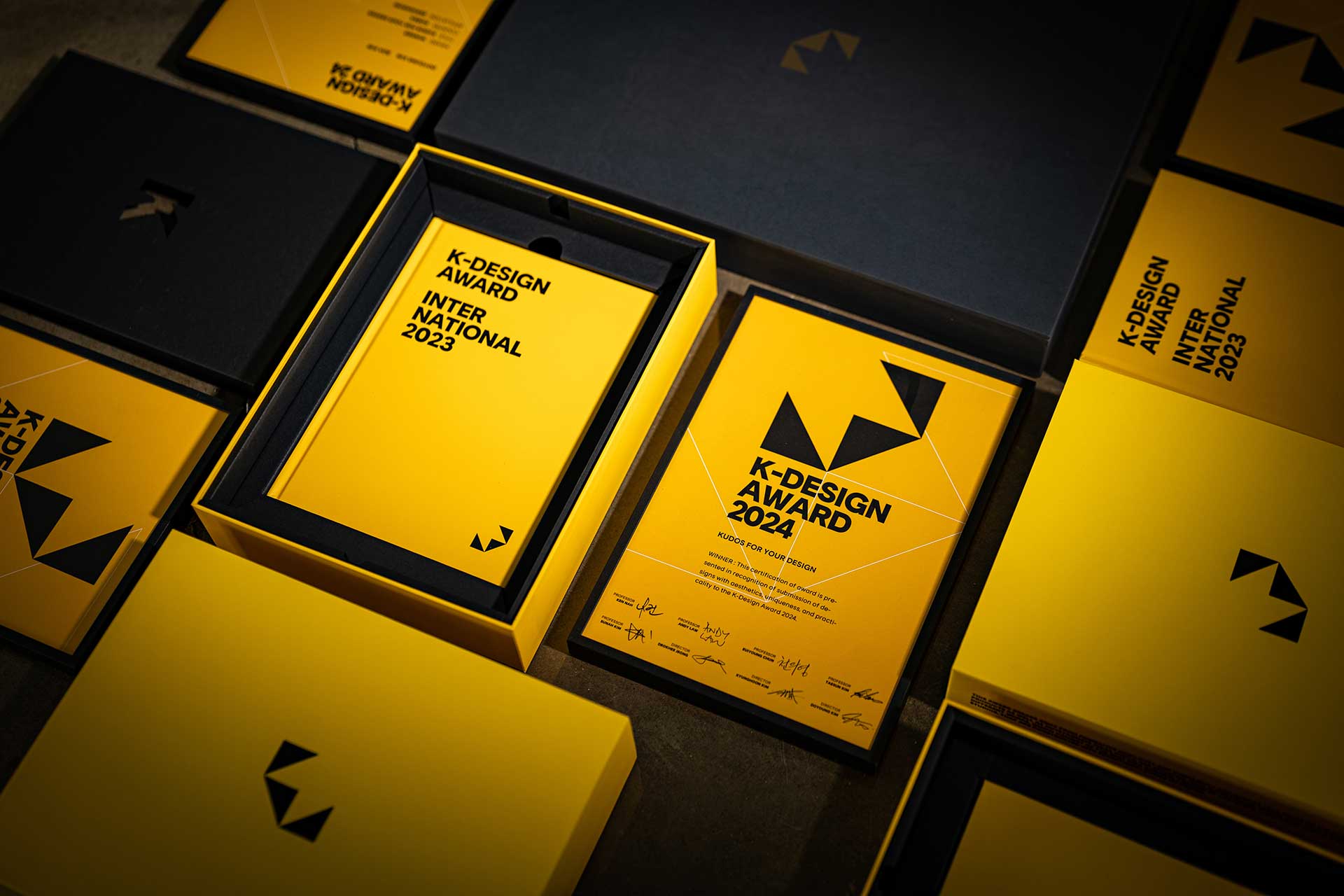
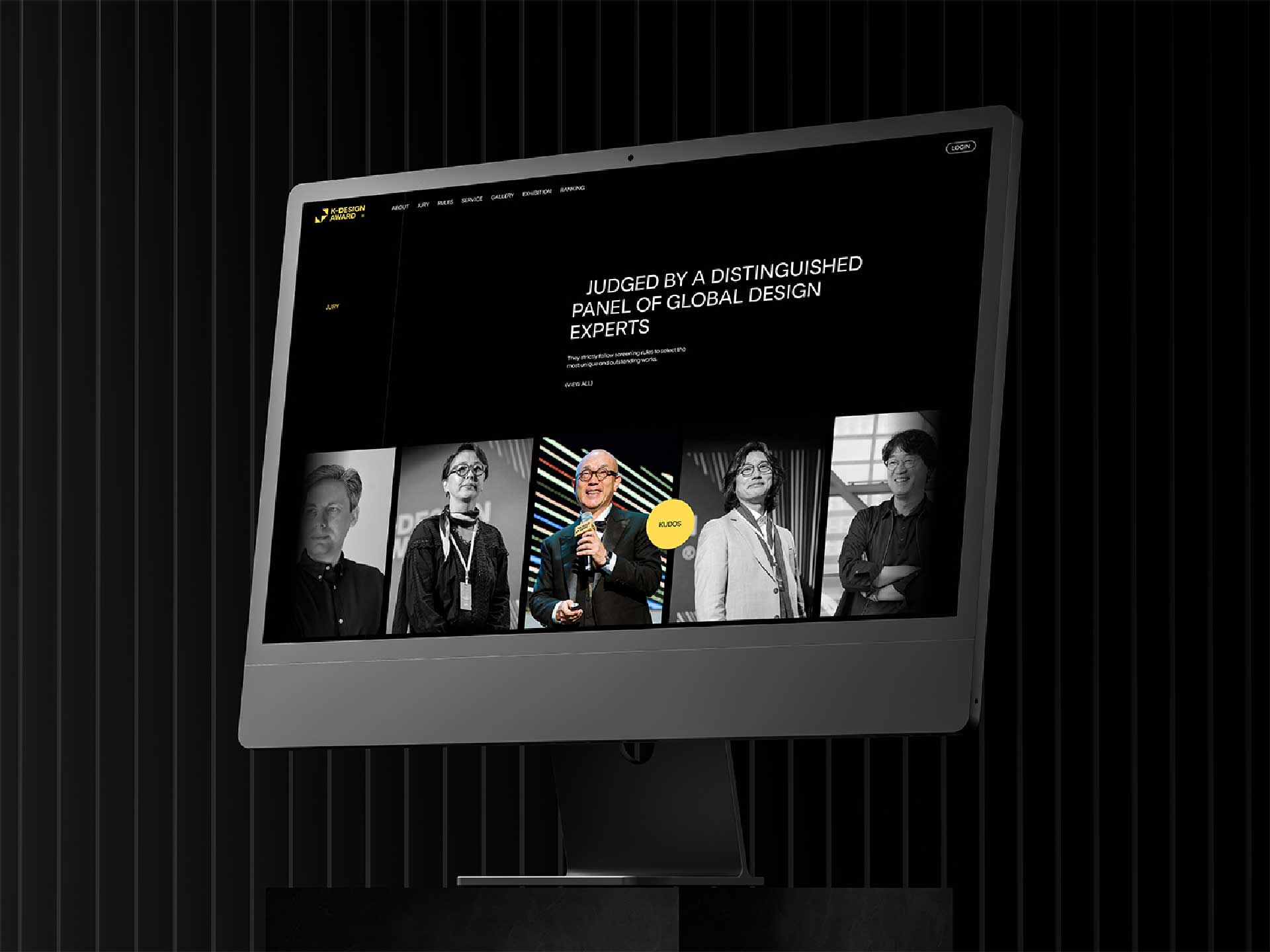
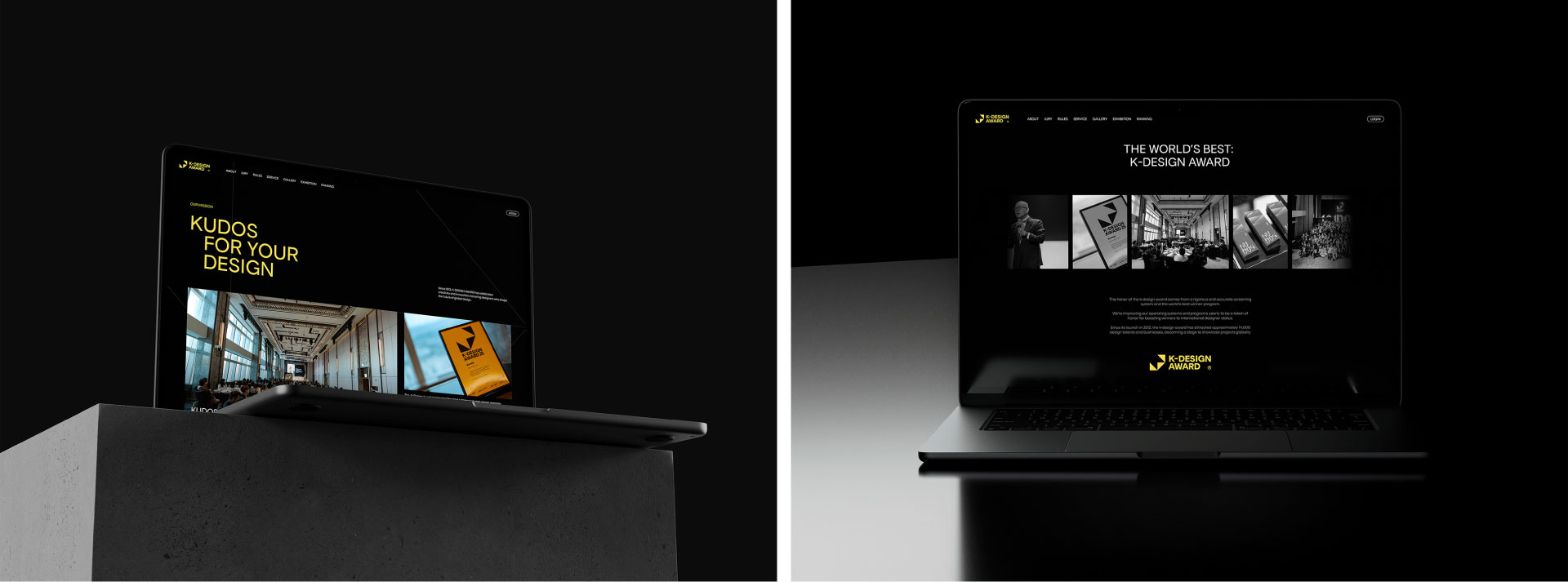
Over more than a decade, designers and creators from many fields have helped establish the standards of the brand. Numerous branding projects have continued over time, including the slogan “KUDOS FOR YOUR DESIGN,” the custom typeface, the certificate that formally verifies the value of the award, the winner package that completes the recipient’s experience, and the website through which designers around the world encounter the K-Design Award.
What mattered was not making every outcome appear spectacular, but ensuring that experiences created at different times and across different areas all moved toward one philosophy. A strong brand is not completed by one person’s taste or a single project. Its standards and identity emerge as the accumulated result of many experts thinking, choosing, and working together over time. Every one of these investments serves a single purpose. To elevate the standing of designers as much as possible. Designers should be able to feel proud of their own achievements. For me, award branding is the consistent expression of respect for designers across every experience.
Advances in AI and other technologies are rapidly changing the way design is created. Amid these changes, what should design awards evaluate in the future?
No matter how far technology advances, I believe the first question a design award must ask is, “Why should this design exist?” AI is rapidly transforming how design is created, and the technical barrier to producing work above a certain level will continue to fall. As a result, it will become increasingly difficult to identify good design simply by asking whether a new technology was used or how visually impressive the result appears. In an age like this, design awards must look more deeply at the judgments behind the final outcome. They should examine what problem was discovered, why a particular solution was chosen, what new experience and value it created for people, and whether that meaning can endure over time.
The use of AI does not in itself raise or diminish the value of a design. What matters is why the technology was used and what value it created that had not existed before. As technology becomes more widely accessible, the designer’s perspective and judgment will create the difference. Design awards can no longer stop at evaluating the beauty of a completed outcome. They must consider not only what was made, but why it was made. I believe this is the standard that design awards must regard as increasingly important in the age of AI.

How, then, should the role of design awards change in the future? Do they need to serve a purpose beyond selecting and recognizing good design?
I believe the role of design awards must expand from selection to proof. Discovering good design and evaluating it fairly are the fundamental responsibilities of an award. Today, however, what matters is not only which projects are selected, but also what value the recognition creates afterward. I mentioned earlier that the true value of an award begins after the results are announced. In the future, the competitiveness of a design award will depend on how effectively it creates that subsequent value. For designers, an award can serve as proof of ability and achievement throughout a career. For companies, it can become an asset of trust that demonstrates the value of a product and a brand. The role of an award cannot end with announcing the result and presenting a certificate.
I have also considered this continuity essential to the branding of the K-Design Award. One representative example is the annual book of winning projects. Its layout and editorial approach may change with the times, but I do not intend to alter the cover while I am responsible for this brand. In fact, we have maintained the same cover design for more than a decade. This decision was partly influenced by the publishing philosophy of Penguin Books. I was impressed by how the publisher continued to evolve with the times while preserving a consistent cover system and a clear brand identity over many years. The principle is to change boldly what must change and protect to the end what must remain. A single K-Design Award book may appear to be only the record of one year. When ten or twenty years have accumulated and books with the same cover stand side by side, however, they will embody the time and history of the K-Design Award itself.
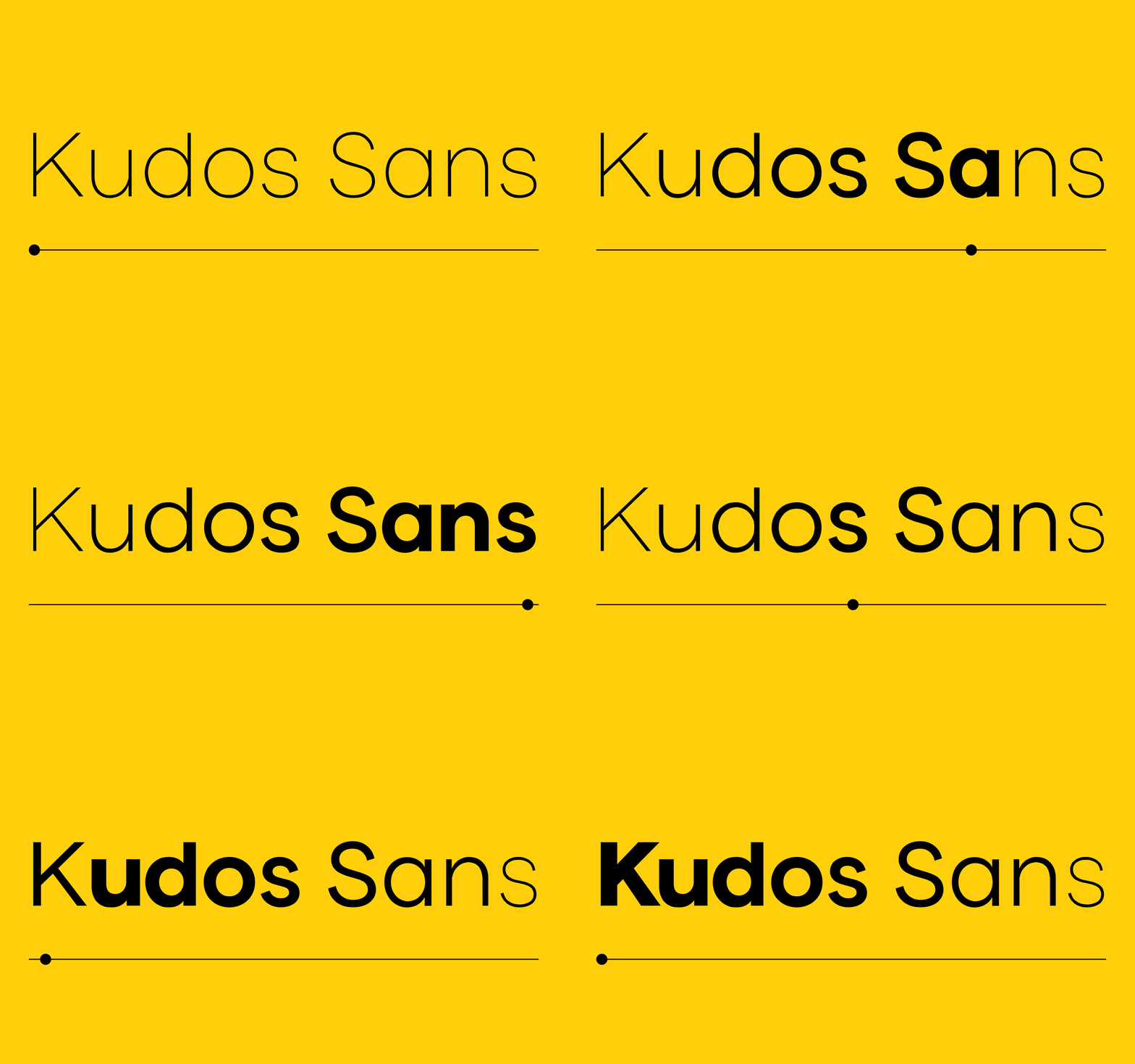
We developed the custom typeface KUDOS SANS with Fontrix for the same reason. Many excellent typefaces already exist, but I wanted every design element created by the K-Design Award to carry our own originality. From the website and certificates to the annual book, graphics, and ceremony, I wanted even the smallest detail within the experience to accumulate as part of the K-Design Award’s own language rather than something borrowed from another brand. These efforts are not decoration intended to make the brand look special. They are meant to increase the value of the vessel that holds each winner’s achievement. The longer the records, design, and brand of the award retain their value, the more the achievements documented within them can grow in value as well.
For this reason, I believe the strength of a good design award will be revealed not through the number of entries or the scale of its events, but through what it has protected, how long it has protected it, and how much of that accumulated value returns to the winners. Ultimately, the role of a design award is not simply to give awards. It is to prove the value of good design. Through that proof, it must elevate the standing of the people who created the work as much as possible. This is the mission of the K-Design Award and the reason we continue building the brand.
Many design awards around the world already possess long histories and considerable authority. Among them, what standards and attitudes do you hope the K-Design Award will be remembered for?
I hope the K-Design Award will be remembered as a brand that was deeply committed to elevating the standing of designers around the world. The sentence that expresses this vision most clearly is “KUDOS FOR YOUR DESIGN.” Many excellent design awards possess long histories and established authority. I do not believe the K-Design Award should compete with them through scale or years of operation. What matters is which standards and attitudes we choose, and how consistently we uphold them over time.
The attitude chosen by the K-Design Award is clear. We discover valuable design and offer meaningful recognition to the achievement. That recognition, however, cannot remain a simple gesture of congratulations. Rigorous judging must prove the value of the award, and the achievement must remain meaningful throughout the designer’s career. Recognition offered to everyone carries little weight. The word “KUDOS” gains meaning because the work has been selected rigorously and verified through a trustworthy process. This is why we place greater importance on protecting the meaning of the award and enabling winners to carry the achievement proudly through their careers than on increasing the number of awarded projects.
I hope designers around the world will remember the K-Design Award as a brand that proved the value of their design in a credible way, and as an award they want to preserve as part of their careers. That is the most important promise contained in “KUDOS FOR YOUR DESIGN.”
Finally, what future does the K-Design Award hope to create? What message would you like to share with young designers who are now forging their own paths?
The long term goal of the K-Design Award is to become a brand whose value and credibility increase with time. Ultimately, our role is to discover valuable design and elevate the standing of the people who created it as much as possible. I would tell young designers not to rush to prove their worth. We live in an age when outcomes are created, consumed, and compared at great speed. Learning new technologies and trends is important, but developing your own standards for what you believe and which problems you want to solve is even more important. You can imitate another person’s style, but you cannot make someone else’s philosophy your own. Ultimately, what matters for a designer is the ability to answer clearly what you believe.
Good design begins with a question of your own. I hope you continue asking why something must be made, whose life you want to change and how, and what value you want to leave after time has passed. Designers who establish their own standards and accept responsibility for them will not be easily shaken, even as time passes.
KUDOS FOR YOUR DESIGN!






















#14057, 905 49, Beolmal-ro 102beon-gil,
Dongan-gu, Anyang-si, Gyeonggi-do, Korea
Business Registration Number: 454-86-01044
Online Sales License No.: 2021-Anyang Dongan-1081
Copyright © DESIGNSORI Co., Ltd.