
Co-Founder of lllayer
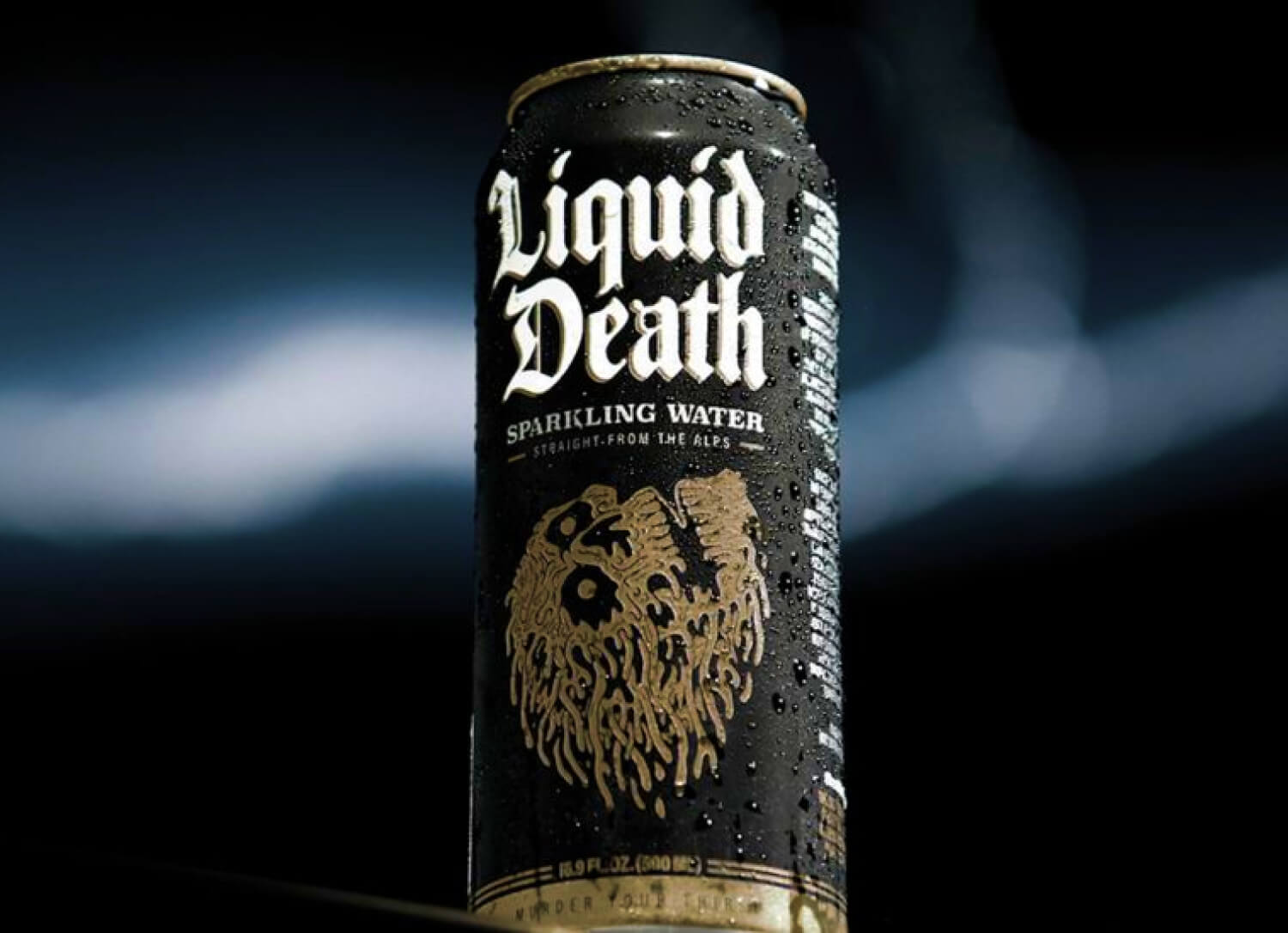
What looks like beer or poison but is actually just water? That is the question behind Liquid Death, the American beverage brand that disrupted the bottled water market with skull-themed cans and the rebellious slogan Murder Your Thirst.
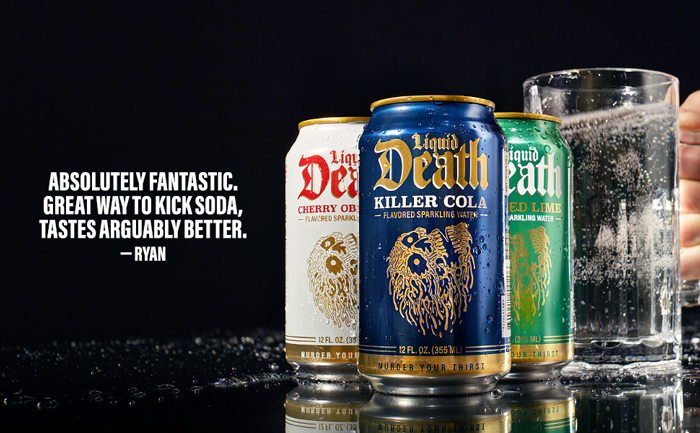
< Image Source: Liquid Death >
With its punk rock attitude and bold can design, Liquid Death does not look like water. It resembles an energy drink or a dangerous chemical. Yet this subversive aesthetic flipped the category upside down. As of March 2024, Liquid Death reached a valuation of 1.4 billion dollars and joined the ranks of unicorn companies. Its retail sales hit 263 million dollars in 2023 and are projected to reach 333 million dollars in 2024.
While traditional water brands promoted purity and wellness, Liquid Death sold hydration as a cultural symbol. It offered edge and irreverence for millennials and Gen Z consumers who were tired of conventional wellness branding. It became cool to drink water again.
The origin story: from festival joke to billion dollar strategy
< Image Source: Liquid Death >
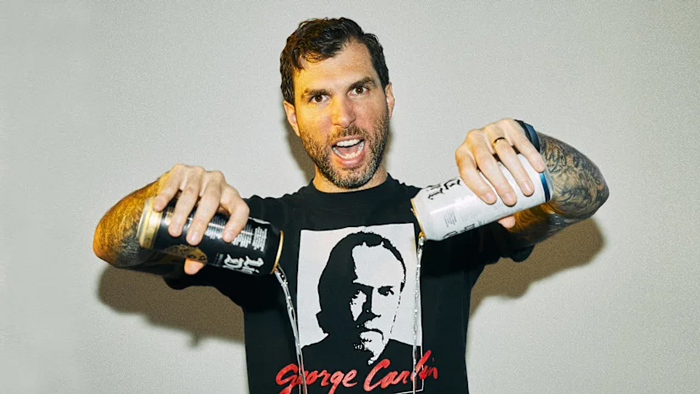
The founder, Mike Cessario, is no ordinary entrepreneur. A former creative director at Netflix and member of punk and heavy metal bands, his inspiration came in 2008 during the Warped Tour music festival. There, he saw band members drinking water from cans disguised as beer to satisfy sponsor requirements while maintaining their image.
This led to a unique formula: healthy product, rebellious packaging. That insight created a brand with deeply authentic DNA rooted in the founder’s culture. For future entrepreneurs, the lesson is clear — ideas born from personal passion and lived experience often lead to the most original brands.
Five bold strategies behind the brand’s explosive rise
1. Entertainment first advertising
Liquid Death did not rely on traditional paid media. Instead, it created wild, shocking, and humorous content that audiences wanted to share. With only 12 percent of revenue spent on marketing, the brand achieved viral reach far beyond industry norms.
2. User content as community fuel
Fans were encouraged to create heavy metal songs, submit can designs, or film dramatic water drinking videos. This turned consumers into co-creators, making the brand a shared cultural narrative and maximizing word of mouth.
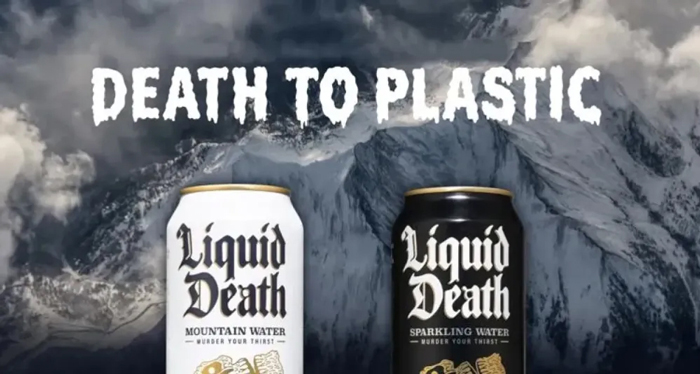
3. Mission with meaning: #DeathToPlastic
The brand’s rebellious voice was grounded in a clear environmental cause. Liquid Death used aluminum cans, which are infinitely recyclable, and donated 10 percent of profits to environmental groups. This balance of bold voice and genuine mission gave the brand depth.
4. Visual disruption as brand identity
The tallboy aluminum can, typically associated with beer, combined with skull imagery, gave the act of drinking water an edge. It offered a visual alternative for people who do not drink alcohol but still want to stand out in social settings.
5. Omnichannel expansion after viral proof
Starting online through Amazon DTC, the brand leveraged its viral success to gain entry into major retail chains like Target, Walmart, Kroger, and 7-Eleven. It is now available in over 133,000 stores worldwide.
< Image Source: Liquid Death >
Liquid Death is now officially available in Korea, both online and offline. Since August 2025, the brand has expanded accessibility by entering GS25 convenience stores across the country.
Even earlier, it made its Korean debut with a bold pop-up store at The Hyundai Seoul. This was not just a promotional event—it was a cultural statement. By bringing a brand beloved by Gen Z in the United States directly into the Korean retail landscape, Liquid Death created a meaningful point of contact with local consumers and successfully captured viral momentum. The brand’s success offers a compelling blueprint for anyone aiming to build a breakthrough brand. Liquid Death did not just sell water—it sold cultural relevance and identity. What set it apart was the way it framed the brand not as a product but as a participatory cultural experience. Consumers saw themselves in the brand and willingly became part of its story. That strategy turned a basic commodity into a 1.4 trillion won business.
The Liquid Death phenomenon has rewritten the rules of modern consumer goods marketing. It delivers a clear message: before you sell the product, sell the entertainment. The brand linked its identity so closely with the identity of its customers that consumption became a form of cultural membership. Instead of relying on traditional paid advertising, the brand focused its marketing resources on designing stories and experiences that people genuinely wanted to share and discuss. This approach generated a higher return on investment and proved that brand success today is determined not only by quality or price, but by cultural relevance and bold storytelling.
The future of Liquid Death depends on how effectively it balances two seemingly opposing forces—cultural disruption and environmental responsibility. While product expansion ensures continued growth, its commitment to entertainment and its user-generated content strategy will be essential in preserving its most valuable asset: the perception of cool. This brand did not separate functionality from meaning. It combined a rebellious aesthetic with a sincere mission, showing how to meet the complex expectations of modern consumers. Liquid Death is more than a beverage—it is a cultural movement. And its rise offers a strategic blueprint for any company seeking to dismantle outdated market assumptions and create new emotional connections with audiences.
What culture does your brand belong to?


















#14057, 905 49, Beolmal-ro 102beon-gil,
Dongan-gu, Anyang-si, Gyeonggi-do, Korea
Business Registration Number: 454-86-01044
Online Sales License No.: 2021-Anyang Dongan-1081
Copyright © DESIGNSORI Co., Ltd.