
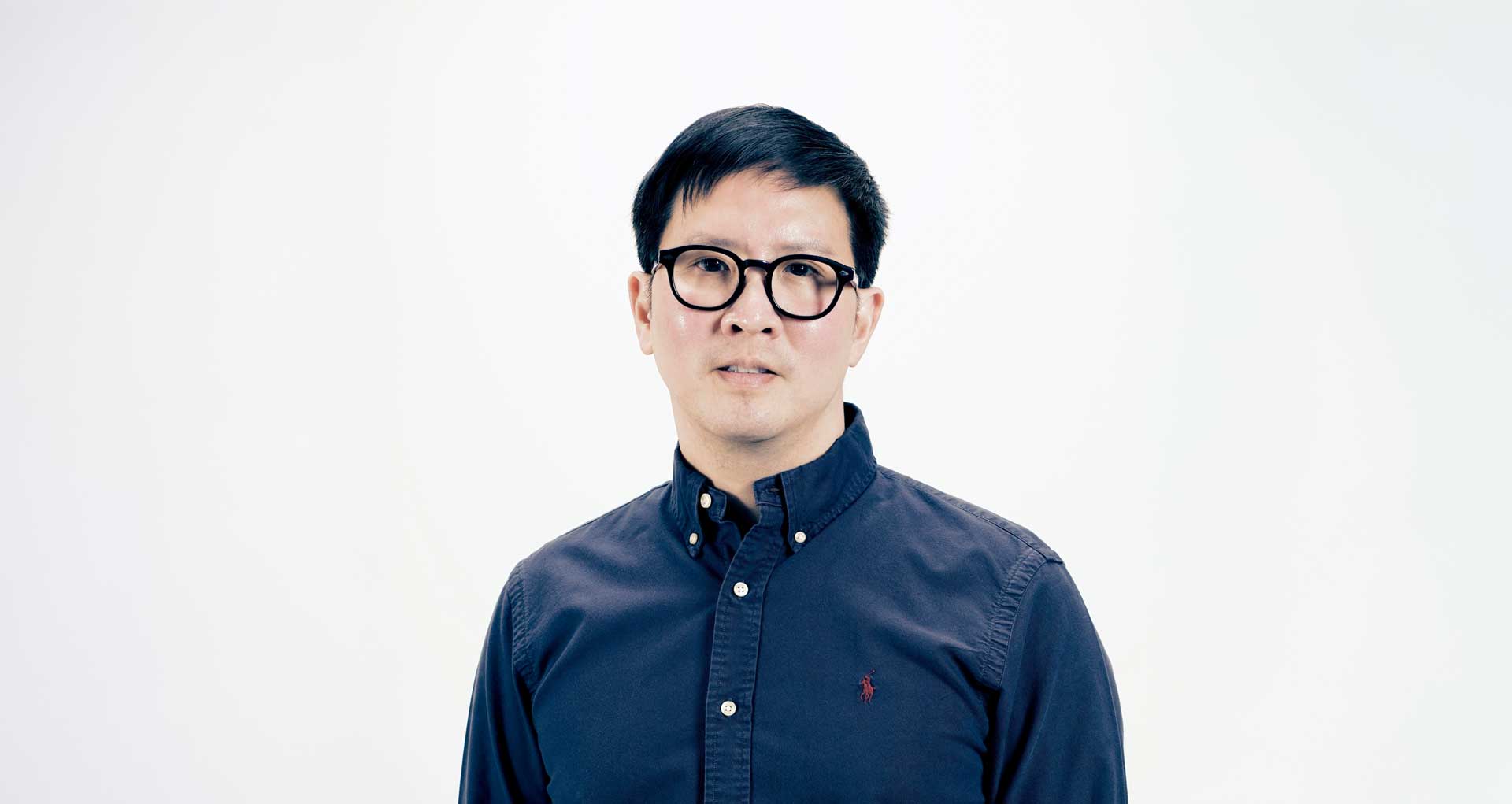
"Myo Young Kim is a designer and strategist who seeks to redefine design not as the act of creation, but as a practice of interpretation. Beginning as Korea’s first infographic-focused studio, Vice Versa Design Studio now operates across AI workflow consulting, automation solutions, and design education. Rather than simply pursuing efficiency, Kim’s goal is to reconstruct organizational thinking and expand creative capacity through AI. In this interview, we ask how designers and AI can coexist and evolve together in a time when the very definition of design is being rewritten."
To begin, please introduce yourself and share what Vice Versa is currently focusing on—particularly how AI is integrated into your core work.
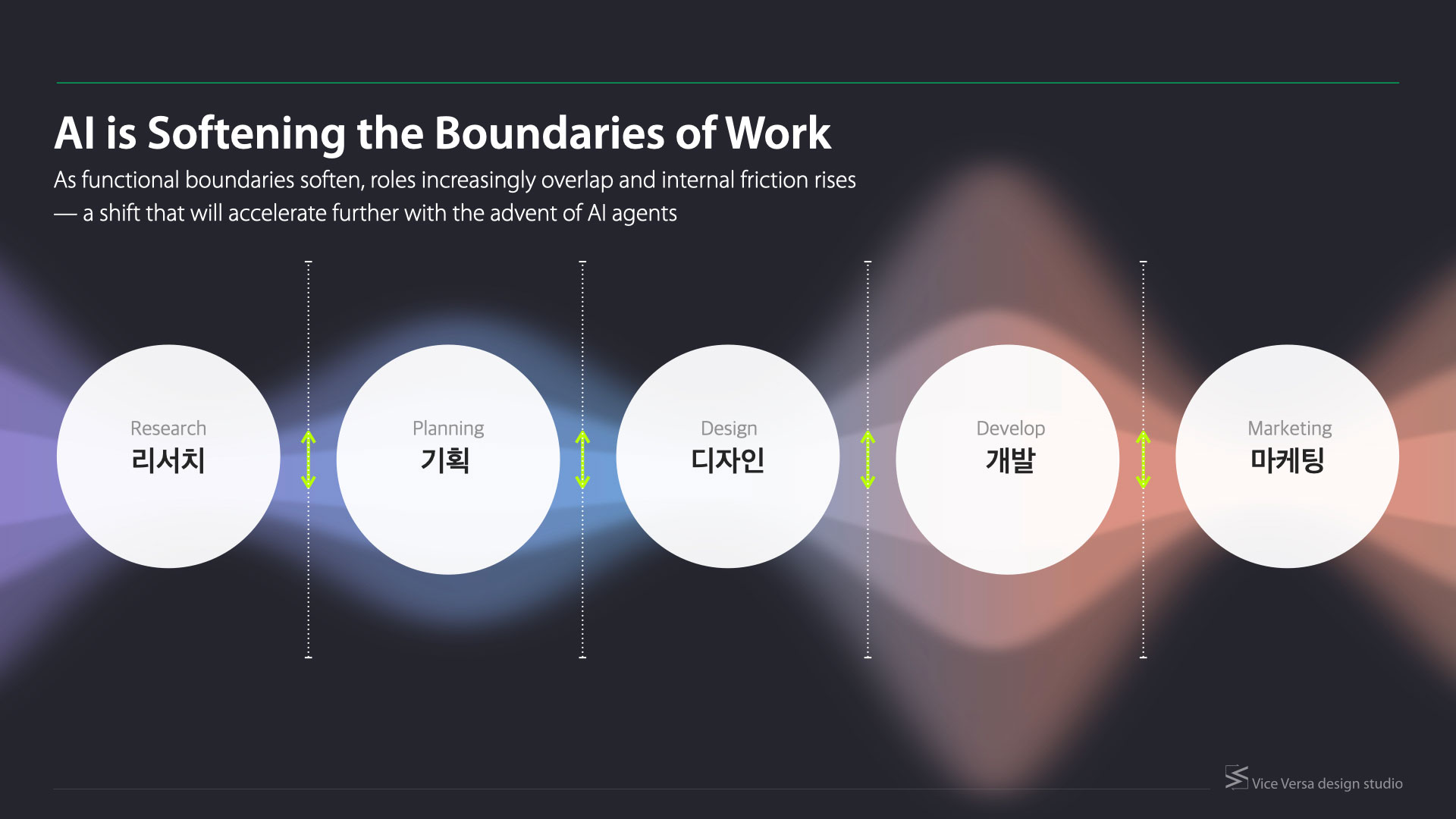
Hello, I’m Myoyoung Kim, founder of Vice Versa Design Studio, which began as Korea’s first infographic-focused studio and has since expanded into AI workflow consulting. As AI rapidly integrates into the workplace, it has begun to fundamentally reshape traditional workflows. The boundaries between tasks are thinning, and overlapping responsibilities across departments are increasingly causing internal confusion—a trend we expect to accelerate further in the era of AI agents. We’ve been witnessing this shift firsthand, and rather than viewing AI simply as a tool, we’ve been exploring how to integrate it as a genuine partner in our daily operations. Since 2023, we’ve actively embedded AI into our full workflow, not only to optimize internal processes but also to experiment with expanding our operational scope. Based on this experience, we’ve been building a consulting model that helps organizations restructure their workflows around AI.
At the beginning, we analyze the team’s work processes, tool usage patterns, and bottlenecks to identify improvement points in collaboration with AI. Then, we propose customized AI tools and automation structures, developing manuals and prompt guides tailored to each organization. We continue by applying these tools directly to real projects, identifying repetitive tasks and developing automation products that are integrated and improved over time. Finally, we work to establish a broader culture of AI adoption within the organization by implementing systems to measure AI engagement and ensure its sustainable use.
Across every stage—from diagnosis and analysis to implementation and expansion—AI plays a meaningful role in helping us focus on the core of our work. Our ultimate goal goes beyond improving efficiency; it’s to redesign the structure of thinking within organizations and maximize their creative capabilities through AI.
How do you define design “after AI”? In what ways are the traditional boundaries of aesthetics, experience, and problem-solving being redefined?
AI has democratized the act of making. In the age of AI, anyone with an idea can bring it to life without needing formal design education. Whereas the design process used to follow a linear path from problem identification to solution, today AI can generate dozens or even hundreds of options instantaneously. The designer’s role is shifting toward selection and interpretation, curating from what is generated and defining what it means.
Designers must now justify their choices not only in terms of output but in terms of value and meaning. Designing with AI starts not with solving the problem but with redefining what the problem even is. Design now also involves carefully shaping how people feel and connect emotionally with products and services, beyond merely making something functional. Ultimately, design exists where technology, emotion, and society intersect. It is the process of interpreting the world, linking the past and present, and connecting users to context in meaningful ways.
Where does AI fit into your actual project flow? Could you describe how it supports each stage such as research, ideation, visualization, prototyping, and testing?
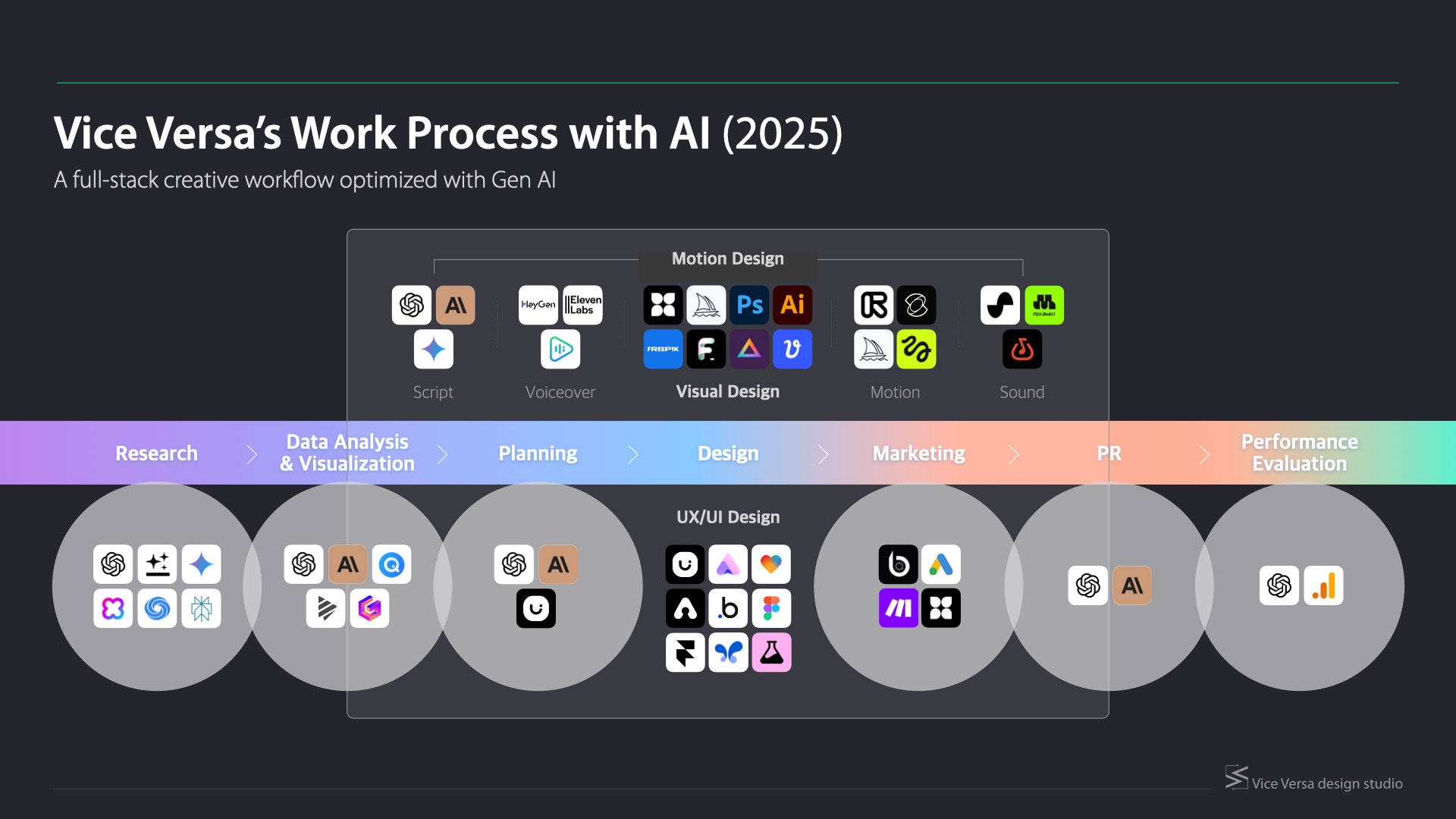
AI is already integrated across all stages of our design projects even though it is not yet perfect. In the research stage, it is now hard to imagine working without AI. From data analysis and visualization to shaping early concepts, we define highly detailed and diverse personas and evolve ideas in real time using AI support.
During visualization, we use keyword mapping and mood board generation to accelerate ideation. For service design, we sometimes prototype immediately after the idea stage to begin testing right away. Using image and motion generation AIs, we visualize key scenes from multiple perspectives. We develop reference images and style codes and create design guides that are easily interpreted by AI. For testing and refinement, we present draft outputs to the previously defined personas and iterate based on their feedback. In the final prototyping stage, we generate multiple versions like A, B, and C and refine them using actual response data. To enhance workflow efficiency, we automate repetitive tasks such as creating product visuals and managing persona libraries using natural language-based coding. This allows us to focus more on meaningful tasks.
Prompt engineering and style guide management are emerging skillsets. How does your team standardize or ensure quality in these areas?
We have managed prompts with Google Docs from the start. Now that all team members can craft prompts independently and AI can even help generate them, the focus has shifted from prompt writing to data strategy. What data do we input, and how do we formulate the right questions. Our current priority is to process large amounts of raw data into structured and high-quality datasets. To better collaborate with AI, we are storing key design guides in formats like Markdown and JSON. This helps ensure consistency in output and lays the groundwork for a long-term AI-powered design system. While this is still an experimental phase, the pace of improvement suggests it will be much smoother by next year.
How do you distinguish the strengths and limits of generative AI? What defines the boundary between human judgment and tasks that AI can perform?
AI’s biggest strengths are speed and scalability. It can generate drafts of plans, designs, and videos in a remarkably short time. However, when it comes to quality and nuance, human involvement is still essential. AI can explore a wide range of possibilities, but humans are needed to connect those fragments and shape a complete context. High-quality results also depend on people providing the main keywords and original ideas.
Through experience, we’ve drawn a clear line: AI handles repetitive and routine work, while humans define core problems, envision new possibilities, and interpret the significance of outcomes. AI contributes efficiency, but humans deliver meaning. Monitoring accuracy, ensuring compliance, and making ethical decisions are tasks that must always remain with us.
How has AI transformed your collaboration with clients in terms of speed, decision-making, and feedback loops?
AI has changed both the speed and depth of client collaboration. Research and concept planning that once took days can now be done in minutes, allowing more time to refine direction and ideas. When proposals are backed by data, decision-making also speeds up. When alternatives are needed, we can instantly visualize them with AI and evaluate them together with the client. Tools like Nanobanana have been revolutionary.
Of course, this speed comes with risk. AI’s fast and diverse outputs can sometimes lead to hasty decisions that miss important context. Clients now sometimes come with their own AI-generated mockups. While convenient, basing decisions on those alone can lead to missed variables and later revisions. In the end, human judgment is still essential—seeing the full picture, making the right selection, and refining it with experience and intuition.
Could you share a specific success story, from challenge to impact?
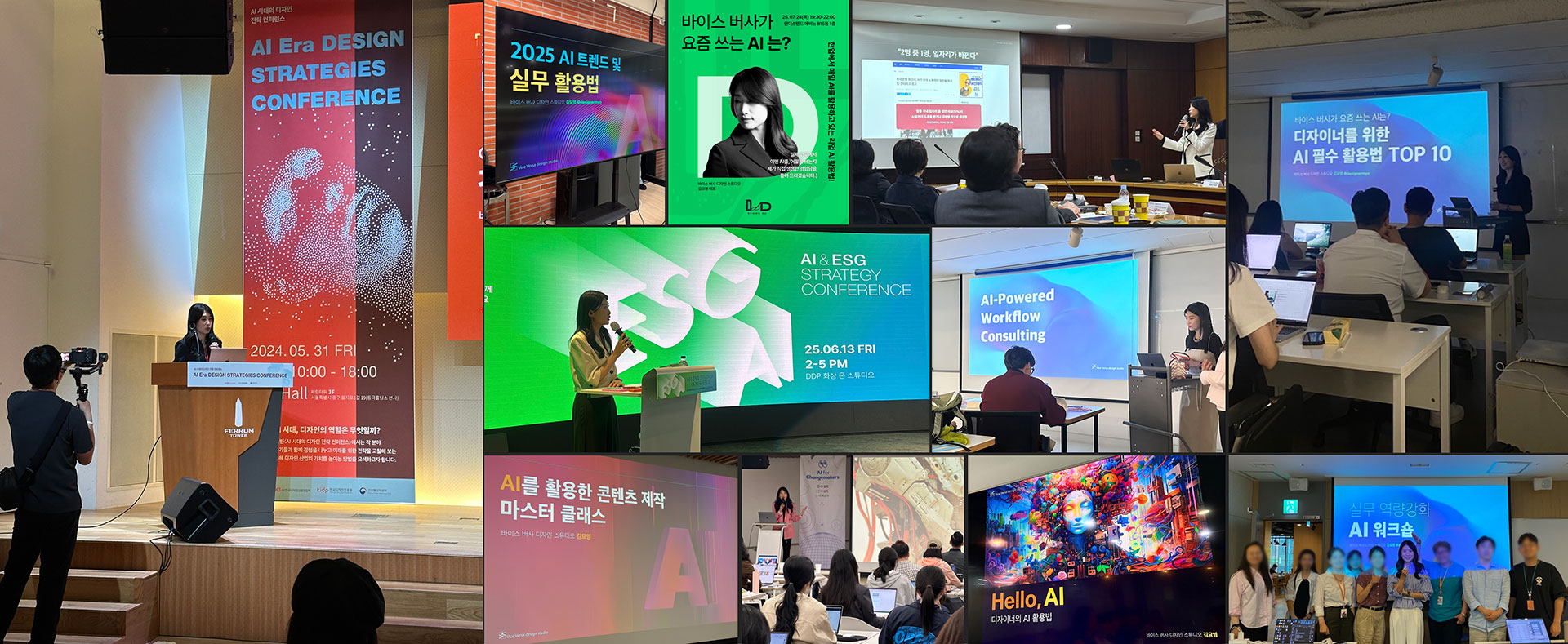
In August, we hosted our first in-house webinar after hearing from peers that although there were many AI lectures available, people didn’t know where to begin. We designed a webinar with content that could be applied immediately in real work settings. We had never hosted a webinar before. While we had experience with online teaching, using a webinar as a strategic funnel required a different level of planning. Using GPT, we researched successful formats and verified our plan with experienced mentors. We chose the registration tool with GPT, wrote event copy with Claude and Gemini, and created promotional visuals using Figma, Midjourney, and Photoshop. We analyzed sign-up data using Genspark and updated our slide content accordingly.
The results: 524 registered, 344 attended—a 66 percent attendance rate, much higher than the industry average of 40 to 50 percent. Attendees came from six countries including the United States, India, Serbia, Thailand, Japan, and Korea. The average watch time was 72 minutes. We scored 4.7 out of 5 in satisfaction, and 82 percent of participants said they could apply what they learned directly to their work. Even post-event data analysis was AI-driven. The most valuable outcome was that the webinar led to real-world connections, including AI lectures, hands-on workshops, and consulting inquiries. It became a full funnel—from content to leads to revenue. The biggest insight we gained: connection matters more than efficiency. One single webinar created a network of relationships and provided data that continues to shape our consulting model today.
What is your roadmap going forward? What themes or experiments are you most interested in?
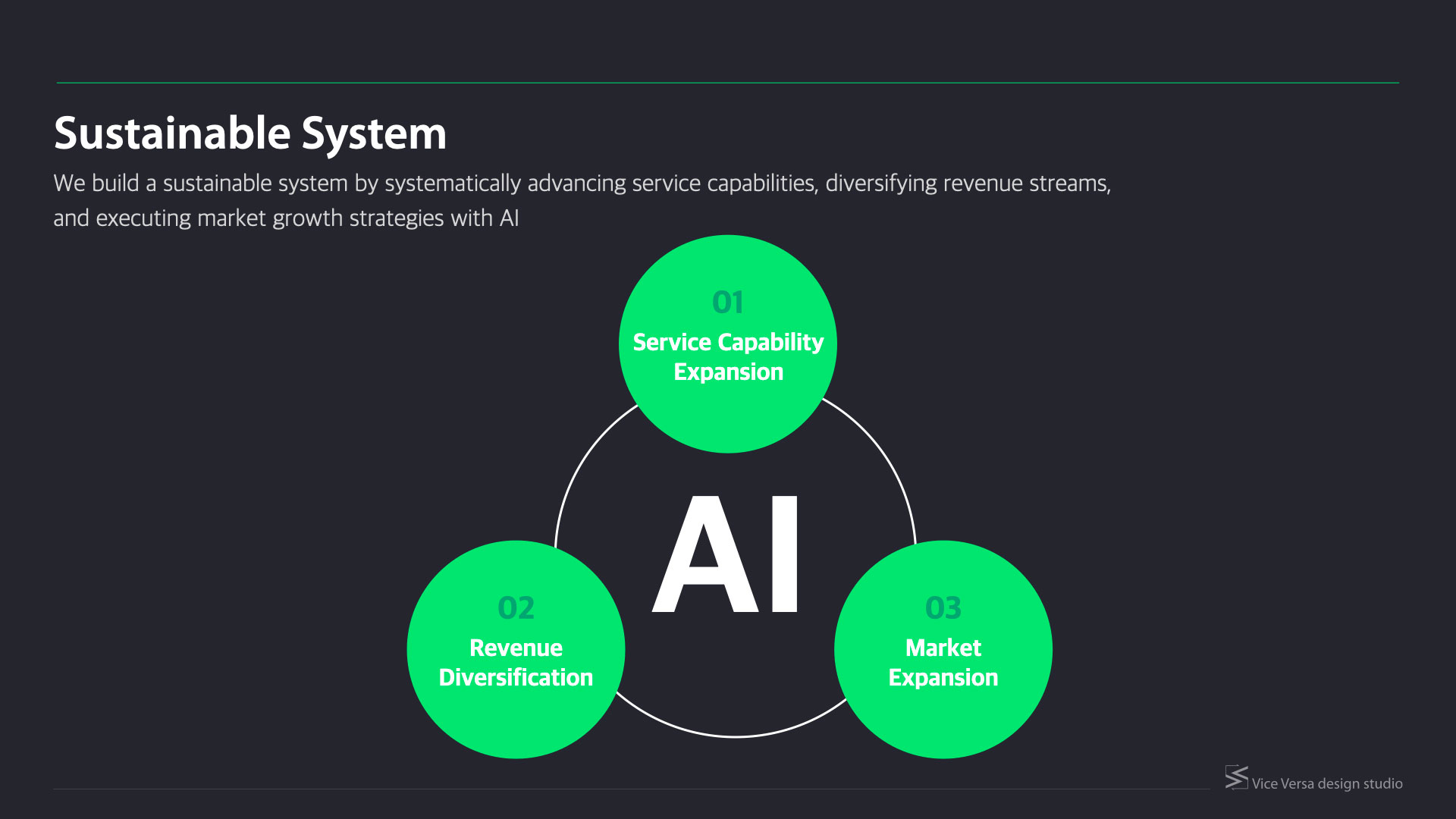
Our current focus is building a sustainable system by expanding work domains, diversifying revenue streams, and entering new markets with AI. We aim to go beyond workflow consulting and develop automated AI agent solutions tailored to specific repetitive design tasks inside organizations. Revenue-wise, we are shifting from project-based income to models that include subscription consulting, online education, and tool development. The theme that excites us most is design that expands with AI. We want Vice Versa to serve as a living example of how a design studio can evolve in the AI age.
Finally, what advice would you give to designers and business leaders who want to grow with AI?
In the AI era, it’s not just about acquiring new tools but developing a sensitivity to change. The first step is learning how to learn. Technology evolves, platforms shift, and trends move quickly. What matters is not just what to learn, but how to keep learning continuously. Second, let go of the question, “Do designers really need to do this?” Today, design goes far beyond creating visual forms. It influences branding, user flow, data, and content. In a time when roles are blurring, expanding your scope strengthens your identity. Lastly, instead of chasing the pace of technology, we must protect the depth of our foundation. What truly matters is not the tool or platform but the question: What makes good design? Technology is a means. Design is the ability to transform that means into something meaningful. That requires the muscle to think, judge, and articulate clearly—and that is the capacity we must strengthen most in the era ahead.


















#14057, 905 49, Beolmal-ro 102beon-gil,
Dongan-gu, Anyang-si, Gyeonggi-do, Korea
Business Registration Number: 454-86-01044
Online Sales License No.: 2021-Anyang Dongan-1081
Copyright © DESIGNSORI Co., Ltd.