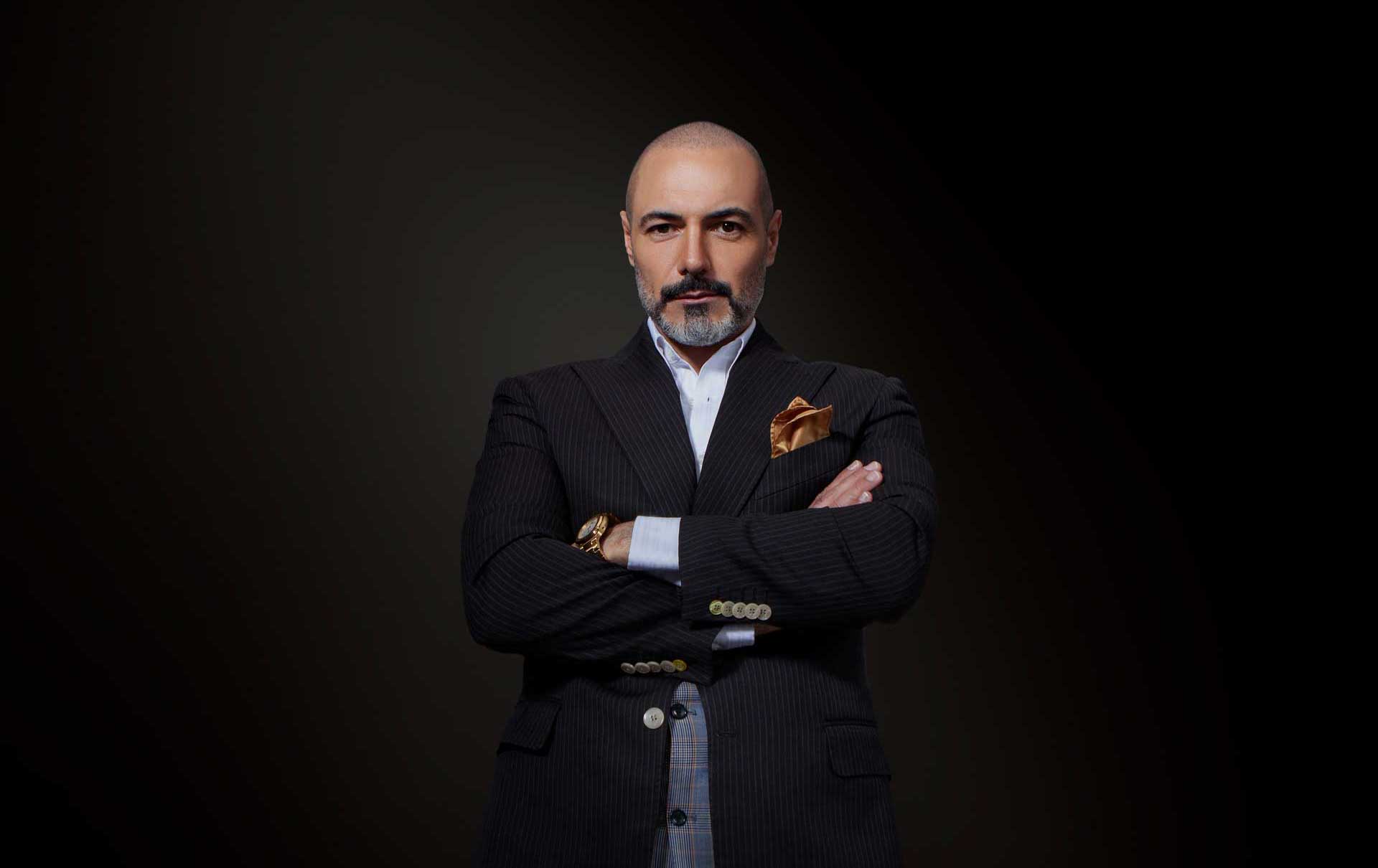
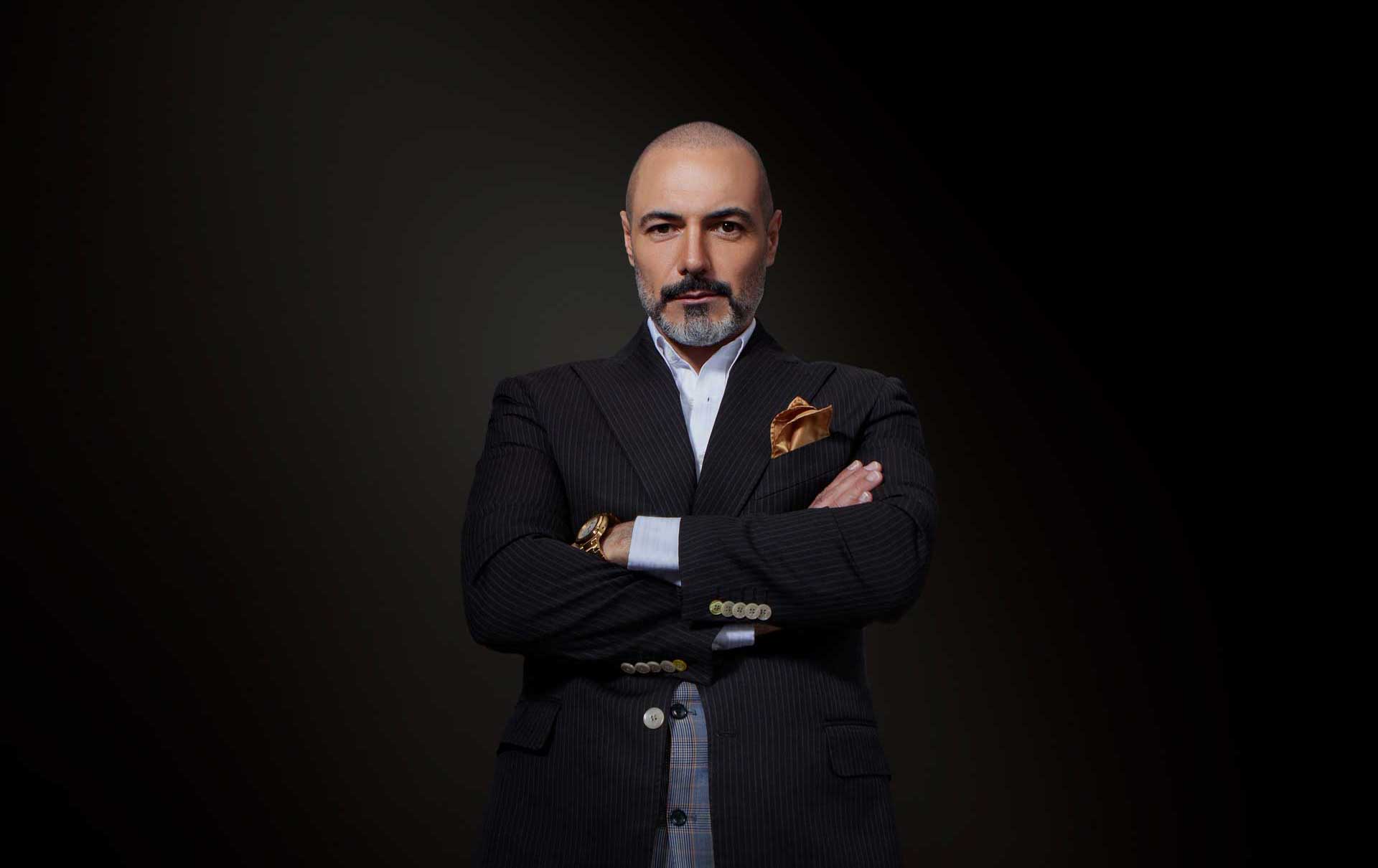
Siavash Sufinejad Multidisciplinary Artist, Architect & Designer
“With a background in architecture, Siavash Sufinejad works across sculpture, mirrored installations, textiles, animation, and NFTs, reinterpreting ancient civilizations, myths, and symbolic archetypes through a contemporary digital lens. In his practice, the pixel operates as a conceptual language addressing themes of censorship, fragmentation, and identity, while materials such as mirrors and metals engage the body and senses, transforming art from something seen into something felt. In this interview, Sufinejad reflects on temporality, materiality, and the role of art at the intersection of digital and physical realms, as well as his perspective as an artist navigating cultural contexts across East and West.”
Could you introduce yourself, share where you are currently based, and explain how your practice has expanded across architecture, sculpture, textile, and media-based work?
I am a visual artist born in Iran and currently based in London. My artistic practice moves fluidly between memory, materiality, and technology. With my academic background in architecture and professional experience in design, I gradually shifted my focus toward visual arts, pursuing a personal trajectory that brings the past and the present together in a reflective and dynamic dialogue. Through sculpture, mirrored installations, animation, NFTs, and textile-based pieces, I explore how traditional materials and contemporary techniques can coexist to generate new visual narratives. In my recent projects, the “pixel” has emerged as a key element—initially as a signifier of the digital age and later as a metaphor for censorship and fragmented identity. This concept is particularly evident in my Self-Portrait series, which serves as a bridge toward my future explorations.
Your work frequently explores themes of light, reflection, memory, and temporality. When working with materials such as mirrors, textiles, metals, and textured surfaces, what kind of emotional or sensory experience do you aim to create for viewers?
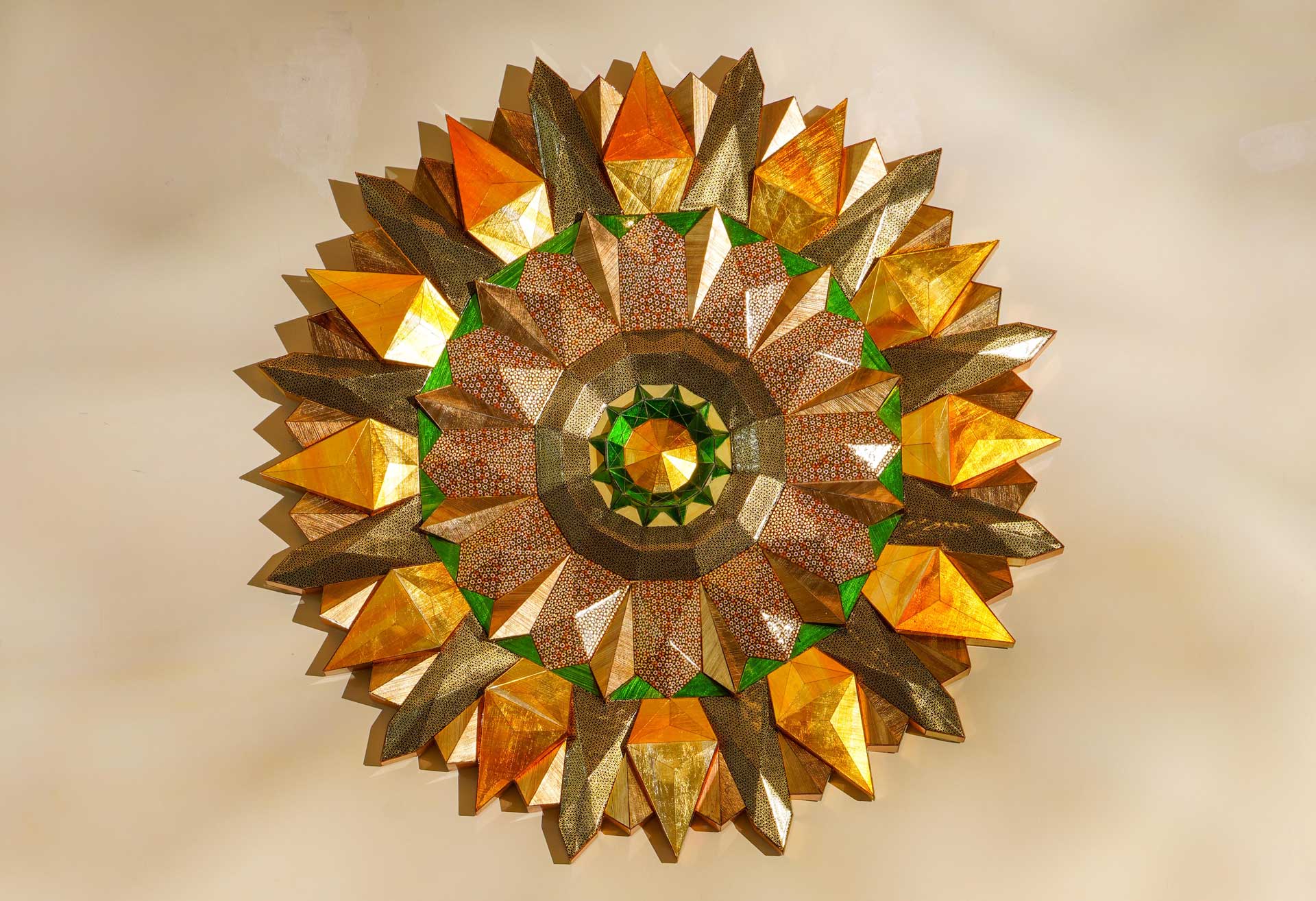
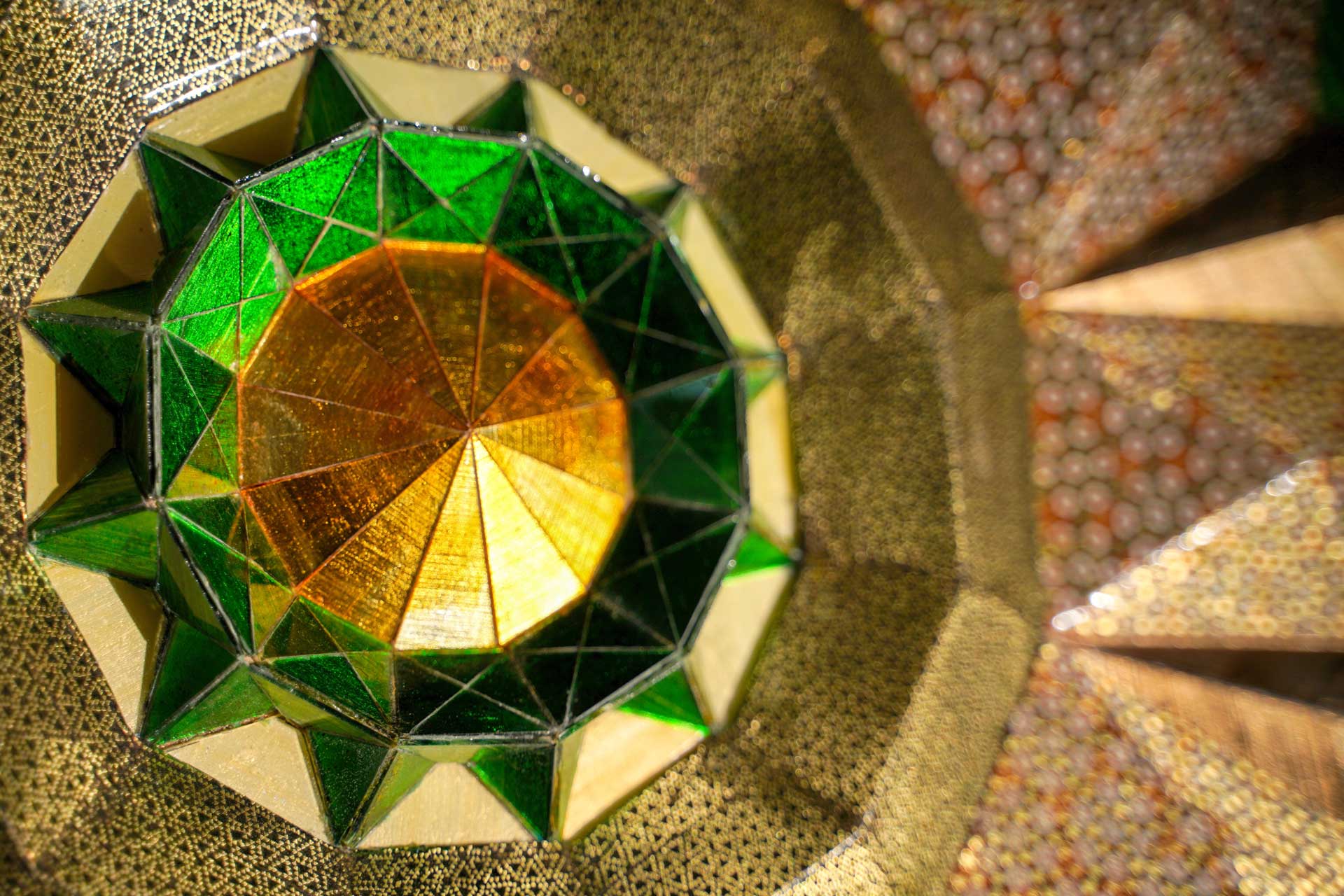
In my engagement with material, sensation is equivalent to meaning. Mirrors, textiles, metal, and textured surfaces each carry a form of physical memory that addresses the viewer’s body before any rational interpretation takes place. Through reflection and fragmentation, the mirror places the viewer in an unstable condition of self seeing. Textiles, through their tactility and proximity to the body, activate feelings of intimacy, vulnerability, and memory. Conversely, metal and hard surfaces evoke durability, temporality, and at times, a sense of violence. This sensory encounter with material unfolds in parallel with my understanding of time, which is grounded in a constant movement between past and present. Every work or iteration I produce is embedded with a historical lineage that, through a contemporary approach, is transformed into an object of the present moment.
My focus lies on rereading the cultural and historical elements of past civilizations, not to reproduce or directly represent them, but to redefine them within the language and discourse of the contemporary. Ultimately, the artwork functions as an in between space, which is both intertemporal and multisensory, where the viewer remains suspended between attraction and distance, calm and unease. Here, the past enters into a critical and experiential relationship with the present, forming an experience that is felt more than it is merely seen.
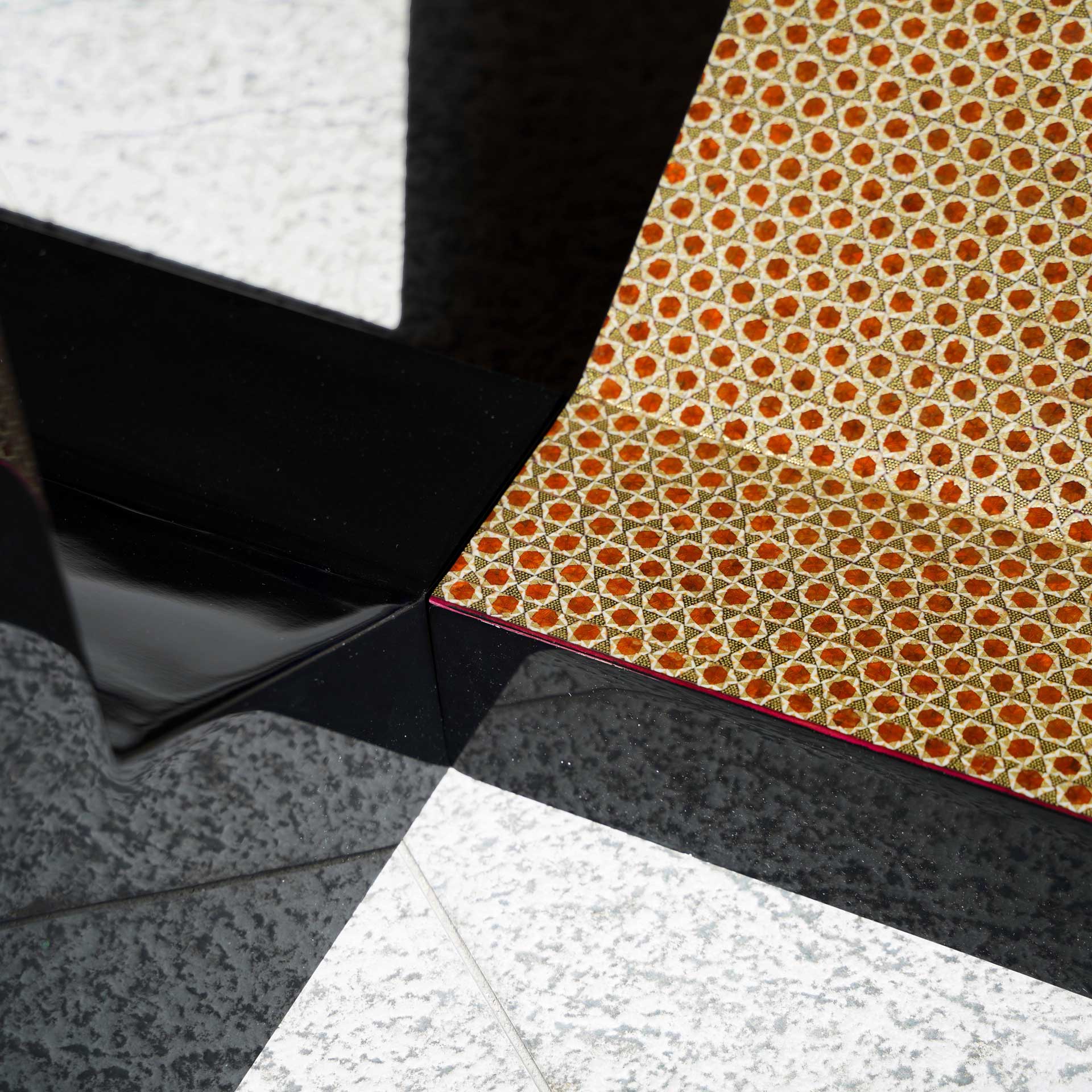
Ancient civilizations, mythologies, scripts, and symbolic archetypes appear deeply embedded in your visual language. How do these primordial elements translate into contemporary concepts in your work, and what draws you to seek artistic inspiration from humanity’s oldest cultural origins?
For me, ancient civilizations and myths are not merely visual sources but intellectual structures that remain active within our collective unconscious. I approach ancient lines, symbols, and archetypes not as objects of nostalgia but as living codes that can be reread within a contemporary context. The translation of these elements into the present often occurs through contrast, such as when myth is placed alongside the pixel, a line is set against digital technology, or collective memory is confronted by contemporary censorship. What continually draws me back to these origins is the fundamental question of how humanity from its earliest marks to the present day has persistently sought to record meaning, identity, and permanence.
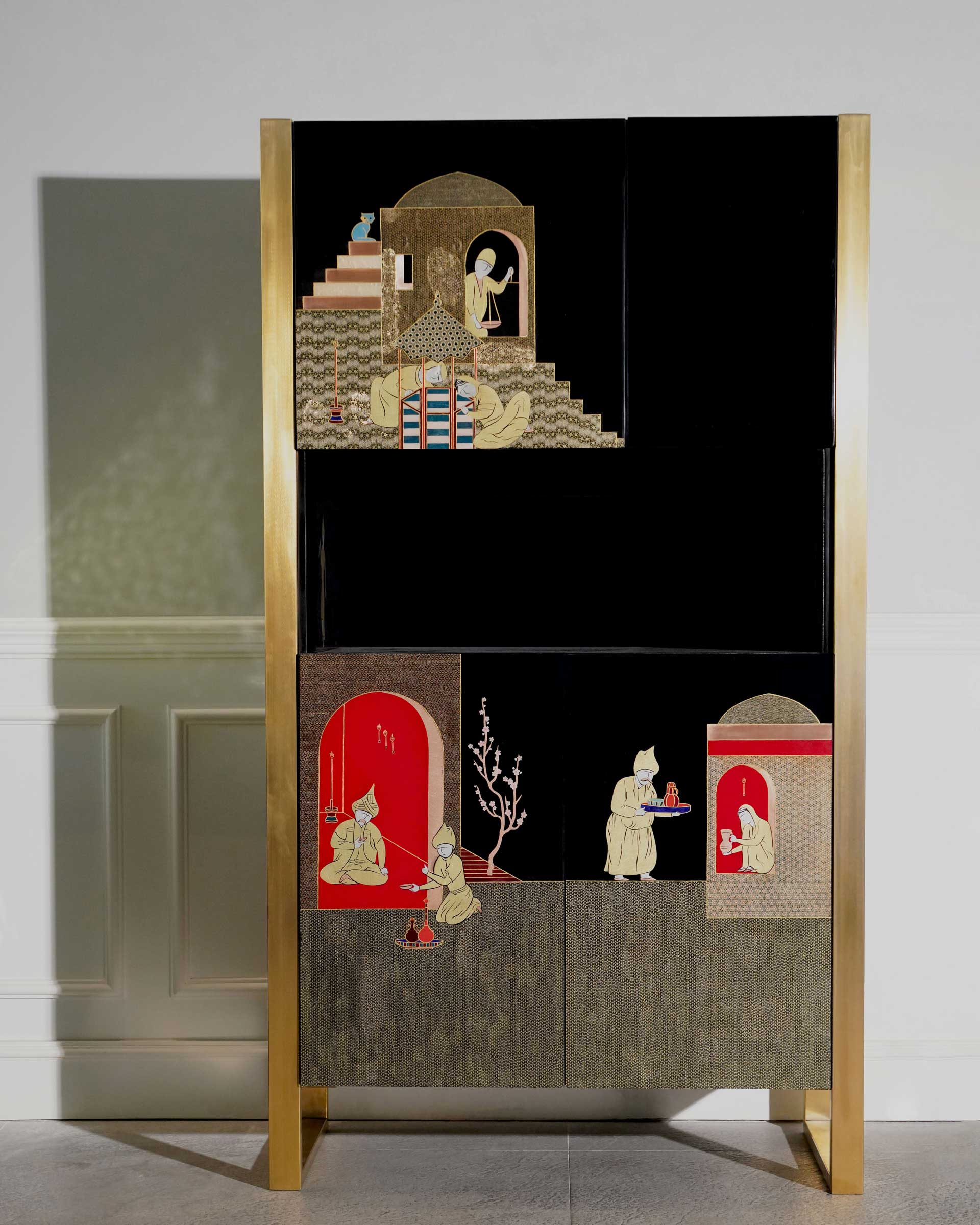
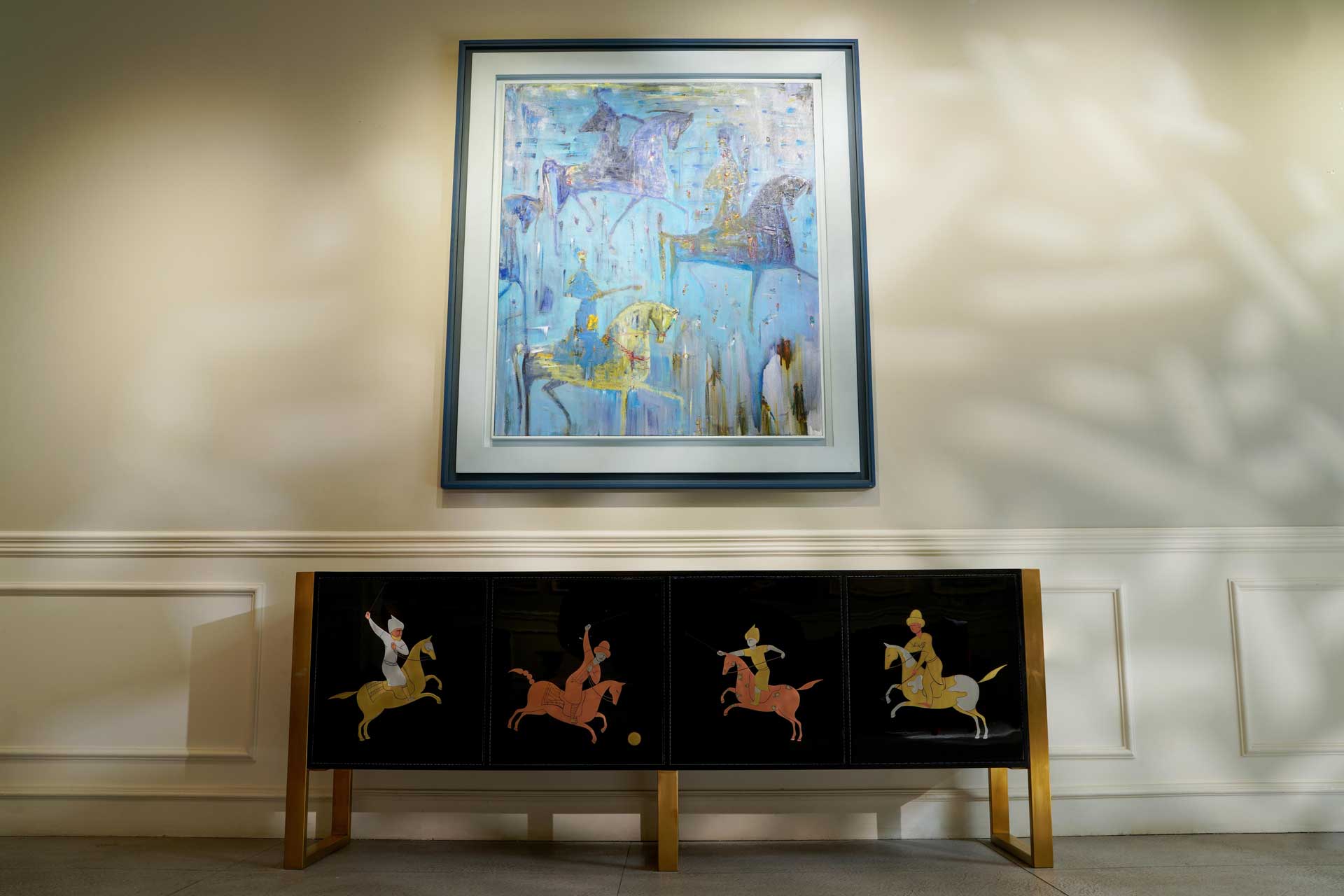
The Middle East and especially Iran sit uniquely at the intersection of Europe and Asia while carrying layered cultural histories. How has this geographical and cultural position shaped your artistic identity, aesthetic sensibility, and material choices?
For me, Iran is not merely a geography but is instead a mental and historical condition. Living at the intersection of East and West, past and present, and splendor and wound has shaped my visual sensitivity as well as my choices of material. This cultural layering has intensified my interest in contrasts such as delicacy versus violence, ornamentation versus erasure, and light versus darkness. My use of textiles, mirror work, and repetitive patterns is rooted in this context even when the work is presented in London or within a digital space. My artistic identity is formed through living among these layers rather than by choosing one over another. As an artist from the East, I believe we are heirs to a portion of the stories and narratives of humanity, which is a legacy that has contributed to the formation of culture and civilization over time. This heritage does not belong solely to the past because it holds a living potential for dialogue and connection with other parts of the world, particularly the West. From this perspective, relationships between cultures can be imagined as ones of kinship and coexistence which are akin to the bond between sisters and brothers.
Within such a relationship, art becomes a medium for transmitting awareness, experience, and historical understanding. I see myself as responsible toward this heritage and feel responsible for redefining and transmitting it to younger generations. This is done not through nostalgic reproduction but through a contemporary language that allows this knowledge to continue, to enter into dialogue, and to be relived in the present.
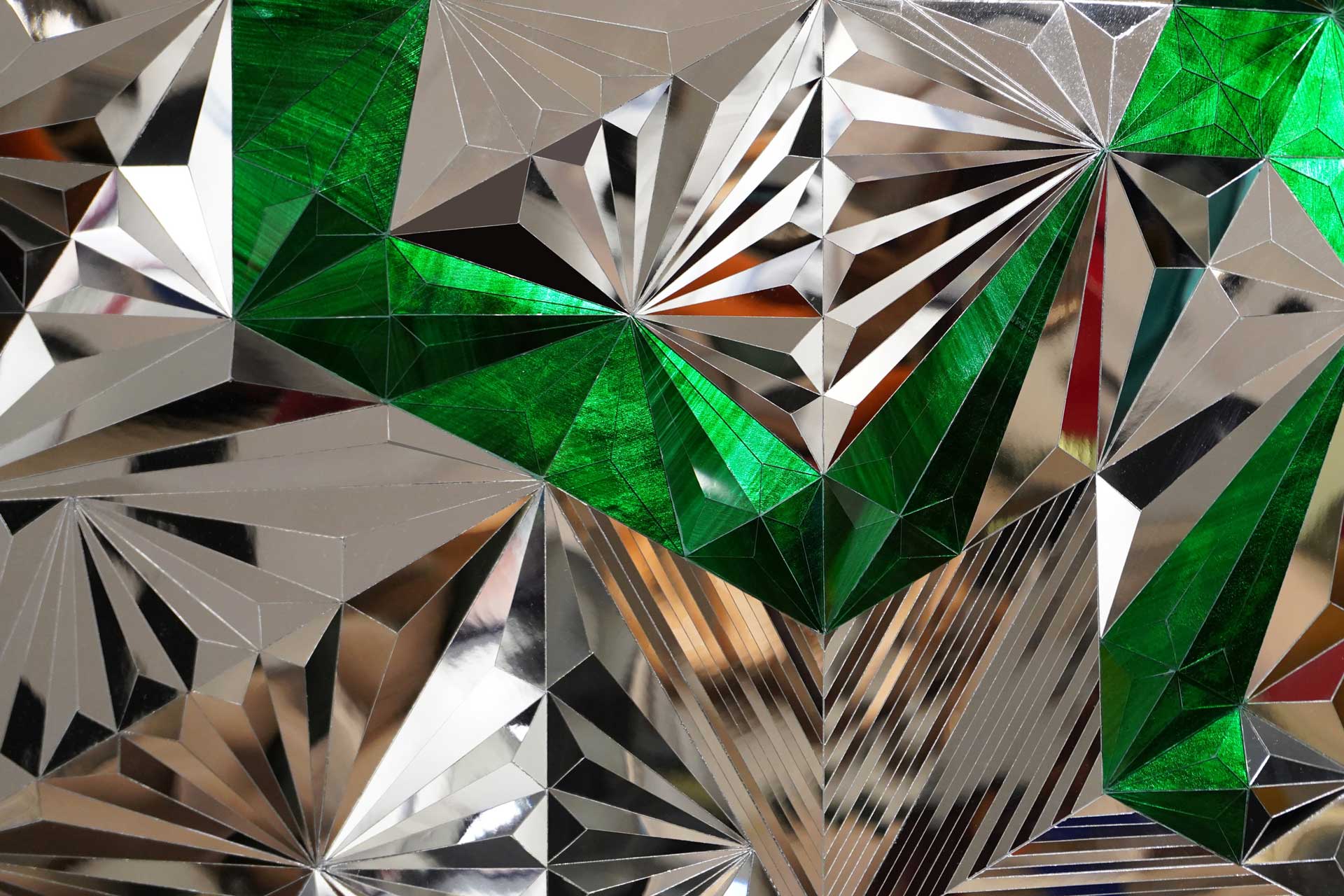
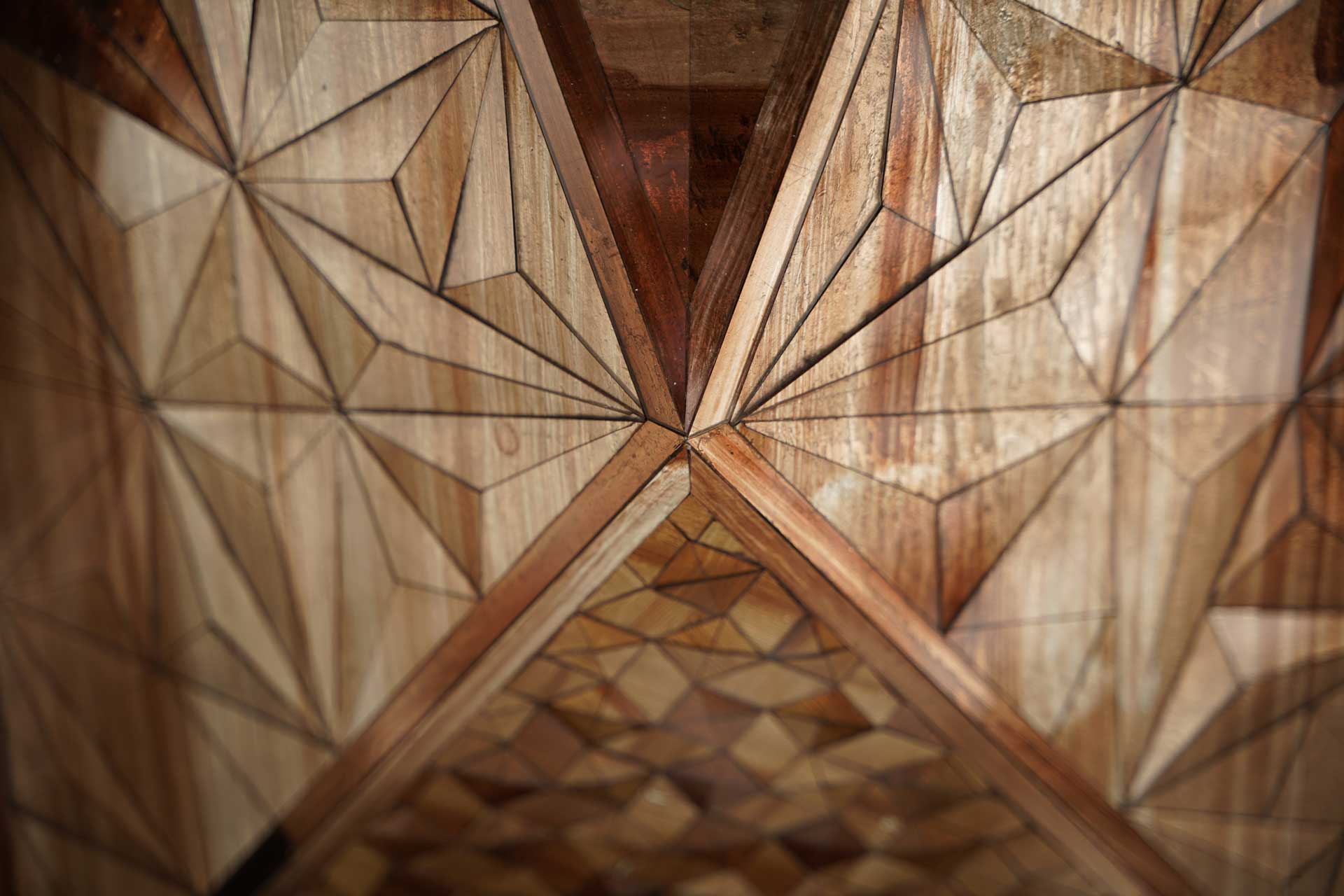
Your installations, whether they are suspended sculptures or wall based compositions, demonstrate a strong sensitivity to space. How do you consider elements such as emotional flow, the movement of light, and the position of the viewer when constructing a space, and in your view, what role does space play as a narrative medium?
My academic background is in architecture, and for me, space is not a neutral container but an integral part of the narrative. When designing an installation, I consider how the body of the viewer will enter the space, where it will pause, how light moves, and how reflections shift. Suspended sculptures, walls, distances, and shadows all function as tools to guide the experience rather than merely to display the work. Space can stretch time, activate memory, or even place the viewer in a ritualized condition. From this perspective, space itself becomes a medium that does not just convey meaning but actually produces it.
Beyond this, what I seek to express through art is the concept of a philosophy of uncertainty. This approach manifests in various ways in my work, such as through the suspension of forms and objects in space or the use of mirrors. These elements highlight that every movement of the viewer and every change in perspective can generate a new and distinct image. In this way, the work is never limited to a fixed, rigid, or definitive image. In some pieces, I have also employed pixels to emphasize that attaining a final and absolute meaning is always impossible and that the process of perception is continuously forming and redefining itself.
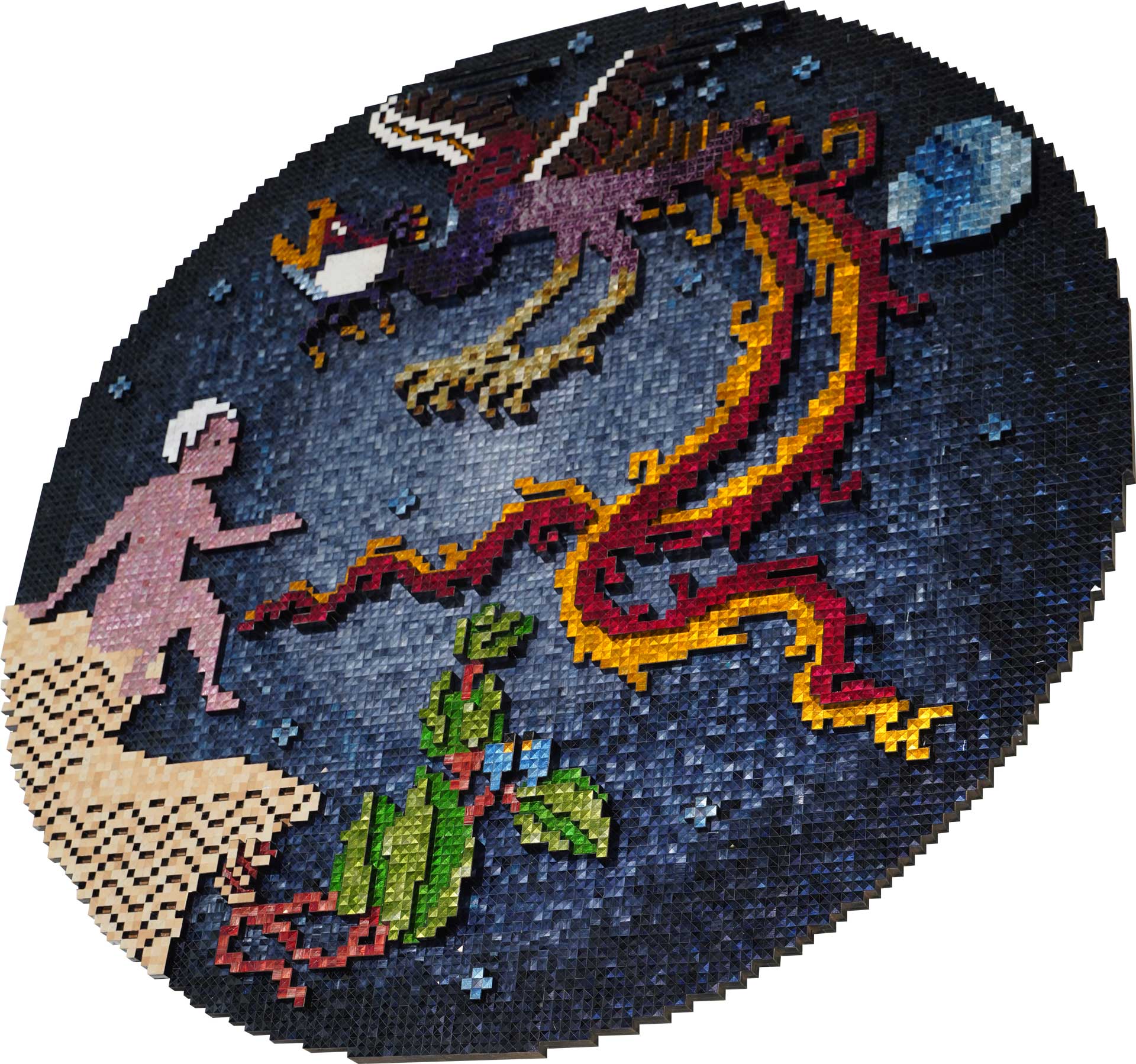
You often navigate both physical and digital forms of expression, from sculptural work to online exhibitions and NFTs. How do you see technology contributing to artistic sensibility and material based craft, and how do you envision the relationship between digital and physical art evolving in the future?
For me, technology is not in opposition to material because it extends it. My experience with NFTs and animation has allowed me to perceive the notion of the artwork beyond the physical object. The pixel, as much as it is a digital element, can also serve as a metaphor for erasure, censorship, and fragmented identity, which is similar to a crack, a cut, or a texture in a physical material. In the future, the boundary between digital and physical art will increasingly dissolve, leaving what matters most, which is the quality of experience and the depth of concept rather than the medium of presentation.
At the same time, I have sought to discover and articulate the spirit of my time. Just as prehistoric humans represented what they observed around them through lived experience, such as hunting or gatherings around the fire, I look to my surroundings to identify the Spirit of the Time in the digital age. My premise is that centuries from now, future generations will categorize us as humans of the digital era. Despite the fears and uncertainties provoked by the speed and expanse of the digital world, I feel compelled to embrace it as the spirit of our age and shape my artistic universe around it as a marker of living in this era, filtering my work through the lens of contemporary experience.
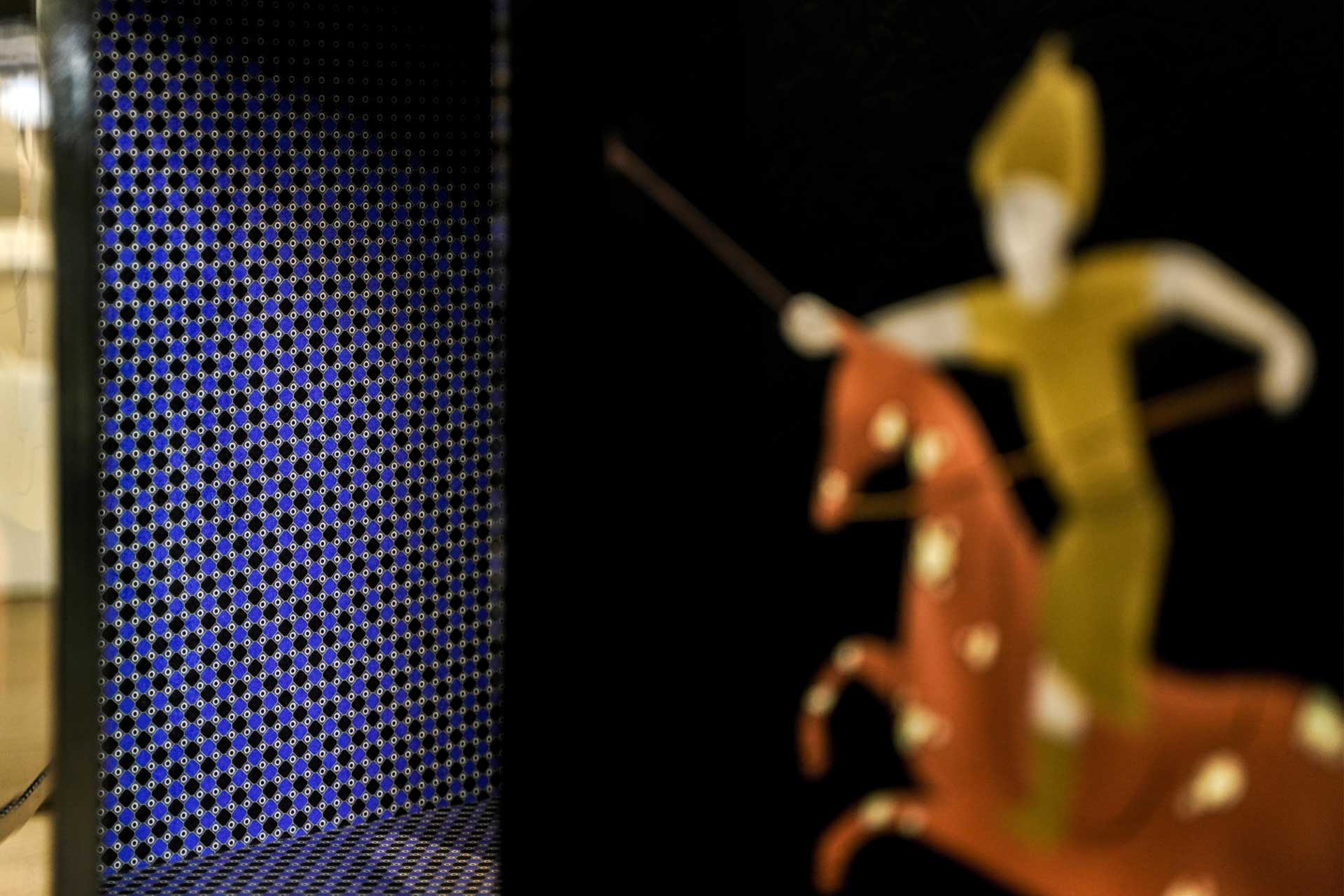
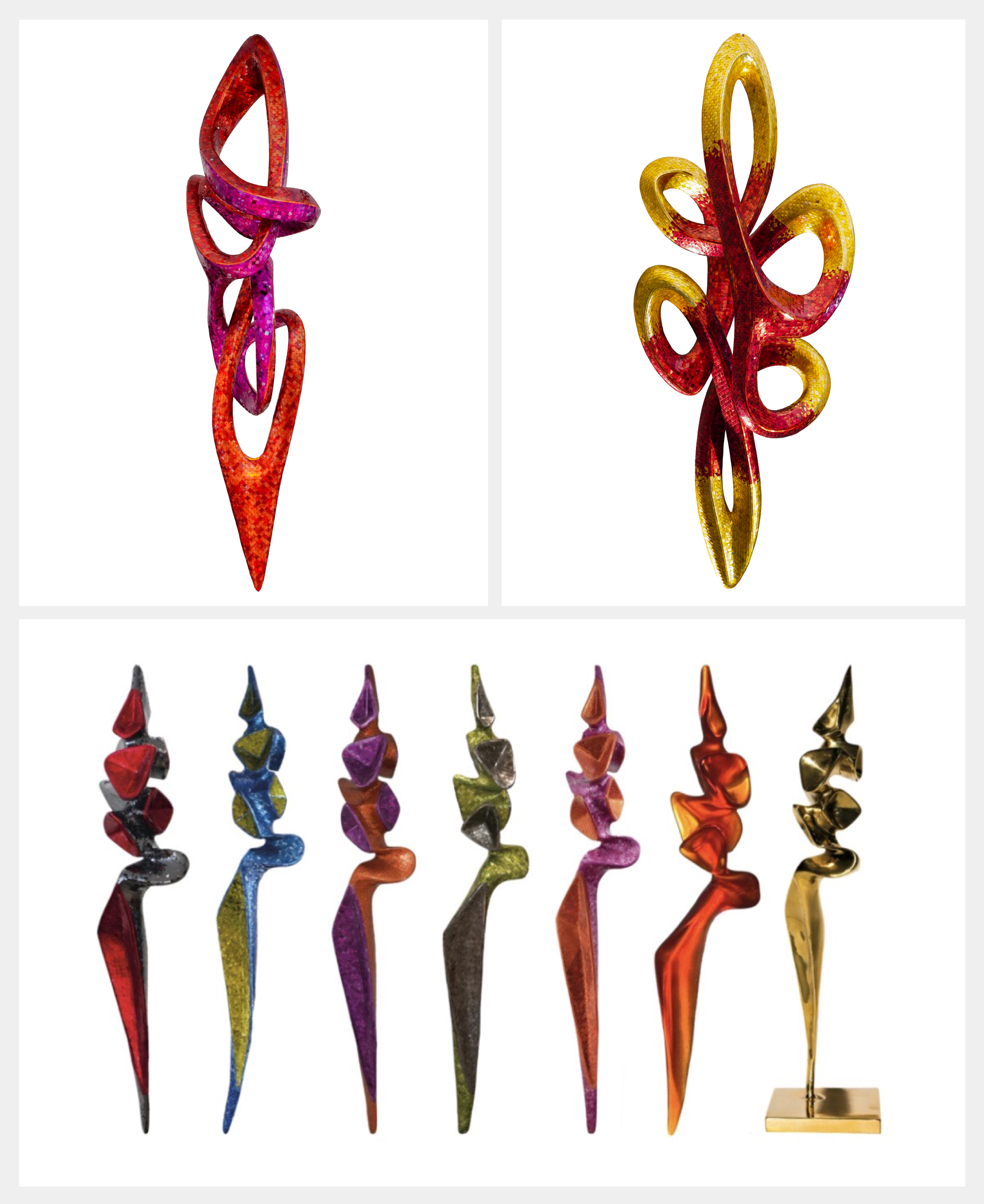
Your work sits at a meaningful crossroads within the broader landscape of Asian and Middle Eastern art and design. From your perspective, what kinds of collaboration or cultural exchange are needed for Asian design to deepen its global connection and strengthen regional solidarity?
In my view, deepening the global connection of Eastern art and design requires collaborations that go beyond mere exhibition because collaborations based on joint creation, research, critical dialogue, the exchange of works, and the development of platforms that connect regional artists, curators, and researchers are essential. Likewise, avoiding an exoticizing gaze and emphasizing indigenous narratives can help cultivate an independent and powerful voice. I am interested in exchanges that reveal the complexity of the region rather than simplifying it. By complexity, I mean preserving historical and cultural depth while simultaneously redefining it in a contemporary and global language.
The experiences of East Asian countries, particularly Japan and Korea, offer valuable models for Middle Eastern nations which share historical and cultural proximity. Architectural works such as those by Tadao Ando in Japan demonstrate how a contemporary and globally resonant expression can emerge from tradition and local identity. These experiences are not limited to Japan as similar approaches can be found in Korea, China, and other East Asian countries. Ancient civilizations such as Iran, Egypt, India, Russia, and Turkey can also draw inspiration from this model by reimagining the meaning and essence of rooted art, architecture, and design through a language attuned to the contemporary world which is key to creating meaningful and powerful works. This perspective has guided my research and lectures for years. Today, my role as a juror at the Asia Design Prize provides an opportunity to connect international and contemporary perspectives with tradition and innovation while emphasizing the importance of collaboration, exchange, and the cultivation of an independent and rich voice in regional art and design.
Finally, could you share your upcoming plans? We would love to hear about any exhibitions, long-term projects, or new material explorations you are preparing for.
Since beginning my activities at Greater Manchester University in the UK, I have focused on directing the projects and related initiatives of the semester toward the East and particularly the Middle East. This approach aligns with my professional experience in the arts, which includes managing an art gallery in Tehran and collaborating with its sister company in Dubai. This background has provided a practical platform for interaction between the academic environment and the professional art scene. Within this context, I am capable of curating exhibitions of student works and participants of art competitions in the Middle East to contribute to the enhancement of cultural and artistic exchange across the region.
Furthermore, my platform known as Diar Academy has long operated with an international approach by introducing regional artists and cultural practitioners through documentary video productions. The primary goal of this platform is to create a space where diverse cultural narratives can be seen and to strengthen intercultural dialogue. Currently, as Diar Academy becomes active within the Greater Manchester University framework, I aim to further define and strengthen this platform as a bridge between the East and the West. Just as I have previously coordinated and implemented joint programs between academic and cultural institutions in the Emirates, I am now keen to establish effective connections between universities in the East and West within the UK and to play an active intermediary role in this dialogue.











#14057, 905 49, Beolmal-ro 102beon-gil,
Dongan-gu, Anyang-si, Gyeonggi-do, Korea
Business Registration Number: 454-86-01044
Online Sales License No.: 2021-Anyang Dongan-1081
Copyright © DESIGNSORI Co., Ltd.